Four Innovative Hypertension Intervention Devices Approved by NMPA in Q3 2024

SyMap
Innovative Device R&D Manufacturer in Cardiovascular and Respiratory Fields

Brattea
Developer of Interventional Devices for Hypertension
In Q3 of 2024, the NMPA has approved 23 innovative medical devices for marketing, with the number in Q3 alone matching the total of innovative medical devices approved in the first half of the year. Among them, four innovative medical devices are interventional products for hypertension.
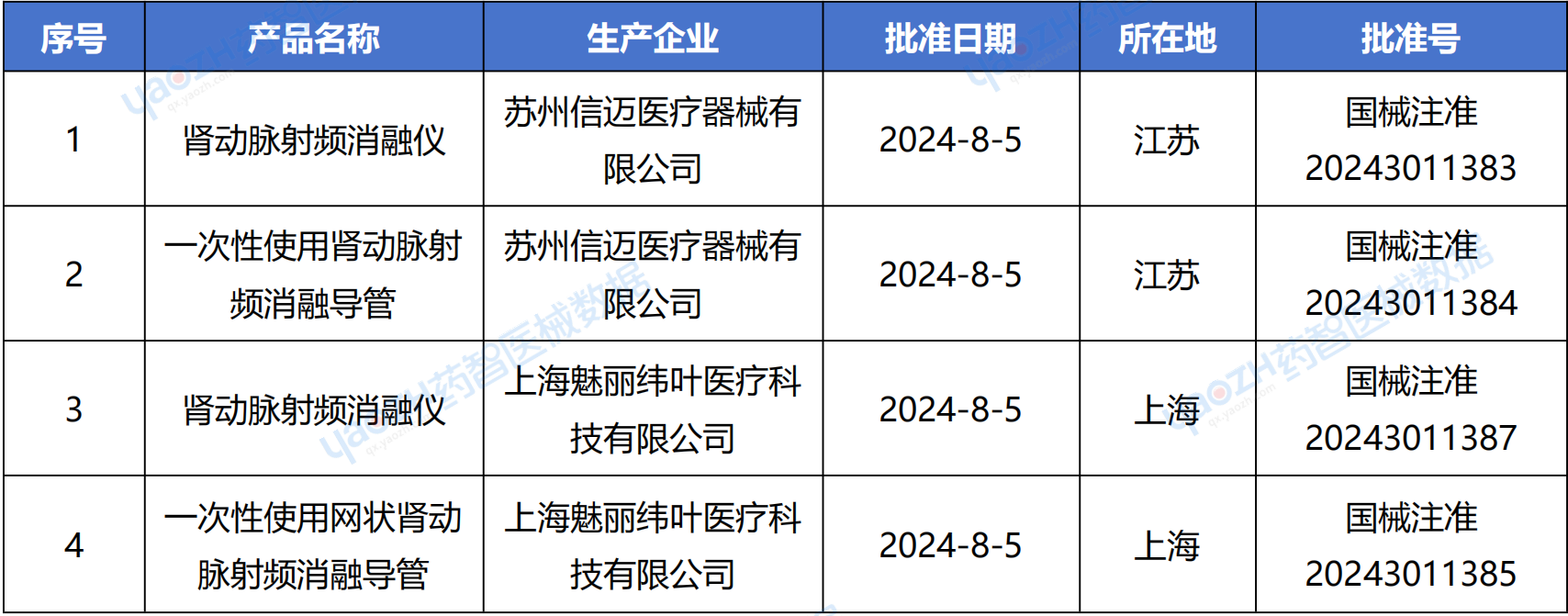
Source: NMPA, PharmCube Medical Device Data — China Marketed Device Screening System Database
1/2. Renal Artery RF Ablation System Series: SyMap
According to the NMPA official website, the renal artery radiofrequency ablation system developed by SyMap consists of a main unit, a footswitch, a hand controller, a neutral electrode cable, an equipotential balancing wire, and a power cord. The disposable renal artery radiofrequency ablation catheter is composed of an ablation catheter and a connecting cable. The renal artery radiofrequency ablation system delivers radiofrequency energy through a single channel, transmitting it via the catheter electrode to the endothelium of the renal artery. Using the thermal effect of electric current, it deactivates the sympathetic nerves surrounding the renal artery, blocking the transmission of sympathetic nerve excitation.
At the same time, the catheter electrode can output electrical stimulation signals to map the renal artery, identify sympathetic nerves through blood pressure changes, and achieve selective ablation. This product is suitable for patients with refractory hypertension and drug-intolerant hypertension who require a reduction in medication usage as part of their auxiliary treatment.
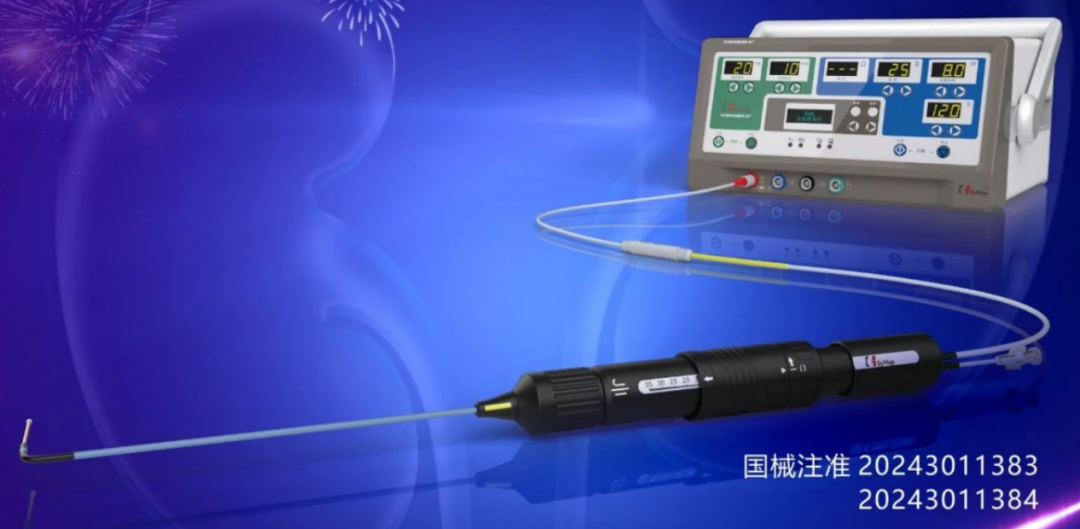
Image Source: SyMap
This product (msRDN system) is the world's first renal artery radiofrequency ablation device capable of mapping renal nerves. It provides precise ablation locations for renal sympathetic denervation, and offers effective feedback during and after the procedure to evaluate the immediate outcomes of renal sympathetic denervation, meeting the clinical needs of renal denervation procedures.
SyMap stated that the renal artery radiofrequency ablation instrument can control the power, temperature, and stimulation intensity of the electrodes on the ablation catheter, and monitor the power, temperature, and impedance in real time. The msRDN system has the following three characteristics:
1. Selectively remove renal sympathetic nerves while preserving parasympathetic nerves.
2. After mapping the renal nerves, ablation at an average of 4 sites on each of the main left and right renal arteries is sufficient to reduce the patient's antihypertensive drug load and achieve a target office systolic blood pressure (<140 mmHg).
3. It can not only map renal nerves to provide accurate ablation sites for renal denervation, but also offer effective feedback during the procedure, allowing operators to evaluate and confirm the immediate effect of renal denervation, meeting the needs of percutaneous renal denervation (RDN) in clinical practice.
As the first domestically produced RDN device with renal nerve mapping/selective ablation to be launched, SyMap's msRDN system is, to date, the world’s only renal nerve mapping/selective ablation product under strict intellectual property protection. The launch of this product not only breaks the monopoly of imported devices but also establishes a tripartite competitive landscape among msRDN, multinational companies’ rfRDN (radiofrequency ablation), and uRDN (ultrasound ablation).
3/4. Renal Artery Radiofrequency Ablation Instrument Series: BRATTEA
According to the NMPA official website, the renal artery radiofrequency ablation instrument developed by BRATTEA consists of a main unit, a footswitch, a main unit connection cable, a neutral electrode connection cable, and a power cord. The disposable mesh renal artery radiofrequency ablation catheter is composed of a basket stent, ablation electrodes, a protective sheath, a handle, and connectors. These two products are used together to assist in the treatment of patients with refractory hypertension and drug-intolerant hypertension.
In addition, the single-use mesh renal artery radiofrequency ablation catheter features six electrodes arranged in a spiral pattern, which can effectively improve the ablation efficiency. The basket-like design ensures uninterrupted blood flow during ablation, making it an original innovation both in China and internationally. The renal artery radiofrequency ablation instrument utilizes temperature and impedance measurement along with feedback control algorithms, simplifying the surgical operation. The launch of this product is beneficial for promoting the clinical application of radiofrequency ablation technology, further reducing clinical treatment costs, and allowing more patients with refractory hypertension and drug-intolerant hypertension to benefit.
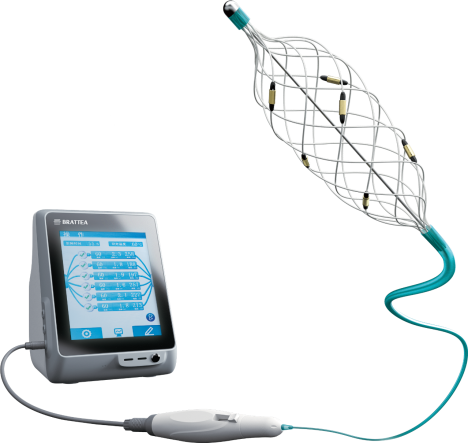
Image Source: BRATTEA
BRATTEA is a high-tech innovative medical device company that integrates research and development, production, and sales, focusing on the field of minimally invasive interventional treatment and possessing independent intellectual property rights. Established in 2013, it is located in the Juke Biotechnology Park in Xuhui District, Shanghai.
BRATTEA stated that as an original Chinese innovation and world-leading technology, the recently approved product (Netrod® StarBand™ System) not only demonstrates the enhancement of China's R&D capabilities but also provides a reference path for other innovative technologies in the industry to progress from concept to market.
Conclusion: As an integral part of clinical technology, medical devices are always evolving towards standardization, intelligence, and precision. Currently, innovative medical devices will be increasingly applied in technical assistance and automation to help medical staff improve efficiency and accuracy while reducing medical risks and operational complexity.
Based on this, the approval channel for innovative medical devices in China and the number of products on the market are continuously increasing, with fruitful innovative achievements. The medical device industry is steadily accelerating towards the goal of high-quality development.

Editor: Mu Mian
Disclaimer: This article is a reprint from PharmaSmart. The images and text are the original property of the author, and the purpose of the reprint is to convey more information. It does not represent the views of this platform. If there are any issues regarding the content, copyright, or other aspects, please leave a message on this platform, and we will address it promptly.