
Source: PharmaDJ
Author:Treading SnowEditor: Vitamin
Recently,Eli LillyEli Lilly and Company announced that its Alzheimer's disease treatment drug donanemab has been approved in Japan, making Japan the second major market for donanemab after its launch in the United States under the brand name Kisunla.DiseaseThe globalization of the pharmaceutical landscape is accelerating.
Alzheimer's Disease (AD) is one of the major challenges faced by the global pharmaceutical industry and is the most common type of dementia. Its etiology is extremely complex, involving the combined effects of aging, genetics, and environmental factors. The scientific community has proposed various hypotheses regarding pathological mechanisms, including cholinergic dysfunction, amyloid protein accumulation, tau protein abnormalities, inflammatory responses, oxidative stress, metal ion imbalance, glutamate excitotoxicity, microbiota-gut-brain axis disorders, and abnormal autophagy. However, the interactions among these pathological factors remain incompletely understood, leaving the primary cause of AD still a mystery.Despite numerous attempts by scientists to develop drugs over the past few decades, most have failed due to insufficient efficacy or significant side effects. Previously approved treatments often only provide temporary symptom relief and are frequently accompanied by side effects.Recently, the FDA approved three new drugs—aducanumab, lecanemab, and donanemab—which have shown potential in clearing Aβ plaques and slowing cognitive decline, but their long-term efficacy and safety still need further verification.With the deepening of research, especially breakthroughs in the field of immunotherapy, Alzheimer's disease (AD) treatment is gradually shifting from traditional single-target strategies to small-molecule therapeutic approaches. The new generation of AD small-molecule drugs optimize drug properties, safety, and efficacy through various mechanisms, such as selective targeting, dual-targeting, allosteric modulation, covalent binding, PROTACs technology, and protein-protein interaction (PPI) regulation. This multi-dimensional innovation is accelerating the development of AD drugs while reducing related challenges, bringing new hope to patients.Pathogenesis of AD
A truly intricate puzzle
The pathogenesis of Alzheimer's disease (AD) remains incompletely understood, being a complex and enigmatic field.The accumulation of Aβ is a hallmark pathological feature of AD., which originates from the progressive cleavage of amyloid precursor protein (APP), while the processing of APP is regulated by many factors. Meanwhile, the accumulation of Aβ is closely related to apolipoprotein E (APOE), especiallyAPOEε4 allele, one of the strongest genetic risk factors for AD.In addition, tau protein, as a major component of neurofibrillary tangles (NFTs), is closely related to the clinical symptoms of AD.Besides the keyβ-Amyloid (Aβ)AndTau proteinExternal, Acetylcholine deficiency, neuroinflammation, oxidative stress, metal ion imbalance, glutamate dysregulation, insulin resistance, gut microbiota abnormalities, cholesterol homeostasis disruption, mitochondrial dysfunction, and autophagy abnormalities, among other factors, may also play important roles in the process.(Figure 1).
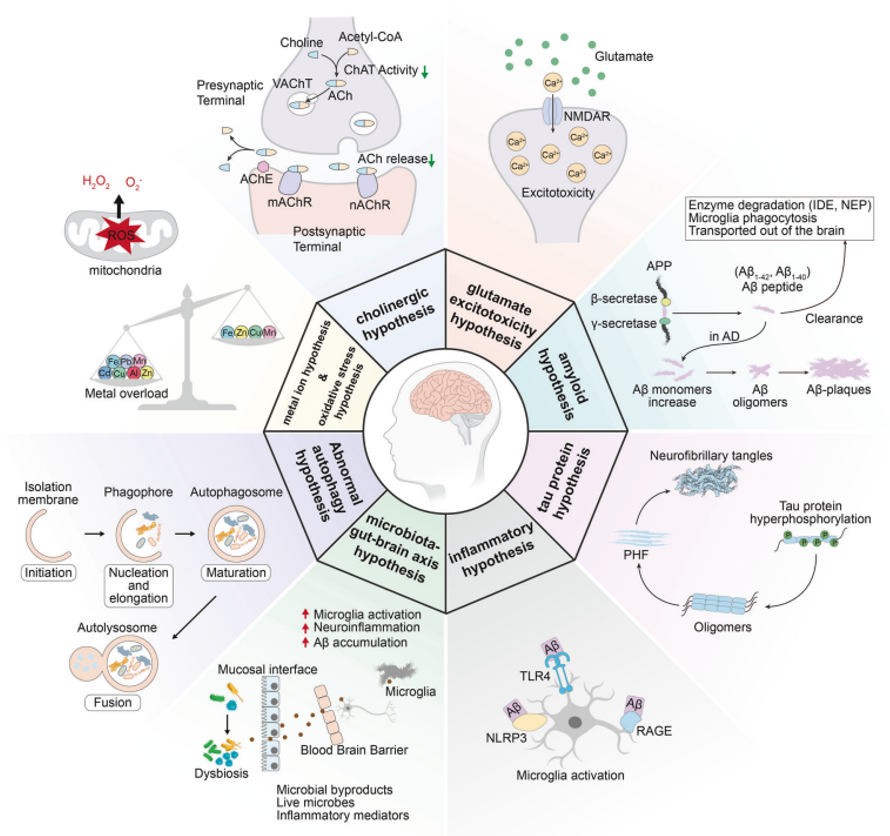
Figure 1. Schematic diagram of AD pathogenesis
These pathological mechanisms do not exist independently but interact with each other, forming a complex network in the development of AD. Understanding these complex interactions not only helps to reveal the root causes of AD but also provides important clues for developing more effective treatments.Signal Pathway andAssociation with the Pathogenesis of AD
- Neuroinflammatory Signaling Pathway
Multiple pathological factors in AD, such as Aβ, pro-inflammatory cytokines, and oxidative stress, can activate microglia, initiating downstream signaling pathways like MAPK, NF-κB, and PI3K/Akt. The activation of these pathways further promotes microglial activation and the production of inflammatory mediators, exacerbating neurotoxicity.Lysosomes play a crucial role in maintaining cellular homeostasis, and their dysfunction is closely related to the development of AD. Defective lysosomal acidification in AD may impair Aβ clearance, leading to the accumulation of extracellular Aβ plaques.- Abnormal cholesterol metabolism
Cholesterol also plays an important role in AD. Imbalances in the synthesis, transport, metabolism, and clearance of cholesterol may promote the progression of AD by mediating pathological changes such as Aβ, tau, and inflammation.- Mitochondrial Dysfunction
Mitochondria are the main source of cellular energy, and their dysfunction in AD is manifested as energy metabolism defects, increased oxidative stress, calcium ion imbalance, and abnormal mitochondrial dynamics, which can lead to neuronal dysfunction and even apoptosis.- Calcium signaling pathway
Calcium signaling is also disrupted in AD. Elevated intracellular calcium concentrations and abnormalities in calcium signaling pathways can affect the function of organelles such as the endoplasmic reticulum, mitochondria, and lysosomes, leading to the development of neurodegenerative diseases.- Insulin Signaling Pathway
The insulin signaling pathway is closely related to AD. In the AD brain, the insulin signaling pathway is impaired, leading to increased activity of glycogen synthase kinase-3 (GSK-3), tau protein phosphorylation, and Aβ production.- Dysregulation of Neurotrophic Signaling Pathways
Neurotrophic factors are reduced in AD, affecting the survival, growth, and differentiation of neurons, and weakening synaptic plasticity and neuronal signaling functions.- Blood-brain barrier dysfunction
The disruption of the blood-brain barrier is closely related to the development of AD. Impaired integrity of the blood-brain barrier, altered transport function, reduced cerebral blood flow, and neuroinflammation can all contribute to the pathological changes in AD.Biomarkers for AD Diagnosis:
Looking for Clues to the Disease
Molecular imaging technologies such as magnetic resonance imaging (MRI) and positron emission tomography (PET) can be used to detect structural and functional changes in the brains of AD patients.Structural MRICan assess hippocampal and entorhinal cortex atrophy;18FDG-PETReduced glucose metabolism can be detected in the posterior cingulate and temporoparietal lobes;PET ImagingCan display Aβ and tau deposits.
However, these methods have limitations in diagnosing AD and cannot accurately distinguish AD from other neurodegenerative diseases with similar pathology.- Cerebrospinal Fluid Markers
Aβ42, phosphorylated tau (P-tau), and total tau (T-tau) in cerebrospinal fluid are important biomarkers of AD.P-tau181 concentration is the most accurate indicator for distinguishing AD from non-AD dementia.Although amyloid and tau PET as well as cerebrospinal fluid biomarkers can specifically indicate AD-related pathology, they are not completely equivalent. Studies have shown that amyloid PET is highly negatively correlated with cerebrospinal fluid results, while cerebrospinal fluid P-tau is inconsistent with tau PET results.Blood biomarkers provide an economical, convenient, minimally invasive, and highly accessible option for the diagnosis of AD. Many cerebrospinal fluid biomarkers (such as Aβ, P-tau, NfL, GFAP) are also applicable in blood, and with advancements in high-sensitivity analytical platforms and detection technologies, the diagnostic accuracy and reliability of blood biomarkers continue to improve.The Exploration Path of Traditional AD Drugs
Traditional Alzheimer's disease (AD) treatment drugs mainly includeAcetylcholinesterase Inhibitors (AChEIs)AndN-Methyl-D-aspartate (NMDA) receptor antagonist(Figure 2).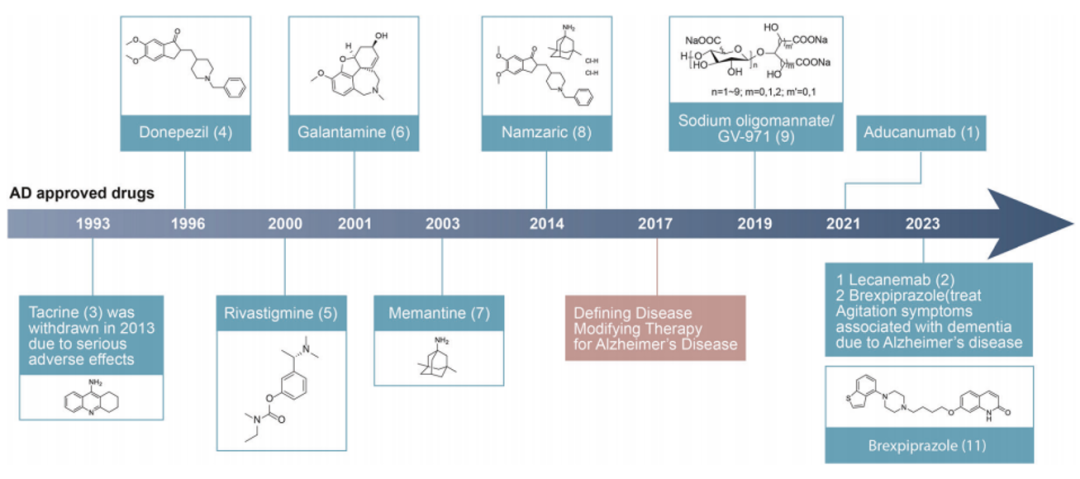
Figure 2. AD Treatment Drugs Approved by the FDA/China
The first drug approved for the treatment of AD in the AChEIs family is tacrine.This drug enhances patients' cognitive and behavioral abilities by inhibiting the activity of acetylcholinesterase, thereby increasing the concentration and duration of acetylcholine. However, due to the hepatotoxicity issues associated with tacrine, although it was approved in 1993, it was eventually withdrawn from the market in 2013. Nonetheless, tacrine still holds potential in multi-target ligand research.Among AChEIs, donepezil, rivastigmine, and galantamine, which were developed later, are known as second-generation drugs. These drugs not only exhibit superior selectivity with fewer side effects but also possess better pharmacokinetic properties, making them first-line treatments for AD.Memantine is the only NMDA receptor antagonist approved by the FDA for the treatment of moderate to severe AD.Memantine improves patients' cognitive function, daily living abilities, and behavioral performance to a certain extent by modulating glutamate transmission and dopamine receptor activity. Additionally, the fixed-dose combination drug Namzaric, which contains memantine and donepezil, offers another treatment option for patients with moderate to severe AD. Despite these drugs' effectiveness in regulating neurotransmitters, they cannot alter the course of the disease, providing an important reference for the design of new drugs.In recent years, researchers have proposed the concept of "disease-modifying treatment," which aims to halt disease progression by intervening in the fundamental biological mechanisms of AD and provide patients with long-lasting therapeutic benefits. In 2019, China conditionally approved GV-971, an oligosaccharide salt extracted from seaweed, as a treatment for AD. The mechanism of action of GV-971 is believed to counteract AD by inhibiting neuroinflammation triggered by gut microbiota dysregulation and disrupting the formation of Aβ fibrils. Studies show that GV-971 can alter the composition and abundance of gut microbiota in a sex-dependent manner, modulate microbial metabolism and peripheral inflammation, thereby reducing neuroinflammation and amyloid pathology. Currently, two Phase IV clinical trials of GV-971 are underway, expected to continue until 2025.In the field of AD treatment, monoclonal antibodies such as Aducanumab, Lecanemab, and Donanemab have also made certain progress. These antibodies primarily target the Aβ protein, demonstrating varying levels of efficacy and side effects. Aducanumab received accelerated FDA approval in 2021, and despite being controversial, its ability to clear Aβ plaques and slow cognitive decline cannot be ignored. Subsequently, Lecanemab was approved in 2023, and Donanemab was approved in 2024. However, the use of these drugs is also associated with significant risks of imaging abnormalities and high treatment costs.In addition, the emerging drug Brexpiprazole has also shown efficacy in alleviating AD symptoms. Originally used to treat depression and schizophrenia, Brexpiprazole effectively reduces anxiety symptoms in AD patients by acting on serotonin, dopamine, and norepinephrine receptors. As research progresses, these new drugs provide diverse target options for AD treatment and bring new hope for halting or reversing the progression of AD.Breakthrough Tradition:
Potential Drugs for the Next Generation of AD Treatment
Traditional AD drugs have limited efficacy and a high failure rate in clinical trials, mainly due to insufficient effectiveness or excessive side effects. These issues have driven the continuous elevation of development standards for a new generation of AD drugs, aiming to provide patients with diverse and precise treatment options tailored to their unique pathological processes. With a deeper understanding of disease mechanisms and advancements in drug development technology, the creation of innovative AD drugs is gradually becoming a reality (Table 1).Table 1. Next-generation AD Treatment Drugs
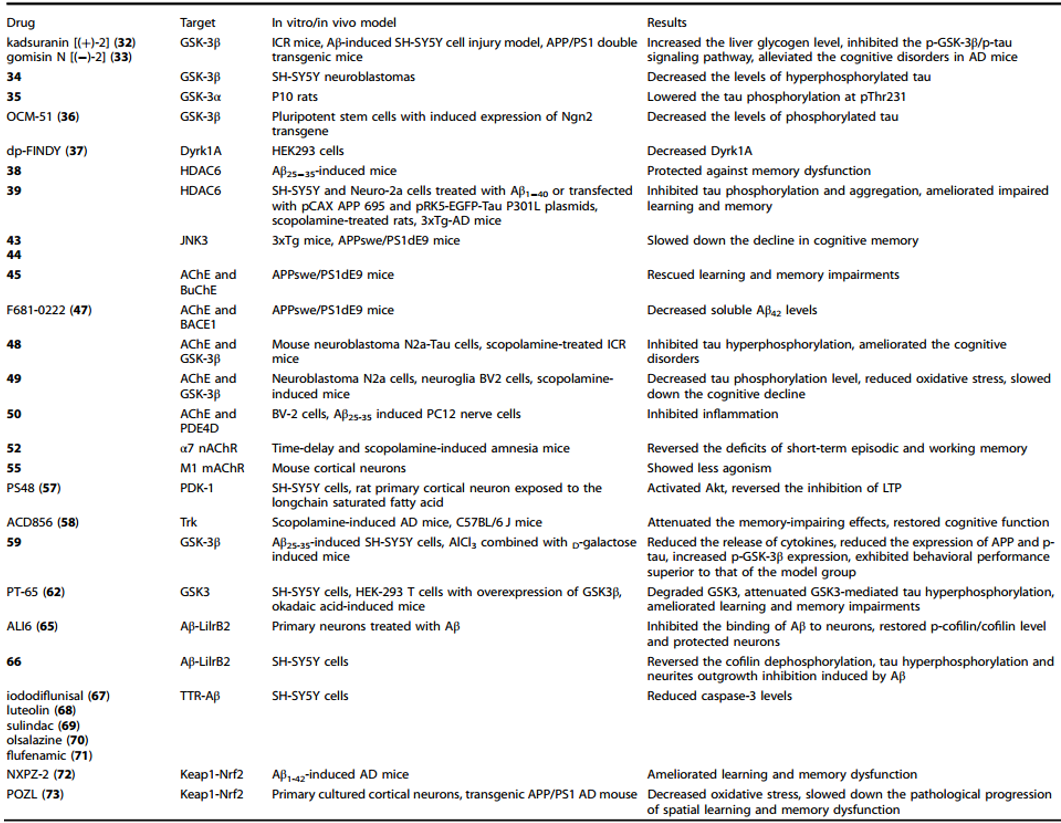
With the deepening understanding of the physiological functions of pathological proteins, significant progress has been made in the development of selective inhibitors. These inhibitors can specifically target certain protein classes, subtypes, or domains, offering more pronounced advantages in terms of efficacy, safety, and tolerability.For example, Kadsuranin and gomisin N extracted from the fruit of Schisandra chinensis are two stereoisomers of schisandrin B, which can effectively inhibit GSK-3β. The selective GSK-3β inhibitor OCM-51 can reduce tau protein phosphorylation while preventing the overactivation of the β-catenin signaling pathway.However, the development of selective inhibitors faces many challenges, especially in designing highly selective inhibitors for highly conserved or homologous binding pockets. To address this, discovering additional pockets on the target enzyme, optimizing targets, and utilizing computational tools may become new strategies to solve this problem.Due to the multifactorial nature of AD and the limited efficacy of single-target drugs, the search for effective dual-target or multi-target inhibitors has become a new research direction. These inhibitors can produce additive or synergistic effects on one or more targets, thereby enhancing efficacy, prolonging therapeutic effects, reducing side effects, and decreasing drug dosage.For example, dual-target drugs that inhibit both acetylcholinesterase (AChE) and butyrylcholinesterase (BuChE) can not only alleviate cognitive impairment in AD patients by increasing acetylcholine levels but also slow down the formation of Aβ plaques. Ladostigil, an AChE/MAO-B inhibitor, demonstrated good tolerability and safety in Phase II clinical trials.Although multitarget drugs may have lower activity on individual targets compared to single-target drugs, better efficacy and fewer adverse reactions can be achieved through the synergistic effect of multitarget regulation.Allosteric modulators regulate the affinity and/or efficacy of orthosteric ligands or directly modulate receptor activity by binding to regions distinct from the orthosteric site, inducing conformational changes. These agents can produce positive, negative, or neutral effects. For instance, allosteric modulators of γ-secretase promote the production of shorter, less toxic Aβ subtypes, while selective positive allosteric modulators (PAMs) target the α7 nicotinic acetylcholine receptor (α7 nAChR) subtype, slowing the decline of episodic/working memory in amnesic mouse models.Allosteric modulators have great potential in AD drug development, but they also face challenges, requiring more in vitro and in vivo studies to evaluate the functional effects of compounds and the factors influencing their properties.Covalent inhibitors exhibit superior potency, selectivity, and duration of action by forming covalent bonds with target proteins. For instance, compound 59, featuring an acrylamide warhead, can covalently bind to GSK-3β, significantly reducing the expression of APP and p-tau proteins in the hippocampus of AD mice while improving their spatial learning and memory abilities.Although covalent inhibitors may have potential toxicity issues, their selectivity can be improved and toxicity reduced by optimizing the reactivity and reversibility of electrophiles, designing non-covalent scaffolds, adjusting dosage, and other methods.- PROTACs (Proteolysis-Targeting Chimeras)
PROTACs utilize the ubiquitin-proteasome system to precisely target and degrade specific proteins, thereby enhancing the accuracy and speed of drug action. In the development of AD drugs, PROTACs can target tau protein, glycogen synthase kinase-3β (GSK-3β), histone deacetylases (HDACs), BET proteins, and transthyretin (TTR)-Aβ interactions, among others. However, PROTACs also face challenges, such as limited options for E3 ligases and poor blood-brain barrier penetration due to the large molecular weight of compounds.Protein-protein interactions (PPIs) play a crucial role in maintaining cellular functions, and abnormal protein interactions are closely related to the pathogenesis of many diseases. In AD, the misfolding and aggregation of Aβ and tau proteins involve complex PPI networks. For instance, the interaction between Aβ and leukocyte immunoglobulin-like receptor B2 (LilrB2) negatively regulates synapses and memory, while the interaction between Aβ and transthyretin (TTR) can reduce Aβ aggregation and toxicity. By blocking or modulating these interactions, small-molecule inhibitors hold promise for alleviating the pathological processes of AD.In summary, the pathogenesis of AD is extremely complex, and many mysteries remain unsolved.However, there are constantly new advancements emerging in areas such as drug development.In view of this, we must continue to deeply investigate the pathogenesis of Alzheimer's disease, and commit ourselves to developing safer and more effective drugs, so as to provide AD patients with better treatment options.
In the future, with the continuous advancement of science and technology, we firmly believe that we will certainly overcome the challenge of Alzheimer's disease, bringing new hope to patients and their families.
References:
1. Recent advances in Alzheimer’s disease: Mechanisms, clinical trials and new drug development strategies.2. Perspectives and challenges in patient stratification in Alzheimer’s disease.3. New approaches to symptomatic treatments for Alzheimer’s disease.4. Alzheimer’s disease clinical spectrum: diagnosis and management.*Disclaimer: This article only introduces the research progress in the pharmaceutical and medical field, provides a brief overview of the research, or shares pharmaceutical-related information. It does not recommend any treatment or diagnostic plans, nor does it constitute any advice on related investments.If there are any omissions in the content, please feel free to communicate and point them out!