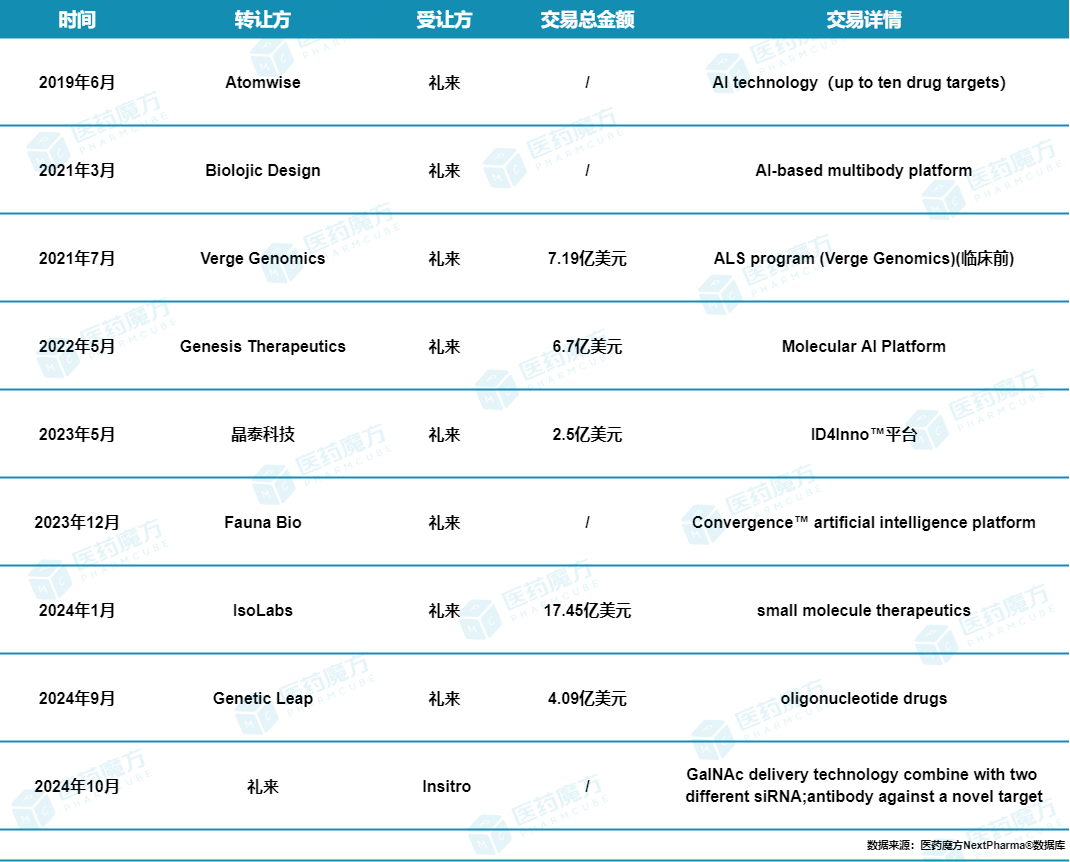
On October 9, AI pharmaceutical company Insitro announced the signing of three strategic agreements with Eli Lilly to jointly advance potential new drugs for treating metabolic diseases, including Metabolic Dysfunction-Associated Steatotic Liver Disease (MASLD).Insitro has independently developed two siRNA molecules and attempted to use them for the treatment of diseases, including metabolic dysfunction-associated steatotic liver disease. However, these siRNA molecules require delivery carriers to reach the liver.In the first two agreements, Lilly provided Insitro with an option to obtain a license for GalNAc (N-acetylgalactosamine) delivery technology., because this delivery technology can achieve liver delivery.Note: The ternary structure of N-acetylgalactosamine is used as a targeting and internalization ligand for oligonucleotide-based antisense and siRNA therapies, which can bind to the asialoglycoprotein receptor expressed on the surface of hepatocytes within the liver.Several of Alnylam's approved drugs (Givlaari, Oxlumo, Amvuttra, and Leqvio) use GalNAc for delivery.The Third AgreementIn China, Insitro and Eli Lilly will collaborate to discover and develop a third new target for metabolic diseases.AntibodyAs part of the collaboration, the two companies will jointly conduct early preclinical development activities until the nomination of a development candidate, at which point Insitro will be responsible for all remaining development and commercialization.According to incomplete statistics, in the past five years,Pharmaceutical giant Eli Lilly increases its collaboration events in the AI pharmaceuticals field.Last month, Eli Lilly andGenetic Leap has reached a cooperation agreement, and both parties willUtilize Genetic Leap's RNA-targeting artificial intelligence platform to develop oligonucleotide drugs for Lilly-selected targets.Representative Collaboration Deals of Eli Lilly in the AI Pharmaceutical Field in Recent Five Years
Insitro was founded in 2018. In January this year, Dr. Daphne Koller, founder and CEO of Insitro, gave a presentation at the JPM conference, in which Insitro's answer to "How does AI actually make drugs?" was:The right people, with appropriate data, build applicable machine learning models.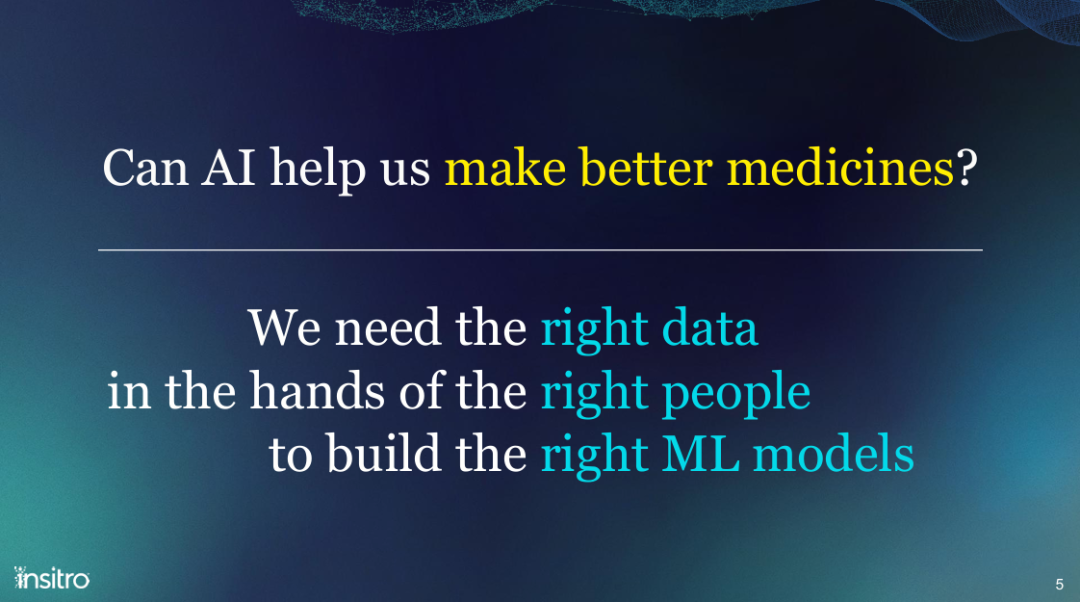
Insitro's Understanding of "How Exactly Does AI Develop Drugs?"[2]
Insitro's R&D pipeline is still in a very early stage. Interestingly,Insitro adopts different modalities for each disease area: small nucleic acids for metabolic diseases, small molecules for neurological disorders, and antibodies and ADCs for oncology drugs.This collaboration with Eli Lilly will support insitro's first pipeline project in moving towards IND. If everything goes according to plan,Insitro will begin its first clinical trial in 2026.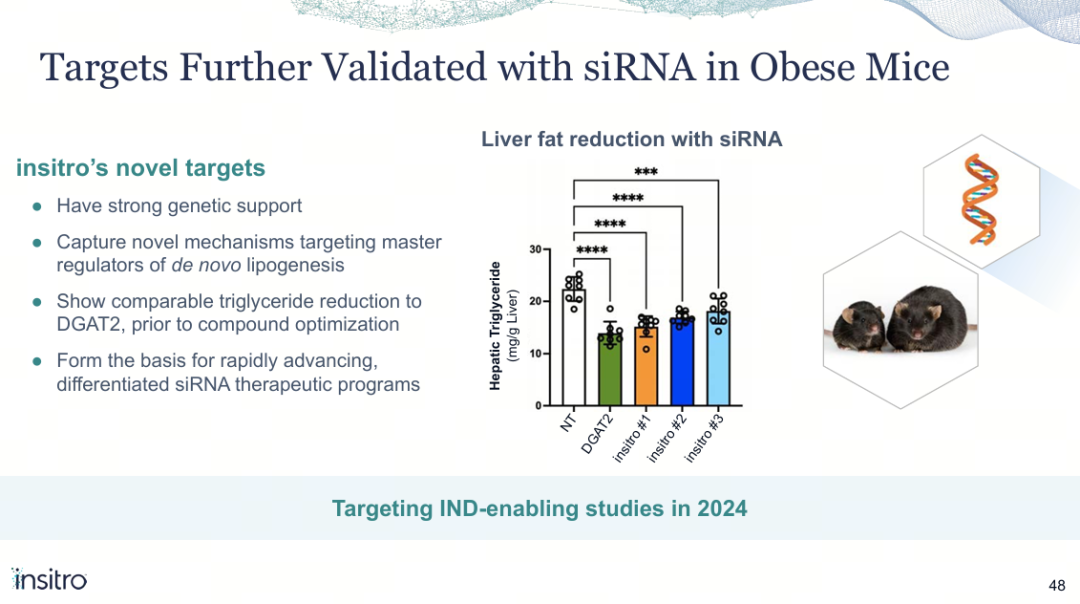
Insitro's siRNA Drug[2]
Dr. Daphne Koller, founder and CEO of insitro, stated: "Our proprietary AI/ML platform, leveraging large-scale multimodal data, computational power, and genetics, has identified several high-value targets. By addressing metabolic diseases at their root and bringing together the best expertise from biotech and pharmaceuticals, we aim to make a significant impact for patients with metabolic diseases and expand our influence."References:
[1]https://www.businesswire.com/news/home/20241009485564/en/insitro-and-Lilly-Enter-Strategic-Agreements-to-Advance-Novel-Treatments-for-Metabolic-Diseases
[2]https://www.insitro.com/wp-content/uploads/2024/01/insitro_2024JPM_npweb.pdf
Copyright © 2024 PHARMCUBE. All Rights Reserved.Welcome to forward, share, and reasonably cite. When citing, please clearly indicate the source of the article.For reprint, please leave a message or send a message to the WeChat Official Account backend, and indicate the name and ID of the official account.Disclaimer: The information in this WeChat article is for general reference only and should not be directly used as decision-making content. PharmaCube assumes no responsibility for any loss incurred by any party due to the use of the content herein.