

Novartis' Lutathera Shows Improved Survival in Patients with Refractory Meningioma in Phase II Trial

Novartis
Drug Development and Manufacturing
Source: Huijia Medical

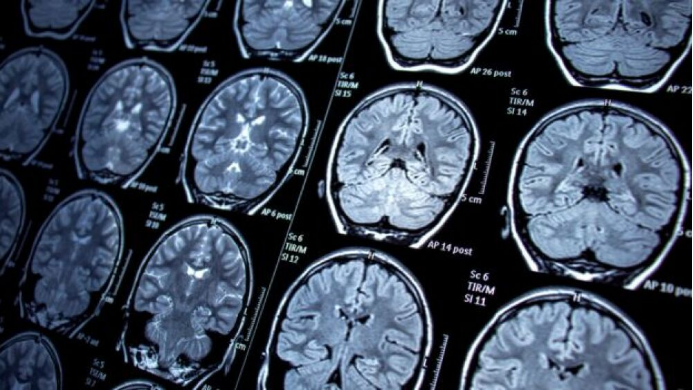
The figure shows a brain MRI image used for the nervous system.
Six months after receiving radiopharmaceutical therapy, 77.8% of meningioma patients were still alive without further disease progression, surpassing the 26% benchmark established in earlier studies.
Recently announced Phase II data at the American Society for Radiation Oncology (ASRO) annual meeting indicates that Novartis’ Lutathera may improve progression-free survival in patients with refractory meningioma brain tumors.
Lutathera is a radiopharmaceutical.177Lu and &SomatostatinA combination of peptides that bind to receptors. This combination enables targeted delivery of radiotherapy. Lutathera was approved by the U.S. Food and Drug Administration (FDA) in 2018 for the treatment of gastroenteropancreatic neuroendocrine tumors.Neuroendocrine TumorNovartis has not yet expanded the label to cover other diseases, but Lutathera may be applicable to other tumors expressing somatostatin.
This potential informed a Phase II trial led by Kenneth Merrell, a radiation oncologist at the Mayo Clinic Alix School of Medicine. The study aims to demonstrate whether Lutathera could be an option for patients with meningioma, a type of brain tumor, whose disease progresses after surgery or radiotherapy.
Researchers report that the recurrence rate for certain grades of meningioma is 40% to 80%. As the tumors recur, patients quickly run out of safe and effective salvage therapies. Since nearly all meningiomas express somatostatin, oncologists at Mayo Clinic identified Lutathera as a drug that could offer another option for people.
Merrell"There is no standard of care or validated options for managing refractory meningioma. Many of these patients continue to experience aggressive tumor growth and severe associated complications, and ultimately this disease can be fatal. This is a very challenging prognosis to manage, and in many cases, we can only provide supportive measures."
This single-arm study enrolled 20 patients with surgically and radiotherapy-refractory meningiomas, who received four doses of Lutathera administered every 8 weeks. After six months of treatment, 77.8% of the patients were alive without further disease progression. Researchers noted that earlier studies had set a benchmark of 26% for progression-free survival (PFS) at six months.
The median PFS in the Lutathera study was 10.7 months. InASTROAt the time of analysis, the trial had not yet reached the median overall survival. After one year of treatment, 88.5% of patients were alive.
No patients experienced grade 4 or 5 adverse events attributable to treatment, which are the most severe side effects. Ten patients developed moderate grade 3 hematologic adverse events. There was also one case of grade 3 hepatitis and seizure, which was at least possibly treatment-related. Five patients discontinued Lutathera, with two discontinuations due to adverse events that were possibly related to treatment.
Huijia Biotechnology focuses on cutting-edge research in the field of translational medicine and the clinical application of transformation technologies. Its business covers biomarker and drug target technologies, the development of novel diagnostic reagents and therapeutic drugs, the development of related instruments and equipment, and the application of clinical transformation technologies, achieving the integrated development of industry, medicine, and research.
Media Cooperation / Scientific Research Promotion / Product Consultation
Long press the QR code to contact us

Click belowRead the Original Text, For more information

Relevant Links:【Medical-Engineering Cross-Innovation】Amino Acid Image Interpretation and Its Application in Brain Tumors Coming Soon
"WeChat Official Account of Chinese Nuclear Medicine Physicians"
Host Organization


Editor: Li Chunlin
Number of followers: 40,000+ people
Issue No. 3132
October 10, 2024
Welcome to follow
《Official Website of the Nuclear Medicine Physicians Branch of the Chinese Medical Doctor Association》
http://www.caonmp.com/
Statement:
The copyright of this article belongs to the original author, and does not represent the position of this WeChat Official Account.
If involving copyright matters, please contact for removal.