Yan Feng Professor Team: A Case Report on Treating Multifocal Intimal Hyperplasia in Arteriovenous Fistula Using Sheath Flipping Technique with DKutting™ High-Pressure Scoring Balloon

DK Medtech
Vascular Interventional Balloon Product Developer

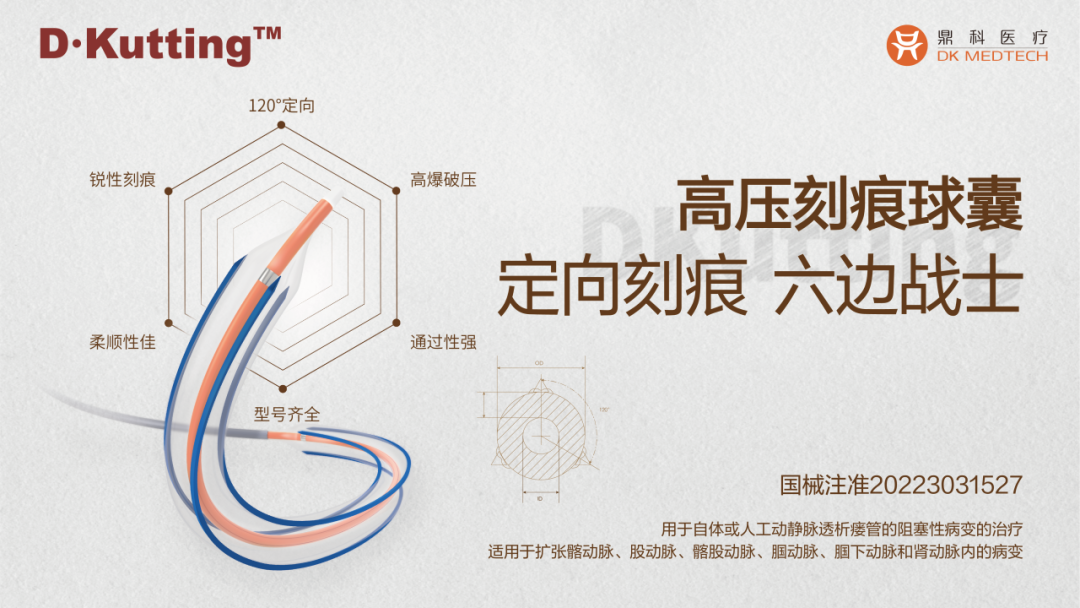
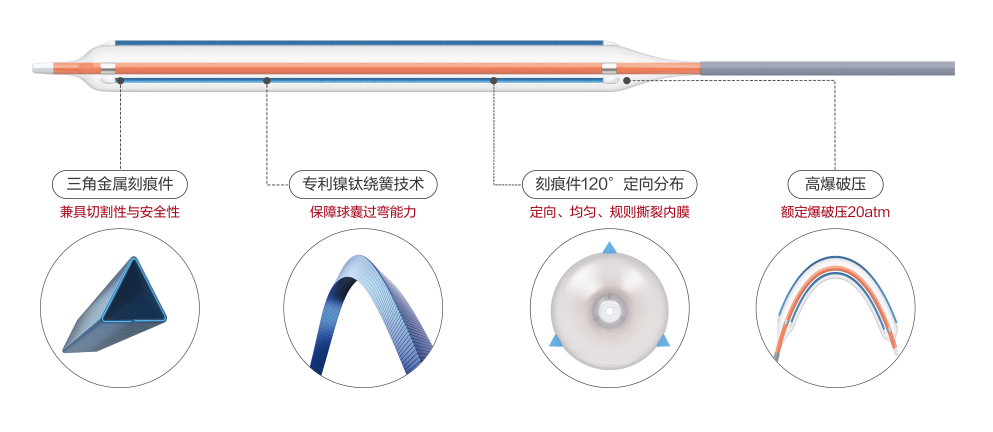
With the vigorous development of China's peripheral vascular intervention market, common balloons tend to cause complications such as excessive vascular injury, flow-limiting dissections, and hematomas when treating the increasing number of highly resistant stenotic lesions. In contrast, pressure-focusing balloons utilize cutting/notching components positioned between the vessel wall and the balloon’s outer diameter during expansion to enhance localized pressure for efficient directional dilation. This reduces vascular elastic recoil and represents a new direction in the evolution of vascular intervention balloons.
DK Medtech's independently developed DKutting™ High-Pressure Scoring Balloon, featuring an exclusive patented design (CN201810478242.X), boasts numerous advantages such as excellent deliverability, uniform expansion, and high burst pressure. In terms of overall product performance, it is referred to as the "hexagonal warrior," marking a significant breakthrough for local companies in innovating to surpass top-tier imported products.
DK Medtech Special Release【Professor Yan Feng's Team: A Case of Multiple Intimal Hyperplasia Lesions Treated with a Flipping Sheath in an AV Fistula】Case Presentation, demonstrating the meticulous operation of each case and the clinical application of advanced equipment and instruments. From the formulation of treatment strategies for different cases, standardized intraoperative procedures and technical applications, complication prevention, to perioperative management, etc., the aim is to promote the standardization of diagnosis and treatment for vascular stenosis and occlusive diseases, strengthen technical exchanges and experience sharing among doctors, with the hope of providing new ideas and methods for future diagnosis and treatment, benefiting more clinical patients.

A Case of Multiple Intimal Hyperplasia Lesions in an Arteriovenous Fistula Treated with a Flipping Sheath

Wuxi Second People's Hospital, Yan Feng, Yin Jun
Patient Information
Basic Information:Male patient, 69 years old.
Chief Complaint:More than 4 years of maintenance hemodialysis, poor function of the internal fistula for 1 week.
History of Present Illness:Four years ago, the patient was diagnosed with "Stage 5 Chronic Kidney Disease" at our hospital. An autologous arteriovenous fistula was created in the left forearm, and after the fistula matured, maintenance hemodialysis treatment was initiated and has continued to date, performed three times per week. During this period, the patient underwent five ultrasound-guided fistula PTA procedures due to venous outflow tract stenosis and occlusion. One week ago, the patient began experiencing pain at the fistula site during dialysis and reported a perceived weakening of the thrill upon palpation. For further diagnosis and treatment, the patient visited our hospital and was admitted under outpatient care with diagnoses of "Stage 5 Chronic Kidney Disease, Left Forearm Arteriovenous Fistula Stenosis."
Past Medical History:History of "hypertension" for over 10 years, history of "diabetes" for over 10 years. Denies history of trauma, blood transfusion, and drug/food allergies.
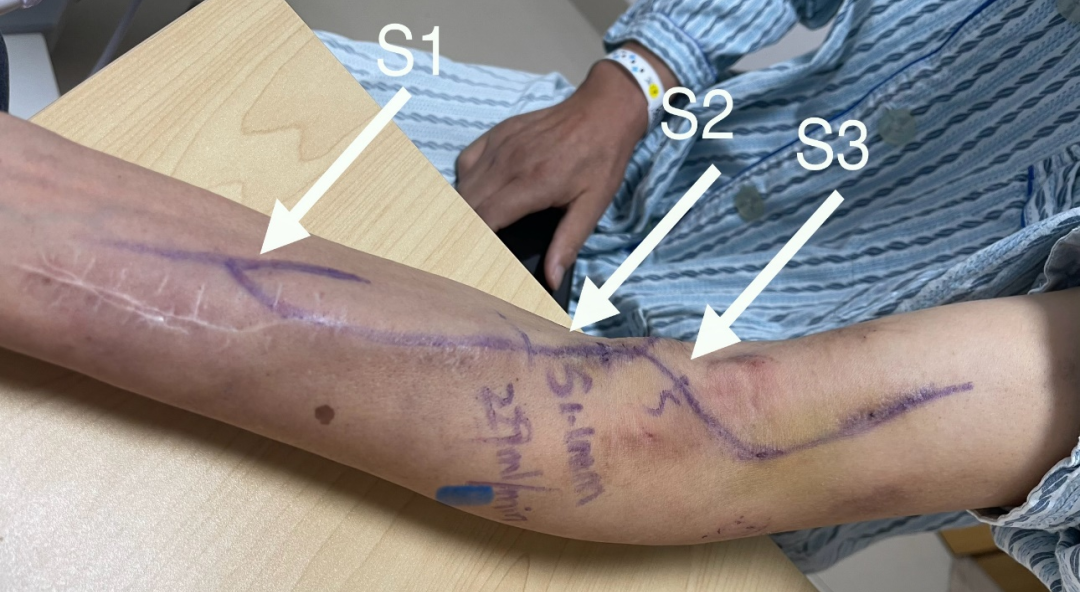
Physical Examination:Physical Examination: A longitudinal surgical scar approximately 8 cm in length is visible at the middle segment of the left forearm. Two puncture scars are visible on the forearm and elbow, with aneurysmal dilation noted at the arterial puncture site; no skin lesions are present. Palpation: Normal skin temperature in both upper limbs; a distinct pulse is palpable at the arteriovenous fistula anastomosis site and 2 cm above the anastomosis, accompanied by mild thrill. Auscultation: A unidirectional blowing murmur can be heard at the arteriovenous fistula anastomosis site, and a high-pitched blowing murmur is audible 7-8 cm above the anastomosis.
Admission Diagnosis:
Stenosis of Arteriovenous Fistula;
Chronic Kidney Disease Stage 5, Diabetic Nephropathy, Hemodialysis;
Type 2 Diabetes with Multiple Complications;
Grade 3 Hypertension (Very High Risk).
Previous interventional treatment
Time | Main Treatment Process |
2022-01-18 | Balloon Angioplasty of Arteriovenous Fistula in Left Forearm (5mm High-Pressure Balloon) |
2022-09-22 | Balloon Angioplasty of Arteriovenous Fistula in Left Forearm (5mm High-Pressure Balloon) |
2023-04-09 | Balloon Angioplasty of Arteriovenous Fistula in Left Forearm (6mm High-Pressure Balloon) |
2023-11-17 | Balloon Angioplasty of Arteriovenous Fistula in Left Forearm (6mm High-Pressure Balloon) |
2024-06-20 | Balloon Angioplasty of Arteriovenous Fistula in Left Forearm (6mm High-Pressure Balloon) |
Preoperative Analysis
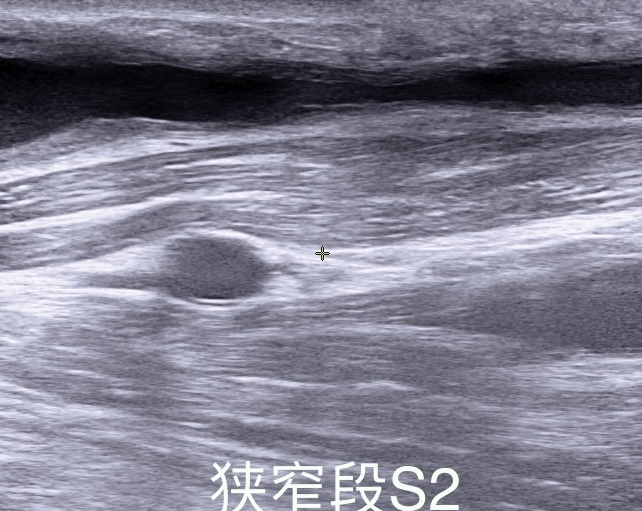
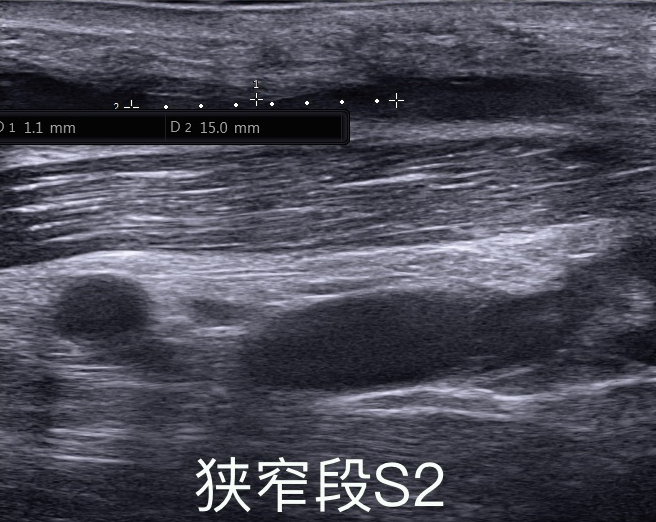
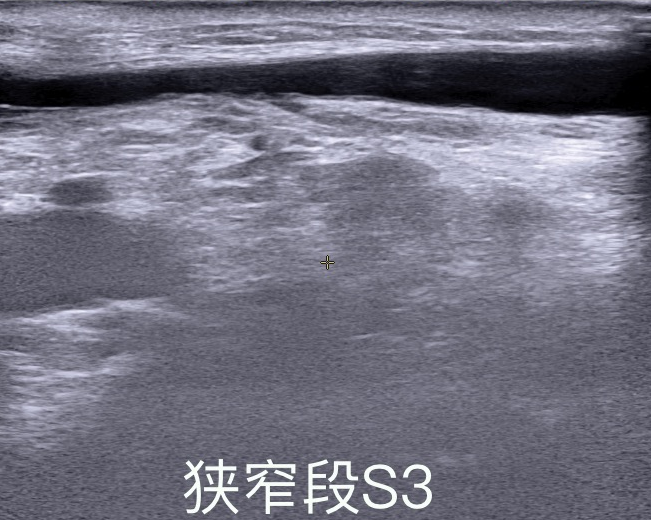
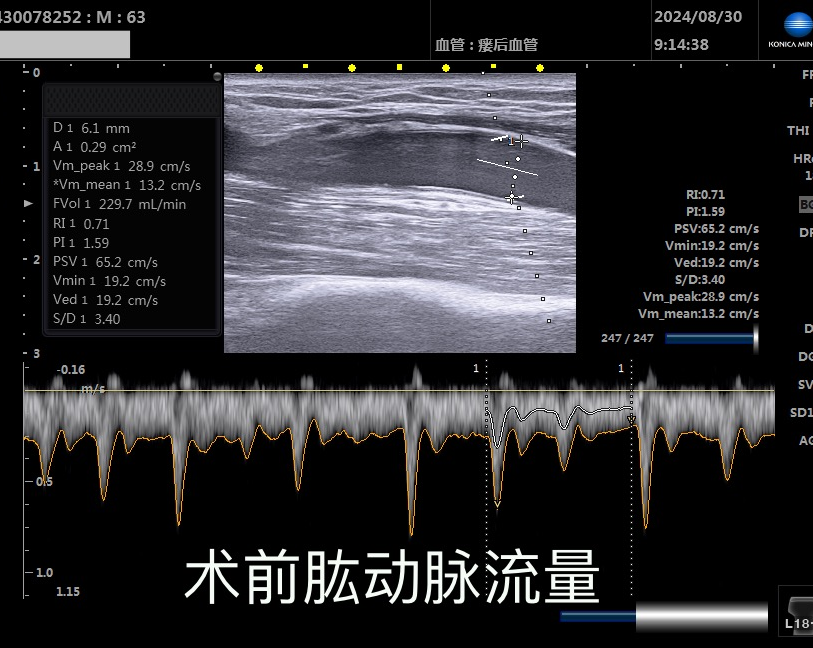
Preoperative Analysis:The patient has three lesions in the arteriovenous fistula of the left upper limb, with vascular calcification and stenosis at the arterial inlet of the S1 anastomosis, and intimal hyperplasia and stenosis at S2 and S3. The patient has undergone PTA treatment five times in the past. After the last PTA treatment, the effect only lasted for two months, and it is necessary to change the treatment method for further dilation to improve the treatment outcome. This time, we are considering usingDK Medtech 6.0*40mm DKutting™ High-Pressure Scoring BalloonTreatment.
Surgical Objective:
Main Objectives:Open up the stenotic lesion to meet the dialysis blood flow requirements.
Secondary Objectives:Prevent rebound, extend the usage time of patients' fistulas, and reduce the number of patient interventions.
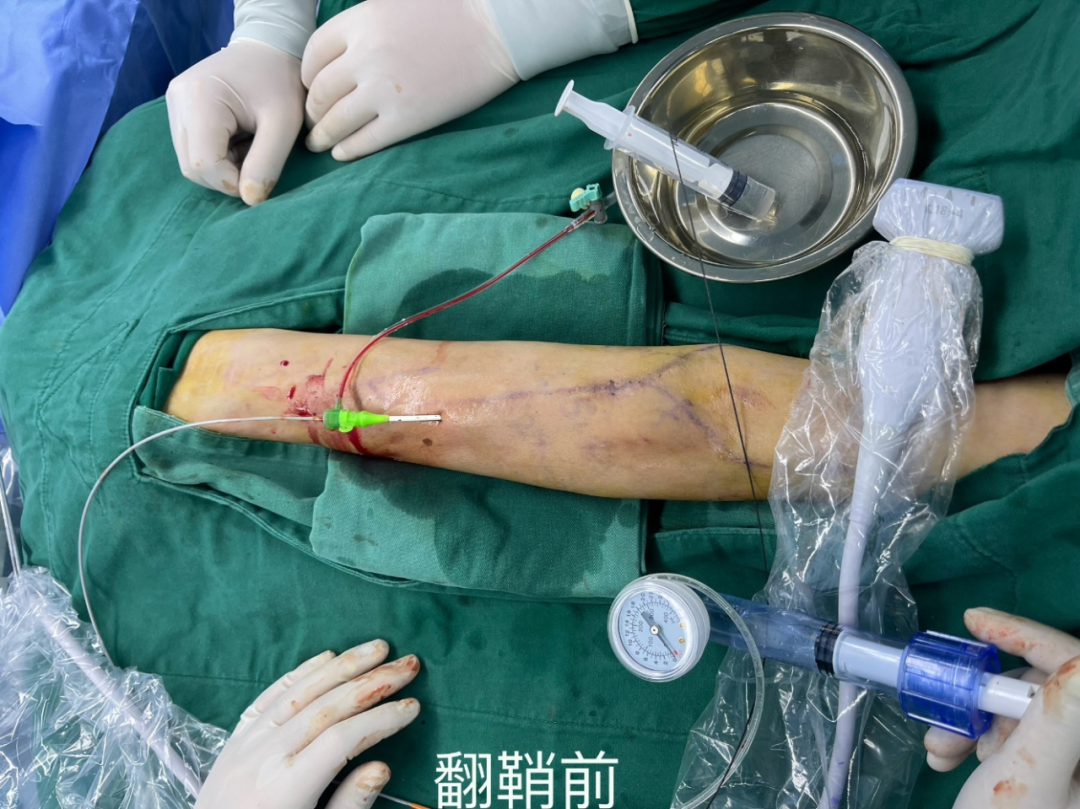
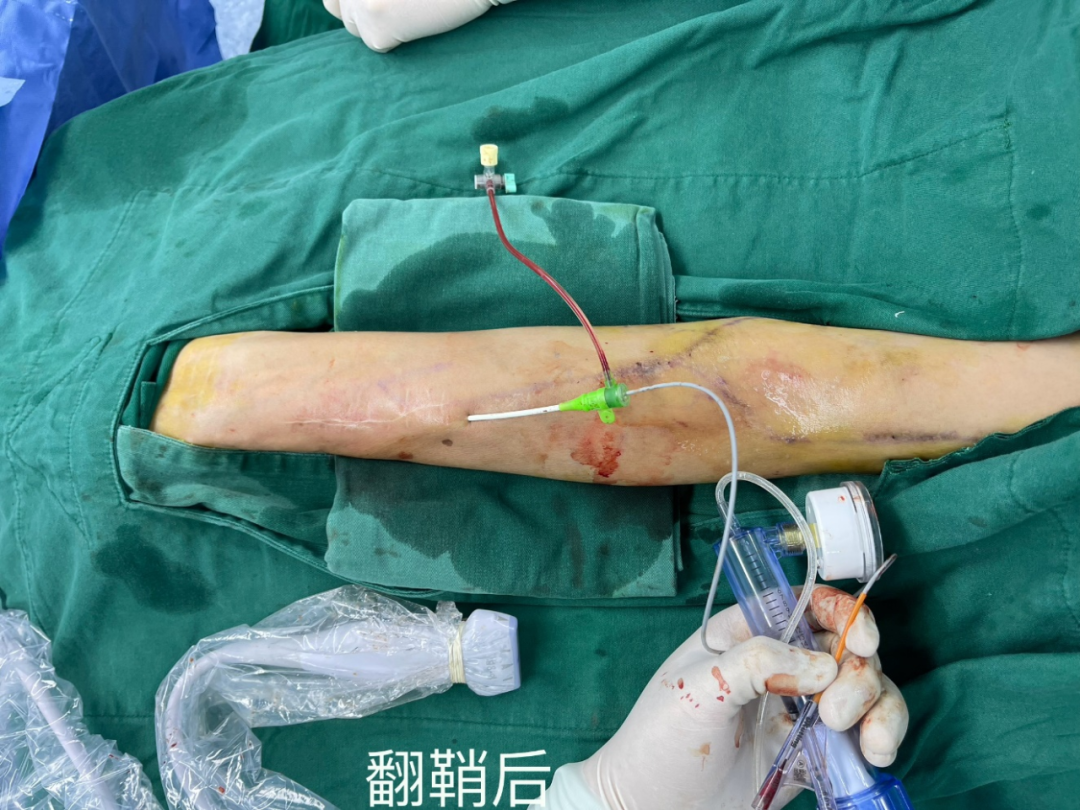
Surgical Strategy/Plan:A 6F vascular sheath was inserted via a vertical puncture approach at the aneurysm site of the arterial puncture point of the internal fistula, and the sheath was flipped through the sheath-flipping technique.DK Medtech 6.0*40mm DKutting™ High-Pressure Scoring BalloonSeparately address vascular calcification stenosis at the arterial inlet of the S1 anastomosis, and intimal hyperplasia stenosis at S2 and S3.
Surgical Procedure
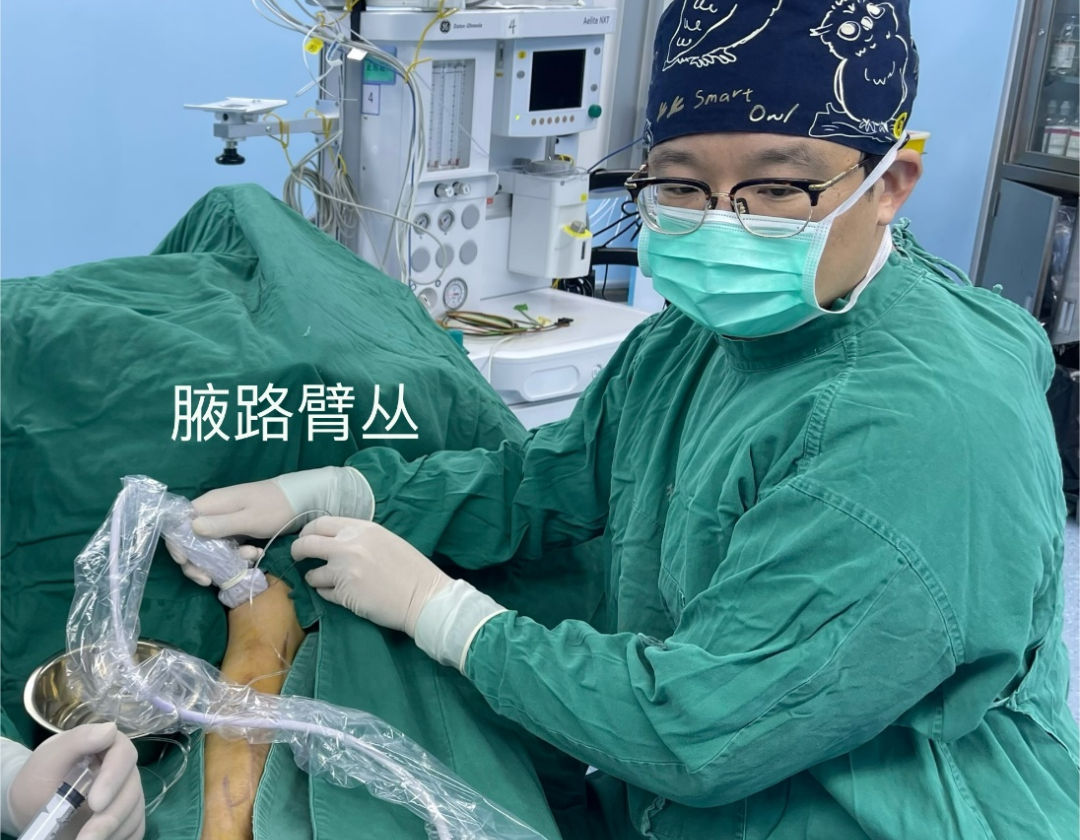
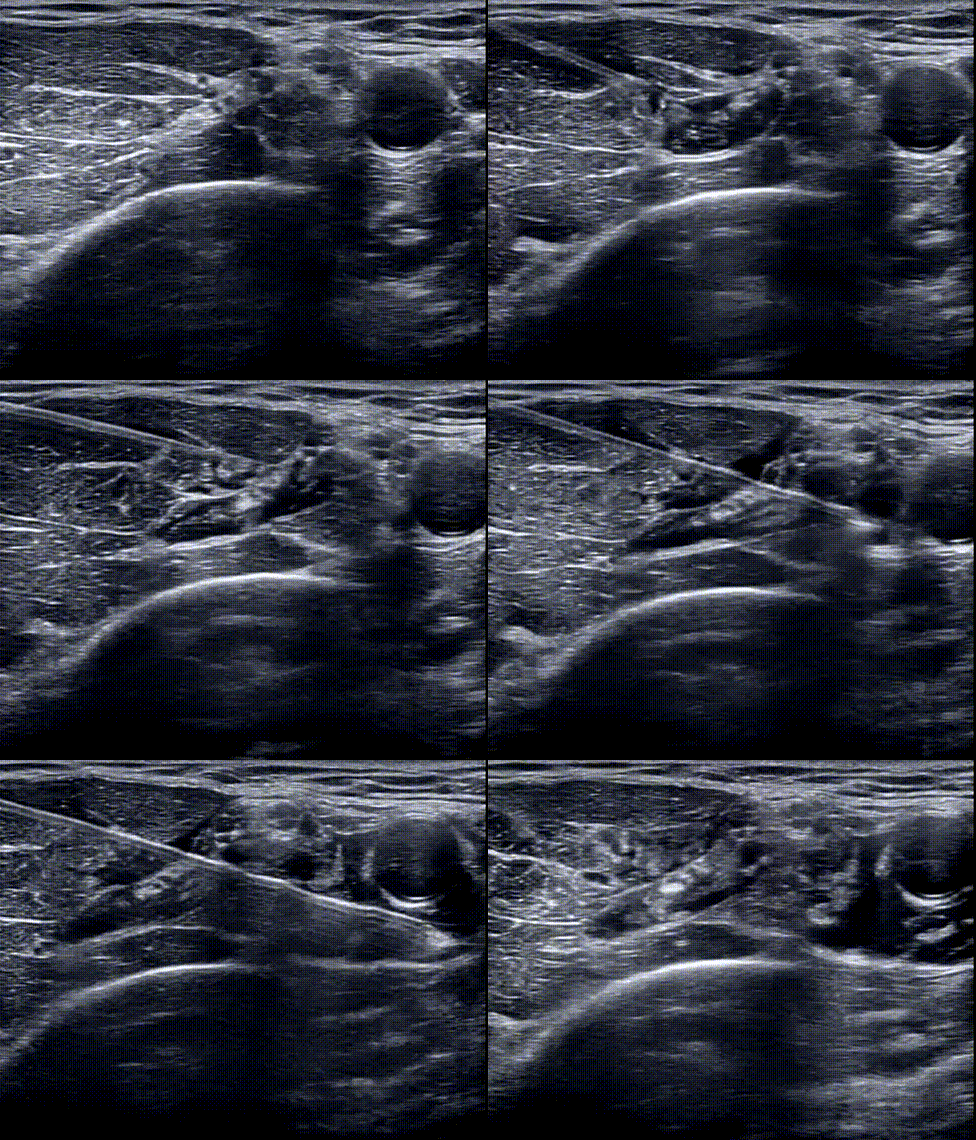
Axillary brachial plexus block.
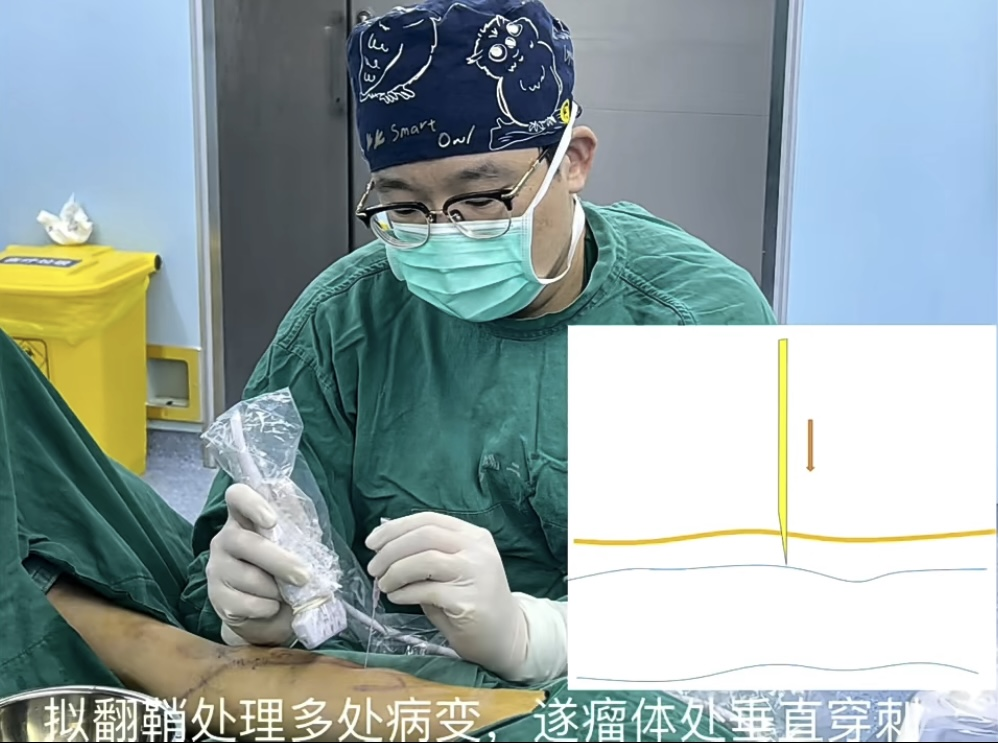
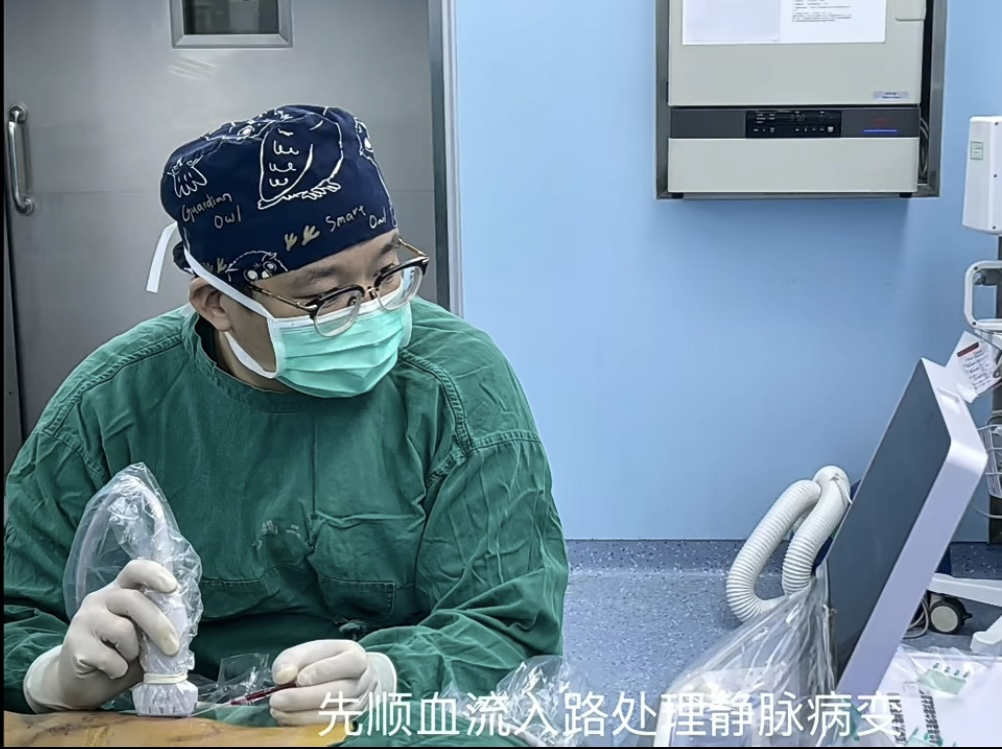
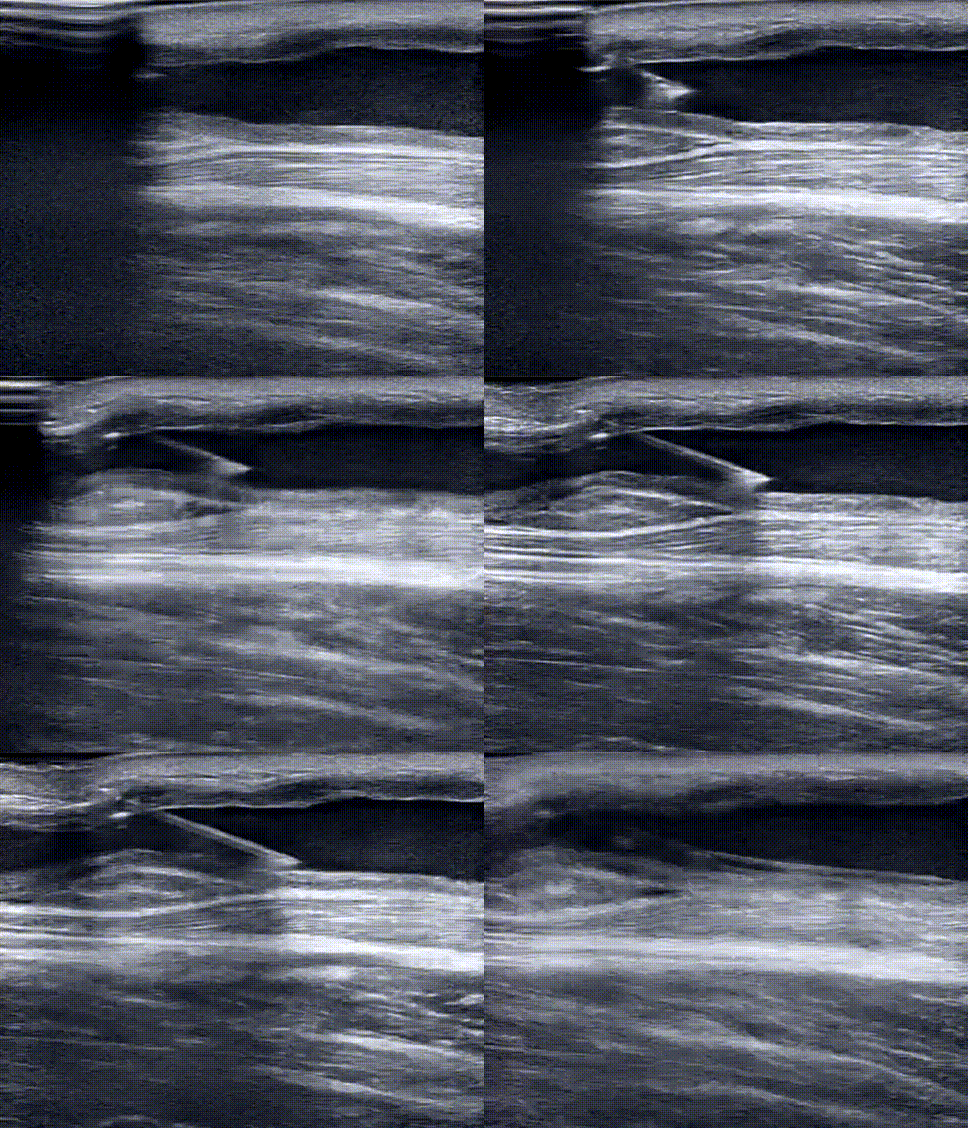
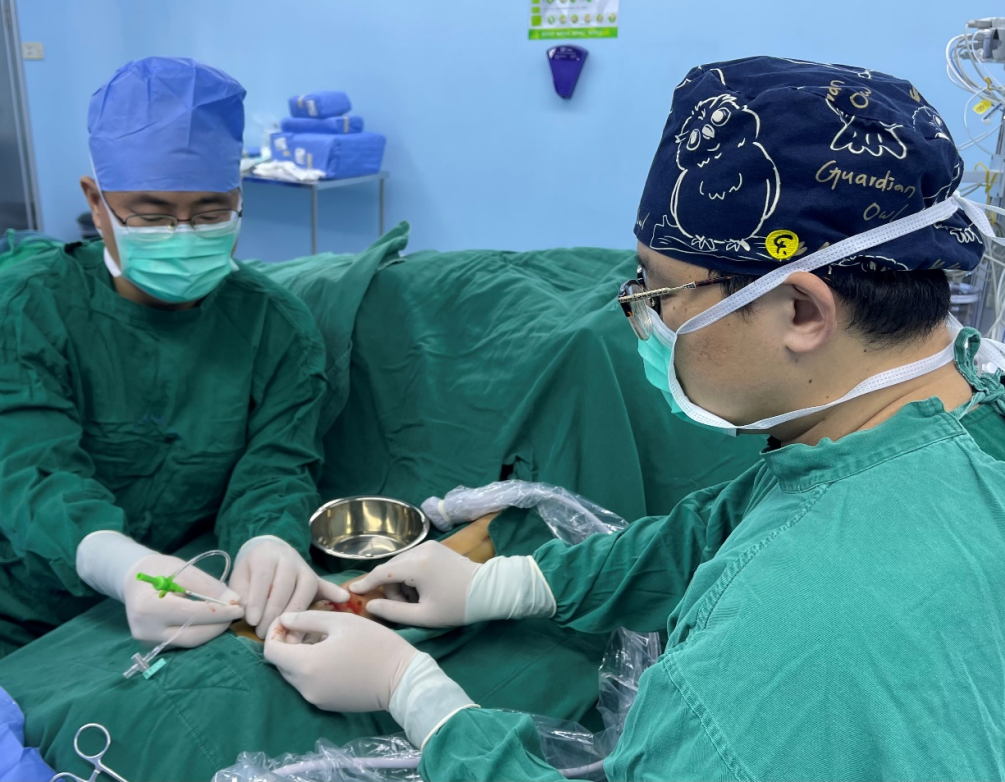
Place the sheath along the blood flow direction.
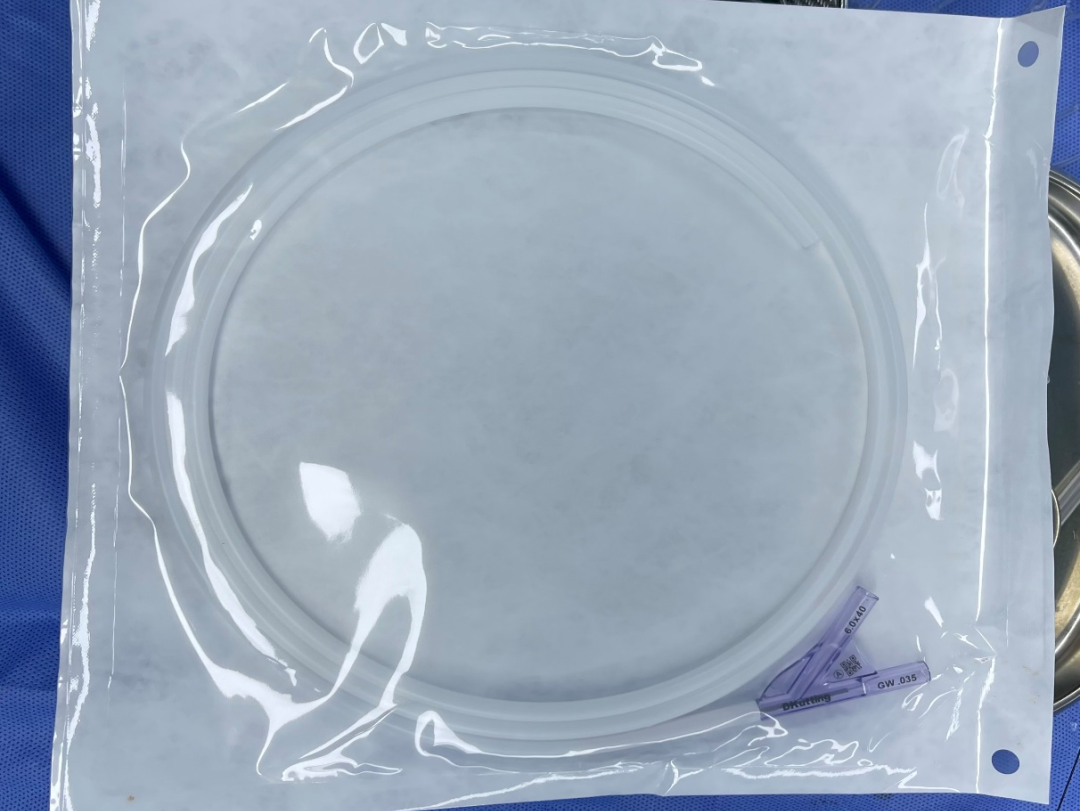
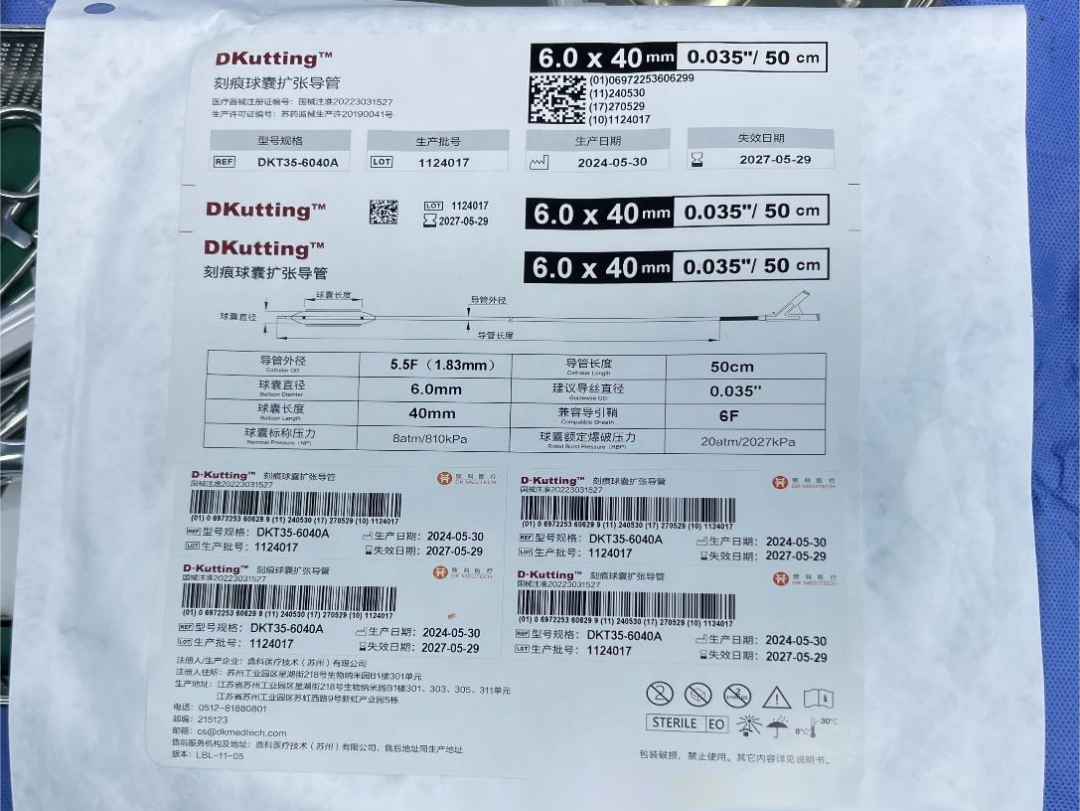
Heparin saline precharge readyDK Medtech 6.0*40mm DKutting™ High-Pressure Scoring Balloon。
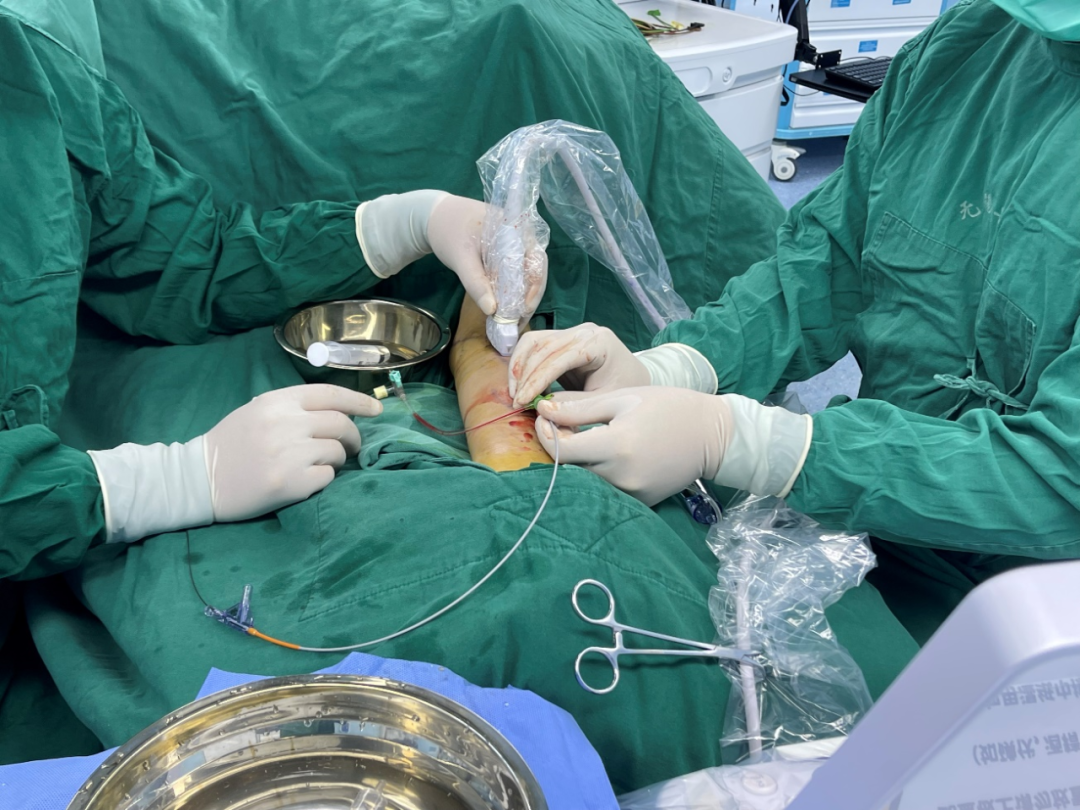
Through the vascular sheathDK Medtech 6.0*40mm DKutting™ High-Pressure Scoring Balloon.
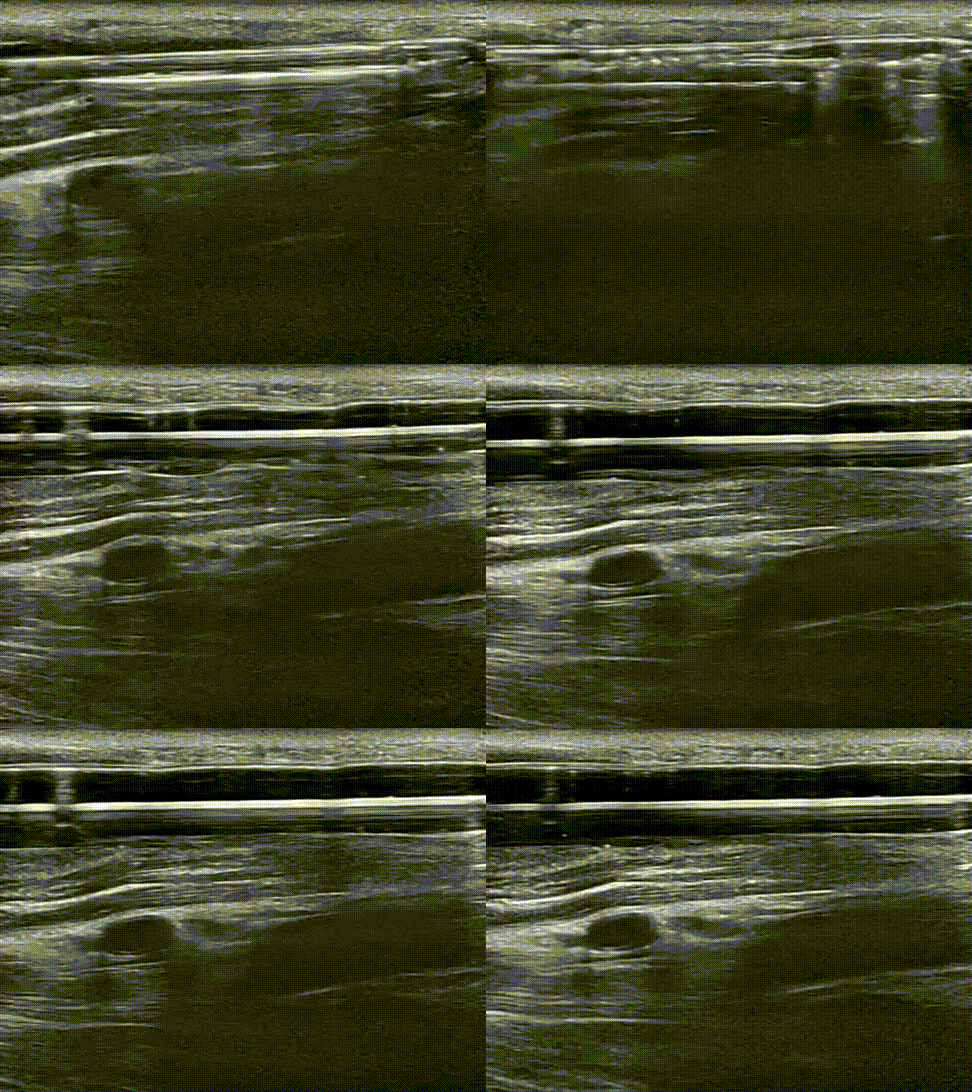
Balloon dilation of S2 segment, pressure 20 atm, each time for 1 min, twice in total.
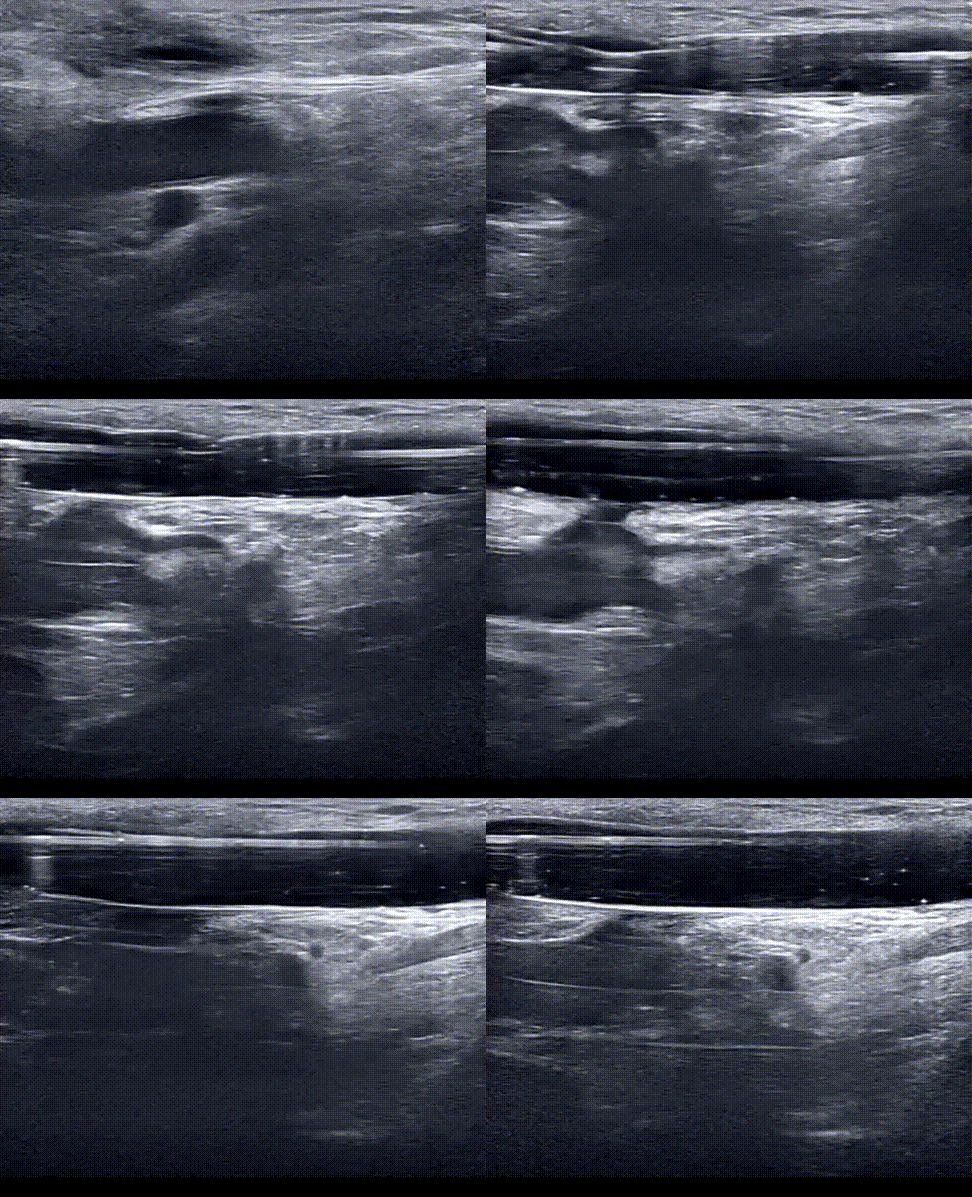
Balloon dilation of segment S3, pressure 20 atm, each time for 1 minute, repeated twice.
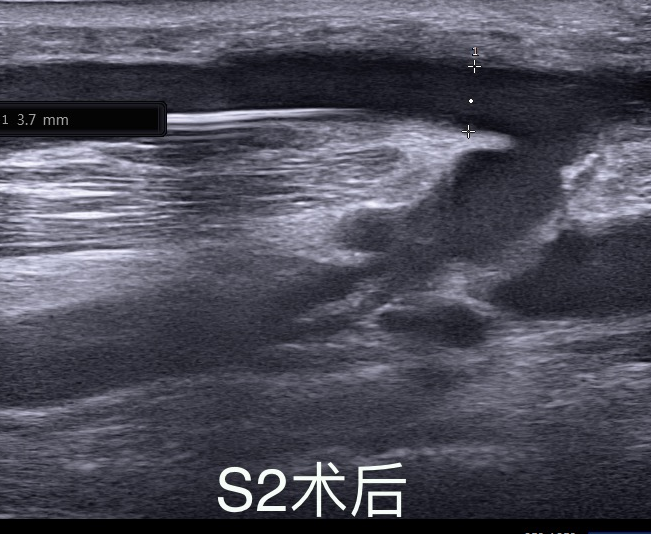
The inner diameter of S2 after dilation is 3.7mm.
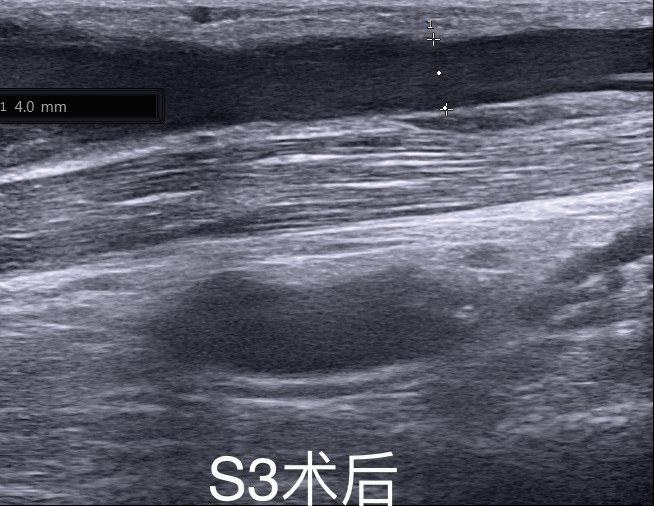
The inner diameter of S3 after dilation is 4.0mm.
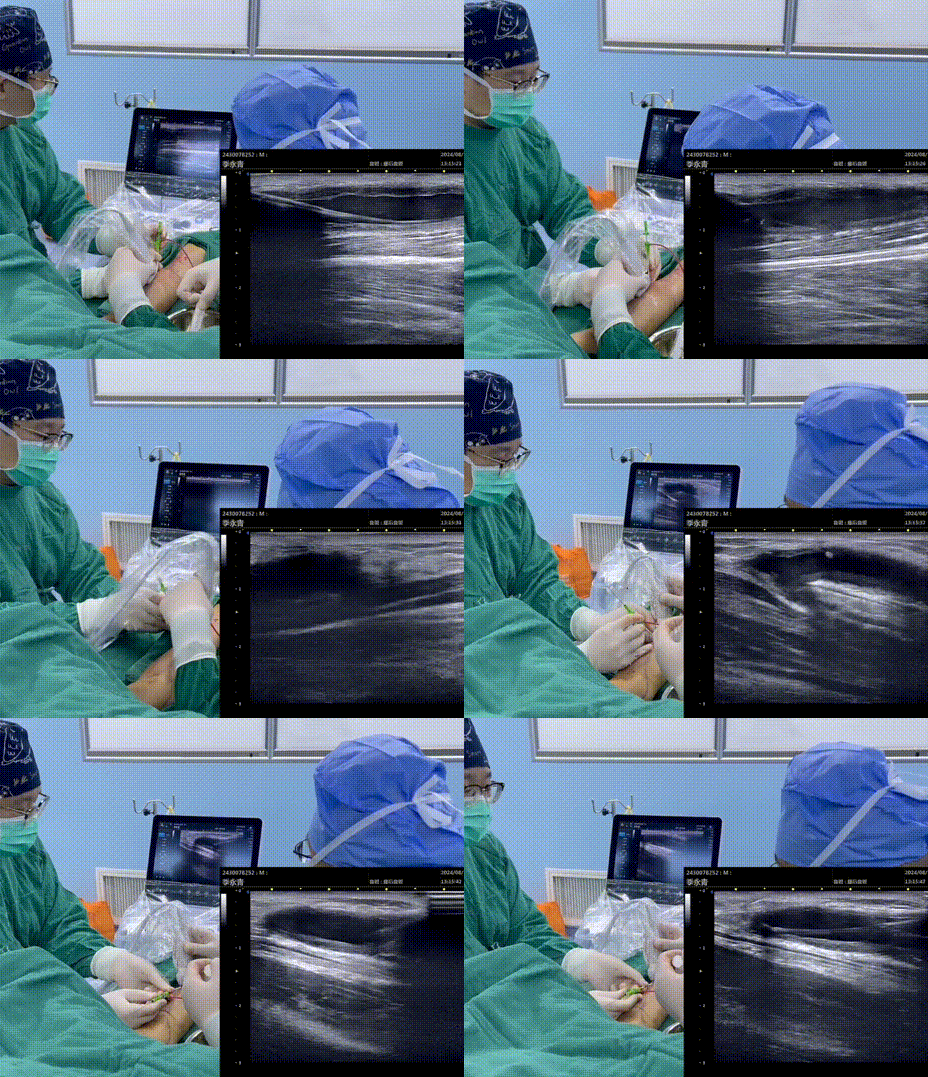
Flipping the sheath to address stenosis at the arterial entry of the anastomosis S1.
Click to View Video
Follow-up
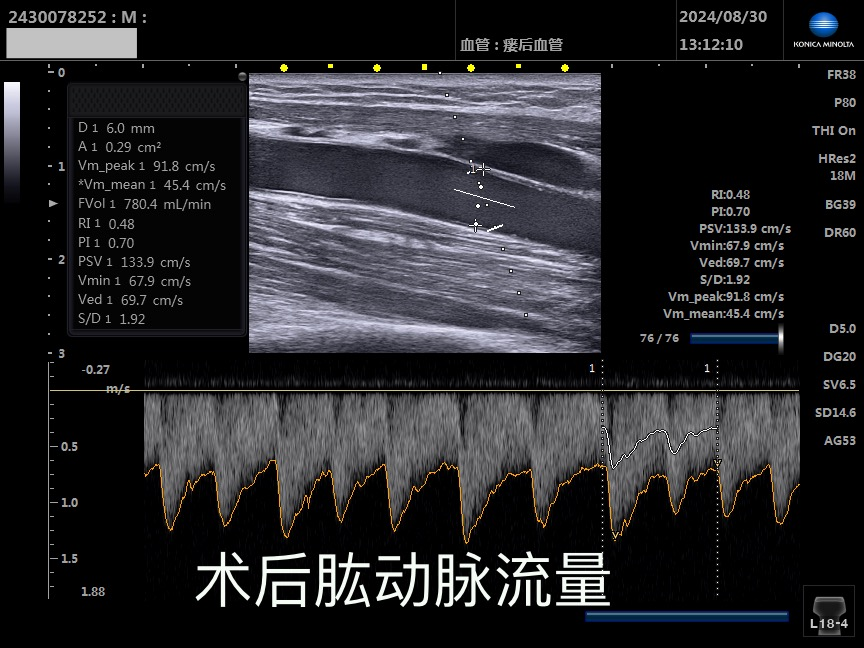
Discharge Status:Good postoperative thrill of the arteriovenous fistula, no abnormal pulsation was palpated, and postoperative dialysis proceeded smoothly with a dialysis flow rate of 260ml/min. No pain at the fistula site was reported during dialysis.
Case Summary
Case Characteristics:The patient has multiple stenoses in the arteriovenous fistula of the left forearm, along with intimal hyperplasia and vascular calcification. The patient has previously undergone PTA treatment five times, and the duration of the last dilation was less than 2 months.
Preoperative Assessment Key Points:Preoperative comprehensive assessment of the intimal hyperplasia and vascular calcification degree of the patient's fistula vessels to formulate a reasonable surgical plan.
Surgical Strategy/Technical Key Points:It is necessary to fully dilate the hyperplastic intima while also addressing calcified stenotic lesions.DK Medtech 6.0*40mm DKutting™ High-Pressure Scoring BalloonIs the best choice, with the advantages of high pressure and scoring. Generally speaking, during interventional treatment, the insertion of the introducer sheath has a certain direction, usually pointing towards the lesion. However, if there are multiple lesions distributed in another direction from the original sheath, it may be necessary to insert another introducer sheath pointing in the opposite direction. The flip-sheath technique can achieve the purpose of addressing multiple lesions through a single access point, but the operation is relatively difficult.
Features/Usage Tips of the Device:Select a scored balloon of appropriate size based on the width of the patient's fistula. Avoid excessively forceful expansion of the blood vessel, and ensure accurate positioning when using the scored balloon during the procedure.
References:Expert Consensus on Standardized Operating Procedures for Percutaneous Transluminal Angioplasty of Arteriovenous Fistulas Under Ultrasound Guidance (2024).

Introduction of Experts

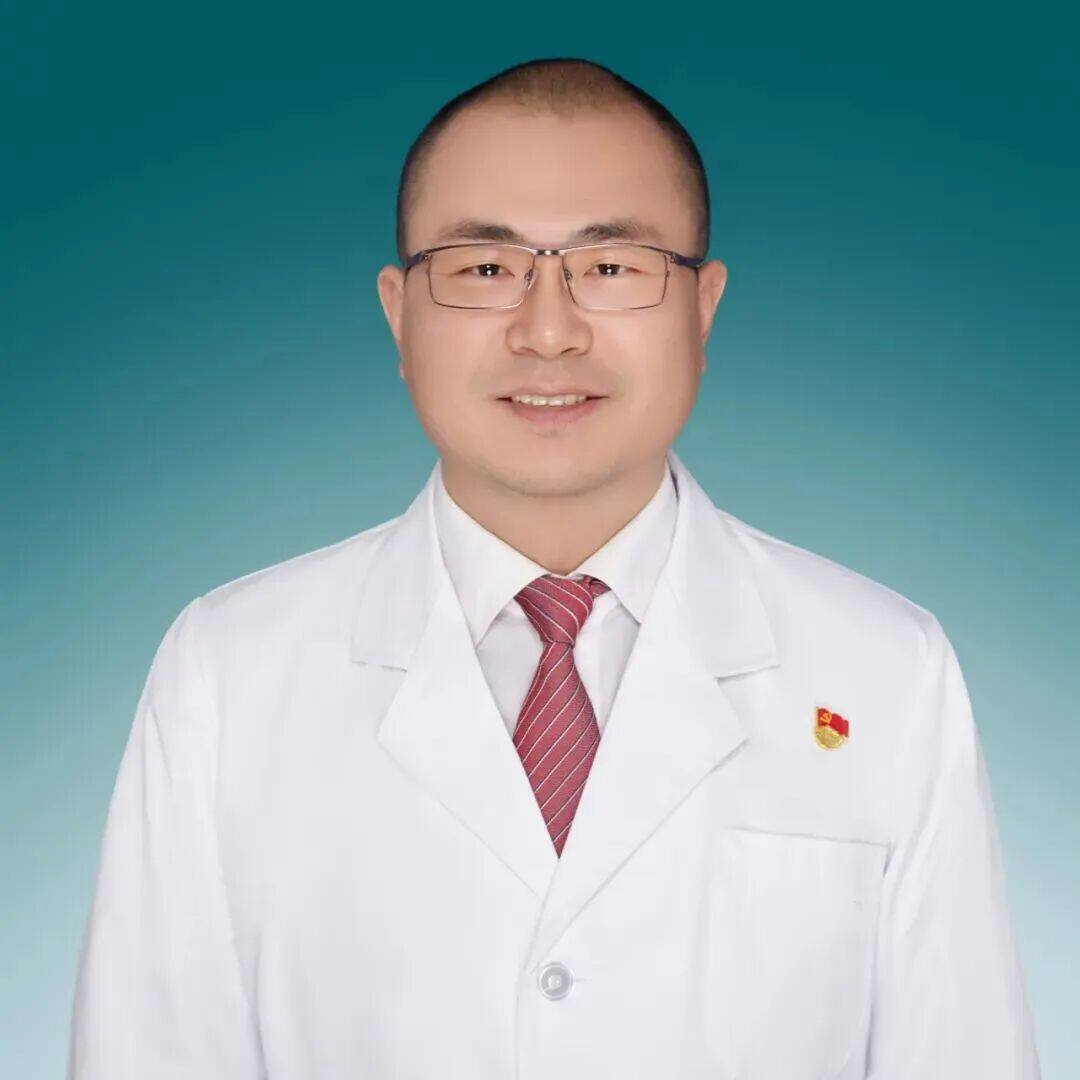
Professor Yan Feng
Surgical Guidance
Director of the Nephrology Department, Chief Physician. With over 20 years of clinical experience in nephrology, he has published numerous papers in international SCI journals as well as national and core journals in China. He currently serves as a committee member of the Internal Medicine Association of Jiangsu Medical Association, a committee member of the Nephrology Physicians Association of Jiangsu Medical Association, and the vice chairman of the Nephrology Association of Wuxi Medical Association.
Expertise: Various types of nephritis, nephrotic syndrome, IgA nephropathy, membranous nephropathy, lupus nephritis, purpuric nephritis, systemic vasculitis, diabetic nephropathy, urinary tract infections, acute and chronic renal failure, blood purification, and surgical procedures related to hemodialysis and peritoneal dialysis, etc.
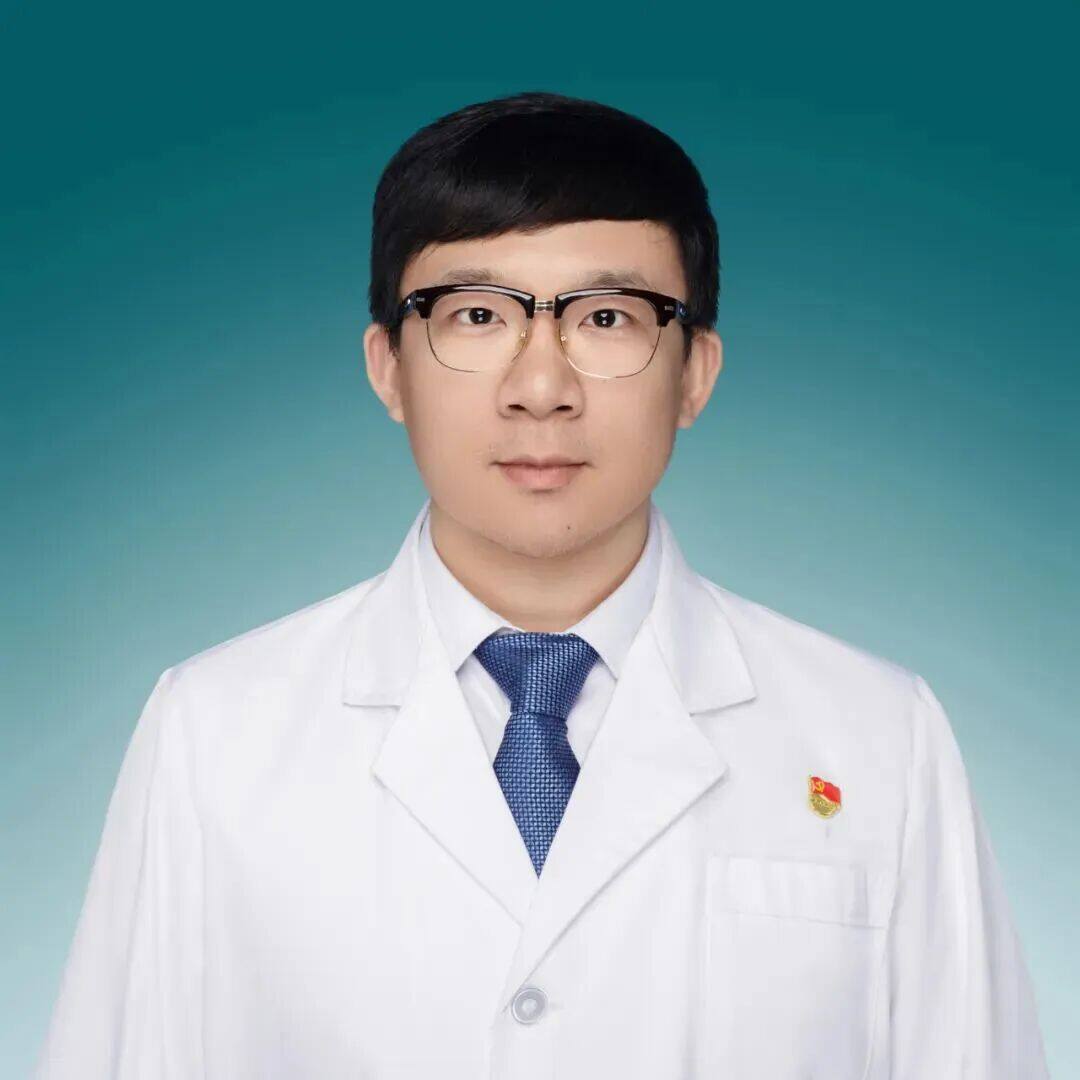
Professor Jun Yin
The Surgeon of This Case
Associate Chief Physician of Nephrology, Doctor of Medicine. Long engaged in clinical work and teaching research in nephrology, proficient in the diagnosis and treatment of various primary and secondary kidney diseases as well as blood purification therapy, with particular expertise in the establishment and maintenance of vascular access. Completed advanced training in vascular access at the Department of Nephrology, Sir Run Run Shaw Hospital, Zhejiang University School of Medicine. Participated in establishing a hemodialysis vascular access team.
Expertise: Establishment and maintenance of AVF and AVG, PTA for arteriovenous fistulas under ultrasound and DSA guidance, diagnosis and treatment of central venous lesions, application of stent implantation in vascular access, percutaneous catheter implantation for peritoneal dialysis under ultrasound guidance, etc.

Department Introduction

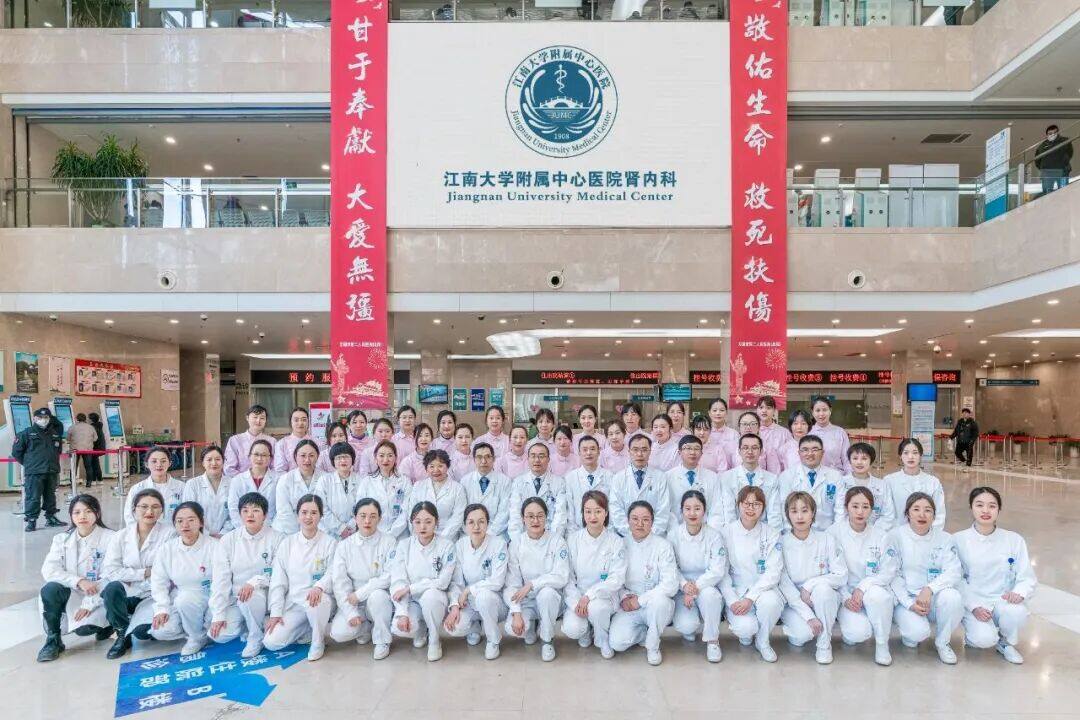
The Hemodialysis Center of Wuxi Second People's Hospital (Central Hospital Affiliated to Jiangnan University) is one of the earliest units in Wuxi to carry out hemodialysis, focusing on the establishment of an integrated management team for vascular access in hemodialysis. It maintains a leading position in Wuxi in areas such as the creation and maintenance of AVF and AVG, PTA of arteriovenous fistulas under ultrasound and DSA guidance, diagnosis and treatment of central venous lesions, and the application of stent implantation in vascular access. Currently, the hemodialysis center provides regular dialysis for more than 200 patients and treats over a thousand emergency and critically ill patients each year. The center implements personalized dialysis treatment plans for patients, establishes individual records, ensures dialysis quality, strictly prevents complications, and improves the quality of life for dialysis patients. Additionally, through science popularization education, WeChat groups, official account updates, free clinics, home visits, and other forms, it enhances patients' understanding of their disease, strengthens self-management, and encourages and helps patients live confidently and happily, earning widespread praise from patients.
Copyright Statement: This platform aims to help healthcare professionals better understand the latest developments in relevant disease areas. The information published on this platform does not imply agreement with its descriptions or viewpoints, but is merely intended to provide more information. If there are any copyright issues, we kindly request the rights holders to contact us, and we will address them as soon as possible. The information is solely for healthcare professionals to stay informed, and such information cannot replace professional medical guidance in any way, nor should it be regarded as medical advice. If such information is used for purposes other than staying informed, this platform and its authors assume no responsibility.Contact Email for Cooperation:vascular@edoctor.work。