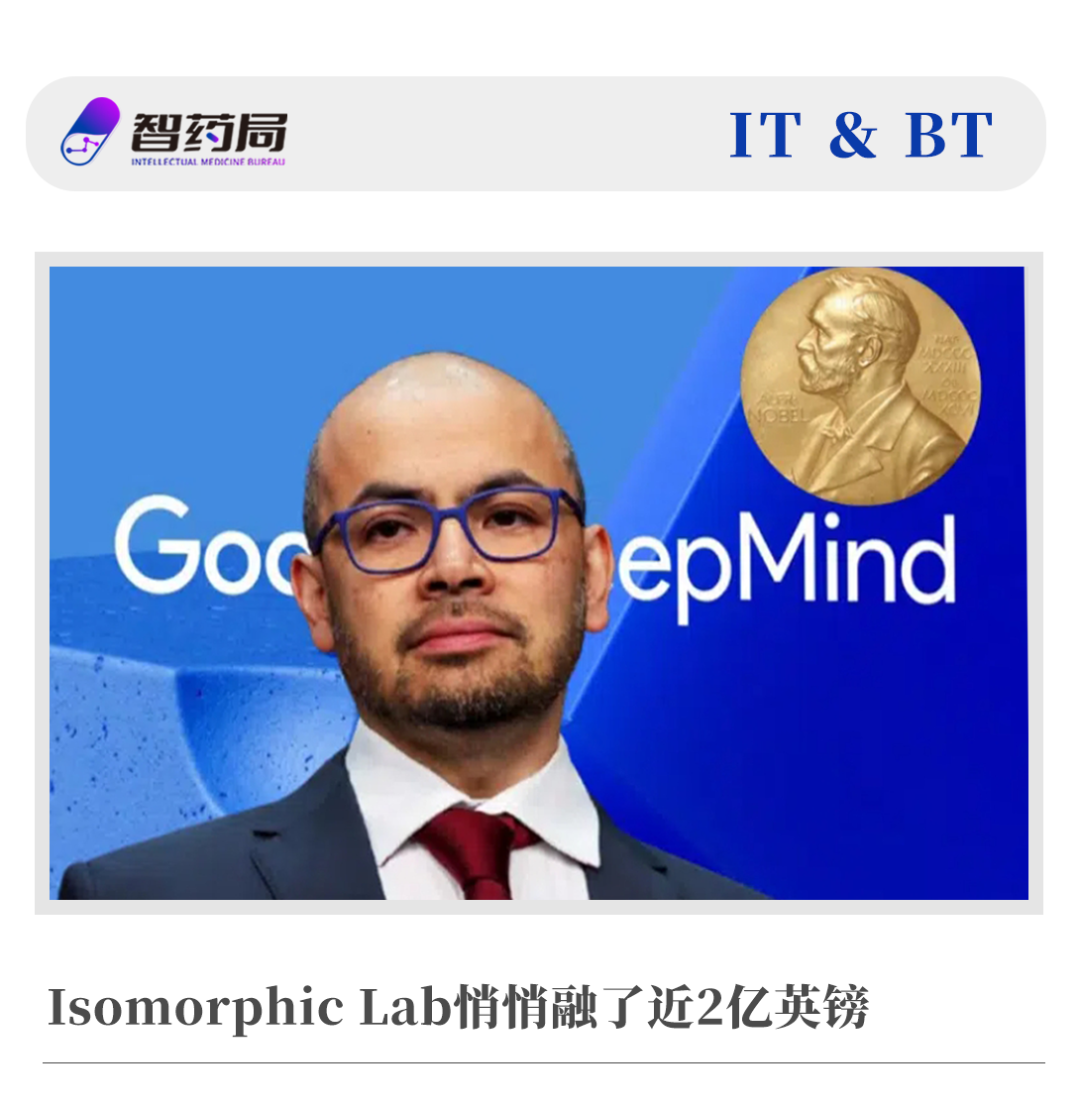
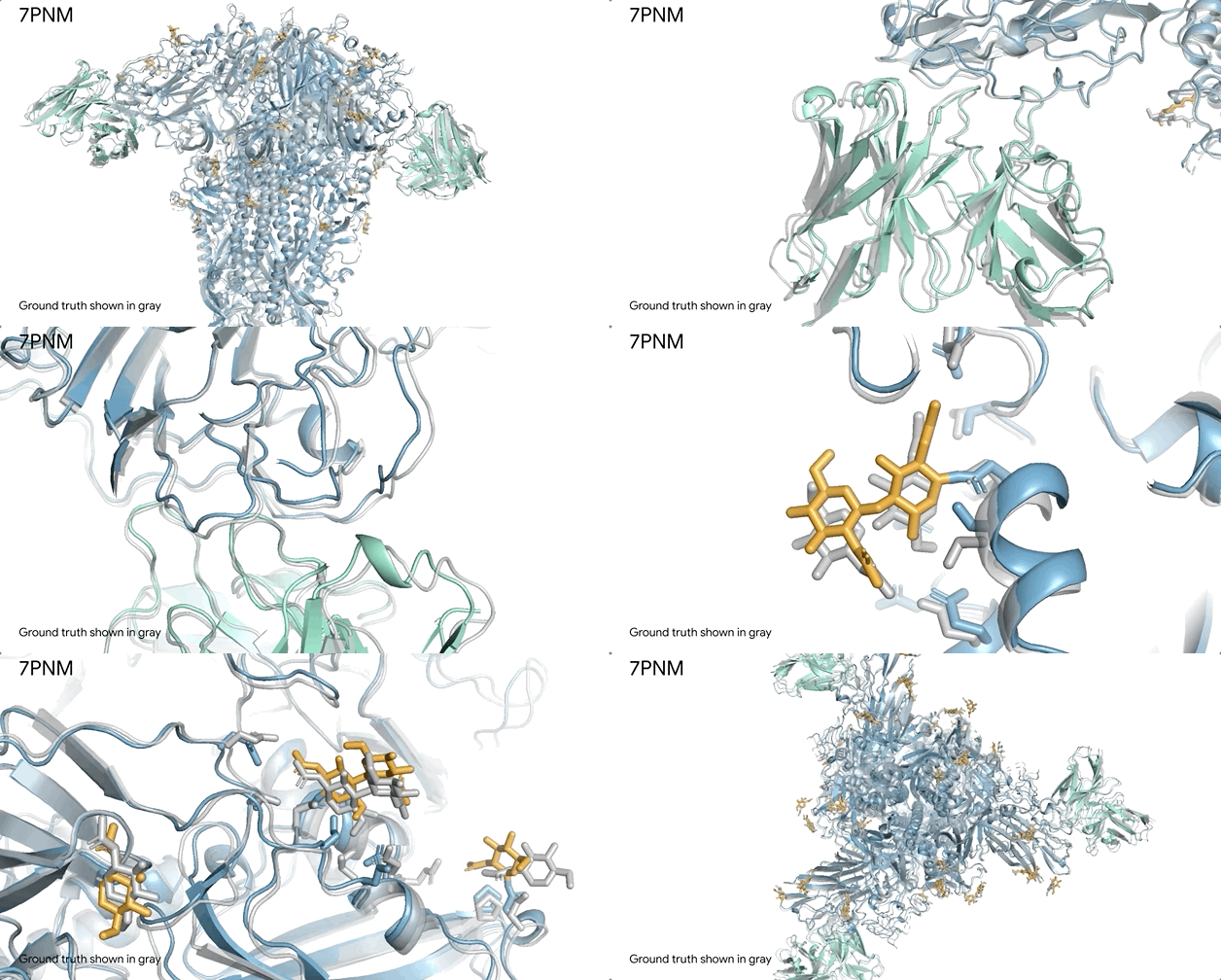
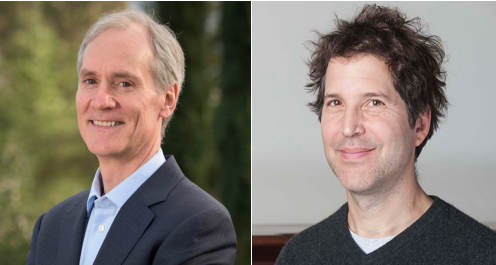
The 2024 Nobel Prize in Chemistry was awarded to"AI Protein Structure Prediction and Design", demonstrating the astonishing potential of computational protein. Three Nobel laureates, David Baker, Demis Hassabis, and John M. Jumper, have been awarded this honor. And behind these Nobel laureates is a group of ambitious companies founded based on these technologies, includingIsomorphic Labs andXaira Therapeutics。 Isomorphic Labs byNobel laureate Demis Hassabis founded and serves asCEO, truly a "Nobel Prize-level" company in the closest sense. The Financial Times reported that Isomorphic Labs' losses will widen in 2023.£60 millionThe loss in 2022 was £17 million, and the loss expanded 3.5 times in just one year. Huge losses have led toIsomorphic Labs has had to seek external financing, and the company raised 180 million pounds in August this year. PreviouslyXaira Therapeutics' angel round financing reached 1 billion US dollars, and the investors also claimed that the funding "has no cap". Companies founded by Nobel laureates also burn money at a Nobel-worthy rate. Burns money too fast, Google can't hold on either Since DeepMind was acquired by Google in 2014, it was inevitable that AlphaFold could not be entirely considered a product of scientific research—there would always come a day for commercial monetization. At the end of 2021, Isomorphic Labs officially spun off from DeepMind.A wholly-owned subsidiary of Alphabet, Google's parent company, headquartered in London. Isomorphic Labs aims to accelerate drug discovery by commercializing DeepMind’s technology. The original members of the company all came from DeepMind, and the two organizations have maintained close business ties and cooperation ever since. Initially, Isomorphic Labs was funded by Alphabet, Google's parent company, and reported losses of £17 million in 2022. As the company expanded its operations in 2023, the number of employees increased from 43 to 71, and Isomorphic's losses also widened further.The loss was £17 million in 2022, but it surged to £60 million in 2023. The R&D costs increased from £12 million to £49 million, while staff costs rose from £6.6 million to £20 million. Clearly, at the current rate of spending, even deep-pocketed Google can't keep up.It is reported that Isomorphic raised 182 million pounds in August by issuing shares to its holding company. This year, with the strengthening of Isomorphic's research and external cooperation, the operating funds are expected to continue growing exponentially. In May this year, Isomorphic Labs jointly released with DeepMindAlphaFold3, officially pushing AI protein models across the threshold into modern pharmaceutical industry. AlphaFold3 is a revolutionary model used to predict the structures and interactions of nearly all biomolecules, including proteins, DNA, RNA, and small molecules. AlphaFold3 greatly compensates for the shortcomings of the second-generation model, as AlphaFold2 was previously criticized for being able to predict only single protein structures. Figure:AlphaFold's Structural Prediction of the Interaction between the Spike Protein (Blue) of the Common Cold Virus and Antibodies (Green) with Monosaccharides Since the principle of most drugs is to bind with target proteins, therefore predictingHow molecules interact in drug discovery is more practical. Today, Isomorphic Labs has long been using AlphaFold3 for drug discovery and is collaborating with pharmaceutical companies to explore new disease treatment methods. At the beginning of this year,Isomorphic Labs Announces Two Drug Discovery Agreements Worth $3 Billion with Eli Lilly and Novartis Securing partnerships with two multinational pharmaceutical companies in its first external collaboration, Isomorphic Labs has undoubtedly demonstrated its potential in the pharmaceutical field. Through the collaboration with Eli Lilly and Company, Isomorphic Labs will receive an upfront payment of $45 million and is eligible for up to $1.7 billion in milestone-based payments. This collaboration involves the discovery of treatments targeting multiple disease-related proteins and pathways. Under the partnership with Novartis, Novartis will pay a $37.5 million upfront payment, with total milestone payments reaching up to $1.2 billion. The focus of the Novartis collaboration is on discovering small-molecule therapies targeting three undisclosed targets. Two cooperative advance payments accumulated$82.5 million, which is a huge boost to Isomorphic Labs' cash flow. The Extremes of AI Drug Development AlphaFold has long been renowned, and now with the halo of Nobel Prize-winning technology, Isomorphic Labs is certainly not short of funding in the capital market. But the ever-expanding losses prove that even winning the Nobel Prize, the AI + drug discovery business requires massive investment, and the predictive models behind the technology demand enormous computing power. This inevitably brings up another 2024 Nobel Prize in Chemistry winner David Baker's company——Xaira Therapeutics。 In April this year, this AI pharmaceutical company, supported by several well-known investment institutions and scientists, announced its establishment, aiming to empower drug discovery with artificial intelligence.Investors promise to invest more than 1 billion US dollars. This is not only the largest financing in AI pharmaceuticals but also the largest investment in the biopharmaceutical field this year.Even investors said that the 1 billion US dollars is just a "starting number," and more funds might be invested in the future. The background of the company's founding is top-notch:The technology comes from David Baker's lab at the University of Washington's Institute for Protein Design and willRFDiffusion、 ProteinMPNN The authors behind the重磅 AI + protein design model have reaped the benefits. In the industrial sector,FrontPresident of Stanford University, former Chief Scientific Officer of GenentechMarc Tessier-Lavigne Appointed as CEO, Don Kirkpatrick, Who Led Genentech's Large Molecule Drug Discovery, Appointed as Vice President. Left:Marc Tessier-Lavigne; Right: David Baker Isomorphic and Xaira, such super startups, have raised the funding ceiling in the AI pharmaceuticals field, but not all companies and teams can receive support. For example, tech giant Meta ruthlessly cut its AI protein research team, shifting from basic research to AI projects that can generate revenue. Fortunately, after being laid off, the team went on to found an AI + protein startup — Evolutionary Scale, which has already secured up to $142 million in seed funding. But the founder also admitted that the company itself is aHuge Bets, saying that it may take a decade for generative AI models to help design innovative drugs. It is foreseeable that the Nobel Prize will have a broad impact on the industry, not only with increased corporate investment,Increased R&D funding across countries, along with the industry-wide confidence in AI solutions. Just as multinational pharmaceutical companies like Pfizer and Eli Lilly have established Chief AI Officers to help enterprises better adopt data science and AI. In summary, the "Nobel Prize" moment is just the beginning:AI has demonstrated great potential in the life sciences field, but there is still a distance to go before it can be transformed into industry value and commercial returns. —The End— Recommended Reading