

AstraZeneca Submits NDA in China for Tremelimumab and Durvalumab Dual Immunotherapy

AstraZeneca
Biopharmaceutical Manufacturer
Welcome to follow Asymchem Pharma News
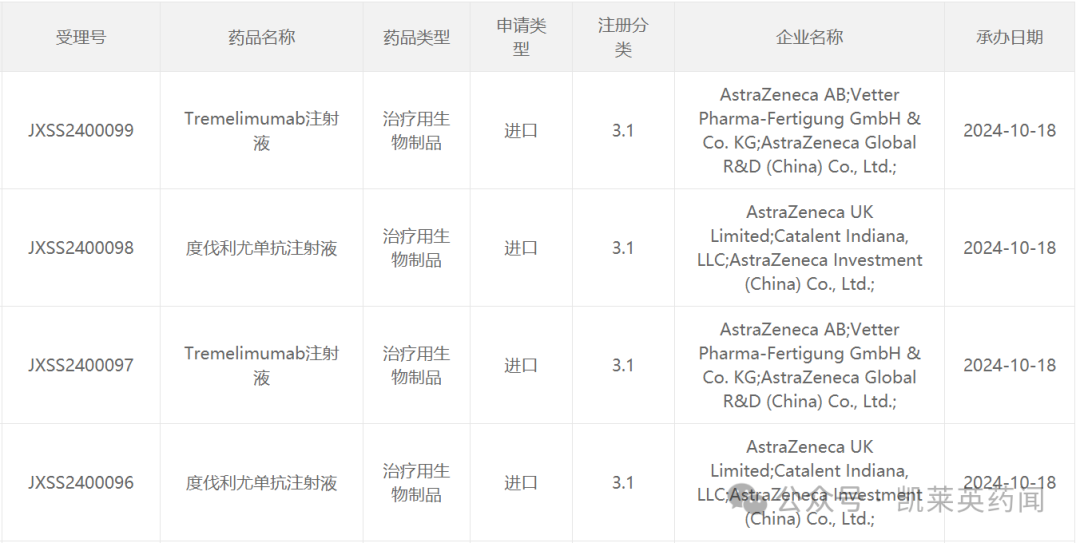
2024Year10Month18Day, according toCDEThe official website shows that AstraZeneca has submittedTremelimumabThe marketing application for the injectable solution, which has already been approved overseas andPD-L1Antibody combination as first-line treatment for hepatocellular carcinoma and non-small cell lung cancer.
In this application, the company also submitted simultaneouslyDurvalumabThe listing application implies that the two may be used in combination for first-line tumor treatment.
AboutTremelimumab
Tremelimumab is a first-generation CTLA-4 antibody, initially developed by Pfizer, and it even entered Phase III clinical trials earlier than the first approved CTLA-4 antibody, ipilimumab. In 2008, after interim analysis showed no difference in OS, Pfizer abandoned tremelimumab and transferred the product to MedImmune (acquired by AstraZeneca in 2007) in 2011. Subsequently, MedImmune's numerous attempts at monotherapy with tremelimumab all failed, and combination therapy with a PD-1 antibody became tremelimumab’s last hope for market approval.
In the fall of 2019, AstraZeneca first disclosed the details of the POSEIDON trial. In the first-line treatment of stage IV metastatic NSCLC patients, Imfinzi (durvalumab) combined with platinum-based chemotherapy, or Imfinzi, tremelimumab, and chemotherapy, compared with chemotherapy alone, tremelimumab significantly improved progression-free survival (PFS). However, at that time, the interim analysis of the POSEIDON trial did not show sufficient odds; until May 2021, the high-level positive results of the final analysis indicated,Compared with chemotherapy alone, the combination treatment of Imfinzi, tremelimumab, and chemotherapy demonstrated statistically significant and clinically meaningful OS benefits.; Each combination demonstrated acceptable safety, and no new safety signals were identified.
According to statistics, the combination therapy of tremelimumab and durvalumab has been approved for hepatocellular carcinoma and non-small cell lung cancer; in addition, the company is also exploring its use for localized hepatocellular carcinoma (EMERALD-3 study), small cell lung cancer (ADRIATIC study), bladder cancer (VOLGA and NILE studies), and other indications.
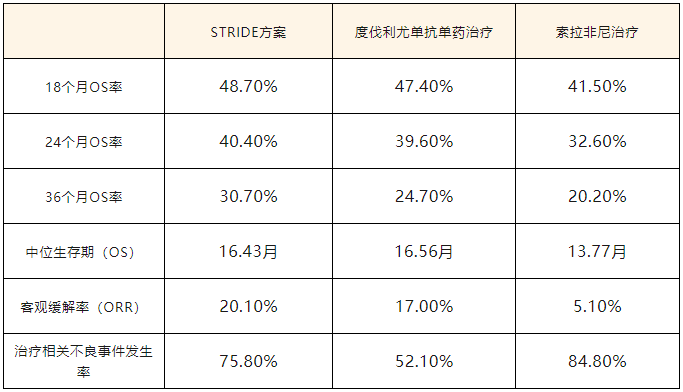
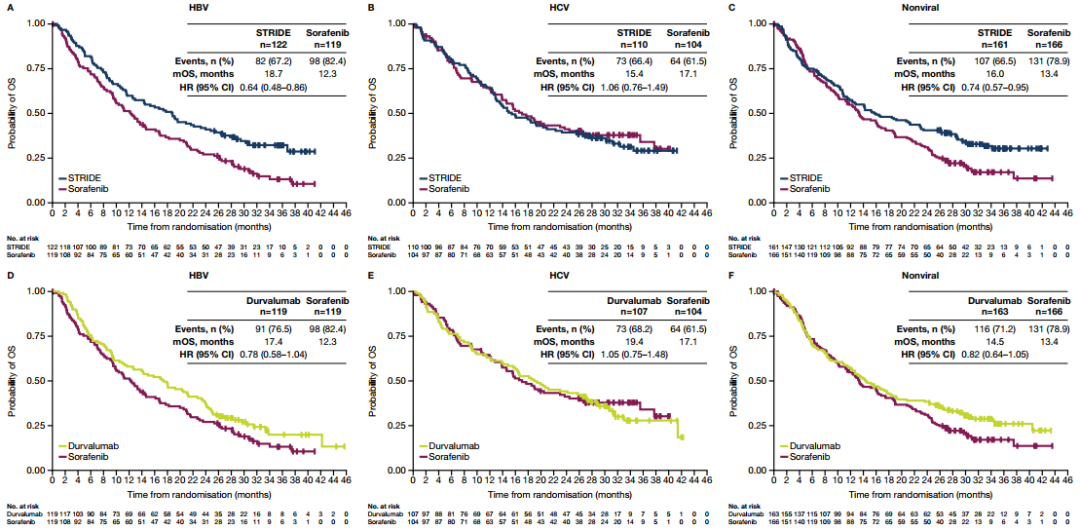
In September 2024, the company announced the significant 5-year overall survival (OS) data from the HIMALAYA study; The HIMALAYA study is a randomized, open-label, multi-center, global Phase III trial, with the primary endpoint being the OS of the STRIDE regimen versus sorafenib in the intent-to-treat population.The results showed that the 5-year OS rate of the STRIDE regimen group reached an unprecedented 19.6%, which is twice that of the sorafenib group, solidifying the position of this regimen in first-line treatment for liver cancer.
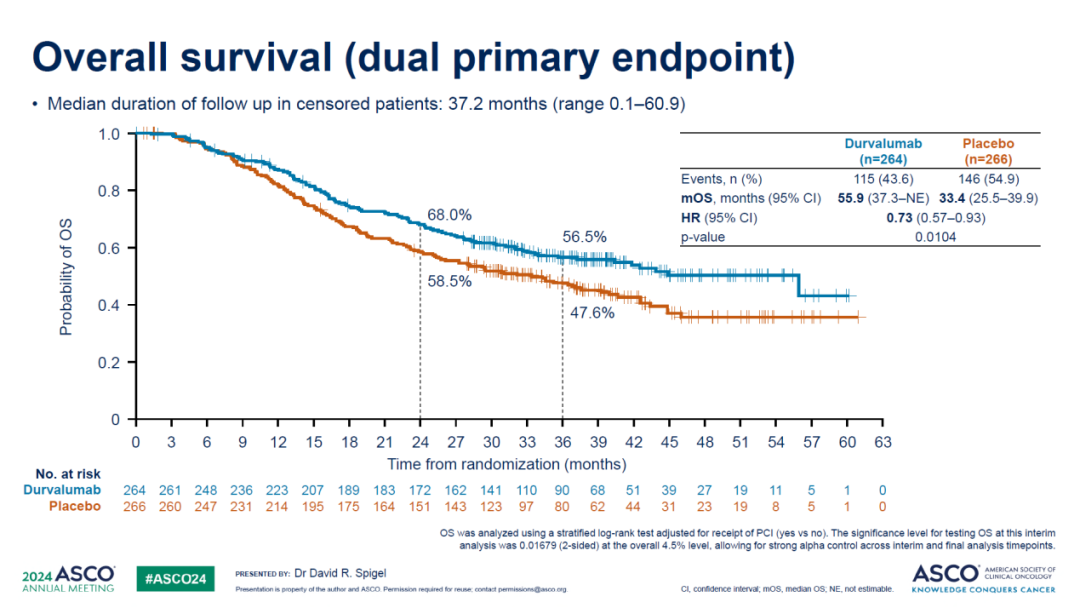
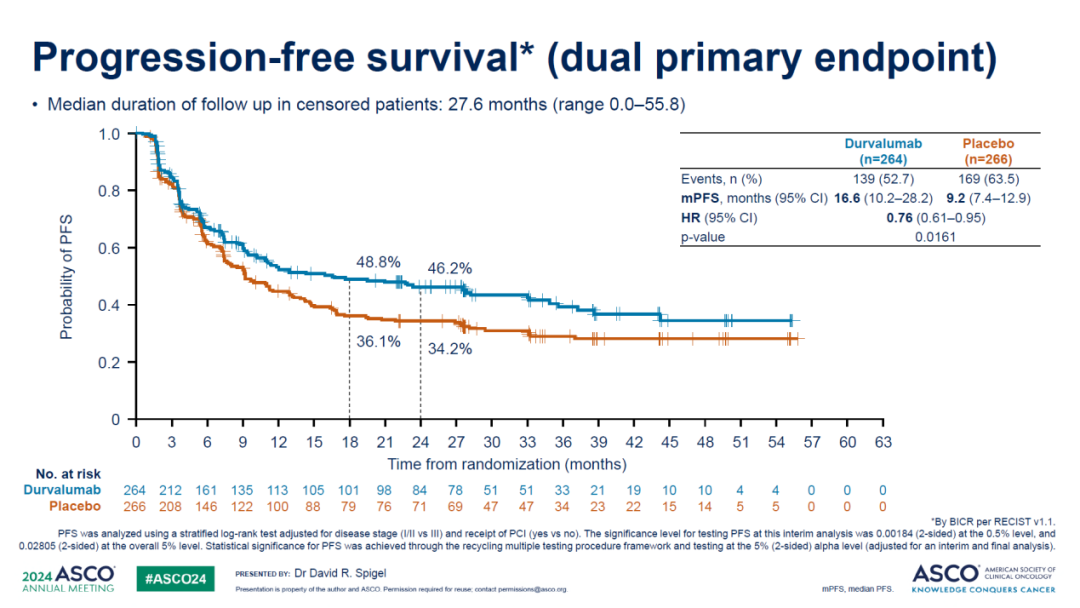
Besides,ADRIATIC is the world's first Phase 3 immunotherapy clinical trial for LS-SCLC, achieving dual primary endpoints of PFS and OS in April this year.; The study aims to evaluate the efficacy of Durvalumab ± Tremelimumab compared with placebo in 730 patients with LS-SCLC who did not progress after cCRT. This clinical trial was conducted across 164 research centers in 19 countries in North America, South America, Europe, and Asia.
AboutCTLA-4Antibody
CTLA-4, also known as CD152, is a transmembrane protein on the surface of T cells encoded by the CTLA-4 gene. The gene is located at 2q33 (the long arm, region 3, band 3 of chromosome 2) and is primarily expressed on the surface of activated T lymphocytes. It shares a close relationship with the co-stimulatory molecule receptor CD28 on T cells in terms of gene structure, chromosomal location, sequence homology, and gene expression, and can bind to the co-stimulatory molecule B7 on the surface of antigen-presenting cells (APC).。
CTLA-4 exists as a homodimer and is composed of an extracellular domain, a transmembrane domain, and a cytoplasmic domain. It is primarily expressed on activated CD4+ and CD8+ T cells and is also expressed on the surface of Treg cells. CTLA-4 expressed on the Treg surface plays a crucial role in driving Treg function, accumulating in tumor tissues to suppress anti-tumor immunity. After blocking CTLA-4, the function of tumor-infiltrating Tregs is blunted, thereby enhancing intratumoral immune responses.Therefore, CTLA-4 is considered an immune molecule that suppresses the body's anti-tumor response and is currently a hot topic and direction in targeted immunotherapy for cancer.
According to incomplete statistics, there are approximately a hundred CTLA-4 products under research globally, and currently, seven products have been approved;Based on the aboveThe great success of combination therapy, in China,Hengrui、Akeso, Innovent and Henlius are both exploring related combination therapies.

Regarding the Selection of Hepatocellular Carcinoma Drugs
China is a major country for liver cancer, with the number of new cases and deaths each year accounting for nearly half of the global total.At present, a large number of clinical studies have been carried out in China and internationally regarding first-line immunotherapy for advanced HCC.Among them, the "Double Ai" regimen, the "T+A" regimen, and the "Double Da" regimen have all been approved for marketing by the NMPA and included in the Level I recommendation (1A class evidence) of the "CSCO Guidelines for Diagnosis and Treatment of Primary Liver Cancer."
In addition to the combination therapy, the NMPA has also approved tislelizumab monotherapy for first-line treatment of patients with advanced HCC. Furthermore, the HIMALAYA study reported positive results for the dual immunotherapy combination of tremelimumab and durvalumab, but this combination has not yet been approved in China.
Summary of Key Studies on First-Line Immunotherapy for HCC
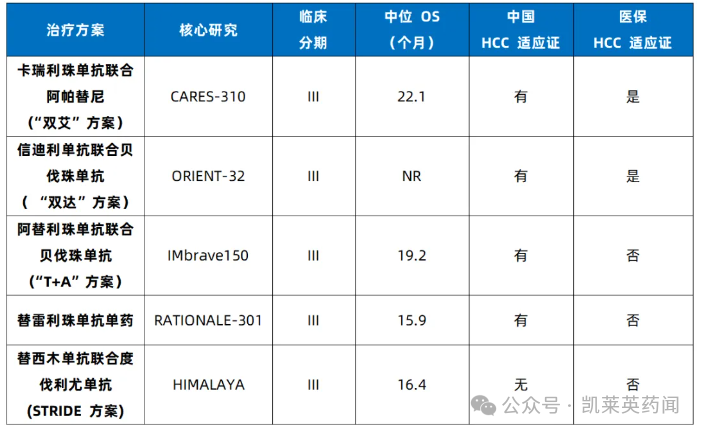
(Image source: Medlive)
Currently, multiple studies based on immunotherapy combined with local treatments are underway, which are expected to provide more treatment options for liver cancer patients in the future.




"Views"Click once