Hansoh Pharma: A Leading Player in B7-H3 ADC with Breakthrough Therapy Designations in Both China and the U.S.
Hansoh Pharma
Pharmaceutical Research, Production, and Sales
▎Traceability
On October 24, 2024, the official website of the Center for Drug Evaluation (CDE) under the China National Medical Products Administration (NMPA) announced that Hansoh Pharma's HS-20093 for injection is proposed to be included in the breakthrough therapy designation. The proposed indication is: extensive-stage small cell lung cancer (ES-SCLC) that has progressed after standard first-line treatment (platinum doublet chemotherapy combined with immunotherapy). HS-20093 is a B7-H3-targeted antibody-drug conjugate (ADC) developed by Hansoh Pharma.
In the fierce competition in the antibody-drug conjugate (ADC) field, the B7-H3 target has gained attention for its potential shown in the treatment of various types of tumors, especially in the treatment of small cell lung cancer (SCLC). Unlike the past HER2-ADC market dominated by Daiichi Sankyo, the B7-H3 ADC field presents a more intense competitive situation, with companies in China already at the forefront of global research and development progress in this track.
Hansoh Pharma is beginning to make a name for itself in the ADC field, with its B7-H3 ADC drug HS-20093 having already entered Phase III clinical trials in China. Additionally, Hansoh Pharma has reached an agreement with GSK to license the overseas rights of HS-20093 to GSK, marking Hansoh Pharma as a rising star in the ADC innovative drug sector, firmly holding a top-two position globally. Meanwhile, another Chinese company, Yilian Biotechnology, is also actively advancing preparations for the Phase III clinical trial of its B7-H3 ADC drug YL201.
This year, Daiichi Sankyo's ifinatamab deruxtecan (I-DXd, or DS-7300), Hansoh Pharma's HS-20093, and Yilian Biologics' YL201 have all updated their data for small cell lung cancer at WCLC and ESMO.
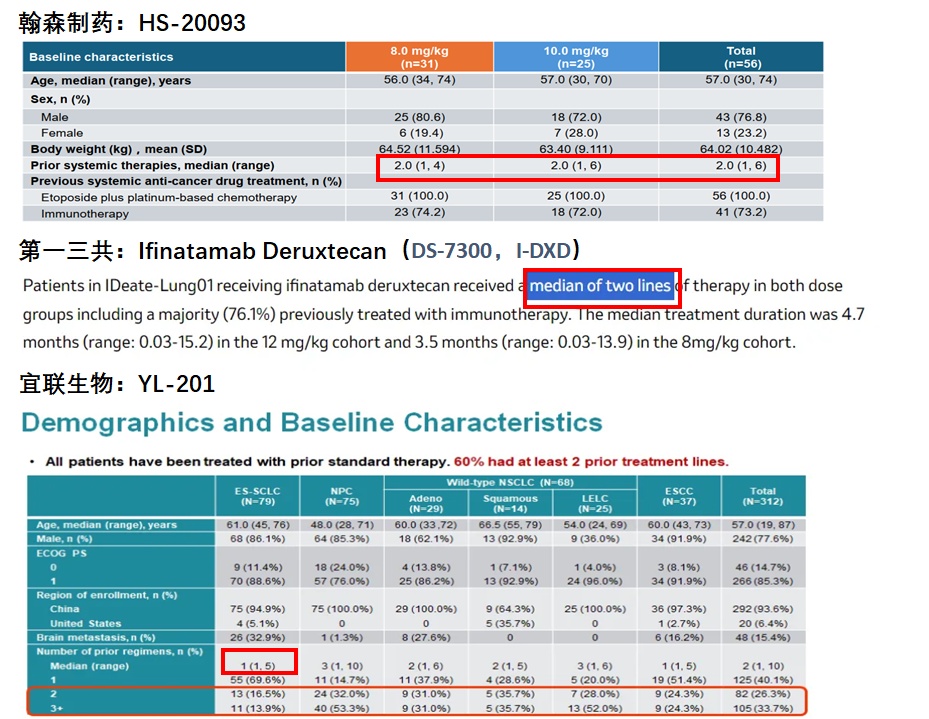
For small cell lung cancer, a closer look reveals that the target populations of the three drugs are slightly different. The median treatment lines for HS-20093 and I-DXD are 2L, while for YL201 it is 1L. With the widespread use of IO in SCLC, the proportion of immunotherapy-treated patients is 73.2% for HS-20093, 76.1% for Daiichi, and 95% for YL201. Differences in baseline characteristics largely represent varying patient conditions; the more systemic treatments received, the worse the patient's survival status to a certain extent.
In terms of efficacy:
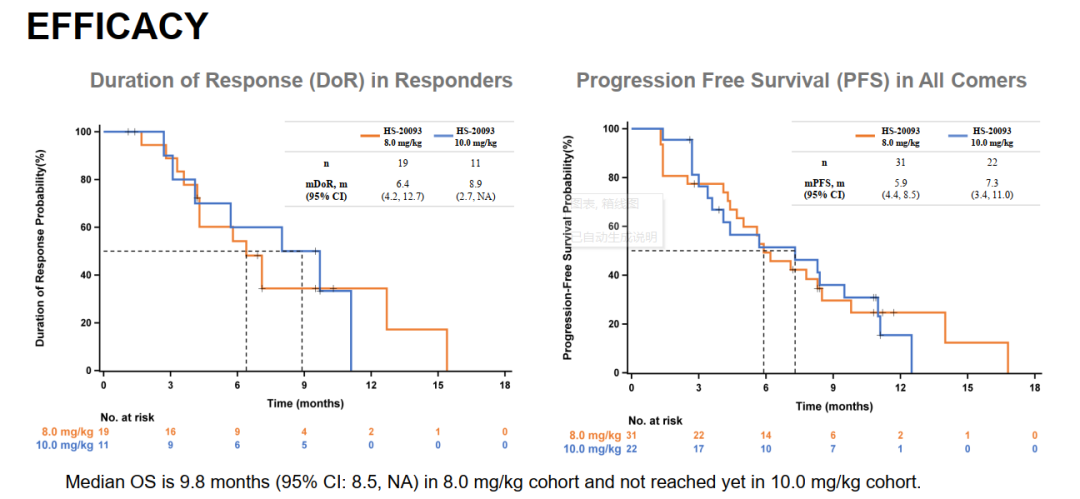
HS-20093Among 53 evaluable patients, the ORR was 61.3%, DCR was 80.6%, mDOR was 6.4 months, mPFS was 5.9 months, and mOS was 9.8 months in the 8.0mg/kg dose group, but the upper limit of the 95% confidence interval (CI) remained "not assessable" (NA), which typically indicates that the data are not yet fully mature and have the potential to increase. In the 10.0mg/kg dose group, the ORR was 50.0%, DCR was 95.5%, mDOR was 8.9 months, mPFS was 7.3 months (immature), and mOS was not reached.
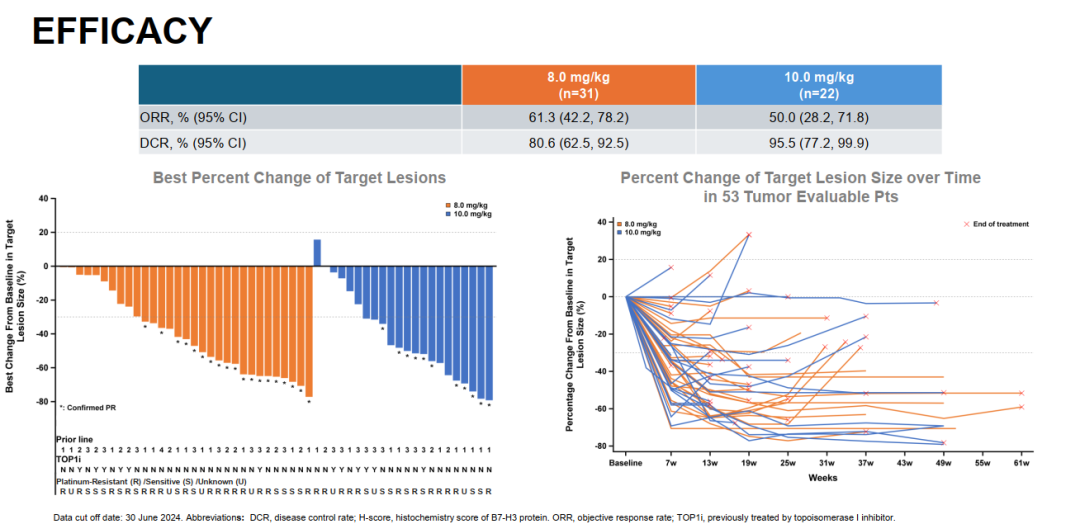
In patients without a history of TOPi treatment, there is a higher response rate.8.0mg/kgThe ORR of the dose group was as high as 75%.10mg/kgThe ORR of the dose group reached 66.7%.
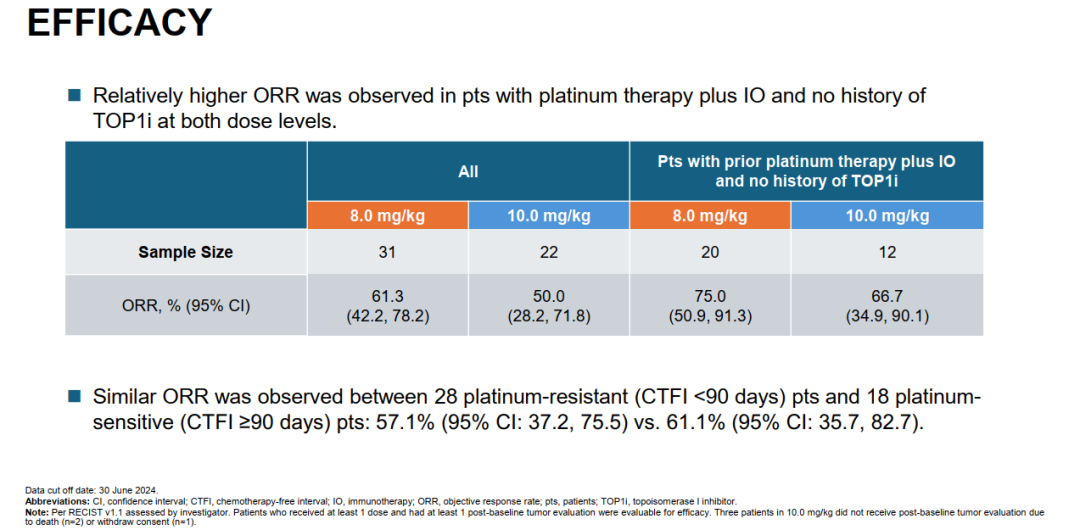
In a previous phase III clinical trial for second-line treatment, topotecan, also a Topoi, had an ORR of only 16.9%.
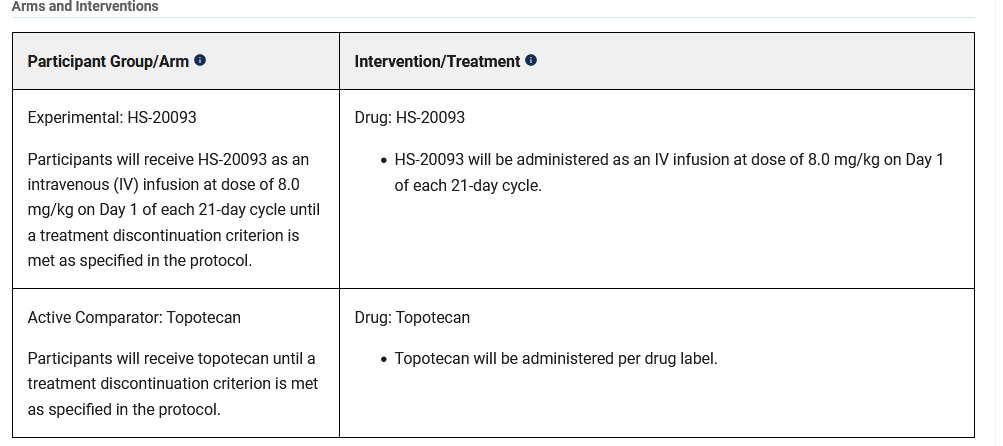
CurrentlyHS-20093Two Phase III clinical trials and one global Phase I clinical trial are currently underway.

According to the design details of Phase III clinical trial (NCT06498479), the dose adopted in Phase III clinical trial is8.0mg/kgBased on the above efficacy, head-to-head topotecan shows a very significant advantage.
I-DXDAmong 88 evaluable patients, the ORR was 26.1%, DCR was 80.4%, mDOR was 7.9 months, mPFS was 4.2 months, and mOS was 9.4 months in the 8mg/kg dose group; the ORR was 54.8%, DCR was 90.5%, mDOR was 4.2 months, mPFS was 5.5 months, and mOS was 11.8 months in the 12mg/kg dose group. Among patients with brain metastases, the results for the 8mg/kg and 12mg/kg groups were as follows:mg/kgThe intracranial response rates for the two dose groups were 66.7% and 50.0%, respectively.
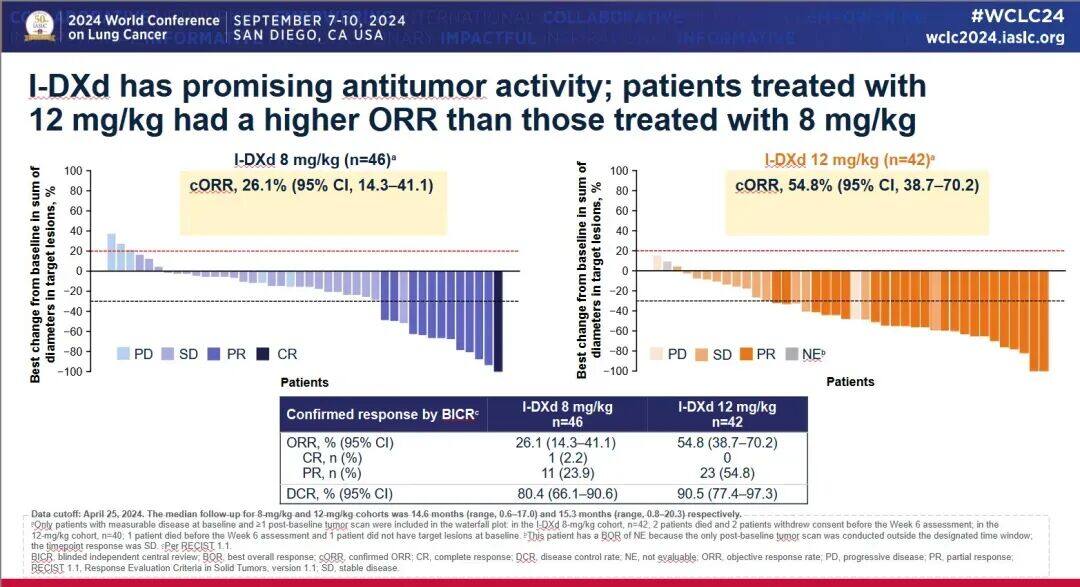
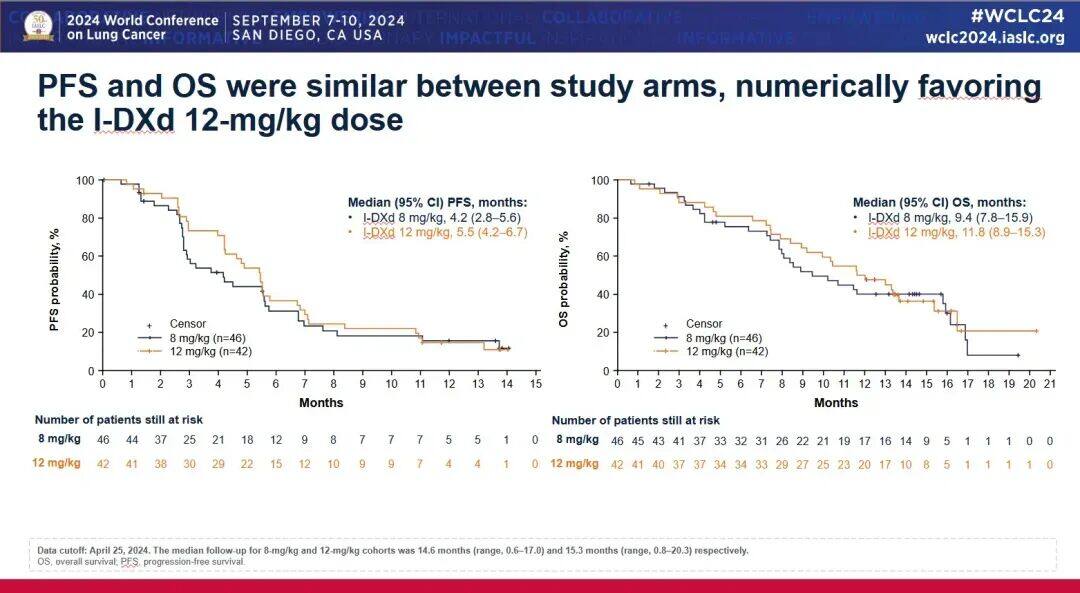
Due to the poor efficacy of the 8mg/kg dose group,I-DXDThe subsequent phase III clinical dosing regimen adopted 12 mg/kg.
YL201In the ES-SCLC cohort of 72 patients, the ORR was 68.1% and the mPFS was 6.2 months; furthermore, in patients with brain metastases, the ORR was 52.2% and the mPFS was 5.3 months.
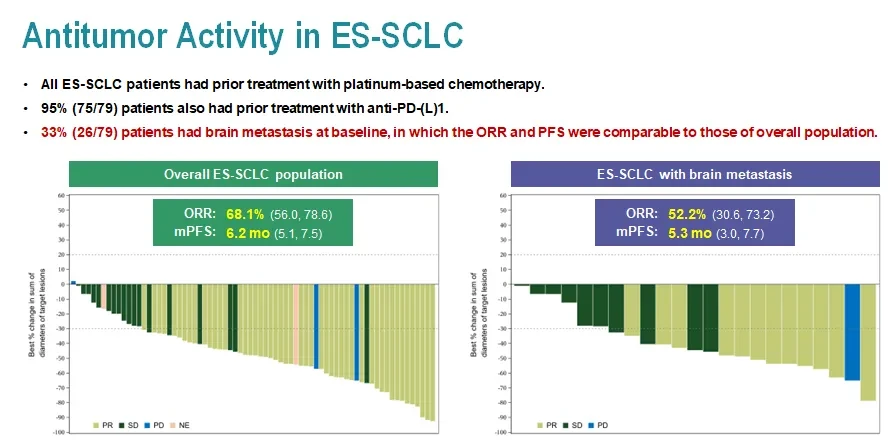
In terms of efficacy, purely from a numerical perspective, considering that patients treated with YL201 had only received a median of 1 prior line of therapy, while HS-20093 and I-DXD were used in the 2nd line setting,YL201The ORR is slightly higher within the expected range. From the PFS values, HS-20093 and YL-201 are comparable.Superior to I-DXD,The follow-up time for HS-20093 was extended, and with the increase in sample size, the two new sets of data have consistently remained at the same level. A comprehensive and detailed analysis shows that HS-20093 has more advantages. However, due to the different baseline enrollment criteria for the three drugs, the comparison of efficacy differences should be viewed cautiously. The later the treatment baseline, the poorer the patient's survival condition tends to be, thus...HS-20093 and I-DXDThe presented data appears slightly weak. However, it can be observed that the non-head-to-head data shows all three are superior to the second-line treatment data of topotecan, and each has a high likelihood of approval.
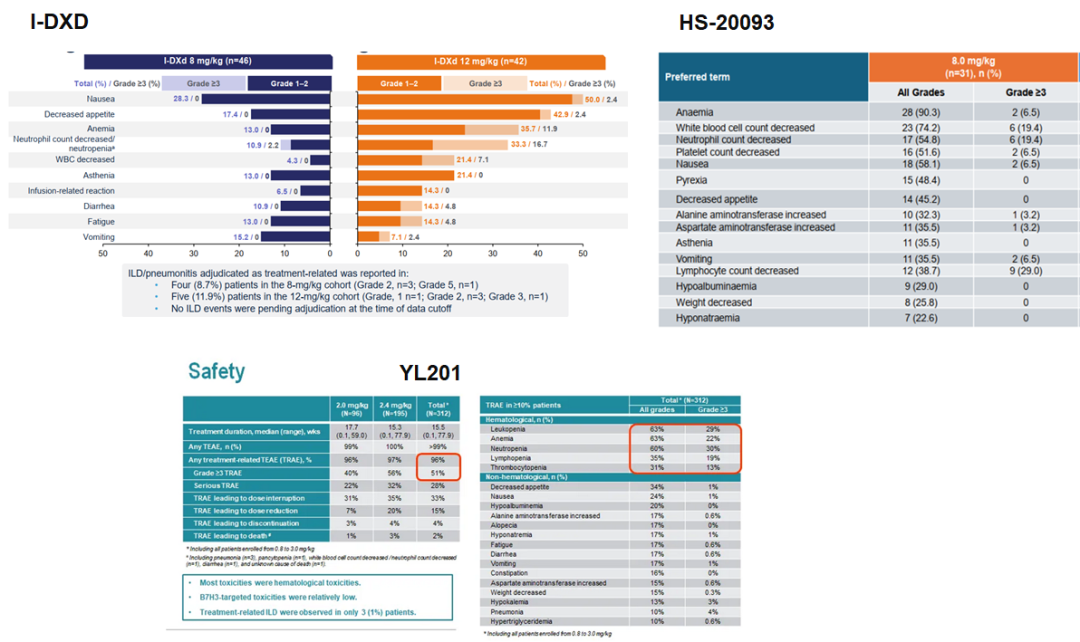
Then we can continue to look at the safety data. In terms of dosing, there is no doubt that the payload of Yilink's YL201 is more potent, followed by HS-20093.I-DXDAgain. Of course, we still need to look at the data details further. The overall safety will be evaluated based on the Phase III dosing regimen.
Currently,HS-20093AndI-DXDHave all announced the Phase III dosage,HS-20093Selected the lower dose group8mg/kgAndI-DXDChose a higher12mg/kg, andYL201Not yet announced, probably will select2Or2.4mg/kg, the detailed efficacy data of these two dose groups have not been disclosed separately so far. This raises a question: if we choose2.4mg/kgHematological toxicity is significant, and if selection is made2mg/kg,YL201In0.8-2mg/kgThe dose group did not reach linearity.PK,PKIt is slightly inferior and requires some consideration. From the perspective of the number of participants, there may be a tendency to select.2.4mg/kg. As can be seen from the figure below,YL201With stronger hematological toxicity (in the figure belowYL201The detailed data on the right side are hematological and non-hematological detailed toxicity.2And2.4mg/kgThe aggregated data, when viewed by group,2.4mg/kgThe data may be higher),I-DXDAndHS-20093Hematological toxicity is slightly better, butI-DXDInterstitial pneumonia occurred,HS-20093No reports of related interstitial pneumonia toxicity, if from Hansoh PharmaB7H4 ADCBased on the reported data, no related interstitial pneumonia has occurred, which is also evident from Hansoh Pharma's...ADCThe platform, although inModified on the basis of DXD, but no severe interstitial pneumonia occurred, meaning the incidence of interstitial pneumonia on this platform is relatively lower, or even nonexistent.
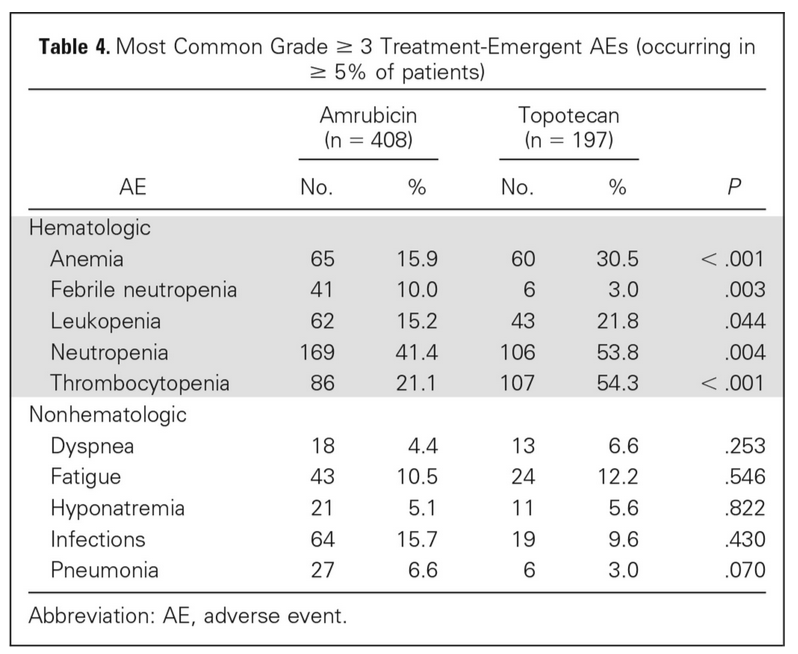
Compared with the hematological toxicity of topotecan, the hematological toxicity of these ADCs seems acceptable.
In summary, HS-20093 has achieved a good balance between efficacy and safety at the RP2D dose, showing better PK and safety potential. Its efficacy, even in a non-head-to-head comparison with topotecan, demonstrates significant advantages. In August 2024, the U.S. FDA also granted itHS-20093ForES-SCLCIndicationsBreakthrough therapy.HS-20093Possesses a strong likelihood of being approved as part of the world's top-tier group.
On October 22, 2024, the latest announcement on the official website of the Center for Drug Evaluation (CDE) of the China National Medical Products Administration (NMPA) revealed that,HansohHansoh Pharma's New Drug HS-20093 for Injection Granted New Clinical Trial Approval, Indication: This product in combination with immunotherapy (e.g., Adebrelimab) / vascular endothelial growth factor receptor tyrosine kinase inhibitor (e.g., Anlotinib Hydrochloride Capsules) with or without anthracycline drugs (e.g., Epirubicin) for the treatment of advanced bone and soft tissue sarcoma. According to the China Drug Clinical Trial Registration and Information Disclosure Official Website, HS-20093 has more than ten ongoing clinical studies, including two Phase 3 clinical trials for recurrent small cell lung cancer and limited-stage small cell lung cancer, as well as multiple Phase 1 and Phase 2 clinical trials for the treatment of lung cancer, sarcoma, head and neck cancer, and other solid tumors. Combination therapy is expected to further improve efficacy.HS-20093Competitive Advantage.