Pfizer's PARP Inhibitor Talazoparib Approved in China for Metastatic Castration-Resistant Prostate Cancer

Pfizer
Pharmaceutical R&D Developer
▎WuXi AppTec Content Team Report


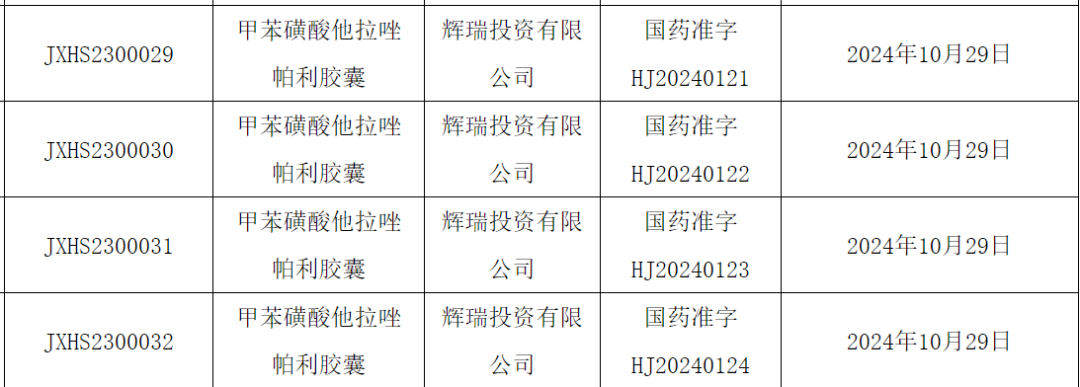 Screenshot source:NMPA Official Website
Metastatic castration-resistant prostate cancer (mCRPC) is a form of prostate cancer that has spread beyond the prostate. Prostate cancer is one of the most commonly diagnosed malignancies in men worldwide. Most men are diagnosed with localized prostate cancer, which can be treated with surgery or radiation therapy. The growth of prostate cancer cells is androgen-dependent, so patients are initially sensitive to androgen deprivation therapy (ADT). However, after continuous ADT, some patients still experience disease progression and develop mCRPC. It is estimated that 10% to 20% of prostate cancer patients will progress to mCRPC within 5 to 7 years after diagnosis. In approximately 25% of mCRPC male tumors,Homologous Recombination Repair (HRR)Gene mutations, associated with invasive diseases and poor prognosis.
Public data shows that PARP plays a key role in the DNA repair mechanism within cells. PARP inhibitors have also been clinically proven.Can effectively treat withHarmful or Suspected Harmful Germline Breast Cancer Susceptibility Genes (BRCA)Tumors lacking DNA homologous recombination repair mechanisms, such as mutant proteinsThe talazoparib recently approved in China is an inhibitor targeting the PARP enzyme, playing a role in the DNA damage repair response. Preclinical studies have shown that this product can block PARP enzyme activity and trap PARP at sites of DNA damage, thereby reducing cancer cell growth and inducing cancer cell death.

Talazoparib was approved by the U.S. FDA in 2018 (brand name: Talzenna) for the treatment ofSuffering fromBRCAAdult patients with human epidermal growth factor receptor 2 (HER2)-negative locally advanced or metastatic breast cancerIn June 2023, the product received FDA approval for a new indication, in combination with enzalutamide formCRPC Patients with HRR Gene MutationsTreatment.
The China Drug Clinical Trial Registry and Information Disclosure Platform shows that Pfizer has launched a combination therapy of talazoparib and enzalutamide.DNA Damage Repair (DDR) Gene Mutations in mCSPC MenInternational Multicenter (Including China) Phase 3 Randomized Study in Patients. This study aims to demonstrate, in mCSPC subjects with DDR defects, the extension as assessed by the investigator.Radiographic Progression-Free Survival (rPFS)In terms of treatment, the combination of Talazoparib and Enzalutamide is superior to the combination of placebo and Enzalutamide.
Previously, talazoparib had achieved positive results in the Phase 3 TALAPRO-2 trial for patients with mCRPC. This is a two-part, two-cohort, multicenter, randomized, double-blind, placebo-controlled Phase 3 clinical study, which enrolled 1,095 patients in the United States, Canada, China, Europe, and other regions.The trial observed a favorable trend in overall survival (OS) for the talazoparib combination therapy, as well as statistically significant and clinically meaningful rPFS data.Compared with placebo combined with enzalutamide, the talazoparib combination therapyReduced the risk of disease progression or death by 55% in mCRPC patients。
[2] Pfizer Announces Positive Results for Talazoparib in Phase 3 Clinical Study of Metastatic Castration-Resistant Prostate Cancer. Retrieved Oct 8, 2022, from https://mp.weixin.qq.com/s/GhkdCEwkvxWpf5xc_xP4qQ
[3] Focus on Cutting-edge Academics, Lead the Co-creation and Win-win of the Tumor Diagnosis and Treatment Ecosystem ——"Glowing Life—2023 Pfizer Oncology Academic Week" Officially Launched. Retrieved Jun 26, 2023, from https://mp.weixin.qq.com/s/wMNat1z4Ig0fQ9XG2-K2mw
[4] Agarwal N, Saad F, Azad AA, Mateo J, Matsubara N, Shore ND, Chakrabarti J, Chen HC, Lanzalone S, Niyazov A, Fizazi K. TALAPRO-3 clinical trial protocol: phase III study of talazoparib plus enzalutamide in metastatic castration-sensitive prostate cancer. Future Oncol. 2023 Oct 26. doi: 10.2217/fon-2023-0526. Epub ahead of print. PMID: 37882449.
This article is from the content team of WuXi AppTec. Individuals are welcome to share it on their social media feeds., and unauthorized reproduction by media or institutions in any form to other platforms is prohibited. For reproduction authorization andFor other collaboration needs, please contact wuxi_media@wuxiapptec.com.
Disclaimer: The content team of WuXi AppTec focuses on introducing the research progress in global biopharmaceuticals and health. This article is for information exchange only, and the views expressed in the article do not represent the position of WuXi AppTec, nor does it imply that WuXi AppTec supports or opposes these views. This article is not a recommendation for treatment plans. For guidance on treatment options, please visit a正规医院.