R3 Vascular Advances Magnitude, the Thinnest Bioresorbable Drug-Eluting Stent, into Pivotal IDE Trial for Below-the-Knee PAD

R3 Vascular
Vascular Stent Developer
R3 VascularAnnouncing itsDrug-Eluting Bioresorbable ScaffoldMagnitudeReceived FDA approval to conduct an IDE study. Following FDA approval,R3 VascularComing SoonMagnitudeThe pivotal clinical study ELITE-BTK.
PI Evaluation
"Given the advancements and advantages of this trial, it is a highly anticipated trial. The next-generation technology has the potential to transform the field of peripheral interventions. We look forward to evaluatingEstimate Magnitude for Patient Treatment Outcome"The impact of the results and the ability to meet the growing clinical needs."
---Eric A. Secemsky Beth Israel Deaconess Medical Center
Executive Evaluation
"We are pleased to receive FDA approval for our ELITE-BTK pivotal trial, allowing us to begin enrollment for our next-generation bioresorbable scaffold."Magnitude Patients. This will enable R3 Vascular to follow up on our positive first-in-human RESOLV1 study data, which showed an outstanding and promising DUS patency rate of 96% at 6 months. The trial, set to begin in the first quarter of 2025, will be conducted across up to 60 global clinical sites with a total of 264 subjects. Upon reaching favorable conclusions, the company will be able to completeMagnitudeIn the FDA's PMA market application."
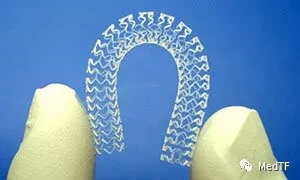
MagnitudeIs an ultra-thinDrug-eluting bioresorbable scaffold, itsThe strut is only 98μm.Esprit BTK is thinner.
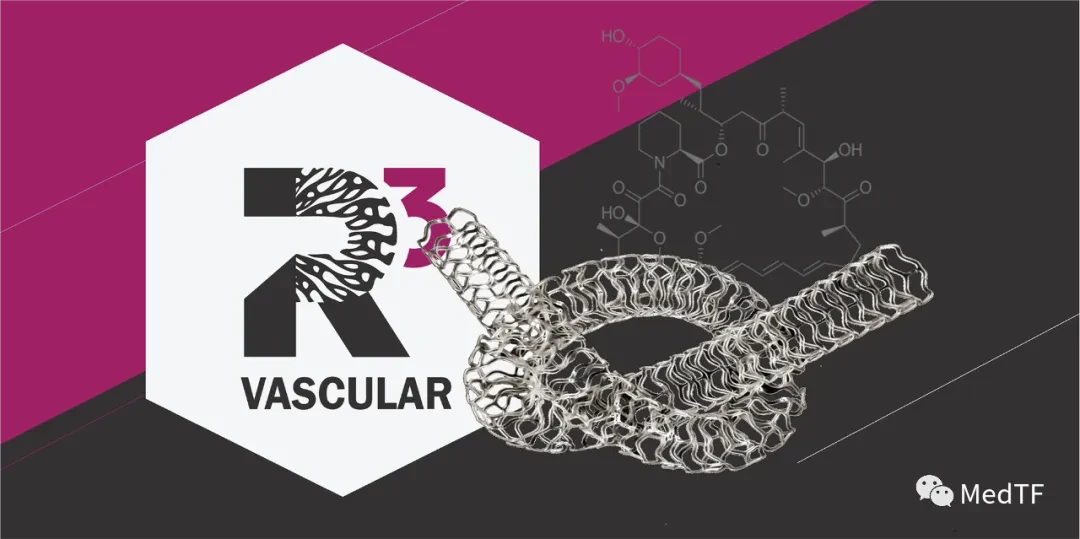
MagnitudePrepared from a unique ultra-high molecular weight polylactic acid.Ultra-high molecular weight polylactic acid, combined with a unique stent design and pricing technology, enablesMagnitude BecomesMoreThinner, stronger, more flexible.
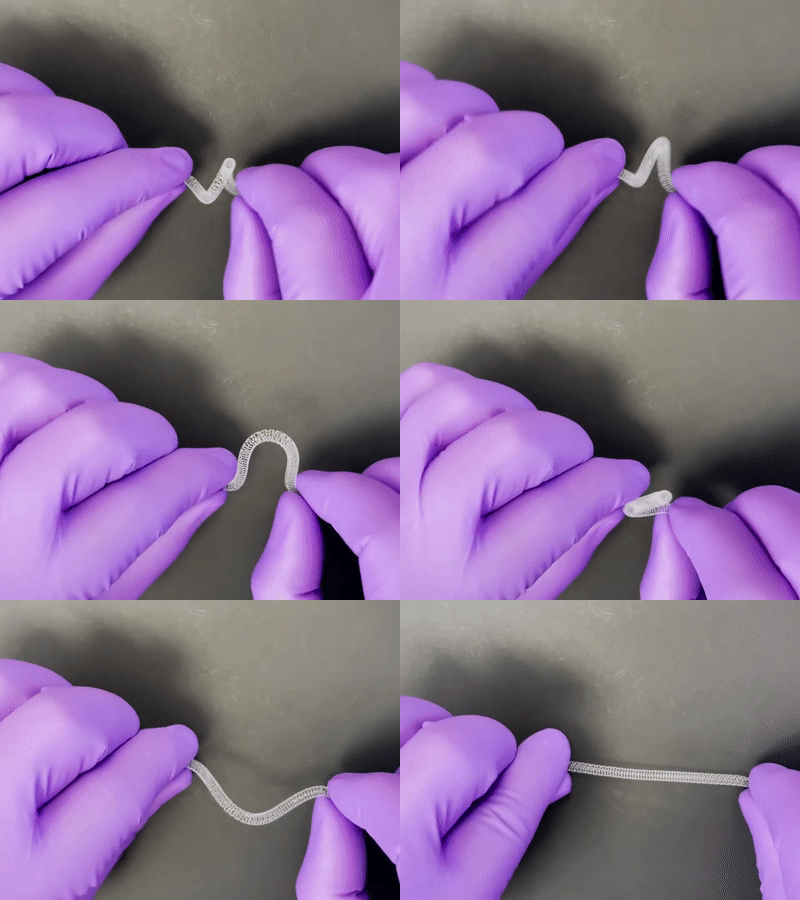
Excellent stent flexibility resists fracture and significantly adapts to changes in vessel diameter. High Radial Strength and Circumferential Support Balance of Strength and Ductility Ultra-thin Design The polymer exhibits significant structural stability during the degradation process.