Advanced Symposium on Weke Medical's Major Medical-Engineering Integration Projects Successfully Concludes

Vickor
Structural Heart Disease Minimally Invasive Intervention Product Developer

Recently, the high-level seminar on major provincial and municipal achievement transformation projects led by Vickor — "Development of Artificial Heart Valves Using High-End Medical Materials" and "Key Technology and Product Development for Bioresorbable Occluders in the Prevention of Cardiogenic Stroke" — was successfully held at Wuhan Union Hospital. The seminar brought together more than a dozen key leaders, experts, and scholars from collaborating organizations, as well as company executives, to discuss project advancement plans, key challenges, and future directions for collaborative research.
This seminar brought together several heavyweight guests.Chief Scientist of the Project, President of Wuhan Textile UniversityAcademician Xu Weilin, Director of the Department of Cardiac and Great Vessel Surgery at Wuhan Union HospitalProfessor Dong Nianguo、Chief PhysicianProfessor Shang Xiaoke、Professor Wei Hua Qiao, Hubei Provincial Institute for Medical Device Quality InspectionDean Xu Yang、Dr. Huan Liu, Director of the Sino-German Biomedical Center at Hubei University of TechnologyProfessor Hukang Hong, College of Biological Engineering and Food ScienceProfessor Li Hanluo,With Vickor Medical DirectorWang Xueli、Chen Song`, Senior Executive`Ming Sun、Li Weimin, and other core members involved in the project, jointly discussed. The meeting was chaired by Wang Xueli, Academician Xu Weilin delivered the opening speech, Chen Song hosted the project discussion, and Sun Ming, the director, gave a detailed report on the project.
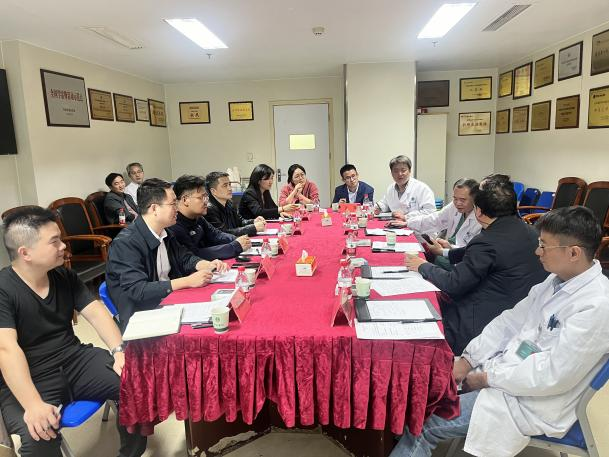
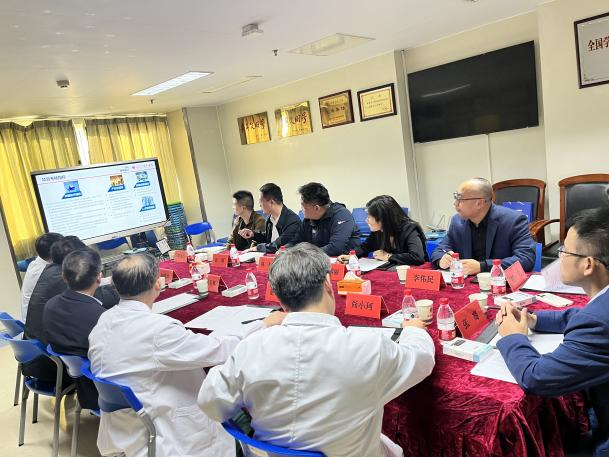
At the seminar, the experts had in-depth exchanges and discussions on the progress of the project implementation, current key technical challenges, task division and collaborative cooperation, expected outcomes, as well as academic and patent applications.
This project addresses clinical pain points, such as the development of high-cycle fatigue nickel-titanium alloy tubes and research on polymer biological coating materials. Through the integration of "industry, academia, research, medicine, and inspection," it aims to overcome a series of bottleneck and core key technologies for materials used in the heart valve field. It resolves the barriers limiting high-end biomedical materials within the province, develops Hubei Province's first novel artificial biological heart valve, and successfully applies it clinically. Through the implementation of this project, a Class III medical device registration application will be submitted or entry into the special review process for innovative medical devices will be achieved.
Project 2: Research and Development of Key Technologies and Products for Degradable Occluders in the Prevention and Treatment of Cardiogenic Stroke
This project is dedicated to addressing the challenges faced by currently clinically applied degradable occluders. These challenges include, but are not limited to, insufficient molding stability of degradable materials, suboptimal recoil performance, uncontrollable degradation rates, and the lack of radiopacity under X-rays, among other critical issues. To this end, the project team starts from the core of the occluder—raw materials—and strives for innovative breakthroughs and upgrades in the field of degradable materials.
The project team has developed a new type of biodegradable copolymer material, which, after being implanted in the human body, can stably provide medium- to long-term bridging support, promote autologous tissue repair, and then gradually degrade. It is eventually metabolized into carbon dioxide and water and excreted from the body, leaving no foreign substances behind.
In addition, the meeting actively discussed the impact of testing methods and research results on product optimization and improvement approaches. In-depth exchanges were conducted on undertaking more national-level key projects and breaking through significant bottleneck technologies in the future. Experts shared their insights, offering many valuable suggestions and comments, reaching important consensus and forming cooperative directions and goals.
Finally, Professor Dong Nianguo made a concluding speech, refining the consensus and outcomes of the seminar, arranging the next steps for work advancement, and expressing high recognition for everyone's exchange achievements.
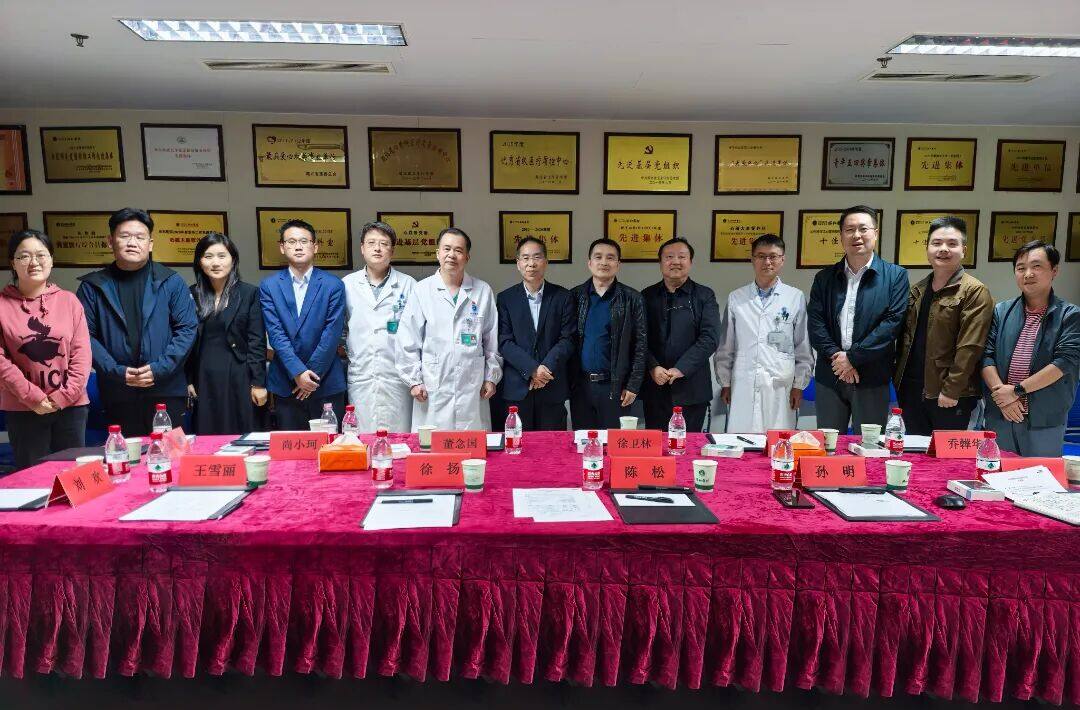
The seminar boasted a warm atmosphere and remarkable outcomes. The attending leaders and experts expressed that the next step would be to collaborate closely, focus tightly on the research objectives of the project plan, and strengthen the close integration of academia, enterprise, medical research, engineering, and inspection. By overcoming difficulties and continuously making breakthroughs, they aim to contribute substantial research achievements toward resolving "chokepoint" technologies in China’s healthcare industry, particularly in the field of cardiovascular diseases.