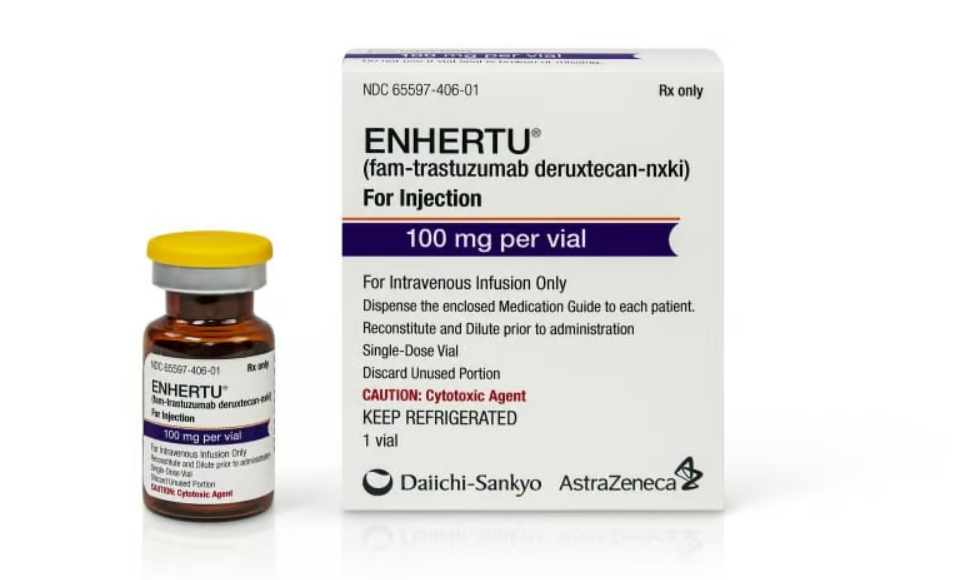
On November 9, Daiichi Sankyo and Alteogen Inc., a South Korean biotechnology company, signed a $300 million agreement to develop a subcutaneous injection version of Enhertu, the cancer drug co-developed with AstraZeneca.Alteogen will receive a $20 million upfront payment, and if the new formulation of Enhertu (trastuzumab deruxtecan) is launched and reaches sales targets,Daiichi-SankyoWill pay an additional $280 million.If successfully developed, Enhertu could become the first subcutaneously injectable drug in the ADC category, which is a high demand for such a large molecule.This may allow patients to receive medication outside of a clinical setting, and potentially even self-administer at home using an auto-injector.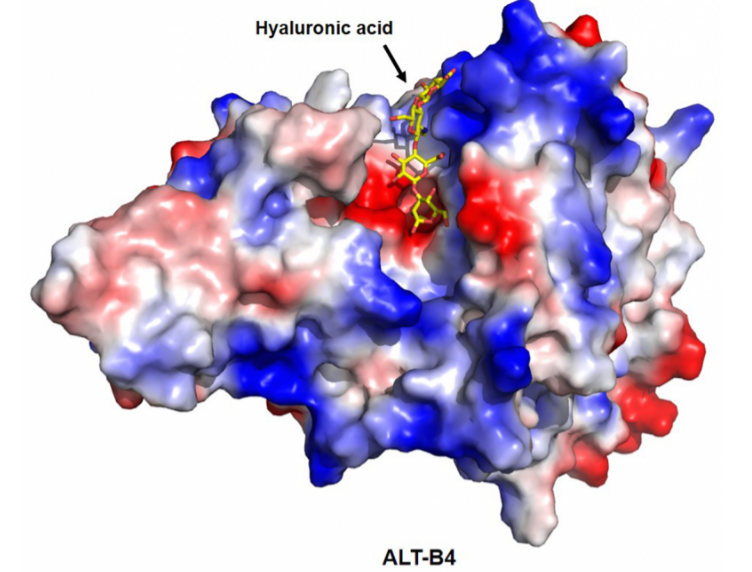
Alteogen will leverage its Hybrozyme platform, including recombinant human hyaluronidase ALT-B4, to develop a new version of Enhertu. This enzyme temporarily hydrolyzes hyaluronic acid in the extracellular matrix of the skin's subcutaneous layer, enabling the delivery of more drug substance and improving dispersion and absorption.This is a mature approach pioneered by Halozyme and its Enhanze technology, which has been used in several marketed products, including Roche's.Herceptin Hylecta(Trastuzumab/Hyaluronidase) and Phesgo (Pertuzumab/Trastuzumab/Hyaluronidase class).Last year, Alteogen also signed an agreement with Sandoz to develop a Hybrozyme-based version of an undisclosed biosimilar, with options for two additional projects.AlteogenAlso collaborating with Merck to develop a subcutaneous injection version of its blockbuster cancer immunotherapy, Keytruda.The financial terms of the Sandoz agreement have not been disclosed, but MerckPaid Alteogen $20 million upfront, with backend milestones up to $432 million.Enhertu is rapidly becoming the main growth product for Daiichi Sankyo and AstraZeneca, with sales reaching $1.77 billion in the first half of this year, up from $1.16 billion in the same period in 2023.The rapid growth is attributed to the expansion of indications for breast cancer, gastric cancer, and non-small cell lung cancer (NSCLC), as well as the tissue-agnostic application for HER2-positive solid tumors.Follow the official account below to see the world!