

HeartCare Medical's Intracranial Aneurysm Embolization Auxiliary Stent Gains NMPA Approval as China's First Domestic Product

HeartCare
Neurointerventional Medical Device Developer
Recently, the National Medical Products Administration (NMPA) announced the approval of Shanghai HeartCare Medical Technology Co., Ltd.'s "Intracranial Aneurysm Embolization Assist Stent" innovative product registration application.
The product entered the National Innovative Medical Device Special Review Channel in March 2022. It is China's first intracranial aneurysm embolization assist stent, used for intravascular auxiliary embolization and blood flow reconstruction in patients with intracranial aneurysms.
Intracranial aneurysms are ischemic cerebrovascular diseases related to the field of neurointervention, referring to abnormal bulges in localized areas of the arterial walls within the brain, and are a significant factor that induces hemorrhagic stroke.
The danger of intracranial aneurysms lies in the fact that, before rupture, 90% of patients show no obvious symptoms or signs. Only a very small number of patients experience discomforts such as blurred vision or facial numbness due to the aneurysm affecting adjacent nerves or brain structures. Once ruptured, the mortality rate is as high as one-third, and the mortality rate for rebleeding exceeds one-half. Therefore, intracranial aneurysms are also referred to as "time bombs in the brain."
The main treatment methods for intracranial aneurysms include craniotomy clipping surgery and endovascular interventional embolization.
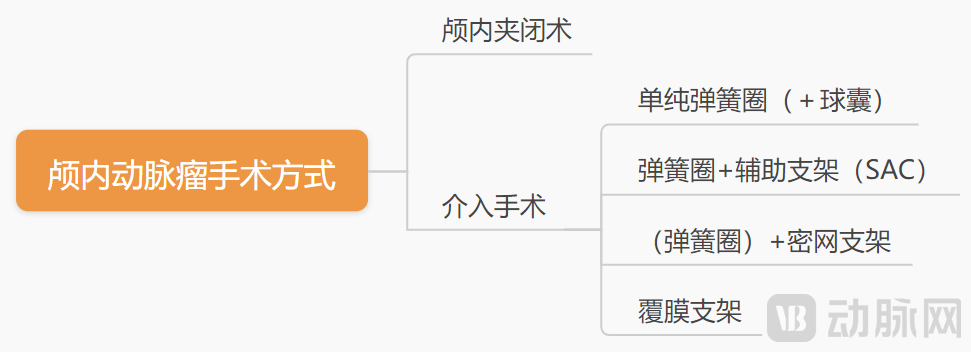
According to the "China Guidelines for the Diagnosis and Treatment of Unruptured Intracranial Aneurysms 2021," a 2018 survey of U.S. physicians on treatment recommendations for intracranial aneurysms found that 71% of physicians had already chosen endovascular surgery as the preferred treatment option for unruptured intracranial aneurysms.
Among them, Stent-Assisted Coiling (SAC) is one of the mainstream interventional treatments for intracranial aneurysms. By deploying an intracranial stent at the neck of the aneurysm, it provides support for the coils inserted into the aneurysm cavity, effectively preventing coil migration or escape.
The cerebral aneurysm embolization assist stent approved this time, developed by HeartCare, consists of three parts: a stent, a delivery wire, and an introducer sheath. The stent is made from nickel-titanium alloy tubing via laser cutting. Platinum-iridium markers are present at both ends of the stent and in the middle section of some models, facilitating precise clinical assessment of stent deployment and wall apposition. Under standard interventional surgical conditions, the location of intracranial aneurysms is determined through angiography. This device is used for endovascular-assisted embolization and blood flow reconstruction in patients with intracranial aneurysms.
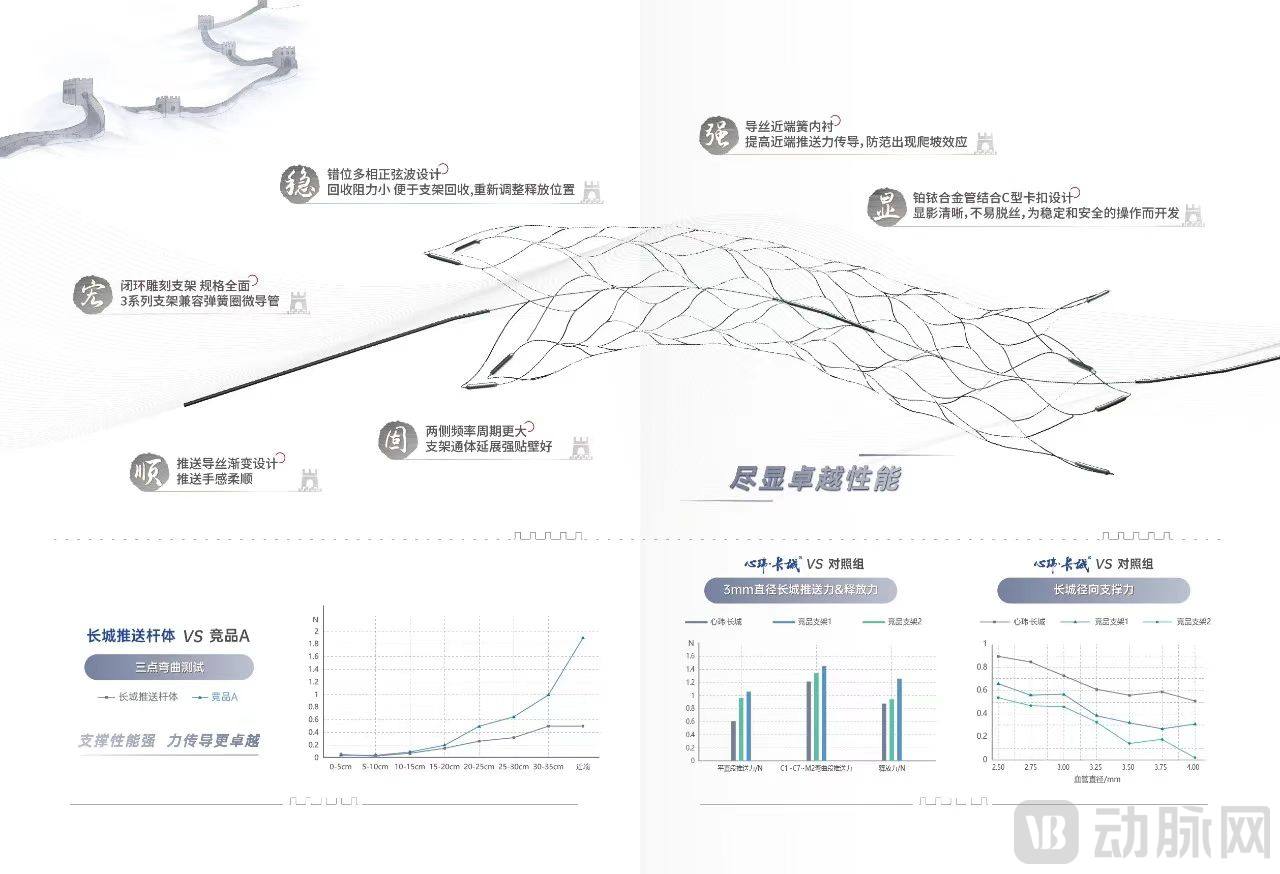
Source: HeartCare Official WeChat
Before HeartCare, the commonly used auxiliary embolization stents in the market were all imported products, such as Stryker's Neuroform Atlas stent, Johnson & Johnson's Enterprise series stents, Balt's Leo stent from Germany, and MicroVention's LVIS stent from the United States. These imported stents typically have a long history of clinical application and extensive clinical experience but are relatively expensive.
Apart from HeartCare, ChangYiDa Medical's TaminoVIA Intracranial Aneurysm Assisted Embolization Stent completed clinical research in April, and in August, XinKaiNuo Medical's SkuPort Intracranial Stent also entered the special review green channel for innovative medical devices.
The approved product this time belongs to the field of neurointervention. Neurointervention refers to the diagnosis and treatment of lesions in the human neurovascular system through specific methods such as selective angiography, embolization, dilation angioplasty, mechanical thrombectomy, and drug delivery, all performed under the support of a digital subtraction angiography (DSA) system.
Neurointervention is renowned for its minimal invasiveness, excellent efficacy, high efficiency, and enormous development potential. It has resolved many clinical challenges and is hailed as the "jewel in the crown" of interventional surgeries. It has shown significant advantages, especially in the treatment of cardiovascular and cerebrovascular emergencies, enabling precise treatment within the golden time window and effectively reducing mortality and disability rates.
According to different functions and indications, neurointerventional devices can be divided into three categories: hemorrhagic devices, ischemic devices, and access devices.
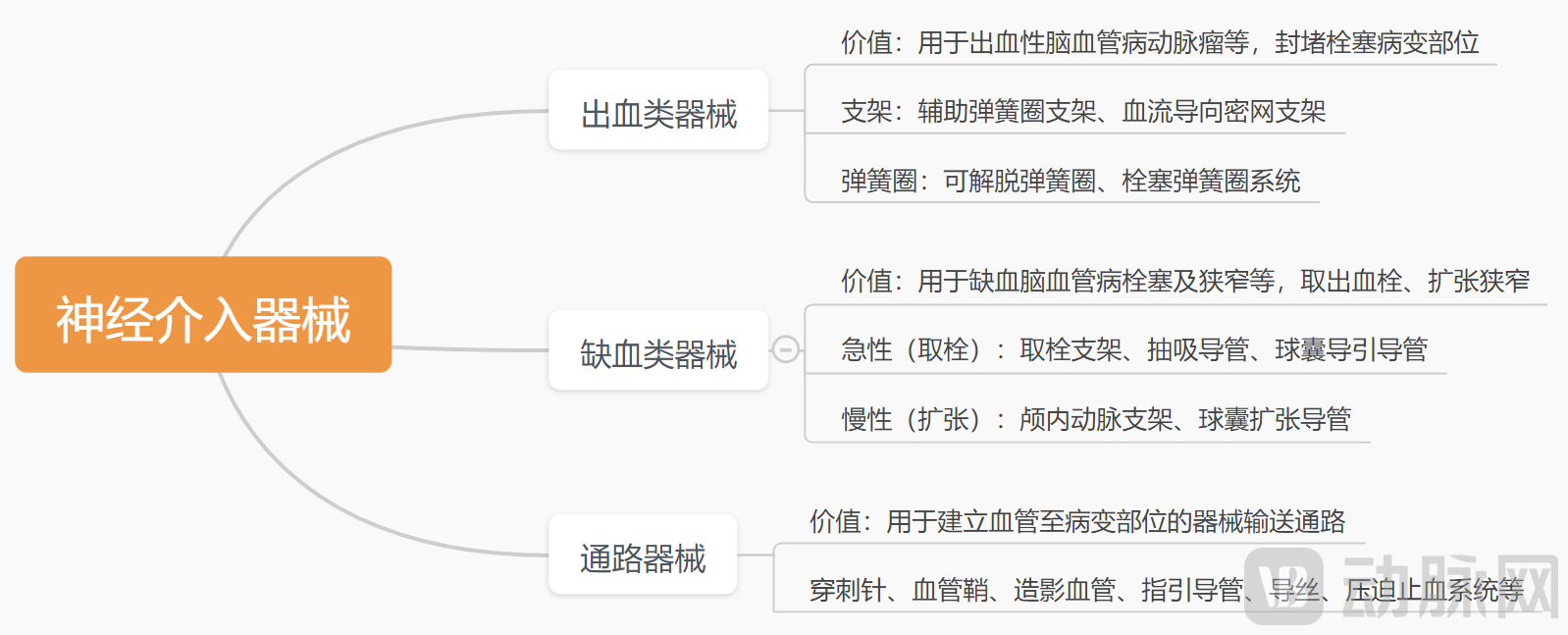
From the perspective of the market competition landscape, overseas medical device giants such as Medtronic, Stryker, and Johnson & Johnson have entered the market earlier and occupy the majority of the market share. However, in terms of pipeline layout, leading companies like HeartCare, NeuroVasc Technologies, MicroPort NeuroTech, and Peijia Medical have also largely completed comprehensive pipeline coverage and established advantages in different niche areas. For instance, HeartCare and NeuroVasc Technologies hold stronger positions in the ischemic market, while MicroPort NeuroTech and Peijia Medical have more advantages in the hemorrhagic market.
According to the "2024 Deep Market Report on Neurointervention" released by Northeast Securities in November, with domestic players gradually achieving technological breakthroughs, a surge of innovative products entering the market, and factors such as domestic substitution policies and centralized procurement price reductions, Chinese manufacturers are entering a period of developmental红利.
For instance, the high-value consumables "coils" used in the treatment of intracranial aneurysms through centralized procurement. From 2021 to 2024, the first major round of single-province/provincial alliance coil procurement was fully implemented across China. The average price of coils dropped from 12,000–13,000 yuan before procurement to around 4,000 yuan, marking a reduction of over 60%. As a result, MicroPort NeuroTech and GuiChuang TongQiao achieved a rapid increase in their market share of coils.
Taking the emerging treatment of intracranial aneurysms, flow diverter stents, as another example, China-produced options are also on the rise, with multiple innovative flow diverter stent products expected to launch in 2024.
The dense mesh stent, also known as a flow diverter, is designed with high metal coverage and a high pore rate to remodel local blood flow. It directs the impacting blood flow from the aneurysm-bearing artery into the distal normal blood vessels, thereby reducing the impact of local blood flow on the aneurysm and improving the hemodynamic conditions within the aneurysm. In 2018, the Tubrighe dense mesh stent from MicroPort Brain Science was launched, marking the first Chinese-produced flow diverter approved for marketing in China. To date, this stent has brought hope to more than 20,000 patients.
Currently, in addition to MicroPort NeuroTech, other companies such as GuiChuang TongQiao, Aikang Medical, ShenKang Medical, QinJie WeiYe, NuanYang Medical, and MeiKe WeiXian also have related product layouts.
In March 2024, the Tongqiao Qilin Flow Diverter Stent developed by Guichuang Tongqiao was approved for marketing; in August, the new generation Tubrighe Plus Flow Diverter Stent from MicroPort NeuroTech received formal approval; in September, the Lattice Flow Diverter Stent from Ecoway Medical was approved. In addition, SinoMedical's first flow diverter stent is also expected to be approved by the end of 2024. "Chinese production substitution" is becoming a reality.
In 2024, neurointervention enters the era of routine volume-based procurement.
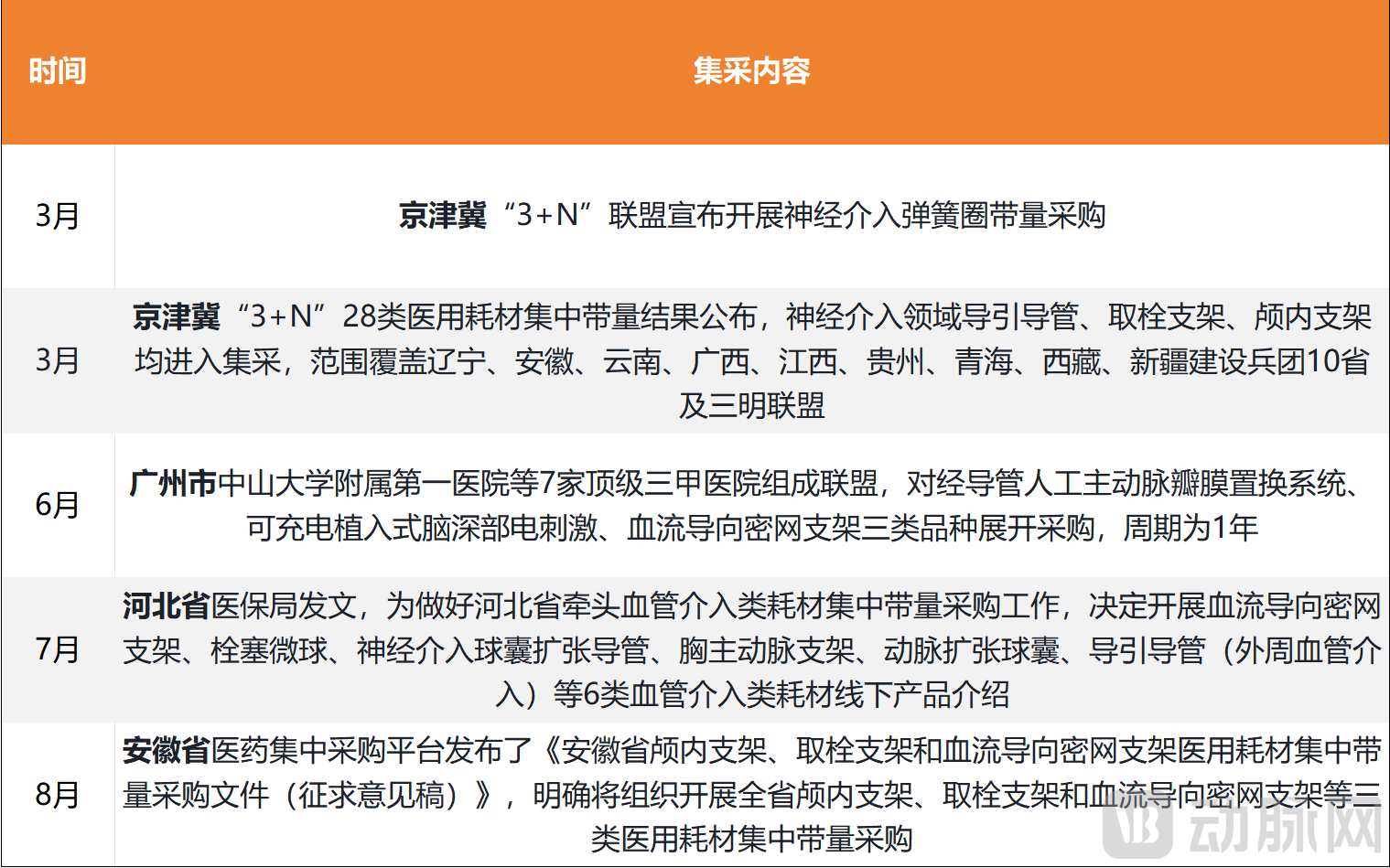
With the密集上市of domestically produced products and the叠加集采降价stimulus, Chinese manufacturers are poised to enter a period of developmental红利.