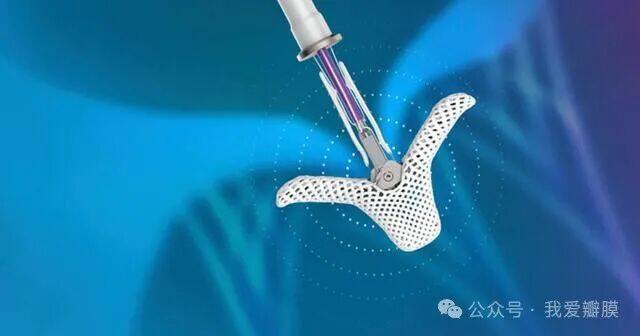
At TCT 2024Newly published onTRILUMINATE IDEDataFirst confirmed the efficacy of Abbott's TriClip device in treating tricuspid regurgitation (TR).. The preliminary results of the first 350 patients in this trial wereACC.23 as a key subsequent factorPublication, leading to the FDA in April 2024Approval of Abbott TriClipHowever, the data only shows that patients reported feeling better and their quality of life improved; it did not show clinical efficacy.
Cardiovascular Business interviewed Professor of Cardiovascular Surgery at the Icahn School of Medicine and Surgical Director of the Structural Heart Program at the Mount Sinai Health System.Gilbert H. Tang, M.D.He presented these findings, noting that the new data underscore the clinical safety and improved patient outcomes, further reinforcing the value of the therapy.
"In the expanded cohort, all three primary efficacy endpoints — hospitalization, heart failure, mortality, and the need for tricuspid valve surgery — showed improvement," Tang said."This is important because previously, two out of three results showed equivalence.”
Data shows that 88% of patients in the study experienced moderate or better TR reduction within one year, demonstrating the continued success of the TriClip device.
The TriClip device is designed to provide a minimally invasive option for patients with severe tricuspid regurgitation (TR), a condition that has traditionally been undertreated.With the full analysis of more than 570 patients in the TRILUMINATE IDE study now available, Tang highlighted several positive efficacy outcomes beyond the initial findings.
In addition to the subjective improvements reported by patients (such as improved quality of life), objective measurements of functional capacity also showed significant improvement. This finding addresses previous criticisms that patient-reported outcomes might be influenced by the placebo effect.
“We have demonstrated for the first time an objective, statistically significant increase in 6-minute walk distance, confirming functional benefits beyond the subjective perception of improvement.," Tang explained.
He also acknowledged that the larger patient population enhanced the statistical power of the study, enabling researchers to detect these new efficacy signals. While the initial analysis focused on 350 patients, the entire cohort provided broader evidence, reinforcing the value of the therapy in improving patient outcomes.
Looking ahead, Tang noted that questions remain regarding optimizing patient selection, improving surgical techniques, and researching alternative therapies such as full valve replacement. He mentioned that the latest TRISCEND II trial at TCT, which compares tricuspid valve replacement with Edwards Lifesciences' Evoque, could also shed more light on these areas.
"Although TriClip is promising, long-term follow-up is crucial to understanding the full impact on endpoints such as mortality and hospitalization rates. Unlike other valve diseases, TR may require prolonged observation to reveal meaningful survival benefits," he noted.
About TriClip
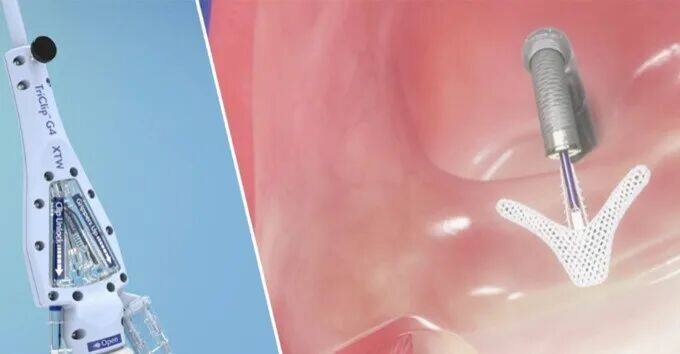
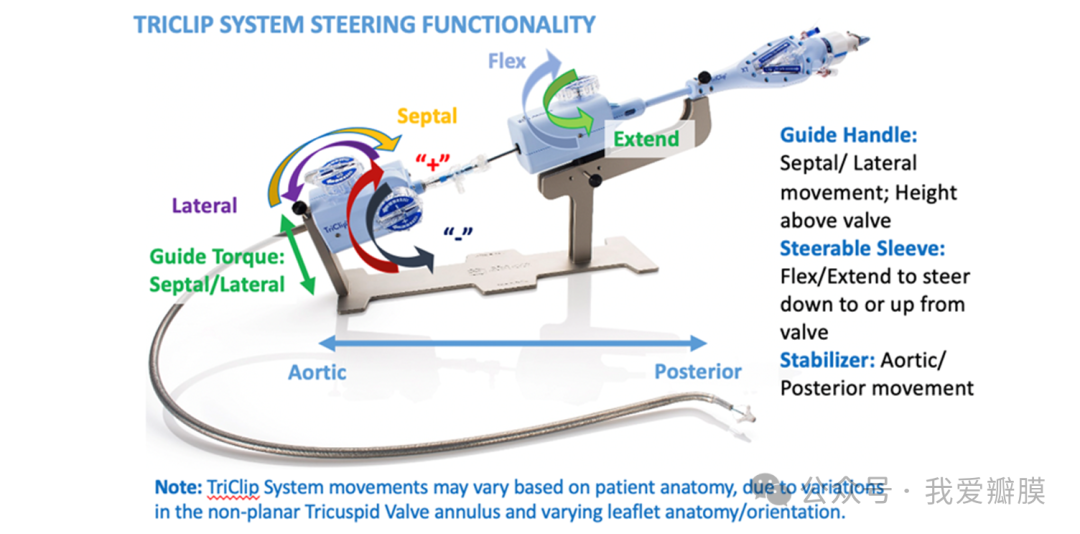
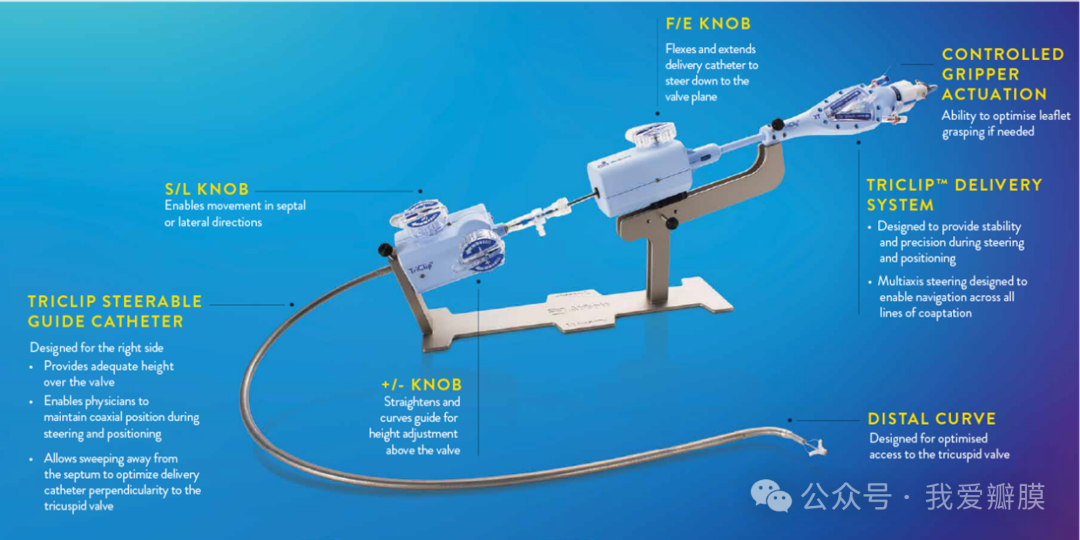
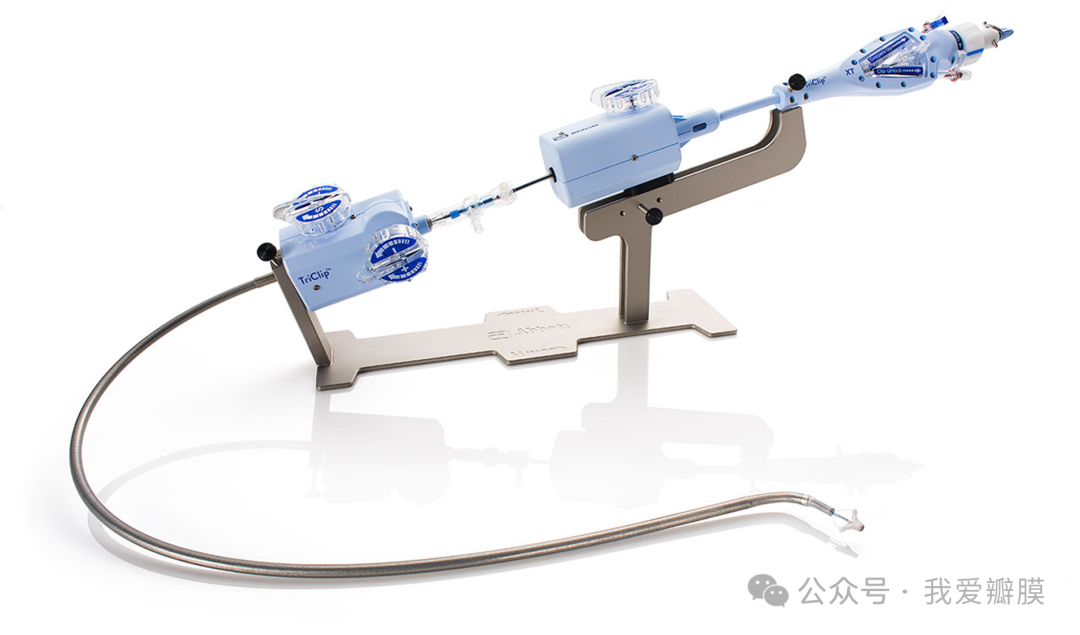
The TriClip system was developed by Abbott based on another best-selling cardiac repair device, the MitraClip. The MitraClip helps treat mitral regurgitation, a condition where blood flows back through the valve with each heartbeat. Regurgitation is one of the most common valve diseases. After the MitraClip device is implanted in the patient, it clamps the two leaflets of the heart together, creating two smaller openings to prevent blood from flowing back.The TriClip system utilizes the same clipping technology as the MitraClip system, allowing clinicians to secure parts of each valve in the patient's heart together and customize the surgical procedure according to each patient’s unique valve anatomy. Additionally, Abbott has specifically designed a differentiated delivery system for tricuspid valve implantation, enabling surgeons to grasp each part independently before fixation. During the procedure, doctors will implant the TriClip system into the patient's heart via the femoral vein, using an edge-to-edge technique to clip parts of the tricuspid valve leaflets together, reducing blood regurgitation.The TriClip system is delivered through a vein in the leg to repair the tricuspid valve and help blood flow in the correct direction, without the need for open-heart surgery.