

Sanofi Joins $20M Strategic Investment to Secure Exclusive Right of First Negotiation for Zucara’s First-in-Class SSTR2-Targeted Therapy ZT-01 in Type 1 Diabetes

Zucara Therapeutics
New Drug Developer

Sanofi
Pharmaceutical R&D Developer

PXV Fund I
--
Welcome to follow Asymchem Pharma News
On November 12, 2024, Zucara Therapeutics announced that the company had received approximately US$20 million in strategic financing from Sanofi and PXV Fund I as part of its Series B financing. In return,Sanofi Obtains Exclusive Priority Negotiation Rights for ZT-01.
This financing will also fund the remainder of the ongoing Phase 2a trial of ZT-01, which aims to evaluate the impact of ZT-01 on nocturnal hypoglycemic events in patients with Type 1 Diabetes ("T1D").
About ZT-01
ZT-01 is a somatostatin type 2 (SSTR2) receptor antagonist that can prevent hypoglycemia in people using insulin therapy.This drug, administered once daily, has a potential "first-in-class" mechanism of action in the treatment of Type 1 diabetes.
Phase 1b Proof-of-Concept Trial Shows: (1) Nearly 90% of subjects experienced a significant increase in glucagon after taking ZT-01. (2) Compared to placebo, treatment with 3 mg and 20 mg of ZT-01 resulted in mean peak glucagon changes from baseline of 14 pg/mL and 20 pg/mL, respectively (p<0.0001); 16 subjects showed an increase in glucagon of more than 10 pg/mL over placebo. (3) No serious adverse events were observed in the study.
Preclinical trials administered ZT-01 intraperitoneally or subcutaneously to evaluate its pharmacokinetics, showing: (1) Within 1 hour after intraperitoneal administration, the plasma Cmax of ZT-01 was more than 10 times higher than that of the earlier SSTR2 inhibitor candidate drug PRL-2903. (2) The 24-hour exposure of ZT-01 via intraperitoneal and subcutaneous routes was 4.7-fold and 11.3-fold, respectively. (3) The median time to achieve hypoglycemia exceeding 3.0 mmol/L after administration of PRL-2903 or ZT-01 was 60 minutes, 70 minutes, and 125 minutes, respectively. (4) Rats injected with ZT-01 showed a significantly higher nadir blood glucose level after insulin administration compared to those given PRL-2903. (5) During the hypoglycemic clamp, ZT-01 increased the peak glucagon response approximately 4-fold compared to PRL-2903.
About SSTR2 Drugs
Pancreatic Somatostatin (SST) is a multifunctional peptide hormone produced by the brain, gastrointestinal tract, retina, immune and neuroendocrine cells, as well as pancreatic D cells in response to various stimuli. SST acts as an endogenous inhibitory regulator of different cellular functions, modulating processes such as development, proliferation, metabolism, secretion, and neural activities, primarily through binding to five somatostatin receptors (SSTR1-5) to exert a wide range of biological effects.
For people without diabetes, alpha cells secrete glucagon, signaling the body to release its glucose reserves to prevent or reverse hypoglycemia. However, for insulin-dependent diabetes patients (including those with type 1 diabetes and insulin-dependent type 2 diabetes), there is evidence that increased SST secretion inhibits alpha cells from releasing glucagon.
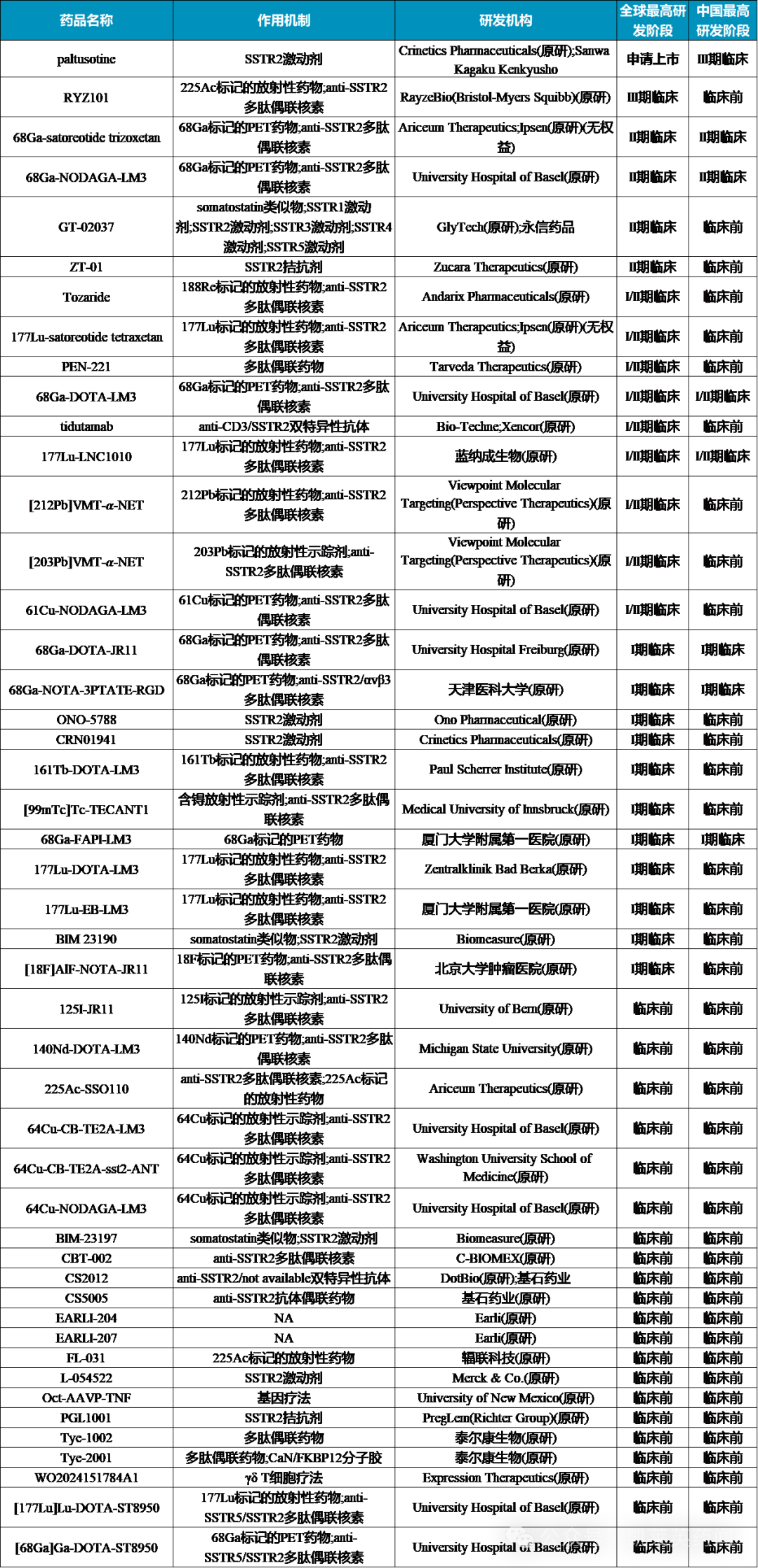
Currently, there are various forms of drug development based on the characteristics of the SSTR2 target: such as radiopharmaceuticals, SSTR2 agonists, SSTR2 antagonists, peptide-conjugated drugs, etc., with indications covering oncology, rare diseases, and endocrine and metabolic fields.
About Type 1 Diabetes
Diabetes is one of the most common chronic diseases that endanger human health. China has become the country with the fastest-growing number of diabetes patients globally, with a prevalence rate exceeding 10% among people aged 18 and above. In recent years, the younger onset of diabetes has also become a significant public health issue that cannot be ignored. According to the latest diabetes classification standards by the World Health Organization (WHO) in 2019, diabetes is categorized into Type 1 Diabetes, Type 2 Diabetes, Gestational Diabetes, Hybrid Diabetes, Unspecified Type Diabetes, and Special Types of Diabetes.
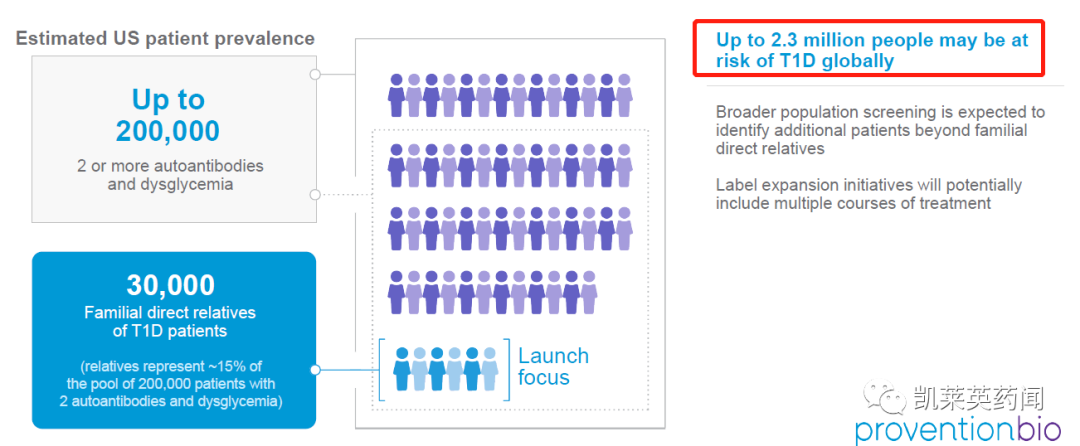
Patients with Type 1 Diabetes experience destruction caused by the immune system, primarily due to the immune system's attack on pancreatic β-cells, resulting in severe damage to the majority of these cells and leading to their death. The remaining pancreatic β-cells are few, and the insulin they produce cannot meet the body's needs, causing an increase in blood glucose levels. It is estimated that globally, there may be 2.3 million people living with Type 1 Diabetes. According to a survey conducted by Professor Weng Jianping and others between 2010 and 2013, the incidence of T1DM across all age groups in China was estimated at 1.01 per 100,000 person-years.
In addition to daily insulin injections, T1D patients also need to adopt a strict management plan, including regular blood glucose monitoring, healthy eating, and physical exercise.
About Sanofi's Layout in the Diabetes Field
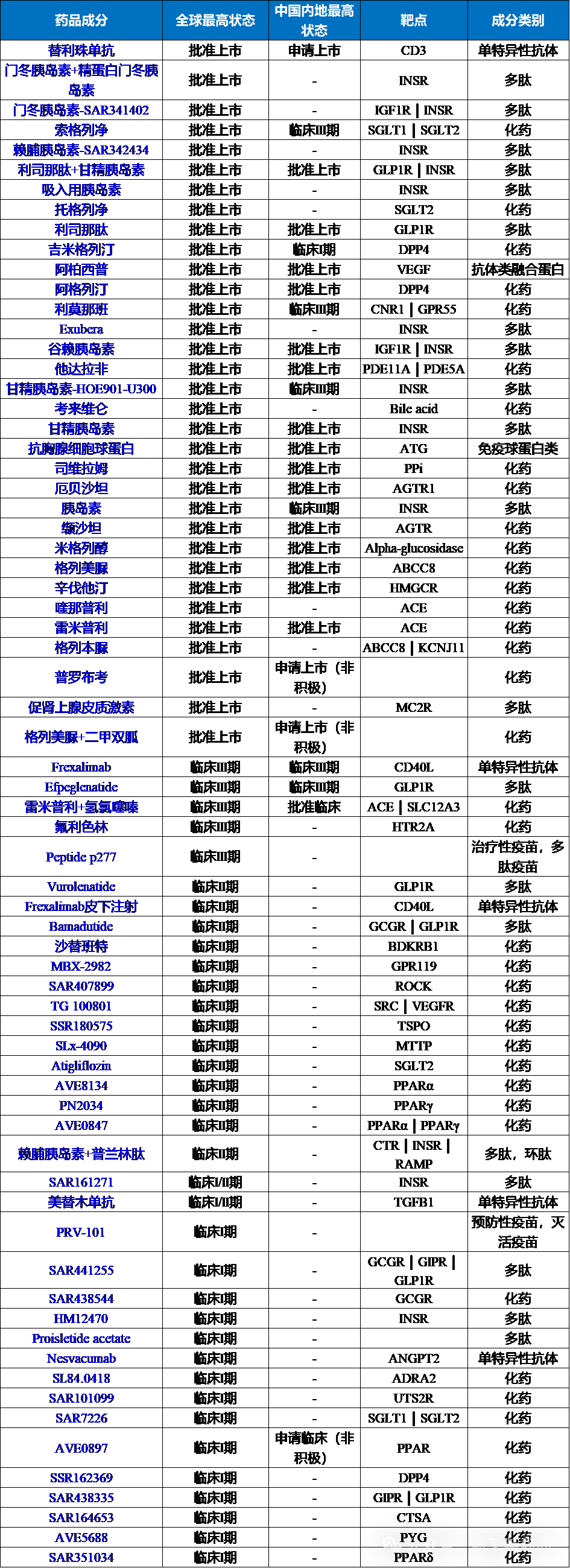
Sanofi occupies a leading position in the global diabetes market, with a portfolio of multiple small-molecule hypoglycemic drugs, insulin, and peptide drugs. Among them, the representative drug, insulin glargine and lixisenatide, contains both basal insulin and GLP-1 RA dual components. One injection per day effectively controls patients' fasting blood glucose and postprandial blood glucose, significantly reducing the number of injections while offering simple and comprehensive blood sugar management.
In the field of type 1 diabetes, as early as 2015, Sanofi entered into a $1.7 billion licensing agreement with Lexicon to obtain global exclusive rights (excluding Japan) for sotagliflozin. However, in July 2019, Sanofi announced the termination of its collaboration with Lexicon, citing that data from two Phase III studies (SOTA-CKD3 and SOTA-CKD4) in patients with type 2 diabetes suffering from moderate (stage 3) and severe (stage 4) chronic kidney disease (CKD) did not meet Sanofi's expected goals.
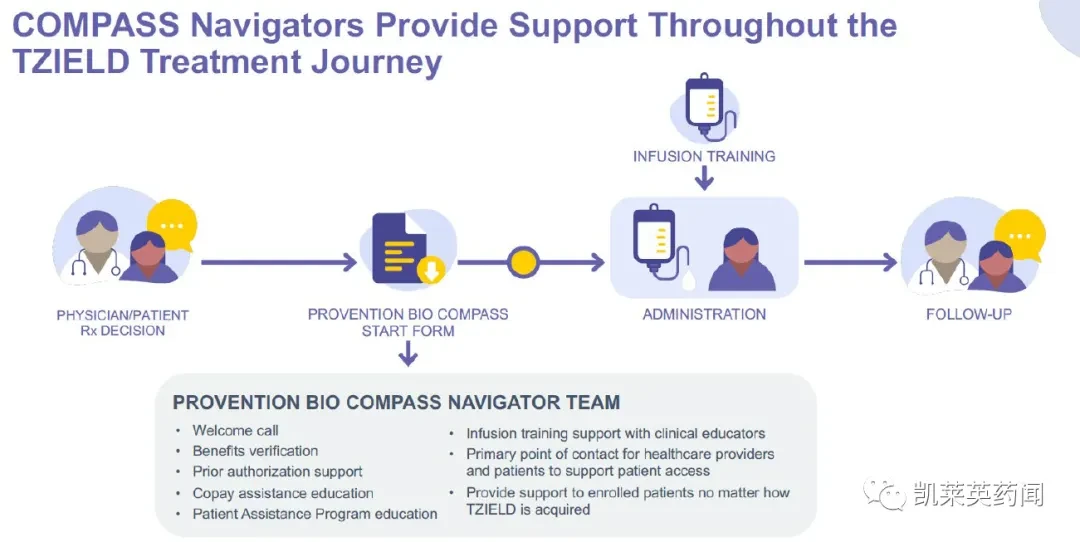
In March 2023, Sanofi acquired Provention Bio for $25.00 per share in cash, with an equity value of approximately $2.9 billion, adding multiple autoimmune drugs, including Telizumab, to its portfolio. Telizumab (teplizumab) is the first therapy that can prevent/delay the progression to clinical T1D (Stage 3 T1D) in specific populations, marking the first major advancement in T1D treatment since the advent of insulin a century ago. In November 2022, Teplizumab (brand name: Tzield) was approved by the FDA to delay the onset of Stage 3 T1D in adult patients with Stage 2 T1D and children aged 8 years and older. In August 2024, the marketing application for Teplizumab injection was accepted by the CDE and granted priority review for use in adults and children aged 8 years and older with Stage 2 Type 1 Diabetes to delay Stage 3.T1DOnset,Expected to become the first drug in China to delay the onset of Type 1 diabetes.
Clinically-Stage Drugs in the Diabetes Field


"Views"Click once