H&H Healthcare
R&D and Producer of Interventional Medical Devices for Heart Disease


IntroductionIntroduction
October 31 - November 3, 2024,The 15th China Vascular Conference (CEC2024)Grandly convened at the Beijing National Convention Center.
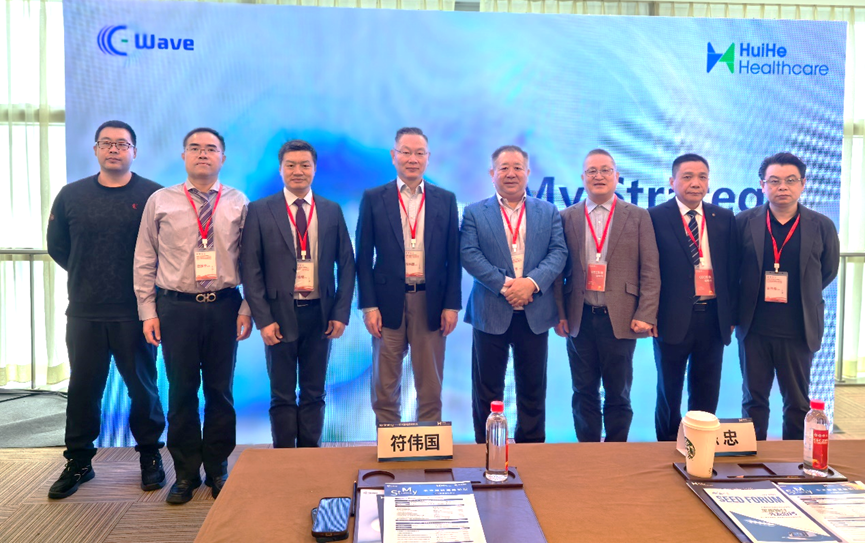
During the conference,HuiHe HealthcareJointly Hosted with Leading Experts in China's Vascular Surgery Field"My Strategy: Surgical Strategy High-Level Forum", aiming to explore the strategies of shock wave systems and bipolar adjustable sheaths in peripheral vascular surgery, providing rich real-world clinical insights and reflections for vascular surgery.
This high-level forum is honored to invite the Beijing Anzhen Hospital affiliated with Capital Medical University.Professor Chen ZhongZhongshan Hospital Affiliated to Fudan UniversityProfessor Fu WeiguoServe asChairman of the Conference, and delivered a speech.

Opening Remarks
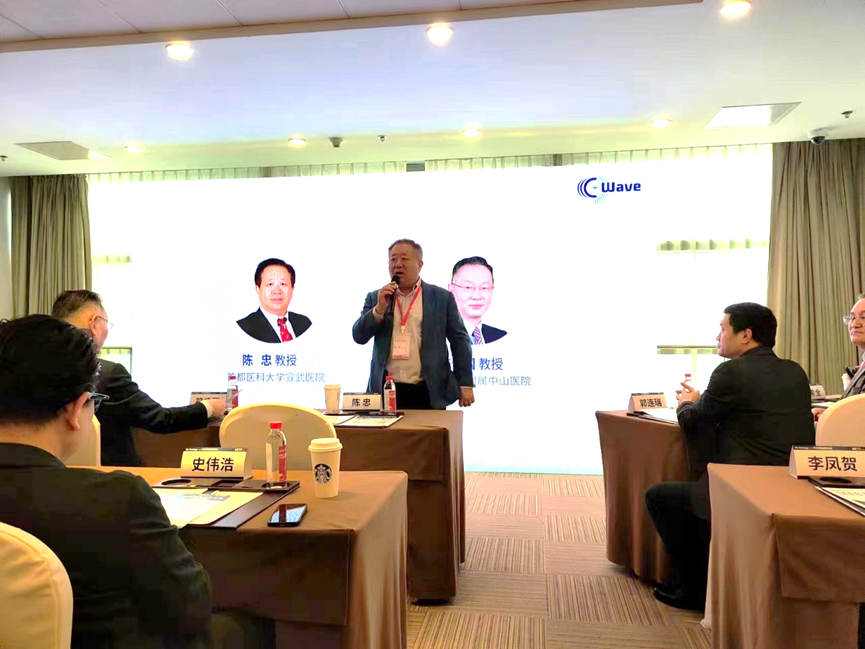
Beijing Anzhen Hospital, Capital Medical UniversityProfessor Chen ZhongFirst of all, thanked the experts who attended the meeting, then reviewed the evolution history of the treatment plan for vascular calcification lesions, from the beginning of ordinary balloons, high-pressure balloons, cutting balloons to debulking. Although technological advancements have brought some help to the clinical treatment of calcified lesions, the most difficult clinical issue of preparing severely calcified lumens has not been well resolved until the advent of shock wave technology. Finally, we on the clinical front line have a better tool for handling calcified lumens. We hope that the majority of vascular surgeons can make good use of this tool, especially those produced in China.C-Wave®Shockwave Balloon。
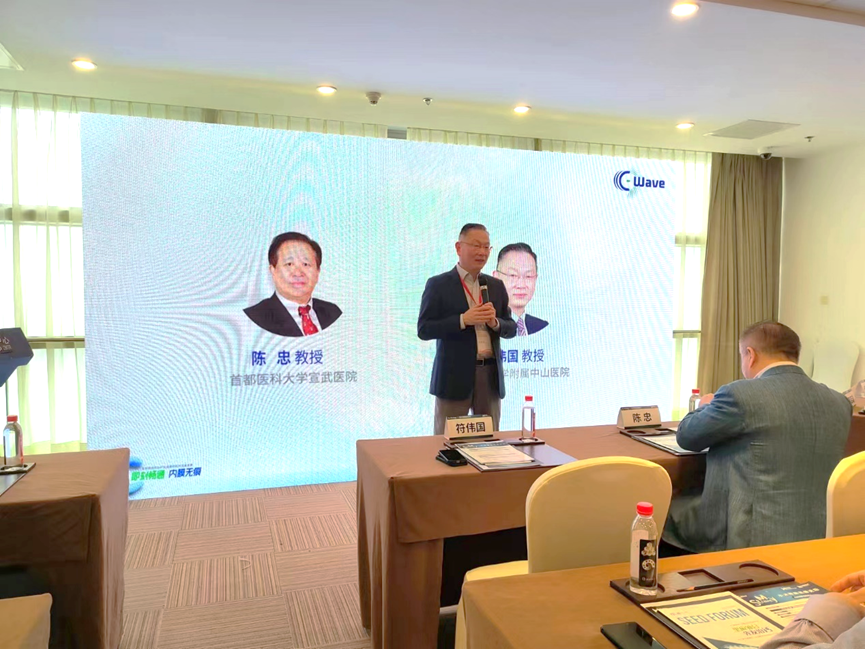
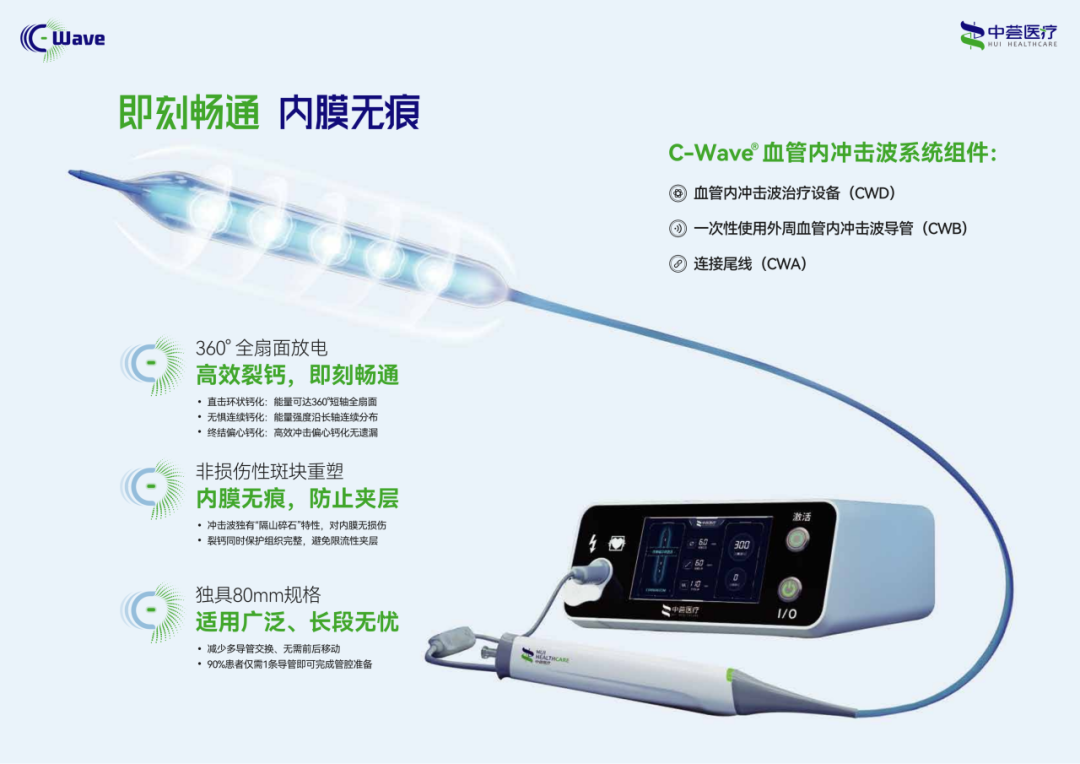
Zhongshan Hospital Affiliated to Fudan UniversityProfessor Wei-Guo FuIndicates products manufactured by Zhonghui CompanyC-Wave®Shockwave BalloonDuring the pre-market clinical stage, it has attracted the attention of many vascular surgery experts across China. This is not only because it is not a simple imitation of similar foreign products, but also because it is a product that integrates the needs of the domestic clinical frontline and the current characteristics of shockwave technology. For instance, the thickness, hardness, and length of calcification distribution in Chinese patients are more severe compared to similar patients abroad. This requires the shockwave balloon to have a sufficient number of pulse releases, more uniform energy distribution along the balloon's long axis, and be long enough. And this product, produced in China...C-Wave®Shockwave BalloonThe disease characteristics of patients in China have been taken into account. The number of shockwave pulses, whether for above-the-knee or below-the-knee applications, can reach up to 300 times. The energy-emitting electrodes are distributed continuously in an S-shape along the balloon and provide a maximum length of 80mm. What impresses me the most is that the majority of vascular surgery departments in China use a crossing system based on a 0.018-inch guidewire system, while existing shockwave brands, whether imported or domestically produced, all continue to use a 0.014-inch guidewire.With C-Wave®The balloon provided us with a 0.018-inch guidewire system, greatly improving our surgical efficiency. I believe this is the most clinically suitable shockwave catheter for the Chinese market.

First Half: Summit Forum on Intravascular Calcification Treatment Strategies
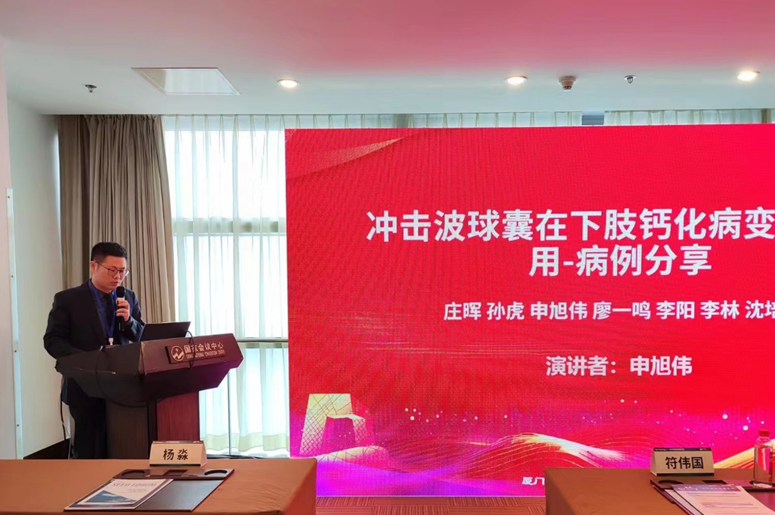
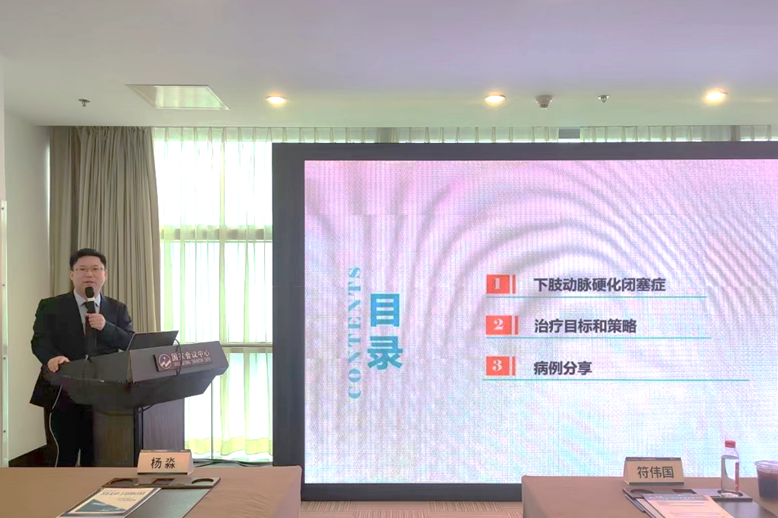
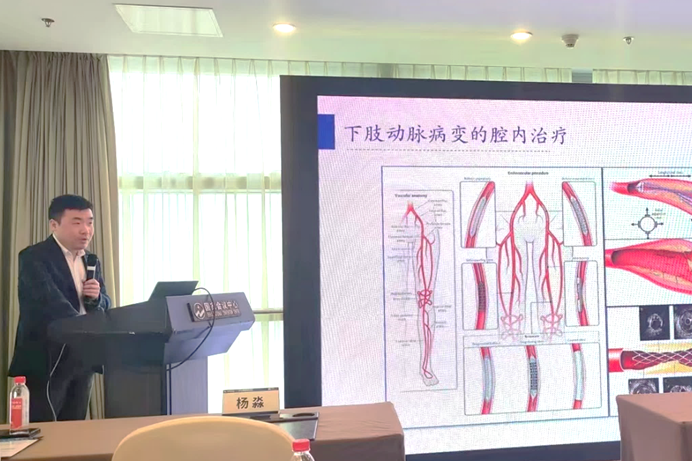
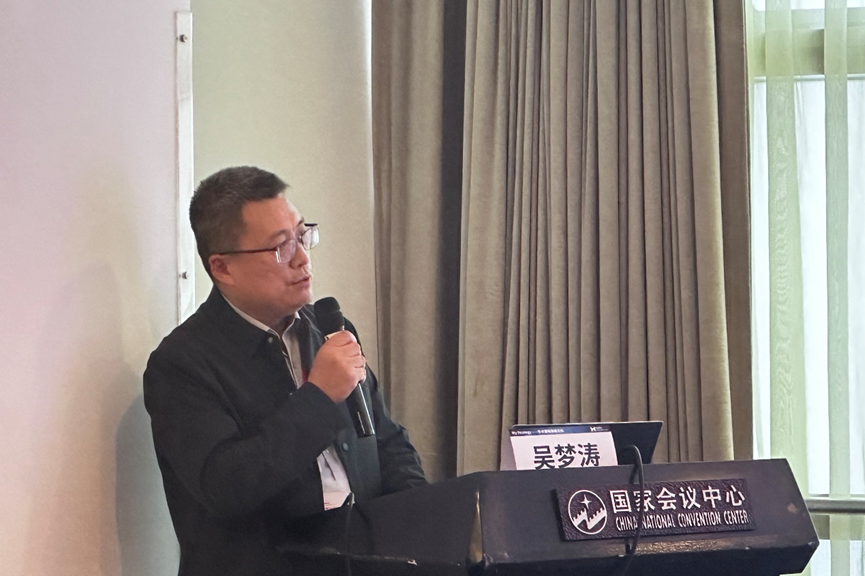
This high-level forum specially invited Zhongshan Hospital Affiliated to Fudan UniversityProfessor Daqiao Guo, Xuanwu Hospital of Capital Medical UniversityProfessor Lianrui Guo, PLA 960th HospitalProfessor Zhang XiquanServe asForum Host, Xiyuan Hospital of China Academy of Chinese Medical SciencesProfessor Xueyuan ZhangZhongshan Hospital Affiliated to Fudan UniversityProfessor Shi ZhenyuHuashan Hospital Affiliated to Fudan UniversityProfessor Shi WeihaoXiamen University Affiliated Cardiovascular HospitalProfessor Shen Xuwei, The First Affiliated Hospital of Chongqing Medical UniversityProfessor Fenghe Li、Xiangtan Central HospitalProfessor Fang ZhihongTianjin Medical University General HospitalProfessor Peng Li, Shandong University Second HospitalProfessor Mengtao WuServe asLecturer, Xinjiang Uygur Autonomous Region Hospital of Traditional Chinese MedicineProfessor Tao Feng, The First Affiliated Hospital of Nanchang UniversityProfessor Yanping Zhao、Shanghai Integrated Traditional Chinese and Western Medicine HospitalProfessor Dong JianAsDiscussion Guests, and jointly discuss the latest technological advancements and treatment strategies for vascular calcified lesions.
Swipe left and right to view more

Imaging Evaluation of Calcified Lesions
Speaker: Professor Xueyuan Zhang
Unit: Xiyuan Hospital, China Academy of Chinese Medical Sciences
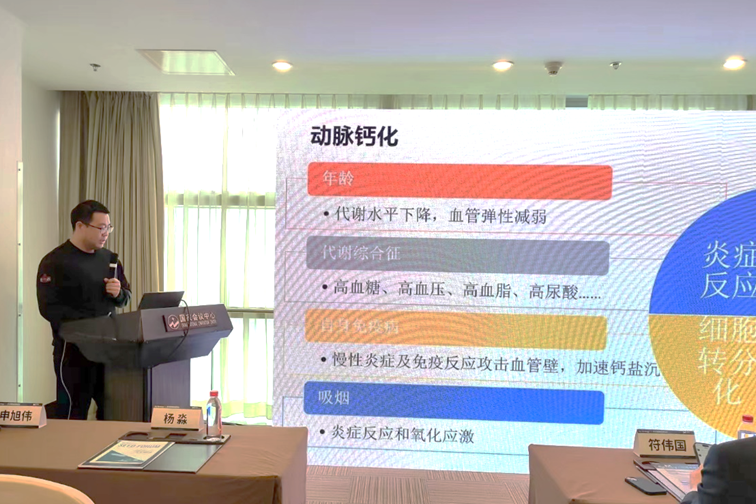
Professor Zhang Xueyuan briefly explained the causes of arterial calcification, elaborated in detail on the advantages and disadvantages of current imaging assessment methods such as ultrasound, CRA, MRI for extracorporeal imaging, and DSA, intravascular ultrasound for intracorporeal imaging in evaluating calcified lesions. He indicated that all imaging modalities currently struggle to fully and accurately assess calcification, requiring the integration of a physician's experience and multiple auxiliary tests. Additionally, imaging evaluation of calcification can predict treatment outcomes, but there are still deficiencies in guiding treatment decisions. Overall, the selection of treatment strategies and prognosis assessment under the guidance of intravascular imaging is the future trend.

"The Evolution of Treatment Strategies for Calcified Lesions"
Speaker: Professor Zhenyu Shi
Unit: Zhongshan Hospital, Fudan University
Professor Shi Zhenyu stated that the treatment of calcified lesions has now reached a stage where the most important aspect is lumen preparation. The strategy for lumen preparation has evolved through special balloons, debulking products, and shockwave balloons. Special balloons, such as chocolate balloons and scoring balloons, have shown good lumen preparation effects but are not suitable for severe calcified lesions or medial calcification. Plaque debulking can effectively manage calcified lesions but comes with drawbacks such as guidewire displacement, vascular perforation, dissection, high rates of distal no-reflow, and distal embolization.C-Wave®Shockwave BalloonEffectively handles severe calcified lesions, high safety, and excellent clinical practice data, making it the optimal strategy for preparing the lumen in cases of severe calcification.

"Strategy of Shockwave Balloon in Infrapopliteal Artery Lesions"
Speaker: Professor Shi Weihao
Unit: Huashan Hospital Affiliated to Fudan University
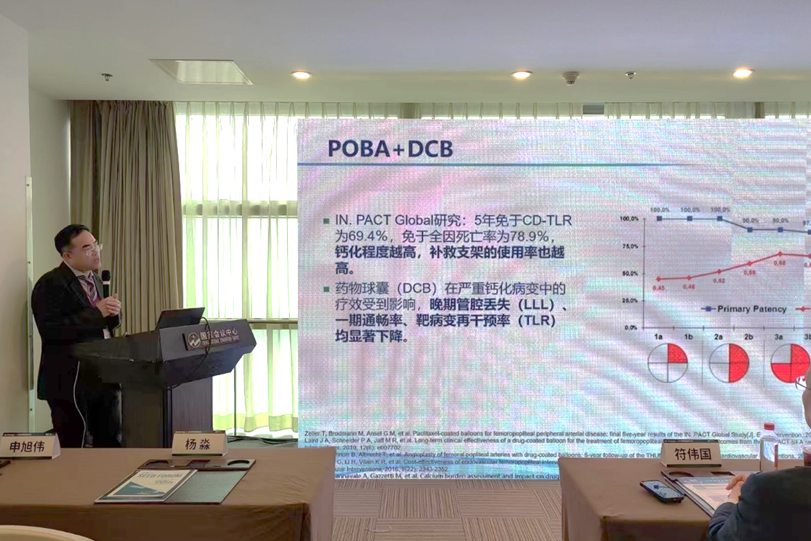
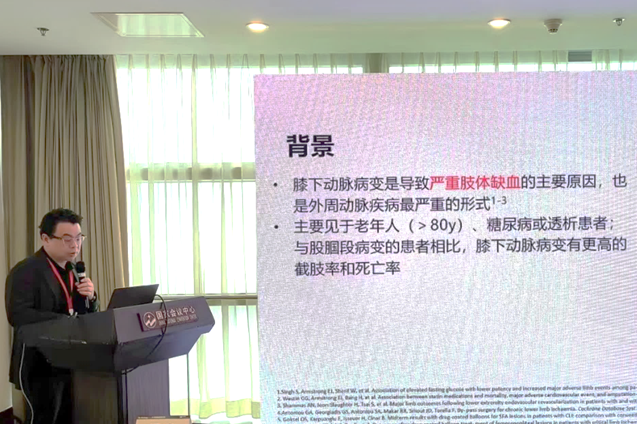
Professor Shi Weihao, in his explanation, combined the characteristics of infrapopliteal calcified lesions, the effect of IVL technology on calcified structures, and related clinical studies to indicate that the application of IVL technology in the treatment of infrapopliteal calcified lesions is safe and effective. For the vascular preparation of intimal and medial calcified lesions in infrapopliteal arteries, it can effectively remodel calcified plaques and improve vascular compliance. Meanwhile,C-Wave®Shockwave BalloonIn addition to achieving better immediate target lesion lumen gain, the incidence of vascular complications is also very low. Finally, Professor Shi emphasized that the choice of balloon diameter is the key to the success of IVL technology, and everyone must pay attention to it when using it clinically.

"Principles and Application Experience of Shock Wave Technology"
Speaker: Professor Xuwei Shen
Unit: Cardiovascular Hospital Affiliated to Xiamen University
Professor Shen Xuwei sharedC-Wave®Treating severe calcification of the iliac artery and femoral-popliteal artery indicates that, with the advancement of instruments, vascular surgeons can attempt more endovascular treatments in addition to open surgery.C-Wave®Shockwave BalloonIt can achieve a good lumen while improving vascular compliance, reducing dissection, and providing excellent lumen preparation for calcified lesions, thus laying an important foundation for the long-term patency of blood vessels.

"Strategy of Shockwave Balloon Technology in Calcified Lesions"
Speaker: Professor Fenghe Li
Unit: The First Affiliated Hospital of Chongqing Medical University
Professor Li Fenghe elaborated in detail on the characteristics of peripheral arterial calcification and the principles of shock wave therapy.C-Wave®Shock Wave SystemCharacterized by reducing the risks of perforation and distal embolization, while being able to preserve the intima intact, restore vascular compliance, and prevent flow-limiting dissections. It was noted that, in the overall lumen preparation surgical strategy, the BTK-IVL technique can better optimize long-term patency of infrapopliteal vessels and maintain long-term efficacy compared to the elastic recoil following traditional PTA.

A Case Study on the Treatment of Severe Calcified Lesions with Shockwave Balloon Technology
Speaker: Professor Zhihong Fang
Unit: Xiangtan Central Hospital
Professor Fang Zhihong shared a treatment strategy for a case of severe stenosis in the middle and distal segments of the femoral and iliac arteries. During the one-year follow-up after shock wave treatment, the patient's vascular lumen was well-maintained. Professor Fang Zhihong statedC-Wave®It is the preferred treatment option for calcified lesions, especially severe calcification, and is safer compared to other treatment options. Additionally, it is easy to operate, allowing more doctors to apply it and enabling more patients to benefit.

A Case Study of Shockwave Balloon Technology in Severe Femoropopliteal Lesions
Speaker: Professor Peng Li
Unit: Tianjin Medical University General Hospital
Professor Peng Li shared the clinical data of shockwave balloon treatment for lower extremity arterial occlusive disease from the single-center at Tianjin Medical University General Hospital. The data showed a technical success rate of 95.6% with low postoperative residual stenosis and good lumen gain. Professor Peng Li presented two cases...C-Wave®Shockwave BalloonAnalysis of treatment cases shows that vascular calcification is the most important factor affecting prognosis. The shock wave treatment system utilizes an innovative intravascular shock wave technology, which can efficiently and safely fracture calcified plaques to gain luminal space, and the cost is more competitive compared to imported products. When formulating treatment strategies, it is necessary to effectively assess the lesions and reasonably select devices with consideration for health economics.

Intravascular Shockwave Lithotripsy - Cracking the Code of Severe Calcified Lesions in Lower Extremity Arteries
Speaker: Professor Mengtao Wu
Unit: Second Hospital of Shandong University
Professor Wu Mengtao decoded the solution to severe calcification by interpreting current treatment technologies for severe calcification —C-Wave®Shock Wave Technology,Especially as a favorable tool for obtaining the lumen in cases of tunica media calcification. Currently, various devices targeting peripheral artery debulking still present a significant chance of complications such as flow-limiting dissections, perforations, and debris detachment. However, intravascular lithotripsy technology enables in-situ calcium fragmentation while keeping the intima intact, preventing dissections, bringing new hope to the preparation of severely calcified vessels. Professor Wu also noted that how to maintain long-term lumen patency in calcified vessels remains a topic that requires prolonged exploration.

Meeting Discussion
After the sharing session, it was presented by Xuanwu Hospital of Capital Medical UniversityProfessor Lianrui GuoLed the experts present in a lively discussion on the techniques and strategies for applying shock wave technology.
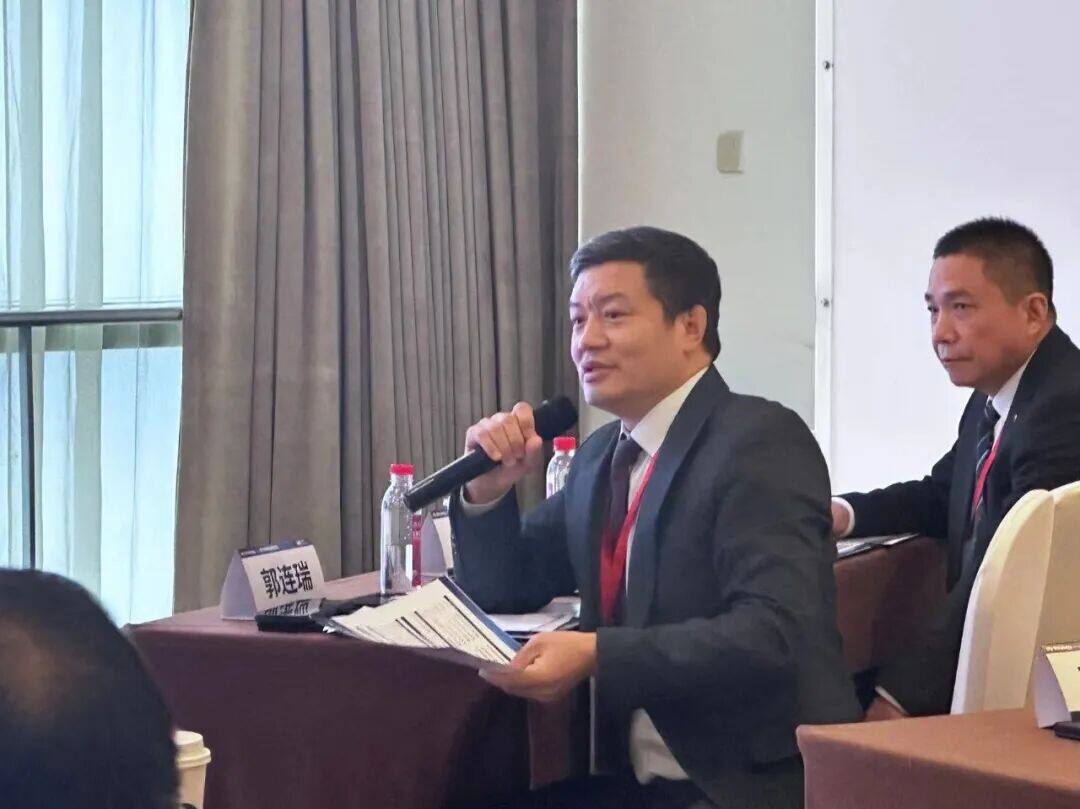
Xinjiang Uygur Autonomous Region Hospital of Traditional Chinese MedicineProfessor Feng TaoRepresents,C-Wave®As the optimal vascular lumen opening product for severe calcification currently available, compared to imported products, it uniquely features an 80mm specification, which can more effectively conform to long segment lesions, improving treatment efficiency and achieving better therapeutic outcomes.
The First Affiliated Hospital of Nanchang UniversityProfessor Yanping ZhaoIndicates that in real-world applications,C-Wave®It is performed under low pressure, providing a higher safety guarantee for highly calcified lesions. Especially in the treatment of iliac artery stenosis, it significantly reduces the risk of vascular rupture. Secondly, I think its biggest advantage is that, in terms of long-term treatment outcomes, using drug-coated balloons or stents after shockwave therapy can achieve better mid- to long-term vessel patency.
Shanghai Integrated Traditional Chinese and Western Medicine HospitalProfessor Dong JianThey shared the questions they usually think about: whether the increase in balloon length will affect the density of shockwave release; the comparison of subsequent treatment effects between true lumen passage and subintimal passage in shockwave balloon therapy; and whether the efficiency of drug delivery into the vascular wall increases after using a drug-coated balloon (DCB) following shockwave balloon treatment.
In response to the comments and questions from the three guests, an in-depth discussion was held during the meeting. Finally, by the Affiliated Hospital of Shandong Second Medical UniversityProfessor Zhang XiquanA summary was made for this conference:C-Wave®In the 80mm specification balloon, the electrodes are arranged in a spiral pattern. Although the length of the balloon has increased, due to the presence of five groups of ten electrodes, the energy generated between each electrode is conducted within the liquid, ensuring uniform energy distribution within the coverage area without dilution. Because shockwave balloon treatment involves low-pressure expansion, it is less likely to cause dissection after treatment. Therefore, whether to apply a stent afterward can be determined based on the luminal gain. Subintimal passage aims to open the blood vessel, but subintimal passage is highly likely to cause dissection, and typically after luminal gain, stents are implanted to ensure long-term patency. After shockwave treatment, when the calcification of the media is shattered, it actually increases the surface area of the intimal soft tissue. When a drug-coated balloon is inserted afterward, the absorption area is increased, which can also enhance the drug absorption rate. Of course, we still need to collect relevant clinical data in subsequent treatments to achieve better clarification.

Second Half: Aortic Fenestration and Super-Selection Strategy High-Level Forum
The High-End Forum on Aortic Fenestration and Super-Selection Strategy Invited the First Affiliated Hospital of Naval Medical University (Changhai Hospital)Professor Lu Qingsheng、China-Japan Friendship HospitalProfessor Ye ZhidongJointly Serve asHostChengdu Third People's HospitalProfessor Cui ChiPeking University First Hospital Taiyuan HospitalProfessor Jianjun ShiWangjing Hospital of China Academy of Chinese Medical SciencesProfessor Wu Xin、The Third Affiliated Hospital of Beijing University of Chinese MedicineProfessor Duan JiajiaServe asForum Speaker, Beijing Aerospace General HospitalProfessor Zhang YuThe First Affiliated Hospital of Bengbu Medical CollegeProfessor Chaowen Yu, Xiangya Hospital of Central South UniversityProfessor Kemin WuServe asDiscussion Guests。
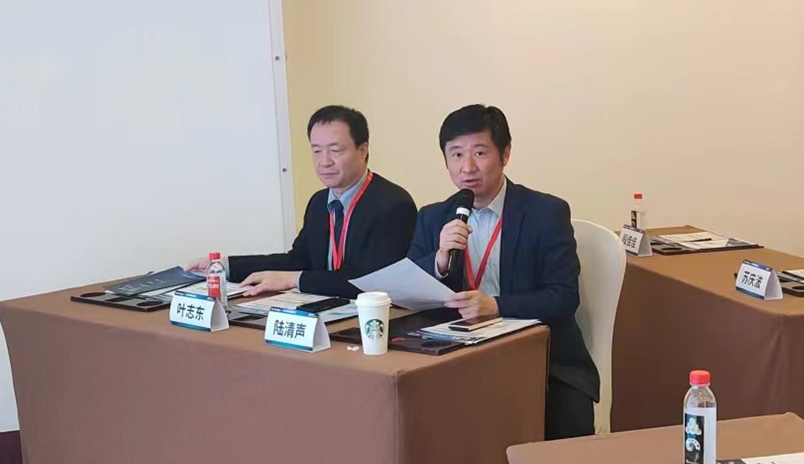
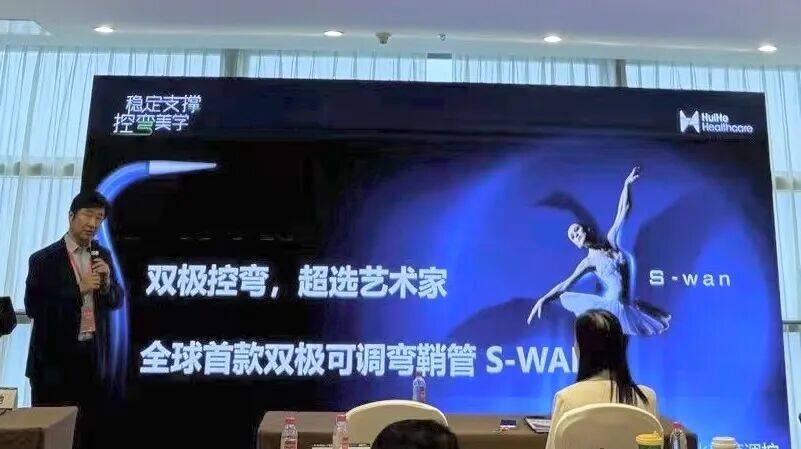
Swipe left and right to view more

Introduction to Aortic Stent Fenestration Strategy
Speaker: Professor Lu Qingsheng
Unit: The First Affiliated Hospital of Naval Medical University (Changhai Hospital)
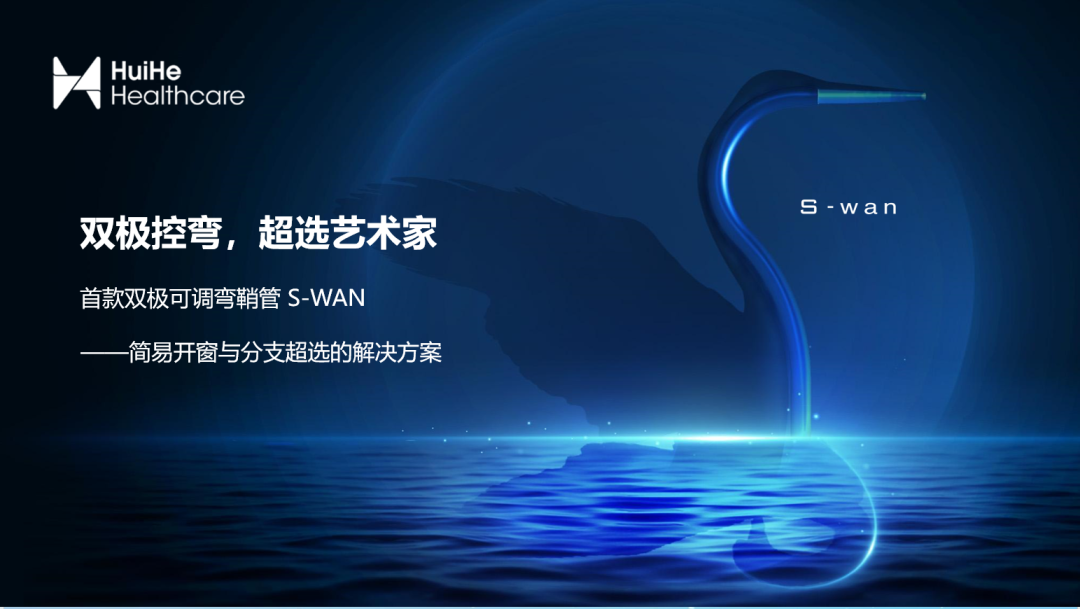
Professor Lu Qingsheng said that thisBipolar Adjustable Curved SheathIt was the surgical miracle tool he had been searching for over the years. When he visited other countries abroad to observe their surgical demonstrations, he kept wondering why foreign doctors always had some ingeniously designed instruments, while doctors in China could only use some bulky and outdated tools. Particularly in fenestrating and super-selecting aortic branch vessels, there had always been a lack of an ideal super-selective catheter until I saw it.S-wan Bipolar Adjustable SheathBefore its official launch, our center began applying it to some complex cases. Currently, our visceral artery super-selection almost cannot do without this catheter. However, during the early stage of its market release, there were some minor issues with their production capacity, causing occasional shortages at our center. I believe thisS-wan Bipolar Adjustable SheathIt is a good product that can truly help clinical practice, so everyone must make good use of it and maximize its effectiveness.

Introduction to HuiHe Healthcare S-wan Bipolar Adjustable Sheath
Speaker: Manager Guo
Unit: Medical Department, HuiHe Healthcare
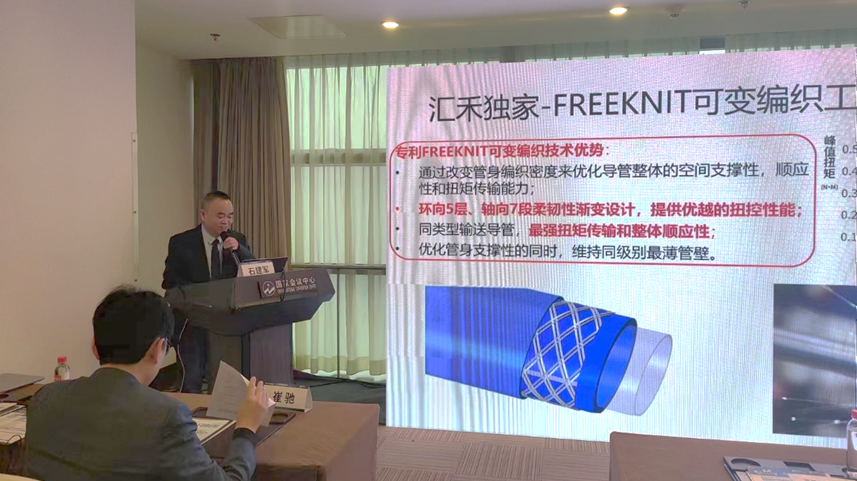
Manager Guo from the Medical Department of HuiHe Healthcare presented to the experts on-site how HuiHe Healthcare has been optimizing its product structure step by step, from observing the clinical diagnosis and treatment process during product development, considering the actual needs of operators, to enhancing R&D capabilities. The company iterates new products in batches, and the performance test data of each batch shows the optimized parts compared to previous versions and their clinical benefits. Throughout the R&D process, we applied for an invention patent for the double-layer hemostasis valve, which, for the first time, solved the problem of blood leakage at the large-diameter sheath entry site in clinical practice, improving intraoperative safety.At the same time, we achieved a 1:1 torque transmission effect, and the S-shaped bipolar bending adjustment increased the sheath support, improving the efficiency of intraoperative operations.It is hoped that these optimizations can better assist experts in addressing challenging clinical issues.

"Experience Sharing on the Application of Bipolar Adjustable Bent Sheath in Fenestrated Abdominal Aortic Procedures"
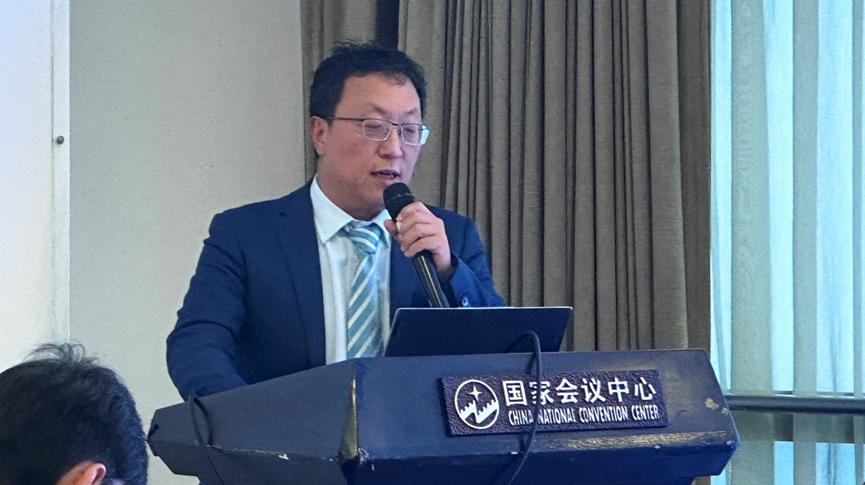
Speaker: Professor Cui Chi
Unit: Chengdu Third People's Hospital
Professor Cui stated,S-wanBipolar Adjustable Curved SheathAs Director Lu mentioned, this product is highly beneficial for the clinical super-selective catheterization of branch arteries. When they first received this product, their immediate thought was to apply it in the super-selection of visceral arteries. The actual case left a deep impression. Preoperative assessment showed that the patient posed significant challenges: the left renal artery had an upward-facing opening instead of the normal left-facing one due to a twisted aneurysm neck, with a sharp angle and considerable distance from the contralateral vessel wall. Even when the angle was achieved, conventional catheters lacked stability in the delivery system. Therefore, we utilized this bipolar deflectable sheath, using its controlled S-curve to press against the contralateral vessel wall, preventing catheter recoil, which allowed us to successfully complete the super-selection. Having dealt with such a complex case, our confidence in handling subsequent cases significantly increased with the help of this sheath.

"Strategies and Case Sharing for the Use of Bipolar Adjustable Bent Sheaths in Superselective Visceral Artery Procedures"
Speaker: Professor Jianjun Shi
Unit: Taiyuan Hospital of Peking University First Hospital
Professor Shi first reviewed the conventional solutions for complex vascular interventions and various pre-shaped catheters commonly used in clinics. These catheters, designed for typical cases, assist clinicians in super-selecting complex openings. However, for some abnormal vascular structures, these pre-shaped catheters are also powerless. As in the following case, the patient has long suffered from poorly controlled hypertension and was recently diagnosed with an abdominal aortic aneurysm/bilateral iliac artery aneurysm with mural thrombosis and bilateral renal artery stenosis. After resolving the abdominal aortic aneurysm issue with an aortic stent, there was still no effective treatment plan for the severe stenosis of the left renal artery. Later, this was applied...S-wan Bipolar Adjustable Sheath, successfully superselected with the cooperation of the guidewire, implanted a stent after balloon dilation, and finally confirmed renal blood flow patency by angiography. This case perfectly demonstratesS-wan Bipolar Adjustable SheathThe supportability and torque transmission capability allow for the adjustment of the distal end angle after bending control, which is highly beneficial for surgical procedures. It is hoped that this can be widely applied as soon as possible.

"Application Strategy Sharing of Bipolar Adjustable Bend Sheath in Renal Artery Superselection"
Speaker: Professor Wu Xin
Unit: Wangjing Hospital of China Academy of Chinese Medical Sciences
Professor Wu Xin shared a typical case of super-selective bilateral renal artery and in-situ rupture, stating thatS-wan Bipolar Adjustable SheathCan fully cover tortuous and complex, anatomical variant target vessels for super-selective catheterization, forming precise angles with the renal artery ostium, significantly reducing the difficulty of super-selective operations, improving surgical efficiency, providing stable support for the delivery of stents and other devices, and playing a pivotal role in the success of interventional procedures with half the effort.

"Experience Sharing on the Application of Bipolar Adjustable Bend Sheath in Bilateral Iliac Artery Superselection"
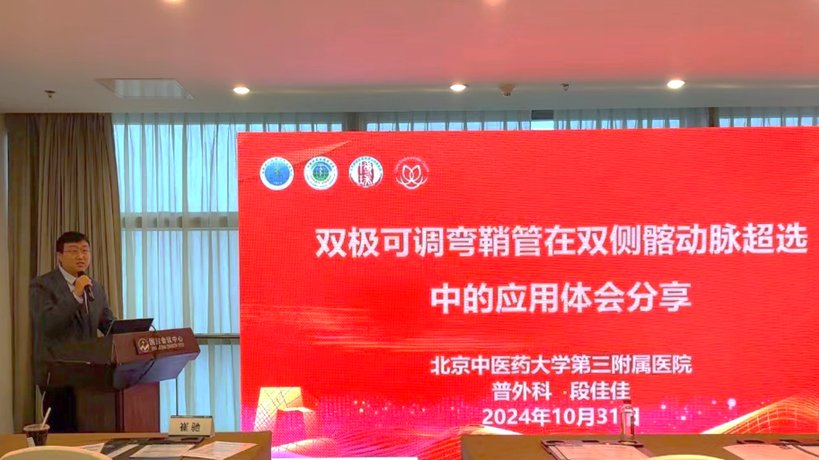
Speaker: Professor Duan Jiajia
Unit: Third Affiliated Hospital of Beijing University of Chinese Medicine
Professor Duan Jiajia shared her application experience after presenting application cases, stating that the bipolar adjustable curved sheath’s preset curve and adjustable bending range meet the needs of different indications. It is suitable for complex CTO lesions, offering excellent support and shape memory, allowing smooth repeated passage of surgical instruments. During clinical trials, the handle can be operated with one hand, enabling simultaneous bending control and adjustment of internal instruments to ensure stability.

Meeting Discussion
The meeting focused on the application techniques of conventional thoracic aortic fenestration, super-selective visceral artery catheterization, and other special scenarios, sparking lively discussions.
Beijing Aerospace General HospitalProfessor Zhang YuIt is indicated that, limited by the current single-bend sheath, its application in actual clinical practice can sometimes be time-consuming and labor-intensive due to the angulation of tortuous vessels.S-wan Bipolar Adjustable SheathIn practical operations such as iliac artery lesions, thoracoabdominal aortic lesions, and crossing-over procedures, the dual-control bending advantage allows for easy superselection. Meanwhile, we aim to expand more clinical application scenarios, such as filter retrieval and intrasaccular superselection in aneurysms, which can significantly reduce operation time and improve procedural efficiency.
The First Affiliated Hospital of Bengbu Medical CollegeYu Chaowen EducationThe expert then indicated that after conventional procedures for abdominal aortic aneurysms, secondary endoleaks often occur. Some experts have suggested performing preoperative embolization of branch arteries within the aneurysm sac. However, there is currently no adequate sheath to support embolization inside the tumor.S-wanIt not only features flexible bending control for easy superselection into vascular branches but also provides sufficient support for smooth device passage and deployment, making it an innovative product distinct from those currently available on the market.
Xiangya Hospital of Central South UniversityProfessor Kemin WuRepresented by guidewires and sheaths, the two major tools for interventional procedures, innovation in any product must aim to address clinical pain points. In interventional surgery, the most critical aspect is the "pathway creation" during the procedure; only when the pathway is well-established can it provide access support for subsequent treatments. The bipolar steerable sheath effectively solves the problem of "pathway creation," serving as an excellent tool in complex branch super-selection and challenging angulations. For instance, during fenestrated renal artery procedures with hooked vascular angles, conventional sheaths often struggle to achieve super-selective access, and even when a catheter is inserted, it may not offer adequate support for stent placement. In such cases, the bipolar steerable sheath provides an excellent access solution, resolving this issue.

Meeting Summary
Finally, by China-Japan Friendship HospitalProfessor Ye ZhidongTo summarize the meeting, the professors shared from different application scenarios and various usage techniques. Combined with everyone's discussion, it can be seen thatS-wan Bipolar Adjustable SheathGood anti-fatigue ability, good controllability, and strong support. Since the vascular arch varies from person to person, complex and tortuous vessels require a good sheath for operation.S-wanIt is a sheath suitable for clinical use, addressing challenges in vascular super-selection and aortic fenestration. I look forward to clinicians continuously expanding its applications to solve more complex clinical problems.

C-Wave®Intravascular Shockwave System


Shanghai Huihe Healthcare Technology Co., Ltd.
Official Account:HuiHe Healthcare
E-mail:question@hh-healthcare.com
Copyright Statement: This platform aims to help healthcare professionals better understand the latest developments in relevant disease areas. The information published on this platform does not imply agreement with its descriptions or viewpoints; it is solely for providing more information. If there are any copyright issues, we kindly request the rights holders to contact us, and we will address them as soon as possible. This information is intended exclusively for healthcare professionals to stay informed and should not replace professional medical guidance in any way, nor should it be considered as medical advice. If such information is used for purposes other than staying informed, this platform and the author assume no related responsibility.Contact Email for Cooperation:vascular@edoctor.work。