▎WuXi AppTec Content Team Report
In 2024, transactions in China's innovative drug development sector remained highly active. Against this backdrop, some outstanding biotech newcomers successfully facilitated international deals with their innovative drug products, injecting substantial cash flow into their enterprises and potentially accelerating the global development of their research pipelines.Apeiron Therapeutics is also one of the innovative new drug research and development companies participating in this process.Since its establishment in 2019, Apeiron Therapeutics has been focusing on the development of precision therapeutic drugs, committed to addressing unmet clinical needs of patients. In July this year, the company reached a significant collaboration with Exscientia, a well-known British company, transferring all subsequent development rights of its high-selectivity oral CDK7 inhibitor, GTAEXS617, to the latter. GTAEXS617 is an innovative drug co-developed by both parties and is currently in Phase 1/2 clinical trials. The potential value of this deal exceeds 100 million US dollars.Regarding this collaboration,Dr. Mingxi Li, CEO of Apeiron TherapeuticsSaid: "This transaction is mainly based on two considerations: on the one hand, it is the adjustment of our own strategy. We have decided to focus more on the research and development field of 'synthetic lethality' with great potential, so as to concentrate resources more effectively on the development of these pipelines; on the other hand, considering that the clinical development of GTAEXS617 is currently mainly carried out in Europe, handing it over to Exscientia will be able to advance the project's R&D process more efficiently."Immediately following, on November 19, Apeiron Therapeutics once again announced good news. Its self-developedPhase 1a/b Study of MTA/PRMT5 Inhibitor GTA182 Successfully Enrolls First Patient. This study aims to evaluate the safety, efficacy, and pharmacokinetic properties of GTA182 under multiple dose escalations, applicable toMTAPAdult patients with advanced solid tumors who have deficiencies, as a monotherapy or in combination with standard treatments. This represents a milestone achievement for the company in the field of "synthetic lethality" research and development.Recently, we have specially invited Dr. Mingxi Li, the leader of Apeiron Therapeutics.Please ask him to share the considerations behind this deal, his outlook on the "synthetic lethality" new drug R&D field, and the impact of licensing trends on the industry, among other topics.As an investor and entrepreneur in the life sciences field, Dr. Li Mingxi has rich experience in cross-border investment and project incubation, and holds profound insights into the development trends of the biopharmaceutical industry.
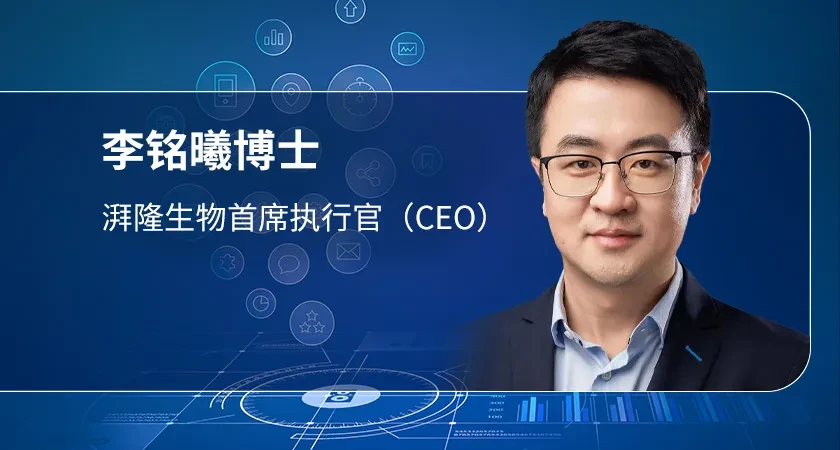 Image Source: Provided by Apeiron, Produced by the WuXi AppTec Content Team
WuXi AppTec Content Team: Congratulations to Apeiron Therapeutics for the successful enrollment of the first patient in the Phase 1a/b study of GTA182, an MTA/PRMT5 inhibitor independently developed by the company. What are your thoughts on the clinical potential of the PRMT5 target? What unique advantages has GTA182 demonstrated so far?Dr. Li Mingxi:PRMT5 Target Inhibitors Considered the Next Wave of Promising "Synthetic Lethality" Therapies After PARP Inhibitors. In Fact, The Research and Development for This Target Has a History of Many Years; The First Generation of PRMT5 Inhibitors Designed Based on SAM and/or Substrate Have Higher Hematological Toxicity, Which Has Limited Clinical Development.Currently, the industry is developing the second-generation PRMT5 inhibitors in collaboration with MTA, which can specifically target methylthioadenosine phosphorylase (MTAP) Missing tumor patients, improve safetyData show that in approximately 10%-15% of solid tumors,MTAPOften associated with tumor suppressor genesCDKN2AThe occurrence of co-deletion phenomenon is relatively high, meaning that PRMT5 inhibitors have a very large potential patient population.In the past two years, several PRMT5 inhibitors that have entered clinical trials have successively released clinical data.Preliminary validation shows that the second-generation PRMT5 inhibitors do not have the hematological toxicity of the first-generation drugs and have demonstrated initial efficacy in multiple indications, including non-small cell lung cancer, pancreatic cancer, cholangiocarcinoma, melanoma, etc.. This is a very exciting new development, and it gives us more confidence to push GTA182 into clinical trials as soon as possible.Based on preclinical data, GTA182 demonstrates superior advantages in drug-like properties, pharmacokinetics (PK), and exhibits a larger therapeutic window in preclinical animal models. Additionally, GTA182 has shown excellent blood-brain barrier penetration ability and demonstrated inhibition and reduction of tumor growth in preclinical in vivo models. It holds future potential for application in patients with glioblastoma (GBM), brain metastases from lung cancer, and more.WuXi AppTec Content Team: Apeiron Therapeutics is now more focused on the development of new drugs in the "synthetic lethality" field. In your opinion, where are the future opportunities for the synthetic lethality mechanism, and which targets do you pay more attention to?Dr. Li Mingxi:The field of "synthetic lethality" has achieved many breakthroughs in the medical community. For instance, the success of PARP inhibitors is one of the earliest drug targets under the concept of synthetic lethality. In recent years, numerous new targets have emerged in this field, with corresponding drugs gradually entering clinical trials, such as PRMT5, POLQ, PARG, USP1, MAT2A, WEE1, ATR, WRN, and more. "Synthetic lethality" is a vast domain, and I believe that under this concept, many products will successfully reach the market, benefiting patients.We internally examine each target from the perspective of clinical needs, studying the biological mechanisms of specific targets and identifying which types of patients could potentially benefit in clinical practice, thereby formulating corresponding development strategies. At the same time, we recognize that some molecules entering clinical development may encounter bottlenecks, such as insufficient efficacy as a single agent, necessitating the exploration of combination therapy strategies to enhance effectiveness—this represents both an opportunity and a direction in the field.WuXi AppTec Content Team: Could you share Apeiron Therapeutics' new drug development plans in the "synthetic lethality" field? What significant progress can we expect from the company in the next 3 to 5 years?Dr. Li Mingxi:Apeiron is currently focusing on the synthetic lethality field to develop new anti-tumor drugs. Among themPRMT5 Inhibitor GTA182Just entered the clinical stage. In the future, we will first initiate dose escalation studies in China, and then consider global development. The next step is that the product is expected to enter the dose expansion study phase. We also have anotherBased on the Synthetic Lethality MechanismKIF18A InhibitorLead compound optimization is currently underway, with the hope of filing an IND for this product next year. Additionally, Apeiron's CDK7 inhibitor GTAEXS617, which is part of an out-licensing collaboration, is expected to yield preliminary clinical efficacy data in the near future.WuXi AppTec Content Team: Apeiron Therapeutics sold the rights to its CDK7 inhibitor this July. Could you share why you chose to do so?Dr. Li Mingxi:Mainly two considerations. On one hand, it is the adjustment of Apeiron's own strategy. We have decided to focus more on the "synthetic lethality" pipeline with significant potential, so as to concentrate resources more effectively on the development of these pipelines. On the other hand, from the perspective of clinical development, GTAEXS617 is a "precisely designed" CDK7 inhibitor with complex biomarker hypotheses, and its clinical development is currently mainly conducted in Europe. As a British company, Exscientia will take full responsibility for the clinical development of this product, which will be able to advance the project's R&D process more efficiently. Meanwhile, Apeiron Therapeutics has retained partial rights to the product, and in the future, we will also have the opportunity to obtain commercial returns.WuXi AppTec Content Team: In the past two years, licensing deals in China's innovative drug sector have become one of the industry trends. What do you think are the factors behind this?Dr. Li Mingxi:That's right. Recently, we have seen more and more innovative drugs developed by Chinese companies achieving licensing partnerships, or reaching collaborations with large international pharmaceutical enterprises through company acquisitions, NewCo formations, and other means. I believe there are three key factors behind this trend:One undeniable fact is the widespread recognition of China's innovative drugs by international pharmaceutical giants. From the transactions in the past two years, it can be seen that both upfront payments and total transaction amounts have significantly increased compared to the past. This also reflects that China's innovative drugs are accelerating their integration into the global biopharmaceutical innovation ecosystem.Second, I think this trend is a natural outcome, representing the fruits of years of accumulation in China's innovative drug industry. Over the past decade, there has been a significant investment of resources and relentless efforts by many scientists in China's innovative drug sector, enabling us to achieve the current innovative outcomes.Especially, we can see some preclinical projects with higher transaction amounts, which represent the currently popular research fields or the targets and mechanisms that have recently achieved breakthroughs in scientific research.. These products have gained international recognition, also representing the global capabilities of Chinese companies in terms of innovation speed.Third, due to recent challenges faced by the capital market, many emerging companies need to strategically reassess and plan their pipeline layouts. With limited resources, these smaller companies often cannot advance the development of all their products simultaneously. By licensing some assets to larger companies, they can accelerate the R&D process, benefiting patients sooner. Therefore, this is a win-win choice.WuXi AppTec Content Team: How do you view the positive impact of new drug licensing on industry development?Dr. Li Mingxi:Its impact is multifaceted. First, the licensing collaboration brings substantial cash flow to the company, which can strongly support the company in expanding or developing other products in its pipeline. Second, from the perspective of the company's long-term development, emerging companies often lack sufficient clinical operational capabilities and experience in their early stages. By collaborating with large pharmaceutical enterprises or through the NewCo model with international investment institutions, these companies can allocate resources more effectively, accelerate the clinical development process of their products, and at the same time, this serves as an active attempt to accumulate international experience.Looking ahead, it is foreseeable that the globalization of these Chinese pharmaceutical companies will continue to deepen.Moreover, whether it is large pharmaceutical companies or international investment teams under the NewCo model, they all have extremely high and strict requirements for data quality. As the trend of new drug licensing transactions strengthens, innovative pharmaceutical companies will increasingly consider collaborating with high-quality and reputable CXO companies. From a trend perspective, I believe this is beneficial for leading CXO companies.WuXi AppTec Content Team: Looking ahead to the next few years, what changes do you anticipate in the trends of China's innovative drug licensing?Dr. Li Mingxi:In recent years, we have observed many new trends, such as an increasing number of New Modality products achieving international licensing cooperation. This indicates that China's innovative pharmaceutical companies are actively embracing these innovative drug types and technologies, and the overall level of innovation is approaching the international frontier. In terms of disease areas, there have also been changes, expanding from a former focus mainly on oncology to a comprehensive blossoming in multiple fields including oncology, autoimmune diseases, and metabolic diseases.Looking ahead to the next few years, I believe the trend of licensing partnerships will change with strategic adjustments by large international pharmaceutical companies. As patents for core products expire, some international pharmaceutical companies will be more motivated to explore new technologies, targets, and drug modalities through licensing collaborations. At the same time, innovation trends will continue to evolve with new advancements in scientific discoveries and translational research, and changes in disease patterns caused by shifts in human lifestyle will also influence clinical needs, all of which may affect the trends in licensing partnerships. For example, the recent application of T-cell engagers (TCE) in autoimmune diseases illustrates this shift. Traditionally, TCEs were developed primarily for cancer treatment, but with breakthroughs in scientific research, the potential for these products in autoimmune disorders is expanding.From the perspective of cooperation models, I believe the proportion of co-development models among pharmaceutical companies will further increase in the future. As the capital market improves, the热度 of licensing collaborations may slightly decrease. However, for capable pharmaceutical enterprises, they will still prefer to collaborate with global leading pharmaceutical companies in the global development process of innovative drugs, which is an essential experience for their products to go global in the future.WuXi AppTec Content Team: What personal viewpoints or profound insights do you especially hope to share with the industry?Dr. Li Mingxi:In recent years, the entire biopharmaceutical industry has felt the so-called "winter," but personally, I think this is actually a great opportunity for transformation and change, and it is beneficial for the long-term development of China's biopharmaceutical industry. First, it prompts many scientist-entrepreneurs to realize that starting a Biotech company is highly risky, with very high demands in terms of science, team, management, and cash flow management. Second, it also subjects many investors to the test of market cycles, allowing them to deeply understand the characteristics of the biopharmaceutical industry, such as "high investment, high risk, high return, and long cycle," thereby promoting the maturity and progress of China’s biopharmaceutical investment ecosystem. Moreover, this cyclical challenge will greatly enhance the efficiency of resource utilization in innovative drug R&D, including not only capital but also key elements like clinical resources and CXO resources. Lastly, under the tempering of this industry cycle, we have also witnessed tremendous resilience in China's biopharmaceutical sector. I believe that those innovative biopharmaceutical companies that can withstand the test of cycles and ultimately grow will surely become great companies with bright prospects.
This article is from the content team of WuXi AppTec. Individuals are welcome to share it on their social media platforms, but unauthorized reproduction by media or institutions in any form on other platforms is strictly prohibited. For reprint authorization and other cooperation inquiries, please contact wuxi_media@wuxiapptec.com.
Disclaimer: The content team of WuXi AppTec focuses on introducing the research progress in global biopharmaceuticals and health. This article is for information exchange purposes only, and the views expressed in the article do not represent the position of WuXi AppTec, nor does it indicate support or opposition to the views in the article by WuXi AppTec. This article is not a recommendation for treatment plans. For guidance on treatment options, please visit a正规 hospital.