DKutting® LL Directional Scoring Balloon: Redefining Vessel Preparation for Long-lesion Peripheral Artery Disease

DK Medtech
Vascular Interventional Balloon Product Developer
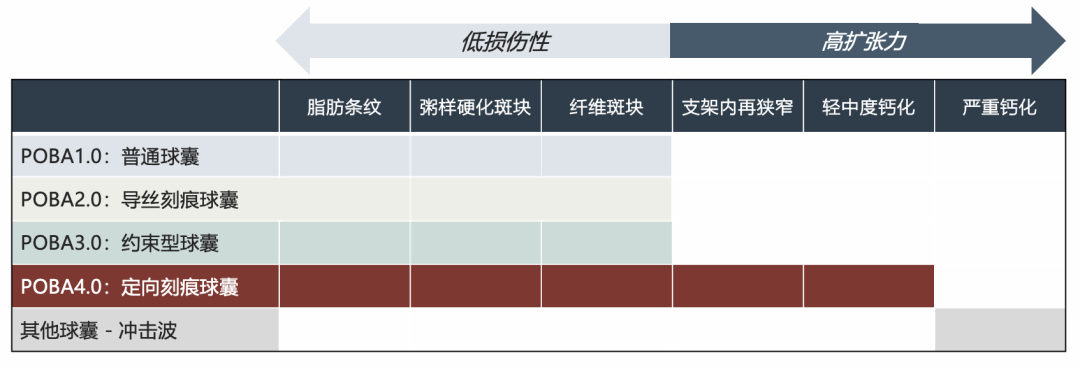
With the development of vascular stenosis treatment technology and the widespread attention to the concept of "intervention without implantation," lumen preparation and vascular pre-treatment are increasingly being clinically emphasized. The clinical use of traditional balloons leads to higher risks of dissection, elastic recoil, and vascular restenosis, so the research and application of special balloons have gradually become a key focus for clinicians.
Currently, special balloons include Shockwave Balloons (IVL), Cutting Balloons, and Pressure Restrictive Balloons, etc.:
IVL is only applicable to calcified cracks, not suitable for elastic lesions, and has a larger outer diameter.
The cutting balloon is only compatible with a 0.018" guidewire system, has a larger outer diameter (7Fr), and is not suitable for long segment lesions (only 2cm in length).
Restrictive expansion of pressure-constrained balloons results in relatively smaller lumen gain.

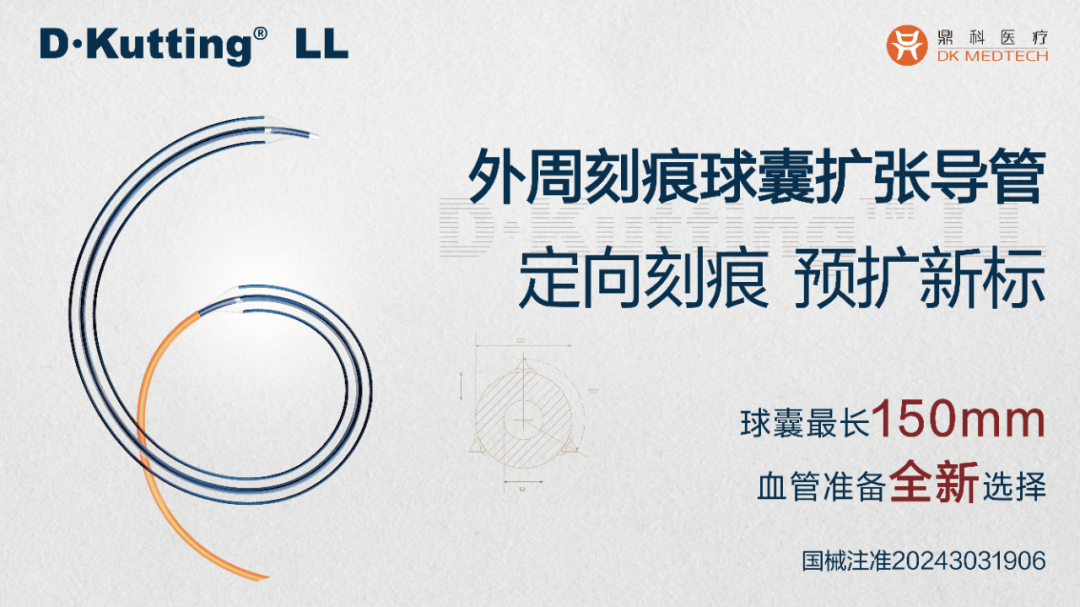
DK Medtech's DKutting® LL Directional Scoring Balloon (China Medical Device Registration No. 20243031906) successfully addresses the limitations of other specialty balloons in treating long-segment peripheral occlusive lesions, better meeting the procedural needs for peripheral vascular interventions.
Radial strength, longitudinal flexibility, efficient expansion capability, and excellent deliverability make it a better choice for long-segment lesions in the lower extremities.
Previously, Professor Fu Weiwei from the Department of Vascular Surgery at Zhongshan Hospital, Fudan University, as the principal investigator, initiated a prospective, multicenter, randomized controlled, open-label, non-inferiority study (DELTA RCT: NCT05608655) comparing the treatment effects of two types of special balloons for femoropopliteal artery stenosis. As the largest peripheral special balloon RCT study globally to date, the DELTA study aims to evaluate the efficacy and safety of peripheral scoring balloon dilation catheters or PTA balloons in treating peripheral arterial stenosis or occlusive lesions.
Data details can be viewed by clicking:DELTA Trial Data In-Depth Analysis - Special Balloon RCT for Lower Limb Arteries
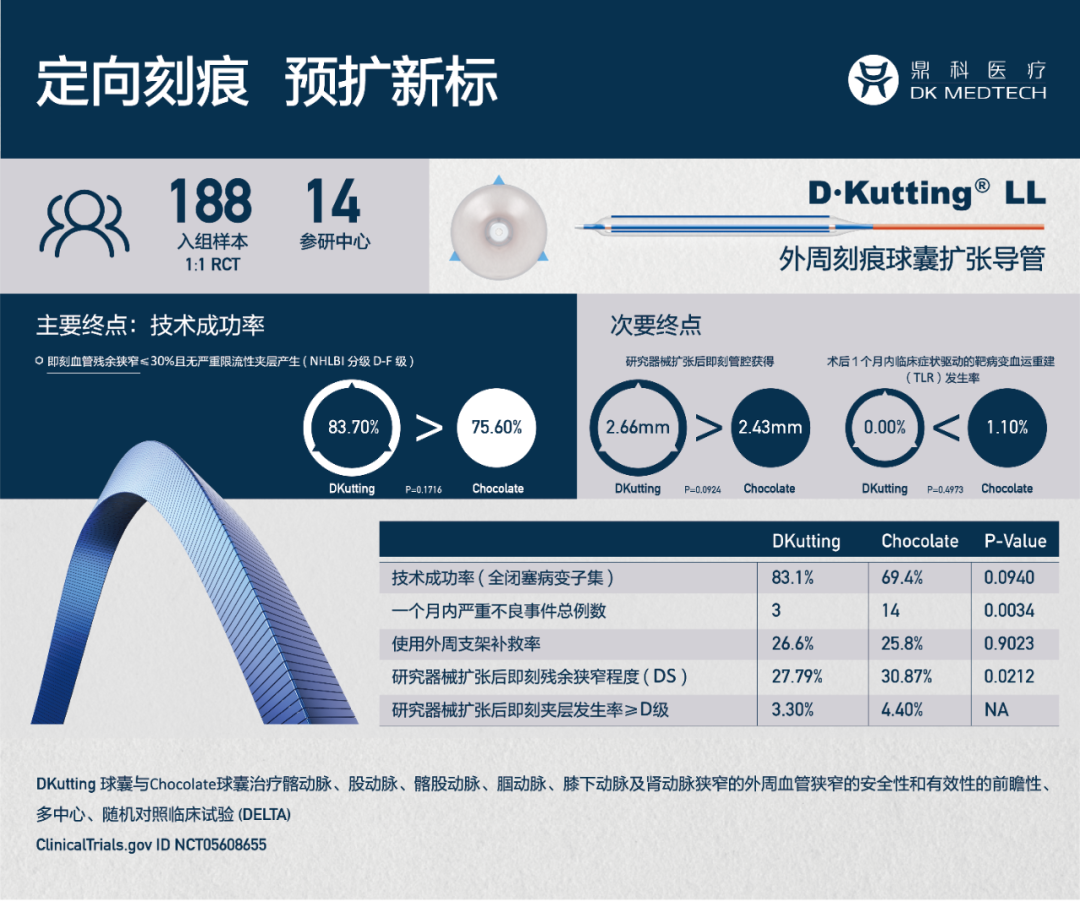
DELTA Study Results Show That Compared with Chocolate Balloon, DKutting® Directional Notching Balloon Provides Better Lumen Gain While Equally Reducing the Risk of Dissection or the Rate of Rescue Stenting.
?
Why Can DKutting®LL Better Meet the Surgical Needs of Peripheral Vessels?
1
Triangle Notch Piece
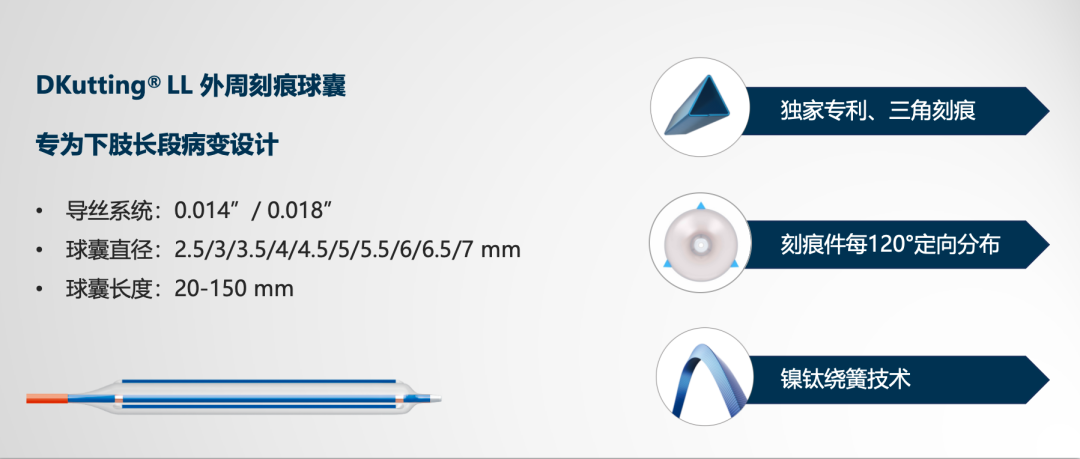
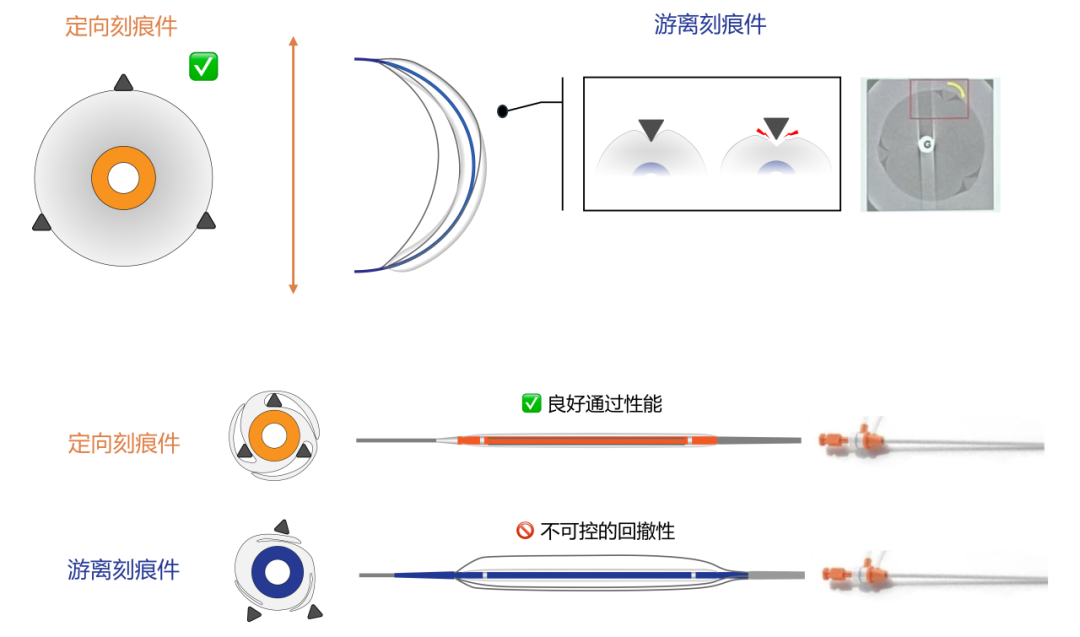
DKutting® LL Directional Scoring Balloon: Triangular scoring elements are uniformly fixed at 120º on the balloon surface. The unique nickel-titanium spring technology ensures strong radial expansion of the balloon on target lesions and flexible axial adaptability. Compared to circular scoring elements, the triangular design effectively increases cutting depth, with higher local pressure and better pressure focusing effects under the same pressure conditions.

2
Fixed Notch Piece 120° Directional Distribution
The 120º directional distribution of triangular notched components prevents random tearing caused by the notched components becoming dislodged during expansion. It can anchor and directionally expand lesions, avoiding excessive intimal damage caused by blunt rupture when facing blood vessel walls with varying degrees of stenosis. This achieves sufficient immediate lumen gain area, regular vascular wall morphology, and good primary patency while effectively reducing the occurrence of flow-limiting dissections. Additionally, directional notching can effectively avoid issues such as notched components retro-cutting the balloon in a free state and the difficulty of sheath withdrawal due to notched component prolapse.
3
Nickel Titanium Winding Spring Technology
The biggest feature of the nickel-titanium wound spring technology is reflected in the expansion of tortuous lesions. When the balloon expands at the tortuous lesion, the inner arc distance decreases while the outer side distance increases. The design advantage of the scoring balloon lies in the fact that the scoring component can conform to the shape of the balloon without altering the balloon’s expansion pattern or effectiveness. Moreover, it does not cause longitudinal stretching or tearing of the blood vessel. With excellent flexibility and stability, it is thus well-suited for...Tortuous LesionsCan achieve more efficient expansion.
Axial Flexibility with Grooves, Freely Shapeable
The scored wire is fixed on the balloon surface, conforming to the balloon's shape changes without altering the balloon's expansion pattern or effectiveness.
4
A Better Choice for Long-Segment Lesions in the Lower Limbs
As mentioned earlier, the current special balloons include Intravascular Lithotripsy (IVL) balloons, cutting balloons, and constraining pressure balloons, which have existing usage drawbacks. DKutting® LL Directional Scoring Balloon has been optimized and upgraded from the design stage:
The effective working length of the balloon is up to 150mm, specifically designed for long segment lesions in the lower limbs.
14/18 Guidewire System Compatibility
Three scored elements made with the exclusive "Triangular Nickel-Titanium Winding Spring" technology are evenly distributed at 120° on the balloon surface, ensuring the balloon's bending ability while significantly improving its trackability, enabling directional, uniform, and regular intimal tearing.
The height of the scored component is 0.28mm, with a high-strength and stable triangular scoring structure coexisting with a non-compliant balloon, providing precise and effective pressure focusing.
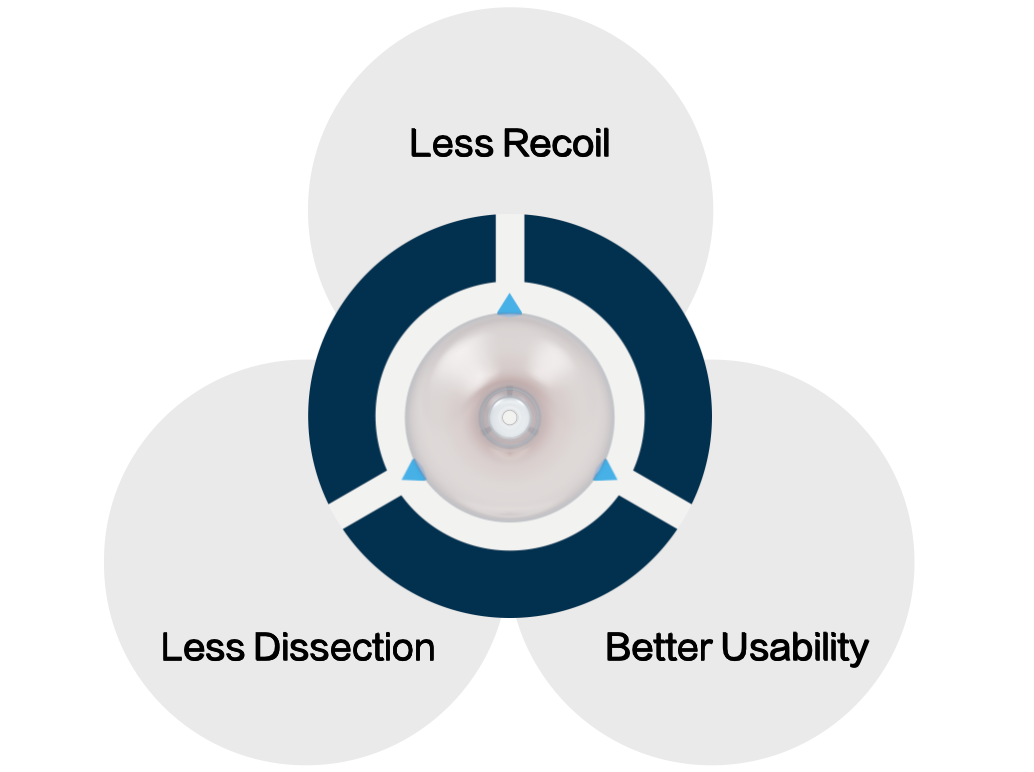
Directional Scoring & Pre-dilation New Standard - A New Era of Pressure-focused Balloons
DKutting® LLDirectional Scoring Balloon, specifically designed to address complex lesions in lower limb arteries, offers excellent trackability and efficient directional dilation capabilities. It is more suitable for long, tortuous lesions, reducing random vascular injury, providing a better option for patients with lower limb vascular diseases and clinical surgeons.