Novartis to Acquire Kate Therapeutics for $1.1 Billion to Advance Gene Therapy Pipeline in Neuromuscular Diseases
Kate Therapeutics
Gene Therapy Developer

Novartis
Drug Development and Manufacturing
November 21,Basel, Novartis announced an increase in its mid-term guidance ahead of the "Meet Novartis Management" event in London for investors and analysts. The previous sales guidance of a +5% compound annual growth rate for 2023-2028 has been raised to +6%, driven by strong market growth dynamics and the robust momentum of upcoming products, most of which are expected to have exclusive sales in the U.S. by 2030 or later.
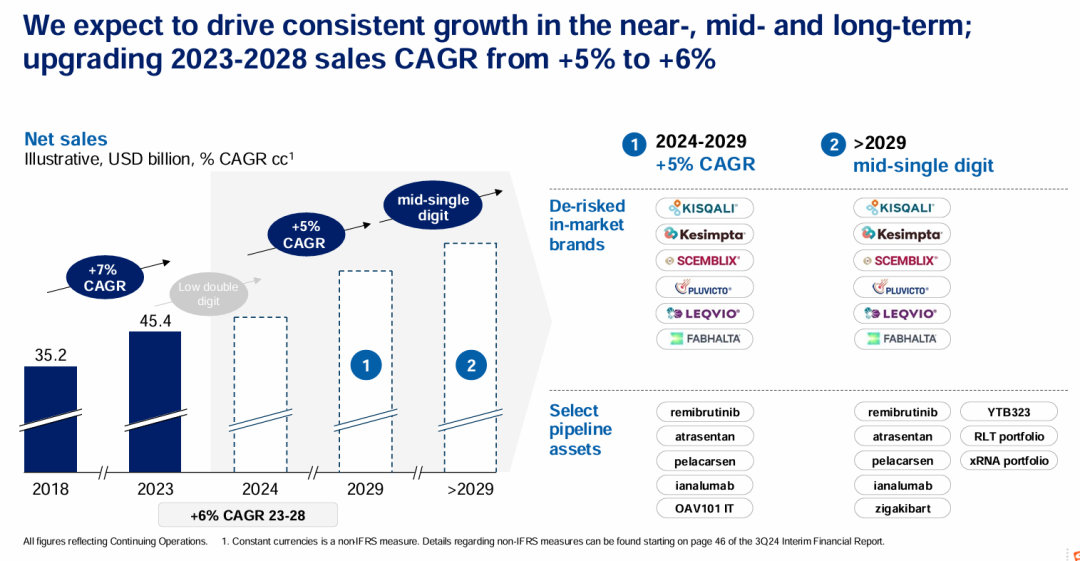
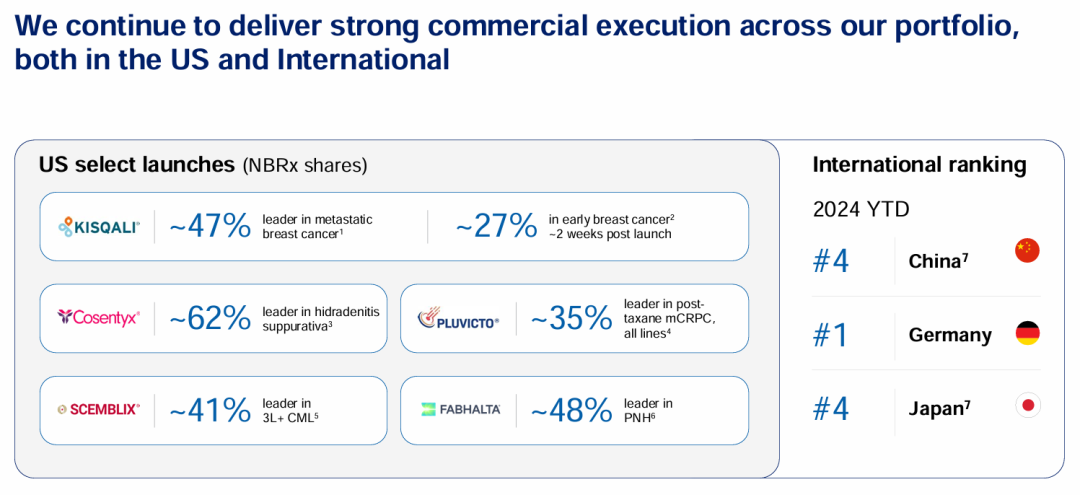
Based on the strong performance in 2024 as the baseline year, Novartis now expects sales to grow at a compound annual growth rate (CAGR) of +5% from 2024 to 2029. With sustained robust sales growth and improved productivity, the company is on track to achieve a core operating margin of over 40% by 2027.

Novartis CEO Vas Narasimhan stated:"Novartis has completed its transformation into a pure innovative drug company, with deep expertise and capabilities in our core therapeutic areas and technology platforms. Our focus enables us to enhance our commercial execution ability and increase our peak sales estimates for Cosentyx, Kisqali, Kesimpta, Pluvicto, and Leqvio. We have over 15 submissions in the coming years to further solidify our growth prospects. In the long term, we have identified more than 30 assets with significant potential to revitalize our portfolio and support mid-single-digit growth beyond 2029. Overall, we remain confident in our focused strategy and our ability to create sustainable value for shareholders."
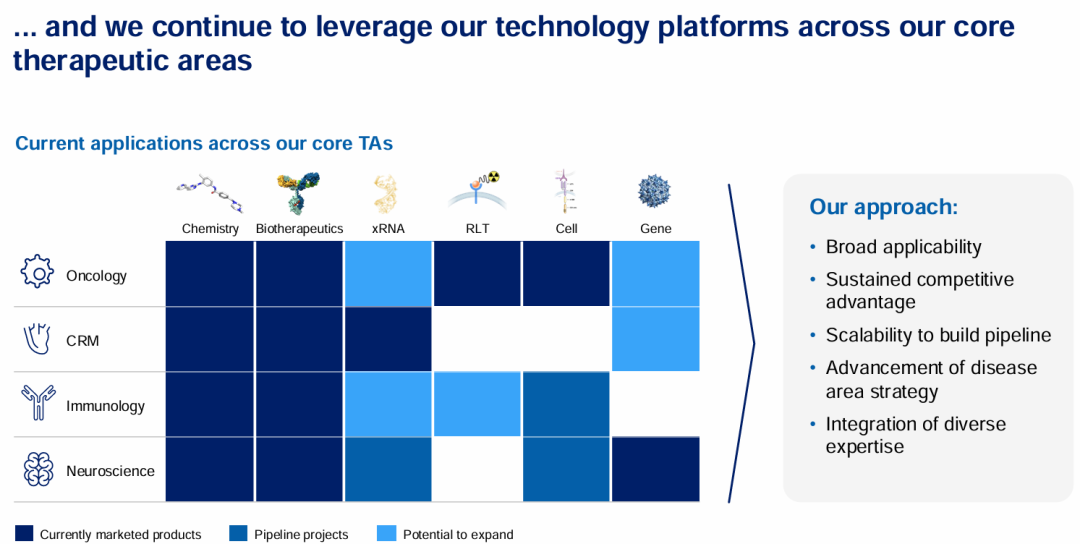
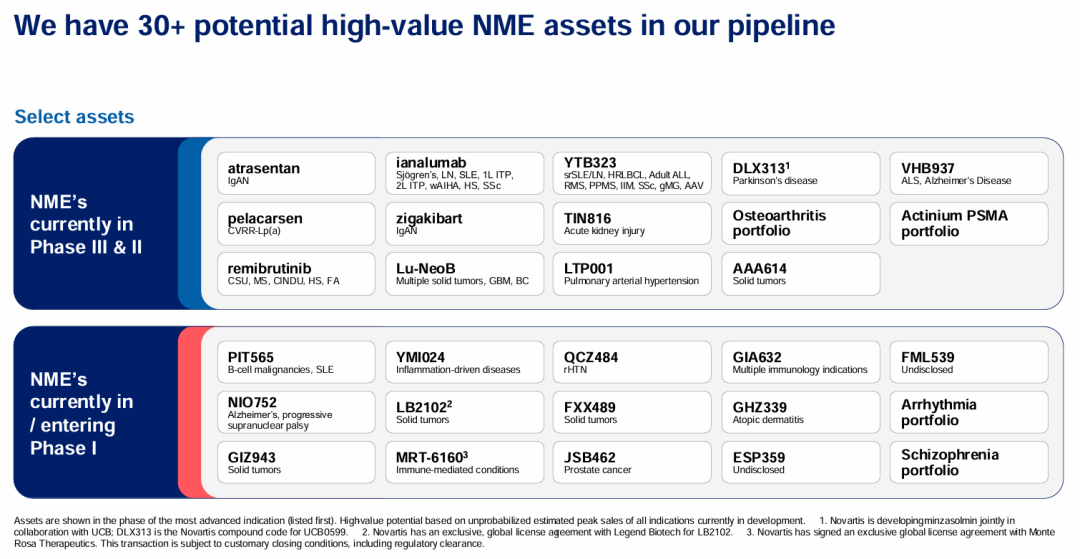
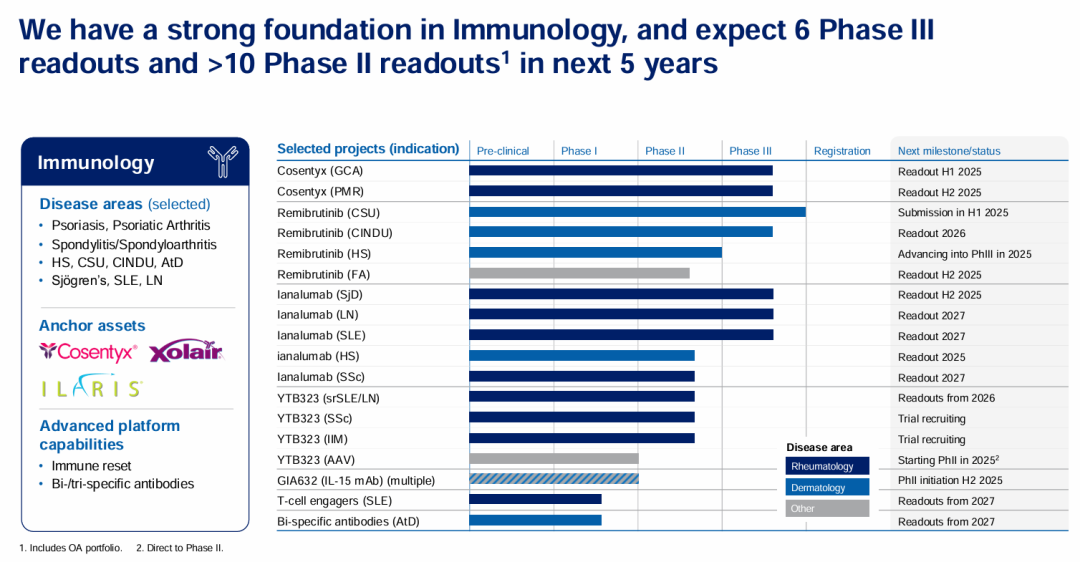
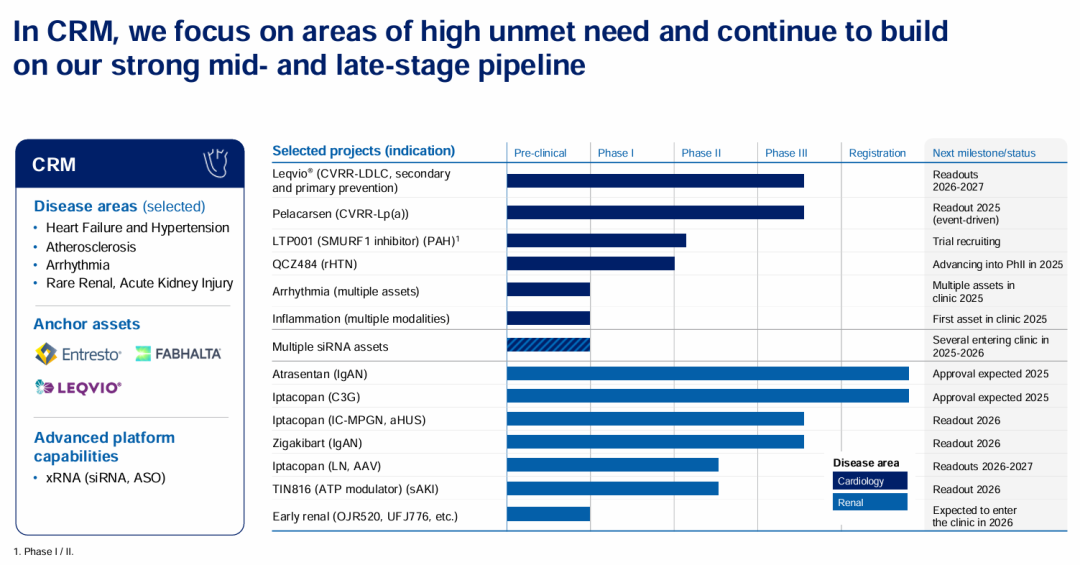
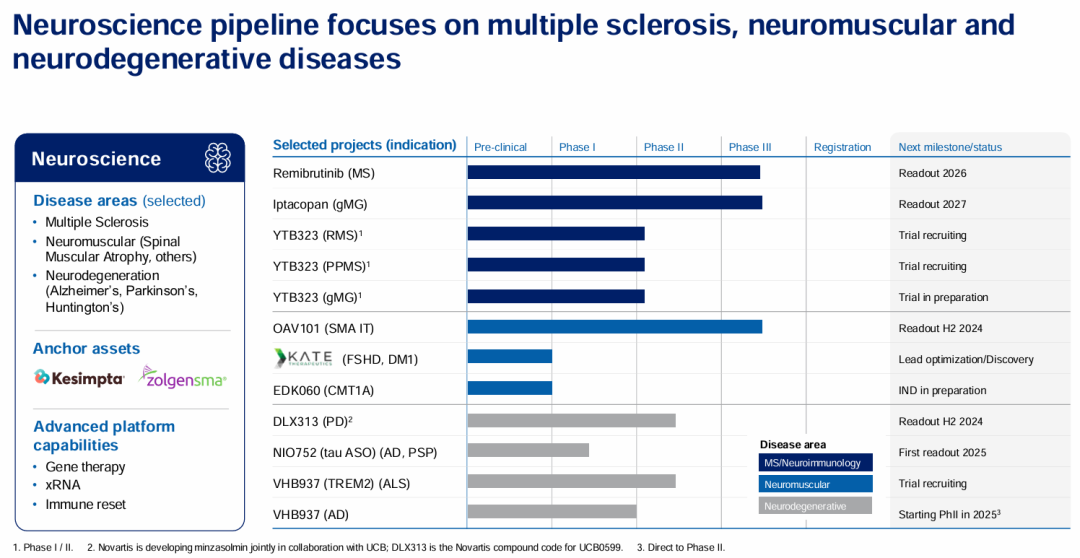
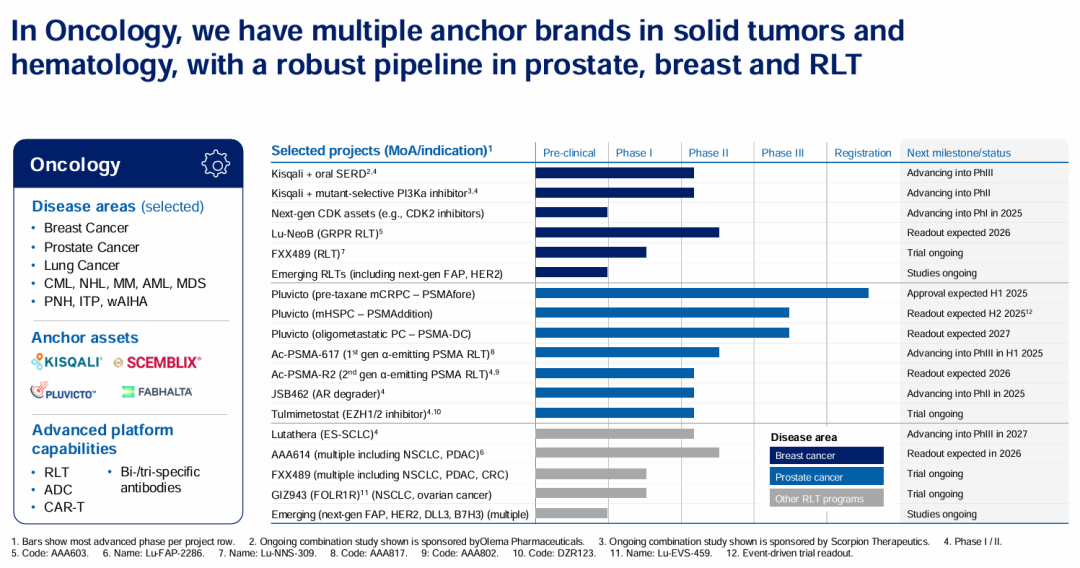
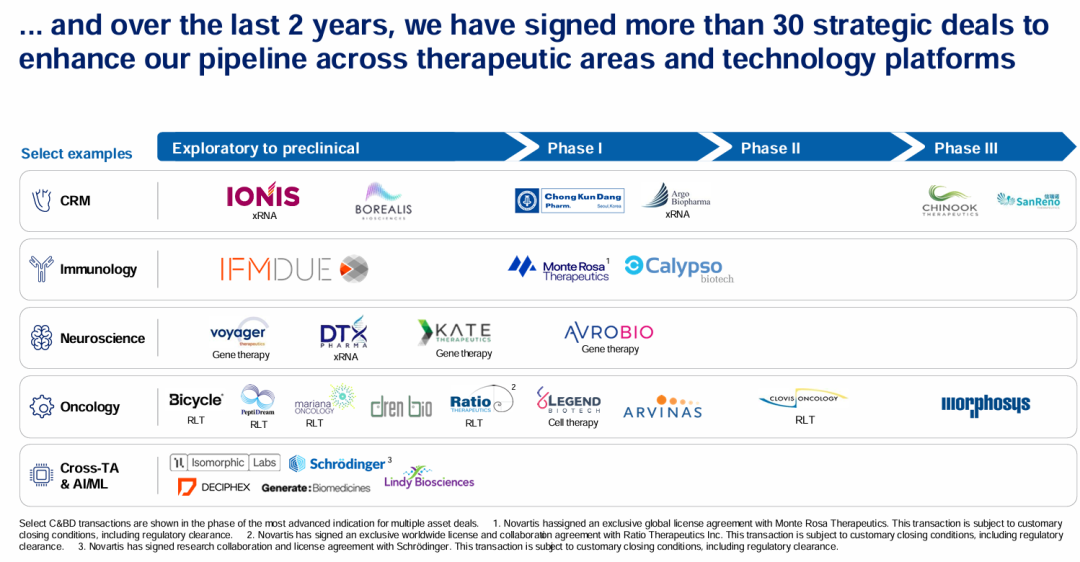
Although the majority of Novartis' portfolio stems from its internal innovation engine, value-creating add-on investments remain a crucial component of Novartis' capital allocation policy. Over the past two years, Novartis has executed more than 30 strategic transactions, primarily at the exploratory to preclinical stage.The most recent example includes the acquisition of Kate Therapeutics, Inc., which complements the company's ongoing efforts to innovate new gene therapies for neuromuscular disorders, as well as withRatio TherapeuticGlobal Licensing and Collaboration Agreement Reached for Next-Generation SSTR2-Targeted Radiotherapy Candidate, Expanding the Company's Deep Radioligand Therapy Pipeline.
Novartis to Acquire Kate Therapeutics for $1.1 Billion, Focusing on Gene Therapy and Neuroscience. CEO Vas Narasimhan and CFO Harry Kirsch stated that future M&A deals are likely to remain below $3 billion. KateTx’s pipeline includes preclinical candidates using proprietary AAV capsid delivery technology to treat muscular dystrophy.
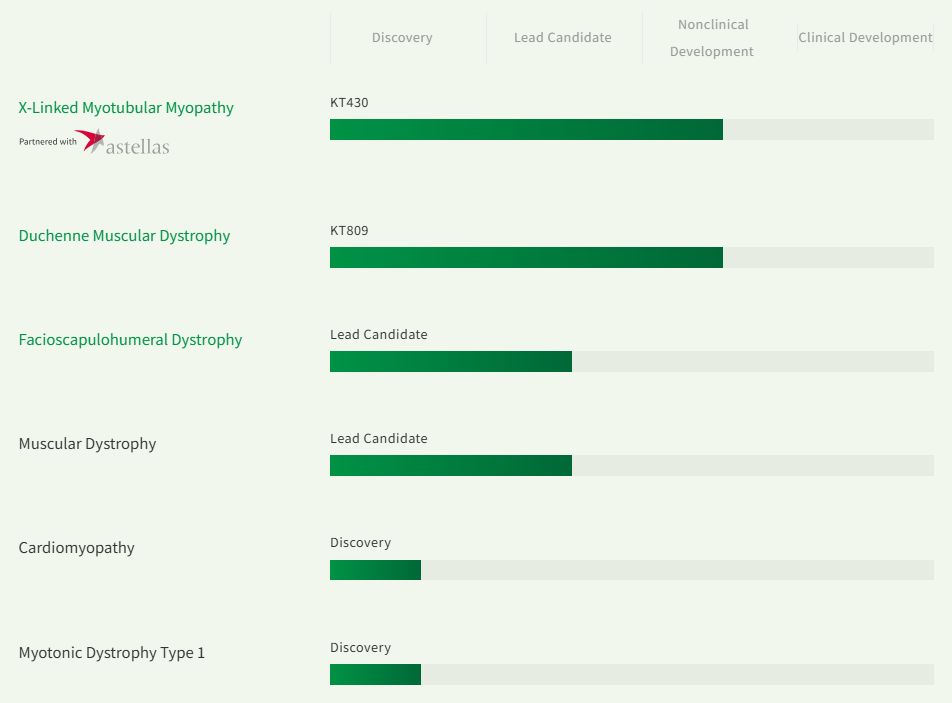
June 2023, Kate TherapeuticsComing out of stealth mode, completing a funding round co-led by founding investors Westlake Village BioPartners and Versant Ventures$51 million Series A financingOsage University Partners and UF Innovate Ventures participated in the follow-up investment.Moreover, the company has been granted exclusive rightsAstellas' Global Rights to the Development, Manufacturing, and Commercialization of Preclinical Gene Therapy Product KT430In October 2023, Capsida Biotherapeutics and Kate Therapeutics reached a strategic cooperation to produce KateTx's next-generation gene therapy.
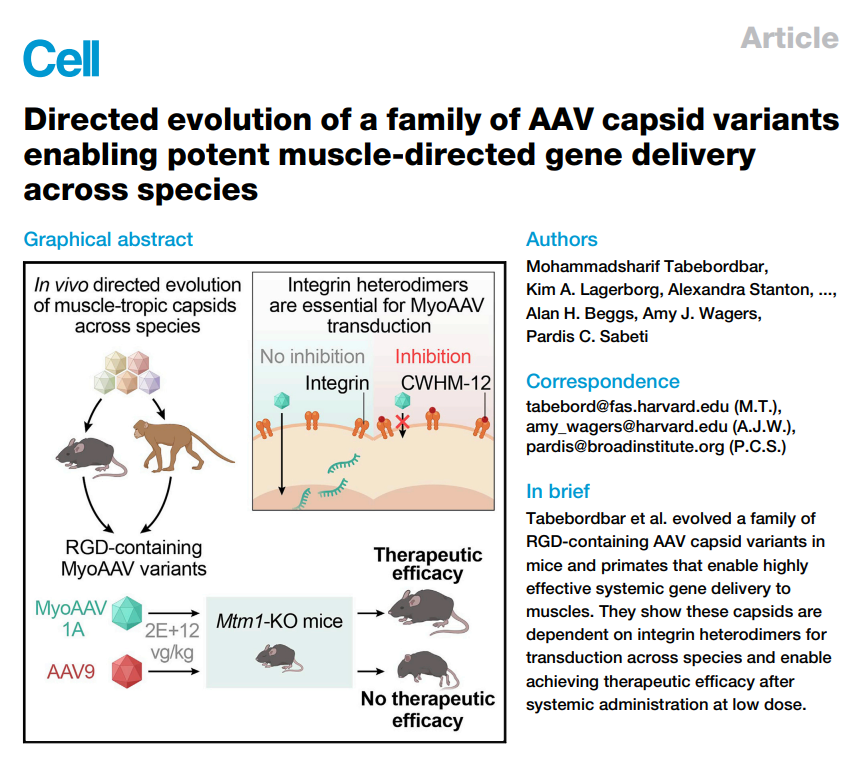
Detailed preclinical efficacy and safety results from its pipeline and platform were presented at the 2024 American Society of Gene & Cell Therapy (ASGCT) Annual Meeting, held from May 7 to 11, 2024, in Baltimore, Maryland. These results highlight the optimal potential of KateTx’s latest generation of skeletal muscle- and cardiac-targeted, liver-detargeted engineered MyoAAV capsids and gene regulation technology in treating Duchenne Muscular Dystrophy (DMD), Facioscapulohumeral Muscular Dystrophy (FSHD), and other devastating hereditary skeletal and cardiac muscle diseases.
KateUsing its DELIVER platform, a proprietary class of muscle- and heart-targeted, liver-detargeted "MyoAAV LD" capsids was identified. These capsids demonstrate higher potency and selectivity in non-human primates (NHP), with KT809 selected as the development candidate for treating DMD. The product combines MyoAAV LD 6.1, a sixth-generation fully autonomous capsid generated internally, along with a proprietary regulatory element to drive transgene expression in the skeletal and cardiac muscles of primates.
Differentiated Delivery Platform