

Daily Intake of AGIJOY™ Dairy Supplement Alleviates Gastrointestinal Symptoms and Modulates Gut Microbiota in Chinese Adults, Study Published in Scientific Reports

Xbiome
AI Drug Developer for Gut Microbiota

Recently, Xbiome partnered with its strategic collaborator, a globally renowned nutrition brand.Mead Johnson ChinaThe joint scientific research achievements inSpringer NaturePublications under the publishing groupScientific Reports Officially published.
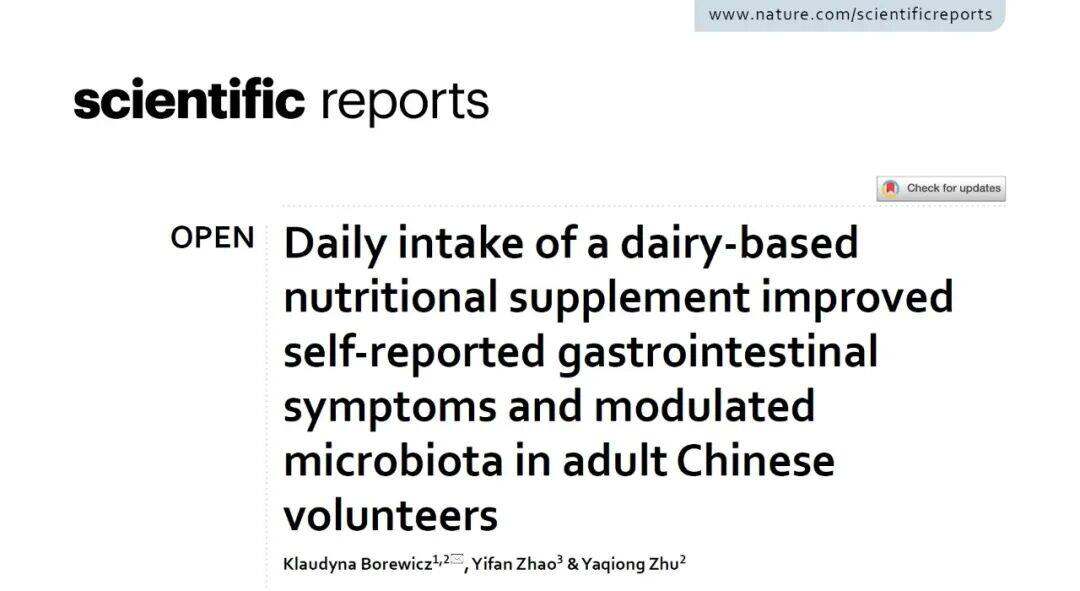
Report titled "Daily intake of a dairy-based nutritional supplement improved self-reported gastrointestinal symptoms and modulated microbiota in adult Chinese volunteers"; In a non-randomized, consecutive prospective cohort study, researchers evaluated the impact of intervention with a dietary dairy-based supplement (AGIJOY™) on the gut microbiota of Chinese adults with mild and persistent gastrointestinal symptoms (MPGS).
The report pointed out that this is the first study to test the effects of a milk supplement mixture containing prebiotics and postbiotics on the gut microbiota and MPGS in the Chinese population under real-life conditions.
In 2023, Mead Johnson China and Xbiome Co. Ltd. established a strategic partnership, deepening cooperation in three major areas: the AI + Microbiome Innovation Platform, precision nutrition health management solutions, and functional probiotic nutritional product pipelines.This achievement, is a follow-up toJoint Release of Precision Nutrition and Health Management Research Achievements at the 14th Asian Nutrition Conference(Click to review details)"Another significant scientific output since then."
The report introduced that mild and persistent gastrointestinal symptoms (MPGS) — such as bloating, constipation, or diarrhea — are common manifestations of gastrointestinal disorders, including a range of functional gastrointestinal disorders and inflammatory bowel disease. MPGS has a high prevalence across all age groups globally, and the proportion of people suffering from different forms of MPGS tends to increase with age.China is the country with the largest aging population in the world, and the high incidence of MPGS affects the health of a significant portion of the population.
The most common ways to manage mild MPGS include the use of over-the-counter medications, lifestyle adjustments, and dietary modifications. In terms of daily dietary changes, foods rich in fiber can be added, along with dietary supplements. Moreover, since alterations in gut microbiota are a significant characteristic of MPGS, the core of many nutritional strategies focuses on reducing dysbiosis and improving the composition and function of the gut microbiome.
In this study, the milk supplement used by both teams contained a combination of prebiotics and postbiotics, as well as vitamins, minerals, lactoferrin, and easily digestible milk protein. Among these, inulin, a prebiotic dietary fiber, has been shown to have a significant impact on gut microbiota, improving bowel movements and stool consistency, and enhancing intestinal barrier function during inflammatory bowel disease. At the same time, postbiotics can also modulate the gut microbiota and immune system, protect the intestinal barrier function and mucosal structure, and induce anti-inflammatory effects.
To uncover the "truth" behind nutritional intervention and the regulation of gut microbiota balance, researchers conducted a 21-day intervention on a group of Chinese adults with MPGS using Mead Johnson's AGIJOY™. Through questionnaires and the collection of stool samples, they assessed the participants' gastrointestinal symptoms, gut microbiota composition, and short-chain fatty acid levels.
The results showed,On Day 21, the patient clearly experienced improvement in gastrointestinal symptoms; gut microbiota testing also revealed that the composition of the patient's microbial flora gradually changed throughout the monitoring period. In the first week of the intervention, the relative abundance of fecal bifidobacteria significantly increased, while the proportions of bacteroidetes and helicobacter decreased.
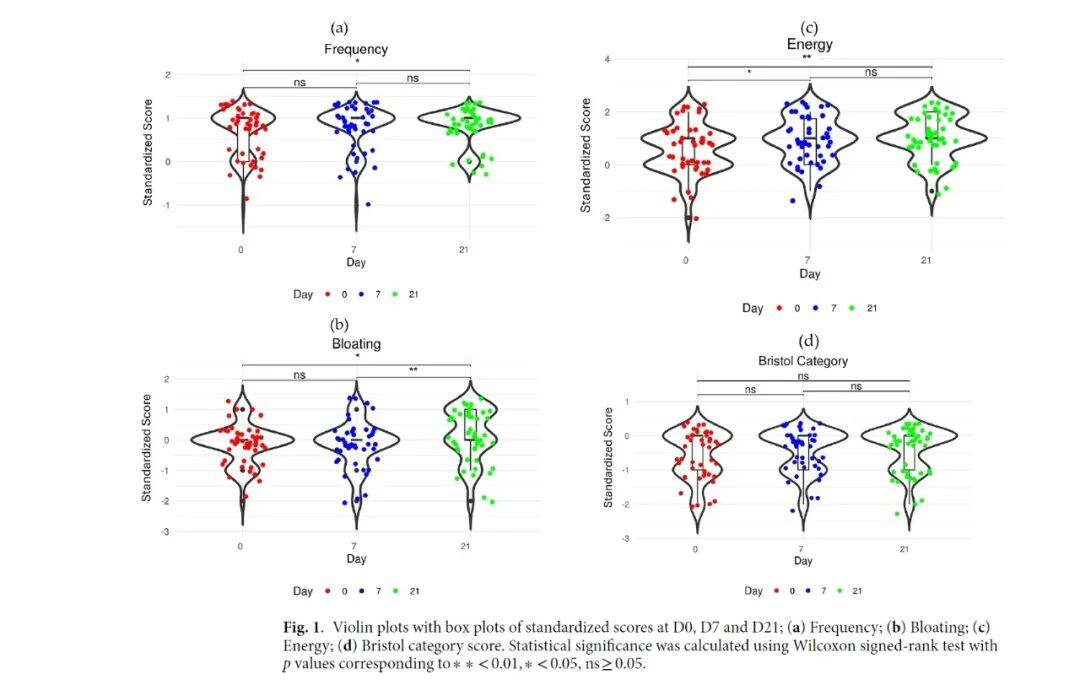
At the same time, compared with the first day, the subjects generally reported that they felt more energetic, less bloated, improved stool consistency, and more regular bowel movements each day.This study, through cohort monitoring and analysis, once again confirms the positive role of correct use and selection of supplements in alleviating and improving gastrointestinal discomfort.
According to the introduction, the publication of these achievements marks a new milestone in the strategic cooperation between Xbiome and Mead Johnson China. Xbiome, with its AI microbiome research and industrial transformation platform, has provided Mead Johnson China with comprehensive scientific research solutions and technical support. Both parties will continue to focus on further exploring microbial functions and using evidence-based scientific methods to develop precision nutrition solutions for the benefit of human health.
-End-
About Xbiome
Xbiome Co. Ltd., founded in 2017, owns a leading AI microbiome research and industrial transformation platform, strategically focusing on three areas: FMT, drug discovery, and probiotics. In drug discovery, the team has completed layouts in fields such as oncology, digestive diseases, immune-related diseases, and urological diseases, with four pipelines entering clinical stages, two of which have advanced to Phase II clinical trials. Regarding FMT, Xbiome has collaborated with nearly 20 top-tier tertiary hospitals in China, including Peking University Cancer Hospital and Peking Union Medical College Hospital, on gut microbiome clinical research across various indications. Additionally, they have developed the AI-FMT personalized precision treatment project targeting the broader health market to benefit patients with chronic illnesses and suboptimal health conditions. In the field of probiotics, Xbiome has successfully established commercial partnerships and achieved transformations with multiple leading domestic and international health companies while continuing to advance the development of proprietary strains.
Click below "Read the Original Text", view the full article.