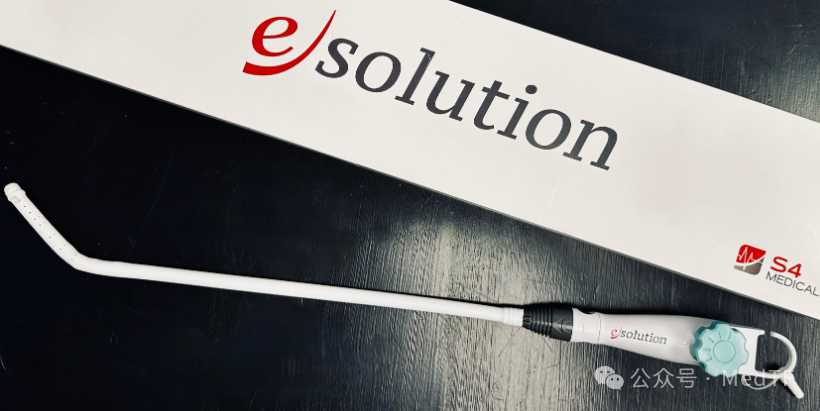
S4 medicalAnnouncing the Designed Esophageal Deviation Catheter---esolutionApproved by the FDA for marketing.S4 MedicalNow has the first and only FDA-approved device to prevent ablation-related esophageal injuries in all electrophysiological ablations.esolutionQuickly Obtain FFDA approval is based onS4 MedicalInitiate a multicenter, randomized, double-blind, prospective IDE clinical study (EASY AF). This study was conducted inConducted across 11 centers in the United States, enrolling 120 patients with atrial fibrillation. The study showed:In atrial fibrillation ablation procedures, esophageal thermal injury was statistically significantly reduced without any limitations on ablation power or technique.Not usedesolutionIn the control group, 35% of the patients experienced thermal injuries of varying severity.The incidence of injury in the experimental group was reduced by 84% (p-value < 0.0001).As PFA gains popularity, the market share of thermal ablation will rapidly decline. This product seems a bit out of step with the times. However,S4 medicalThenThere are different opinions. They believe that: first, PFA also has many complications, and there are uncertainties in long-term efficacy, cost, and even availability."Throughout my career, I have witnessed innovations in all aspects of atrial fibrillation ablation. As we strive to refine treatment approaches, this innovation will continue. Regardless of what the future holds for atrial fibrillation treatment, one thing is certain… We must prioritize patient safety."
---Emile Daoud Co-founder and Chief Medical Officer of S4 MedicalCurrently, a new technology of high-power/short-duration (HPSD) radiofrequency ablation has been developed and widely used in clinical practice. Some manufacturers have introduced ablation catheters specifically designed for this technology, with enhanced power delivery capabilities. With S4 Medical entering the atrial fibrillation ablation market, the safety of HPSD will be elevated to a new level."We believe that doctors will embrace the clinical advantages of pairing dissolving devices with the HPSD method."---Ron Farnham S4 MedicalVice President of Business Development
esolutionIt is a vacuum-suction catheter that gently adheres to the esophagus from the inside through mild suction. During the ablation process, it can be slightly moved, allowing the anesthesiologist to control the position of the esophagus while the doctor performs catheter ablation.esolutionThe control knob on the device allows the anesthesiologist to "deflect" the esophagus and move it away from the heart.esolutionIt can also monitor temperature to ensure that the esophageal temperature is affected during the ablation process.esolutionDesign Principle Originates From:
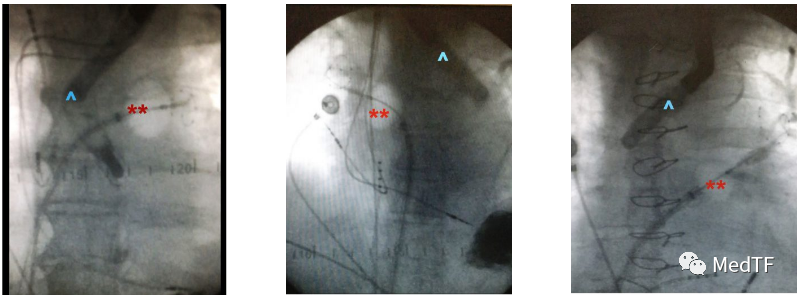
The distance between the heart and the esophagus is only a few millimeters. During ablation, energy may be transmitted to the esophagus, potentially causing thermal injury to the esophagus. In the worst-case scenario, an esophageal fistula may form. Clinical studies have shown that if the esophagus can be kept 25mm away from the heart, thermal injury to the esophagus can be avoided during the ablation process.
esolution First Clinical Case in China
esolution Clinical Demonstration
S4 medicalIs a medical device company focused on innovative solutions for cardiac surgery.S4 medicalThe main goal is to reduce complications of esophageal catheter ablation in the treatment of atrial fibrillation through a simple and comprehensive solution.