With the new funding, Cradle Bio's AI platform will significantly accelerate protein development, making it more efficient for scientists to use.
Cradle Bio Announces $73 Million Series B Funding Led by IVP, Bringing Total Funding to Over $100 Million: A Significant Leap Forward for Synthetic Biology. This impressive raise comes as Cradle continues to revolutionize protein engineering through its AI-driven platform, poised to reshape industries from therapeutics to agriculture.
Before the announcement of the Series B financing round, I spoke with Stef van Grieken, CEO and co-founder of Cradle, to gain deeper insights into how the company achieved such remarkable growth in a challenging investment environment.
Accelerating Cross-Industry Protein Engineering
"In our main markets of operation — therapeutics, diagnostics, agriculture, chemicals, and food — we see an increase in R&D speed by 1.2 to 12 times," shared van Grieken. "We are reducing the number of experimental cycles needed to reach the commercialization of the proteins people want."
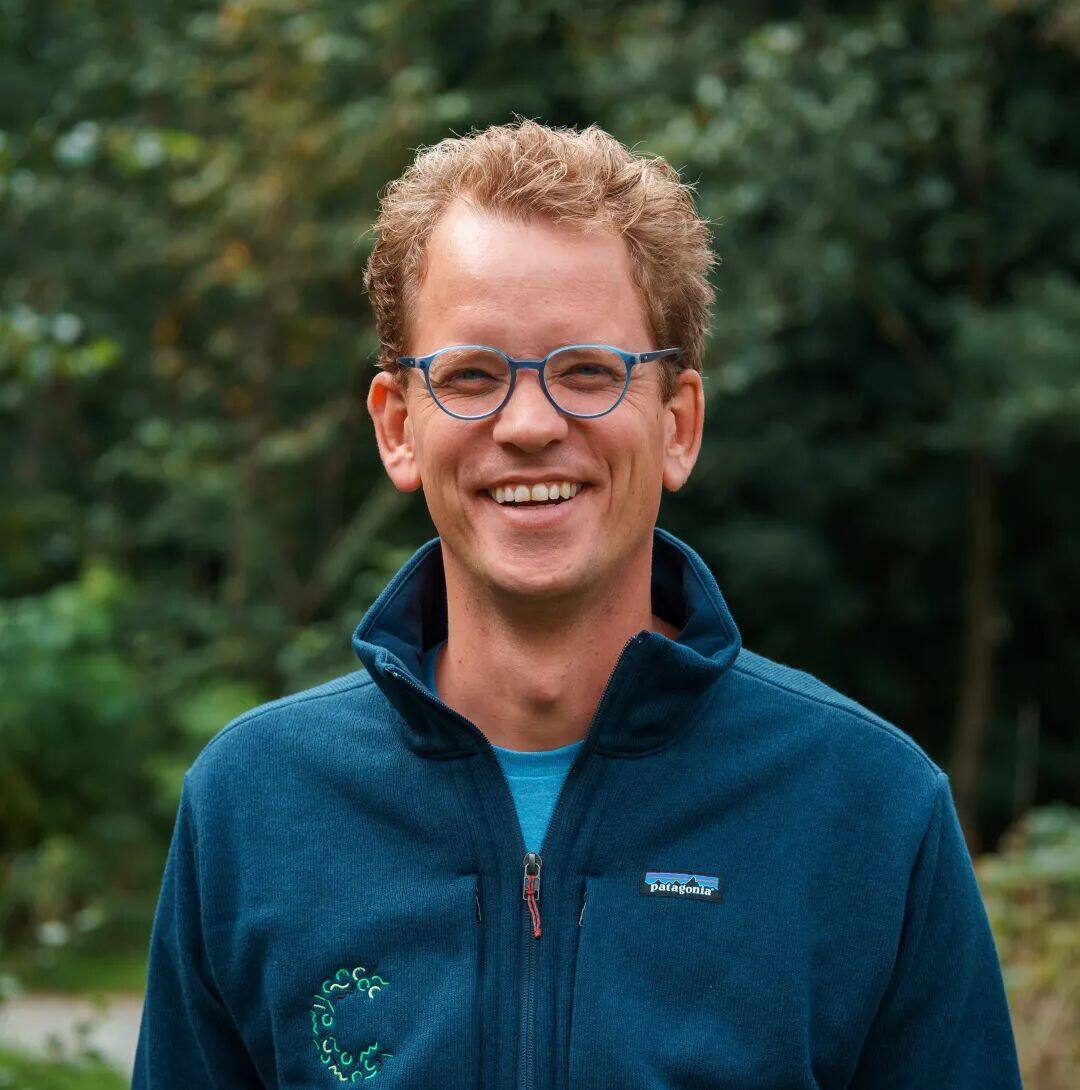
Stef van Grieken, CEO and Co-founder of Cradle. [Photo provided by Cradle]
This acceleration is no easy feat. As is well known, traditional protein engineering methods are slow, costly, and unreliable. Cradle's generative AI platform is a game-changer by significantly reducing development time and costs. Its unique approach allows it to drastically cut down the number of experimental rounds required, making the process more efficient and accessible.
From Two Clients to Industry Leader
When Cradle secured its Series A funding, it had only two paying customers. Fast forward to today, the company now has 21 clients and is developing 31 molecules on its platform. Notably, four of the top ten global pharmaceutical companies, including Johnson & Johnson and Novo Nordisk, are now clients."We have just announced a major partnership with Novo Nordisk and Ginkgo Bioworks. Our customer base has significantly expanded, and we are seeing strong traction from some of the largest industry leaders," emphasized van Grieken.
Cradle's platform has also proven its mettle in a competitive environment. In the Align to Innovate competition, their enzyme problem model excelled or ranked among the top two out of 30 teams from both industry and academia. "It was all done in an automated way," van Grieken pointed out. "No PhDs were harmed in the process."
Investing in Data and Talent
One of the key factors behind Cradle's success lies in its early investment in wet labs. "We started building our own lab from day one," van Grieken explained. "You can't be a purely computational enterprise in the field of biology. It’s like an autonomous driving car company without cars."This hands-on approach enables Cradle to generate proprietary datasets, which are crucial for training their AI models. "The big problem in our field isn't the foundational model; it's the foundational dataset," van Grieken said. "Computers love data, especially when it helps them understand a wide range of proteins and how they behave."
To further solidify its position, Cradle recently appointed Sam Partovi, a veteran of the life sciences industry, as Chief Business Officer. Partovi previously built the commercial team at Benchling and held a leadership role at Veeva Systems. "We are going to scale our commercial operations," van Grieken said. "We have already hired our first employees in the United States, so we are now expanding globally."
Ensure Data Privacy and Ethical AI Use
The greater the capability, the greater the responsibility, especially when handling sensitive data from industry giants. I asked van Grieken about how Cradle manages data privacy and intellectual property issues."We have trained a basic out-of-the-box model, but customers can improve it using data from their own experimental cycles," he explained. "For individual clients, this always happens in isolation. We never cross organizational boundaries."This commitment to data security ensures that customers retain all intellectual property rights to engineered proteins on the Cradle platform and exercise stringent control over their data.
Regarding the impact of AI on the environment, van Grieken acknowledged concerns but offered a reassuring perspective. "Compared to human language models like ChatGPT, the workloads in our industry are much smaller," he said. "We are using energy to help companies move away from hydrocarbons. Getting these products to market faster is more important than the energy savings in terms of environmental impact."
Looking to the Future: A Bright Future for AI in the Field of Biology
Despite a cooling investment environment in some sectors, van Grieken remains optimistic about the future. "Long-term, I'm very bullish on protein-based products," he asserts confidently. "If we continue to see development cycles accelerate by a factor of 1.2x to 12x and people are actually achieving these results with less money, that's fantastic. More very smart people will try to build all kinds of great enzymes to get rid of hydrocarbons and solve other problems that I can't even imagine right now."The new funding will enable Cradle to expand its wet lab capabilities, generate additional datasets, and enhance its AI models to address an increasing number of challenges. The company plans to grow its engineering, AI research, sales, and operations teams to attract more customers and scale the business."Our goal now is to get Cradle's software into the hands of a million scientists and enable them to build amazing products," said van Grieken. "Our Series B funding will make the next phase of growth possible, and we're thrilled to have IVP's support to help us scale."Alex Lim, General Partner at IVP, echoed this sentiment in the press release: "Biology is one of the areas where generative AI can have the most positive impact, and Cradle is leading the way with its groundbreaking protein design-as-a-service approach."
When I ended my conversation with van Grieken, it was clear that Cradle Bio is not just riding the wave of AI innovation. With its cutting-edge technology, strategic partnerships, and vision for a more sustainable world, Cradle is a company to watch in the coming years.
Source: SynbioBeta
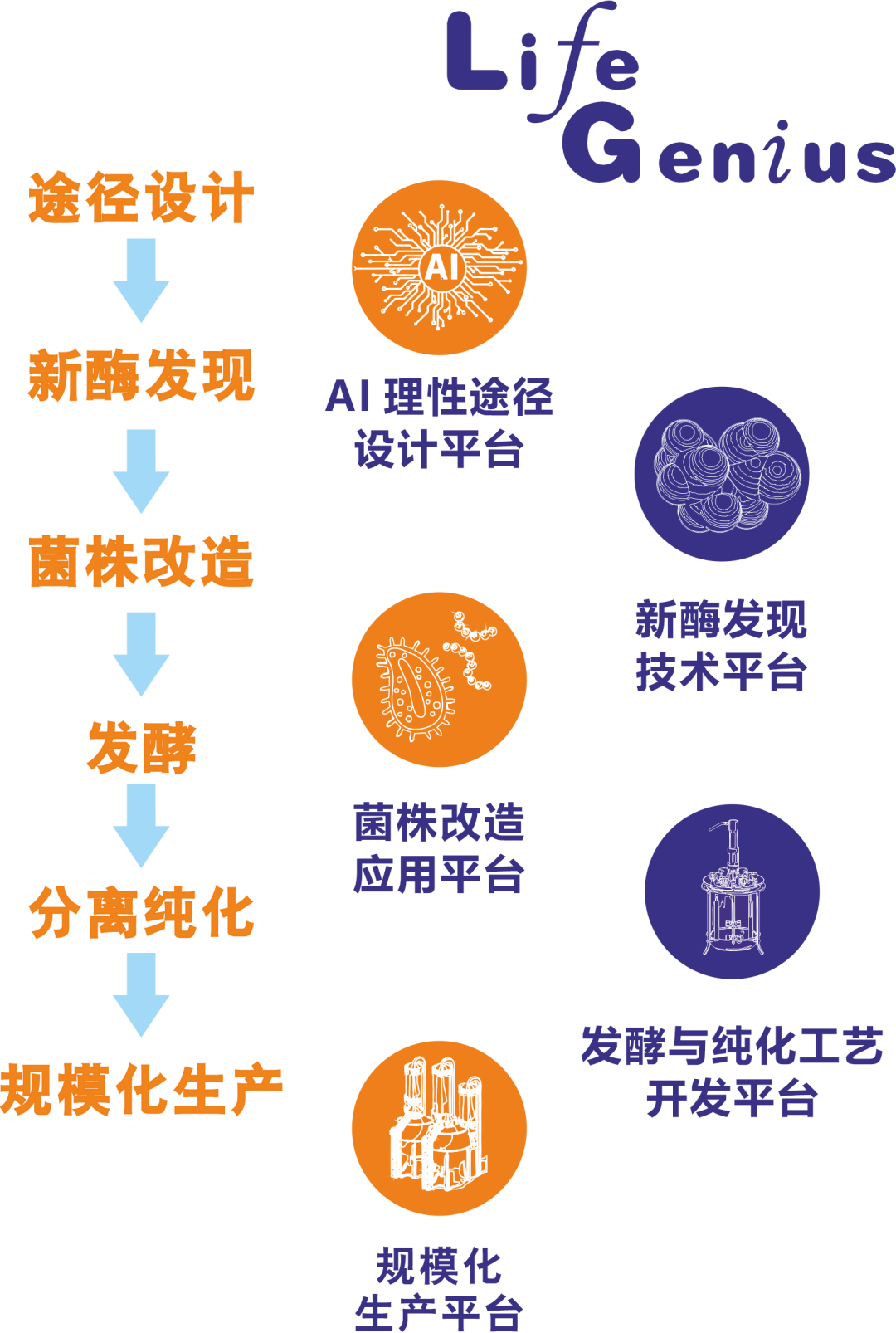
Wuhan Lihé Intelligent Manufacturing Biotechnology Co., Ltd. owns an AI-driven customized innovation system based on the world's largest big data of synthetic bio-reactions/pathways.In order to assist industry players (such as companies engaged in natural product extraction and chemical synthesis) in utilizing green synthetic biomanufacturing processes to "reduce costs and increase efficiency," thereby enhancing commercial competitiveness,The company has launched a one-stop synthetic biomanufacturing innovation process driven by both big data and artificial intelligence."LifeGenius" Customized R&D Services。In order to help more young scientists transform their scientific research achievements,PublicCreated by"Hopson Star" Industry Empowerment Program.In order to promote the intelligent development of the industry,UndertookGlobal Artificial Intelligence + Synthetic Biology Challenge "GAS" Event.
For cooperation, please contact with the note: Company + Name + Position.
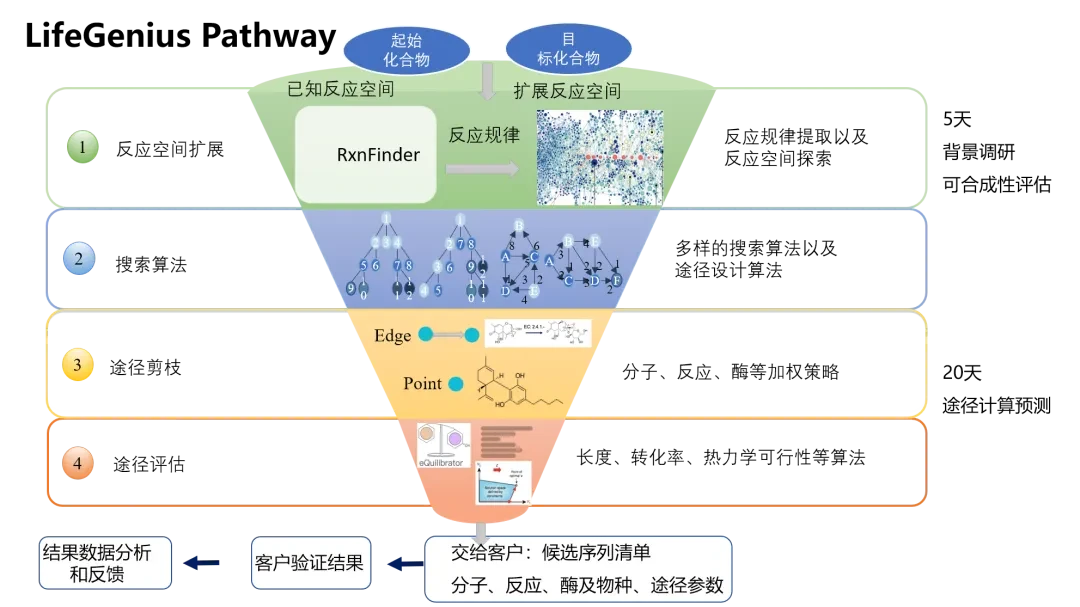
AI-Driven Synthetic Biology Pathway Design Tool:
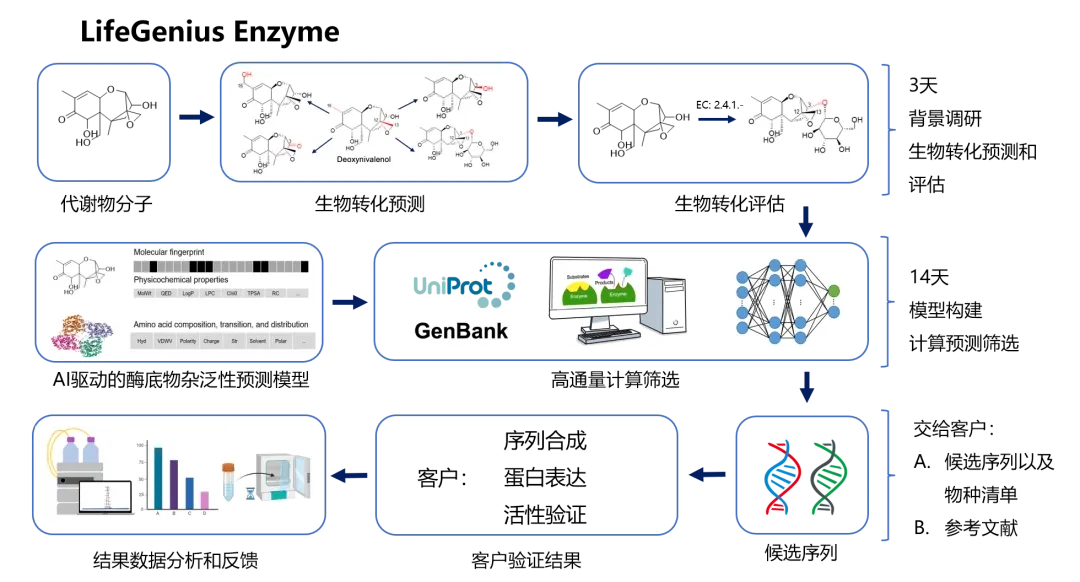
AI-Driven Enzyme Mining and Optimization Design Tool:
AI-Driven Optimization System for Synthetic Biological Manufacturing Processes: