Asia Heart Valve China Forum Highlights Safe, Effective, and Cost-Efficient Extracorporeal Ventricular Assist Device

magAssist
Developer of Extracorporeal Artificial Heart Devices

Source of the article: Yanda Medical Network

From November 29 to December 1, 2024, hosted by the Cardiac Valve Disease Specialty Committee of the Chinese Research Hospital Association, the Chinese Branch of the Asian Association for Heart Valve Disease (AAHVD), the Chinese Medicine Education Association, and the Beijing Integrated Medicine Society."2024 Asian Heart Valve China Forum"Was grandly held in Nanning, Guangxi. Among them, several clinical experts discussedmagAssist Medium-Short Term Mechanical Circulatory Support System MoyoAssist Extra VAD®Technical Advantages, Clinical Application Experience, and Innovative Procedures。
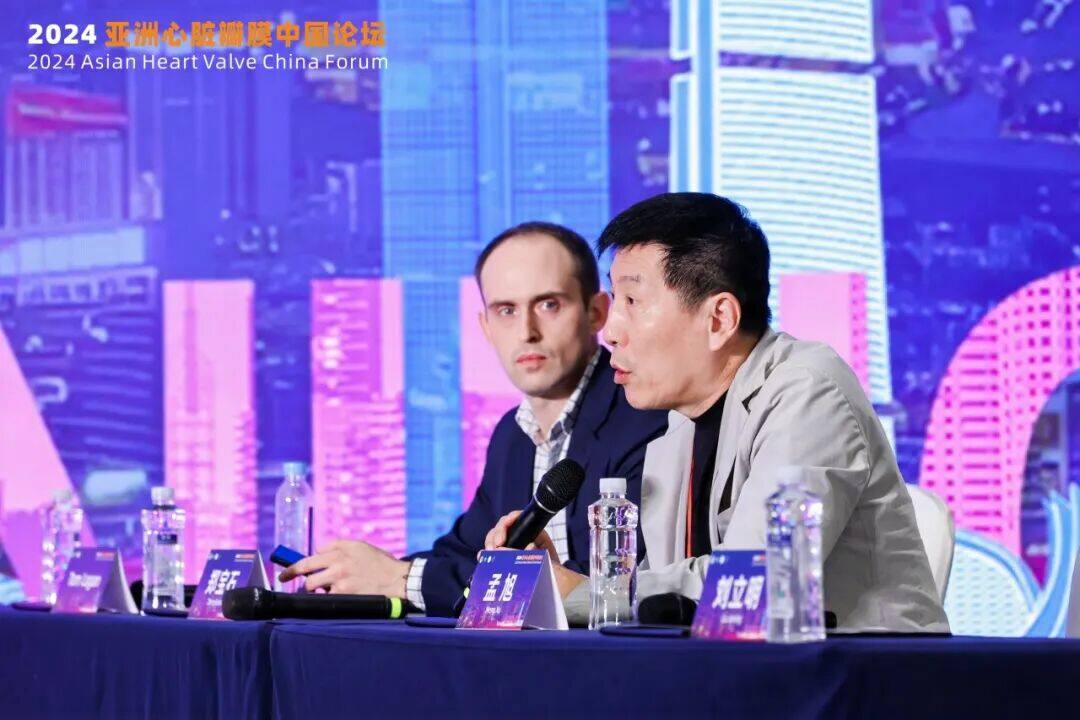
Meng Xu: "Safe and effective, high-quality and affordable, extracorporeal ventricular assist devices adapted to China's national conditions"
Honorary Chairman of the Congress, Symposium HostProfessor Meng XuSummary:
“MoyoAssist Extra VAD®As the only "artificial heart" in China that provides both short-term and long-term dual cardiac support, it was showcased for the first time at the 2024 Asia Heart Valve Forum following its official market entry. In addition to demonstrating safety and efficacy on par with alternatives, its cost-effective and accessible profile for both short- and long-term support left a deep impression on attendees. As the name of the company behind this product, magAssist, suggests, it is tailored to China's conditions, serving as an engine for diversified cardiac function treatment support.
Chen Shu: "Minimally invasive procedures increase the success rate of rescue and are expected to be extended as a protective measure for high-risk cardiac surgeries."
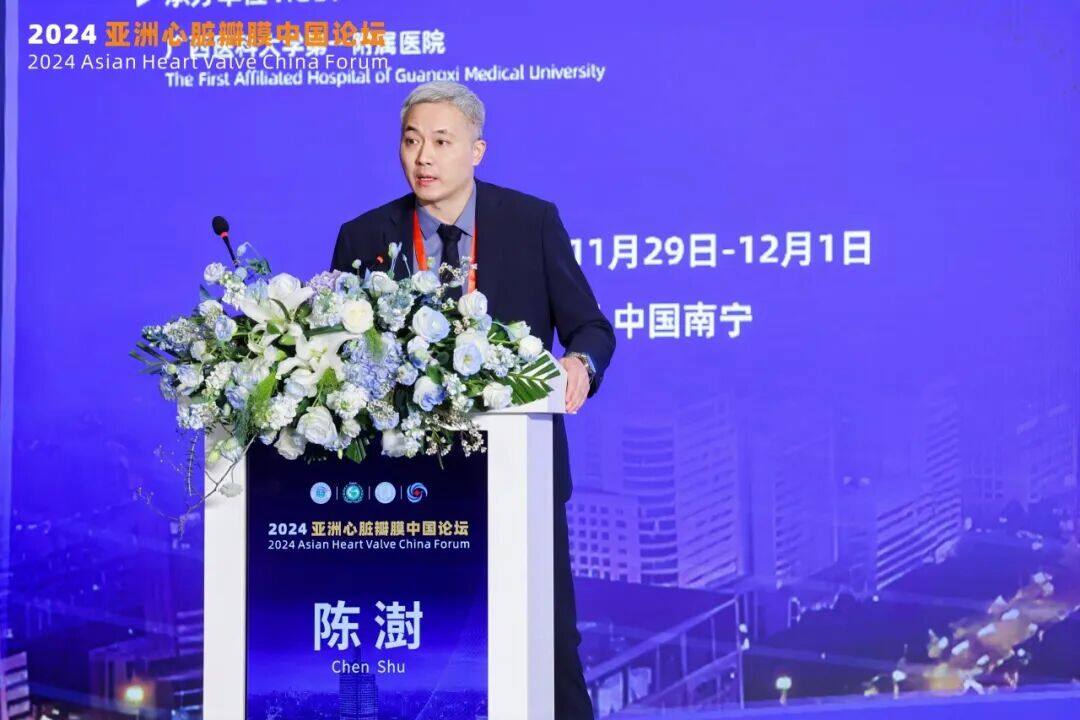
"Extra VAD Minimally Invasive Implantation: Xiehe Experience"
Union Hospital, Tongji Medical College, Huazhong University of Science and TechnologyProfessor Chen ShuCardiac transplantation and mechanical assistance are effective treatments for end-stage heart failure. However, due to factors such as donor shortage and unsuitable recipients, a large number of patients die while waiting for transplantation. In recent years, the proportion of emergency cases related to pre-transplant ECMO+IABP has been nearly 30%, highlighting the importance of short- and medium-term mechanical assistance as a bridge to cardiac transplantation, helping patients transition to transplantation or recovery.
The key performance of the fully magnetically levitated Extra VAD, jointly developed by Wuhan Union Hospital and magAssist through a combination of medical and engineering expertise, has reached an internationally advanced level. It can achieve multi-mode ventricular assistance, such as left ventricular, right ventricular, and biventricular support. With its full magnetic levitation, intelligent control, high shock resistance, compact size, and excellent blood compatibility, it has overcome technical bottlenecks. As a fully magnetically levitated centrifugal pump, the Extra VAD demonstrates a higher survival rate than VA-ECMO in patients bridging to heart transplantation, with superior performance. Application cases from Wuhan Union Hospital and clinical trial centers across China have shown its effectiveness in different patients, evolving from central cannulation and small incision cannulation to minimally invasive peripheral cannulation (femoral vein cannulation, jugular vein cannulation). Comprehensive minimally invasive approaches will lead to higher rescue success rates and better prognoses.
At the same time, Professor Chen Shu shared that cases from Mayo Clinic and other related cases show that for high-risk severe coronary artery disease, left ventricular dysfunction, and patients at high risk for standard percutaneous or surgical revascularization, the success rate of Extra VAD intraoperative support and patient survival rates have improved. Additionally, in the application of RVAD, Professor Chen Shu demonstrated its supportive effects, duration, and prognosis across different patient groups, providing references and experience for the subsequent treatment of right heart failure patients.
Overall, Extra VAD is of great significance in the treatment of severe heart failure and acute cardiogenic shock. It can be applied in various scenarios such as BTT, BTR, and BTD. The left ventricular assist catheterization methods are diverse, with obvious advantages in minimally invasive peripheral catheterization. It supports feasible PCI procedures, while clinical experience in right ventricular assist needs further accumulation and expansion.
Wu Min: "Extra VAD can effectively reduce the risk of right heart failure before and after transplantation."
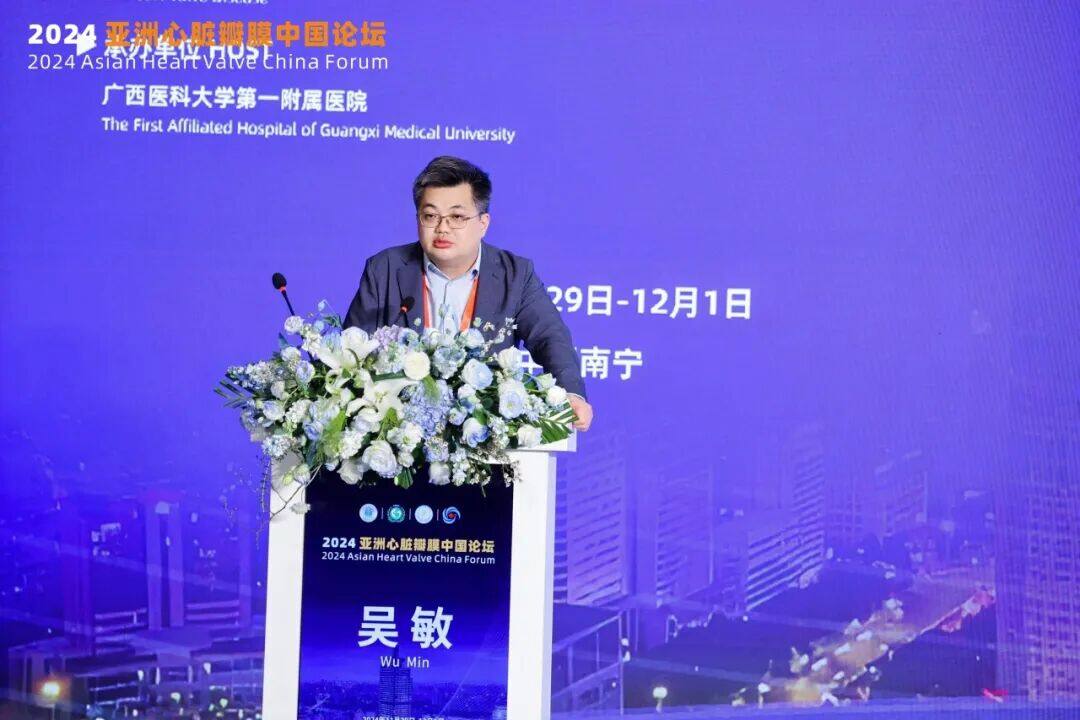
"Experience Sharing on the Application of Medium- and Short-Term Extracorporeal Ventricular Assist Devices in Right Heart Failure"
Guangdong Provincial People's HospitalProfessor Wu MinExperience Sharing on the Application of Extra VAD in Right Heart Failure. He pointed out that pulmonary hypertension is a significant inducement of right heart failure, and the donor heart's poor adaptability to high-resistance pulmonary circulation can easily lead to right heart failure. However, the right ventricle can gradually adapt under pressure-reducing treatment. Patients with heart failure often have concurrent pulmonary hypertension, which has a high incidence in end-stage heart disease. Before cardiac transplantation, specific pulmonary artery pressure and related abnormal indicators can increase the risk of postoperative right heart failure, requiring multiple measures to address it. RVAD plays an important role in treating right heart failure. In 2017, short-term right ventricular assist was first applied to treat acute right heart failure. Among 38 patients with heart failure, 12 received RVAD support. The support duration and survival rate demonstrated its effectiveness. Additionally, some literature indicates that certain patients with acute right heart failure can recover cardiac function and have the RVAD removed.
The Guangdong Provincial People's Hospital utilized Extra VAD for right heart assistance in four cases following heart transplantation. Follow-up results one year post-operation showed that all patients received intravenous and oral medication to reduce pulmonary artery pressure, with the drugs discontinued after three months. Among them, three patients experienced a drop in pulmonary artery pressure to below 40 mmHg within 1-2 months post-surgery, and all four patients achieved maximum reversal of pulmonary artery pressure within six months. Additionally, moderate to severe tricuspid regurgitation observed in two patients returned to normal within six months, and one patient who developed second-degree atrioventricular block recovered sinus rhythm after treatment.
In the treatment and management of right heart failure, optimizing pre-transplant management of pulmonary hypertension is of great significance as it can effectively reduce the risk of postoperative right heart failure. Extra VAD plays a critical role in treatment by strongly supporting right heart function, thereby improving patient survival rates. Meanwhile, considering the needs of different conditions and surgical strategies, actively exploring various RVAD cannulation techniques is crucial to select the most appropriate cannulation method for patients, further enhancing treatment outcomes and prognosis for patients with right heart failure.
Liu Yang: "The minimally invasive Extra VAD provides intraoperative and postoperative support for high-risk, complex surgical procedures, improving patient outcomes."
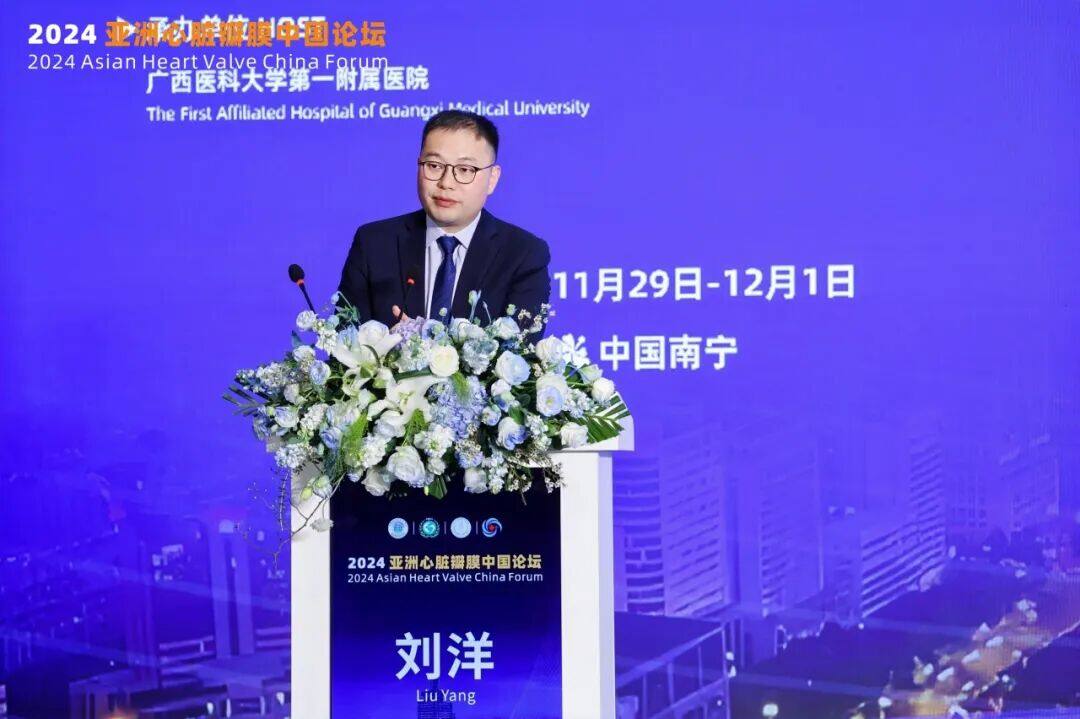
"Case Sharing of One-Stop Transapical TAVR-PCI with Extracorporeal Ventricular Assist"
Xijing Hospital, Air Force Medical UniversityProfessor Liu YangA Case Report of One-Stop Transapical TAVR-PCI with Extra-VAD Support
Extra VAD provided stable circulatory support for the surgery. The patient experienced two cardiac arrests during the PCI procedure but maintained hemodynamic stability with its support, ensuring the safe completion of the operation. The advantages demonstrated by Extra VAD include effective left ventricular decompression, providing time for cardiac recovery, intraoperative circulatory stability, successful completion of high-risk PCI surgery to restore coronary blood flow, and the patient’s cardiac function beginning to recover one day post-surgery, allowing them to sit up, eat, and drink independently.
Through the case sharing by Professor Liu Yang, it can be seen that Extra VAD can support complex PCI surgeries and stabilize circulation; compared with ECMO, it can provide more precise cardiac assistance and improve tissue perfusion; it can offer effective cardiac support for patients with acute cardiogenic shock; minimally invasive peripheral cannulation is convenient, less traumatic, and has a lower risk of infection.
magAssist is committed to providing modular medium- and short-term mechanical circulatory support platform solutions.
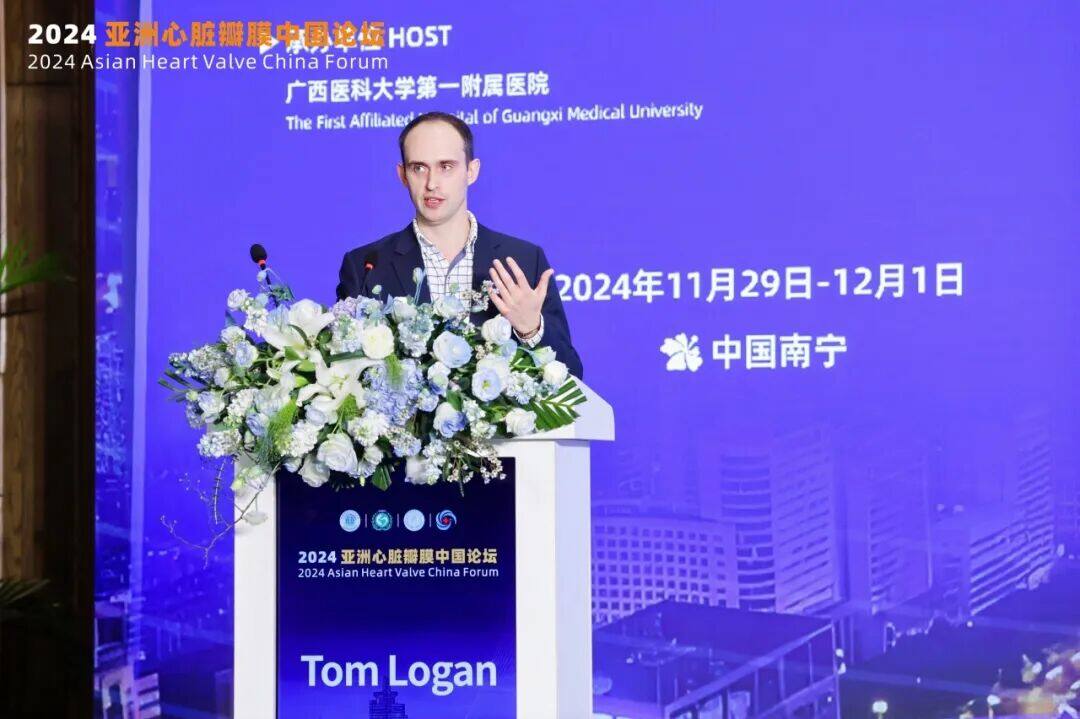
magAssist Team Shares Advanced Acute Applications of magAssist’s Mid-to-Short-Term Mechanical Support. Key products include the fully magnetically levitated external artificial heart, MoyoAssist Extra VAD.®Minimally Invasive Interventional Artificial Heart NyokAssist®pVAD and the New Generation Extracorporeal Membrane Oxygenation System BreathMo®ECMO, these products are at different stages respectively, MoyoAssist Extra VAD®Approved by NMPA for marketing; NyokAssist®pVAD has successively obtained the FDA "Breakthrough Device" designation and NMPA Innovative Medical Device approval, and is currently undergoing clinical trials; BreathMo®ECMO has completed clinical trials and is expected to be approved between 2024 and 2025.
magAssist is committed to providing advanced life support solutions. For example, the MoyoAssist Extra VAD discussed at this symposium.®The design goal is to achieve high flow output, multi-mode application, while reducing the risk of hemolysis and thrombosis, ensuring stable and safe operation with various advanced design features. In vitro tests show low risks of hemolysis and thrombosis; in clinical trials, patients have high weaning rates, survival rates, and success rates without severe complications or organ dysfunction. In clinical applications, there are multiple cannulation methods to assist different ventricles, demonstrating excellent overall clinical performance.
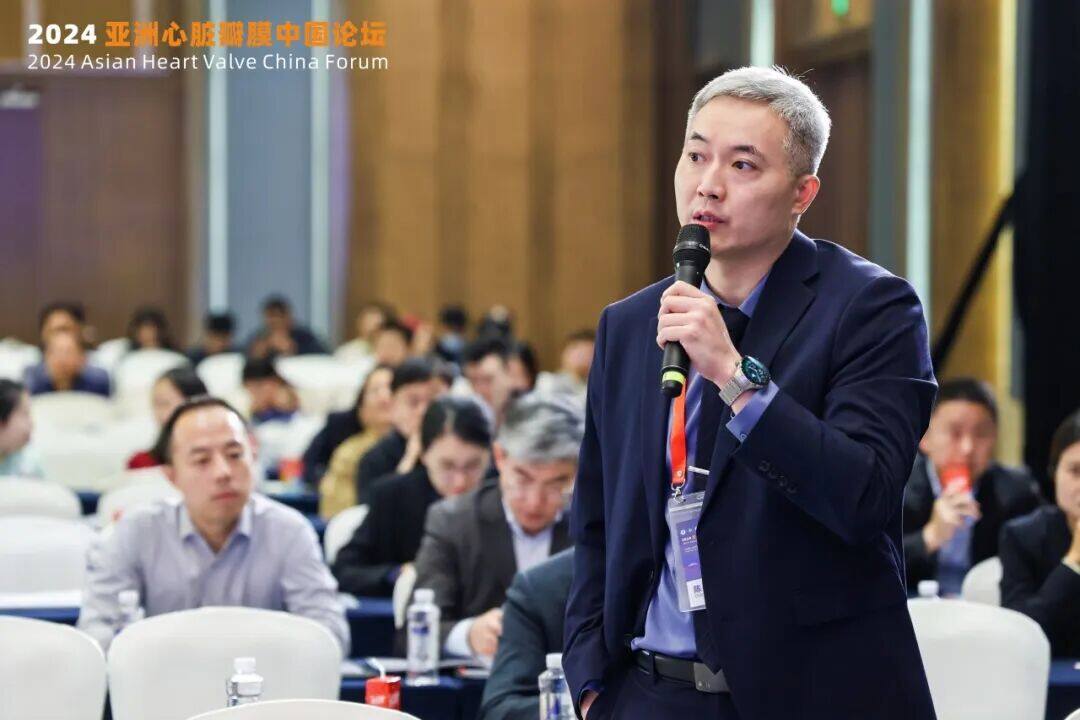
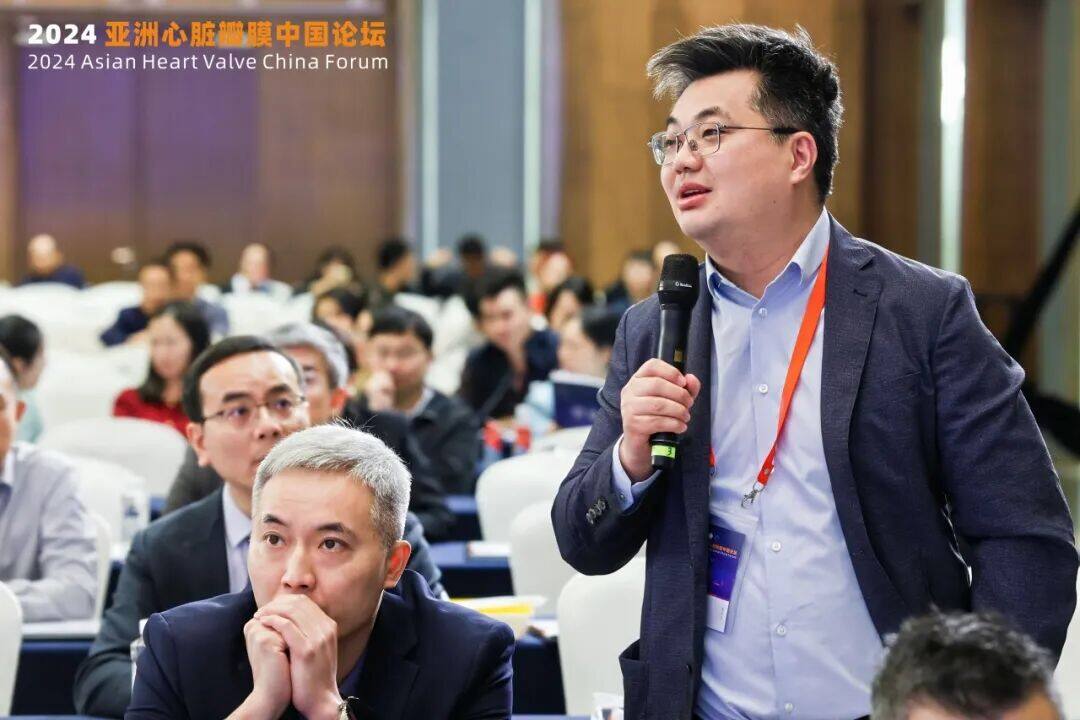
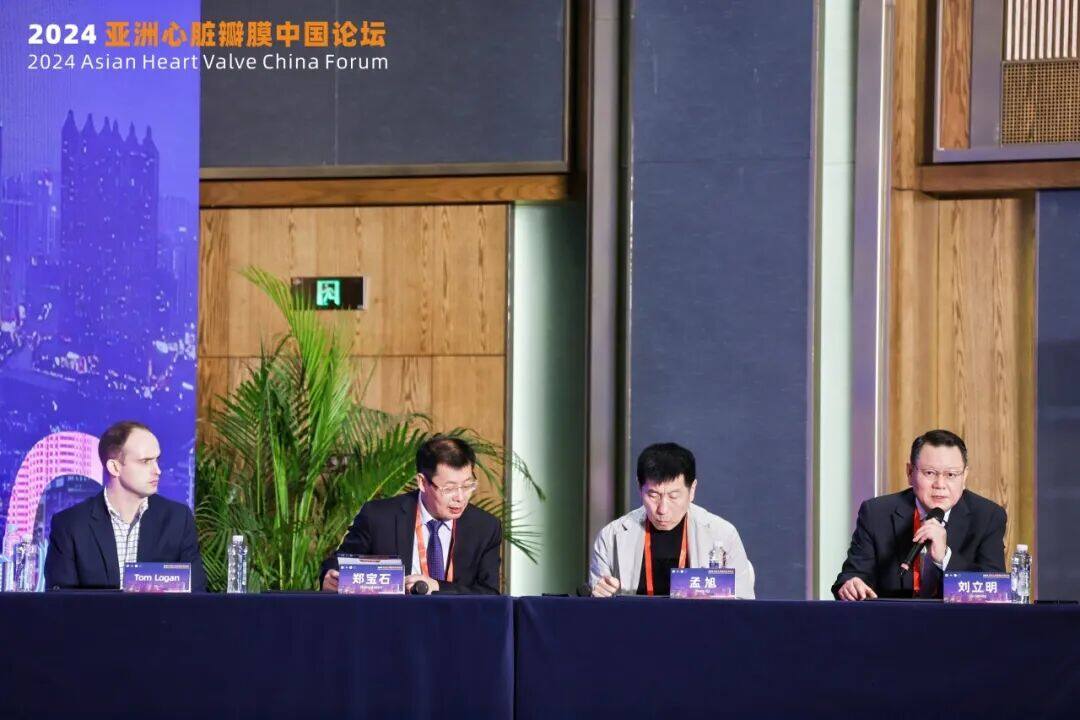
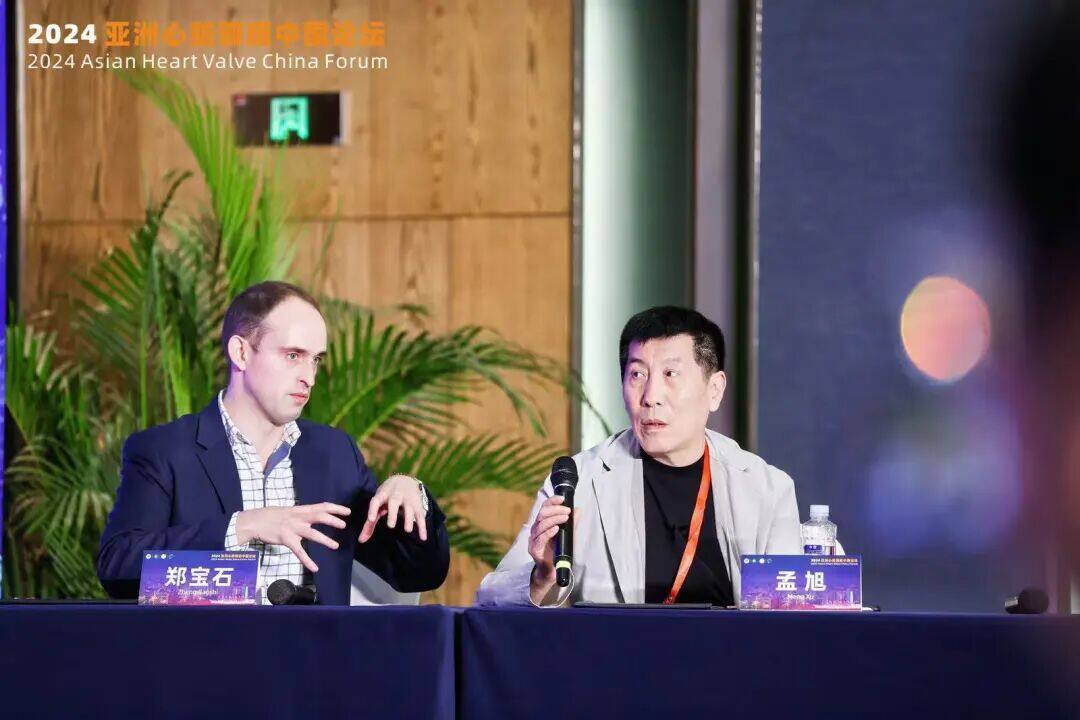
Discussion Session of the Symposium
- END -
Disclaimer: