Home Medtronic Issues Class I Recall for Harmony TPV Delivery System Again—Over 1,800 Units Affected Despite Prior Redesign

Medtronic Issues Class I Recall for Harmony TPV Delivery System Again—Over 1,800 Units Affected Despite Prior Redesign

Jul 08, 2026 07:00 CST Updated 07:00

Medtronic

Medical Device Manufacturer

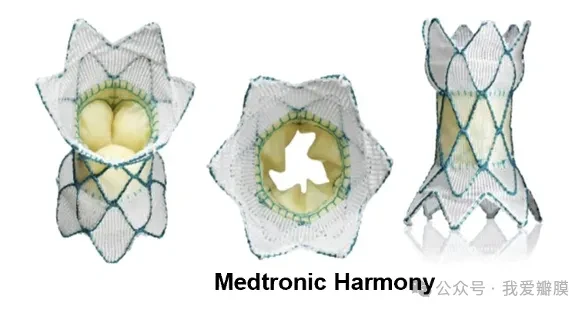
Transcatheter pulmonary valve replacement (TPVR) with Medtronic’s self-expanding Harmony valve is both safe and effective after more than a year, according to new real-world data published in the Journal of the American College of Cardiology.[1]
Recently, global medical device giant Medtronic issued an urgent recall announcement. Its core Harmony transcatheter pulmonary valve delivery system was classified by the U.S. FDA as a Class I recall, the highest level, due to significant safety risks.
Class I recall is the most severe level of medical device recalls—indicating that use of the device is highly likely to cause serious physical injury or even direct death to patients.
What is even more alarming is that this is not the first time the device has malfunctioned.
Within a mere four years, the same device model was urgently recalled twice due to identical malfunctions. Even after rectification and relaunch, it failed again, causing significant alarm among countless patients and healthcare professionals.


01


Highest-Level Alert! Over 1,800 Life-Saving Devices Harbor Hidden Surgical Risks

全球首款!美敦力Harmony TPV瓣膜已获FDA批准|爱德华_新浪新闻
The Medtronic Harmony Transcatheter Pulmonary Valve (TPV) System delivery catheter components are being urgently recalled, involving more than 1,800 devices and affecting a wide range.
This device is by no means a niche instrument; it is a core minimally invasive diagnostic and therapeutic device designed for patients with severe pulmonary regurgitation and congenital heart disease.
It is primarily indicated for the treatment of right ventricular outflow tract (RVOT) pathology, whether native or post-surgical repair, specifically addressing severe pulmonary regurgitation. Compared with traditional open-heart surgery, this procedure avoids sternotomy, offers minimal invasiveness, and facilitates rapid postoperative recovery. It represents a significant minimally invasive therapeutic option for both adult and pediatric patients with congenital heart disease. Furthermore, it holds dual authoritative certifications from the U.S. FDA and the EU CE mark, demonstrating high clinical recognition.
Even recently, real-world clinical data published in the Journal of the American College of Cardiology further corroborated that the valve demonstrates excellent safety and efficacy more than one year after implantation.
On one hand, there is the endorsement of safety and efficacy by authoritative journals; on the other, there is an FDA Class I recall for fatal risks. Behind this stark contrast lie undeniable device defects.
The core defect underlying this recall is critically severe: during heart valve implantation procedures, the distal tip of the delivery catheter may suddenly detach.
The internal structure of the heart is intricate and fragile. Once the tip of a medical device detaches and remains in the body during surgery, it can easily cause serious complications such as vascular occlusion and thromboembolism. This not only interrupts the surgical procedure and delays treatment but may also force the patient to undergo a secondary remedial surgery, severely harming their health and even endangering their life.
Given the extremely high risk, the FDA classified this recall as a Class I recall—the most severe category—allowing no room for error.


Medtronic Harmony Pulmonary Valve: The Complete Journey of R&D, Market Launch, and Iteration
The Harmony transcatheter pulmonary valve involved in this incident is not an ordinary device rushed to market, but a benchmark product from Medtronic, which has cultivated the minimally invasive sector for congenital heart disease for over a decade. It is also the world’s first non-surgical interventional valve specifically designed for severe pulmonary regurgitation, filling a global market gap in the minimally invasive treatment of congenital heart disease.
As early as October 2012, the valve officially launched an Early Feasibility Study under FDA oversight, initiating the world’s first human implantation exploration. It was among the earliest valve products to target interventional repair of the native right ventricular outflow tract, filling a gap in the industry for minimally invasive treatment of congenital heart disease.
Leveraging its unique minimally invasive advantages, the Harmony valve successfully obtained FDA Breakthrough Device Designation and was granted Priority Review, significantly accelerating its clinical adoption. After nearly a decade of multiple rounds of clinical trials and validation through extensive clinical data, the product officially received FDA marketing approval in March 2021. It became the world’s first transcatheter valve system indicated for severe pulmonary regurgitation in the native or surgically repaired right ventricular outflow tract, thoroughly breaking the therapeutic dilemma where such patients could only undergo repeated open-heart surgeries.
In the early post-launch period, the product rapidly gained popularity due to its advantages of minimal invasiveness, rapid recovery, and stable long-term efficacy, with over 2,200 clinical implantations performed worldwide and a substantial body of real-world diagnostic and therapeutic data accumulated.
However, beneath the star power, hardware defects in the product gradually came to light. In April 2022, serious issues emerged with the product’s delivery catheter, including intraoperative fracture and tip detachment causing embolism, prompting the FDA to initiate a Class I urgent recall. Subsequently, Medtronic cooperated with regulators to carry out nearly a year of comprehensive technical rectification, structural optimization, and safety retesting. In February 2023, the product passed FDA review and was relisted, marking a high-profile relaunch of its global commercialization strategy.
In 2025, the product successfully obtained EU CE certification, fully entered the European market, and once became a benchmark product in the global field of interventional treatment for congenital heart disease. Regrettably, this life-saving device, which underwent ten years of refinement, received dual authoritative certifications, and carried the industry's expectations for innovation, failed to address core manufacturing defects. Several years later, it triggered the FDA’s highest-level fatal recall again.


02


Two Failures in Four Years: Recurrence of Malfunction After Rectification and Relaunch


If the initial failure was an occasional issue at the early stage of product launch, then the recurrence of the same fatal hidden danger after rectification and restart completely shattered the market reputation and doctor-patient trust in this star device.
As early as 2022, Medtronic’s Harmony delivery catheter was subject to a full recall due to the exact same issue.
At that time, the malfunction had already triggered multiple surgical safety incidents, with a cumulative total of six related complaints received globally, directly resulting in intraoperative injury to one patient and clearly exposing an irreversible structural risk associated with the product.
At that time, Medtronic urgently recalled its products and cooperated with the FDA to implement comprehensive corrective actions, taking nearly a year to complete technical optimizations.
Upon the product's relaunch, Medtronic officially stated that the return of the Harmony valve represents a significant breakthrough in minimally invasive treatment for heart disease. It was described as the first non-surgical treatment option for patients with congenital heart disease and severe pulmonary valve regurgitation, offering a new survival alternative for high-risk patients who are intolerant to open-heart surgery.
Unexpectedly, the equipment, after meticulous rectification and a high-profile relaunch, still fell victim to the same fatal flaw years later.
Identical Malfunctions, Identical Fatal Risks, and the Same Highest-Level Urgent Recall: Two Debacles Not Only Undermine the Brand’s Promises of Innovation and Rectification but Also Cause Countless Healthcare Professionals and Patients to Lose Trust Entirely.


03


Urgent Official Notice! Hospitals and Patients Must Take Heed


In response to this large-scale Class I recall, Medtronic has issued urgent handling requirements and instructed its global partner healthcare institutions:
Image
All affected batches of the Harmony valve delivery system must be immediately discontinued, individually sealed, and returned without delay.
All hospitals are also required to ensure that this recall notice is promptly communicated to all implanting surgeons and departmental medical and nursing teams, conduct a comprehensive screening of in-use devices within the facility, and prevent any affected devices from being used in surgical procedures.
For the general patient population, there is no need for excessive panic, but it is essential to perform self-assessment:
  • If you have previously undergone Harmony transcatheter pulmonary valve implantation, there is no need for excessive anxiety in the absence of discomforting symptoms; the successfully implanted valve body is not affected by this catheter malfunction.
  • If you have recently scheduled a relevant minimally invasive surgery, be sure to confirm the device batch number with your attending physician in advance to avoid using the implicated problematic devices;
  • If symptoms such as chest tightness, chest pain, palpitations, or abnormal fatigue occur after surgery, seek timely follow-up evaluation.