

Pluslife Secures WHO Endorsement and $13M+ Orders Across 13 Countries for Near-POC Tuberculosis Diagnostic Platform
November 2025, Copenhagen, Denmark, World Lung Health Conference.
This is one of the top academic conferences in the global tuberculosis field, with attendees from public health agencies, multinational pharmaceutical companies, diagnostic firms, and research institutions around the world.
The conference featured a dedicated session on Chinese innovation. Several Chinese companies took the stage in succession to present their products and associated clinical data to global industry professionals.
When global public health experts from R2D2, TB Network, and other organizations took the stage, the tone shifted dramatically. Instead of presenting their own research, these experts showcased product data from a Chinese company, covering thousands of cumulative samples across more than seven countries, independently verified by third parties, and featuring head-to-head comparisons against the gold standard. Furthermore, the head of the WHO Tuberculosis Diagnostics Team announced during the conference that the WHO would establish a new testing category called “near-POC” (near-patient), with this Chinese company’s product being recommended as the first and only one in this category.
This Chinese company——PluslifeThe booth was instantly swamped, with crowds flocking to observe the portable diagnostic devices on display.
This scene touched Zeng Xiaofan, who was seated in the audience.
Her connection with Puli Health dates back to 2021. At that time, she was working at Qiming Venture Partners and led the investment in the company. But at that moment in the conference hall, she sat in the audience as a Senior Program Officer at the Bill & Melinda Gates Foundation, having accompanied Puli Health’s development for nearly five years, witnessing the company progress from refining a technical prototype to being included on the WHO’s recommended list step by step.
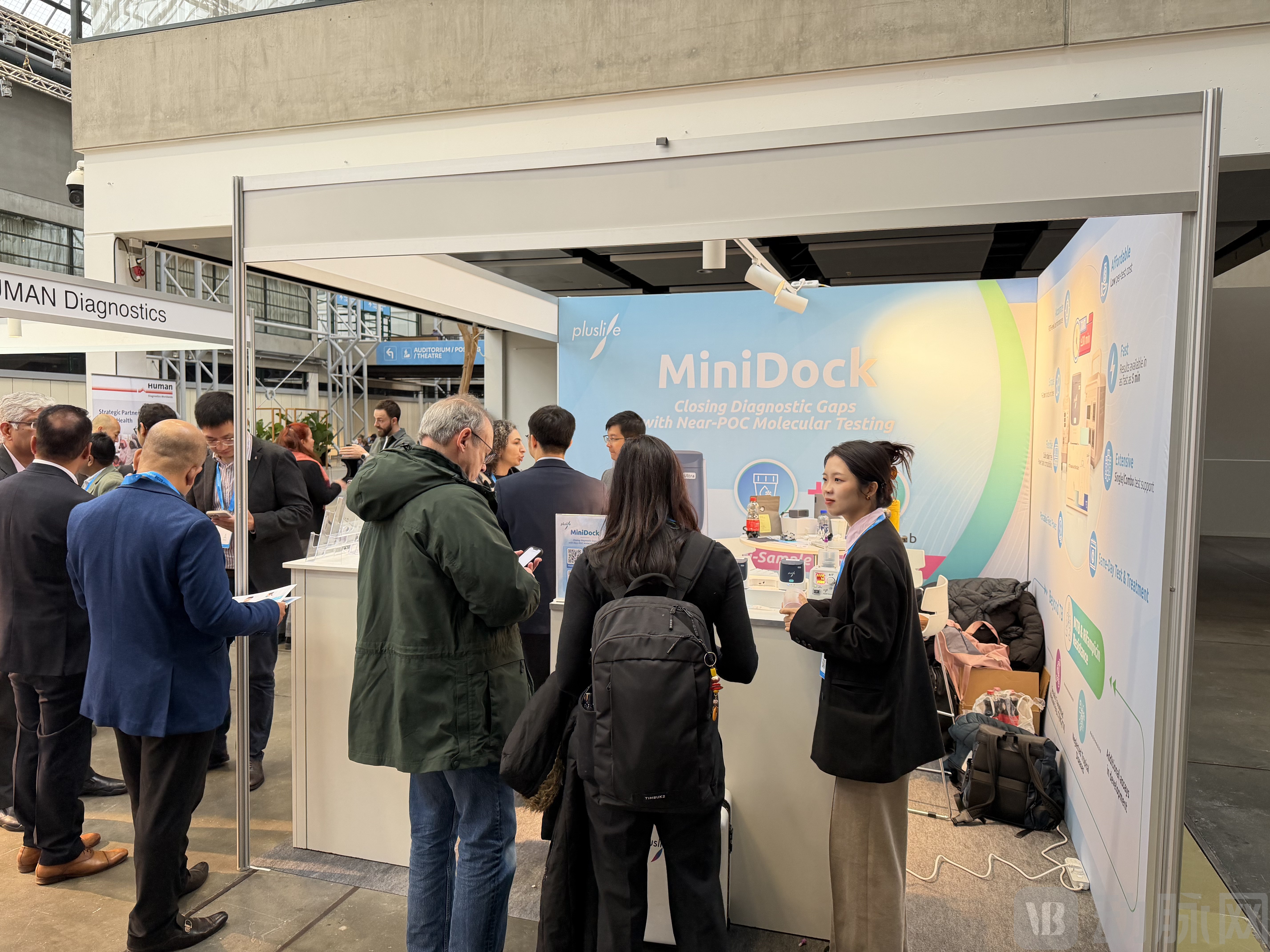
PulmOne Booth at the World Lung Health Congress
“It was quite exhilarating,” she later recalled.
Pusilihua was founded in 2017 and is aA high-tech enterprise focused on near-POC (near-patient) molecular diagnostics,Dedicated to achieving “high-performance, low-cost, and rapid, portable” health testing. The company’s independently developed RHAM isothermal amplification technology combines PCR-level sensitivity with the convenience of antigen testing, providing key technical support for extending molecular diagnostics from central laboratories to primary care settings and communities.
And just recently,The Global Fund Announces Rollout of PerkinElmer’s Tuberculosis Testing Products, with the First Order Secured.A batch of rapid, portable, and precise diagnostic tools has arrived in the arid and climatically variable African continent, traversed the crowded streets of old cities in Southeast Asia, and crossed the Pacific Ocean to reach Peru, leaving its footprint across 13 countries.
Meanwhile, Zeng Xiaofan’s role has evolved from an audience member to the CFO of this company.
Based on this, VCBeat’s “Going Global” column engages in a direct dialogue with Zeng Xiaofan to deconstruct the methodology by which Pushi Liuhua has successfully navigated its expansion into the public health market overseas, aiming to provide insights for Chinese medical device companies pursuing international markets.
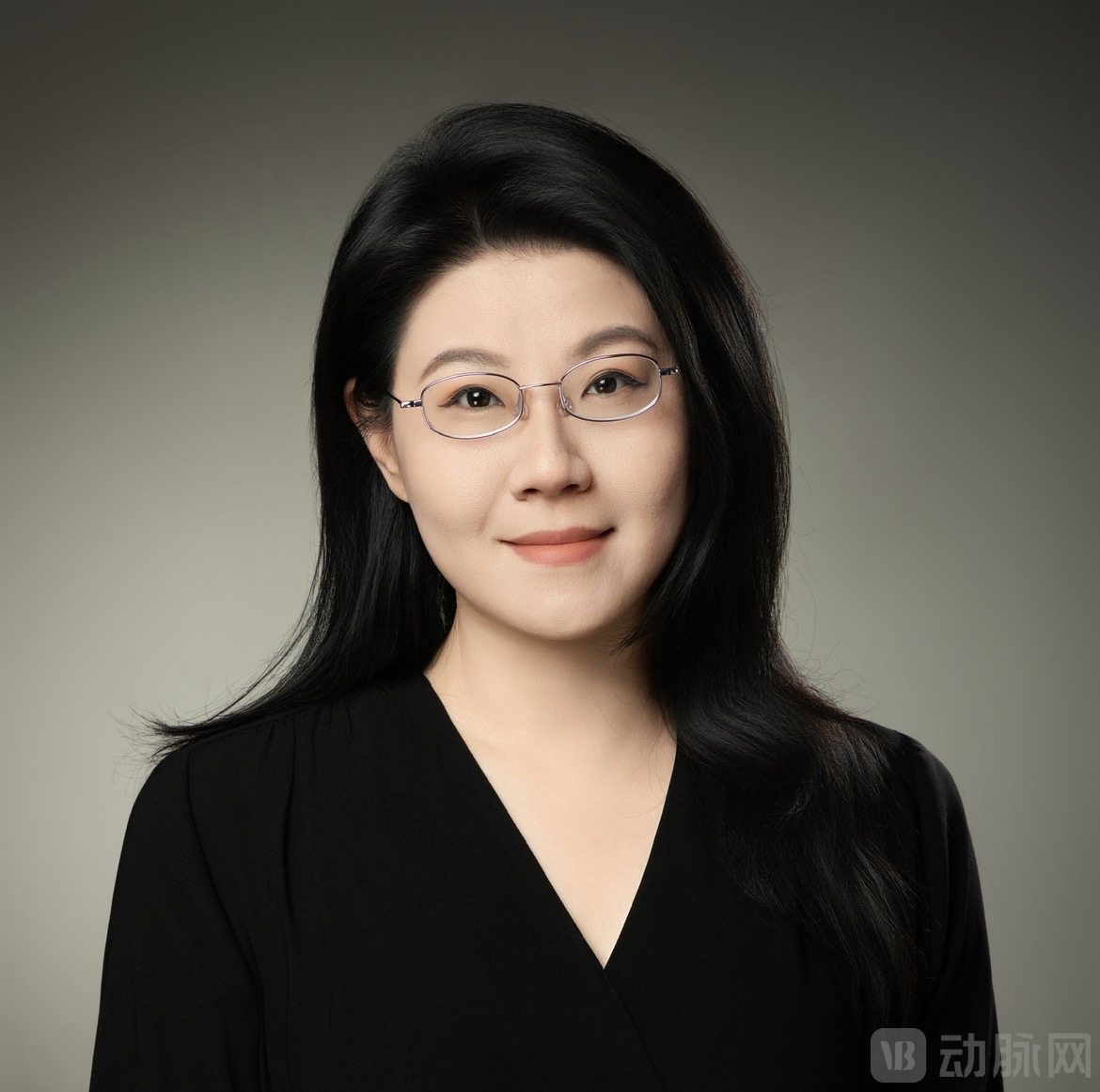
Zeng Xiaofan, CFO of Universal Pharma
1Diagnostic Gap: Starting from the Most Undervalued Direction
Tuberculosis is the infectious disease with the highest global mortality.
In 2024, 1.23 million people worldwide died from tuberculosis, which translates to an average of more than 3,300 deaths per day. This figure exceeds those for HIV/AIDS and malaria.
Meanwhile, tuberculosis presents an embarrassing paradox: it is a preventable and treatable disease, yet millions of people remain undiagnosed each year.
Globally, there are over 10 million new cases of tuberculosis each year, but only more than 4 million people can access WHO-recommended molecular testing. The rest either rely on sputum smear microscopy, a method invented over a century ago that suffers from low sensitivity and carries the risk of missed diagnoses, or receive no testing at all.
The root causes are embedded in the most grassroots healthcare scenarios.
In most parts of Africa and Southeast Asia, tuberculosis (TB) diagnosis relies on a “central laboratory” model: patients provide sputum samples at primary care clinics, which are then transported via cold chain to central laboratories for testing, with results available only after several days. Meanwhile, this process imposes stringent requirements on infrastructure and patient compliance:
First, it is essential to ensure that the patient can produce sputum. However, public studies have shown that among individuals suspected of having tuberculosis who require sputum testing, approximately 20% to 30% may be unable to spontaneously provide an adequate sputum sample. This proportion may be even higher in certain populations, such as children, individuals co-infected with HIV, hospitalized or late-stage infected patients, and the elderly, approaching nearly 40% in some scenarios.
Second, it is essential to ensure the availability of functional central laboratories locally. Since existing equipment is relatively bulky, it not only relies on a stable power supply but also requires skilled operators. Taking the Cepheid GeneXpert, the globally recognized standard for molecular tuberculosis testing, as an example, its price in charitable and institutional negotiated procurements in some developing countries may drop from the official list price to approximately $10,000. However, this cost still exceeds the annual operating budget of many primary care clinics.
Third, sample transportation requires cold-chain logistics. In regions with extremely poor road conditions and unstable power supply, it is common for samples to deteriorate during transit.
As a result, millions of people are either misdiagnosed each year or miss the optimal window for treatment by the time they are diagnosed. For young and middle-aged workers, one person’s illness often means the loss of the family’s primary breadwinner.
This is the battlefield that Universal LiHua is targeting.
However, Puhua Life’s choice was not initially viewed favorably. When the company was founded in 2017, CRISPR gene-editing technology was all the rage, and competitors in the same space opted for “cooler” technological approaches. The Puhua Life team also experimented with various technical solutions, but as one of the founders recalled, “Every technology seemed to have its own drawbacks.”
Ultimately, the team chose a more challenging path: developing isothermal amplification based on self-developed enzymes. In other words, Universal Biotech not only strives for superior product performance but also focuses on user application scenarios. This is a formidable task.
Universal Life Sciences has developed its proprietary RHAM isothermal amplification technology. Its uniqueness lies in the probe reporting system, which further amplifies the signals released by specific amplification products, thereby outperforming traditional isothermal amplification systems. The tuberculosis detection solution based on this technology platform offers significant advantages, including rapidity, low cost, and high precision. This testing protocol can deliver results for Mycobacterium tuberculosis within half an hour.
In other words, compared with traditional tuberculosis detection methods, Universal Li Hua's testing solution does not require sample extraction; samples can be directly loaded into the instrument for testing after collection, with results available within half an hour. Moreover, the operation is extremely simple—even non-professionals can perform the test after watching a short instructional video. Additionally, the testing device can be powered by a portable power bank, making it highly suitable for use in resource-limited settings.
Moreover, the cost structure is even more disruptive: the instrument price is approximately 1% of that of mainstream products, and the reagent cost per test is about one-quarter to one-third of traditional methods.
2“No Market in Low-Income Countries” Is the Greatest Misconception
Initially, Puhua Lihua did not have a clear overseas expansion strategy.
“Even in the initial years, due to the pandemic, the team was unable to conduct on-site visits, leading to cognitive biases regarding the actual demands of overseas markets. ‘In the beginning, our product required continuous iteration. The most accurate and first-hand information was obtained only when we were truly able to operate on the ground,’ said Zeng Xiaofan.”
But one thing has been clear from the outset. The scenarios where Universal Biotech’s portable, decentralized product form can unlock the most value are markets with relatively weak infrastructure and an urgent need to extend molecular diagnostic capabilities to the grassroots level; such demand is particularly pressing across vast developing countries.
The places that truly need it are those grassroots clinics that do not even have a stable power supply.
In late 2022, Pushi Lihua established contact with the Bill & Melinda Gates Foundation. In 2023, when Bill Gates visited China, the Pushi Lihua team brought a product prototype to Beijing and gave him an in-person demonstration. At that time, the product’s focus on tuberculosis had not yet been firmly determined, but foundation members immediately recognized that it could meet the needs of primary healthcare.
Pusili Hua responded swiftly. The team first developed a prototype, validated its feasibility internally, and only then initiated discussions with the foundation regarding funding collaboration. This sequence is crucial. Zeng Xiaofan noted, “Sometimes you find that these companies collaborate with foundations merely to secure a sum of money, without viewing it as an opportunity to enter a specific market.”
However, Puli Hua’s approach was entirely different. Securing funding was only one aspect; Puli Hua regarded international organizations such as the Foundation, the WHO, and Stop TB as the definers of its products. By leveraging these frontline institutions with extensive field experience, the company gained insights into genuine market demands and subsequently aligned its technical solutions accordingly.
However, the actual implementation process is far more complex than imagined.
In its communications with various international organizations, the Pushi Lihua team received a large volume of highly specific, even granular, requests: Which HPV genotypes should be covered by testing? Which pathogens should be included in STI screening? What are the contraindications for sampling methods among populations in different countries and with different religious beliefs?
Every seemingly insignificant detail directly determines whether the product can be effectively utilized in the target market.
The WHO website features a publicly available tool called the Target Product Profile (TPP). This tool provides a detailed list of specifications for an ideal product, outlining parameters ranging from minimum to optimal standards, including price, storage conditions, response time, accuracy, and transportation requirements.
“Most Chinese companies do not even understand what the TPP is,” Zeng Xiaofan pointed out. “In fact, after reviewing the relevant materials, you can clearly identify what kinds of products these countries require.”
However, TPP is merely a starting point. Products do not need to fully comply with all TPP requirements to apply for WHO Prequalification (WHO-PQ) certification. The team must identify the most critical parameters based on available information, determining which requirements can be met initially and which can be compromised. Furthermore, through discussions with the WHO and developing countries, the team should define the final product profile.
“The product offerings of Chinese companies still differ somewhat from what low- and middle-income countries and regions with constrained medical resources truly need,” added Zeng Xiaofan.
3Let Product Strength Speak: From ERPD to 13 Countries
Universal Li Hua made a key choice in product form: tongue swabs.
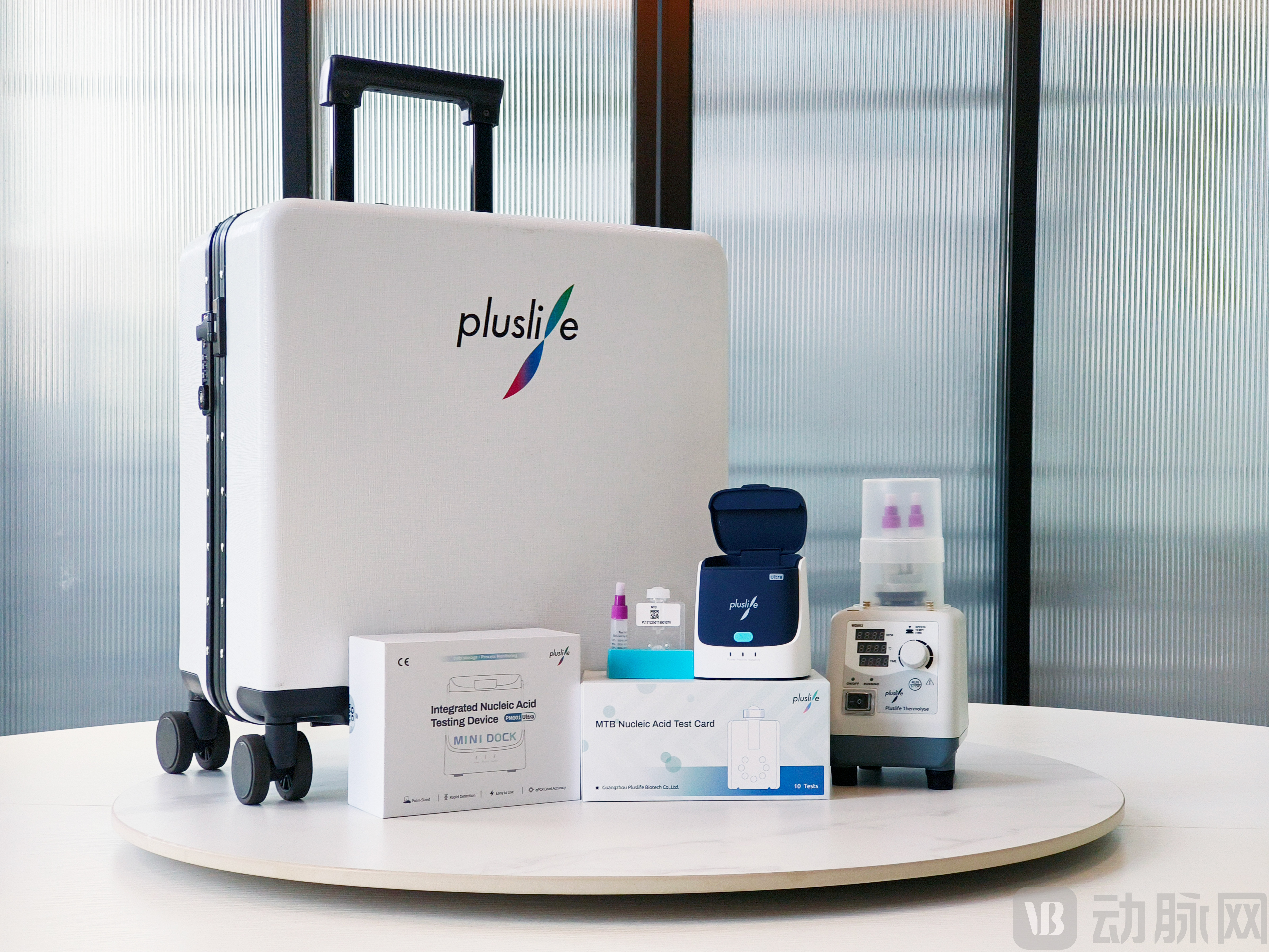
Universal Bio TB Detection Products (Suitable for Sputum and Tongue Swab Samples)
Traditional tuberculosis testing relies on sputum samples. However, as previously mentioned, 20% to 30% of patients are unable to produce sputum. In contrast, the advantage of tongue swabs lies in their non-invasive nature; they do not require patients to expectorate, as samples can be collected simply by swabbing the dorsal surface of the tongue back and forth. This makes tongue swabs a convenient, non-invasive sample collection method for children and HIV-positive patients who cannot produce sputum.
The first step in directly integrating into the global public health supply chain is to ensure that the company engages with international organizations during the product definition phase.
In February 2026, the World Health Organization (WHO) updated its guidelines for tuberculosis (TB) testing. The Poshiva TB testing solution (using sputum and tongue swabs) has received explicit recommendation, becoming the first-in-class and the first globally recommended solution within the WHO NPOC-NAATs category for TB diagnostics. This advancement is driving TB diagnosis from central laboratories to clinical settings closer to patients. The underlying reason is that Poshiva undertook an initiative that many Chinese companies are often reluctant to pursue, namelyStep 2: Global, Multicenter, Independent Third-Party Clinical Validation。
PulsiLiva neither interferes with nor leads the subsequent validation of its products; it simply hands them over to independent overseas clinical institutions and provides basic training. The institutions then take the lead in conducting head-to-head comparative clinical trials against the gold standard across seven countries, with the final clinical data published in The New England Journal of Medicine.
The results have proven the product’s robustness. Tongue swab testing demonstrated excellent concordance with sputum testing, and the tongue swab method itself received a “strong recommendation” from the WHO.
Zeng Xiaofan emphasized that clinical data is the key to persuading customers. In the past, Europe followed a notification system in the IVD field, making it relatively easy to obtain product certification. However, what matters more is having solid data to convince customers and prove that the product itself is reliable; otherwise, even with certification, the product will not sell.
More importantly, once the data becomes robust enough, KOLs take over the next step of PR (Public Relations) on behalf of enterprises.
At the World Lung Health Conference, Puhua Lihua itself did not deliver any presentations; instead, all data and product introductions were presented by independent third-party key opinion leaders (KOLs) and partners. This approach significantly enhanced credibility among overseas clients. “International markets place particular emphasis on this. If a company speaks only for itself, it naturally invites skepticism,” said Zeng Xiaofan.
After receiving WHO recommendation,The next step is to enter the global procurement system.. In July 2025, Pusu Lihua obtained the Global Fund’s ERPD (Early Rapid Diagnostic Products) certification, enabling its inclusion in the Global Fund’s procurement catalog. From securing the ERPD certification in July 2025 to receiving formal endorsement from WHO experts at the World Lung Health Conference in November, and finally initiating procurement negotiations, the entire process spanned nearly a year.
The challenge in the negotiations lies in the fact that Puli Pharma's products are too new.
The traditional model for tuberculosis testing relies on central laboratories, where samples are typically sent to major cities for analysis using large-scale equipment before results are issued. Pusuilihua’s solution adopts a “point-of-care” approach. First, the device is only palm-sized and battery-powered, enabling on-site result generation directly at primary care clinics.
This signifies a disruptive optimization of the tuberculosis testing model, capable of drastically reducing detection time, enhancing convenience, and reaching a broader population. However, it also necessitates the complete reconstruction of the entire training system, after-sales support system, and supply chain system. At that time, the core team at Pushi Lihua was exploring how to build a more effective scenario that would ensure the product’s practical application while mitigating potential risks.
In June 2026, the Global Fund officially announced the rollout of Universal Diagnostics’ near-POC molecular testing solution across 13 countries—Bangladesh, Benin, Cameroon, Ethiopia, Indonesia, Kenya, Nigeria, Peru, the Philippines, South Africa, Uganda, Vietnam, and Zambia—with the initial order exceeding USD 13 million.
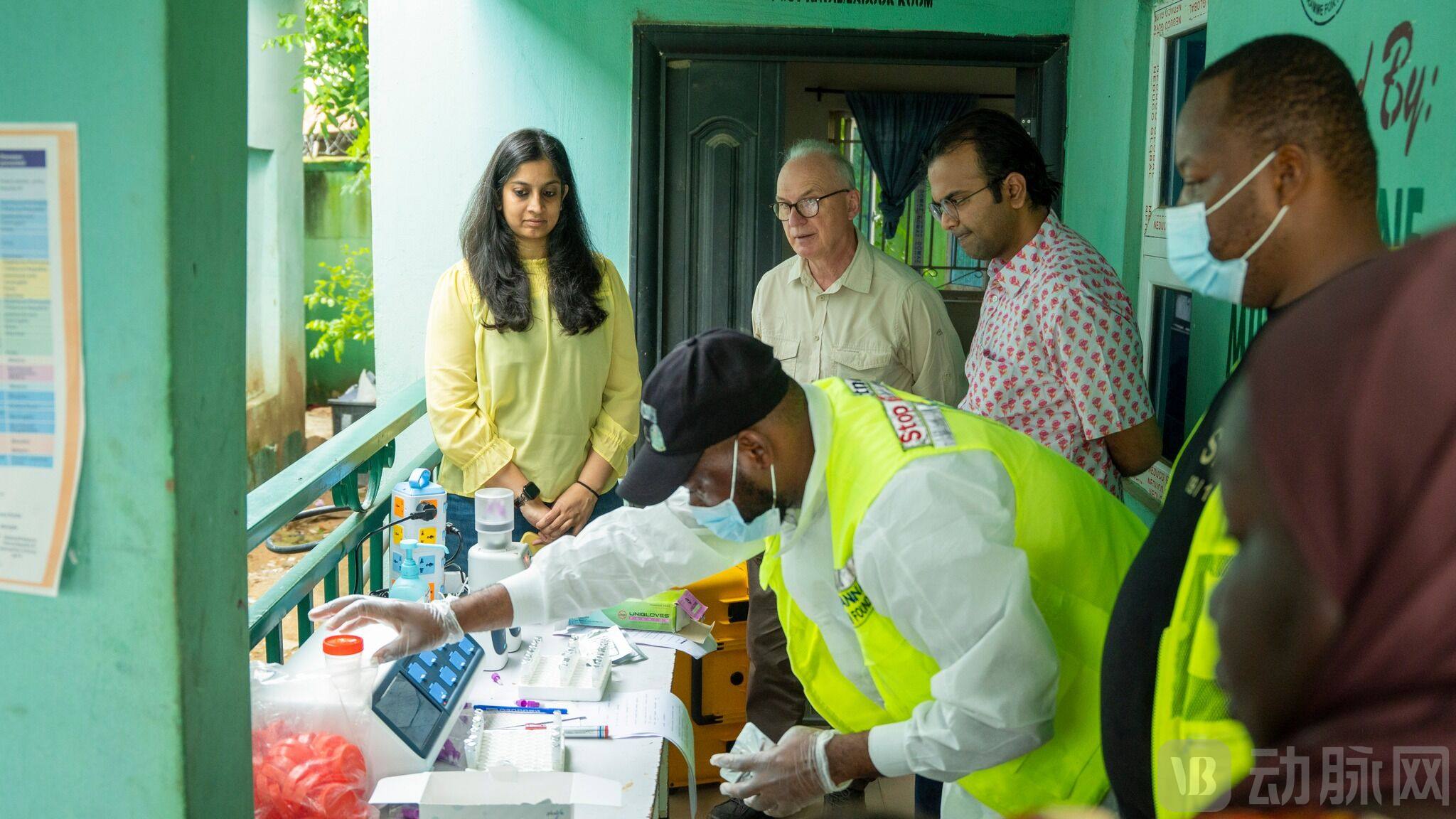
Pusilihua Near-POC Solutions Implemented at the Grassroots Level
This is just the beginning.
The Global Fund spends approximately USD 100 million annually on procuring tuberculosis (TB) diagnostics. A larger market stems from the independent budgets of individual countries, which are highly likely to place orders directly with manufacturers. Calculating the total figures, this related market generates hundreds of millions of dollars in orders each year. Furthermore, the aforementioned scenario reflects only the market size under the existing central laboratory model. Since a significant number of newly diagnosed patients still lack access to current products, the actual demand for testing is at least twice as high.
A rough estimate suggests that the global market size for tuberculosis diagnosis alone, as a specific niche sector, is at the level of tens of billions of RMB.
Pusili Hua’s instruments are priced at approximately 1% of mainstream products, while the cost per test for reagents ranges from one-quarter to one-third of that of mainstream alternatives. In a market characterized by high volume but low unit prices, this pricing structure is just viable. Moreover, its payment terms are more favorable compared to those in China. Zeng Xiaofan put it bluntly: “In China, payment cycles now stretch from 12 to 18 months, resulting in many bad debts. However, the Global Fund has much shorter payment cycles, allowing for quick receipt of payment after delivery.”
4A Person's Metaphysical Moment
Zeng Xiaofan joined PSL in May 2026.
Prior to that, her career path followed an entirely different trajectory. During her seven-year tenure at Qiming Venture Partners, she invested in numerous healthcare projects, including Puhui Lihua. After leaving Qiming Venture Partners, she joined the Bill & Melinda Gates Foundation, or more precisely, transitioned to the Shanghai Global Health Innovation Institute (GHI) to serve as an ecosystem builder, assisting Chinese enterprises in expanding into overseas markets. At the time of her departure from Qiming Venture Partners, Zeng Xiaofan had not given any consideration to joining any of its portfolio companies.
However, during her few months at the Gates Foundation, she witnessed the rapid growth of Universal Health and developed the idea of personally engaging in project promotion.
There were two moments that she felt could be described as "metaphysical."
The day the company secured ERPD qualification from the Global Fund was her last day at Qiming Venture Partners; the Global Fund’s formal purchase order arrived just before she joined the company. Zeng Xiaofan once felt as if fate itself had pushed her toward this path.
The moment of sudden inspiration still traces back to the World Lung Health Conference in Denmark in November 2025. “Sitting in the conference hall, I heard the WHO spokesperson state that the Puleva tuberculosis testing solution would become the future first-in-class. It was truly prideful to see the company I had accompanied for so many years being recognized by an international authoritative organization.”
But she decided to join for a deeper reason.
At that time, the entire Chinese in vitro diagnostics (IVD) industry was at a low ebb. Investment institutions became increasingly cautious, and government support signals remained unclear. Yet it was precisely at this industry trough that Pushi Lihua successfully carved out a novel overseas expansion path against the tide, one that has gained recognition from authoritative international organizations.
Her experience at the Bill & Melinda Gates Foundation provided Zeng Xiaofan with more practical experience in helping companies expand globally. However, she found that the impact of presentations, conferences, or forums was quite limited. This is because CEOs, who are key decision-makers, rarely attend such events, and public health is not a strategic priority for most companies. Therefore, the industry needs a successful case study to serve as an example, which would be far more persuasive than hundreds of industry forums.
The choice lay before Zeng Xiaofan: continue building the ecosystem, or step into the arena and blaze a new trail?
She chose the latter.
And Puhui Lihua is becoming that case.
Pulsed Health’s international expansion path differs from the traditional OEM, trade show participation, and distributor-seeking approaches of Chinese IVD companies. Starting from the public health market, it treats independent third-party clinical data as its foundation, leverages WHO recommendations as a credential, and directly integrates into the procurement system of the Global Fund. This route has unique entry barriers, but once successfully navigated, it strengthens brand ownership and corporate autonomy while offering more sustainable profit margins.
Thirteen countries are merely the starting point. The scaling up of independent national budgets, along with the expansion into product lines beyond tuberculosis—such as HPV and STI diagnostics—are all part of Universal Bio’s product roadmap. This proven pathway is now drawing increasing attention from more Chinese IVD companies.
About the Global Medical Product Collaboration (GMPC) Platform
Since 2022, VCBeat has continuously focused on the global expansion of Chinese pharmaceutical and medical device products. VCBeat, GHWP (China) Academy, LinkedIn China, PwC China, and the Ferryman Supply Chain Management Club jointly launched the Global Medical Product Collaboration Platform (GMPC), a practical industrial collaboration network for the globalization of Chinese pharmaceutical and medical device enterprises. VCBeat serves as the permanent secretariat. GMPC is not a traditional resource platform but a global market expansion and conversion system for Chinese pharmaceutical and medical device products. Rooted in China’s pharmaceutical and medical device supply chain and aligned with global commercial channels and compliance standards, it helps companies systematically address core breakpoints—such as market assessment, regulatory compliance, channel partnerships, brand trust, and sustained conversion—through organized connectivity, enabling a leap from “opportunity-driven” growth to “systematic competition.” During its preparatory phase, the platform received strong support from relevant organizations, including the China Chamber of Commerce for Import and Export of Medicines and Health Products, the Global Health Economics Branch of the Chinese Society of Health Economics, and the Bill & Melinda Gates Foundation.