

SynMetabio Completes Over RMB 100 Million Series A Financing, with AI Driving the Accelerated Industrialization of Bio-Based Leather

SynMetabio
Developer of New Synthetic Biology Materials

CEC CAPITAL
Investment and Asset Management Institutions

Nest.Bio Ventures
Life Sciences Venture Capital Firms
SynMetabio announced the completion of a Series A financing round exceeding RMB 100 million. This round was jointly led by Erdos, a benchmark enterprise in China's textile and apparel industry, and Heda Financial Services, with follow-on participation from Nest.Bio Ventures, and CEC Capital Group serving as the exclusive financial advisor.
Erdos is not only a benchmark enterprise in China's textile and apparel industry, but also a diversified industrial group spanning energy and power, low-carbon metallurgy, and green chemicals, participating in this round as industrial capital. Heda Financial Services serves as the fund manager for Zhejiang Province's "4+1" Biomedical and High-End Medical Device Industry Fund, participating as state-owned capital. Nest.Bio Ventures, as a professional investment institution focused on cutting-edge innovation in the life sciences sector, continues to deploy in relevant fields and participated as a follow-on investor, serving as a key synergistic partner to the two lead investors.
The funds raised in this financing round will be primarily used to advance the company's commercial expansion and production capacity development, as well as to accelerate the technological innovation and product iteration of bio-based leather through the application of artificial intelligence technologies.
1SynMetabio – A World-Leading Sustainable Manufacturer of Bio-Based Leather
Founded in 2021, SynMetabio is dedicated to combining cutting-edge synthetic biology technologies with advanced material modification sciences, with artificial intelligence technologies integrated throughout the entire research, development, and production chain, to create a new generation of innovative bio-based materials represented by bio-based leather, transitioning high-performance materials required for consumer products from petroleum-based to bio-based sources.
SynMetabio's independently developed bio-based leather technology solutions have successfully broken through the traditional "impossible quadrangle" of bio-based leather, where cost, mass production, performance, and texture were difficult to achieve simultaneously. The company has established differentiated product positioning across two distinct application scenarios: genuine leather and synthetic leather:
Mulkol-3 Series: Positioned as an affordable synthetic leather alternative, benchmarked against traditional polyurethane and other synthetic leather products, focusing on cost-effective large-scale applications.
Mulkol-5 Series: Positioned as a premium genuine leather alternative, benchmarked against top-tier genuine leather products, targeting the mid-to-high-end market.
These two series provide global brands and consumers with truly scalable low-carbon material solutions, covering multiple application scenarios including sports, luxury goods, hospitality, and home furnishings. At the same time, SynMetabio is leveraging artificial intelligence technologies to accelerate the discovery and iteration of next-generation bio-based materials.
2Dual-Driven Approach – Policy Guidance Driving Standards Development, with Industry Leaders Committed to Sustainability
In recent years, policies have played an important role in driving the upgrading of the leather industry, promoting its transition toward green, high-end, and intelligent development through measures such as strengthened environmental standards, tax incentives, financial support, and industrial policy guidance.
Taking the European Union as an example, the Carbon Border Adjustment Mechanism, as the world's first systematically implemented carbon border adjustment tool, has entered the phase of substantive fee collection. Its core logic is to impose on imported high-carbon products the same carbon costs borne by domestically produced products within the European Union, thereby compelling global supply chains to reduce emissions. As the European Union uses the Carbon Border Adjustment Mechanism to raise the implicit costs of high-carbon materials, SynMetabio's low-carbon and even carbon-negative attributes are becoming its most formidable cost-competitive advantage.
At the same time, global industry leaders are accelerating the commercialization of bio-based materials through technological innovation, certification systems, and vertical integration. The materials revolution has evolved from "environmental storytelling" to "core competitive moat," and the ultimate battlefield for sustainable materials has extended from the laboratory to every touch and choice made by consumers.
3Innovative Solutions – Better Performance, Lower Cost, Greater Sustainability
The global leather products market exceeds RMB 3 trillion, yet traditional animal leather and synthetic leather production face three major challenges: high carbon emissions, supply volatility, and increasing pressure on brands to meet Environmental, Social, and Governance standards. SynMetabio leverages synthetic biology as its foundational technology, directly producing bio-based resin raw materials through microbial fermentation, which are then processed into finished leather products. By reconstructing leather materials at the molecular level, the company achieves over 80% reduction in carbon emissions, production costs that in some cases are even lower than those of traditional oil-based polyurethane products, and physical properties—including abrasion resistance, breathability, and flexibility—that rival those of genuine leather.
With its combined advantages in performance, cost, and scalable production, SynMetabio's bio-based leather products, leveraging their inherent low-carbon, environmentally friendly, and sustainable characteristics, are poised to achieve disruptive substitution of the traditional leather industry.
Starting from foundational bio-based resin raw materials, SynMetabio has established a unique product system of "raw materials, coating materials, and finished leather," breaking its heavy dependence on traditional chemical raw materials. More importantly, artificial intelligence has been deeply embedded into the company's research and development and production processes: from strain screening and gene editing design to parameter optimization in liquid fermentation processes and mass production yield control, SynMetabio has built a full-chain data-driven research and development engine, pushing the efficiency of biomaterial development and scale-up success rates to the forefront of the industry—this constitutes the fundamental barrier that distinguishes the company from traditional materials enterprises.
SynMetabio's core product is the Mulkol series of bio-based leather, offering alternatives with high bio-based content, lower cost, superior performance, and environmental friendliness. Through stable product supply and market expansion, the company is progressively building a mature business foundation and brand capabilities. On the production side, SynMetabio has established a light-asset collaboration with listed company Jujie Microfiber, forming a joint venture, Anhui Juyi Technology Co., Ltd. The current leather production line has achieved an annual capacity exceeding 16 million square meters. The two parties leverage mutual technological benefits and shared resources to jointly advance the large-scale production of bio-based leather and collaborative customer development.
Building on this foundation, the company is accelerating its expansion into the broader field of polymer bio-based materials, gradually establishing a presence in the upstream materials sector, with a focus on building a global elastomer raw material system, while simultaneously exploring diverse application directions including film materials and rubber materials. These materials will further extend into consumer goods packaging, industrial films, and various end-use applications, continuously broadening the company's industrial boundaries and application space.
SynMetabio's in-house research and development team continues to advance material development and technological iteration across different application scenarios and performance requirements, steadily enhancing the independent research and development capabilities and product systems for elastomer raw materials, driving the company from its leather business origins toward becoming a materials and bio-based innovation platform enterprise centered on raw material development.
4Commercial Progress – Rapid Global Market Penetration and Breakthroughs with Benchmark Clients Across Diverse Sectors
As of the first quarter of 2026, SynMetabio has established commercial partnerships with benchmark global clients across multiple application sectors including apparel, footwear, luggage, home furnishings, and consumer electronics, jointly advancing the true commercialization of bio-based leather.
In the sports sector, taking Anta as an example, SynMetabio has established a continuously deepening partnership with the company. In April 2025, the co-branded Aojie series footwear was launched. In November of the same year, the first phase of the ANTA ZERO × KRIS VAN ASSCHE collection went on sale. In March 2026, the second phase of the Kris Van Assche collaboration collection was launched, completing three rounds of iteration and commercial collaboration within nine months, demonstrating the scalability and replicability of bio-based materials within the supply chains of leading sports brands.
At the distribution level, SynMetabio has partnered with Yicai, an internationally renowned fabric distribution channel, as a core distribution channel partner, leveraging its global channel resources to accelerate product introduction across various industries.
In terms of diverse application scenarios, in the hospitality and home furnishings sectors, the company has established collaborations with brands including Atour and Kempinski. In the municipal and public space domain, products have been applied in benchmark projects such as Shanghai South Railway Station and Shanghai Daning Park. Through rapid deployment across furniture, apparel, luggage, accessories, and other sectors, SynMetabio has established a clear first-mover advantage in commercial expansion.
In its European strategy, Europe is home to numerous high-end fashion and consumer brands with strong and urgent demand for low-carbon and sustainable materials, making it one of the most valuable battlegrounds for bio-based leather. SynMetabio has established a wholly-owned subsidiary, SYNMETABIO, in France, serving as a regional headquarters hub for Europe. Through this French subsidiary, the company has established deep collaboration with distribution channels across the United Kingdom, Germany, Italy, Turkey, and the Nordic countries, radiating coverage across major European consumer markets. Against the policy backdrop of the European Union's Carbon Border Adjustment Mechanism, SynMetabio leverages the carbon reduction and sustainability advantages of its materials to deliver tangible cost benefits and brand value enhancement for European clients. To date, the company has secured cumulative orders approaching RMB 100 million in the European market, with commercial deployment outcomes continuing to materialize.
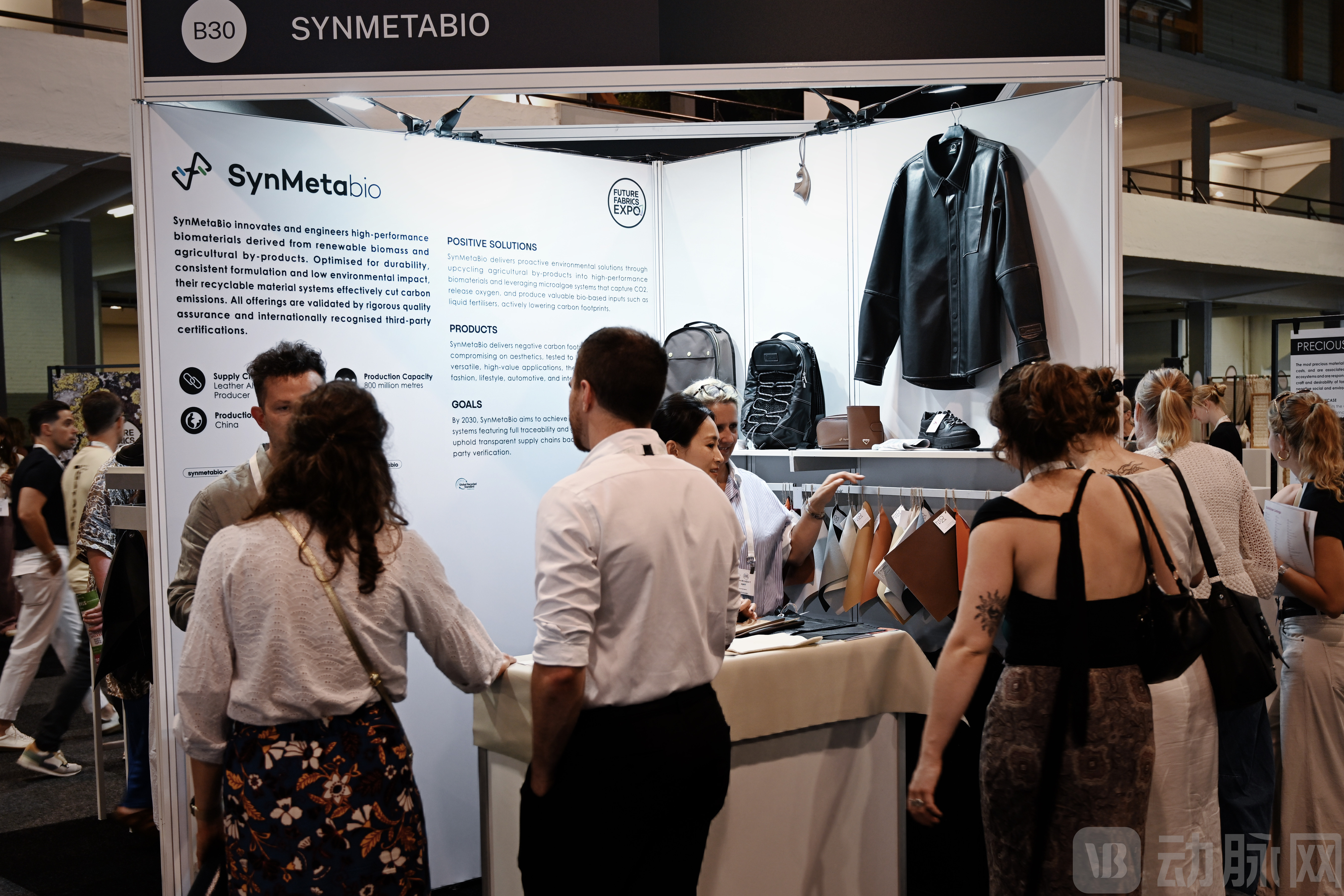 SYNMETABIO: Live Photos from Overseas Exhibitions
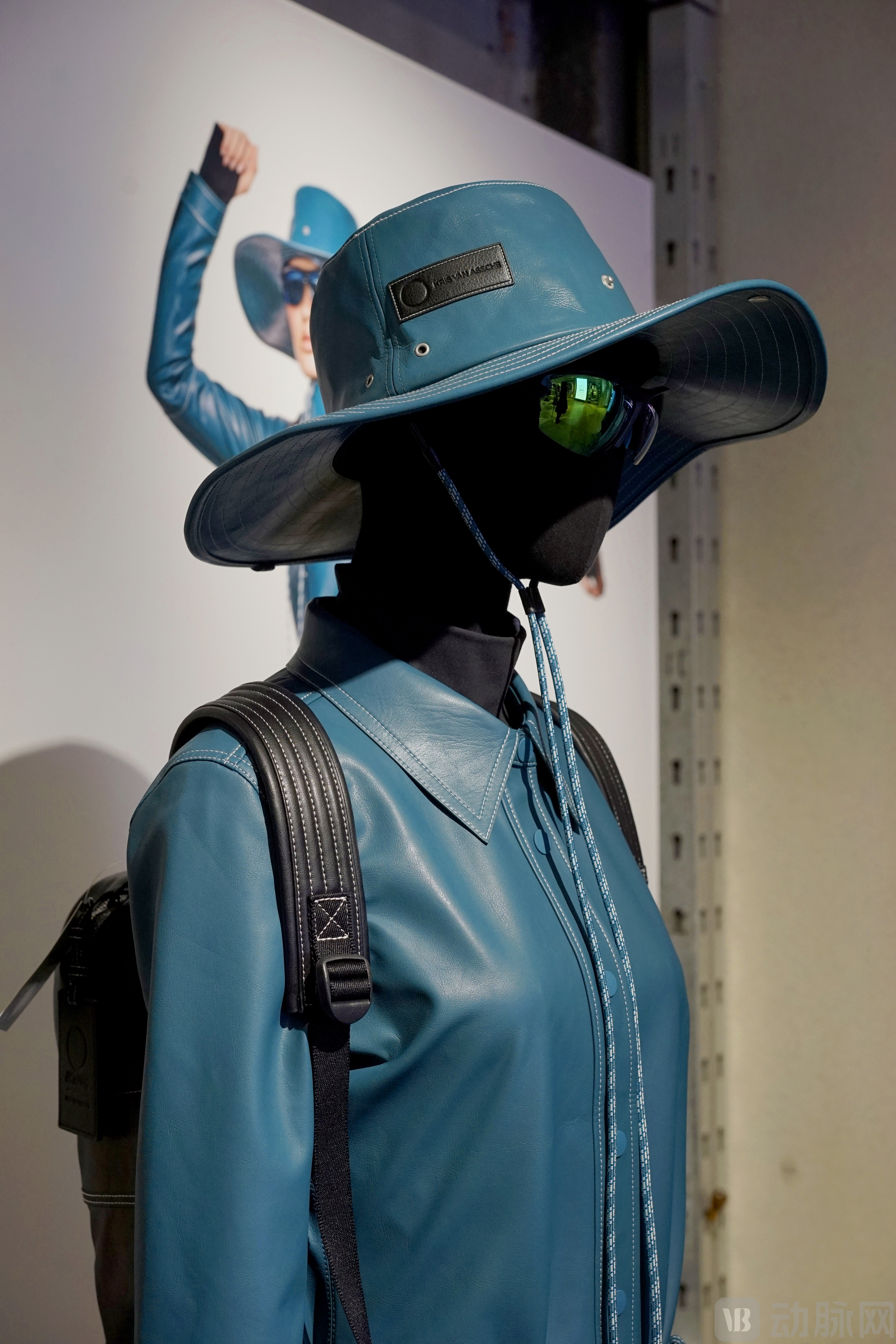

SynMetabio × ANTA ZERO × Kris Van Assche Designer Collection 2026 Spring/Summer New Arrivals · Vegan Leather Series
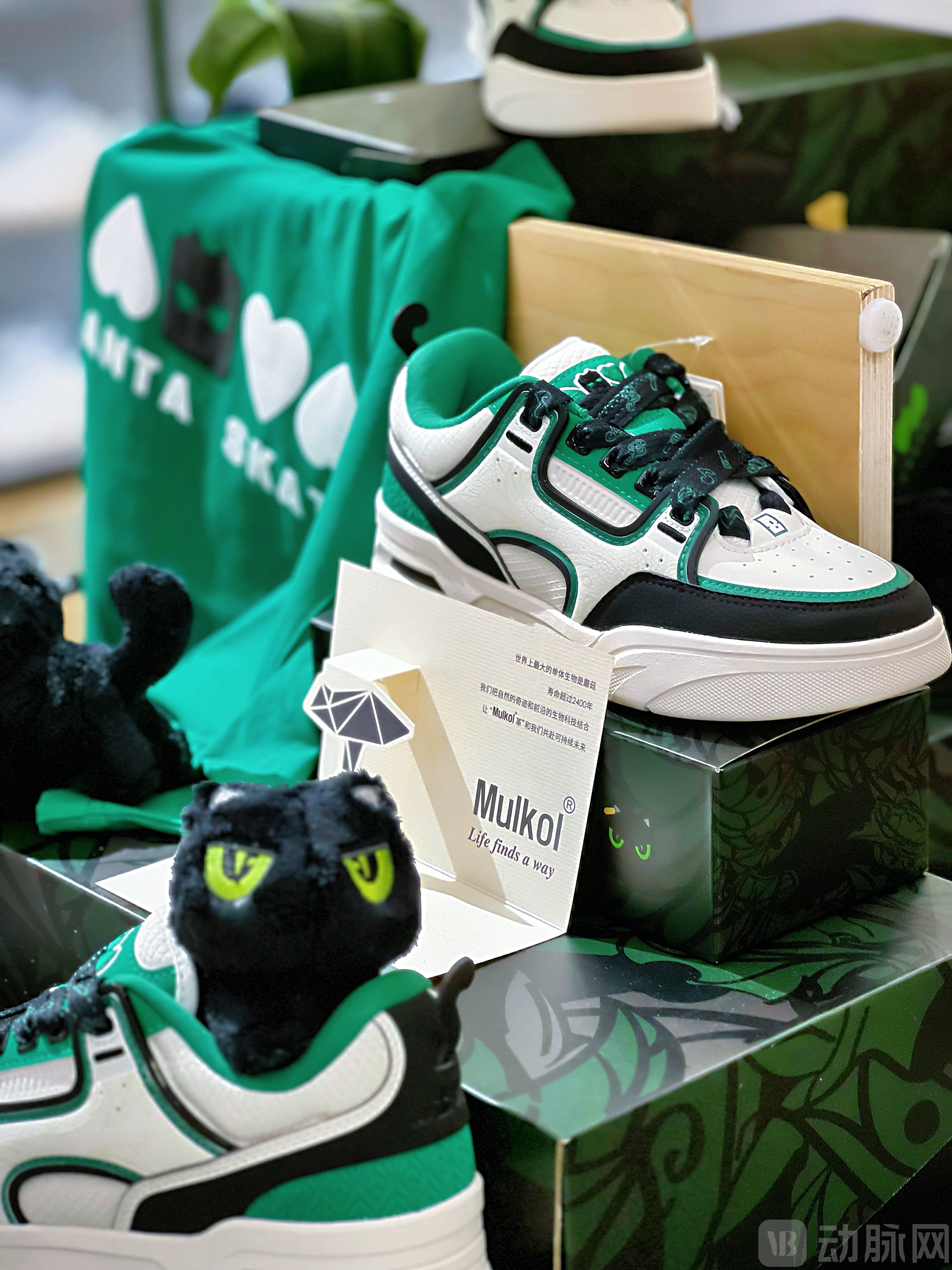
SynMetabio × Anta Aojie Series Athletic Shoes

SynMetabio × Atour Collaboration
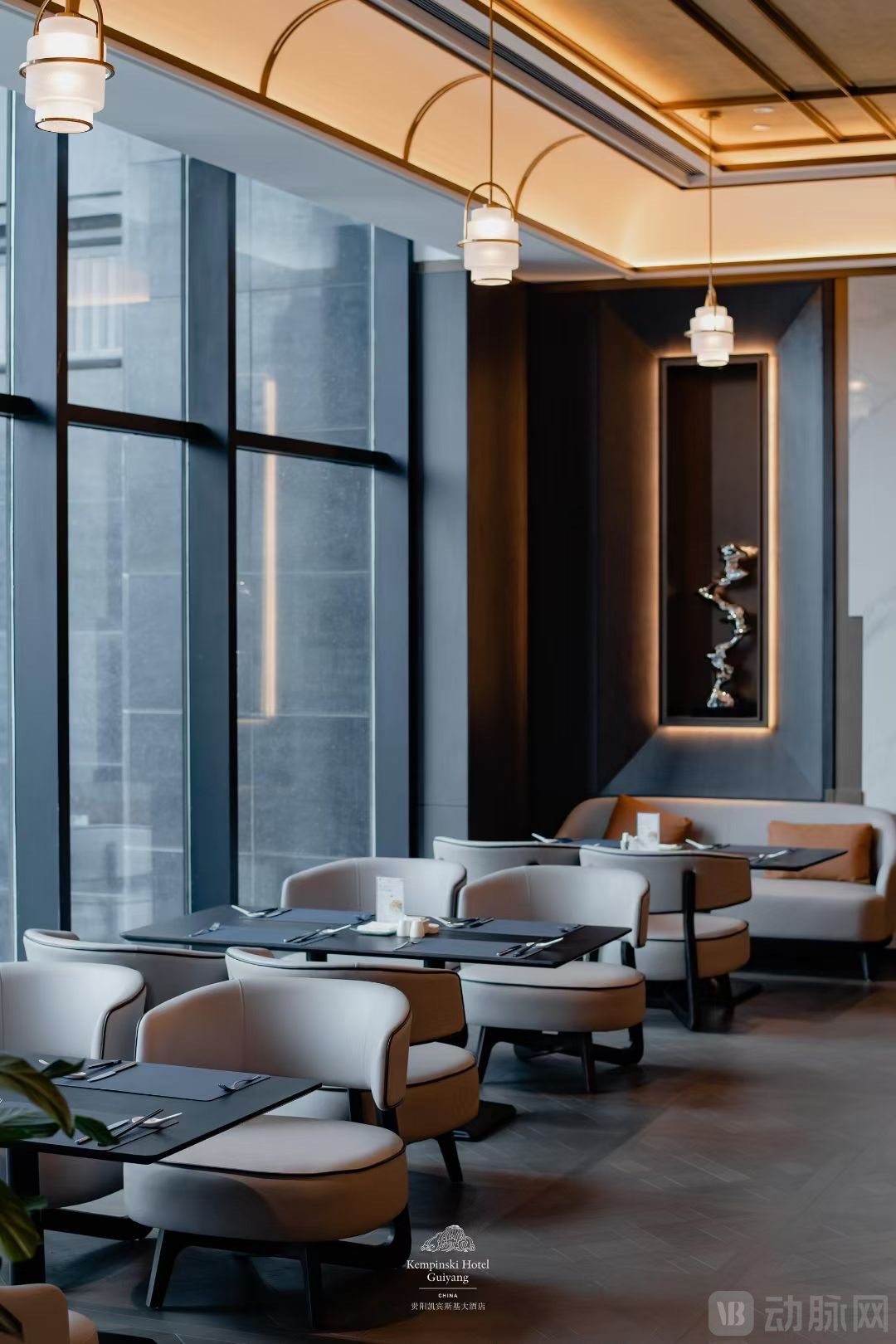 SynMetabio ×Kempinski Collaboration