Home Cardiovascular MedTech Unicorn Huhe Medical Files for STAR Market IPO Amid $1B+ Losses and Shrinking R&D Team

Cardiovascular MedTech Unicorn Huhe Medical Files for STAR Market IPO Amid $1B+ Losses and Shrinking R&D Team

Jul 05, 2026 08:00 CST Updated 08:00

H&H Healthcare

R&D and Producer of Interventional Medical Devices for Heart Disease

Image         
The STAR Market has never lacked companies that go public while posting losses, but it is indeed rare to see one like H&H Healthcare, where the criticisms and the hype are completely disconnected.
汇禾医疗启动IPO:专注于心血管介入医疗器械,元禾、IDG为股东_手机新浪网
On June 30, the IPO application of H&H Healthcare, which enjoys the dual distinction of being a unicorn in cardiovascular medical devices and a key service unicorn enterprise in Shanghai, was officially accepted by the Shanghai Stock Exchange, marking its formal entry into the listing review process.
Judging by its titles alone, it is a clear dark horse in the industry: Shanghai H&H Healthcare Technology Company Ltd., established in May 2019 and rooted in Songjiang, Shanghai, is a highly representative high-tech enterprise in China’s pan-vascular intervention sector, as well as a Shanghai Key Service Unicorn Enterprise and a Gazelle Enterprise. Since its inception, the company has consistently adhered to the development philosophy of original innovation and integration of medicine and engineering, focusing on the independent research and development, manufacturing, and sales of innovative medical devices in three core areas—structural heart intervention, vascular intervention, and oncology intervention—while deeply cultivating the high-barrier, high-end interventional medical device sector.
Leveraging its independently developed core technologies and precision manufacturing capabilities, H&H Healthcare has established a comprehensive portfolio of innovative products. Several of these products represent first-of-their-kind developments in China, breaking import monopolies, with some technologies reaching global leading standards. As one of the few domestic companies capable of original R&D and commercialization of multi-pipeline, high-end pan-vascular interventional devices, its growth potential is widely recognized by both the capital market and the industry. However, beneath this glossy facade lie unavoidable operational challenges: on one hand, a top-tier innovative product portfolio; on the other, continuous financial losses, a shrinking R&D team, and highly controversial expansion plans. Is this seemingly glamorous medical device unicorn a promising stock poised for breakthrough success after long accumulation, or a risky stock burdened with heavy obstacles? Today, we delve deep into all aspects.

01
Holding Multiple Domestic Firsts, Yet Losing 700 Million in Three Years

H&H Healthcare’s confidence has always stemmed from its robust product strength.
The company has deeply cultivated the pan-vascular intervention field, focusing on three high-growth sectors: structural heart, vascular, and oncology. It has developed multiple innovative products that are first-of-their-kind in China and have broken import monopolies, demonstrating significant commercialization potential.
Flagship Products: Each One a Powerhouse
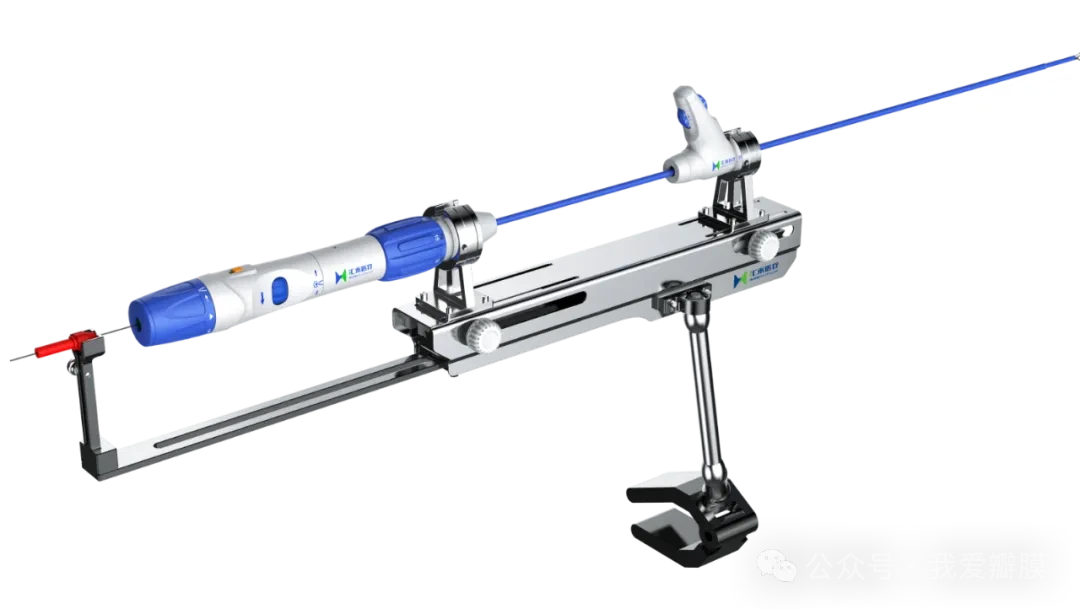
  • K-Clip Transcatheter Tricuspid Annuloplasty System: Approved for market launch in 2025, filling a domestic gap in this field and serving as the company's core revenue pillar;
    葛均波院士团队完成汇禾医疗K-Clip™首例临床入组:国产三尖瓣介入修复器械打开新格局 -- 严道医声网
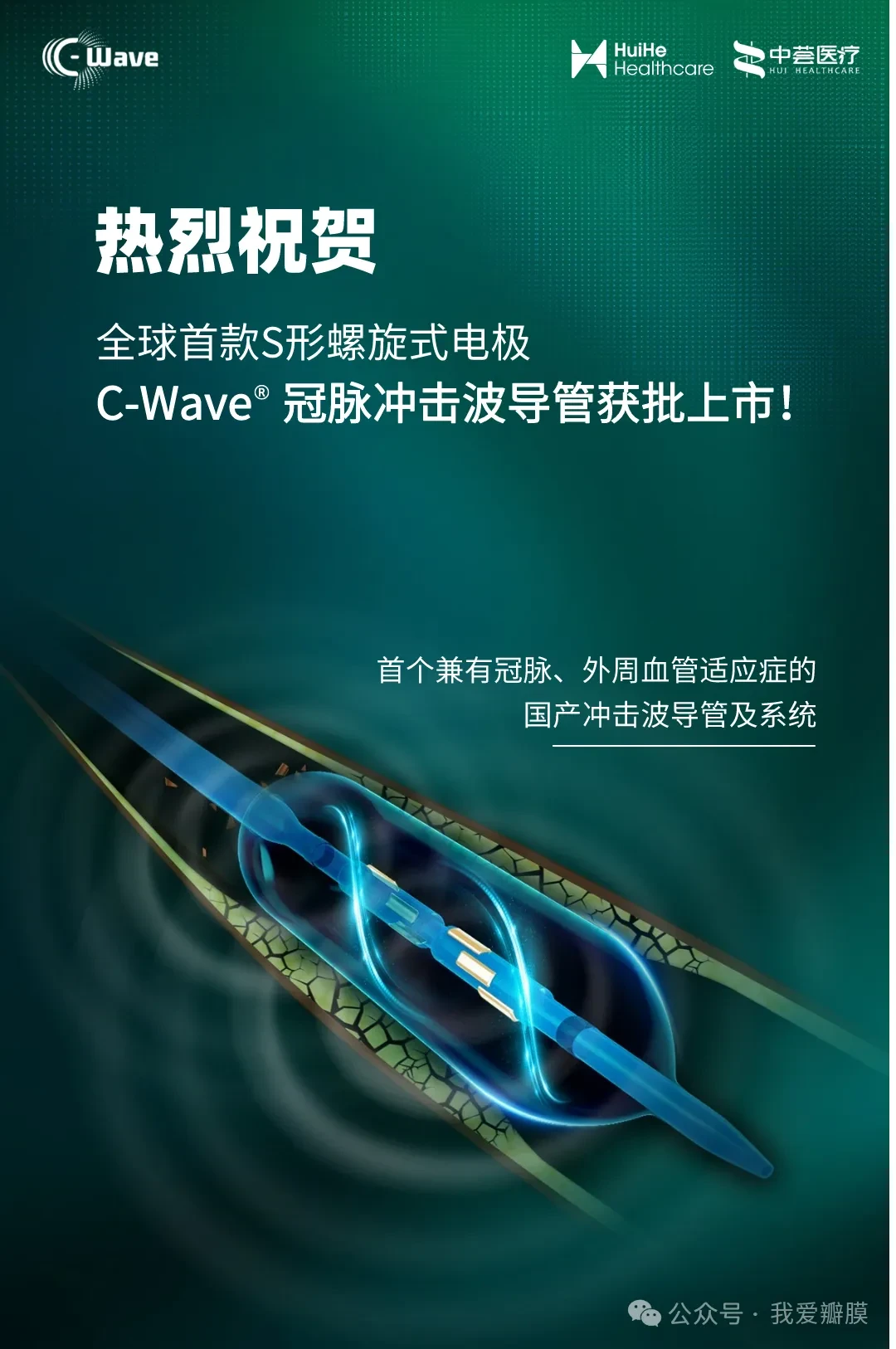
  • C-Wave Intravascular Shockwave Catheter: The first domestically approved intravascular shockwave catheter in China, it has sequentially secured approvals for peripheral and coronary indications, capturing a share of the high-end vascular intervention market;
    祝贺!汇禾医疗C-Wave®冠脉冲击波导管获批上市!_
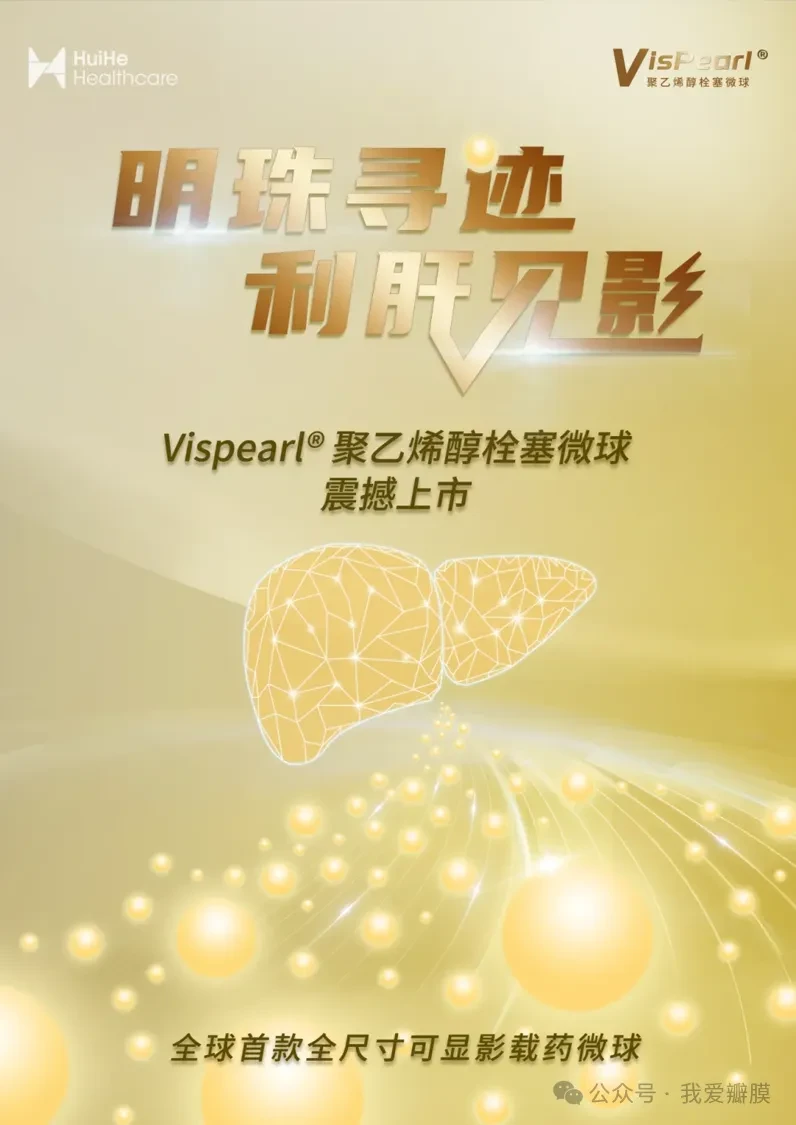
  • Vispearl Polyvinyl Alcohol Embolization Microspheres: The First Radiopaque Drug-Eluting Microspheres in China, Strategically Positioned in the Golden Track of Tumor Interventional Therapy.
Image
With these original products, H&H Healthcare has successfully joined the ranks of unicorns, which is also the core reason why the capital market is optimistic about it.
However, the cost of innovation in high-end medical devices is prolonged cash burn and sustained losses.
Prospectus data shows that H&H Healthcare’s revenue achieved leapfrog growth over the three-year period from 2023 to 2025, surging from RMB 2.8037 million to RMB 102 million, with its commercialization rollout visibly accelerating.
Yet the profit segment continues to bleed, never having achieved profitability:
  • Net profit attributable to shareholders of the parent company recorded a loss of RMB 201 million in 2023
  • Net profit attributable to shareholders of the parent company recorded a loss of RMB 190 million in 2024
  • 2025 Net Profit Attributable to Parent Company Recorded a Loss of RMB 219 Million
As of now, the company's accumulated uncovered losses have reached RMB 738 million.
H&H Healthcare’s explanation for its continued losses is straightforward: the barriers to R&D in innovative pan-vascular interventional medical devices are extremely high, with substantial upfront investments in equipment, technology, and clinical trials; heavy cash burn is an industry norm.
More alarmingly, the company’s cash flow has remained under continuous pressure. During the reporting period, net cash flows from operating activities were negative for three consecutive years, amounting to RMB -98.046 million, RMB -73.9687 million, and RMB -55.3829 million, respectively, with operations sustained solely through continuous financing injections.
Lin Xianping, an associate professor at Zhejiang University City College, analyzed and stated that H&H Healthcare is still in the early stages of commercialization. Although its revenue growth is impressive, high R&D investments and ongoing marketing expenses continue to erode profits, making it difficult to achieve a profitability turnaround in the short term.

02
Fatal Risk: Consecutive Years of R&D Team Downsizing Lead to Erosion of Core Innovation Capacity

If persistent losses are the "common pain point" for innovative medical device companies, then the continuous shrinkage of the R&D team is the unique "individual risk" of H&H Healthcare.
In the medical device industry, R&D personnel are the core productive force, and team stability directly determines a company's future product iterations and technological barriers. However, H&H Healthcare's R&D team is shrinking year by year.
2023–2025: The company’s R&D staff headcount experienced a precipitous decline:
  • 2023: 87 employees, with R&D personnel accounting for 37.5%
  • 2024: 69 employees, with R&D personnel accounting for 30%
  • 2025: Only 58 people, with the proportion of R&D personnel dropping to 25.22%
Over three years, the R&D team shrank by 33 members, a reduction of over one-third in size, with their proportion of the workforce nearly halved.
In contrast, the sales team has continued to expand in size, surging from 13 to 54 employees over three years, with the proportion of sales personnel skyrocketing from 5.6% to 23.48%.
Amid the decrease in one area and the increase in another, H&H Healthcare’s strategic shift toward “heavy sales, light R&D” has become strikingly evident.
The downward trend in R&D investment is also evident. During the reporting period, the company's R&D expenses decreased annually from RMB 134 million in 2023 to RMB 90.0459 million in 2025, resulting in a significant decline in the R&D expense ratio. Notably, employee compensation for R&D personnel has decreased for three consecutive years, directly reflecting the contraction of the R&D team.
In response, H&H Healthcare provided the following explanation: With its core products successively approved for market launch and entering mass production, commercialization is gradually maturing. The company has optimized its personnel structure, strengthened workforce efficiency management, and proactively reduced the size of its R&D team.
However, from the perspective of industry experts, this procedure carries significant hidden risks.
Zhang Yue, Chairman of Aoyou International, stated bluntly that H&H Healthcare still has multiple product pipelines under development awaiting commercialization, including core innovative projects such as the K-Plus and Tri-Cap tricuspid valve clipping systems and the Mitral Combo system. The reduction in R&D personnel is likely to slow down product development and registration progress, causing the company to directly miss the market window period.
More critically, the company’s R&D team currently lacks a strong reserve of high-end talent, with only one PhD and 18 Master’s degree holders on staff at the end of the reporting period, revealing weaknesses in its talent pipeline development. For a high-end medical device enterprise that relies on continuous innovation to maintain its competitive position, the erosion of R&D capabilities has far more profound and fatal consequences than short-term financial losses.

03
Idle Capacity, Yet Insisting on Expansion! Is the RMB 1.1 Billion Fundraising a Necessity or a Gamble?

H&H Healthcare Plans to Raise RMB 1.11 Billion in Its STAR Market IPO, with Clear Allocation of Funds: RMB 430 Million for Building a New Production Center, RMB 210 Million for New Product R&D, RMB 220 Million for Overseas Clinical Development, and RMB 250 Million for Supplementing Working Capital
The biggest highlight, as well as the most controversial point, is the large-scale expansion of production capacity.
The company stated that the completion of its new production center would significantly boost the production capacity of structural heart intervention products, supporting future business expansion. However, the awkward reality is that existing capacity is far from fully utilized, with idle capacity being a prominent issue.
Taking the core product, the K-Clip Tricuspid Annuloplasty System, as an example, the company’s designed annual production capacity is as high as 5,000 sets. However, the actual output in 2025 was only 1,435 units, with corresponding sales volume reaching merely 657 units. The capacity utilization rate was less than 30%, leaving a significant portion of production capacity idle.
On one hand, existing production capacity is severely underutilized, with product sales falling short of capacity expectations; on the other, heavy investments are being poured into expanding production and capacity. H&H Healthcare’s actions have left the market full of questions.
Zhang Yue’s analysis points out that this capacity expansion plan conceals significant risks. If the hospital coverage rate of core products and the volume growth under medical insurance reimbursement fall short of expectations in the future, while products under development fail to gain timely regulatory approval and market launch to sustain momentum, the newly added production capacity will remain entirely idle. Consequently, equipment depreciation and site amortization will continue to drag down the company’s profits, exacerbating pressure on losses.
Certainly, H&H Healthcare's capacity expansion is not without rationale. The company’s newly built production facilities adopt a flexible manufacturing layout shared across multiple products, rather than being dedicated to a single product. In the future, if multiple pipelines under development are successfully commercialized and overseas markets are effectively penetrated, the shared capacity can be allocated among various products, thereby alleviating pressure from idle capacity.
Simply put, the success or failure of capacity expansion hinges entirely on two key factors: the speed of commercial implementation and the approval pace of new products. Once this rhythm is disrupted, the current fundraising for capacity expansion will turn into a high-risk gamble.

04
Unicorns Navigating Obstacles: Breakout or Pitfall?

A Review of H&H Healthcare’s IPO Performance: A Coexistence of Opportunities and Risks, Highlights and Flaws
Its advantages are striking: firmly rooted in the high-end cardiovascular intervention sector, it holds multiple domestically pioneered products. With vast market potential and an urgent demand for import substitution, its revenue is growing rapidly, leaving no doubt about its growth potential.
However, its weaknesses are fatal: accumulated losses exceeding RMB 700 million and sustained pressure on cash flow; a shrinking R&D team and dwindling innovation capacity; idle production capacity coupled with counter-trend expansion, resulting in heightened operational uncertainty.
H&H Healthcare’s decision to pursue listing on the STAR Market under its fifth set of criteria itself reflects the capital market’s inclusiveness toward innovative medical device enterprises—allowing for short-term losses, tolerating early-stage cash burn, and providing growth space for hard-core innovators.
However, tolerance never equates to unconditional bailouts. Capital markets are willing to pay for a company’s future growth prospects, but not for persistent internal friction and blind expansion.
For H&H Healthcare, the most urgent task at present is not to blindly expand production or rush toward an initial public offering (IPO), but rather to stabilize its R&D team, accelerate the commercialization of its products, and revitalize existing idle production capacity.
Going public is not the finish line, but merely the starting point for development. If the core issues of R&D contraction, profitability challenges, and capacity mismatch cannot be resolved, even a successful listing on the STAR Market will only lead to more severe operational pressures and market tests in the future.
As for this highly controversial medical device unicorn, whether it can successfully navigate the challenges and emerge from the quagmire of losses remains to be seen.
Interactive Topic
What’s your take: Is H&H Healthcare, with its R&D contraction and consecutive years of substantial losses, worth the capital market’s investment? Is its counter-trend capacity expansion a long-term strategic move or a reckless gamble? Share your views in the comments.