

2026 BOC Hematologic Malignancies Session: Multidimensional Innovations and Cutting-Edge Chinese Advances in Lymphoma, Myeloma, and Stem Cell Transplantation
Legend Biotech
Tumor Cell Immunotherapy Developer

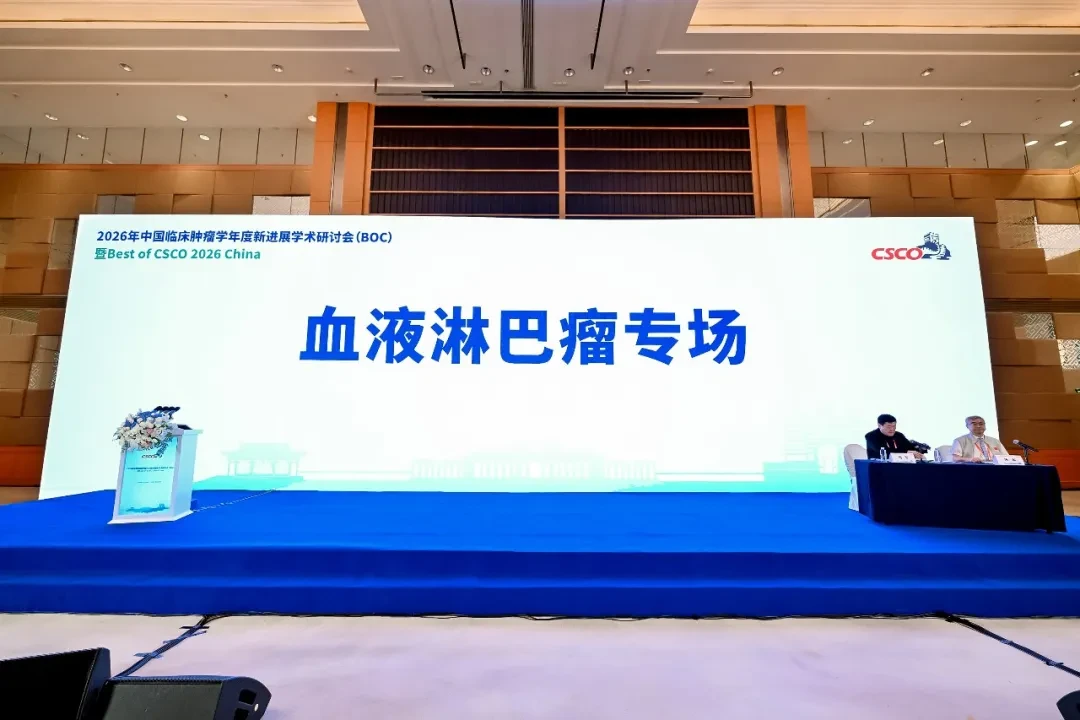
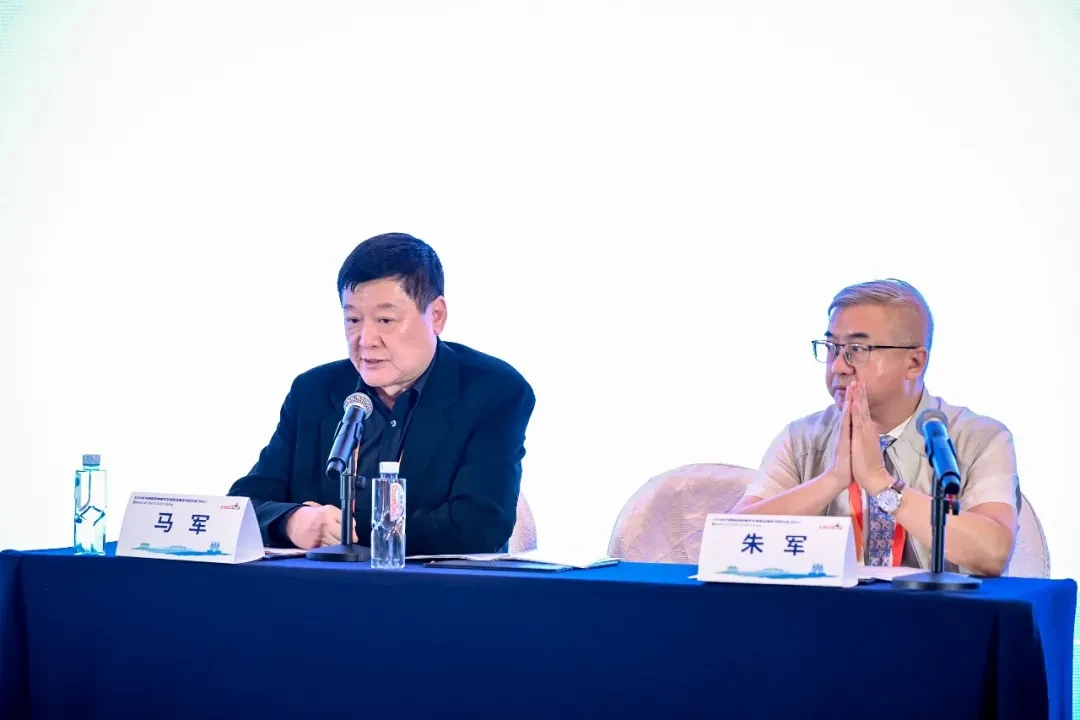
The afternoon of the first day of the conference featured a special session on hematologic lymphoma, chaired by the Chairman of the Supervisory Board of CSCO and the Harbin Institute of Hematology and Oncology.Professor Ma Jun, Vice Chairman of CSCO and Secretary of the Party Branch, Peking University Cancer HospitalProfessor Jun ZhuCo-chaired the session, delivering specialized presentations on four key topics: clinical frontiers in lymphoma, annual advances in hematopoietic stem cell transplantation, novel first-line regimens for multiple myeloma, and the future prospects of hematologic malignancies.
This session comprehensively covers groundbreaking, cutting-edge research in hematologic malignancies worldwide. While introducing top-tier international trial results, it places particular emphasis on original clinical data from large-sample, multicenter studies conducted in China. It provides a horizontal comparison of the differences in disease characteristics, treatment responses, and drug tolerance between Eastern and Western patients with hematologic malignancies, precisely addressing key challenges in local clinical practice. By integrating research evidence from both domestic and international sources, it offers robust evidence-based support for the standardized and personalized diagnosis and treatment of lymphoma, myeloma, and hematopoietic stem cell transplantation. This fully demonstrates China’s core competitiveness in the field of hematologic malignancies, highlighting its alignment with global innovation trends, deep engagement in local clinical research, and strategic transition from following and keeping pace to leading in select areas.
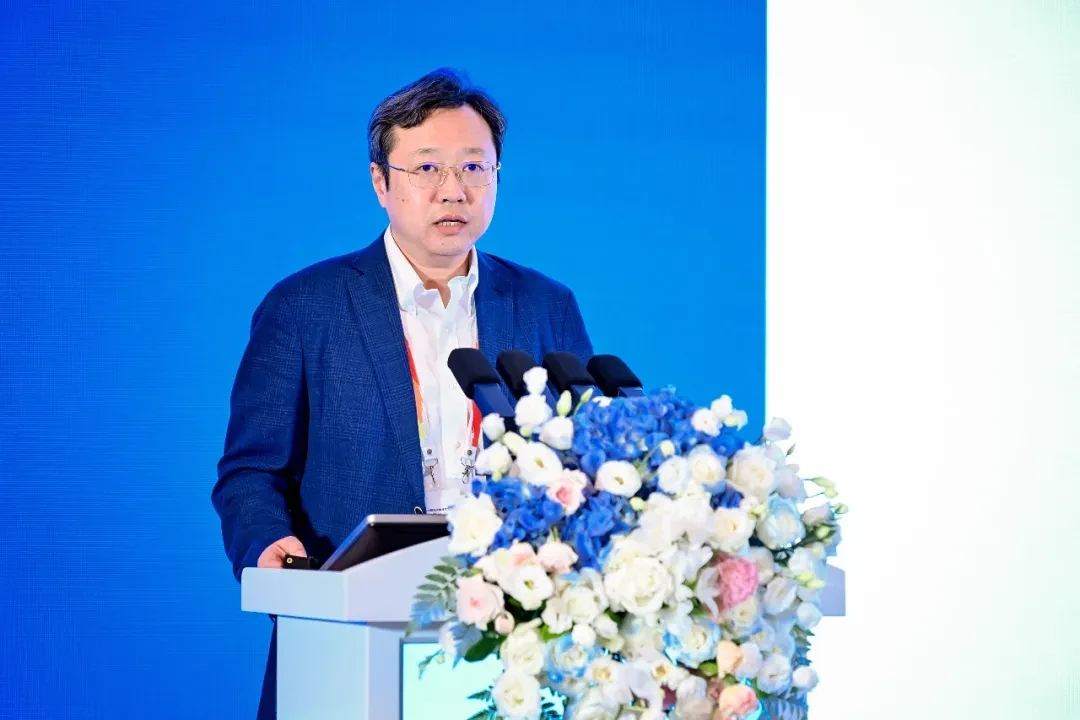
Secretary-General of the CSCO Lymphoma Expert Committee, Harbin Institute of Hematology and OncologyProf. Donglu ZhaoThe special report systematically interpreted multiple breakthrough advances in clinical research on lymphoma.
In the first-line treatment of peripheral T-cell lymphoma, the LINCH study confirmed that linperlisib (80 mg/d) combined with the CHOP regimen achieved a complete response rate of 56.4% in the first-line setting; pneumonia-related adverse events require close monitoring in clinical practice. For elderly or frail patients with diffuse large B-cell lymphoma (DLBCL), preliminary results from the Phase III POLAR BEAR study indicated a trend toward survival benefit with a dose-reduced regimen containing polatuzumab vedotin, although this approach was associated with a higher risk of grade 3–4 adverse events. Comprehensive head-to-head efficacy data are expected to be published in 2027. Regarding central nervous system (CNS) prophylaxis strategies, an international retrospective analysis involving 1,923 patients demonstrated that high-dose methotrexate failed to reduce the risks of CNS relapse and death in patients with ultra-high-risk DLBCL, prompting a reevaluation of the clinical value of traditional CNS prophylaxis methods. In the field of cellular therapy, Legend Biotech’s potential first-in-class in vivo dual-target CAR-T therapy, LB2501, has achieved breakthrough early clinical results. The entire treatment course requires no lymphodepleting preconditioning and involves only a single infusion, highlighting its potential for outpatient administration. The objective response rate in the second dose cohort reached 100%, with a complete response rate of 83.3%, and the overall safety profile was manageable. Overall, the diagnosis and treatment of lymphoma have moved beyond the standardized single-modality chemotherapy model, entering a new era of individualized precision medicine that relies on patient risk stratification and incorporates comprehensive management of adverse events throughout the treatment course.
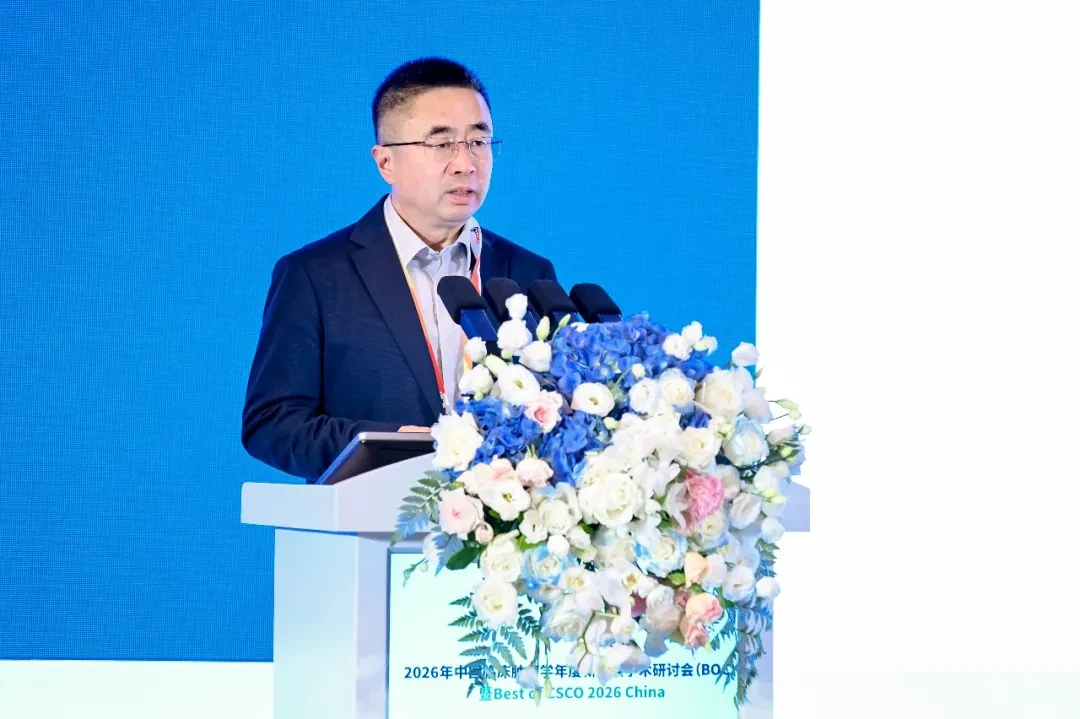
Chairman of the CSCO Leukemia Expert Committee, Institute of Hematology & Blood Diseases Hospital, Chinese Academy of Medical Sciences (Institute of Hematology, Chinese Academy of Medical Sciences)Professor Jiang ErlieDelivering the special report “Annual Review of Hematopoietic Stem Cell Transplantation Research in China,” which systematically summarizes multidimensional frontier achievements in the field of hematopoietic stem cell transplantation in China.
In the realm of basic and interdisciplinary research, the report highlights original studies by Chinese scholars in areas such as high-potential hematopoietic stem cell screening, functional restoration of cryopreserved umbilical cord blood, donor immune regulation, and AI-driven intelligent prevention and control of graft-versus-host disease (GVHD), thereby enriching the transplantation theoretical framework from the perspectives of fundamental mechanisms and cross-disciplinary technologies. In the clinical research section, the report provides in-depth analysis of innovative strategies, including optimization of stem cell infusion timing, sequential intervention with umbilical cord-derived mesenchymal stem cells, and targeted combination monoclonal antibody bridging therapy prior to transplantation, offering novel clinical insights for the prevention and treatment of GVHD and for bridging therapy in patients with relapsed or refractory leukemia undergoing transplantation. Regarding guidelines and reviews, the report outlines key updates in the “CSCO Guidelines for Diagnosis and Treatment of Malignant Hematologic Diseases (2026)” and, in conjunction with the authoritative review article “Progress in the Application of Hematopoietic Stem Cell Transplantation in Acute Myeloid Leukemia” published in the Chinese Journal of Hematology, elucidates the mature clinical value of haploidentical transplantation and refines standards for stratified precision diagnosis and treatment. Overall, hematopoietic stem cell transplantation in China has entered a new phase of integrated precision medicine, characterized by the coordinated development of basic innovation, clinical translation, and standardized guidelines.
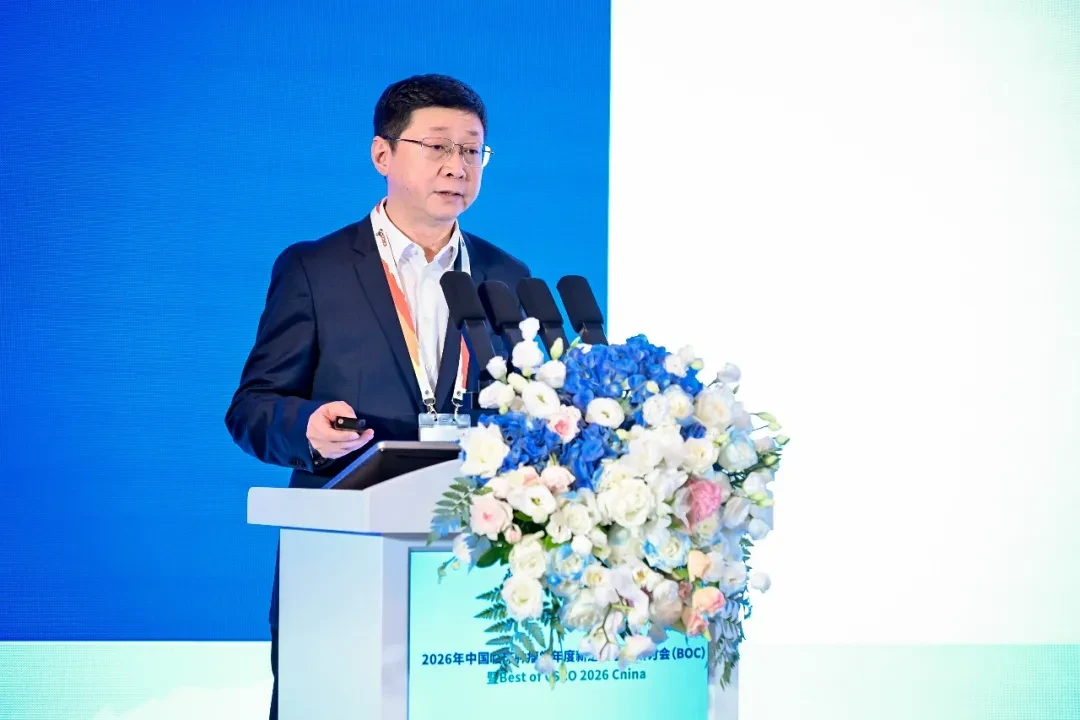
Deputy Chairman and Secretary-General of the CSCO Leukemia Expert Committee, Harbin Institute of Hematology and OncologyProfessor Gong TiejunDelivering a special report on “New Breakthroughs and Optimization in First-Line Treatment for Multiple Myeloma,” this presentation systematically reviews innovations across the entire diagnostic and therapeutic pathway for transplant-eligible and transplant-ineligible patients, and outlines the future development landscape of the field.
In the realm of induction therapy for young, transplant-eligible patients, three landmark studies—SWOG S0777, GRIFFIN, and PERSEUS—have firmly established the quadruplet regimen D-VRd as the first-line standard of care, marking a significant efficacy leap from triplet to quadruplet therapies. In the consolidation setting, two Phase III head-to-head trials, CARTITUDE-6 and KarMMa-9, are currently underway and are poised to redefine the clinical roles of autologous hematopoietic stem cell transplantation (auto-HSCT) and CAR-T cell therapy. During the maintenance phase, lenalidomide remains the cornerstone Category 1 recommendation, while multiple clinical trials comparing bispecific antibodies suggest that subcutaneously administered bispecifics may emerge as a novel maintenance option. For older, transplant-ineligible patients, the MAIA study has cemented the Dara-Rd regimen as the first-line cornerstone; although this regimen significantly prolongs survival, long-term use presents practical challenges, including cumulative toxicity, drug resistance, and economic burden. Overall, first-line treatment for multiple myeloma is moving away from a one-size-fits-all, risk-agnostic standardized approach toward an era of risk-stratified, MRD-driven personalized immuno-combination therapies. Frontier immunotherapies such as CAR-T cells and bispecific antibodies are rapidly advancing from later lines of treatment to the first-line setting, continuously reshaping the overall diagnostic and therapeutic paradigm for multiple myeloma.
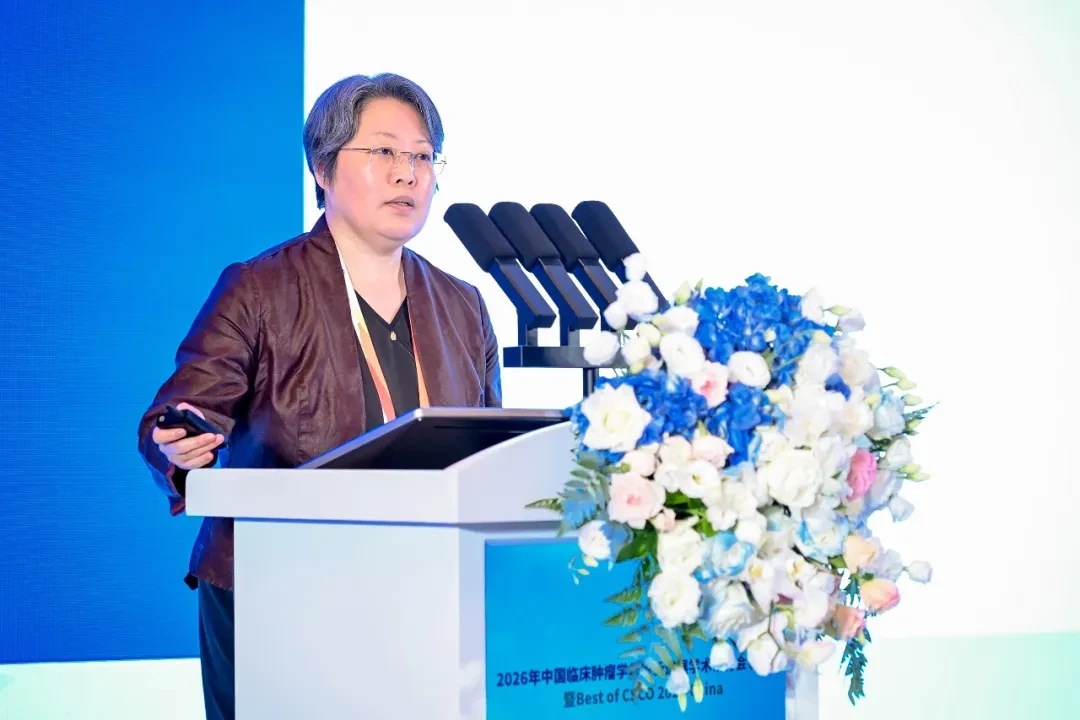
Chairman of the CSCO Lymphoma Expert Committee, Peking University Cancer HospitalProfessor Song YuqinPresenting a special session on “The Future and Outlook of Hematologic Malignancies,” this talk systematically outlines four core industry development trends by integrating extensive research data from the two major international annual meetings, EHA 2026 and ASCO 2026.
In terms of academic output volume, the European Hematology Association (EHA) featured a total of over 2,675 abstracts related to hematologic malignancies, including 145 oral presentations, with comprehensive advancements in both clinical and basic translational research across the subfields of leukemia, lymphoma, and myeloma. The American Society of Clinical Oncology (ASCO) included a total of 638 abstracts on hematologic malignancies, with a balanced number of oral presentations across the three disease categories and a prominent proportion of studies related to immunotherapy, fully reflecting the global R&D momentum in hematologic malignancies.
From an industry development perspective, the report highlights four major transformative trends: First, immunotherapy is shifting comprehensively to earlier lines of treatment. Bispecific antibodies and CAR-T therapies are rapidly penetrating from later-line to first- and second-line settings, with multiple landmark regimens redefining the standard of care for lymphoma, myeloma, and acute lymphoblastic leukemia. Second, multi-drug combinations have become mainstream. Targeted therapy combined with immunotherapy, as well as dual immunotherapy combinations, are establishing frameworks for deep responses. Across various subtypes, highly effective four-drug regimens and all-oral combination therapies with high response rates are emerging. Third, minimal residual disease (MRD) is driving precise stratified diagnosis and treatment. Novel ultra-sensitive ctDNA detection technologies (such as Phased-seq) enable early prediction of relapse, with MRD negativity serving as a core criterion for treatment escalation, de-escalation, or discontinuation. Fourth, basic research is accelerating clinical translation. Frontier technologies—including novel immune checkpoints, targeted small molecules, in vivo CAR-T, and PROTACs—are continuously being implemented, constantly expanding the boundaries of hematologic malignancy treatment. Overall, global hematologic oncology has moved beyond the era of single-agent chemotherapy, fully entering a new phase of personalized precision medicine characterized by immunotherapy dominance, synergistic combination strategies, MRD-guided stratification, and bidirectional translation between basic science and clinical practice.
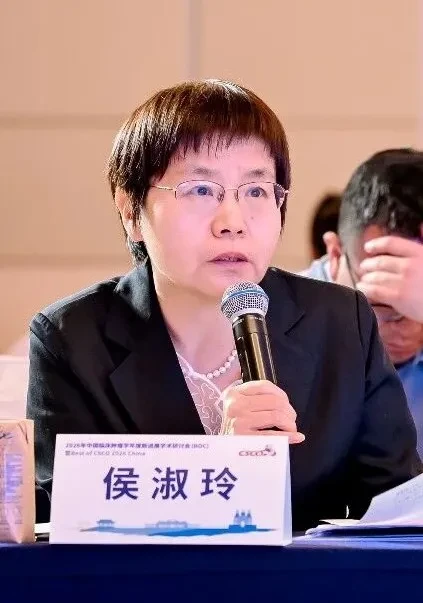
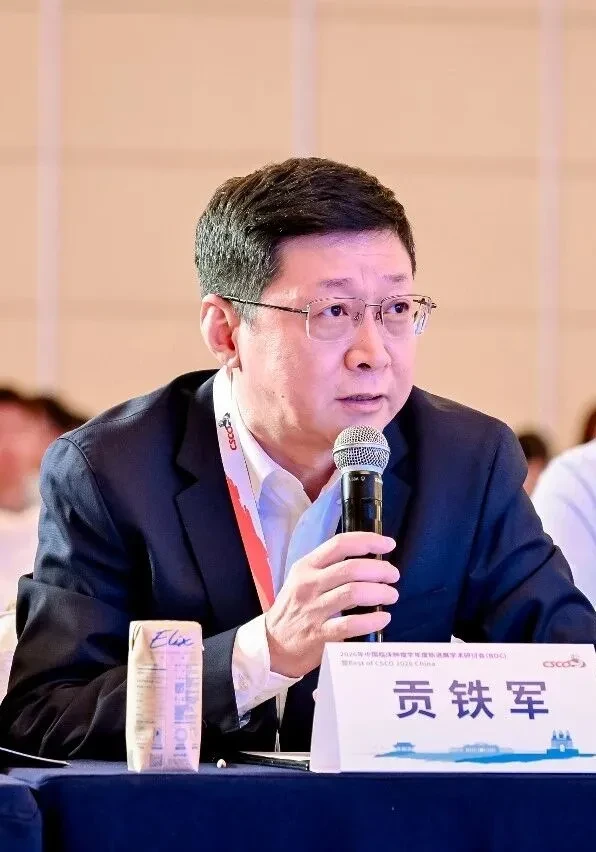
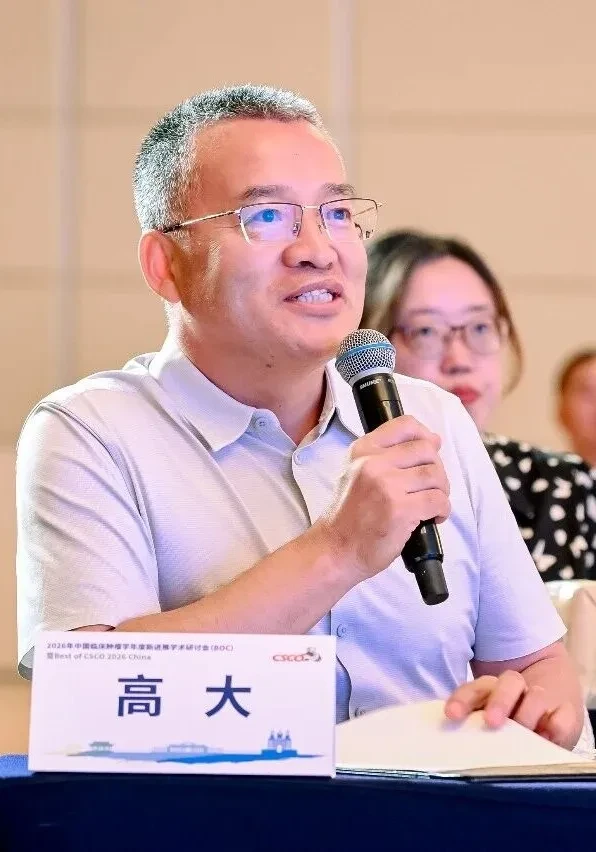
Following the keynote address, the session proceeded to expert commentary. Shanxi Bethune HospitalProf. Shuling HouHarbin Institute of Hematology and OncologyProfessor Gong TiejunAffiliated Hospital of Inner Mongolia Medical UniversityProfessor Gao DaThree experts engaged in in-depth discussions centered on the four thematic reports of the session. Professor Hou Shuling shared her clinical insights on several key topics: the clinical controversies surrounding high-dose methotrexate (HD-MTX) for central nervous system prophylaxis in high-risk lymphoma; efficacy and toxicity management of polatuzumab vedotin in frail elderly patients with lymphoma; the broad benefits of frontline quadruplet combination therapy in multiple myeloma for both transplant-eligible and ineligible patients; and future directions for exploring bispecific antibodies and CAR-T cell therapy combined with targeted immunotherapies. Professor Gong Tiejun discussed how novel targeted and immunotherapeutic agents are expanding treatment options for patients with lymphoma, myeloma, and those undergoing hematopoietic stem cell transplantation, thereby promoting long-term chronic disease management for most subtypes and significantly improving long-term survival outcomes. Professor Gao Da reviewed the decades-long evolution of precise MICM classification in hematologic malignancies and commented on the session’s comprehensive coverage of cutting-edge topics across all dimensions, including cellular therapy, minimal residual disease (MRD) monitoring, and tumor microenvironment modulation. Drawing on their extensive clinical and research experience, the three experts exchanged views, consolidated academic perspectives, and conducted in-depth discussions on core diagnostic and therapeutic issues in hematologic oncology, ultimately forming several consensus recommendations with significant clinical guidance value.
[Disclaimer]This article is intended solely for academic exchange and the sharing of professional knowledge within the medical community. It does not constitute a basis for clinical diagnosis or treatment, nor does it serve as commercial promotion for pharmaceuticals or medical devices, or as guidance for clinical practice. The content herein has no direct or indirect interest-based affiliation with any enterprises mentioned. All viewpoints are based on experts’ personal clinical practices and publicly available academic research, maintaining an objective and neutral stance without any commercial bias. The CCMTV platform serves exclusively as a medium for academic dissemination and exchange, and assumes no medical or legal liability for the clinical application of its content. Readers are advised to strictly adhere to national diagnostic and therapeutic guidelines, as well as applicable laws and regulations, when making any clinical decisions.