TriCap Completes First-in-Human Implantation: A Novel Transcatheter Tricuspid Valve Repair System Featuring 'Physiological Tension' Design

H&H Healthcare
R&D and Producer of Interventional Medical Devices for Heart Disease

In the field of interventional cardiology, the tricuspid valve was once referred to as the "forgotten valve" due to its complex anatomical structure and irregular annulus. When an elderly patient presents with two mechanical valves and a cardiac pacemaker lead wire simultaneously, and ultrasound imaging is severely compromised by metal artifacts, this tricuspid valve repair surgery becomes almost a "hell-level" challenge.
Recently,Academician Ge Junbo’s Team at Zhongshan Hospital, Fudan University, inAcademician GeUnder the leadership of the team, after successfully completing the FIM (First-in-Man) study, they smoothly achieved the first clinical enrollment of TriCap, the first transcatheter tricuspid valve leaflet repair system independently developed by H&H Healthcare featuring "physiological tension." During the procedure, the team, leveraging their exceptional expertise, successfully overcame the dual challenges of mechanical valve artifacts and electrode leads, implanting a single clip that instantly reversed the patient's severe regurgitation. This success not only marks a triumph in surgery but also signifies another critical milestone for domestically produced innovative medical devices in conquering the challenge of tricuspid regurgitation.
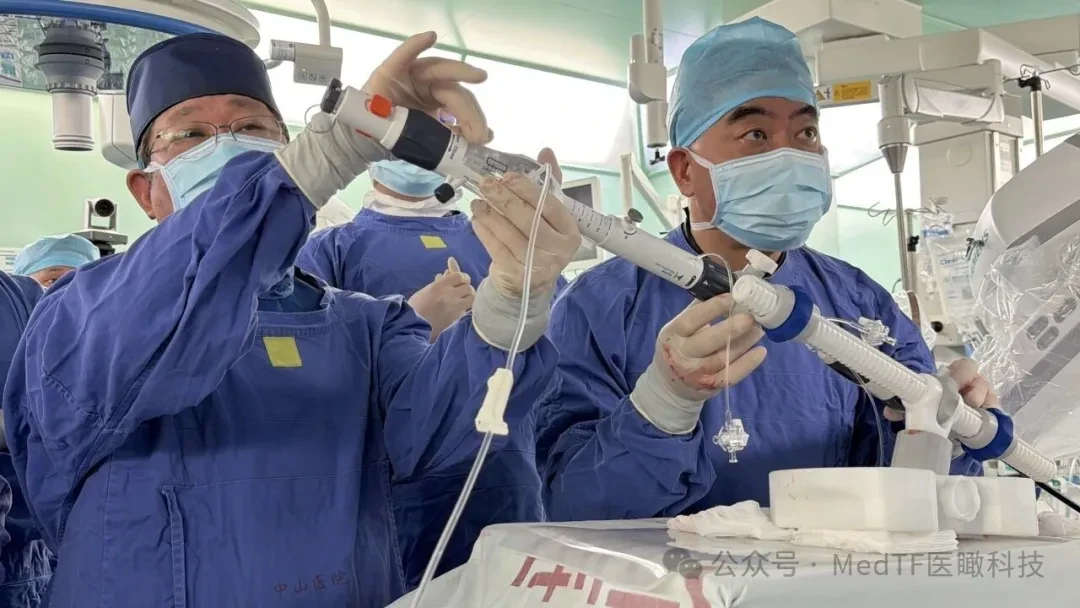
Case Studies and Challenges
Patient:Female, 77 years old.
Chief Complaint:Recurrent chest tightness and shortness of breath for over 5 years.
History of Present Illness:The patient underwent mechanical valve replacement for "mitral and aortic valve disease" five years ago. Over the past five years, the patient has experienced recurrent chest tightness and shortness of breath, which worsened with activity, along with occasional edema in both lower extremities. The patient denied experiencing dizziness or syncope. Transthoracic echocardiography revealed no significant abnormalities in the prosthetic mechanical mitral and aortic valves, but showed biatrial enlargement accompanied by severe tricuspid regurgitation and thickening of the basal segment of the interventricular septum. Transesophageal echocardiography further confirmed severe (4+) tricuspid regurgitation.
Admission Diagnosis:
1. Tricuspid regurgitation (severe).
2. Status post mechanical valve replacement of the mitral and aortic valves.
3. Post-cardiac pacemaker implantation.
4. Post-cardiac radiofrequency ablation.
5. Atrial Fibrillation.
6. Grade 1 Hypertension (High Risk).
7. Type 2 diabetes.
The patient’s anatomy is extremely complex. Metal artifacts from the two mechanical valves impair leaflet imaging; meanwhile, the leads of the previously implanted dual-chamber pacemaker traverse the tricuspid valve orifice, posing significant interference risks to catheter steering, device delivery, and leaflet capture during the intervention.
Surgical Spotlight: Precision Dancing Amidst the "Fog" and "Minefield"
"Faced with this 'hard nut to crack',"Academician Ge Junbo's TeamFollowing a meticulous assessment, the decision was made to initiate the use of a domestically developed innovative device—the TriCap transcatheter tricuspid valve leaflet repair system. At the outset of the procedure, challenges immediately arose: extensive acoustic shadowing caused by the mechanical valve made leaflet identification exceptionally difficult; furthermore, the pacing leads, swinging with the cardiac cycle, acted like a “tripwire” suspended across the valve orifice, posing a risk of being inadvertently snagged by the device or disrupting the trajectory of the clipping arms if not handled with extreme caution.
However, TriCap’s unique “physiological tension” design and the multi-directional steerable capability of its large delivery sheath demonstrate significant advantages at this stage. Compared with traditional rigid clipping, TriCap’s clip arms can conform to the fragile leaflet tissue of the tricuspid valve, providing a flexible and conformable clamping force during leaflet capture, thereby avoiding rigid tearing of the leaflets. The flexible steering also significantly reduces disturbance to the electrode leads.
Overcoming Artifacts, Precise Localization:Leveraging their extensive experience and the flexible steering capabilities of the TriCap steerable system, the procedural team, under the cross-verification of transesophageal echocardiography (TEE), transthoracic echocardiography (TTE), and digital subtraction angiography (DSA), slowly advanced the delivery system across the lead wires to precisely reach the target area of the tricuspid valve.
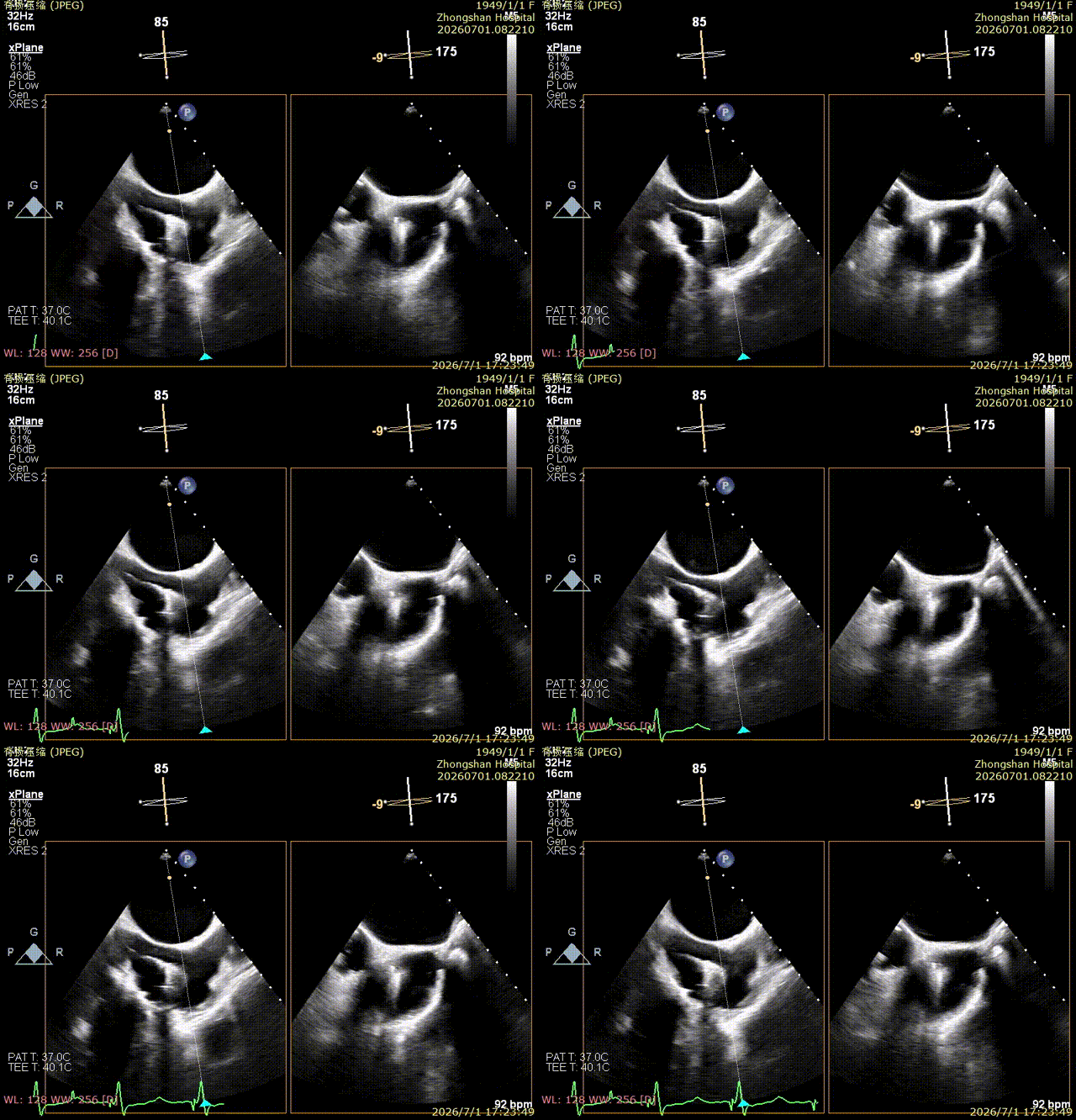
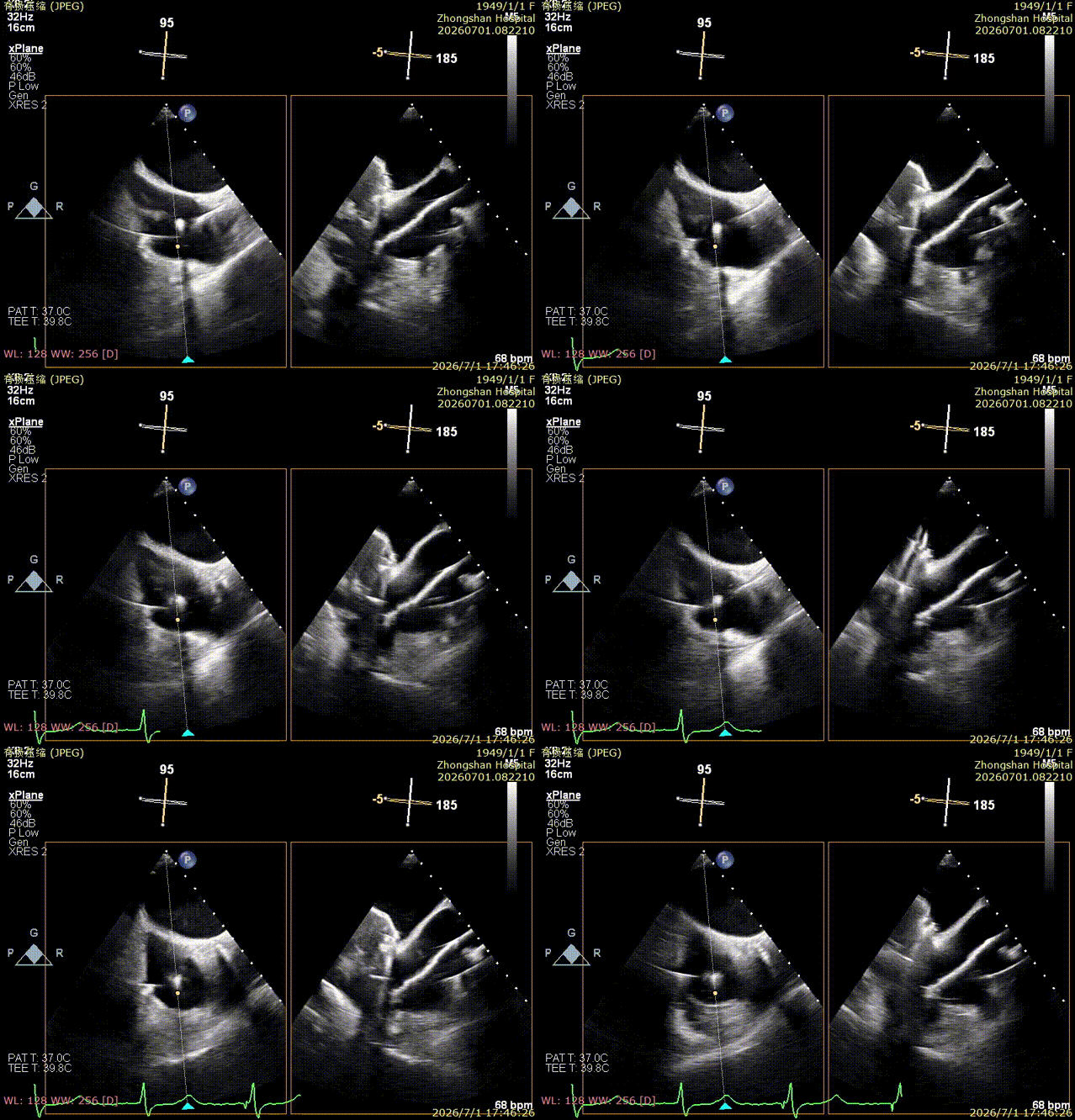
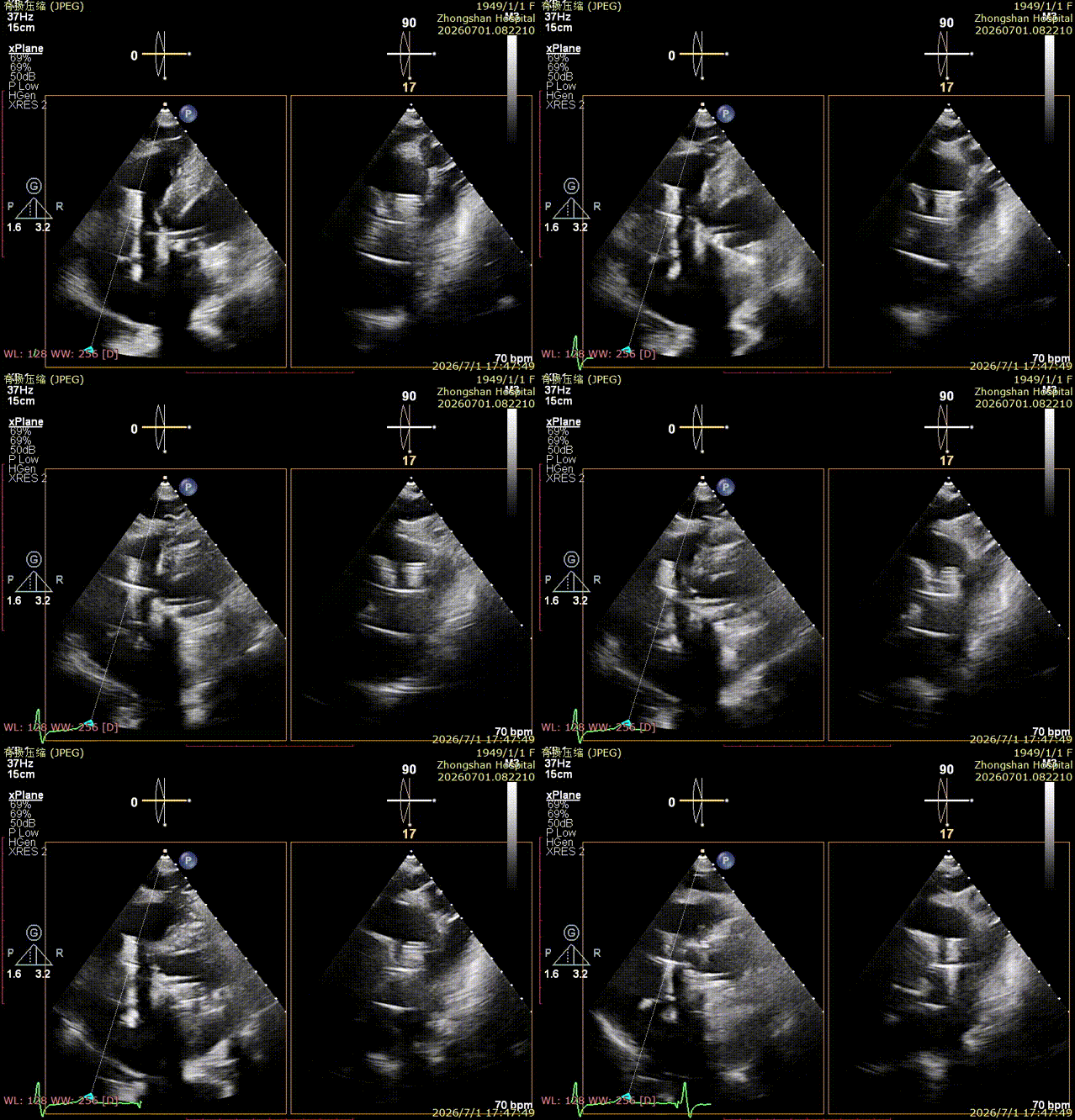
Single-Clip Application, Perfect Fit:Upon the operator’s command, a Model 1206 clip was successfully deployed. The clip, akin to dexterous fingers, gently yet firmly grasped the coaptation edges of the anterior and septal leaflets.
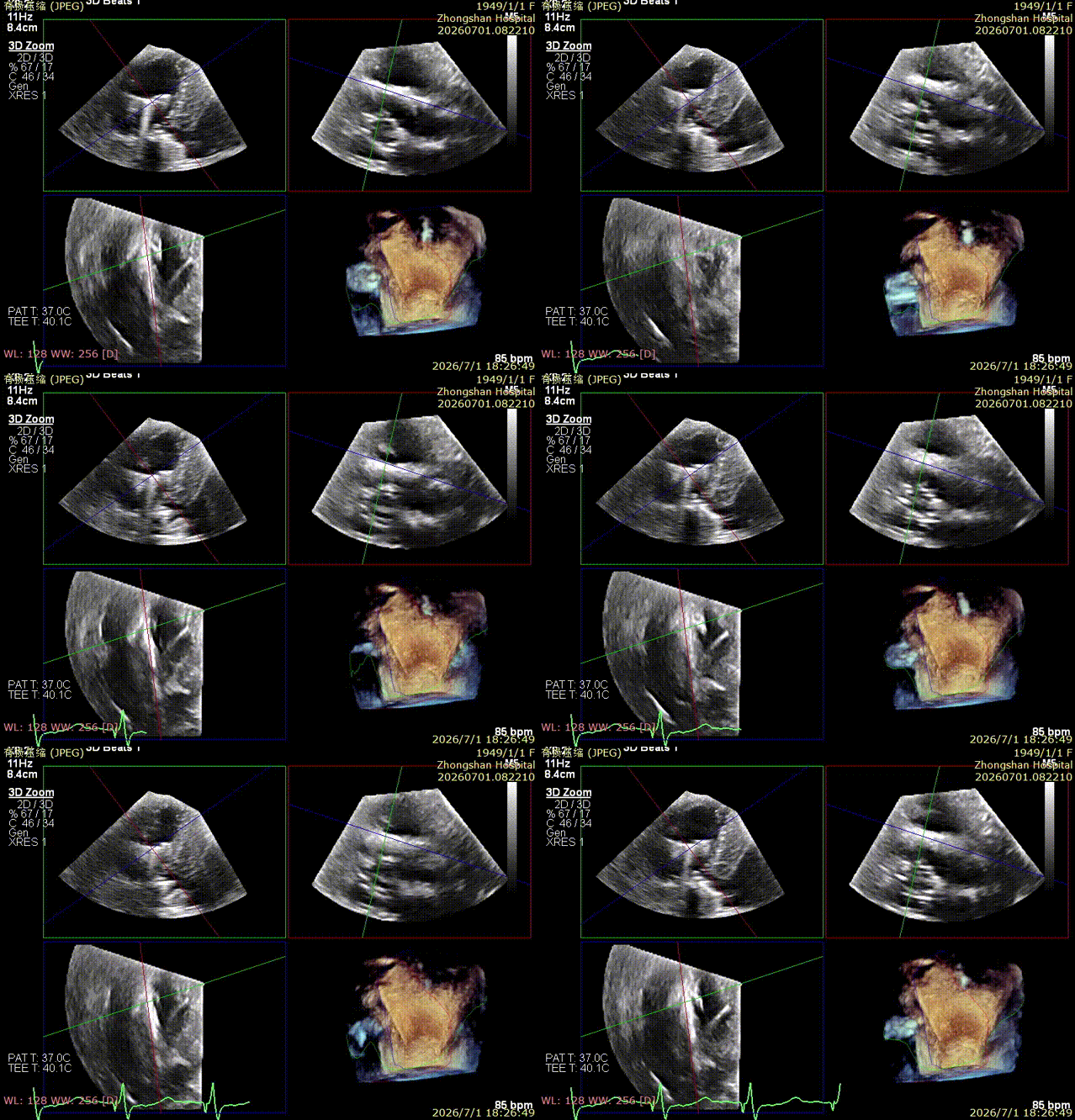
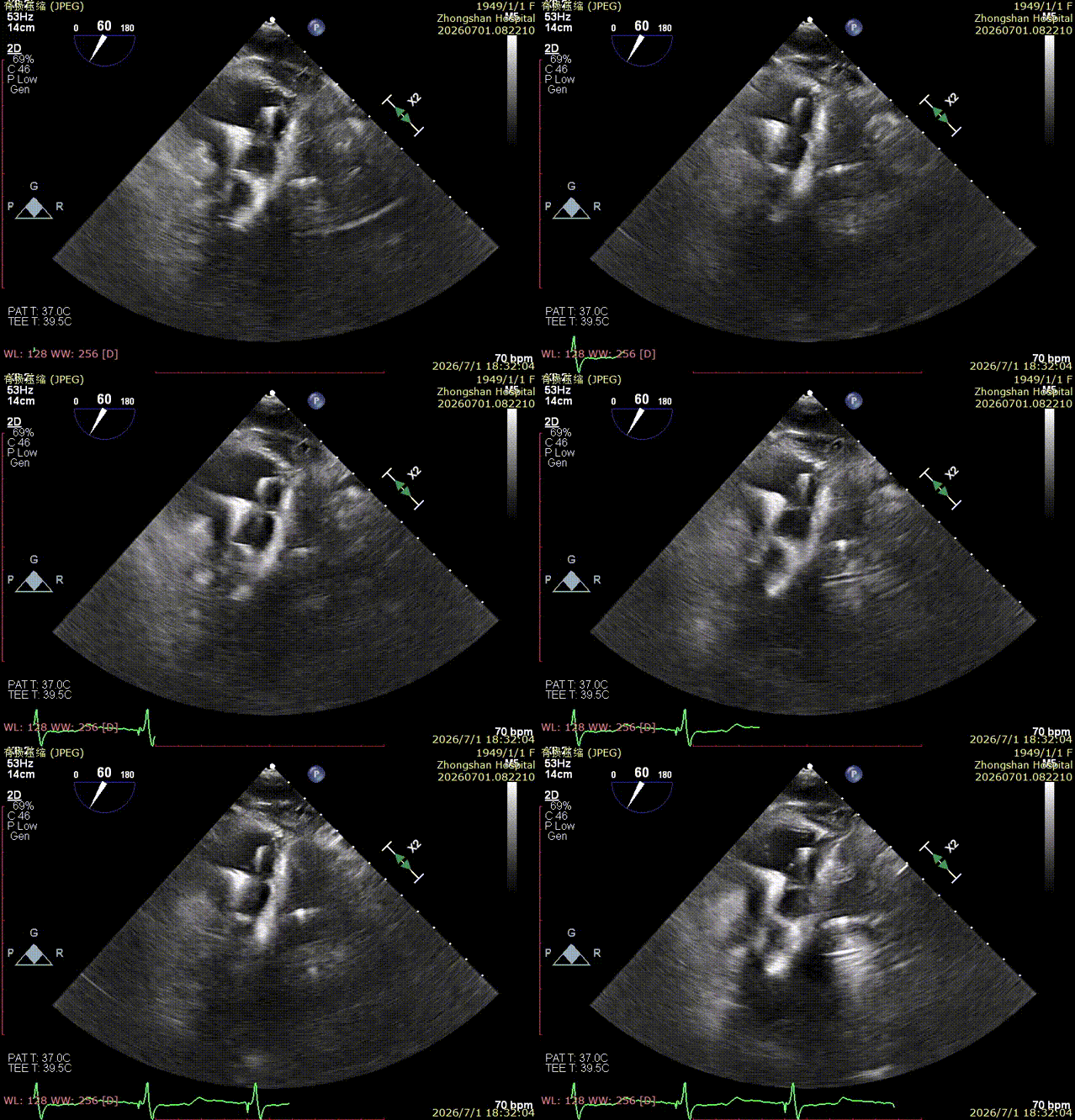

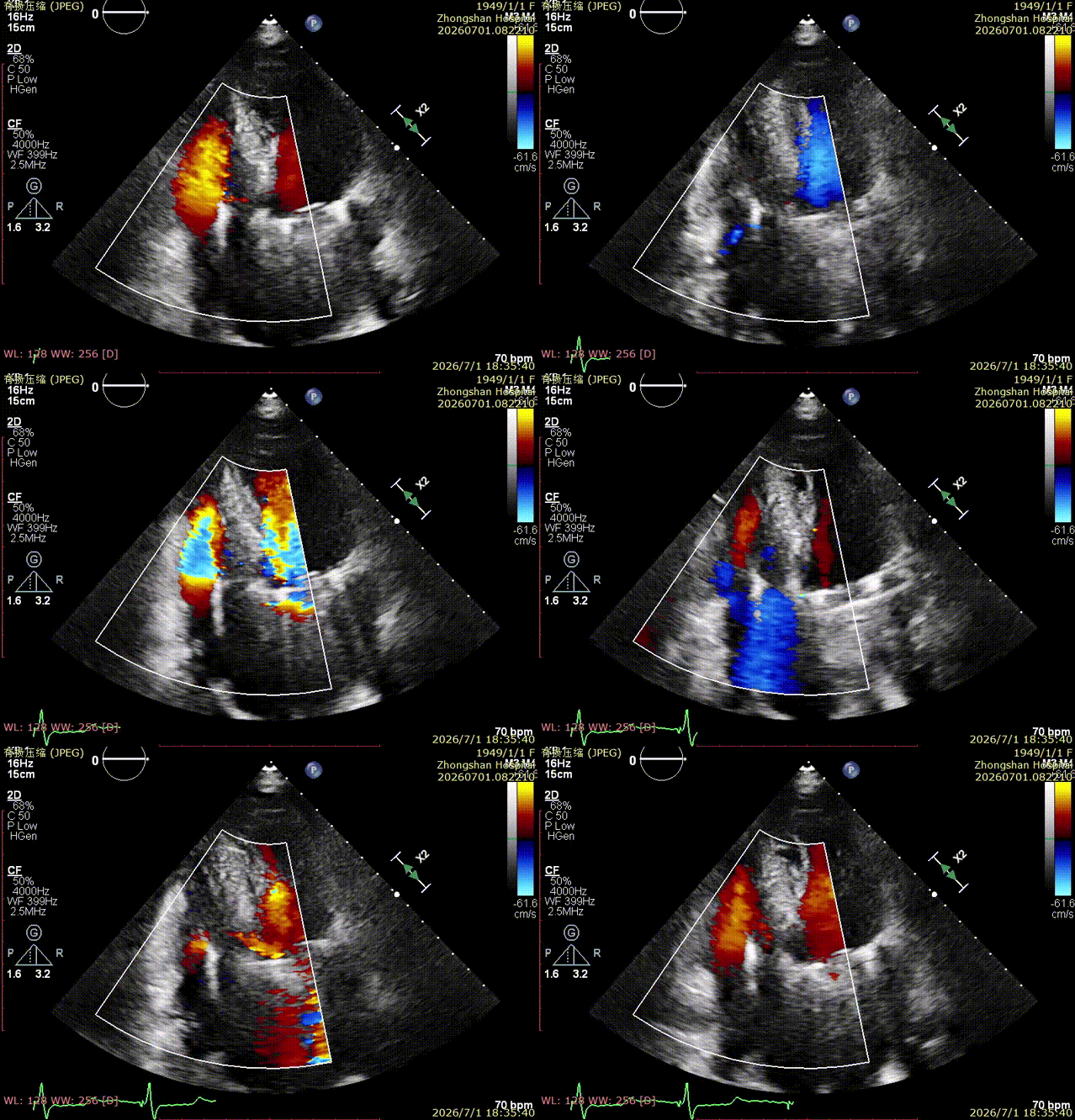
Immediate Transformation:At the moment of clip release, the color regurgitant jet on the ultrasound screen miraculously nearly disappeared. Preoperative severe (4+) tricuspid regurgitation sharply decreased to mild (1+) in the immediate assessment. The mean transvalvular pressure gradient across the tricuspid annulus was 1 mmHg.
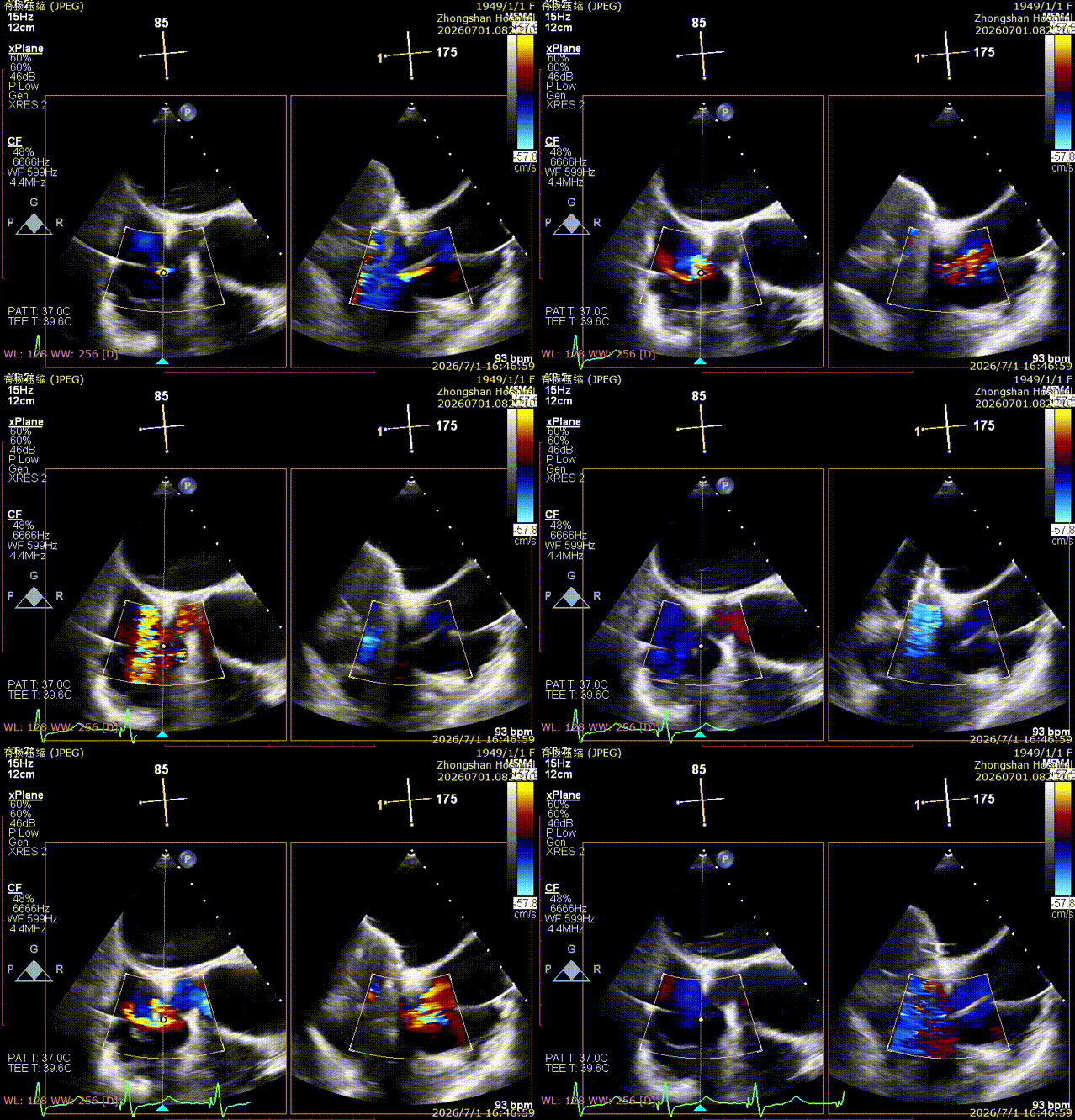
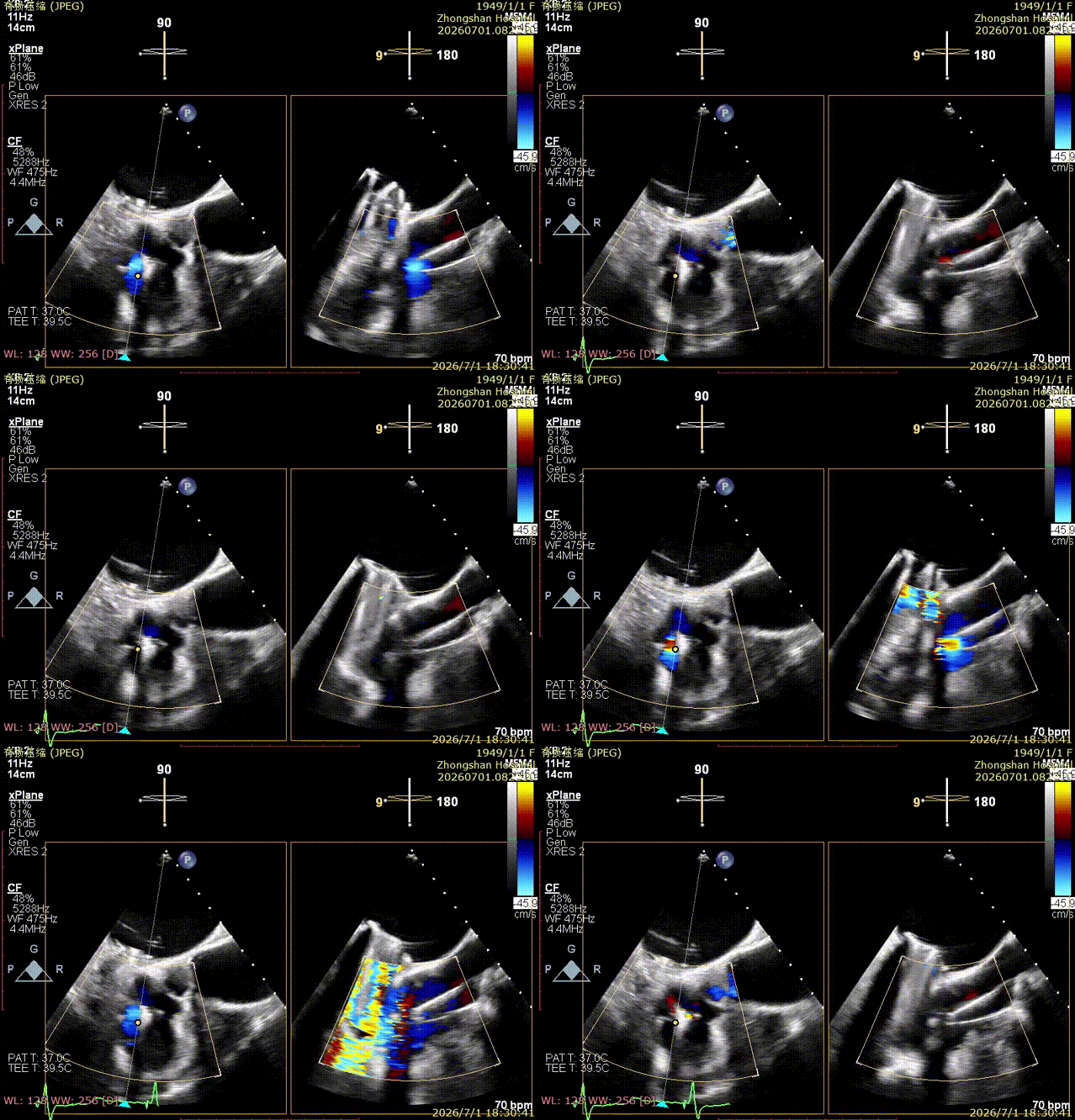
Preoperative Reflux
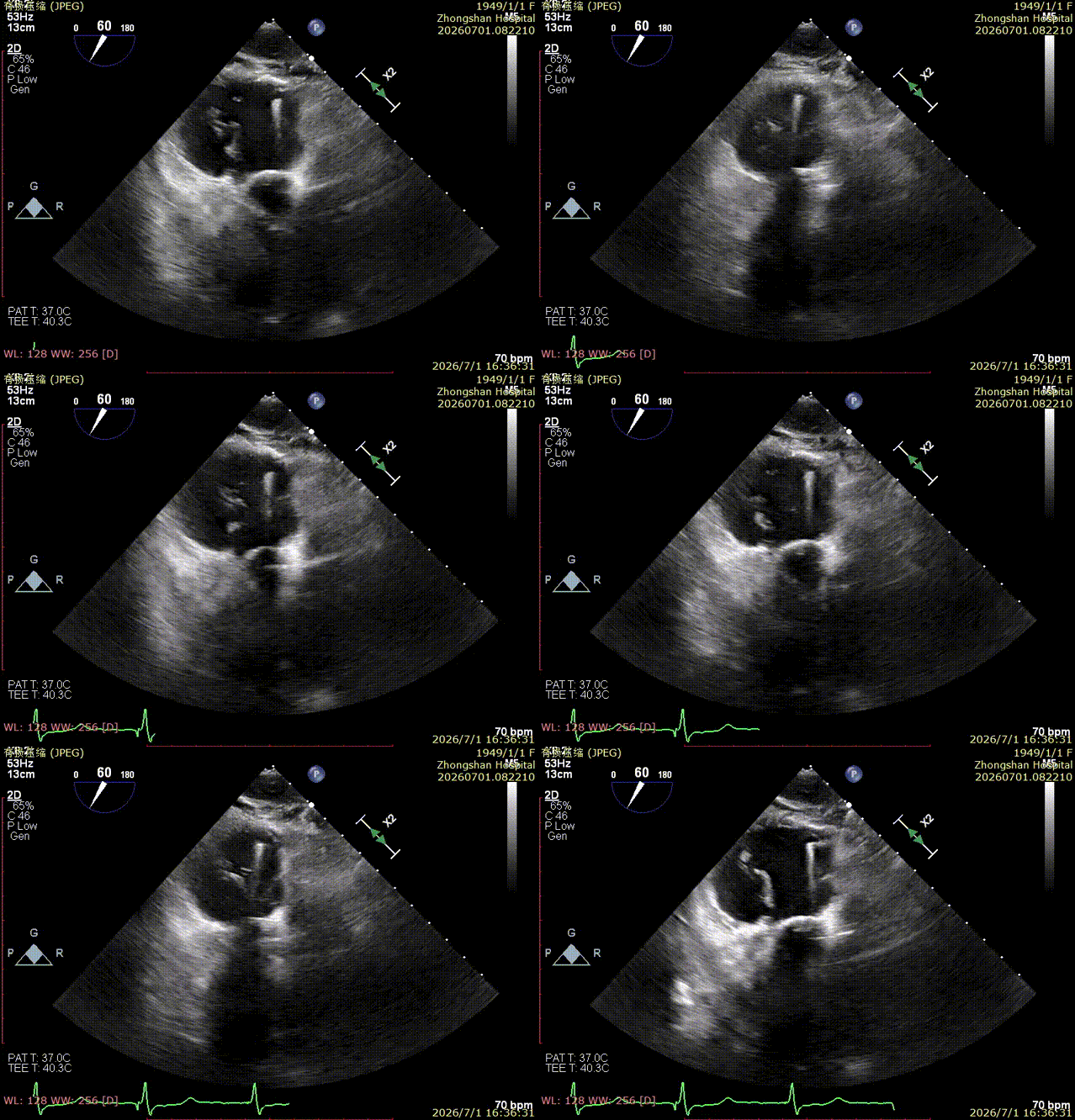
Preoperative short-axis view of the gastric fundus reveals a significant gap in the anterior septum.
Trace Regurgitation
Postoperative Microregurgitation
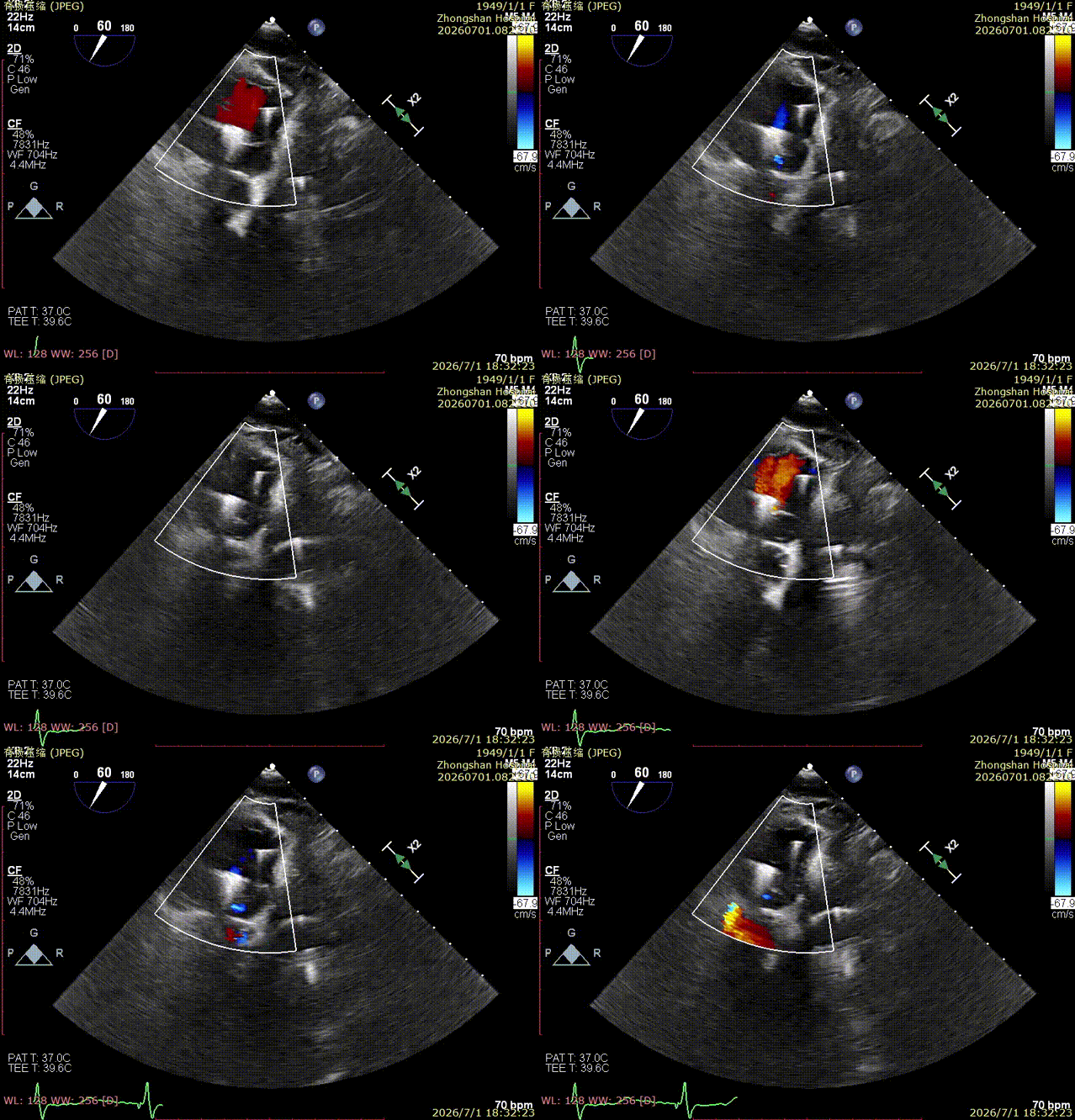
Anterior septal leaflet "coaptation," regurgitation reduced to trace amount
Academician Team Review: TEER Specifically Designed for the Tricuspid Valve
Academician Ge Junbo and His TeamThe performance of the TriCap system was highly praised postoperatively.
Professor Zhou DaxinIt was demonstrated that, in this extremely complex case involving a mechanical valve and pacemaker leads, TriCap exhibited excellent flexibility and maneuverability, proving its ability to be safely deployed in a “no-go zone.” In essence, TriCap is a clip device specifically tailored to the anatomical features of tricuspid valve leaflets, providing a highly promising interventional tool for patients with challenging anatomical conditions.
“Overcoming Hardness with Softness”: Making Right Heart Repair More “Resilient”
The successful enrollment of the first patient in this trial marks another major breakthrough for H&H Healthcare in the field of structural heart disease, serving as a powerful testament to the prominence of domestically developed original medical devices on the international stage of internal medicine.
As the first Chinese tricuspid valve repair clip system designed around the concept of “physiological tension,” TriCap abandons the conventional pursuit of mere “strong grasping force.” Instead, it adopts a strategy of “overcoming rigidity with flexibility,” aligning with human physiology in a smarter way. This innovation represents the culmination of “intelligent manufacturing,” reflecting the profound understanding of tricuspid valve disease by Chinese engineers and clinical experts.
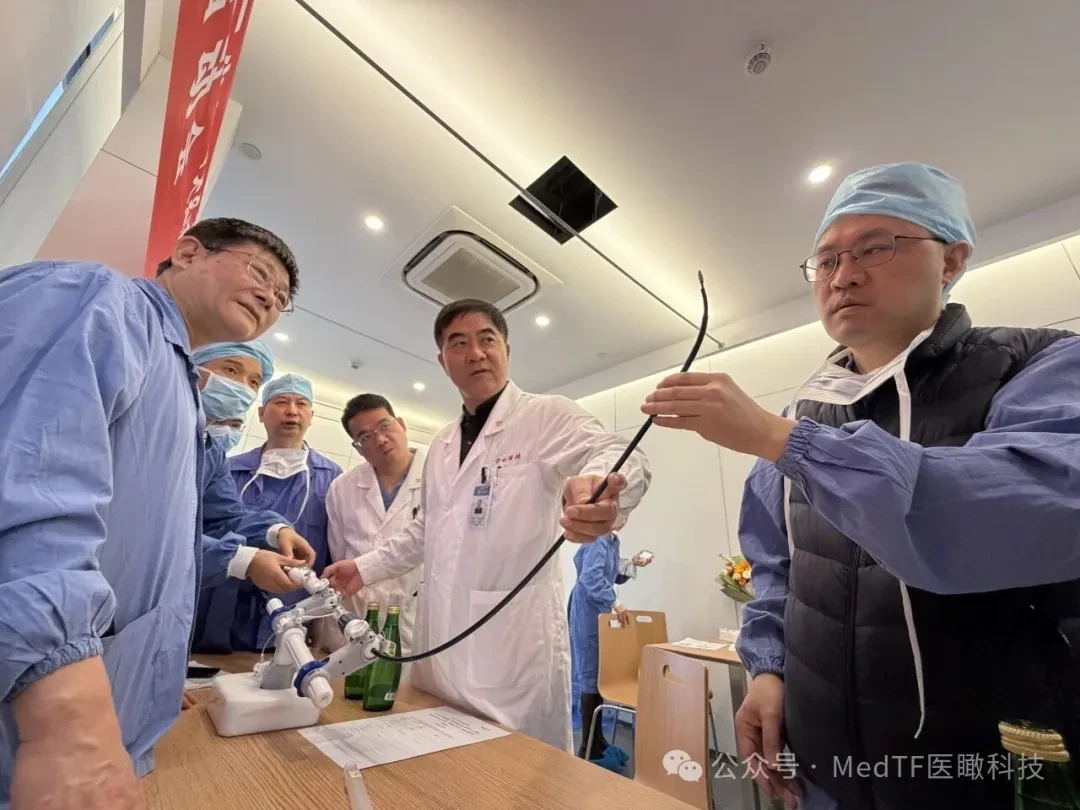
Expert Profile

Ge Junbo
Zhongshan Hospital, Fudan University
Academician of the Chinese Academy of Sciences, internationally renowned cardiovascular disease expert, Chang Jiang Scholar Distinguished Professor, and National Distinguished Young Scholar. Currently serves as Director and Professor of the Department of Cardiology at Zhongshan Hospital, Fudan University; Doctoral Supervisor; Director of the National Clinical Research Center for Interventional Medicine; Director of the Shanghai Institute of Cardiovascular Diseases; Dean of the Institutes of Biomedical Sciences, Fudan University; Honorary President of the Chinese Society of Cardiology under the Chinese Medical Doctor Association; Chairman of the Cardiovascular Specialty Committee of the Postgraduate Medical Education Committee under the Chinese Medical Doctor Association; Executive Council Member of the World Heart Federation; International Honorary Member of the Japanese Circulation Society; and Visiting Professor at Columbia University in the United States. Previously served as Chairman of the Chinese Society of Cardiology under the Chinese Medical Association, International Advisor to the American College of Cardiology, and President of the Asia-Pacific Society of Interventional Cardiology. Recipient of numerous awards, including the National Advanced Worker, the National Innovation Excellence Medal, the Bethune Medal, the Chinese Physician Award, the Ho Leung Ho Lee Prize for Progress in Science and Technology, the World Outstanding Chinese Physician Huo Yingdong Award, and the Lifetime Achievement Award from the International Cardiovascular Innovation Conference (ICI).

Zhou Daxin
Zhongshan Hospital, Fudan University
Chief Physician, Professor, Doctoral Supervisor.
Deputy Director of the Department of Cardiology and Deputy Director of the Catheterization Laboratory at Zhongshan Hospital, Fudan University; Director of the Specialized Clinics for Structural Heart Disease and Pulmonary Hypertension. He was named a Shanghai Craftsman and a Shanghai Medical Craftsman in 2021. He serves as Chairman of the Shanghai Valve Alliance; Member of the Cardiovascular Disease Committee of the Chinese Medical Association (CMA); Deputy Leader of the Translation and Innovation Group under the CMA Cardiovascular Disease Committee; Member of the Cardiovascular Branch of the Chinese Medical Doctor Association (CMDA); Vice Chairman of the Structural Heart Disease Committee of the CMDA Cardiovascular Branch; Deputy Chairman of the Left Atrial Appendage Closure Working Committee of the CMA Electrophysiology Society; Fellow of the American College of Cardiology (FACC); Member of the Cardiovascular Disease Committee of the Shanghai Medical Association; Executive Director of the Shanghai Pharmaceutical Association; Chairman of the Clinical Pharmacotherapy Committee of the Shanghai Pharmaceutical Association; Deputy Leader of the Structural Heart Disease Group of the Shanghai Cardiovascular Society; Chair of the Structural Forum at the Oriental Congress of Cardiology; Director of the CMDA Standardized Treatment Base for Pulmonary Hypertension; Director of the National Health and Family Planning Commission’s Training Base for Interventional Therapy of Congenital Heart Disease; Chairman of the Yangtze River Delta Committee for Prevention and Control of Cardiogenic Stroke; Deputy Editor-in-Chief of the Chinese Journal of Heart and Rhythm (Electronic Edition); Executive Editorial Board Member of the Chinese Journal of Clinical Pharmacy; Editorial Board Member of the Chinese Journal of Interventional Cardiology; Online Edition Editorial Board Member of the Chinese Journal of Cardiology; and Editorial Board Member of the Shanghai Medical Journal. As the principal investigator, he has secured three research grants from the Shanghai Municipal Science and Technology Commission, including one key project. He has led three industry-academia-research projects. To date, he holds 32 patents, including 12 invention patents and 20 utility model patents, with 10 patents successfully commercialized. He has published nearly 400 peer-reviewed articles as the first author in domestic and international journals, with over 60 papers indexed by SCI. He has received numerous awards from professional institutions and societies. In 1998, he won the Second Prize in the joint essay competition organized by the Chinese Journal of Internal Medicine (CMA), the CMA Editorial Committee, and the Chinese Edition Editorial Committee of JAMA. He received the Second Prize for Abstracts at the 2013 Oriental Congress of Cardiology and the Third Prize at the 2014 Oriental Congress of Cardiology. His edited book, Case Analysis of Interventional Diagnosis and Treatment in Structural Heart Disease, was awarded the Second Prize for Scientific and Technological Books in East China. In 2014, he received the Third Prize of the Shanghai Science and Technology Progress Award as the principal investigator. In 2021, he was honored with the First Prize of the Ministry of Education’s Science and Technology Progress Award. In 2023, he received the First Prize of the Shanghai Science and Technology Progress Award (Rank 01).
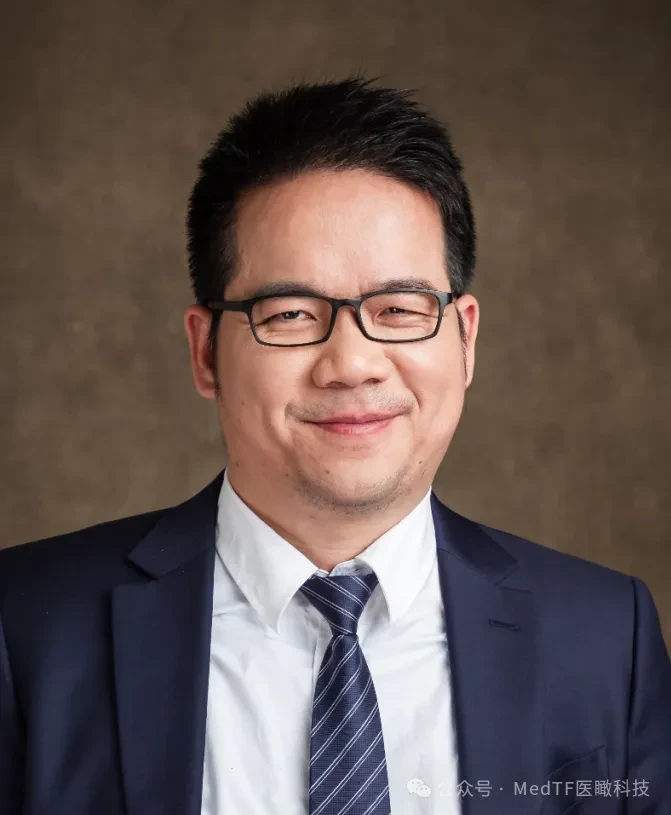
Pan Wenzhi
Zhongshan Hospital, Fudan University
MD, Chief Physician, Doctoral Supervisor; Director of the Center for Structural Heart Disease and Director of the Heart Valve Center (Combined Medical-Surgical Ward) at Zhongshan Hospital, Fudan University; Deputy Head of the Congenital Heart Disease Group under the Cardiovascular Branch of the Chinese Medical Doctor Association; Deputy Head of the Structural Heart Disease Group of the Shanghai Medical Association; Secretary-General of China Structural Week.
Specializes in interventional procedures for various valvular heart diseases and congenital heart defects. As one of the few experts in China to master new interventional valve techniques at the earliest stage, he has performed over 6,000 interventional procedures for congenital heart disease, more than 2,000 Transcatheter Aortic Valve Replacement (TAVR) procedures, and over 500 Transcatheter Edge-to-Edge Repair (TEER) procedures for the mitral valve, while assisting more than 60 hospitals in launching their own valvular interventional programs. He pioneered the NCPI technique, the sandwich method, and the second-valve dragging technique for TAVR; developed the PASS technique and a novel anatomical classification system for Transcatheter Pulmonary Valve Replacement (TPVR); and established an interventional classification system for mitral regurgitation along with multiple innovative techniques for TEER, among other new procedural approaches and concepts.
Achieved outstanding results in the translational research and development of medical devices. Serves as the Head of R&D at the China Cardiovascular Physicians Innovation Club (CCI) and as a Graduate Supervisor at the Oriental Pan-Vascular Innovation College (OPTIC), University of Shanghai for Science and Technology. Granted 26 Chinese patents and 2 international PCT patents, with 23 patents successfully commercialized. As the primary inventor, developed the world’s first transapical mitral valve clip system, ValveClamp (commercially available and used in multiple countries); the world’s first puncturable occluder, ReAces (submission for market registration completed); China’s first aortic valve dilation balloon, RunFlow, which does not block blood flow (commercially available); and the world’s first transcatheter valve extension device, MitraPlus.
Published over 110 SCI-indexed papers and more than 180 Chinese-language papers, with over 2,000 citations. Authored 10 Chinese expert consensus statements on valvular intervention. Principal investigator for five research projects, including projects under the National Key R&D Program and the National Natural Science Foundation of China (General Program). Recipient of the First Prize for Scientific and Technological Progress from the Ministry of Education (2020), the First Prize for Scientific and Technological Progress in Shanghai (2023), and the Silver Snake Award, the highest honor for young health professionals in Shanghai (2021).
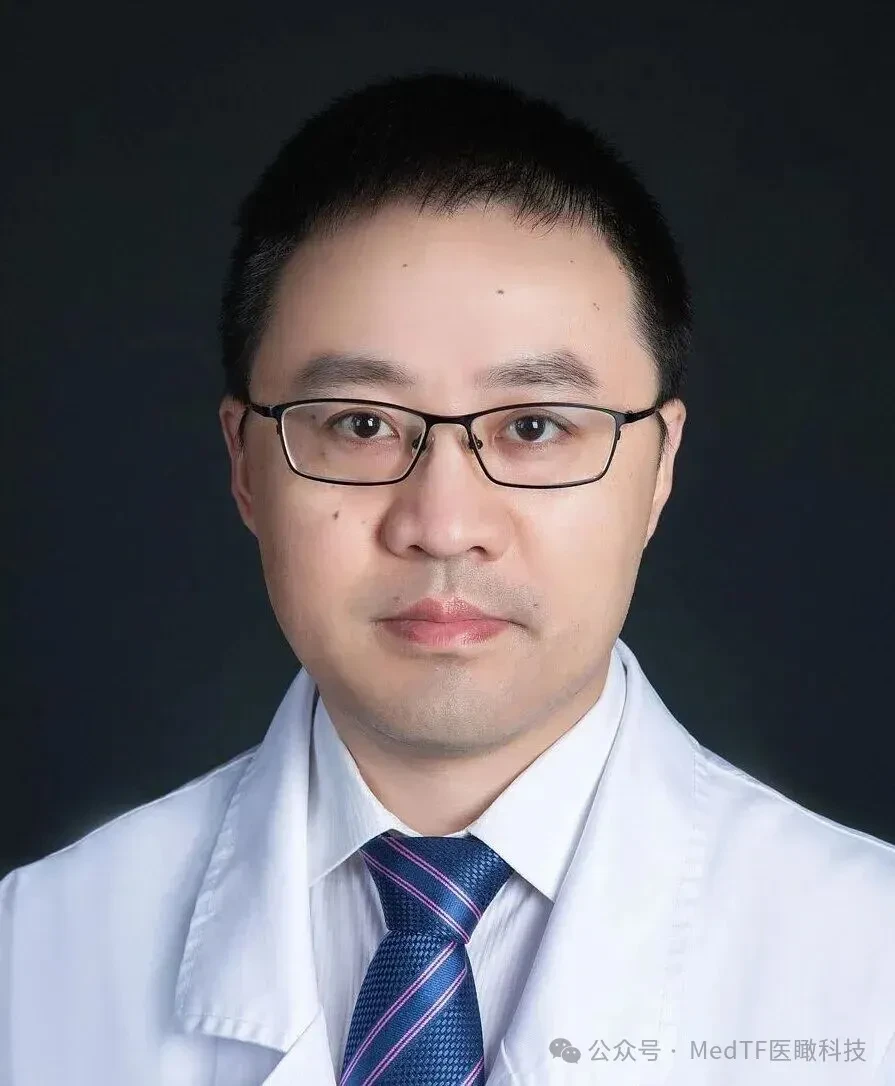
Zhang Xiaochun
Zhongshan Hospital, Fudan University
M.D. in Cardiovascular Medicine; Associate Chief Physician, Department of Cardiology, Zhongshan Hospital Affiliated to Fudan University. Committee Member of the Chinese Society of Biomedical Engineering; Standing Committee Member of the Structural Heart Disease Committee, China Health Promotion Association; Young Committee Member of the Structural Heart Group, Cardiovascular Branch of the Chinese Medical Association. Specializes in the diagnosis, treatment, and interventional surgical management of various structural heart diseases. Served as one of the operators in the demonstration of the first left atrial appendage (LAA) closure procedure in East China. Participated in China’s first transcatheter interventions for aortic and pulmonary valves. Engaged in the research, development, and clinical studies of novel structural heart technologies, including aortic valve replacement, pulmonary valve replacement, and LAA closure. Presided over or participated in two national, provincial, or municipal-level research projects, and supported four horizontal multicenter clinical studies. Contributed to the writing of Transcatheter Heart Valve Therapy and Transcatheter Left Atrial Appendage Closure. As a primary author, contributed to the Expert Consensus on the Clinical Pathway of Transcatheter Left Atrial Appendage Closure in China. Published more than 20 academic papers domestically and internationally. As a key member of the Structural Heart Center at the Department of Cardiology, Zhongshan Hospital, Shanghai, received the Third Prize of Shanghai Science and Technology Progress Award (2014) and the Third Prize of Shanghai Medical Science and Technology Award (2013).

Zhang Yuan
Zhongshan Hospital, Fudan University
Associate Chief Physician, Department of Cardiology, Zhongshan Hospital Affiliated to Fudan University. He holds a Bachelor’s and Master’s degree from Peking University, a Ph.D. in Medicine from the University of Duisburg-Essen in Germany, and serves as an MBBS Lecturer at Fudan University. He is also a member of the Cardiovascular Medicine Professional Committee of the Chinese Medical Education Association. Since graduation, he has been engaged in clinical and research work focusing on valvular heart disease, congenital heart disease, and pulmonary hypertension. As a visiting scholar at the University of Duisburg-Essen in Germany and the University of Salamanca in Spain, he advanced his expertise in interventional techniques for valvular heart disease. He served as one of the operators in Asia’s first transcatheter heterotopic tricuspid valve implantation. Currently, he is the principal investigator of one project funded by the Ministry of Science and Technology and a key participant in three projects funded by the National Natural Science Foundation of China. He has published over 30 papers in related fields. In 2024, he was awarded the First Prize of the Shanghai Science and Technology Progress Award.
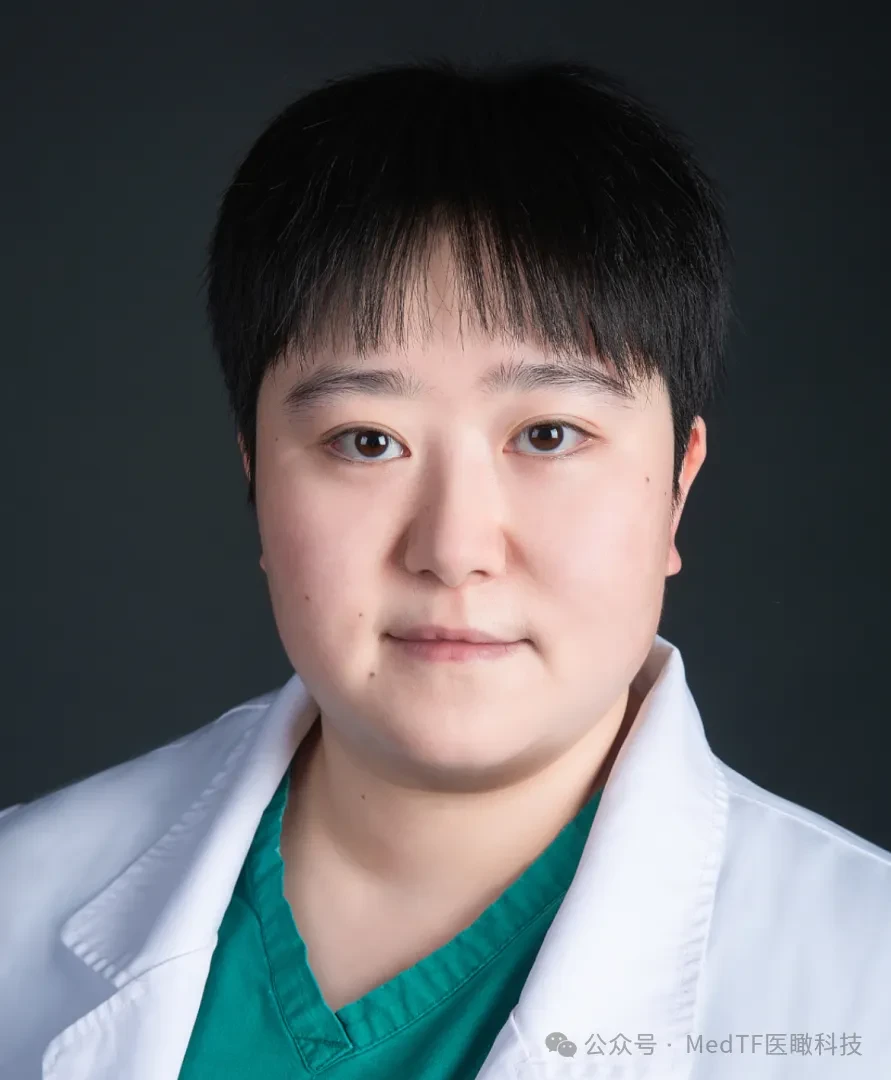
Chen Shasha
Zhongshan Hospital, Fudan University
M.D., jointly trained Ph.D. from Tongji University and the University of Tübingen Faculty of Medicine, Germany.
Department of Cardiology, Zhongshan Hospital Affiliated to Fudan University, Subspecialty of Structural Heart Disease, specializing in interventional diagnosis and treatment including valvular heart disease, congenital heart disease, and pulmonary hypertension.
Member of the Asia-Pacific Structural Heart Disease Youth Club (APSHD) and Training Instructor at the Interventional CT Imaging Training Academy; Member of the Chinese Cardiovascular Physicians Innovation Club (CCI) and recipient of the “Best Project Award” in its sixth cohort; Proctor for the Watchman Left Atrial Appendage Closure Device in China.
Published over 30 research papers domestically and internationally, including more than 20 SCI-indexed papers; awarded the First Prize of the Shanghai Science and Technology Progress Award (2024); participated in three national and provincial/ministerial-level research projects; drafted and co-authored one industry consensus; served as deputy editor-in-chief for two monographs and contributed to three others; granted one invention patent, one utility model patent, and one computer software copyright.
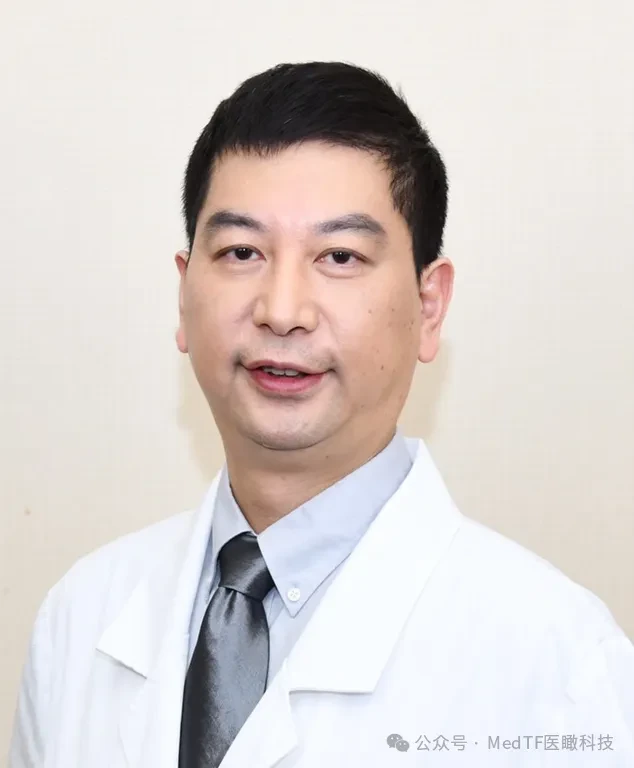
Li Wei
Zhongshan Hospital, Fudan University
Associate Chief Physician, Department of Cardiology, Zhongshan Hospital Affiliated to Fudan University. He holds bachelor’s and master’s degrees from Peking University, a Doctor of Medicine degree from the University of Duisburg-Essen in Germany, and serves as an MBBS lecturer at Fudan University. He is also a committee member of the Cardiovascular Medicine Professional Committee of the China Medical Education Association. Since beginning his professional career, he has been engaged in clinical and research work focused on valvular heart disease, congenital heart disease, and pulmonary hypertension. As a visiting scholar at the University of Duisburg-Essen in Germany and the University of Salamanca in Spain, he further specialized in interventional techniques for valvular heart disease. He served as one of the operators in Asia’s first transcatheter heterotopic tricuspid valve implantation. Currently, he is the principal investigator of one project funded by the Ministry of Science and Technology and a key participant in three projects funded by the National Natural Science Foundation of China. He has published more than 30 papers in related fields. In 2024, he was awarded the First Prize of the Shanghai Science and Technology Progress Award.