Vazyme’s rRNA Depletion Solution Enables Poly(A)-Independent Full-Length lncRNA Sequencing in Collaboration with BGI and CAAS

Illumina
Diagnostic Product Developer
Long non-coding RNAs (lncRNAs) play pivotal roles in processes such as gene expression regulation, microbial metabolism, and environmental adaptation. Traditional library preparation and sequencing protocols based on poly(A) enrichment directly result in the loss of a substantial number of lncRNAs lacking poly(A) tails. Furthermore, the difficulty in reconstructing full-length transcript structures using short-read sequencing technologies severely limits the discovery of lncRNA isoforms and functional studies.
Team of Liu Yongxin at the Shenzhen Institute of Genomics, Chinese Academy of Agricultural SciencesJointVazyme、Bena Gene, published a full-length NanoncRNA-seq protocol in Communications Biology (2026, DOI:10.1038/s42003-026-10214-y), leveraging the ONT R10.4.1 platform to simultaneously capture poly(A)⁺ and poly(A)⁻ RNA, significantly enhancing the identification capability for novel lncRNA isoforms.

Using this protocol, the same sample can be identified for260 lncRNAs, whereas traditional short-read sequencing methods can only detect51 items,5-Fold Increase in lncRNA DetectionHow exactly is the rRNA removal step performed? How long does it take? Does it affect RNA integrity? And to what extent can the final data quality be improved? Below, we will dissect the entire pre-processing workflow from these perspectives.

The study used Saccharomyces cerevisiae as a model, with the entire process being:
Total RNA extraction → rRNA depletion (Vazyme #RN415) → Library construction and sequencing on both Nanopore and next-generation sequencing platforms → Transcriptomic bioinformatics analysis
rRNA constitutes over 90% of total RNA; if not removed, it will consume sequencing throughput. Meanwhile, the poly(A) enrichment strategy will discard non-poly(A) transcripts.-lncRNA; therefore, the study employed an enzymatic probe-based strategy for rRNA depletion, usingVazyme Fungal rRNA Depletion Kit (Vazyme#RN415)Removal of fungal rRNA is a key step in enabling unbiased capture of the full transcriptome. The workflow nodes are shown in the figure below:
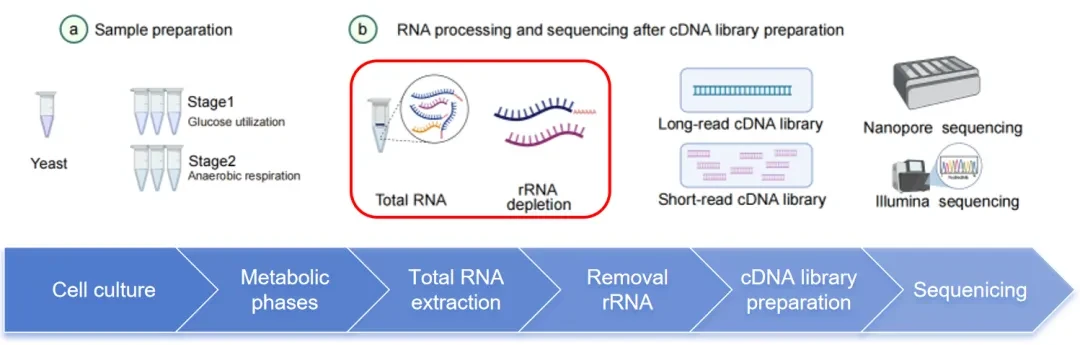
Figure 1. Workflow of the NanoncRNA-seq experiment[1]
Following rRNA depletion, RNA samples were used to construct both ONT nanopore full-length libraries and Illumina short-read libraries. Leveraging the high-accuracy long-read advantage of the ONT R10.4.1 platform, we resolved full-length transcript structures, while incorporating Illumina data for correction and expression validation, thereby establishing a highly complementary analytical framework for full-length lncRNA characterization.
Abundant rRNA dilutes the signals of low-abundance lncRNAs, resulting in the failure to detect many valuable transcripts. In this study,Vazyme Fungal rRNA Depletion Kit (Vazyme#RN415)Following rRNA depletion, the proportion of residual rRNA was significantly reduced, thereby directing sequencing resources predominantly toward mRNA and various lncRNAs.
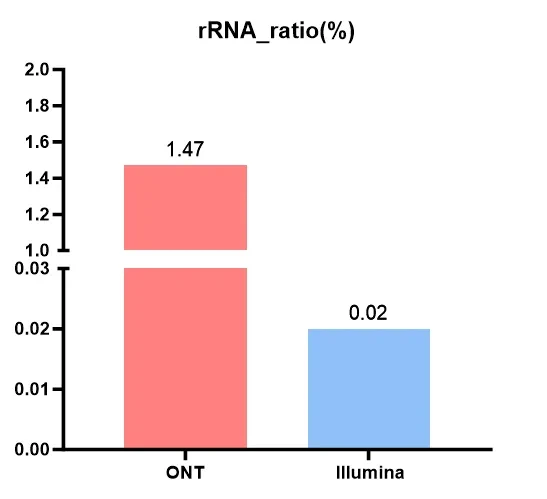
Figure 2. Percentage of ribosomal residue across different platforms (%)
Nanopore sequencing relies on intact, long RNA templates, whereas conventional rRNA depletion reagents tend to shear and fragment long molecules. In this study, theVazyme Fungal rRNA Depletion Kit (Vazyme#RN415)Enzymatic reactions proceed under mild conditions, fully preserving full-length RNA and its native modifications, with a base accuracy of 99.27%, thereby ensuring high-quality sequencing performance.
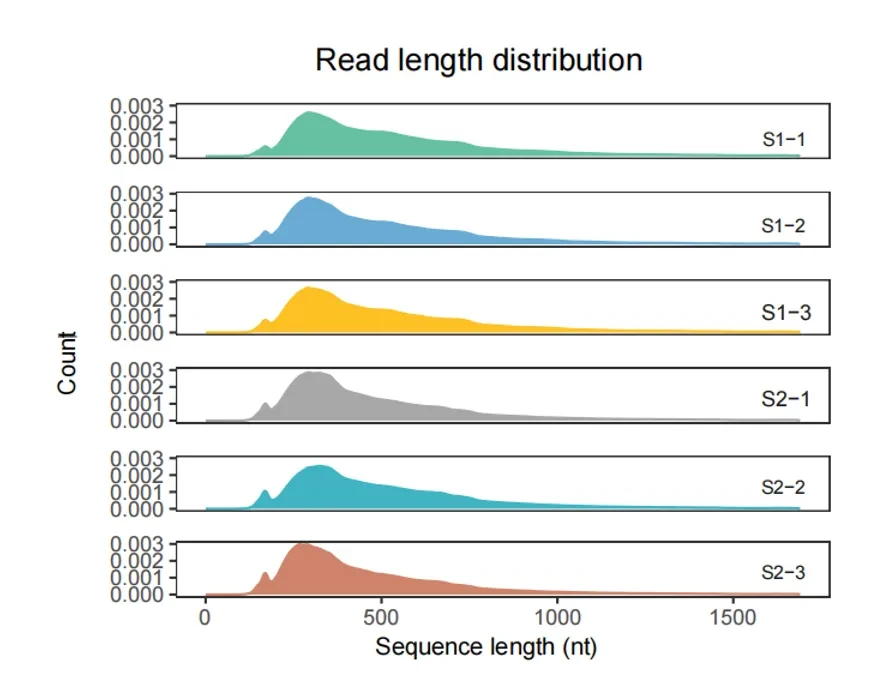
Figure 3. Distribution of sequencing read lengths
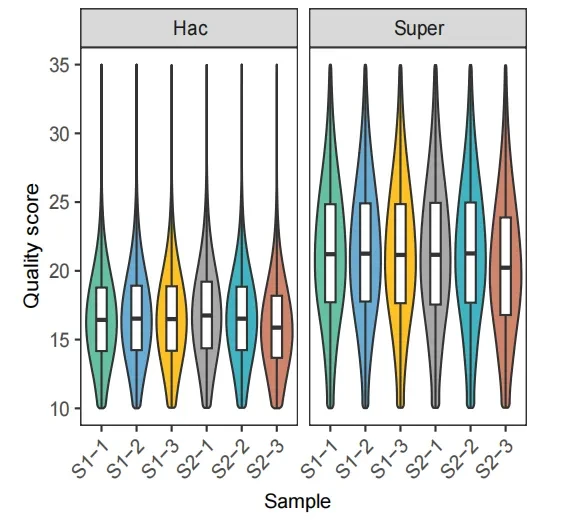
Figure 4. Q Value of Valid Reads
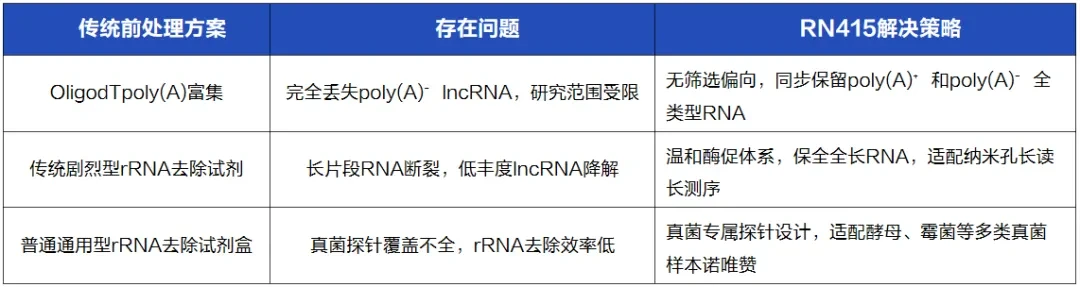
Unlike poly(A) enrichment protocols, which result in the loss of poly(A)⁻ transcripts, this study employedVazyme Fungal rRNA Depletion Kit (Vazyme#RN415)By relying on probe-based targeted removal of rRNA, this approach has no impact on poly(A)⁺ and poly(A)⁻ transcripts, perfectly aligning with the original design principle of NanoncRNA-seq for “tail-type-independent, full-transcript capture,” and serves as the foundation for this study’s ability to uncover a large number of novel poly(A)⁻ lncRNAs.
Core Principles of the rRNA Depletion StepDepthAnalysis
Vazyme Fungal rRNA Depletion Kit (Vazyme#RN415)Probe hybridization combined with RNase H-directed enzymatic cleavage is employed. The core procedure consists of three steps, with the entire process taking approximately 1 hour; the starting amount is 0.01–1 μg.
Widely applicable to:
Full-Length Transcriptome Sequencing of Various Fungi (Molds, Oyster Mushrooms, Candida)
Research on Microbial Poly(A)⁻ Non-coding RNAs and Circular RNAs
Analysis of Differentially Expressed Genes, Alternative Splicing, and Transcript Isoforms in Fungi
Nanopore Direct RNA Sequencing, Strand-Specific Library Construction, and Other Library Preparation Assays
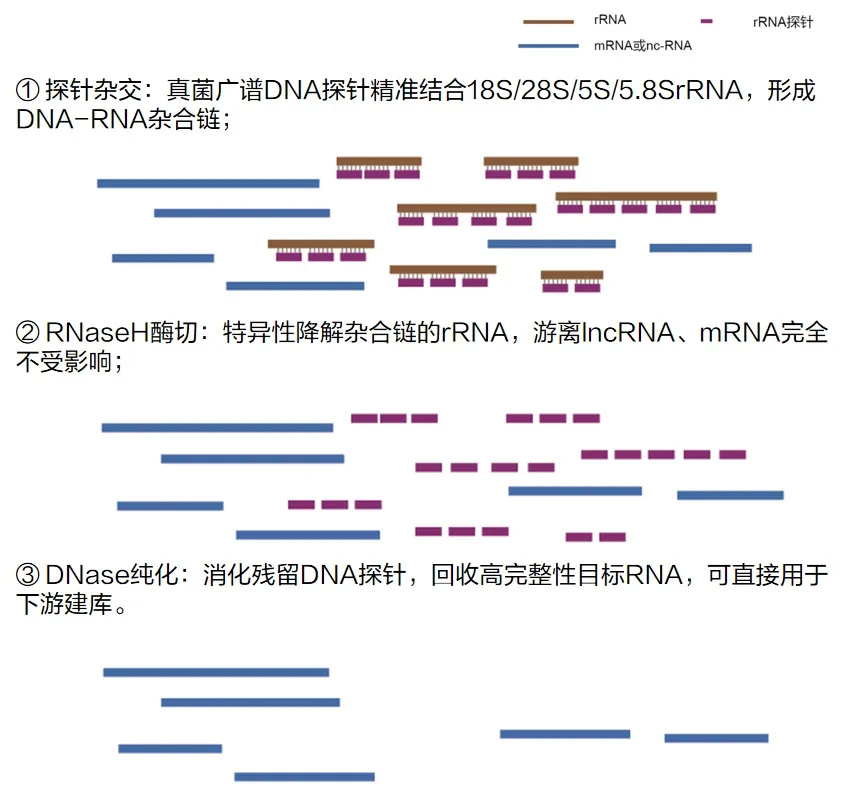
Figure 5. Schematic diagram of the Vazyme Fungal rRNA Depletion Kit (Vazyme#RN415)
- Swipe up or down to view more -
Table 1. Comparison of Different Pretreatment Schemes

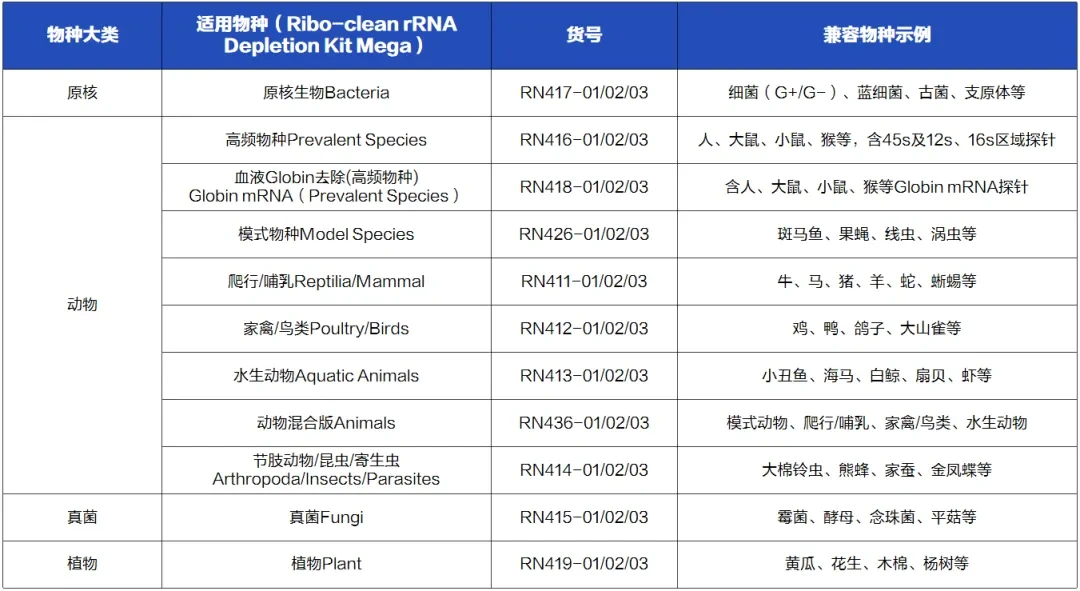
Vazyme rRNA Depletion Kit covers prokaryotes, fungi, animals, plants, and other species, supporting the mixed use of probes from different species. It can simultaneously remove host and microbial rRNA in a single reaction, making it especially suitable for complex interaction samples such as plant-microbe and animal-microbe interactions, significantly improving sequencing efficiency and data quality.
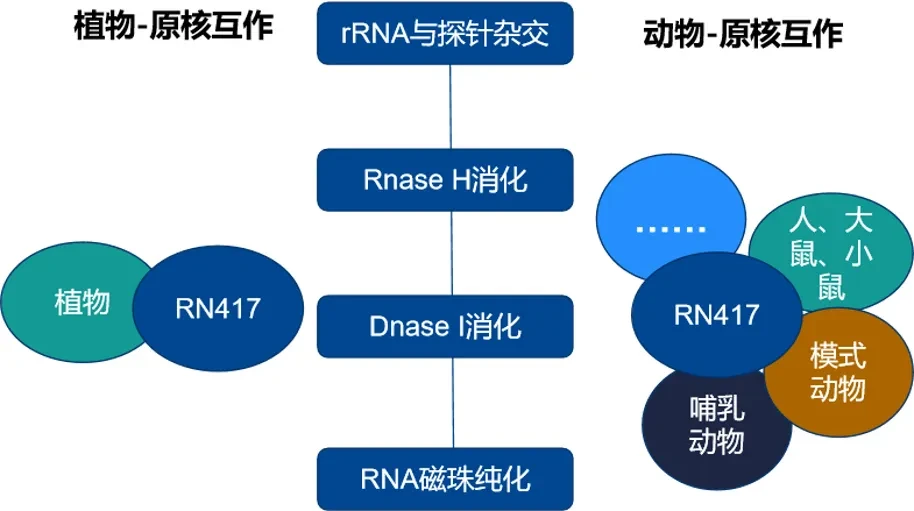
Figure 6. Schematic of Scenario Matching for Vazyme rRNA Depletion Reagents
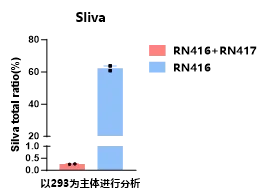
Figure 7. Demonstration of the combined use of 293T RNA and E. coli RNA probes
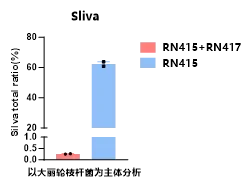
Figure 8. Demonstration of the combined use of Verticillium dahliae RNA and Escherichia coli RNA probes
References:
[1]Zhang T, Chen J, Hou H Y, et al. An rRNA-depleted full-length transcriptome strategy using nanopore sequencing for identification of novel lncRNA isoforms[J]. Communications Biology, 2026. https://doi.org/10.1038/s42003-026-10214-y