

How to Enter Eurasian and African Markets? Chengdu Medical Device & Pharma Globalization Forum Unpacks Market Access, Procurement, and Distribution Channels

VCBeat
Internet Medical Health Media
Currently, the global landscape of the pharmaceutical and medical device industries is undergoing accelerated restructuring. On one hand, regulatory oversight in mature markets such as Europe and the United States is becoming increasingly stringent. Following the implementation of the EU’s Medical Device Regulation (MDR) and In Vitro Diagnostic Regulation (IVDR), certification cycles have lengthened and compliance thresholds have risen, continuously increasing the cost and complexity for enterprises entering international markets. On the other hand, healthcare demand is rapidly expanding in emerging markets across Southeast Asia, the Middle East, Africa, and countries along the Belt and Road Initiative, creating new growth opportunities for Chinese pharmaceutical and medical device companies.
Yet, alongside these opportunities come more pragmatic challenges: ambiguous regulatory frameworks in target markets, fragmented overseas distribution channels, difficulties in vetting partners, insufficient local service resources, and organizational capabilities that fail to keep pace with globalization. An increasing number of enterprises recognize that the international expansion of pharmaceuticals and medical devices is no longer merely about exporting single products, but rather a systematic competition encompassing regulatory compliance, clinical data, procurement systems, distribution networks, talent organization, and sustainable operational capabilities.
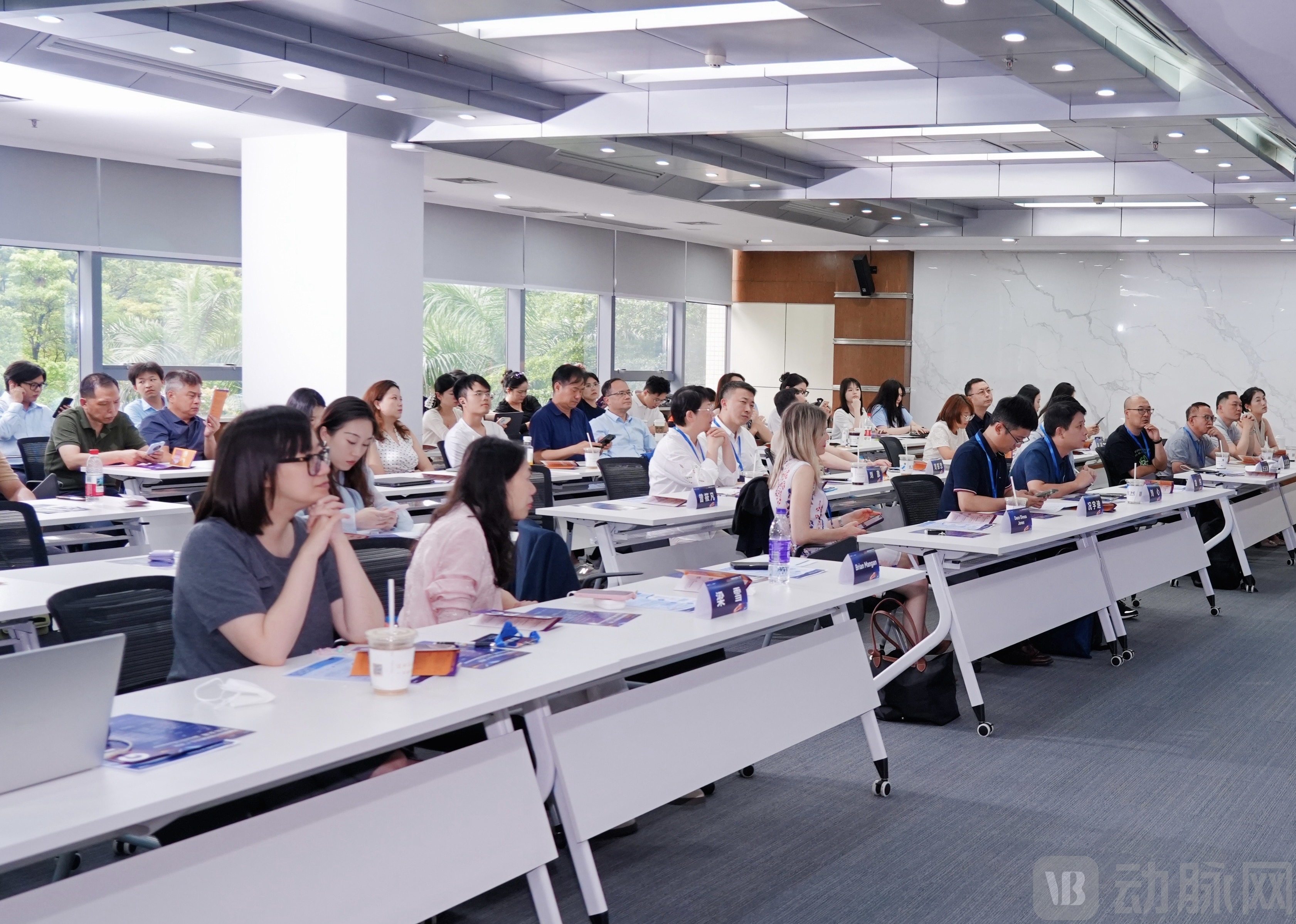
In this context, GMPC and VCBeat plan to hold an event in Chengdu on July 21, 2026.GMPC - International Market Expansion Forum for Pharmaceuticals and Medical Devices · Chengdu Stop. This forum will focus on the key bottlenecks faced by pharmaceutical and medical device companies in expanding into international markets, bringing together international market experts, representatives of companies going global, industry empowerment organizations, and overseas resource providers, to discussMarket access in Europe, Asia, and Africa; allocation of resources for global expansion; overseas brand building and talent development; order conversion and systematic implementation capabilitiesengage in in-depth discussions on these topics, helping companies move from “seeing opportunities” to “forming pathways,” and from isolated overseas ventures to long-term operations.
The primary challenge for pharmaceutical and medical device companies expanding overseas is often not whether their products can go global, but rather which markets to prioritize. While mature markets in Europe and the United States boast well-established regulatory frameworks, their entry barriers continue to rise. Conversely, emerging markets exhibit robust demand but present complex market-entry pathways. For many enterprises, the critical gap lies not in the willingness to expand internationally, but in the ability to clearly assess target markets’ regulatory approval requirements, procurement systems, channel structures, and local partnership models.
This forum will focus on key markets in Europe, Asia, and Africa, with planned sessions on “Market Access and Pathways in Europe, Asia, and Africa” special topic, sharing insights on the public hospital procurement system in Europe, opportunities and market access pathways in West Africa’s healthcare market. The forum plans to inviteRepresentative of the Health Community of West Africa (HCOWA), ShanwaishanEngage with international resource partners to exchange insights, helping companies determine which markets warrant priority expansion, identify the barriers to entry for these markets, and strategize the progression from product approval to market implementation—all from a frontline market perspective.
This is not a general discussion of trends, but a practical breakdown centered on specific markets, specific rules, and specific pathways.
For pharmaceutical and medical device companies, the challenge in advancing internationalization often lies not in a lack of willingness to invest, but in uncertainty about where to prioritize spending.
Should companies prioritize attending overseas trade shows to quickly engage with channels and customers, or focus on building an international brand to enhance market awareness? Should they first recruit overseas talent to establish a localized team, or concentrate resources on validating key markets? These strategic choices impact the efficiency of resource allocation for global expansion and determine whether overseas operations can evolve from short-term opportunities into long-term sustainable business.
The forum is planned to feature “Exhibiting, Brand-Building, Talent Recruitment—How to Allocate Your Overseas Expansion Budget?"Practical Dialogue, Proposed InvitationLinkedIn China, Jinshan Technology Group, Qitan TechnologyRelevant representatives participated in the exchange, helping companies reevaluate the priorities of their overseas expansion investments from various perspectives, including international talent, brand building, market expansion, and corporate practices.
For companies advancing their overseas operations, the value of this phase lies not in simply debating “whether to spend money on going global,” but in helping enterprises determine: which investments are essential for short-term customer acquisition, which are necessary to build long-term capabilities, which resources can be deferred, and which capabilities must be established as early as possible. Only by directing limited budgets toward the key factors that truly impact successful overseas market entry can companies build sustainable competitiveness in the international arena.
For many pharmaceutical and medical device companies, securing overseas orders is merely the first step; the true challenge lies in sustaining delivery, service, and scalability thereafter.
On the surface, global expansion is about orders; at its core, it is about systems. Different markets require different strategies, and different products necessitate distinct pathways. Mature markets in Europe and the United States place greater emphasis on compliance frameworks, clinical evidence, procurement mechanisms, brand endorsement, and payment logistics. In contrast, emerging markets prioritize distribution networks, price adaptability, local services, and partner capabilities. If companies focus solely on immediate orders without establishing supporting systems for regulatory registration, distribution, delivery, after-sales service, and local partnerships, they are likely to encounter the dilemma of “having opportunities but struggling with execution, and securing orders but failing to sustain them.”
This forum is planned to feature “Going Global: Orders on the Surface, Systems at the Core"Practical Dialogue, Tentatively Invited"Chengdu Park Representatives, Aotai Medical, Nangal BiologyGuests will join the discussion to explore, from diverse perspectives including industry services, corporate practice, and digital global expansion, how pharmaceutical and medical device companies can transform one-time orders into sustainable capabilities in overseas markets.
This session will go beyond sharing “success stories” to focus on the real challenges enterprises face when expanding overseas: Can regulatory registration and compliance keep pace with incoming orders? Are channel partners reliable? How can local services be established? How can delivery and after-sales support be ensured? How should companies assess whether a market warrants long-term investment? How can they avoid engaging only in short-term transactions and instead achieve scalable regional replication?
These questions represent the critical issues that medical device and pharmaceutical companies must address as they transition from “exporting products” to “systematic implementation.”
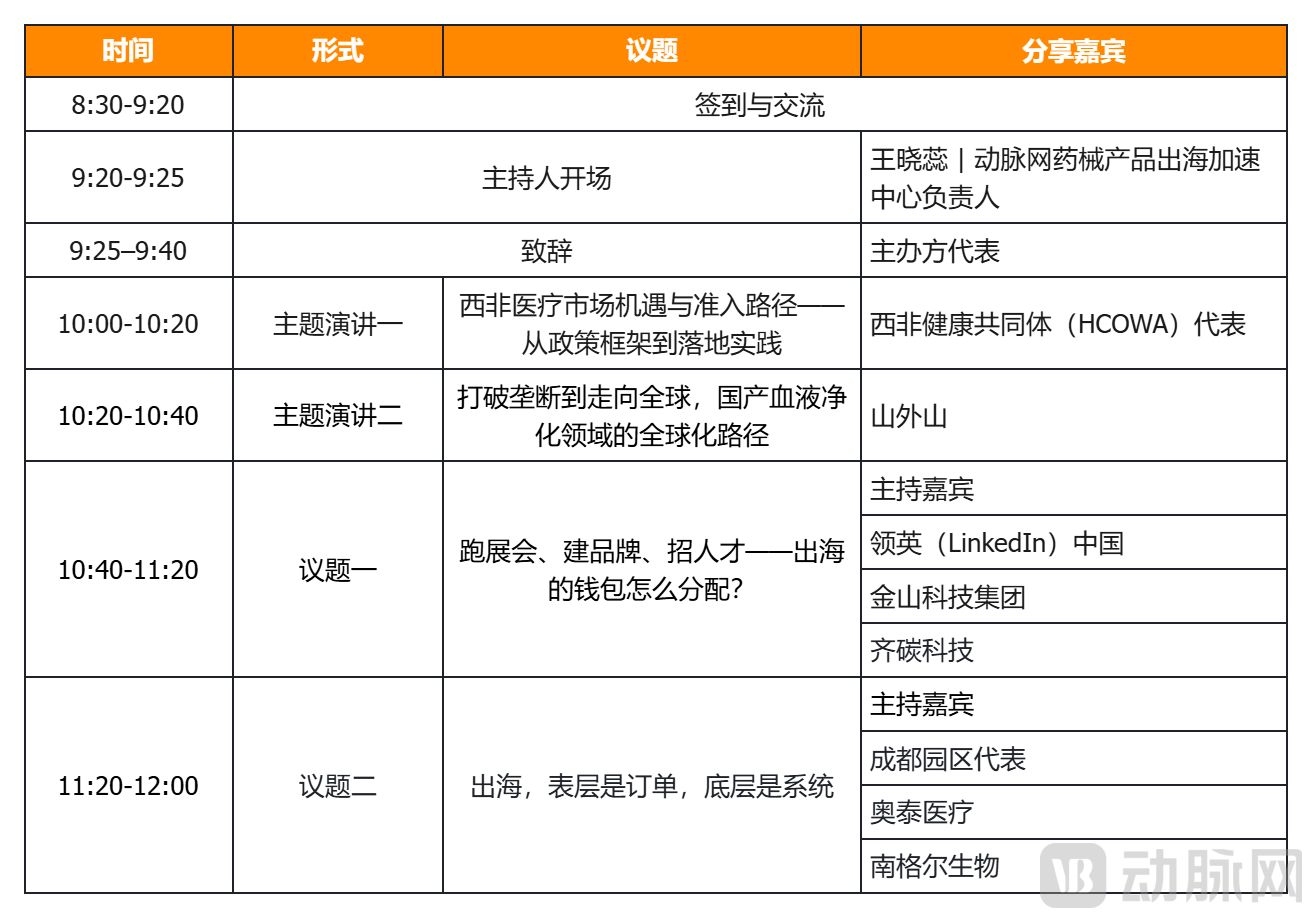
Forum Schedule
July 21, 2026
Forum Venue
Conference Room, 1st Floor, Building C, No. 1 Jinyun East 3rd Alley, High-Tech Zone, Chengdu
Organizer
GMPC, VCBeat
Co-organized by
Chengdu International Chamber of Commerce, Chengdu Private Economy Development Promotion Center
Co-organizers
GHWP (China) Academy, China Information Association Medical and Health Industry Branch, China Medical Device Industry Association Digital Therapeutics Professional Committee
Supporting Organizations
China Chamber of Commerce for Import and Export of Medicines & Health Products, LinkedIn China
Conference Registration:Please scan the QR code below to complete registration.
Conference Inquiries, Business Cooperation:Ms. Wang 17774983530 (WeChat)

Chairmen, General Managers, and Core Management Teams of Pharmaceutical and Medical Device Enterprises in the Chengdu-Chongqing Region
Head of International Business, Overseas Markets, Registration & Compliance, and Channel Expansion for Pharmaceutical and Medical Device Enterprises
Enterprise Teams Planning Overseas Markets, Screening Target Countries, and Advancing Product Registration
Enterprises that have entered the stages of overseas channel development, procurement coordination, partner selection, and localized operations
Overseas Expansion Enablers, Overseas Channel Resource Providers, Industry Service Agencies
Investment institutions, industrial parks, and ecosystem partners focusing on the overseas expansion of pharmaceuticals and medical devices
Pharmaceutical and Medical Device International Market Expansion Forum · Shanghai StationMeeting Link:https://www.vbdata.cn/1519078412
Pharmaceutical and Medical Device International Market Expansion Forum · Guangzhou StationMeeting Link:https://www.vbdata.cn/1519081677
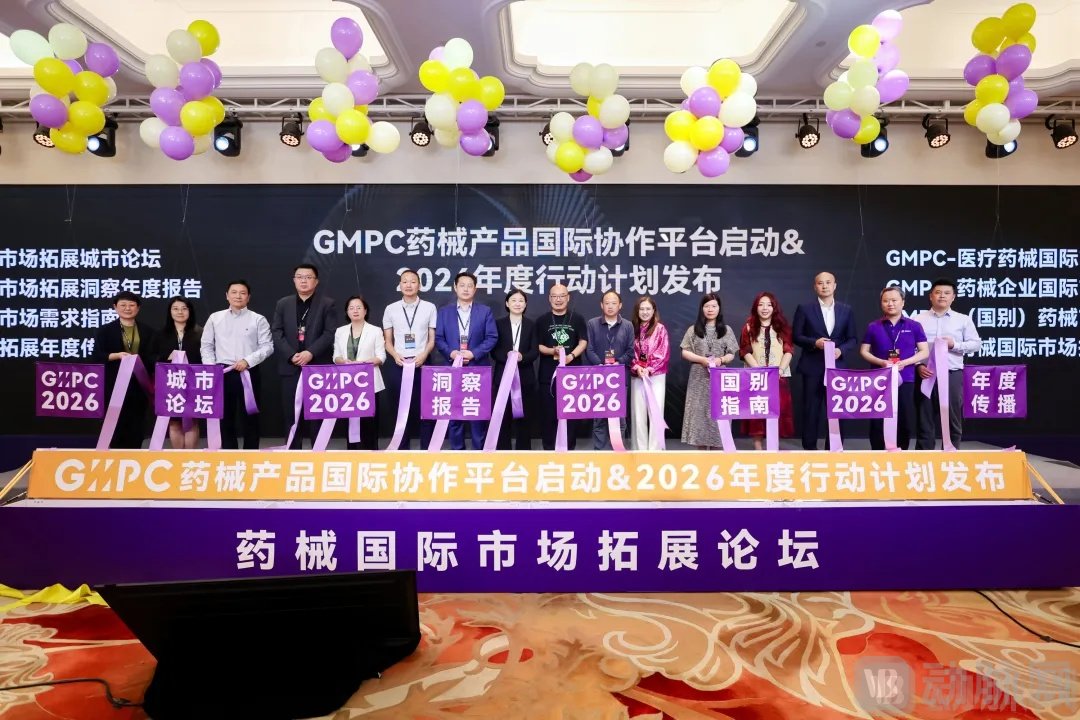
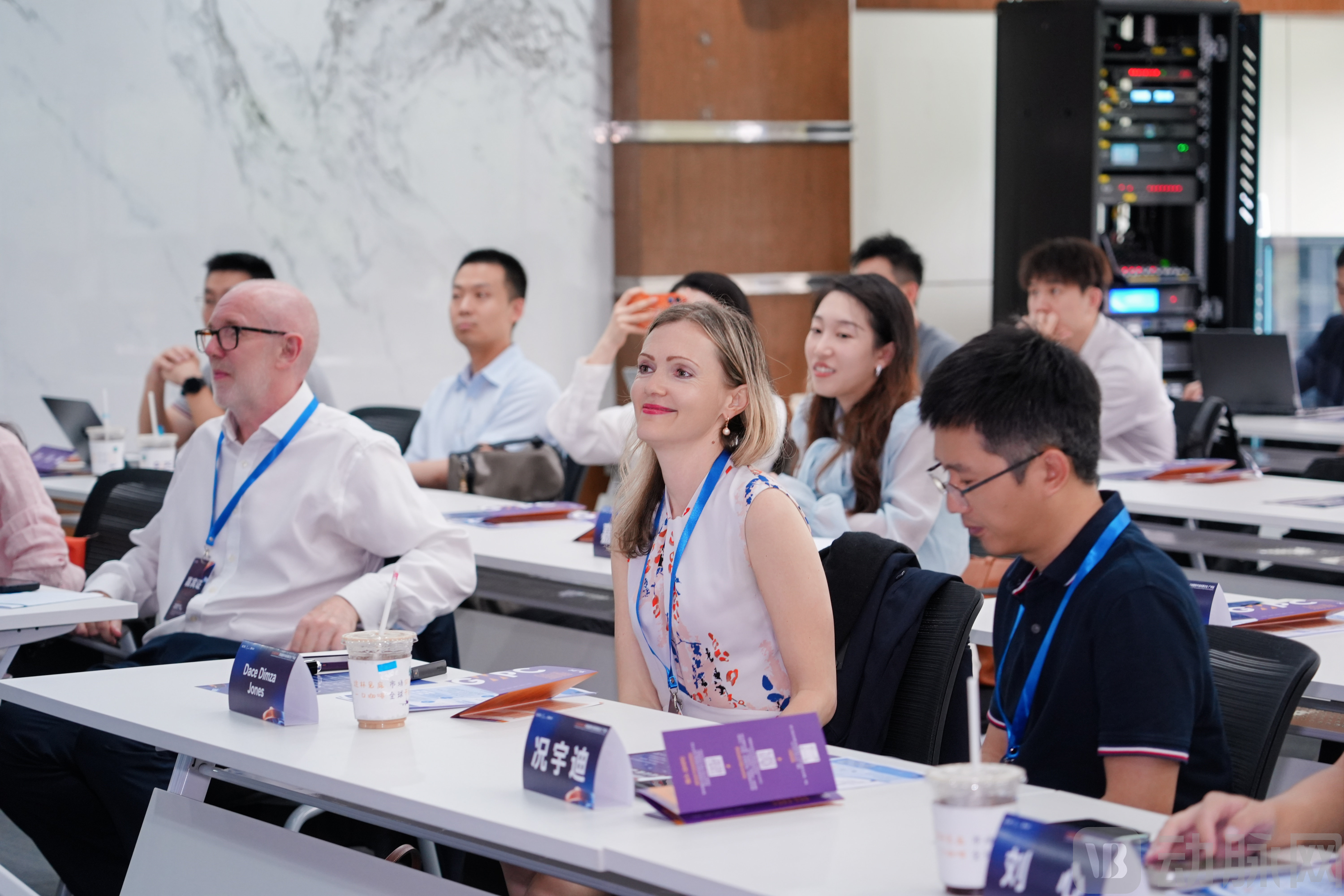
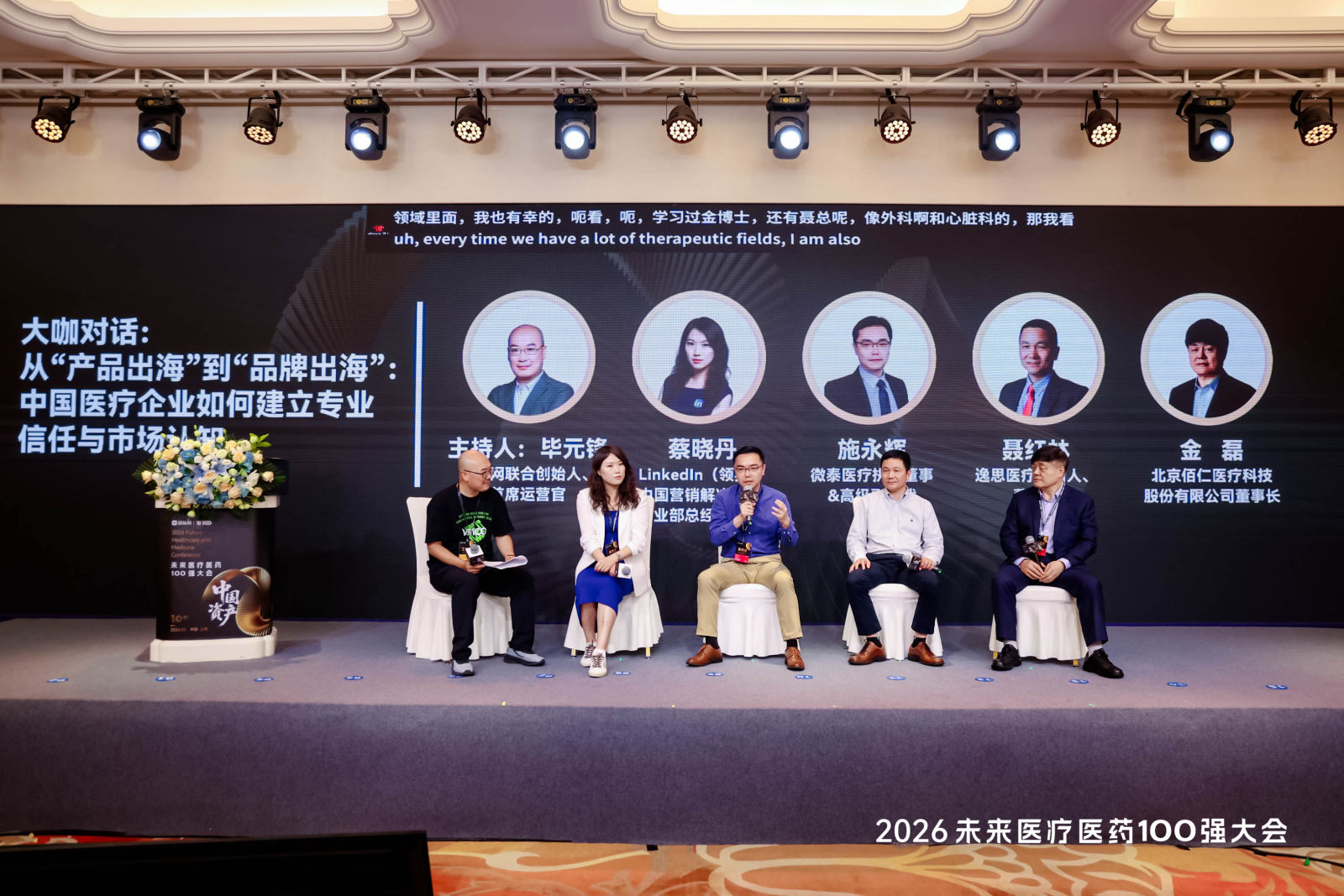
The Global Medical Product Collaboration Platform (GMPC) was jointly initiated by VCBeat, the GHWP (China) Institute, LinkedIn China, PwC China, and the Ferryman Supply Chain Management Club, with VCBeat serving as the permanent secretariat.
GMPC is not a traditional resource platform, but rather a global market expansion and commercialization system for Chinese pharmaceutical and medical device products. Rooted in China’s pharmaceutical and medical device supply chain at the foundational level and aligned with global commercial channels and compliance standards at the strategic level, GMPC leverages organized connectivity to help enterprises systematically address core breakpoints—such as market assessment, regulatory compliance and channel partnerships, brand trust, and sustained commercial conversion—thereby enabling a transition from “opportunity-driven” growth to “systematic competitiveness.” During its preparatory phase, the platform received substantial support from relevant organizations, including the China Chamber of Commerce for Import and Export of Medicines and Health Products, the Global Health Economics Branch of the Chinese Society of Health Economics, and the Bill & Melinda Gates Foundation.