

InnoPac Medical Technology: Five Years Old, Billions in Revenue, and the First Chinese Drug Delivery Device Maker to Break Into the FDA Combination Product Framework

InnoPac
Developer of High-End Pharmaceutical Packaging Materials
Chinese pharmaceutical companies going global are shifting from "pipeline competition" to "systemic competition."
In recent years, Chinese companies have continued to break records, from license-out deals to the overseas launch of innovative drugs. However, as more products begin to challenge mainstream markets in Europe and the United States, the focus of industry competition is also shifting.
Initially, the focus was on whether drug pipelines were innovative and whether clinical data were impressive. Today, as an increasing number of products begin to challenge mainstream markets in Europe and the United States, the industry has gradually come to realize that the success or failure of global expansion depends not only on the drug itself, but also on the capabilities of the industrial chain supporting its entry into global markets. Among these, a key link that has long remained outside the spotlight yet directly impacts the commercialization and implementation of pharmaceuticals is the drug delivery device.
For drugs such as insulin and GLP-1 receptor agonists, pen injectors are far more than mere "drug containers." From intellectual property strategy and functional validation to quality system establishment, precision manufacturing, and regulatory submission for combination products, they are integral to nearly every critical milestone in the commercialization of pharmaceuticals. To a certain extent, the accompanying drug delivery device also plays a crucial role in determining whether a drug can successfully enter the European and American markets.
However, over the past few decades, the market for high-end drug delivery devices, such as pre-filled syringes and self-injection pens, has been firmly dominated by European and American companies. From patent barriers to quality standards, and from precision manufacturing to registration regulations, multiple layers of hurdles have established extremely high entry thresholds.
This situation was broken in June this year, when a strategic pharmaceutical partner of InnoPac Medical Technology received formal FDA approval for its liraglutide injection, which is equipped with InnoPac's Inpacpen DCP® disposable, dose-adjustable cartridge pen. This marks the first drug-device combination product approved by the FDA to utilize a Chinese-made pen injector, representing a long-awaited substantive breakthrough for China's drug delivery device industry.
Behind this FDA approval lies not a traditional industry giant—InnoPac Medical Technology was founded in 2021 and has been in existence for only five years. Yet it is this young company that has pioneered the entry of Chinese-made pen injectors into the FDA-regulated market.
More notably, it has demonstrated a development speed far exceeding the industry average—
Achieved profitability in its second year of operation; currently boasts an annual revenue scale of hundreds of millions of yuan, maintaining a 50% growth rate for consecutive years; earlier this year, the company completed a B+ round of financing amounting to hundreds of millions of yuan.
Meanwhile, InnoPac Medical Technology's international expansion is rapidly unfolding. Currently, the company is simultaneously advancing over 150 client projects both domestically and internationally, with business operations spanning multiple continents worldwide.
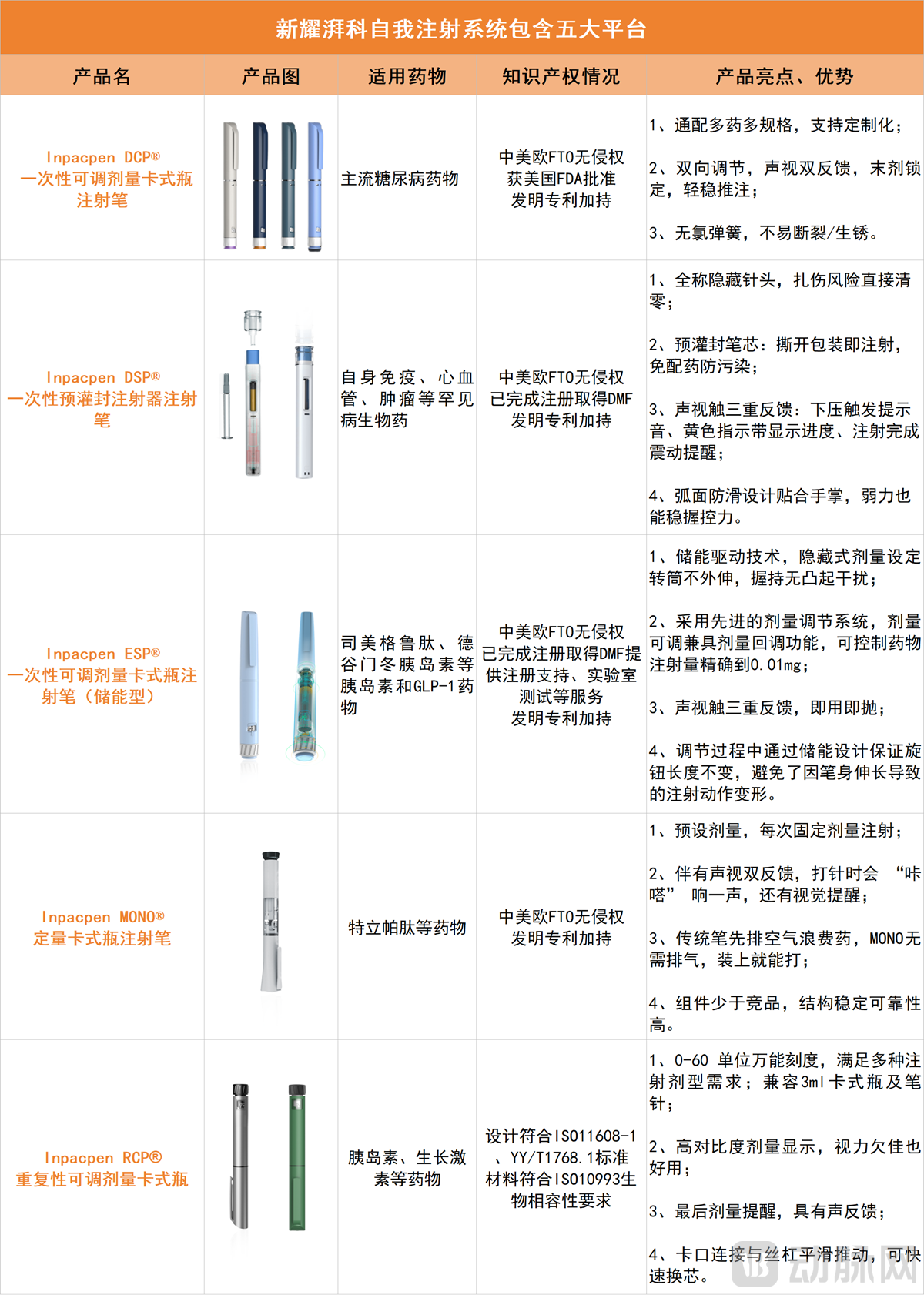
Underpinning this growth is the company's progressively established technology and product ecosystem. Over its five-year history, InnoPac Medical Technology has formed four core business segments—infusion systems, transfer systems, self-injection systems, and custom development—and built five technological platforms centered around self-injection scenarios.
However, compared to growth rates and commercialization achievements, a more noteworthy question may be: Why have Chinese companies only truly knocked on the door of the FDA pen injector market until today? And why has InnoPac Medical Technology become the first company to achieve this breakthrough? ... With a series of questions in mind, VCBeat conducted an exclusive interview with Niu Jianglong, Co-founder of InnoPac Medical Technology.
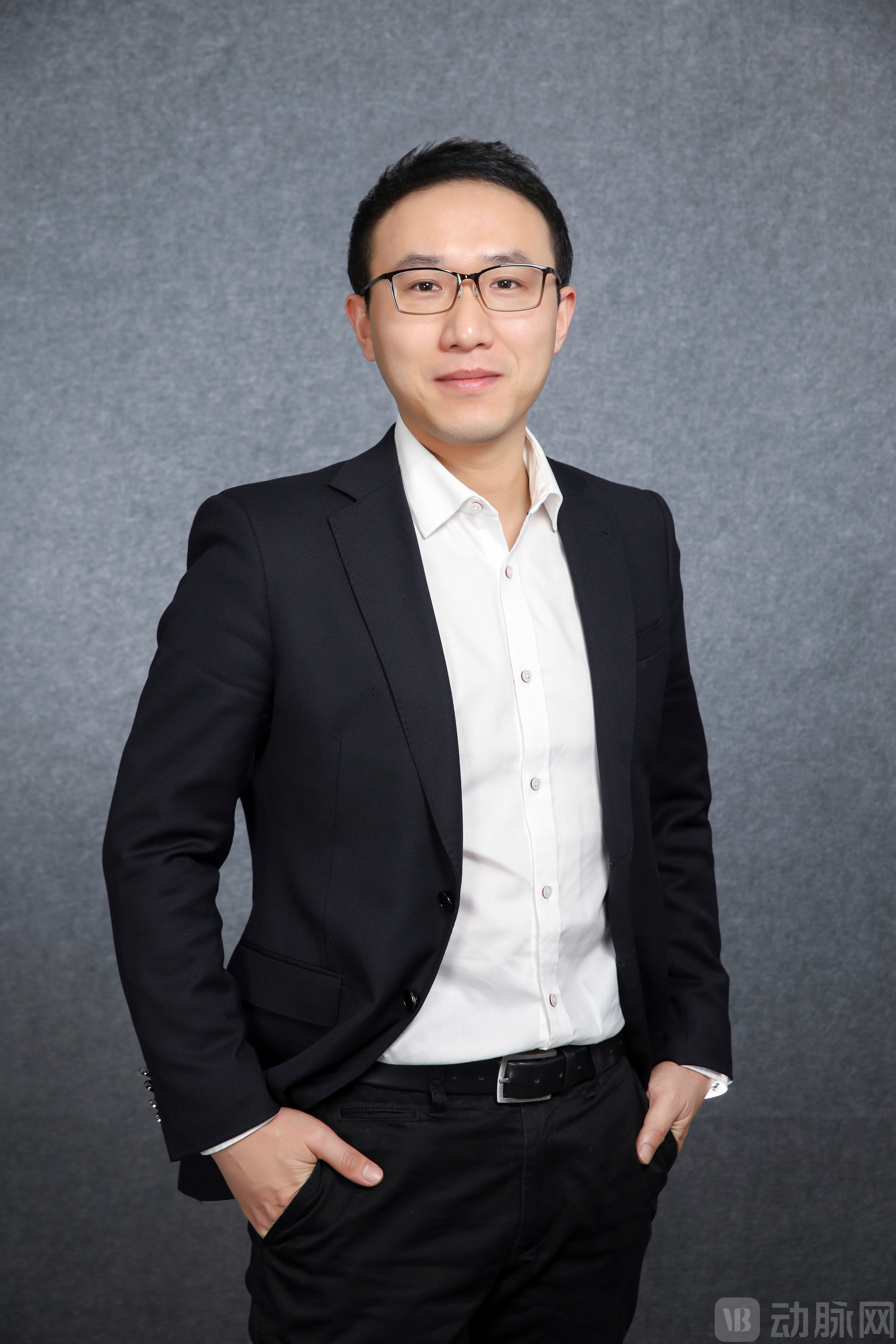
Niu Jianglong, Co-founder of InnoPac Medical Technology
VCBeat: Mr. Niu, please introduce your background and what was the impetus for founding InnoPac Medical Technology?
Niu Jianglong: I earned both my bachelor's and master's degrees in Biochemical Engineering from East China University of Science and Technology, and later pursued an MBA at Cheung Kong Graduate School of Business. For the past decade and more, I have been consistently engaged in work related to medical devices and drug delivery systems.
What truly drove us to launch our startup was the period after 2020. On one hand, the pandemic exposed uncertainties in global supply chains, posing increasing challenges for Chinese pharmaceutical companies in sourcing overseas drug delivery devices. On the other hand, the rapid development of innovative drugs in China has led more pharmaceutical companies to expand into international markets, resulting in a swift rise in demand for high-quality drug delivery devices.
However, over the past few decades, products such as pre-filled syringes and self-injection pens have been nearly monopolized by European and American companies. We believe that China has ample opportunity to cultivate its own high-end drug delivery device enterprises, which is why we founded InnoPac Medical Technology in 2021.
VCBeat: What development stages has the company gone through since its establishment, and what are its key milestones?
Niu Jianglong: We were established in 2021, and this year marks our fifth anniversary. We have experienced rapid growth each year, with continuous strategic upgrades. Our first milestone was the launch of the Safetis® needle protector, with its target market directly aimed at Europe and the United States; subsequently, the pre-filled syringe project was initiated, and the product has already been registered and activated in the U.S.; concurrently, the self-injection pen project was launched, with successful product development and gradual entry into mass production; the latest milestone is Inpacpen DCP® truly entering the U.S. market and obtaining FDA approval.
VCBeat: This January, InnoPac Medical Technology completed a B+ round of financing worth hundreds of millions of yuan. Its shareholders include well-known Chinese investment institutions such as GF Xinde Investment and Huatai GenScript, industrial capital like Tonghua Dongbao, and specialized firms such as Parmercare, which are deeply engaged in international registration and overseas expansion services... Was this highly diversified combination intentionally designed at the beginning of the fundraising?
Niu Jianglong: In fact, it was not deliberately designed at the beginning, but gradually formed with the development of the enterprise. The company has been growing rapidly, leading to increasing demands for capital and resources. At each stage where expansion of production capacity or increased R&D investment required funding, we introduced strategic investors capable of generating business synergies.
For instance, with Tonghua Dongbao, we first established a business partnership, which was later followed by equity investment to further deepen our collaboration in the capital market. Our current shareholders include healthcare companies such as Haohai Biological Technology, Tonghua Dongbao, Sinopep, and GenScript, as well as pure financial investors like GF Xinde and Huatai Zijin. Although each investor comes from a different background, they all value the mutual promotion and synergy in business operations.
VCBeat: What drove the formation of your four core business pillars—infusion, transfer, self-injection, and custom development? What are their respective revenue contributions and strategic priorities?
Niu Jianglong: The global drug delivery device market is a vast sector, encompassing pre-filled syringes, pen injectors, auto-injectors, and more. We define ourselves as a comprehensive enterprise focused on novel, high-end drug delivery devices, rather than a company that produces only a single product.
The infusion system primarily consists of pre-filled syringes and associated safety devices, including Safetis® needle protector, Intesafe™ integrated safety pre-filled syringe, and InpacJector® COP Luer Lock pre-filled syringes; self-injection systems are primarily designed for chronic disease management products. We have established five self-injection pen platforms for a variety of medications, including those for diabetes, weight loss, osteoporosis, and infertility. Transfer systems involve the reconstitution of lyophilized products, such as vaccines. Custom development entails personalized design tailored to the pharmaceutical characteristics of drug manufacturers.
Currently, in terms of revenue contribution, secondary packaging materials (such as needle protectors and auto-injector pens) have relatively shorter registration cycles and are the main source of business contribution; primary packaging materials (such as pre-filled syringes) require extensive testing and longer registration change cycles, but many projects are currently underway.
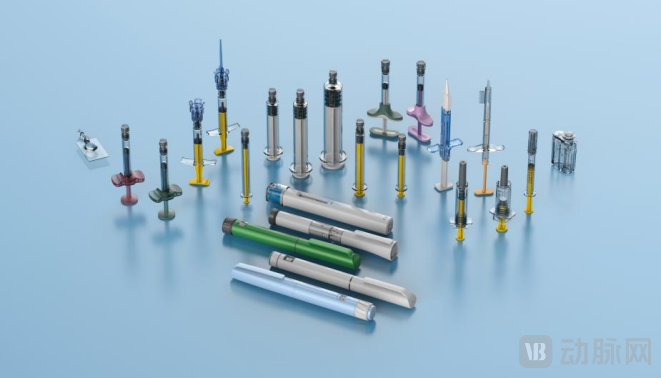
InnoPac Medical Technology Product Family Portrait
VCBeat: Why has the first FDA-approved drug-device combination product utilizing a Chinese-made pen injector only emerged today?
Niu Jianglong: It should first be noted that the regulatory pathway for injection pens is relatively unique, utilizing a joint submission approach with pharmaceutical companies to enter the U.S. and European markets.
To achieve this, the drug itself must first enter the U.S. market, and secondly, the pharmaceutical company must select a compatible drug delivery device. For pharmaceutical manufacturers, choosing a partner for joint regulatory submission involves highly complex considerations—even if the drug demonstrates superior efficacy, any issues with the delivery device in terms of intellectual property, supply capacity, manufacturing quality, regulatory documentation, or functionality will significantly impact the entire project. Therefore, injection pen manufacturers must not only overcome technical challenges but also earn the full trust of pharmaceutical companies.
Why has this breakthrough only emerged today? The external reason is the rapid development of Chinese pharmaceutical companies in recent years, with expanding into European and American markets becoming a trend, which has spurred the practical demand for high-quality local drug delivery devices. Meanwhile, when selecting drug delivery devices, pharmaceutical manufacturers focus on evaluating four key dimensions:
First, clarity of intellectual property rights. If the product carries IP risks, it may hinder market launch in the United States and even trigger litigation from originator pharmaceutical companies. Therefore, at the initial stage of every product development project, we have collaborated with specialized IP law firms in China, the United States, and Europe to issue professional FTO non-infringement opinions, ensuring a clear and unencumbered IP landscape.
Second, the capability for stable mass production. We have established a municipal-level smart factory in Shanghai, building an injection pen production line with hundreds of millions in capacity through advanced equipment and intelligent manufacturing concepts, thereby instilling full customer confidence in our supply capability and quality control.
Third, high standards for the quality system. Although injection pens are mechanical devices, they are considered core components of combination products in the United States, and their production management system requirements are on par with drug review standards. Our high-standard system is designed to meet FDA sampling and inspection requirements.
Fourth, professional registration capabilities. The linked approval and filing system for combination products requires a regulatory team well-versed in global regulations on drug-device combinations, capable of working closely with pharmaceutical manufacturers to prepare joint submissions and efficiently respond to FDA inquiries.
Thus, the emergence of this "first-in-class" product was driven externally by the trend of Chinese pharmaceutical companies expanding globally, and internally by our simultaneous compliance across four dimensions: intellectual property, manufacturing, quality systems, and regulatory registration. It was the combined effect of these internal and external factors that ultimately enabled this breakthrough.
VCBeat: What signal does this approval send to international pharmaceutical companies that are currently on the sidelines?
Niu Jianglong: Many international pharmaceutical companies have been observing the Chinese market for years. Early this year, I spoke with an executive at an MNC, who revealed that one of their strategies for the year is to seek projects in China, including licensed-out drugs and high-quality, cost-effective drug delivery devices. However, most remain on the sidelines, awaiting successful case studies that demonstrate genuine end-user acceptance.
This approval sends a clear signal: China indeed possesses the capability to manufacture products that meet the FDA's highest standards, whether in terms of intellectual property, product quality, design, or supply chain capacity. We aim to help global pharmaceutical companies, particularly Chinese firms, expand into more countries with cost-effective solutions. However, we define our offerings not as low-price, low-quality products, but as high-quality, high-value solutions.
VCBeat: What unique designs have been implemented in the Inpacpen DCP® disposable, dose-adjustable cartridge pen injector to ensure dosage precision and mechanical reliability?
Niu Jianglong: Dosage accuracy and mechanical reliability are fundamental capabilities, serving as the baseline qualification for inclusion in the supplier selection process for insulin and GLP-1-based therapies.
Several key considerations guided our design process. First, with tens of thousands of global patents related to injection pens, including several thousand core patents, we ensured our design was non-infringing while carefully addressing functional transmission, auditory feedback, smoothness, and injection force control. Second, we prioritized industrial feasibility by avoiding overly complex structures to enable automated production, control costs, and ensure quality. Third, the design maintains compatibility with customers' existing production and packaging lines. We have secured a portfolio of core patents for the product, all of which are currently proceeding through the global PCT application process.
VCBeat: Many major pharmaceutical companies in the international market are also developing their own injection pens. What are the differentiated advantages of Inpacpen DCP® compared to those?
Niu Jianglong: Currently, the majority of mainstream injection pen products worldwide are sourced from large pharmaceutical companies in Europe and the United States. Due to their substantial market scale and high product utilization, these companies have long adopted a model of independently developing drug delivery devices and have established comprehensive patent systems. However, this path is difficult to replicate for companies in China and most emerging markets.
When it comes to differentiated advantages, they can be examined from two perspectives. First, unlike pharmaceuticals, medical devices cannot be directly compared based solely on clinical data and therapeutic efficacy. Core metrics for drug delivery devices, such as dose accuracy and mechanical reliability, are basic thresholds that all manufacturers must meet, making it difficult to gain a competitive edge through these factors alone.
True differentiation lies in intellectual property and manufacturing capabilities. Our core competitiveness is defined by the ability to forge an independent technological pathway while ensuring large-scale, stable production, all without infringing on existing intellectual property rights.
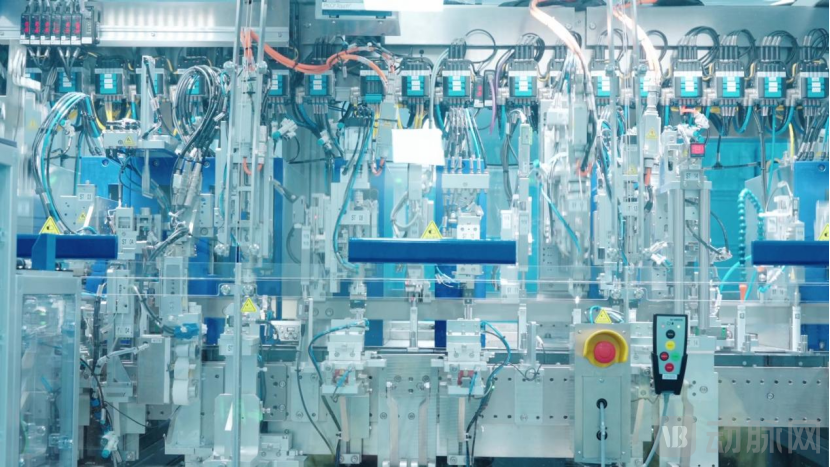
InnoPac Medical Technology Production Line
VCBeat: What is the biggest challenge for InnoPac Medical Technology during the R&D process?
Niu Jianglong: The biggest challenge was actually time. The Chinese injection pen sector has seen rising interest in recent years, with numerous players entering the market. Our company entered this niche relatively late—founded in 2021, we officially launched our related business only in 2023. Nevertheless, the team completed product development in just over a year and spent more than six months building mass-production lines, achieving commercial-scale production by Q4 2024. This rapid progress was driven by the entire team's relentless efforts and efficient collaboration across R&D, engineering, manufacturing, quality assurance, regulatory affairs, and other key functions.
VCBeat: How long did the entire process take, from initial contact to final FDA approval?
Niu Jianglong: This project was initiated in 2023, entered full-scale production at the end of 2024, and subsequently, we jointly submitted a registration application to the U.S. FDA in partnership with the pharmaceutical manufacturer. The process encountered numerous challenges, some of which were industry-wide issues, such as changes in the regulatory environment. Last year, the FDA refused to accept test reports issued by several Chinese third-party testing agencies due to data integrity concerns—a move that sent shockwaves through the industry. As our project also relied on third-party testing services, our submission timeline was significantly delayed as a result. However, we responded swiftly by promptly changing our partner and reorganizing and completing the necessary test reports.
VCBeat: Setting aside specific product projects, what are InnoPac Medical Technology's competitive advantages?
Niu Jianglong: Our uniqueness is deeply rooted in the overall capabilities of China's manufacturing sector. China holds significant advantages in intelligent manufacturing, production costs, and supply chain integration. Located in Shanghai and backed by the robust supply chain ecosystem of the Yangtze River Delta region, InnoPac Medical Technology has been able to rapidly deploy its automated production lines. This achievement is not solely due to our own efforts but also benefits from the close collaboration with upstream and downstream suppliers, enabling us to enhance production efficiency and reduce costs while ensuring product quality.
Another key advantage is our rapid response capability. Compared to large, distant foreign enterprises, we are more agile in sensing and responding to changes in demand within the Chinese market. This swift responsiveness is also underpinned by the supporting infrastructure of local suppliers—a reflection of our comprehensive capabilities that ultimately enables us to deliver more efficient services to pharmaceutical manufacturing clients.
VCBeat: With the widespread application of biologics, medical aesthetics products, and chronic disease medications, the pre-filled syringe (PFS) market in China is experiencing rapid growth. InnoPac Medical Technology has also made strategic moves in this sector. Could you please provide an introduction?
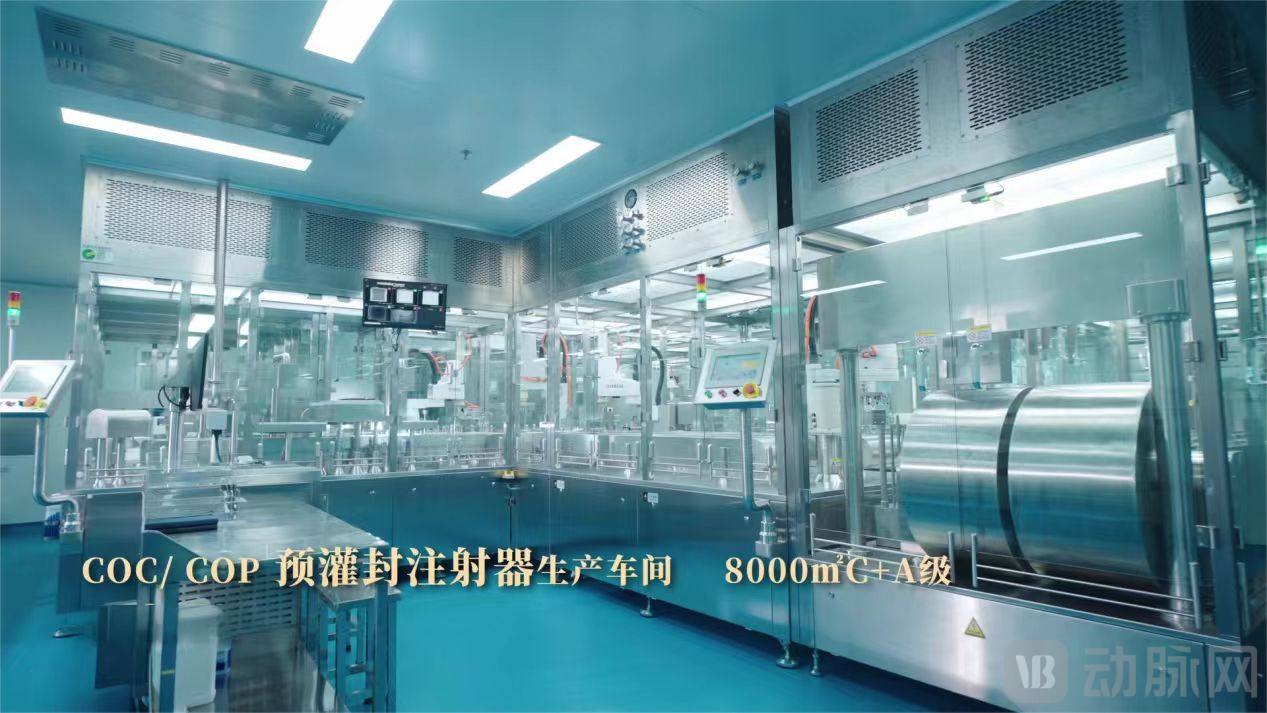
Niu Jianglong: Pre-filled syringes represent a key segment in the field of drug delivery devices. We have adopted a technological approach entirely distinct from that of glass products, utilizing cyclic olefin polymer (COP) and cyclic olefin copolymer (COC) materials, with our research, development, and mass production strategies all centered around this direction.
Last year, this product successfully entered the U.S. market and completed FDA registration activation. Compared to traditional glass, polymer pre-filled syringes are less prone to breakage and offer advantages in drug compatibility and stability, making them particularly suitable for biologics and other categories with stringent packaging material requirements.
Leveraging these advantages, pre-filled syringes have become one of the company's fastest-growing business segments in recent years. Coupled with the sustained volume growth of self-injection pens, these two product lines constitute the core engines with the greatest growth potential for InnoPac Medical Technology's future.
VCBeat: Several domestic injection pen manufacturers have production capacity plans reaching tens of millions or even hundreds of millions of units per year. Can the global market absorb such a large volume?
Niu Jianglong: We believe the global market is fully capable of absorbing this production capacity. From a demand perspective, the largest application scenario for injection pens is insulin delivery, with global annual insulin consumption reaching billions of units, while the Chinese market also reaches hundreds of millions of units. Currently, reusable pens remain dominant in less developed regions; however, disposable pens offer significant advantages in portability and dosing accuracy, and have been fully adopted in mainstream markets across Europe and the United States. As chronic disease management expands its coverage, penetration rates are expected to continue rising.
From the supply side, as automation levels increase and production costs decline, penetration rates are expected to rise further. Beyond insulin, demand for GLP-1 in the areas of glycemic control and weight management is rapidly expanding. Categories such as growth hormones and biologics are also gradually adopting self-injection devices, indicating that the global market size remains substantial.
Currently, the market remains dominated by European and American players, while Chinese companies hold advantages in manufacturing and production. Beyond production capacity, entering the supply chains of mainstream international pharmaceutical companies requires comprehensive compliance across multiple dimensions, including product efficacy, intellectual property, quality, supply stability, and regulatory registration capabilities. The market is expected to sustain rapid growth in the future, with the focus of competition shifting from price to product quality.
VCBeat: The development of innovative drugs is also accelerating the rapid evolution of drug delivery devices. What new clinical needs have you observed that are driving the next generation of injection devices? And what is InnoPac Medical Technology's strategic layout in this area?
Niu Jianglong: Currently, the market focus remains on GLP-1 and insulin products. The utilization rate of these chronic disease medications continues to rise, representing the company's most core business direction at present.
However, the trend for next-generation products is already emerging. Leading international drug delivery device companies are driving the upgrade from passive to active systems, developing wearable, digitally controlled patch-based drug delivery systems. These products can transform self-injection into a more automated method of administration and feature online management capabilities, representing an important direction for future development. Currently, this trend has seen application cases in certain high-end medications in Europe and the United States, and we are actively monitoring and preparing related technologies.
VCBeat: Amid the AI boom, what are InnoPac Medical Technology's thoughts or strategic layouts in these two areas?
Niu Jianglong: We are indeed deeply leveraging AI, with our current focus primarily on production applications. We have established our proprietary AI platform for intelligent production line control and smart warehouse management. Additionally, we have built an internal database and employ locally deployed AI models for continuous training, supporting the company's end-to-end processes—from R&D and production quality control to operational management. In the future, we also plan to explore further integration of AI into our products for next-stage exploration and application.
VCBeat: How did InnoPac Medical Technology first come into the view of international clients?
Niu Jianglong: Our business comprises three categories: purely domestic operations, indirect overseas expansion (where direct clients are domestic pharmaceutical manufacturers, but the end markets for the drugs are in Europe and the United States), and purely overseas operations (where products are sold directly to overseas pharmaceutical companies). Purely overseas operations were launched only in the second half of 2024.
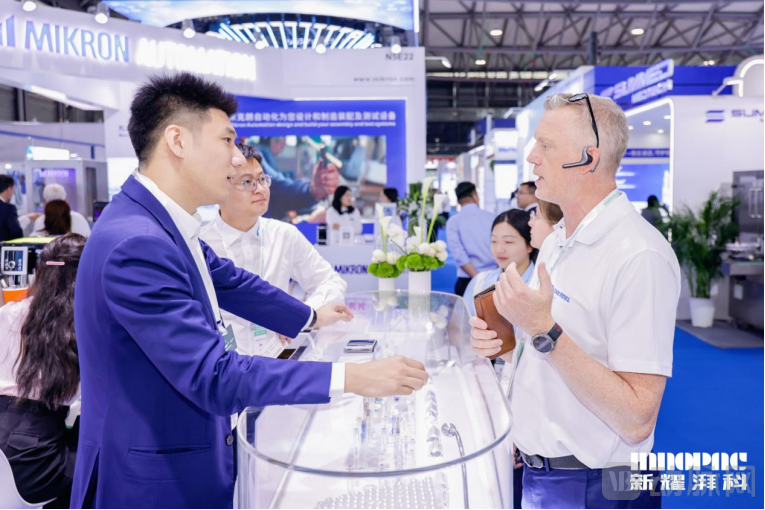
Gaining visibility among international clients was primarily achieved by participating in global industry exhibitions. Initially, many clients approached us with skepticism; however, leveraging our profound understanding of the industry and products, coupled with the company's rapid growth, we swiftly identified customer needs and delivered tailored solutions, thereby winning the trust of numerous clients.
Meanwhile, as we already have products exported to Europe and the United States alongside domestic clients' pharmaceuticals, this has helped rapidly enhance customer awareness and trust. For instance, at the recent CPHI Shanghai exhibition, many overseas clients proactively approached our booth for discussions. Coupled with the brand effect of being the "first FDA-approved product in China," our visibility has significantly increased.
VCBeat: InnoPac Medical Technology achieved profitability in its second year of establishment. How was this accomplished so quickly?
Niu Jianglong: Competition among drug delivery device companies is, in essence, competition at the upstream level of pharmaceutical manufacturers. Two key tasks must be accomplished: first, earning the full trust of pharmaceutical companies by gaining their recognition in terms of technological roadmap, market promotion, and personnel systems; second, establishing mass-production capabilities to instill confidence in pharmaceutical partners to jointly submit regulatory filings using your products. Following submission, the products must still navigate regulatory approval challenges.
Our ability to rapidly achieve profitability stems primarily from the team's extensive experience accumulated over years in the industry. We have a clear understanding of market demands and technical challenges, and have strategically planned the investment and launch timelines for our four product lines—initially launching one product to achieve self-sustaining profitability, then reinvesting those profits into R&D to advance the development of second- and third-generation products. Ultimately, the effective management of this pace relies on the team's deep understanding of the industry.
VCBeat: What is the company's current revenue situation?
Niu Jianglong: Our current revenue scale has reached hundreds of millions of RMB, achieving profitability in 2022, with an average annual growth rate of approximately 50%. In terms of geographic coverage, we have expanded from initially focusing on the domestic market and indirect exports to now including direct overseas exports, jointly advancing over 150 cooperative projects both domestically and internationally.
VCBeat: How is the progress of overseas expansion?
Niu Jianglong: Currently, our products are sold to more than 20 countries worldwide, including those in Europe and America, Southeast Asia, and Africa. Specifically, we divide the global market into three tiers.
The first tier, represented by Europe and the United States, features highly stringent regulatory frameworks, quality standards, and product quality requirements. The U.S., in particular, is renowned as a market with exceptionally high barriers to pharmaceutical approval. This constitutes our primary target market; the ultimate goal of our R&D and product development is to ensure that every product gains access to the European and American markets.
Tier 2 includes developed markets such as South Korea and China, where regulatory requirements are similar to those in Europe and the United States and standards are relatively high. Although their market size may be smaller than that of Europe and the United States, these markets enforce strict regulations and are by no means "weakly regulated" environments. Leveraging our existing products and technological reserves, these markets represent both our established areas of strength and key targets for focused coverage.
Tier 3 encompasses emerging markets with relatively lenient regulatory frameworks, such as Southeast Asia and the Middle East. These regions exhibit robust demand for Chinese pharmaceuticals, medical devices, and raw materials, valuing the high cost-performance ratio, superior quality, and reasonable pricing of Chinese products, while placing relatively less emphasis on intellectual property and patent protection. We will address these markets through specialized technological pathways and business models.
Overall, we adopt differentiated strategies for different markets, but the company remains steadfast in its core objective: all products must meet the standards of high-end, stringent global markets.
VCBeat: What are the company's next steps? What milestones might be achieved by the end of this year?
Niu Jianglong: Going forward, we will continue to focus our efforts on three key areas. In terms of product technology, our first injection pen platform has entered the U.S. regulatory submission phase, with multiple additional products slated to enter highly regulated markets such as Europe and the United States in conjunction with our customers' pharmaceuticals. Regarding production and supply, we will continue to expand our high-end automated manufacturing facilities and increase capacity to meet growing customer demand. In the realm of cutting-edge applications, we will allocate a dedicated portion of our R&D budget each year to build a pipeline of forward-looking technologies, including patch-based drug delivery devices and intelligent solutions.
By the end of this year, several new products are expected to receive regulatory approvals in various countries, and a batch of key production capacity construction projects will be completed.
VCBeat: Over the next three years, what kind of company do you hope InnoPac Medical Technology will become?
Niu Jianglong: Our company's mission is to focus on innovation, provide safe and convenient products, alleviate patient suffering, create value for customers, and ensure a prosperous life for its employees. Our vision is to become a world-class pharmaceutical packaging service provider, offering optimal drug delivery solutions to pharmaceutical manufacturers.