

Three ADCs Achieve Milestone Approvals in China, Signaling a $10B Domestic Market Opportunity

CHIATAI TIANQING
High-quality pharmaceuticals research, production, and sales provider

Sino Biopharm
Pharmaceutical R&D Developer

Biokin
Pharmaceutical R&D Developer

Innovent
High-end Biologics Developer

June 27, 2026
eMedClub News
June 23,CHIATAI TIANQING’s Marketing Application for Vitacotumab for Injection Accepted, as monotherapy, it is indicated for patients with CLDN18.2-positive, locally advanced or metastatic gastric/gastroesophageal junction adenocarcinoma who have previously received at least two lines of systemic therapy. The drug had previously been formally included in the priority review program by the Center for Drug Evaluation (CDE).
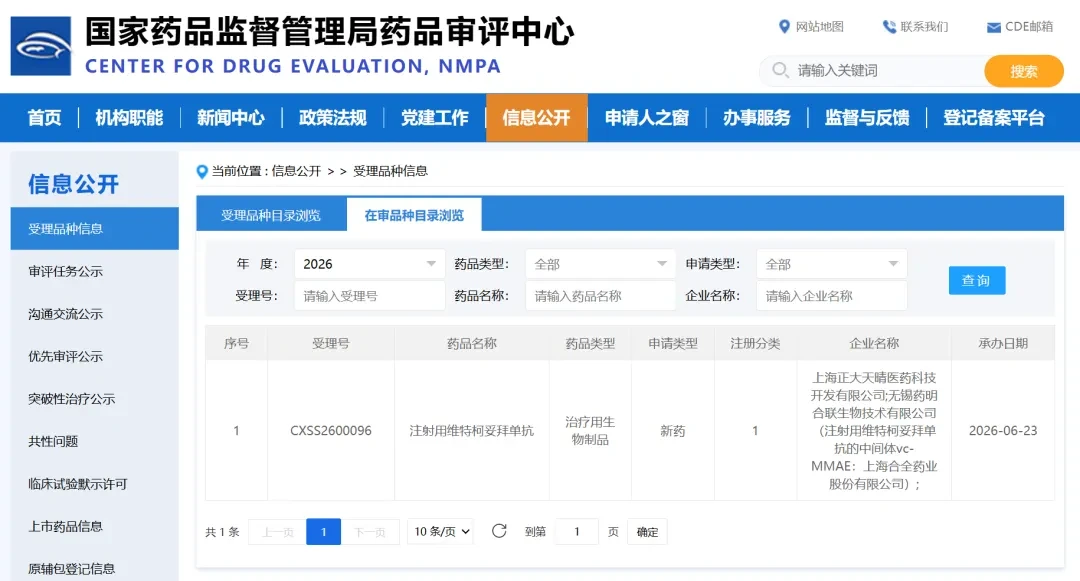
Vitacotabimab(LM-302)This is an antibody-drug conjugate (ADC) targeting CLDN18.2, developed by Lixin Pharma. It specifically binds to CLDN18.2-positive tumor cells, enters the cells via endocytosis, and releases small-molecule toxins to achieve precise killing of tumor cells. In July 2025, Sino Biopharm acquired 100% of Lixin Pharma for a net consideration of approximately USD 500 million, thereby incorporating its pipeline into its portfolio.
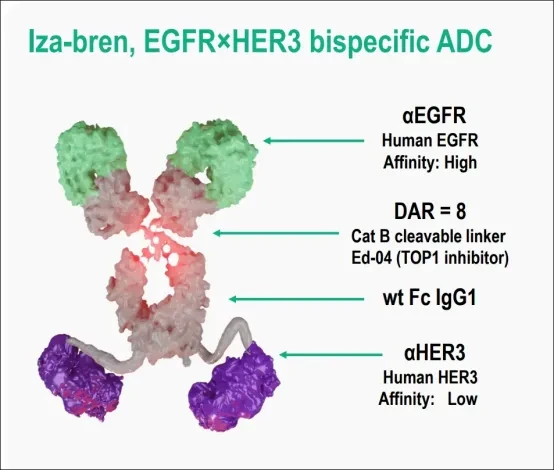
June 22,Biokin's "Lunkangyilongtuomab" Approved for Marketing in China, for the treatment of adult patients with recurrent or metastatic nasopharyngeal carcinoma who have failed at least two lines of prior systemic chemotherapy and PD-1/PD-L1 inhibitor therapy. This is a global first-in-class innovation.(First-in-class). New Concepts(New concept)Moreover, it is the only EGFR×HER3 bispecific antibody-drug conjugate (ADC) to have entered Phase III clinical trials, and also the first drug of its class approved for marketing globally, marking a milestone.
June 4,Innovent Announces That the New Drug Application for Its CLDN18.2 ADC Candidate IBI343 Has Been Accepted by the CDE and Granted Priority Reviewfor locally advanced unresectable or metastatic CLDN18.2-positive gastric or gastroesophageal junction adenocarcinoma in patients who have received at least two prior systemic therapies. This is the first CLDN18.2-targeted ADC drug globally to have its regulatory review accepted.
IBI343 utilizes a cleavable linker to deliver the highly potent exatecan payload.(Topoisomerase I Inhibitors)Selective delivery to tumor cells; meanwhile, an Fc-silent design is employed to minimize off-target toxicity outside the tumor. Its international Phase III clinical study in patients with advanced gastric cancer(G-HOPE-001, NCT06238843)The first interim analysis was completed according to the prespecified protocol, meeting the primary endpoint and demonstrating the favorable safety and tolerability profile of IBI343.
The Era of Domestic ADCs Is Arriving
These landmark advancements epitomize the entry of China’s ADC sector into a period of concentrated commercialization.
From the perspective of market size,According to public data, the global market size for ADC drugs exceeded $38 billion in 2026, while the domestic market size surpassed RMB 42 billion, with a compound annual growth rate of 47% over the past three years.。
From the R&D pipeline perspective, data from Evaluate shows that 51% of global ADC clinical trials currently originate from China, indicating a rapid rise in its global influence in the ADC field.The collective acquisition spree by MNCs further validates the recognition of domestic ADC pipelines.。

Since the beginning of 2026 alone, several major deals have been closely finalized—Yilian Biotech reached an exclusive licensing agreement with Roche, with its B7-H3-targeted ADC candidate YL201 securing a one-time upfront payment and near-term milestone payments totaling $570 million; Innovent entered into a global strategic collaboration with Pfizer worth up to $10.5 billion, covering novel ADCs with various differentiated payloads.
Capital’s Favor Driven by Advances in ADC Technology: Currently, domestically produced antibody-drug conjugates (ADCs) have achieved full-chain, independent control over the four core components—antibody, linker, payload, and conjugation process. In the early stages, the industry largely relied on imported toxins and conjugation platforms; today, proprietary technologies such as site-specific homogeneous conjugation, novel topoisomerase I (TOPO) inhibitor payloads, immune-stimulating payloads, and pH-differentiated cleavable linkers are gradually being implemented.
Meanwhile, the R&D logic within the industry has undergone a significant shift. Companies are no longer merely chasing hot targets and following trends; instead, they are building competitive moats around differentiated technologies. One group of enterprises is deeply engaged in developing bispecific antibody-drug conjugates (ADCs) and multi-epitope conjugation strategies to address tumor heterogeneity in solid tumors. Another group is focusing on novel payloads with lower toxicity to broaden the therapeutic window. Yet others are simultaneously advancing combination regimens of ADCs with PD-1/PD-L1 inhibitors, extending the applicability of these drugs from later-line treatments to earlier lines and adjuvant therapy settings.
Summary
Looking at the global industrial landscape, China has firmly secured its position in the first tier of ADC R&D.. Over half of global clinical trials are led by Chinese companies, forming a complete closed loop from target discovery and process development to clinical development and commercialization for overseas markets; multinational corporations (MNCs) have shifted from merely exporting technology and leveraging domestic clinical resources in the past to actively acquiring and engaging in deep collaborations on Chinese-made ADC pipelines.
In the short term, CLDN18.2 ADCs and bispecific antibody ADCs will continue to reach key milestones in regulatory approvals and clinical data releases. In the medium to long term, site-specific conjugated next-generation ADCs, radioconjugates, and ADC plus immunotherapy (IO) combination regimens will usher in a second wave of innovation in the industry. Meanwhile, Chinese-made ADCs will continue to advance through overseas clinical trial applications and global licensing deals, achieving an industrial leap from “domestic innovation” to “global medicines.”
Executive Editor | Xun
Proofread by Xun
References:
1.https://mp.weixin.qq.com/s/0QEZwFSMbhtVz7fnQN2KoA

# Featured Events
Scan the QR code with a long press to participate immediately↓
Recommendation 1
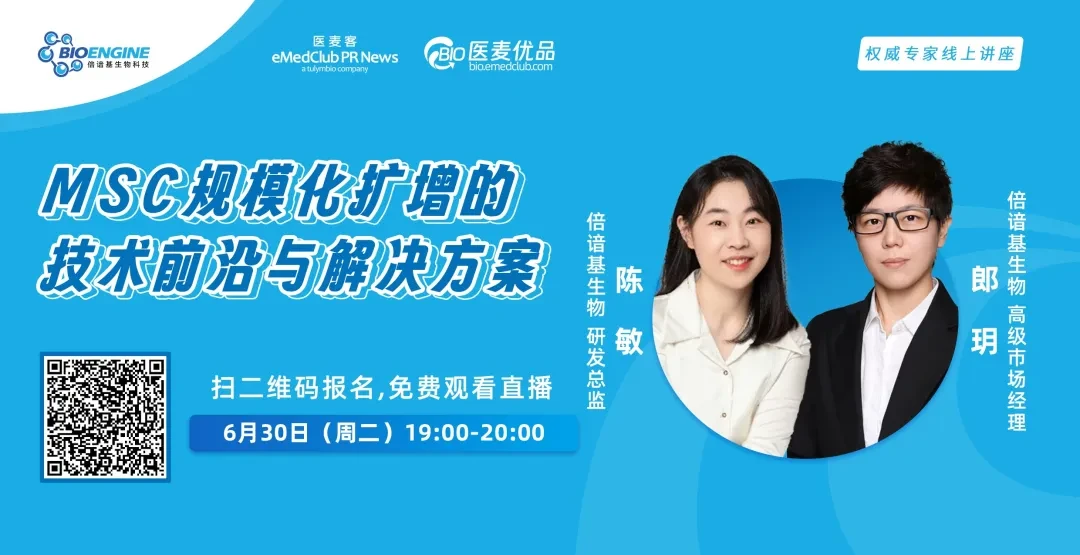
June 30, 19:00-20:00
Technological Frontiers and Solutions for the Large-Scale Expansion of MSCs
Recommendation 2
July 9, 19:00-20:30
Dual-Target CAR-T: From Clinical Breakthroughs to Process Implementation


Tap “Share”、“Like” and “Watching”
Recharge me~