Home Dual Approvals on the Same Day! Artificial Heart Market Reshaped: Chinese Duopoly Challenges Johnson & Johnson, Tripartite Era Begins

Dual Approvals on the Same Day! Artificial Heart Market Reshaped: Chinese Duopoly Challenges Johnson & Johnson, Tripartite Era Begins

Jun 19, 2026 08:00 CST Updated 08:00

ForQaly

Minimally Invasive Heart Ventricular Assist Device Developer

Core Medical

Artificial Heart Series Product Developer

Image         9 Essential Facts About Heart Failure | Everyday Health
On June 8, 2026, China’s cardiovascular device industry witnessed a historic day.
NMPA Officially Announces Approval of Two Major Devices on the Same Day: ForQaly SynFlow 3.0 and Johnson & Johnson’s Abiomed Impella Interventional Left Ventricular Assist Device Console Officially Receive Certification (The Associated Catheter Consumables for Both Products Are Under Review).
In Just One Day, Completely Reshaping the Market Landscape of China’s Percutaneous Ventricular Assist Device (pVAD)
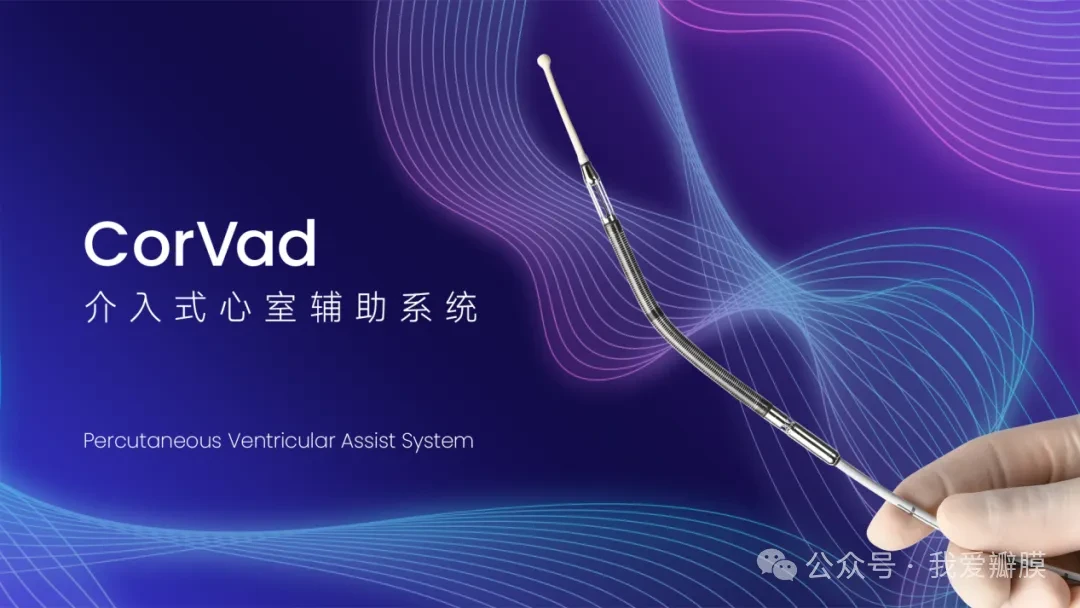
Prior to this, Core Medical’s CorVad secured the first domestic approval in December 2025, enjoying a six-month period of exclusivity in the market.
With the convergence of the top three players, China’s pVAD market has officially entered an era of tripartite balance.
Yet beneath the calm approval lies a fiercely contested landscape. Currently, more than ten companies in China are queued to file applications, and the coming years will inevitably see intense, cutthroat competition in this multi-billion-yuan sector.
Some lead the pack with ultimate performance, others break through via cost-driven differentiation, while some, despite holding vast global clinical data, are mired in safety scandals.
Today, we conduct an in-depth analysis of these three top-tier players to understand the current landscape and future battleground of China’s minimally invasive artificial heart industry.

01
What is pVAD? The “Life-Saving Assist Device” for Cardiac Intervention

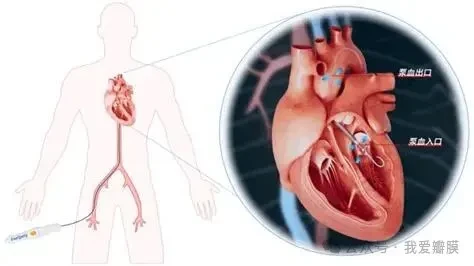
Many people’s understanding of artificial hearts is still limited to traditional devices that require open-chest implantation. In contrast, the pVAD (percutaneous ventricular assist device) is a truly minimally invasive, cutting-edge technology.
Without the need for thoracotomy, temporary cardiac pumping support can be established via percutaneous vascular access in high-risk cardiac interventional procedures, creating a vital lifeline for critically ill patients.
It serves as a “safety shield” for high-risk PCI procedures and a “temporary lifeline” for patients with cardiogenic shock, making it an indispensable core device in the field of critical cardiovascular care.
For over a decade, this high-end sector was long monopolized by overseas giants. In 2026, China finally ushered in the inaugural year of pVAD commercialization, with domestic forces formally breaking the foreign monopoly.

02
Three Powerhouses Unveiled! A Comprehensive Breakdown of the Core Strengths of Three Approved Products

Currently, there are three licensed pVAD products in China: Core Medical's CorVad, Johnson & Johnson's Impella, and ForQaly's SynFlow 3.0. These three products differ significantly in their technological approaches, product positioning, and respective advantages and disadvantages, forming a differentiated competitive landscape.
1. Core Medical CorVad: China’s First Certification, An All-Around Powerhouse
As the first approved interventional artificial heart in China, Core Medical’s CorVad has leveraged its first-mover advantage to secure a leading position in the field. Approved for market launch in December 2025, it has completely ended the era of no domestically produced percutaneous ventricular assist devices (pVADs) in China.
It is also the only company globally to hold dual certifications for both implantable and interventional artificial hearts. Its implantable artificial heart, CorHeart 6, has been implanted in over 1,200 cases, accumulating substantial clinical experience and channel resources, thereby maximizing its ecosystem advantages.
Core Technical Highlights:
Equipped with a self-developed axial flux multi-drive motor (mAFP), the motor features an integrated design, resulting in a pump body diameter of only 4–5 mm for minimally invasive procedures. Most notably, its hemolysis control capability is outstanding, with a Modified Index of Hemolysis (MIH) of just 0.23. This represents a 95% reduction compared to the Johnson & Johnson Impella CP’s MIH of 4.1, causing negligible damage to blood cells.
Meanwhile, it set a new industry record for the longest duration of auxiliary support, with animal experiments demonstrating a maximum support time of 28 days—far exceeding the 4–5 day upper limit of imported products. Furthermore, the pump body’s operating temperature rise does not exceed 2°C, ensuring optimal safety and stability.
The product portfolio is now comprehensive, covering all models (3.5/4.0/6.0/8.0), with a strategic expansion into the right ventricular assist device series, making it suitable for diverse clinical scenarios.
Shortcomings and Limitations:
As a newly launched domestic product, it has only been implemented in hundreds of clinical cases, resulting in limited data accumulation and the need to further cultivate industry brand recognition. The design featuring a built-in single-use motor also leads to relatively high per-use costs. Furthermore, it has not yet received approval for use in cardiogenic shock (AMICS) scenarios, indicating that there is still room for expansion of its indications.
Core Medical CorVad R&D & Approval Timeline
TCT 2025|西京医院心血管团队携CorVad®介入式心室辅助系统支持高危PCI研究(REC-CHIPMCS)亮相国际顶会 -- 严道医声网
  1. 2019: Core Medical initiated the R&D project for the interventional left ventricular assist device CorVad, while simultaneously laying out dual technical routes for implantable and interventional artificial hearts;
  2. 2021–2023: Achieved breakthroughs in key technologies, iteratively optimized the structure of axial flux multi-drive motors and core algorithms for hemolysis control and temperature rise control, and completed animal experiments and finalization of the prototype;
  3. 2024: Officially launched the multicenter RCT confirmatory clinical trial, with enrollment conducted at 23 centers across China;
  4. 2025: Successfully completed clinical trials with 260 subjects and submitted a marketing authorization application based on excellent hemolysis, safety, and endpoint data;
  5. December 2025: Received formal approval from the NMPA, becoming the first domestically approved Chinese-made interventional pVAD product in China, filling the domestic gap.

2. Johnson & Johnson’s Impella: Global Dominance, Mired in Safety Quagmire
FDA approves Abiomed's Impella RP - MassDeviceWhen it comes to pVAD, Impella is an unavoidable global benchmark. In 2022, Johnson & Johnson made a bold acquisition of Abiomed for $16.6 billion, securing the only pVAD platform approved by the FDA worldwide.
Its strength is beyond doubt: with over 400,000 cumulative applications worldwide and fiscal year 2025 sales reaching $1.751 billion, its product portfolio covers the full spectrum of left and right ventricular assist devices, including the 2.5, CP, 5.0, and RP models. It is a benchmark product prominently recommended by European and American clinical guidelines and enjoys high recognition among top-tier tertiary hospitals globally.
However, its development in the Chinese market has been fraught with twists and turns: Impella 2.5 was first approved for entry into the Chinese market in 2013; its registration certificate expired in 2017 and was not renewed, leading to its formal withdrawal from the domestic regulated market; in March 2026, it was introduced via the clinical urgent import channel, landing first at Fuwai Hospital and Beijing Anzhen Hospital; finally, on June 8, 2026, the device itself received re-approval, marking its official return to the Chinese market.
Yet beneath the glossy global data lies a shocking history of safety failures.
Since Johnson & Johnson acquired Abiomed in 2022, the Impella platform has been subject to at least seven FDA public recalls or safety communications, cumulatively associated with more than 50 deaths and over 150 serious injuries, highlighting an exceptionally prominent safety risk among comparable devices.
High-risk accidents have erupted with even greater intensity:
  • In March 2024, the FDA issued a Class I recall, the highest level, due to the risk of pump catheters perforating the left ventricular wall, resulting in 49 deaths and 129 serious injuries; over 90,000 affected devices were recalled globally.
  • Even more alarming, in May 2026 (one month before domestic approval), Impella experienced two consecutive serious adverse events: a software defect in the AIC automatic controller resulted in one death and two injuries, and a purge pressure defect in the CP SmartAssist led to one death. Such consecutive fatal incidents within a short period are extremely rare among high-end interventional devices.
On one side, a massive volume of 400,000 global clinical cases; on the other, rare yet densely reported fatal incidents. This imported benchmark product is now facing its most severe trust crisis in the Chinese market.
Johnson & Johnson Impella Global & China Registration Journey (Timeline)
  1. 1990s: Abiomed initiated the research and development of Impella interventional ventricular assist technology, laying the foundation for percutaneous minimally invasive blood pumping technology;
  2. Post-2000: Successively completed multinational clinical trials and gradually launched series models such as 2.5/CP/5.0, becoming the world’s first mature pVAD platform;
  3. 2013: Entered the Chinese market for the first time, obtained the NMPA import registration certificate, and became the only available interventional left ventricular assist device in China;
  4. 2017: The registration certificate for the first-generation product expired without renewal, leading to a complete withdrawal from China’s formal commercial market;
  5. 2022: Johnson & Johnson completed the full acquisition of Abiomed for $16.6 billion, taking full control of the Impella product portfolio and global operations;
  6. 2024–2026: A surge of FDA safety communications, device recalls, and adverse events resulting in death or disability have been widely reported, leading to sustained industry skepticism regarding product safety;
  7. March 2026: Granted priority access to top-tier Grade A tertiary hospitals, including Fuwai Hospital and Anzhen Hospital, via the domestic clinical urgent need import channel, for restricted clinical use;
  8. May 2026: Two additional fatal safety incidents occurred on the eve of approval;
  9. June 8, 2026: The device officially received re-approval from the NMPA, fully re-entering the Chinese market (the catheter is still under review).
3. ForQaly SynFlow 3.0: A Differentiated Dark Horse, Precisely Positioned to Meet Essential Domestic Demand
丰凯利®️医疗·产品进展 | SynFlow®3.0系统首次亮相上交会-丰凯利®医疗器械(上海)有限公司ForQaly’s SynFlow 3.0, hailed as the “Chinese Impella,” represents the most significant surprise among the recent approvals. As early as January 2023, it was among the first to enter the NMPA’s Green Channel for Innovative Medical Devices. After years of dedicated development, it has precisely capitalized on two major trends in China: domestic substitution and cost containment.
Diverging from the technological pathways of traditional products, ForQaly has carved out a unique and differentiated niche, with every design precisely tailored to address the critical pain points in domestic clinical practice.
Core Differentiated Advantages:
Proprietary External Motor + Flexible Drive Shaft Design: The reusable external motor completely breaks the high-cost barrier of disposable imported products, significantly reducing the cost per surgery. It aligns perfectly with China’s DRG/DIP cost-control trends and is highly suitable for primary care hospitals.
Equipped with the globally pioneering Clinfusion clean perfusion technology, the system ensures that the perfusate bypasses areas subject to transmission friction, thereby eliminating wear particles from entering the bloodstream at the source and mitigating the risks of thrombosis and hemolysis. It is paired with a proprietary peel-away introducer sheath; once the pump body is positioned, the sheath can be directly peeled away and removed, effectively avoiding common postoperative complications such as lower limb ischemia.
Meanwhile, the catheter size is specifically tailored to the anatomical characteristics of Chinese patients, who tend to have narrower femoral arteries. It fits the physical conditions of the Chinese population better than imported products and offers stronger clinical adaptability. Currently, more than 150 patents have been accumulated, establishing a solid technological barrier.
Clinical data are equally impressive: in a randomized controlled trial (RCT) conducted across 19 centers led by Academician Ge Junbo and Professor Chen Yundai, the SynFlow 3.0 group demonstrated a 30-day postoperative major adverse event (MAE) rate of only 7.34%, significantly lower than the 11.5% observed in the VA-ECMO control group. Meanwhile, it achieved reduced intraoperative blood transfusion volumes and shorter postoperative hospital stays, making it the product with the lowest short-term clinical adverse event rate among the three currently approved devices.
Sole Weakness: The external motor represents a novel technological approach, with insufficient large-scale clinical validation data; it currently lacks an integrated pressure sensor; its brand influence is significantly weaker than that of Johnson & Johnson; and its long-term reliability still requires further verification over time.
ForQaly SynFlow 3.0 R&D & Innovation Approval Timeline
  1. 2018: ForQaly officially launched the R&D of the SynFlow series of interventional artificial hearts, establishing a differentiated technical route featuring an externalized motor, reusability, and anatomical adaptation for the Chinese population.
  2. 2019–2022: Completed multiple rounds of prototype iteration, overcame core technologies such as clean perfusion, flexible transmission, and tear-away sheaths, and completed preliminary animal experiments and safety validation;
  3. January 2023: Leveraging its proprietary technological advantages, it successfully entered the NMPA’s Green Channel for Special Examination and Approval of Innovative Medical Devices, becoming the first domestically produced pVAD in China to gain access to this pathway;
  4. 2024: Launched a multicenter confirmatory randomized controlled trial (RCT), led by Academician Ge Junbo and Professor Chen Yundai, with participant enrollment across 19 centers nationwide.
  5. 2025: Successfully completed clinical trials, delivering impressive data with an ultra-low MAE adverse event rate, and refined the global patent portfolio (accumulating 150+ patents);
  6. June 8, 2026: Approved on the same day as Johnson & Johnson’s Impella, officially obtaining marketing authorization and becoming a key domestic player in differentiated percutaneous ventricular assist devices (pVADs) (catheter approval is being advanced concurrently).

03
Hardcore Data Showdown: Who Is the True Optimal Clinical Solution?

Let’s cut through the marketing hype and let real clinical trial data speak for itself, to clearly understand the true gaps among the top three contenders.
Core Medical CorVad
A multicenter randomized controlled trial (RCT) involving 23 centers enrolled 260 patients, with VA-ECMO serving as the control. Final data revealed a 30-day major adverse event (MAE) rate of 15.04%, significantly lower than the 29.13% observed in the control group; the 90-day major adverse cardiac and cerebrovascular events (MACCE) rate was 6.02%, markedly superior to the 15.75% in the control group. The incidence of severe bleeding complications was reduced by half, achieving dual breakthroughs in both non-inferiority and superiority, with prominent long-term safety and stability advantages. It should be noted that the product’s currently approved indication is for assistance in high-risk PCI procedures; the indication for cardiogenic shock (AMICS) has not yet been approved.
ForQaly SynFlow 3.0
Led by Academician Ge Junbo and Professor Chen Yundai, a multicenter non-inferiority randomized controlled trial (RCT) was conducted across 19 core centers in China, comparing 125 patients in the SynFlow 3.0 experimental group with 125 patients in the VA-ECMO control group. The 30-day postoperative major adverse event (MAE) rate was as low as 7.34%, significantly superior to the 11.5% observed in the control group. Additionally, the SynFlow 3.0 group demonstrated reduced intraoperative blood transfusion volumes and shorter postoperative hospital stays, exhibiting excellent short-term clinical safety and efficacy. These results represent outstanding clinical data among currently approved domestic percutaneous ventricular assist devices (pVADs).
Johnson & Johnson Impella
Impella, backed by decades of global clinical experience, extensive randomized controlled trial (RCT) research, and real-world data, boasts over 400,000 clinical application cases. It is currently the percutaneous ventricular assist device (pVAD) platform with the most robust evidence base and the highest guideline recommendation level worldwide. Equipped with the SmartAssist intelligent support system, it covers a wide range of critical care scenarios involving both left and right heart failure. However, following its acquisition by Johnson & Johnson, frequent FDA recalls and serious adverse events resulting in death or disability have continuously eroded the product’s safety reputation. Clinical controversies are increasing, and its traditional data advantages have been significantly diluted.

04
In-Depth Review: Strengths and Weaknesses of the Top Three Players and the Core Battlefield

Each of the three products has its own strengths; there is no absolute winner, only optimal solutions tailored to different scenarios, with clear differentiation in their market positioning and competitive barriers.
✅ Core Medical: All-Around and Steady, Long-Term Leader
  • Advantages: First-mover advantage as the first domestically produced product to receive certification, exclusive ecosystem built on a dual-product matrix, industry-leading hemolysis indicators, longest auxiliary duration, and mature clinical and distribution systems.
  • Disadvantages: Insufficient volume of clinical data, high cost per single use.
  • Optimal Scenario: The approved indication is for high-risk PCI procedures, applicable to adult patients with severe coronary artery disease, reduced left ventricular ejection fraction, and hemodynamic stability. The recommended duration for routine adjunctive support should not exceed 6 hours. Emergency use in cardiogenic shock scenarios is currently not supported.
✅ ForQaly: A Cost-Innovation Pioneer, Dominating the Grassroots Market
  • Advantages: Reusable motors significantly reduce costs, conform to the anatomical structure of Chinese patients, achieve the lowest short-term adverse event rate, eliminate the risk of particulate matter entering the bloodstream, and result in fewer postoperative complications.
  • Disadvantages: Lack of long-term data for the new technological approach; weak brand strength.
  • Optimal Scenario: Routine high-risk PCI procedures across hospitals at all levels, suitable for medical insurance cost containment and widespread adoption in primary care settings, offering an unparalleled cost-performance advantage.
✅ Johnson & Johnson Impella: The Global Benchmark, Forging Ahead Under Pressure
  • Advantages: Extensive Global Clinical Data, Intelligent Operating System, Comprehensive Product Portfolio, Endorsement by Top-Tier Grade 3A Academic Institutions.
  • Disadvantages: Frequent safety incidents, numerous fatalities, high pricing, and a sharp decline in competitive advantage amid the impact of domestic substitutes.
  • Optimal Scenarios: Complex high-risk PCI procedures, adult acute cardiogenic shock (AMICS), and other critical conditions requiring auxiliary circulatory support. Clinical application requires strict adherence to indications and thorough fulfillment of the patient informed consent process.

05
The Future Battlefield: The Tripartite Standoff Is Just the Beginning—Brutal Hypercompetition Is Imminent

Many people assume that the approval of the top three players marks the endgame, but in fact, it is quite the opposite: 2026 is merely the inaugural year for China’s pVAD sector.
Short-term (2026–2027): A Battle for Channels and Academic Influence:
Core Medical leverages its first-mover advantage to rapidly expand its nationwide channel network and train operators; ForQaly captures the grassroots market with its cost advantage, aligning with the broader trend of medical insurance cost containment; Johnson & Johnson maintains its stronghold in top-tier tertiary hospitals, but ongoing safety scandals continue to hinder its promotional momentum.
Mid-term (2027–2029): The Decisive Phase for Real-World Data:
Market share is no longer determined by the order of regulatory approval, but rather by the speed of real-world clinical data accumulation and academic recognition. ForQaly must continue to validate the long-term clinical reliability of its external reusable motor and flexible transmission structure; Core Medical needs to continuously expand its multi-center clinical case studies and solidify its brand influence. Meanwhile, over ten domestically produced pVAD products from companies such as Tongling Bionics, XinQing Medical, and Life Shield are advancing through the registration process, with concentrated approvals expected in the next 2–3 years, pushing competition in this sector into a fully intensified phase.
In the long term, beyond 2030, it will be the final round for a market sector worth hundreds of billions:
According to authoritative forecasts by Frost & Sullivan, the market size for short-to-medium-term artificial hearts in China is projected to exceed RMB 11 billion by 2033. When combined with the sector for long-term implantable artificial hearts, the overall cardiovascular assist device market offers growth potential on a scale of hundreds of billions of yuan. In the future, companies that possess a complete product portfolio for both left and right ventricular support, dual technological pipelines encompassing both implantable and interventional approaches, robust academic barriers, and a controllable commercialization cost structure will secure leading positions in the industry. If ForQaly’s reusable motor model is validated as mature through large-scale real-world data, it could completely disrupt the industry’s traditional pricing system for single-use consumables and reshape the commercialization rules for percutaneous ventricular assist devices (pVADs) in China.

06
Ultimate Summary: Domestic Substitution Is Not Just About Catching Up, But Also About Surpassing

Looking back from the vantage point of 2026, China’s pVAD sector has achieved a qualitative leap: from complete reliance on imports and vulnerability to foreign supply chain constraints, to the current landscape where two domestic players are challenging imported products, establishing a tripartite equilibrium with autonomous and controllable technology.
  • Core Medical, securing its leading position with ultimate performance and a comprehensive ecosystem, stands as the benchmark for high-end domestic medical devices;
  • ForQaly: Breaking Through with Differentiated Technology and Low-Cost Innovation to Address Clinical Adoption Challenges
  • Johnson & Johnson’s Impella, once the undisputed industry leader, has fallen into a crisis of confidence in the Chinese market due to frequent safety hazards, with its competitive advantages gradually eroding.
The future competition in the pVAD market is no longer simply about “who gets approved first.”
The true core competitive barrier is the tripartite capability comprising scalable clinical evidence, authoritative academic consensus, and comprehensive commercial channel coverage. Throughout this process, the fundamental bottom line that determines a company’s survival is always safety.
The golden decade for China’s artificial heart industry has only just begun.
Domestic substitution is no longer just a slogan, but an irreversible industry trend that is currently unfolding.

Disclaimer: All data in this article are sourced from publicly available approval information from the NMPA, official recall announcements from the FDA, publicly disclosed clinical studies by enterprises, and authoritative industry research reports. This content is intended solely for industry observation and exchange among professionals in the industrial, investment, and medical sectors, and does not constitute any investment advice or clinical diagnosis and treatment guidance.