

GMPC Medical Device & Pharma International Expansion Forum Guangzhou Unpacks the Real Path to Globalization: From Product Export to Systematic Market Entry
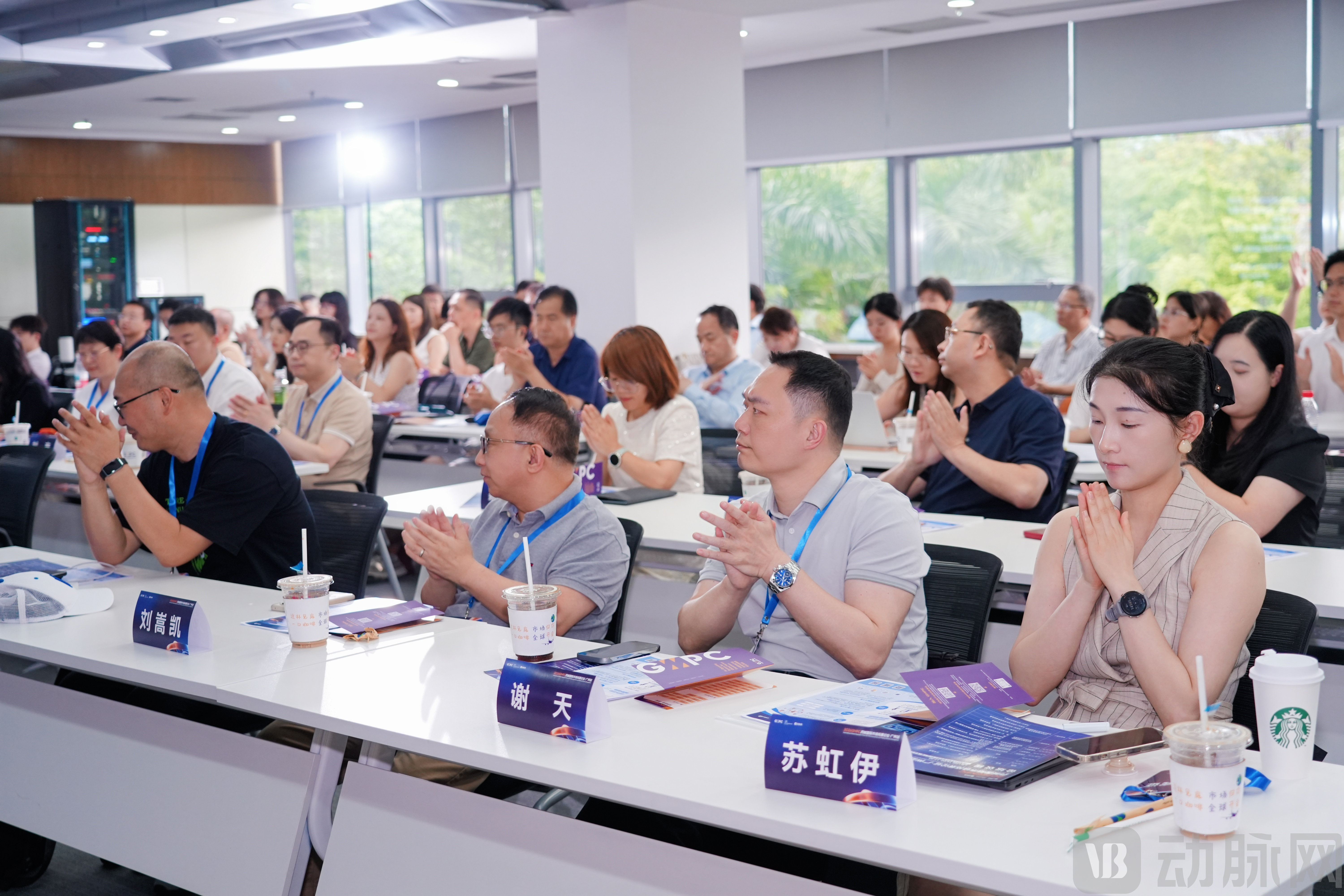
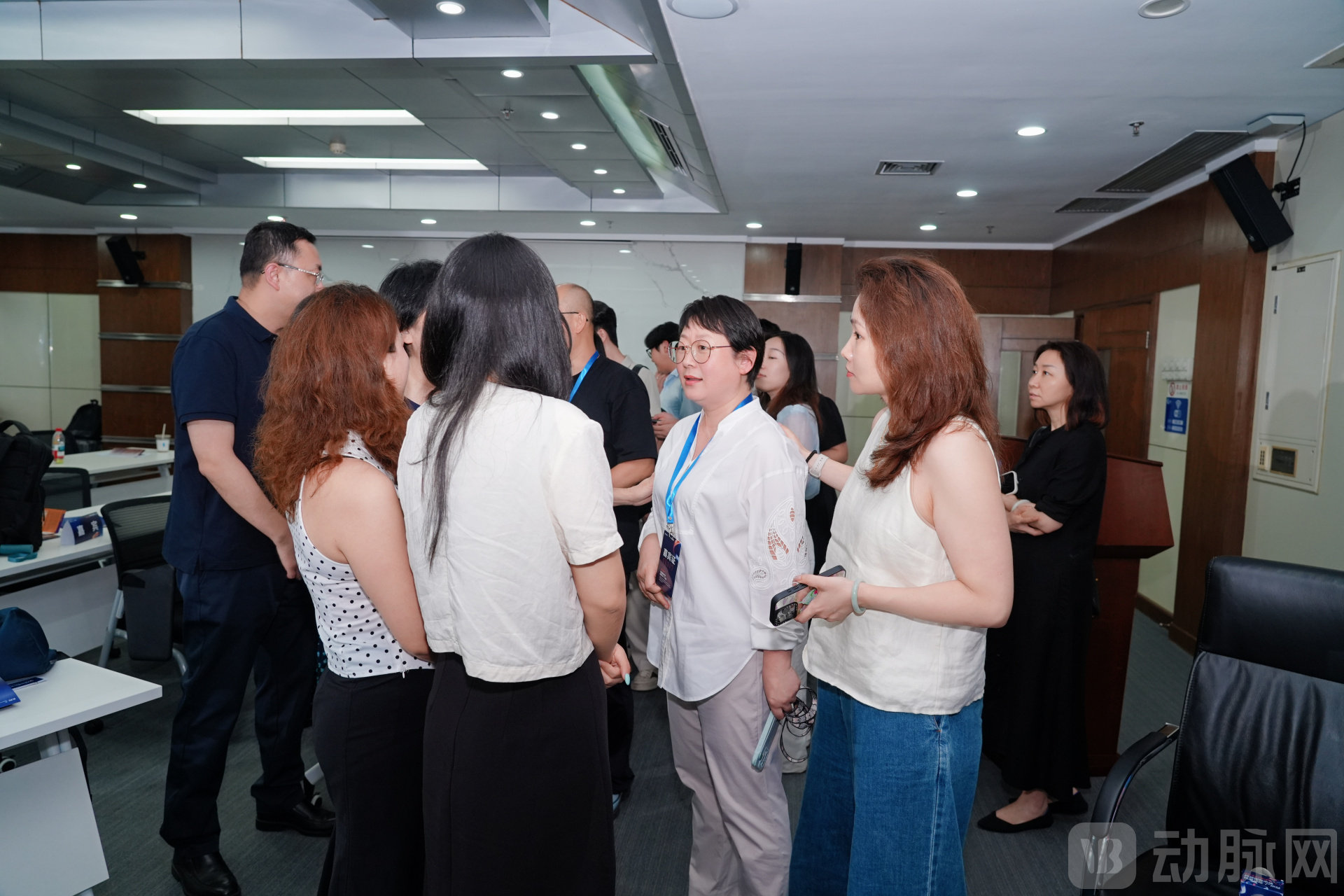
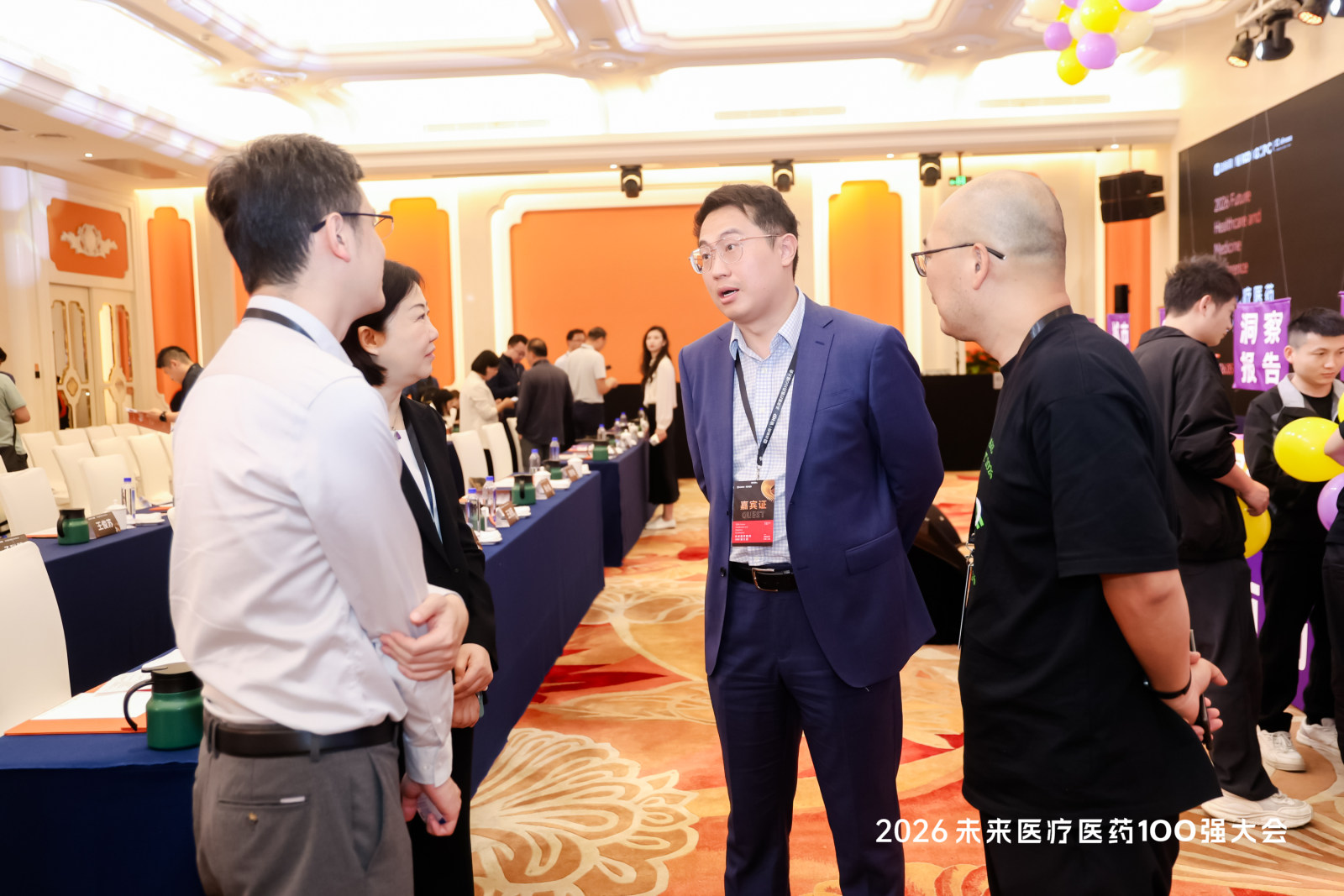
On June 17 in Guangzhou, the GMPC Forum on International Market Expansion for Pharmaceuticals and Medical Devices – Guangzhou Session kicked off amid heavy rain. This marks the second stop of the GMPC City Forum series, exactly one month after the inaugural session held in Shanghai on May 19. While the Shanghai session provided a “panoramic scan” of topics related to global expansion, the Guangzhou session “focuses on deepening,” centering aroundMarket Access, NHS Procurement System, Breaking Through Marketing Channels, and Building Globalization Capabilities: How to Implement Specifically. Some attendees drove from Shenzhen and Zhuhai, braving the rain to arrive. From 2 p.m. to 6 p.m., the event featured four keynote speeches and two practical dialogue sessions, with a tight schedule, dense content, and a full house.
This forum is organized byGMPC (International Collaboration Platform for Pharmaceutical and Medical Device Products), UK Department for Business and Trade, GHWP (China) Academy, VCBeatHosted by,Zhong Lun Law FirmCo-organized by, and supported byLinkedIn China, Guangzhou International Enterprise Incubator Co., Ltd., Guangzhou Development District Biopharmaceutical and Health Industry Promotion Associationstrong support.

I. Dace Dimza-Jones: The UK’s Value Lies Not Only in Its Procurement Market, but Also in Its Innovation Validation Infrastructure
Agenda Opening,UK Department for Business and Trade’s Global Entrepreneur Programme Dealmaker Dace Dimza-JonesAn overall assessment of the UK market was presented: The value of the UK to pharmaceutical and medical device companies lies not only in the NHS’s annual procurement volume exceeding £10 billion, but also in a comprehensive innovation validation infrastructure built around the NHS. Companies can complete clinical validation, accumulate real-world data, and engage in regulatory communications in the UK, with these assets being leveraged in other markets. “Many view the UK merely as a sales destination, but truly savvy companies treat it as a hub for R&D and validation—conducting clinical trials, generating data, and building academic credibility there, then using these assets to unlock opportunities in other markets.”
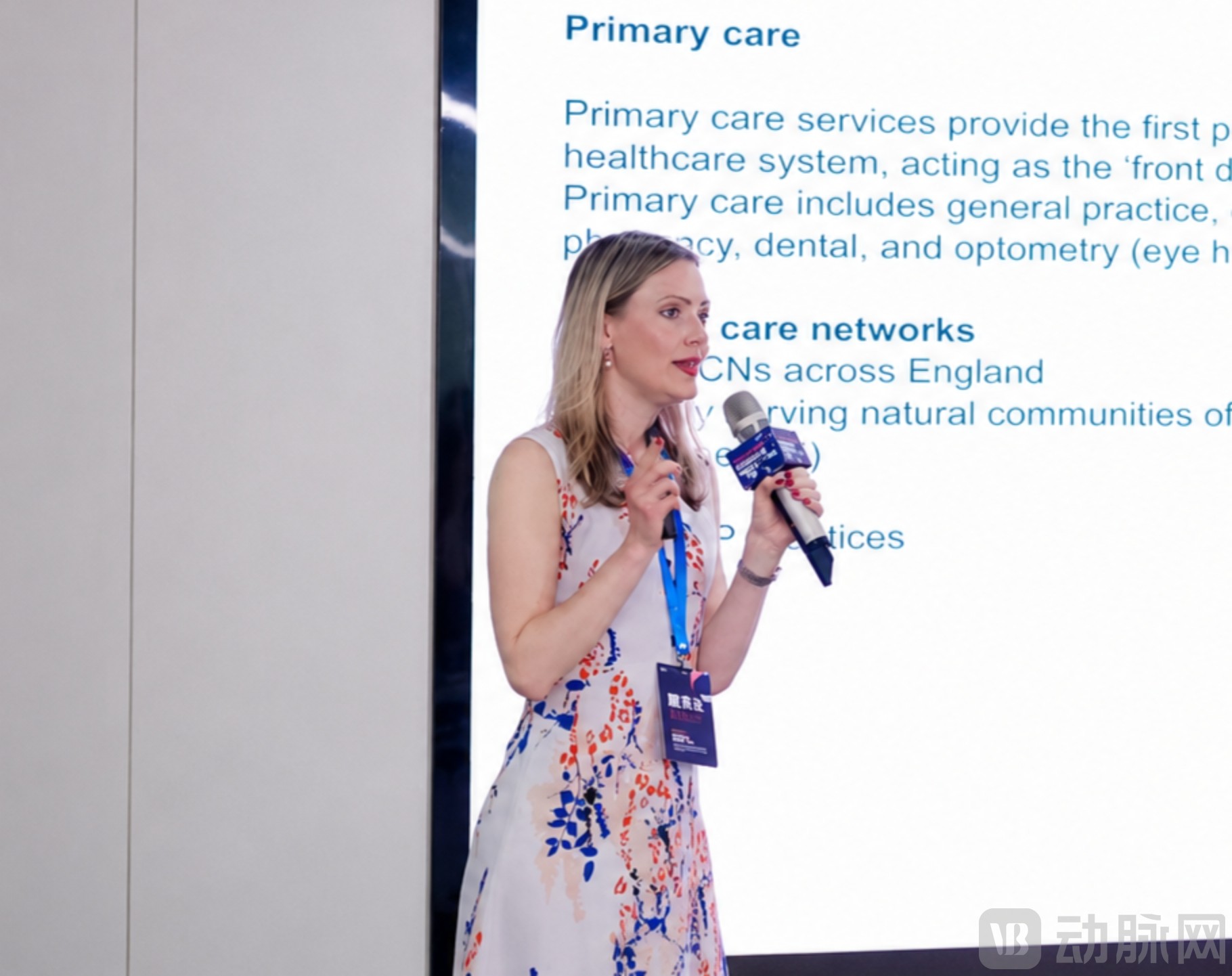
UK Government Global Entrepreneur Programme Dealmaker Dace Dimza-Jones
II. Brian Mangan: The Underlying Logic of the NHS Procurement System Is Value Reconstruction
How to Understand the NHS System and Procurement Logic?Brian Mangan, Former Head of Value-Based Procurement Projects at NHS Supply Chain and Founder & CEO of Luach Consulting GroupDeconstructing the Power Distribution and Value Assessment Mechanisms of the NHS Procurement System. He first clarified a key perception: although the NHS is a unified healthcare system, procurement decision-making authority is decentralized. National-level framework agreements serve merely as “access permits” rather than “procurement commitments.” Under the value-based procurement reforms currently being implemented by the NHS, the new assessment system has increased the weight of “value” to 50% and introduced a new 10% weighting for “social value.” His core judgment is that the NHS’s procurement logic is shifting from “buying cheap products” to “buying solutions that solve problems.”
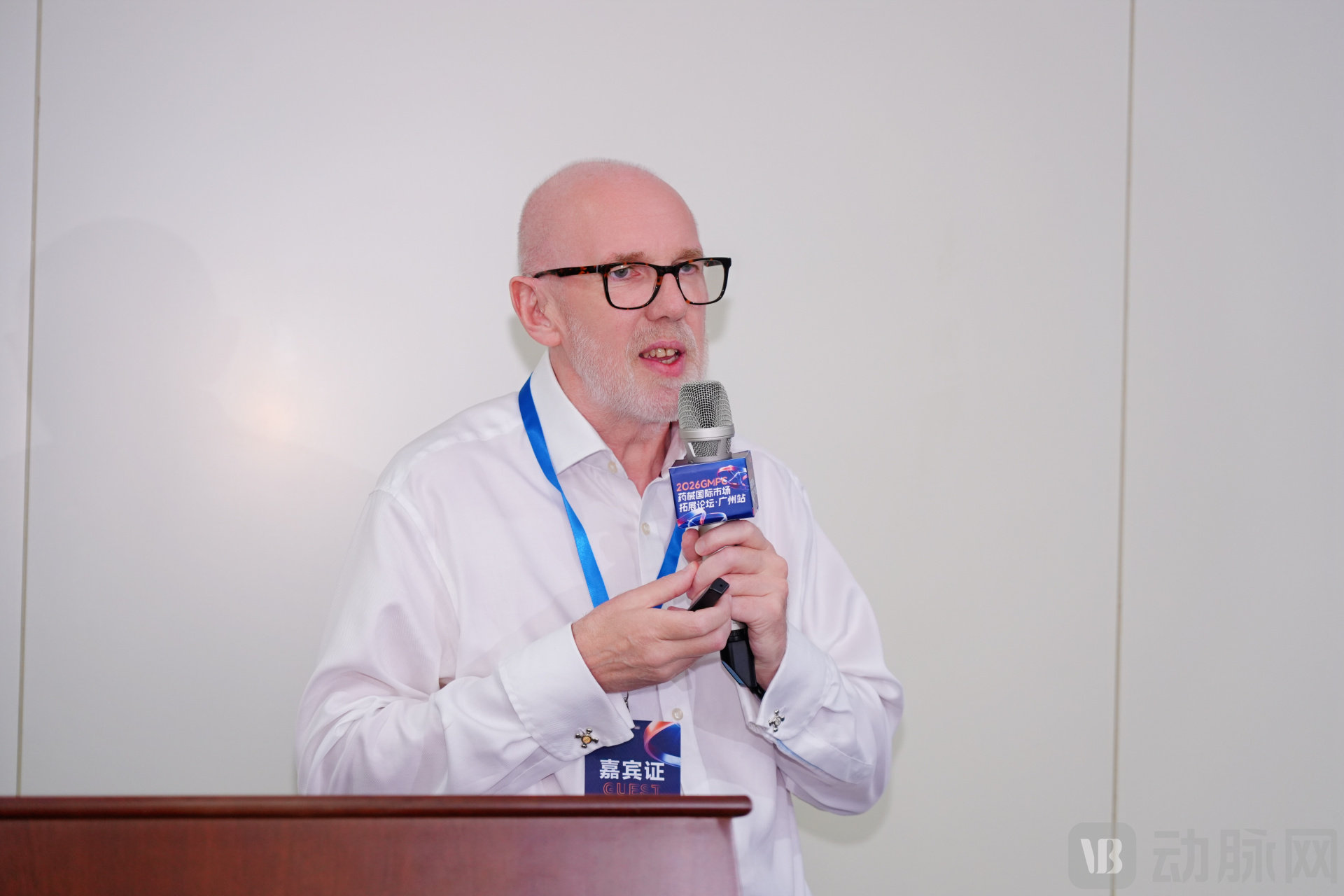
Brian Mangan, Former Head of Value-Based Procurement at NHS Supply Chain (UK), Founder and CEO of Luach Consulting Group
III. Kuang Yudi, GHWP (China) Academy: Regulatory Coordination Should Reduce Information Asymmetry in Multi-Country Registrations
Kuang Yudi, Director of the Development and Operations Center at the Guangdong Research Institute for New Biomaterials and High-End Medical Devices, and Core Member of the GHWP (China) AcademyFocus on Specific Issues: How Can Chinese Enterprises Reduce Redundant Clinical Evaluations and Documentation Preparation When Pursuing Multi-Country Registrations?
The Global Harmonization Working Party (GHWP) is the only international medical device regulatory harmonization organization in which both regulatory authorities and industry representatives participate. In recent years, China’s influence within this platform has significantly increased. The GHWP (China) Academy is advancing several specific initiatives—international training, a data platform, and AI-assisted review tools—to help companies rapidly understand registration pathways, formatting requirements, and common requests for supplementary information in target countries. Regulatory harmonization not only involves establishing aligned regulatory requirements among regulatory authorities but also assists companies in conducting preliminary information assessments and compliance forecasting for multi-country registrations at lower costs.
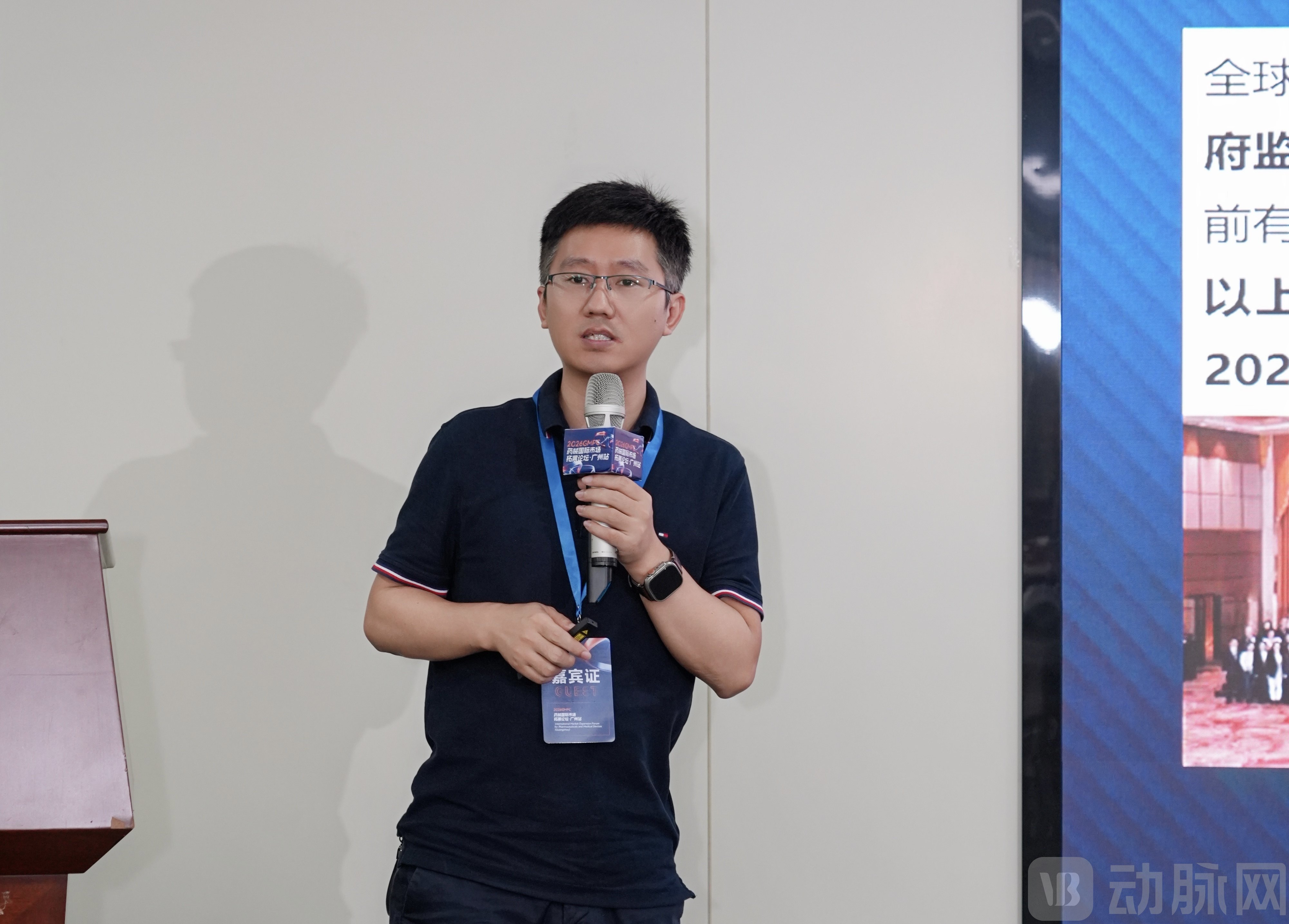
Director of the Development and Operations Center, Guangdong Institute for New Biomaterials and High-End Medical DevicesKuang Yudi
IV. Liu Xin of MGI Tech: The Capability to Go Global Is Reflected Not Only in “Breaking In” but Also in “Dynamic Adjustment”
Liu Xin, Senior Vice President of MGI Tech and General Manager of the Asia-Pacific Marketing CenterAn analysis of the key decision-making logic behind MGI Tech’s global strategy. MGI Tech has established distinct capability nodes across different regions: a user experience center and technical support team in Singapore to build market trust through localized services; a production base in Latvia to meet customer demands for diversified supply sources, among other initiatives. This approach goes beyond mere “sales network expansion,” instead focusing on building corresponding capabilities aligned with each market’s core needs—service responsiveness, supply security, and compliance requirements. Rather than being a static process, it requires dynamic adjustments at different stages. This concise twenty-minute overview provided profound insights for the participating enterprises.
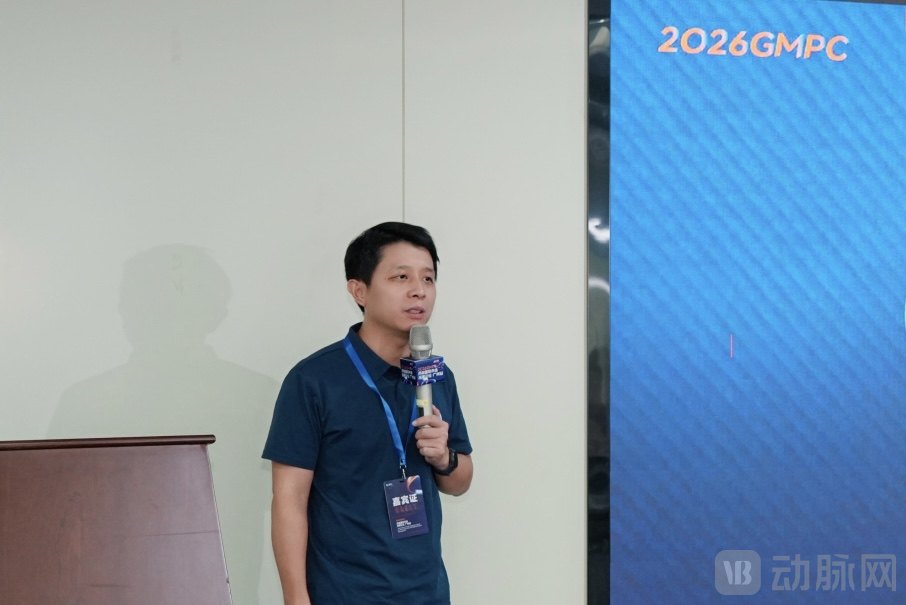
Senior Vice President of MGI Tech, General Manager of the Asia-Pacific Marketing CenterLiu Xin
V. Three Maps, Three Layers of Content, and Four-Dimensional Management for Channel Breakthroughs
This group of conversations is fromMeng Conghui, Counsel at Zhong Lun Law FirmHost,Su Hongyi, Client Director of Marketing Solutions at LinkedIn China; Xie Tian, Senior Director of the International Marketing Center at Dymind Biotechnology; and Liu Yan, Chief Operating Officer at ClearMed BiotechParticipate in the dialogue, focusing onChinese Pharmaceutical and Medical Device Companies Entering Overseas Markets from Scratch: How to Find Customers, Build Channels, and Establish BrandsExpand the conversation.
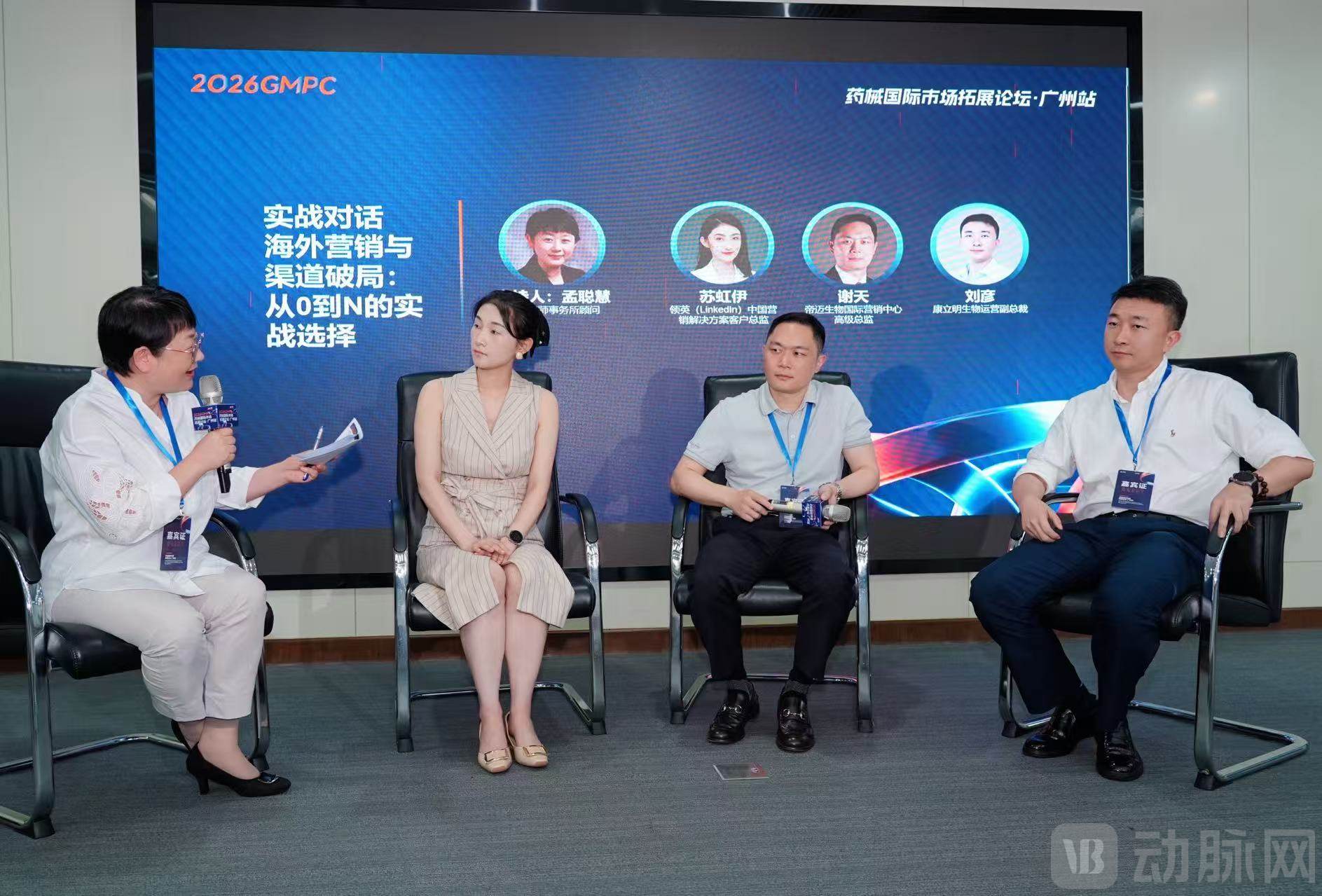
Expert Dialogue: Breaking Through in Overseas Marketing and Channels: Practical Choices from 0 to N
Xie Tian, Senior Director of the International Marketing Center at Dymind BiotechnologyHe shared an actionable methodology: the “Three Maps” approach—Terminal Map, Channel Map, and Competitor Map. The Terminal Map outlines the hierarchical structure of the hospital system in the target country and the distribution between public and private institutions. The Channel Map identifies channel partners and the respective regions they cover. The Competitor Map analyzes the market positioning of competitors’ products and identifies any gaps. The intersection of these three maps reveals the most promising entry opportunities worth investing in. He added, “Going global requires a clear localization strategy. A certain proportion of foreign key personnel should work in synergy with Chinese teams to expand into overseas markets, effectively combining internationalization with localization. Each company must find its own path to global expansion.”
Liu Yan, Vice President of Operations at Kangliming BioShared a four-dimensional framework for channel management: Relationship Management—treating distributors as partners extending overseas business operations, avoiding simplistic buyer-seller transactions; Trust Management—building and maintaining mutual trust based on products, markets, and culture to foster consensus on development, recognizing that collaborative commitment surpasses cold contractual constraints; Goal Management—establishing periodic development targets with regular communication and performance reviews; Price Management—rationally controlling the pricing system to prevent price conflicts and internal friction among channels. “Overseas distributor management must evolve from ‘signing contracts’ to ‘building systems,’ requiring effective communication methods, evaluation criteria, and operational support frameworks within cross-cultural environments to achieve mutual empowerment and long-term win-win outcomes.”
Su Hongyi, Customer Director of Marketing Solutions, LinkedIn ChinaBased on platform data, the “Three-Layer Content Strategy” is proposed: First, establish a thoroughly penetrated, publicly verifiable benchmark case in a key market; second, engage local Key Opinion Leaders (KOLs) to provide testimonials centered on this case; and third, package the case study and testimonials into white papers and reports, reaching target decision-makers through precise advertising placements. Su Hongyi offered insightful perspectives, noting that different decision-makers prioritize distinct value propositions—executives focus on strategic value, finance teams on costs and supply chain, and clinicians on usage scenarios and outcomes. “The era of using a single content template to conquer the entire market is over. It is essential to validate the value points most critical to target customers through data, and then determine market strategies and content priorities accordingly,” she concluded.
ModeratorMeng Conghui, Counsel at Zhong Lun Law FirmBased on practical pain points of Chinese enterprises expanding overseas, a warning is issued: “Many companies only realize that funds cannot be remitted abroad after securing distribution channels and obtaining orders.”, uncertain about tax payments, unable to open bank accounts for overseas companies. Before launching into overseas markets, first establish the equity structure and capital"The pathways and tax entity structures are clearly defined. Addressing these matters upfront minimizes both costs and risks," she further pointed out.Cross-border structural design is not merely a legal matter; it determines whether overseas profits can be repatriated in compliance with regulations and how team incentives can be effectively implemented.- Whether subsequent financing and exit will proceed smoothly—these issues, if only addressed after business operations have commenced, often do not constitute merely “catch-up costs,”but rather "cannot be replenished."
VI. Logical Differences Between Product Globalization and Service Globalization
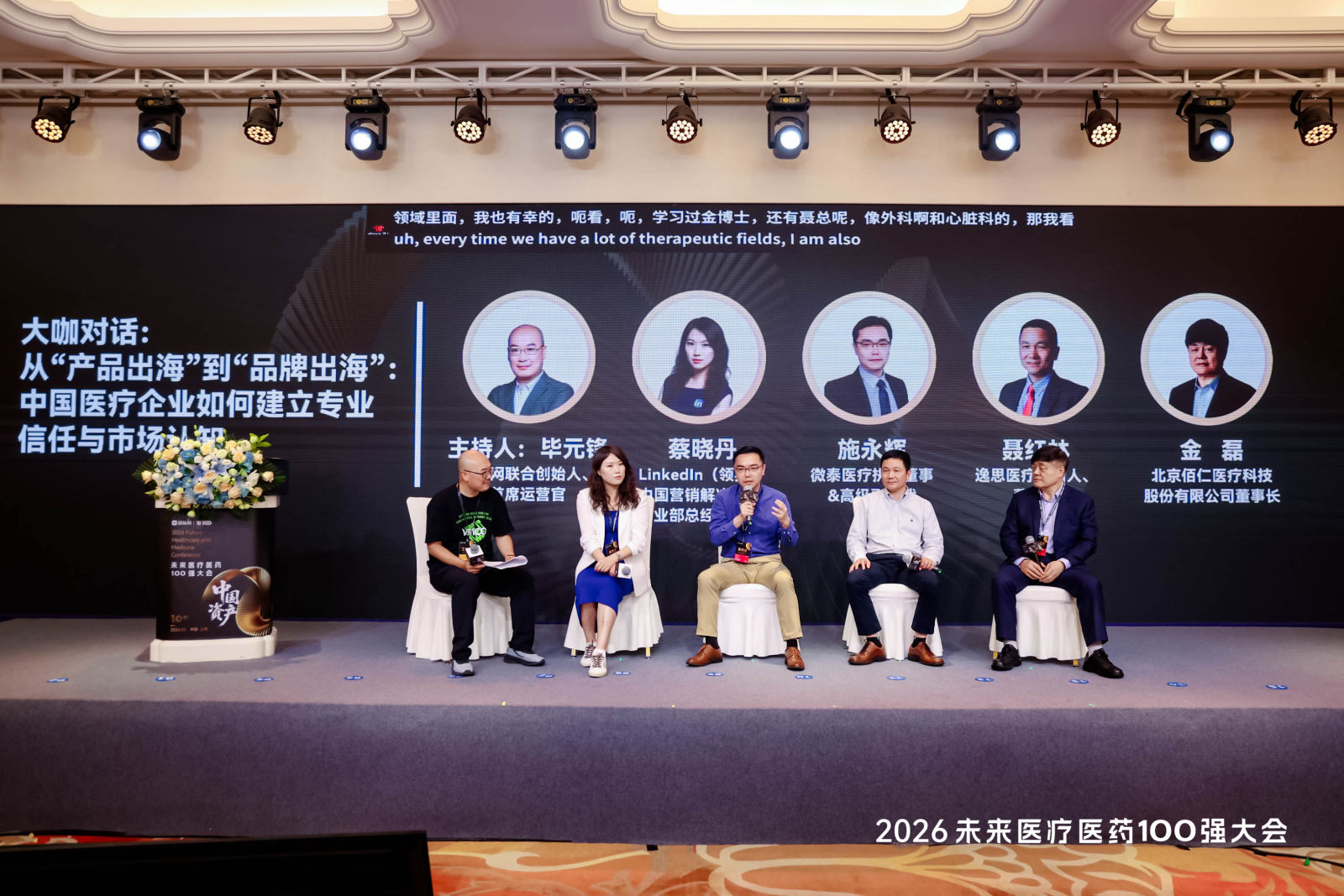
The second set of dialogue is byBi Yuanfeng, Co-founder and Chief Operating Officer of VCBeatHost,Huang Junming, Overseas Business Director of LifeTech Scientific; Liu Songkai, Senior Vice President of Business Development at Hanteng Biologics; Zhou Zhenzhong, Co-founder of Shangyi NetworkEngage in the dialogue, focusing onHow Do the Pathways for Building Globalization Capabilities Differ Between Product-Centric and Service-Centric Enterprises?Expand the conversation.
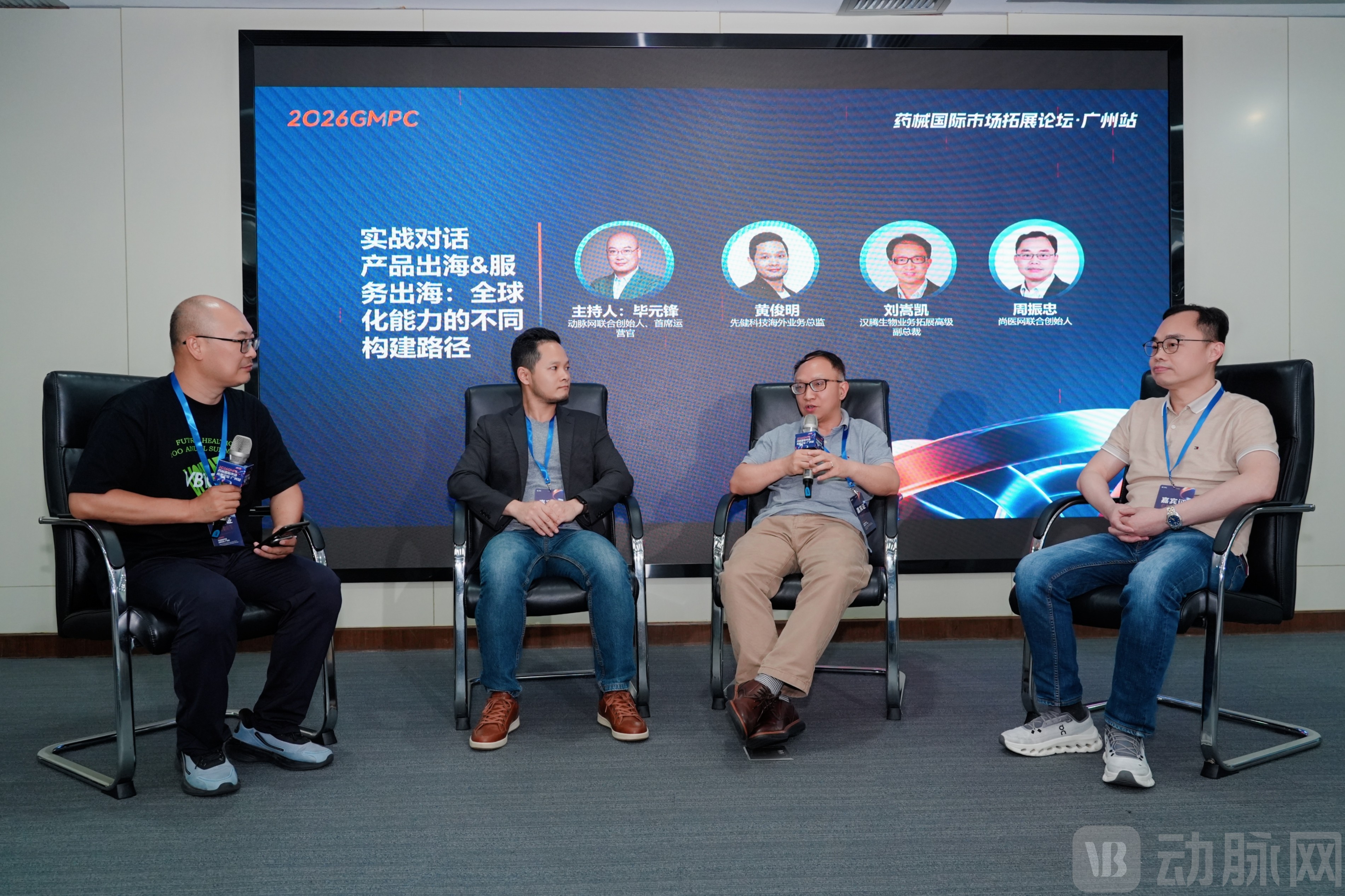
Expert Dialogue: Product Globalization vs. Service Globalization: Divergent Paths to Building Global Capabilities
Huang Junming, Overseas Business Director of LifeTech ScientificHe pointed out that the core proposition of going global is not “taking products that fail to sell domestically and selling them abroad,” but rather defining products and reshaping their clinical value around the genuine needs of target markets. He observed that many companies are motivated to expand overseas because they “can no longer compete in the saturated domestic market,” yet they overlook the necessity of adapting their products to the medical practices, payment systems, and clinical pathways of the target markets. This “product transplantation” logic is virtually unworkable in the healthcare industry. A true global expansion strategy requires conducting in-depth research into local clinical needs, payment capabilities, and competitive landscapes before entering a market, and then reverse-engineering product strategies and regulatory registration pathways accordingly.
Liu Songkai, Senior Vice President of Business Development at Hanteng BiologicsThe sharing focused on the logic of trust in overseas service expansion. In 2022, Hengteng acquired FyoniBio in Berlin, Germany. The purpose of the acquisition was not scale expansion, but to obtain a “European trust passport.” “CDMO projects often involve tens of millions or even hundreds of millions. Before customers entrust such large projects to you, they will definitely conduct on-site audits. Trust is not built through relationships, but through hard capabilities—quality systems, hardware facilities, and talent teams.” He also emphasized the risks associated with European labor regulations: “In some countries, local labor laws are more protective of employees, making the dismissal process complex. For Chinese enterprises engaging in M&A in Europe, it is essential to have a comprehensive and clear understanding of local laws to avoid pitfalls caused by cognitive differences.”
Zhou Zhenzhong, Co-founder of Shangyi NetworkShared insights on strategic pathways for AI products expanding into overseas markets. His core strategy is “leveraging external strengths for mutual benefit”—partnering with a Japanese Fortune 500 company to facilitate entry into other Asian markets, based on the rationale: “We have the product and technology; they have the distribution channels and brand influence.” This decision stems from an assessment of internal capabilities: the team excels in R&D but lacks strength in marketing, thus requiring strategic partnerships rather than building capabilities from scratch. Meanwhile, the most critical challenge for AI products is data compliance—cross-border data transfer poses significant hurdles. “We established local data centers, each requiring an investment of approximately 50 million. This step is unavoidable, representing the necessary compliance cost for market entry.”
Host GuestBi Yuanfeng, Co-founder and Chief Operating Officer of VCBeatThe summary points out that while the competency models for product export and service export differ, building trust in both cases relies on verifiable facts—clinical data, customer case studies, on-site audits, and international certifications—which serve as common vehicles for establishing trust.
VII. Next Stop: Chengdu
On May 19, GMPC was officially launched in Shanghai, unveiling its annual plan. Less than a month later, the Guangzhou session commenced. The trend toward internationalization among Chinese pharmaceutical and medical device companies no longer requires justification; what enterprises need are actionable pathways and replicable experience.
The GMPC International Market Expansion City Forum Series for Pharmaceuticals and Medical Devices will continue to extend to more key industrial hubs—Chengdu, Haikou, Shenzhen, and Hangzhou have been included in the second-half schedule; next stop: see you in Chengdu!
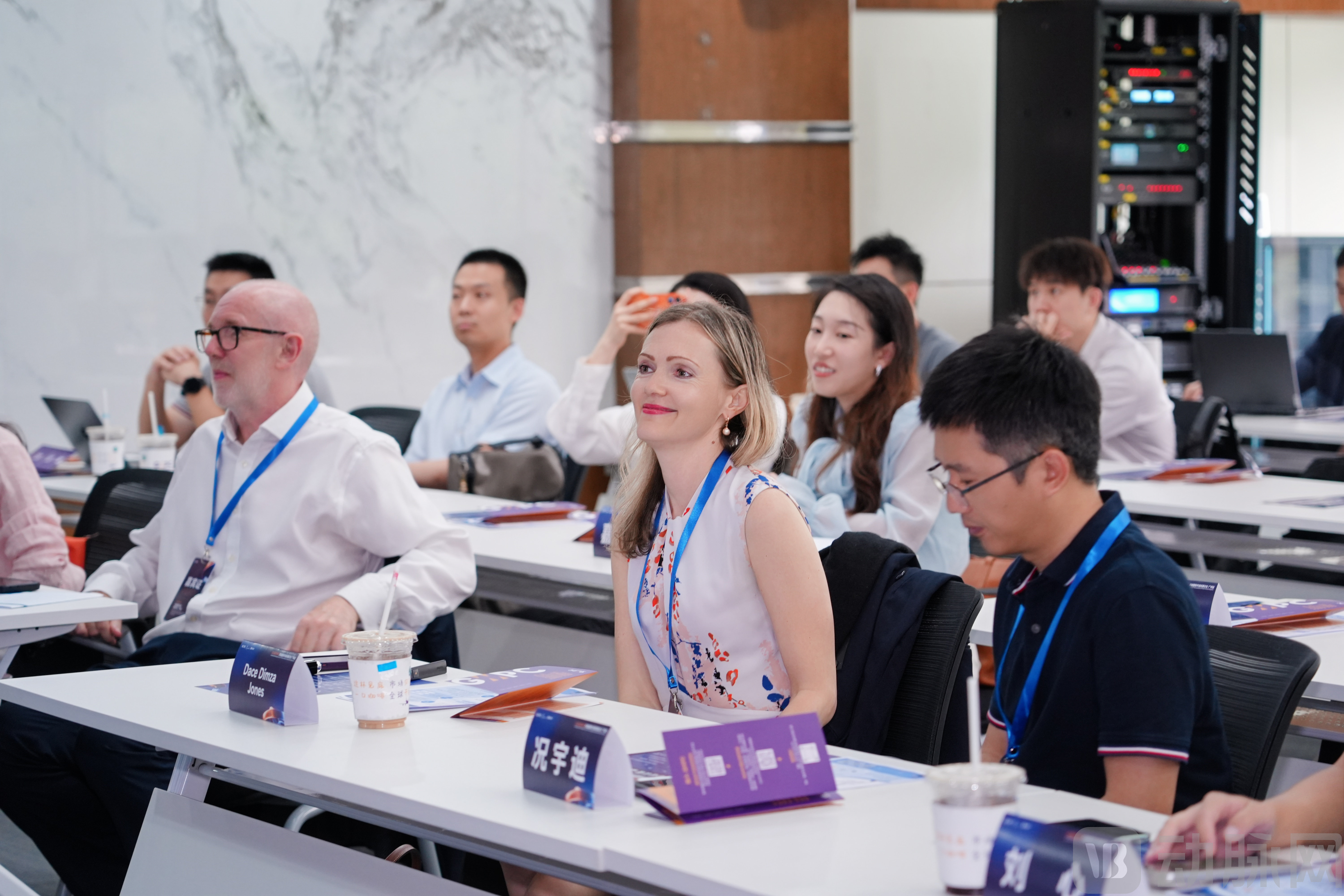


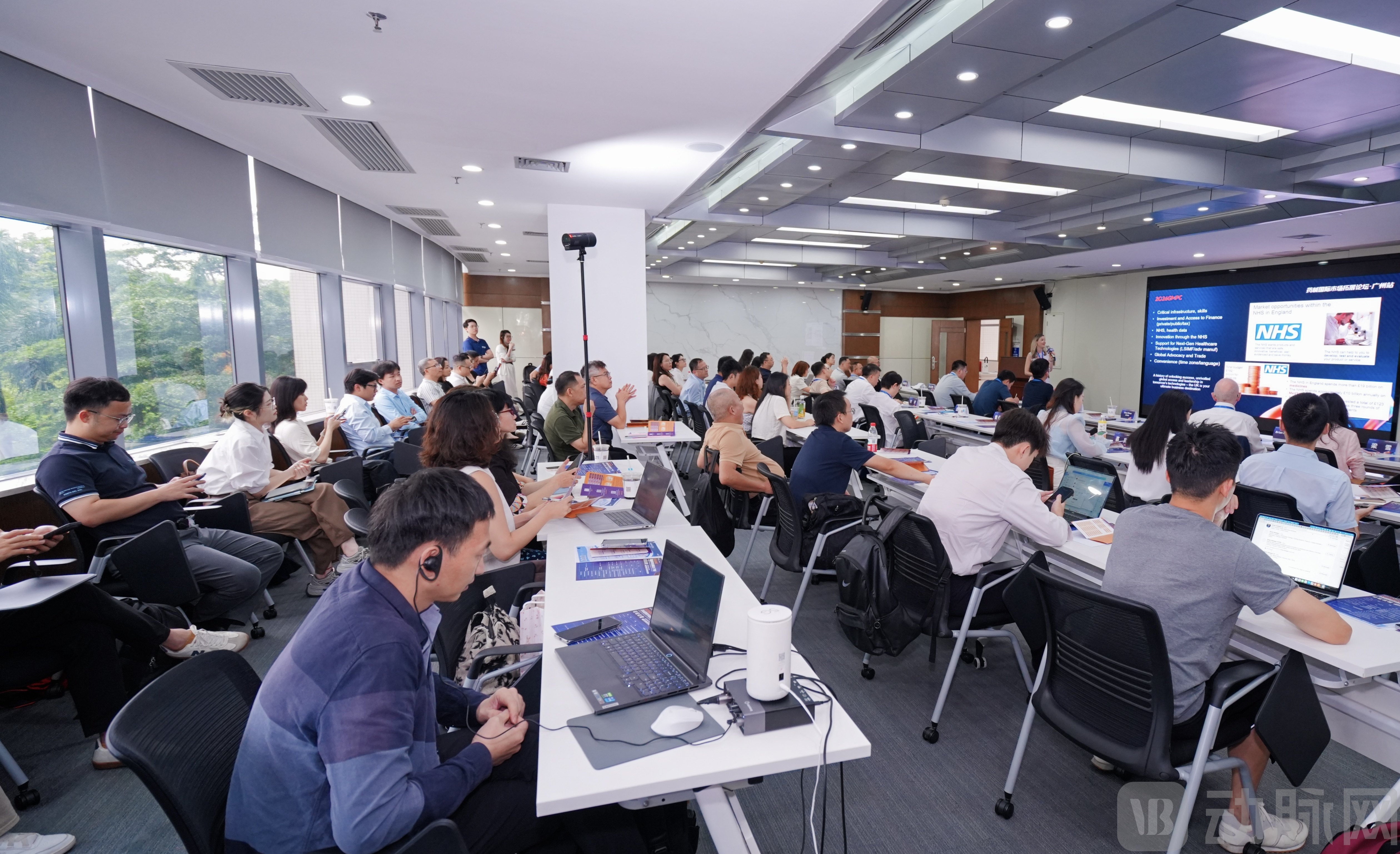
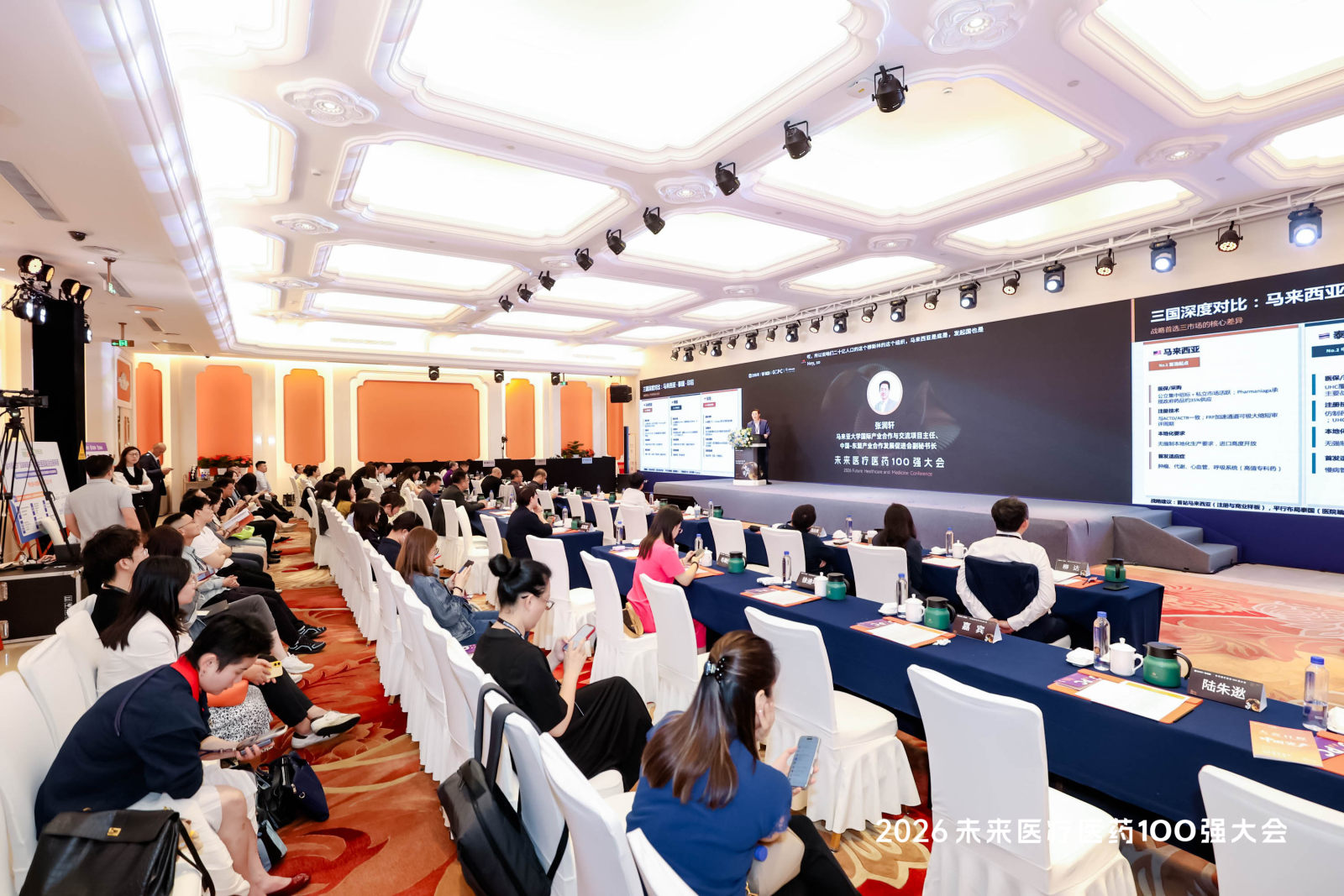
Pharmaceutical and Medical Device International Market Expansion Forum · Shanghai StationMeeting Link:https://www.vbdata.cn/1519071013
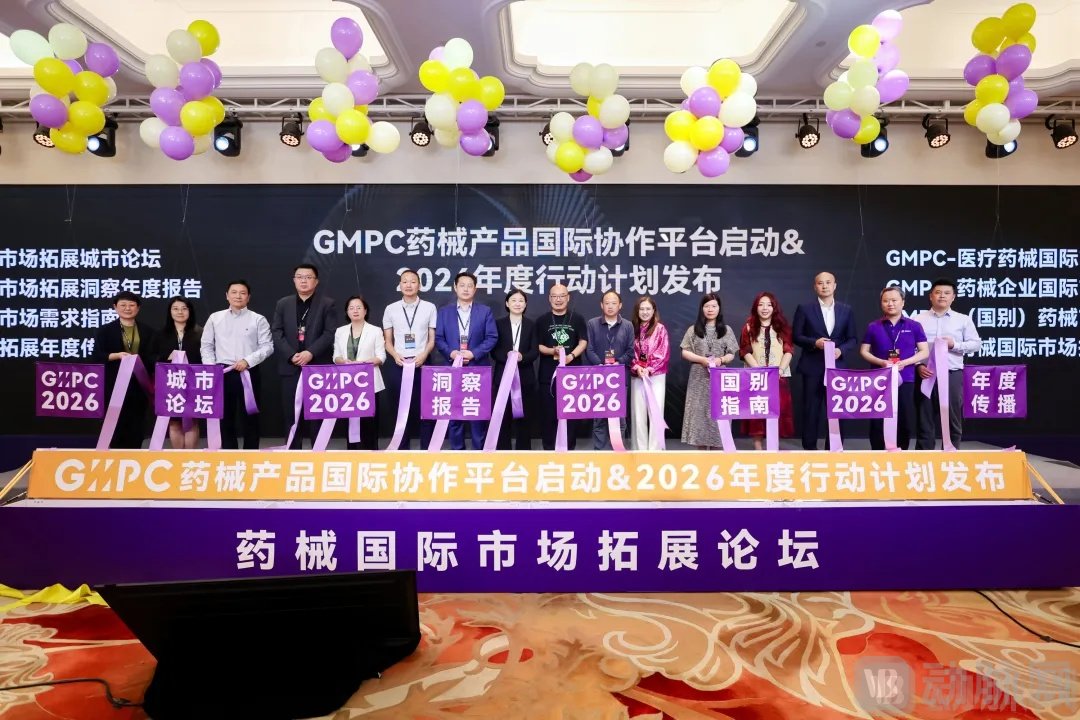
The Global Medical Device Product Collaboration Platform (GMPC) was jointly initiated by VCBeat, the GHWP (China) Academy, LinkedIn China, PwC China, and the Ferryman Supply Chain Management Club, with VCBeat serving as the permanent secretariat.
GMPC is not a traditional resource platform, but rather a global market expansion and commercialization system for Chinese pharmaceutical and medical device products. Rooted in China’s pharmaceutical and medical device supply chain at the foundational level and aligned with global commercial channels and compliance standards at the strategic level, GMPC leverages organized connectivity to help enterprises systematically address core pain points—including market assessment, regulatory compliance and channel partnerships, brand trust, and sustained commercial conversion—thereby enabling a transition from “opportunity-driven” growth to “systematic competitiveness.” During its preparatory phase, the platform received substantial support from relevant organizations, including the China Chamber of Commerce for Import and Export of Medicines and Health Products, the Global Health Economics Branch of the Chinese Health Economics Association, and the Bill & Melinda Gates Foundation.