

BMJ Publishes Landmark Real-World Evidence on Shockwave Reducer for Refractory Angina Following Johnson & Johnson's $13.1B Acquisition of Shockwave Medical

Johnson & Johnson
Medical Device R&D and Manufacturer

Shockwave Medical
Cardiovascular Disease Treatment Device Developer

Recently,Shockwave Medical, a subsidiary of Johnson & JohnsonIn Top-Tier Journals《BMJ》published a decade-long nationwide retrospective study that comprehensively tracked real-world data on the clinical use of its angina-indicated stent, Shockwave Reducer, in China from 2014 to 2024.
Studies have confirmed: For patients with severe angina who are refractory to medical therapy and unsuitable for conventional cardiac surgery,Shockwave Reducer demonstrates favorable surgical success rates and safety., which can significantly alleviate patients' chest pain symptoms. This national-level data aligns with the recommendations of current international clinical guidelines and provides strong evidence supporting the widespread global use of this stent.
This stent holds special significance for the industry giant Johnson & Johnson. As an early pioneer in the global cardiovascular intervention field, Johnson & Johnson (J&J) once ushered in the golden age of drug-eluting stents through its subsidiary Cordis, but chose to exit the market in 2011 amid fierce competition in the saturated “red ocean.” Thirteen years later, in 2024, Johnson & JohnsonInvesting $13.1 BillionAcquiring Shockwave Medical at a premium to announce its “return of the king” through its core asset—the coronary sinus reducer (Reducer specialized stent). This time, will the giant returning to the battlefield recreate its glory or suffer a crushing defeat? Only time will tell.
Angina-Specific Stent—Shockwave Reducer
Unique Dumbbell-Shaped Design:
The stent is precision-cut from stainless steel and features a specialized “hourglass” architecture (narrow in the middle, wide at both ends).

The accompanying delivery balloon is equipped with three radiopaque markers to ensure extremely precise intraoperative positioning.
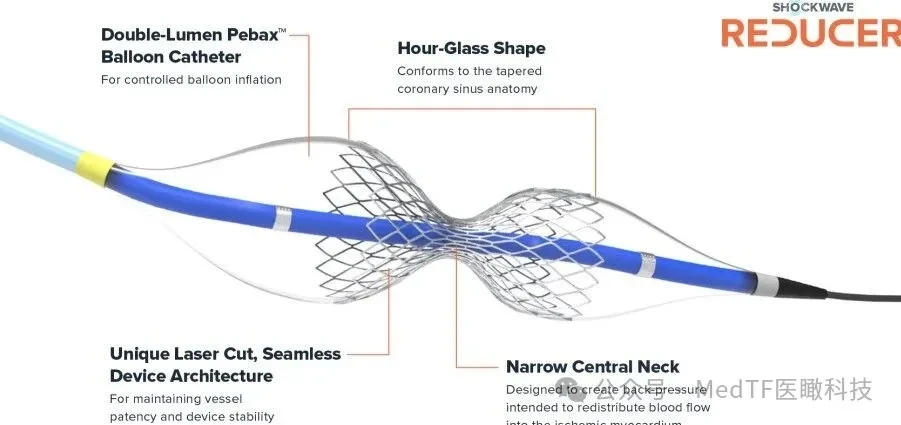
Physical Stenosis-Driven Blood Flow Remodeling:
The stent is implanted into the coronary sinus (vein) of the heart via minimally invasive surgery. After endothelialization occurs on the stent surface,The 3-mm narrowed segment at the center of the stent establishes a controlled physical stenosis within the coronary sinus. This stenosis moderately increases the outflow resistance of the coronary venous system, thereby causing a moderate elevation in venous pressure within the coronary sinus.

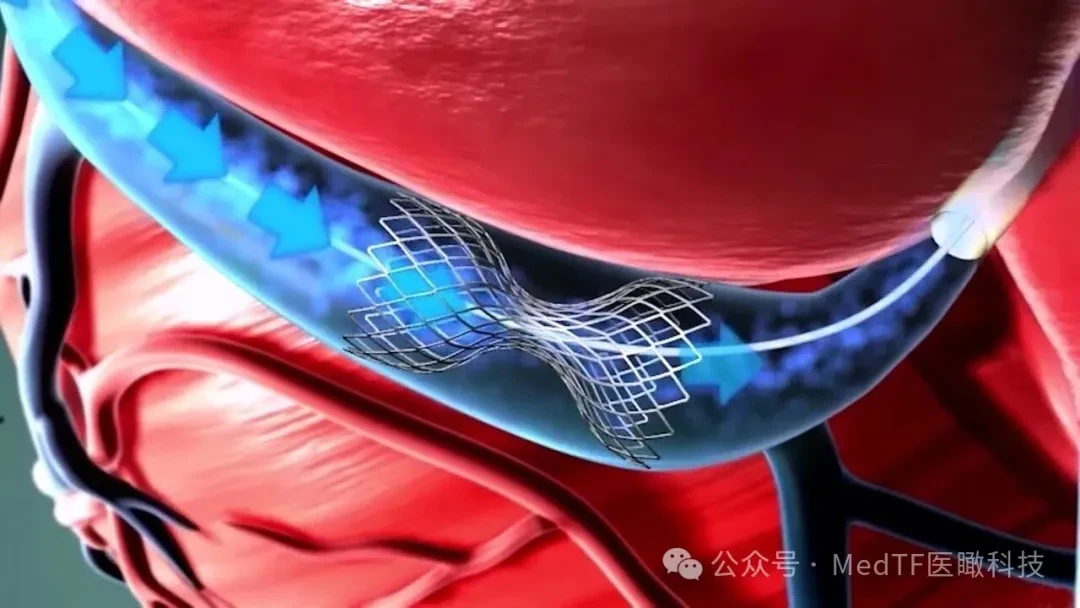
"The Dead End" for Patients with Severe Angina
Refractory AnginaIt is a thorny challenge in the field of cardiovascular medicine. When conventional interventions (stenting/coronary artery bypass grafting) and pharmacological therapy have been exhausted, patients often face a dire prognosis. Data from this UK-wide study clearly elucidate the current status of this high-risk patient population:
The patient baseline profiles disclosed in this study reveal the clinical challenges faced by this high-risk patient population:
Conventional surgical space is essentially "sealed off":Among the 491 patients, 78% had undergone percutaneous coronary intervention (PCI), 69% had undergone coronary artery bypass grafting (CABG), and 75% had a history of myocardial infarction.Traditional revascularization techniques have reached their limits.
Severe Underlying Diseases with High Degree of Comorbidity:Hypertension accounts for 76%, hypercholesterolemia for 78%, and 53% have comorbid diabetes. Microcirculatory disorders associated with diabetes multiply the difficulty of treatment.
Combination Therapy Faces Core Bottleneck:Up to 94% of patients require concurrent use of two or more antianginal medications, with 74% even combining three or more core drugs.
Severe disruption of daily life:Despite maximal medical therapy, 84% of patients remained in a state of severe angina (CCS class ≥3). Dressing, speaking, or even minimal daily activities could trigger intense chest pain at any time, resulting in extremely poor quality of life.
In this context,Shockwave Reducer (Coronary Sinus Narrowing Procedure)It has emerged as a standout option. Formally recommended by international authoritative guidelines, including those from the European Society of Cardiology (ESC), it has become the sole percutaneous interventional therapy for patients in whom traditional surgery is ineffective and pharmacological control is suboptimal.
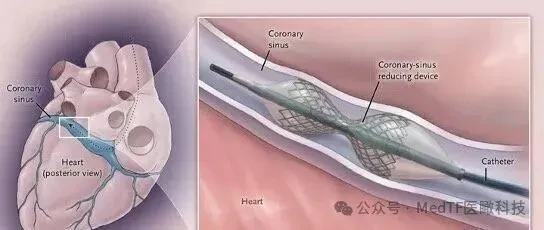
Study Results: High Success Rate, Extremely Low Risk, and Broad Applicability
As the largest single-country real-world retrospective study globally, the data disclosed in this paper confirms the high standardization and broad applicability of this technology:
High surgical success rate and extremely rapid recovery:The stent implantation success rate is as high as 95%. The average procedure time is 58 minutes, with minimal impact on patients’ renal function. 81% of patients can be discharged on the same day, and 98% require only an overnight hospital stay post-procedure, perfectly aligning with modern trends in ambulatory surgery.
Excellent Safety Profile:Over a ten-year period, there were no cases of intraoperative mortality. The incidence of the most clinically significant severe complications was less than 1%. The most common complications were merely routine puncture site bleeding or hematoma (4%). Statistics indicate that the complication rate is unrelated to hospital surgical volume or physician experience, demonstrating that this technique is easily reproducible and widely applicable.
Significant Symptom Relief:At the 6-month postoperative follow-up, 75% of patients experienced significant relief from angina symptoms (≥1-grade improvement in CCS class), and 36% achieved a substantial improvement in quality of life (≥2-grade improvement). Patients with more severe baseline symptoms derived greater benefit from the procedure.
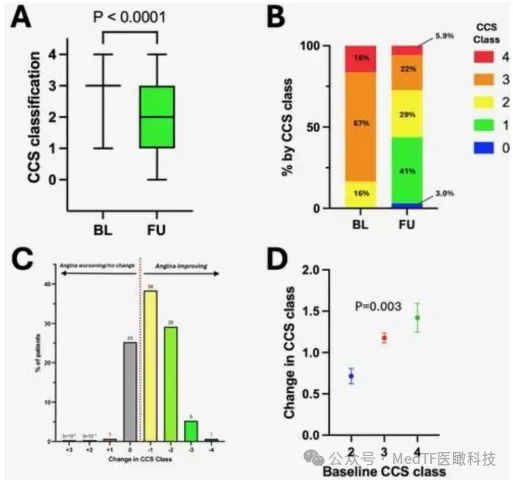
Figure 1. Multidimensional Analysis of Efficacy and Symptom Relief
Breaking Traditional Limitations, Widely Applicable to Various Groups:It was previously believed that this technique was effective only for ischemia in specific regions; however, data have confirmed that patients experience significant improvement in angina symptoms regardless of whether the ischemia is located in the left heart, right heart, or both sides. Furthermore, the efficacy is equally excellent in female patients (who often present with microvascular dysfunction) and in patients with diabetes.
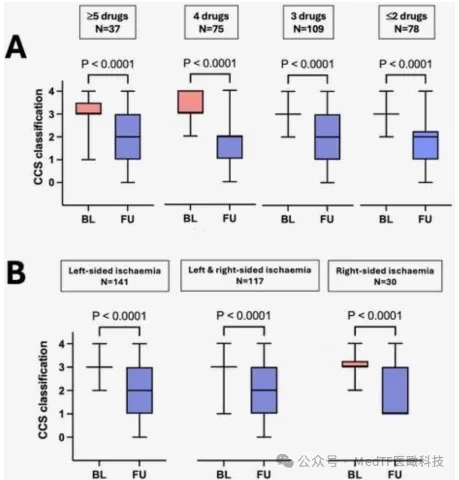
Figure 2. Stratified efficacy by baseline characteristics and ischemic location across different drug therapies
Conclusion:A Decade of Evidence, Awaiting the Shift
Shockwave Reducer: The uniqueness of this technology lies in its innovative mechanism of action—it improves myocardial perfusion through blood flow redistribution rather than by dilating narrowed coronary arteries.
Currently, Johnson & Johnson has launched the largest double-blind controlled clinical trial (COSIRA-2) globally, making a full push for formal approval from the U.S. FDA, with the aim of bringing this technology into the broader mainstream diagnostic and therapeutic markets worldwide.
Shockwave ReduceIts value has been self-evidenced by long-term real-world data. As larger-scale global clinical evidence continues to emerge in the future, can this innovative device, valued at billions, achieve a comprehensive breakthrough and rewrite the international treatment standards for refractory angina? Let us await the outcome together.

Copyright and Disclaimer: MedTF aims to build a platform for academic dissemination and media outreach. The copyright of the information contained herein belongs to its respective owners, and we provide it solely for informational purposes. If you have any questions or concerns, please contact us.