

Neural Galaxy Medical Officially Launches, Files Prospectus to Advance Precision Brain Health with Cutting-Edge Technology
In recent years, the rising incidence of brain disorders in China has drawn widespread societal attention. With the accelerated implementation of national strategies such as “Healthy China 2030” and the “China Brain Project,” China has entered an era of rapid advancement in brain science, offering greater promise for the treatment of brain disorders.
On September 13, Galaxy Brain Healthcare, a global medical services group dedicated to the treatment of brain disorders, was officially established in Beijing. Leveraging cutting-edge advancements in brain science, Galaxy Brain Healthcare aims to provide personalized, precision medical services to patients suffering from a wide range of neurological and psychiatric conditions, including autism, cerebral palsy, depression, and Parkinson’s disease, thereby safeguarding their health comprehensively. Distinguished guests and leaders who witnessed this milestone and focused on innovations in the diagnosis and treatment of brain disorders included Hou Yulan, Chairperson of the Beijing Disabled Persons’ Welfare Foundation; Professor Ling Feng, Chief Expert in Neurosurgery at Xuanwu Hospital of Capital Medical University, Deputy Director of the China International Neuroscience Institute (CHINA-INI), Chairperson of the Chinese Association of Rehabilitation for Disabled Persons, and Chairperson of the Beijing Ling Feng Public Welfare Foundation; Professor Liu Hesheng from the Center for Life Sciences at Peking University; Liu Qianye, Founder of Bencao Capital; Yu Hai, Vice Chairman and General Manager of China Resources Health; and Zhou Yuanxiang, Deputy Dean of the Tsinghua Strait Research Institute. More than 20 media representatives also attended the event.
Currently, there is a large population of patients with brain disorders in China. The number of individuals aged 60 and above with Alzheimer’s disease approaches 10 million [1], the population with autism spectrum disorder exceeds 10 million [2], and the number of patients with depression is approximately 48 million [3], [4]. With the acceleration of population aging and the rising incidence of brain disorders, issues such as reduced or lost labor capacity among patients, the need for care by families and professionals, high treatment costs, and difficulties in achieving cures are imposing an increasingly heavy economic burden on patients, families, and society. There is an urgent need for effective therapeutic interventions to help patients with brain disorders recover their health.
National strategies such as the Outline of the 14th Five-Year Plan for National Economic and Social Development and the Long-Range Objectives Through the Year 2035, the Outline of the Healthy China 2030 Planning Initiative, and the China Brain Project all designate brain science as a key strategic priority. Hou Yulan, Chairman of the Beijing Disabled Persons’ Welfare Foundation, stated, “In the course of social progress and prosperous development, the needs and rights of persons with disabilities must not be overlooked. There is an urgent need for specialized institutions like Galaxy Brain Medical to provide professional medical services to patients with brain disorders, thereby helping more persons with disabilities enjoy equal opportunities and live with dignity. We must also actively unite stakeholders from all sectors to engage more people in causes supporting persons with disabilities, jointly promoting social inclusion and progress, and striving to build a barrier-free world where persons with and without disabilities coexist harmoniously and grow together.”
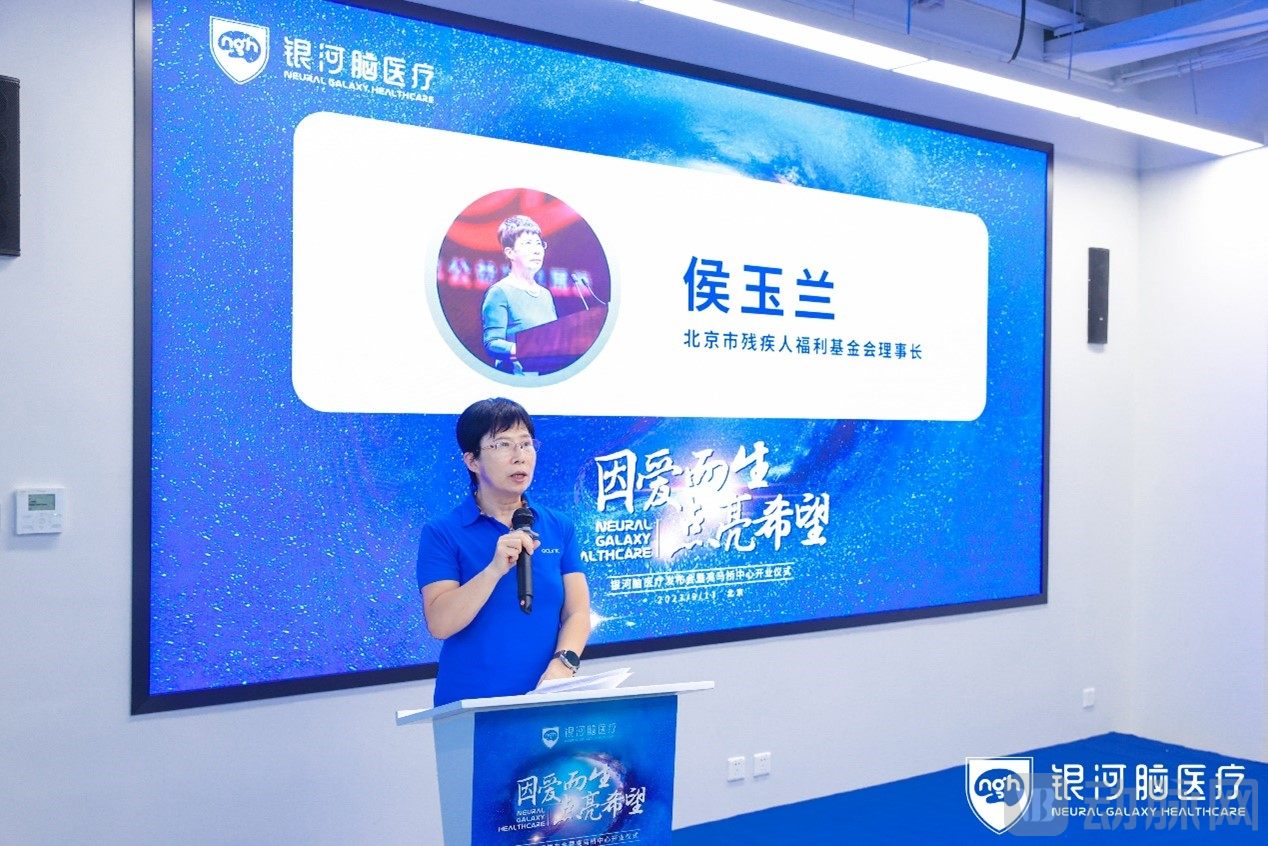
Address by Hou Yulan, Chairman of the Beijing Disabled Persons’ Welfare Foundation | Image source: Provided by the interviewee
Professor Ling Feng, Chief Expert in Neurosurgery at Xuanwu Hospital of Capital Medical University, Deputy Director of the China International Neuroscience Institute (CHINA-INI), Chairman of the China Disabled Persons’ Rehabilitation Association, and Chairman of the Beijing Lingfeng Public Welfare Foundation, stated, “Love lights up hope. Public welfare is the sunshine of society; with sunshine present, the stars will not be lonely—we are helping the ‘children of the stars.’ The technology from Galaxy Brain Medical has not only aided these ‘children of the stars’ but also assisted many patients with disabilities, including those suffering from aphasia, depression, Parkinson’s disease, and cerebral palsy. I am committed to joining hands with all colleagues in our unwavering pursuit of human health and brain health.”
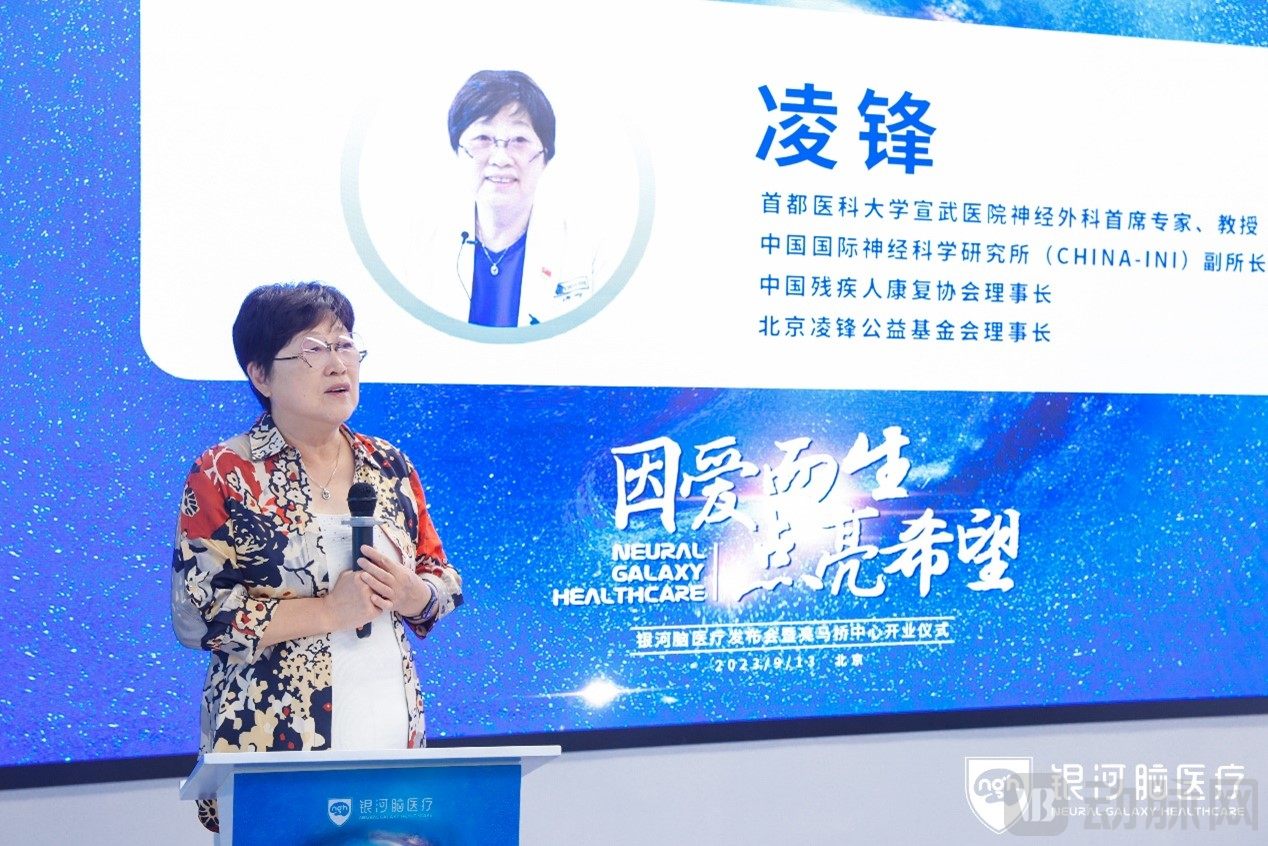
Address by Professor Ling Feng, Chief Expert in Neurosurgery at Xuanwu Hospital of Capital Medical University, Deputy Director of the China International Neuroscience Institute (CHINA-INI), Chairman of the China Association of Rehabilitation for Disabled Persons, and Chairman of the Beijing Ling Feng Public Welfare Foundation. Image source: Provided by the interviewee
Wei Kecheng, Chairman of Galaxy Brain Medical, stated, “As a global healthcare group guided by brain science, Galaxy Brain Medical builds upon breakthroughs in brain science research. With a global and forward-looking strategic vision, we are positioning ourselves across the fields of diagnosis, treatment, and rehabilitation for brain disorders, leveraging technology to safeguard every brain.”
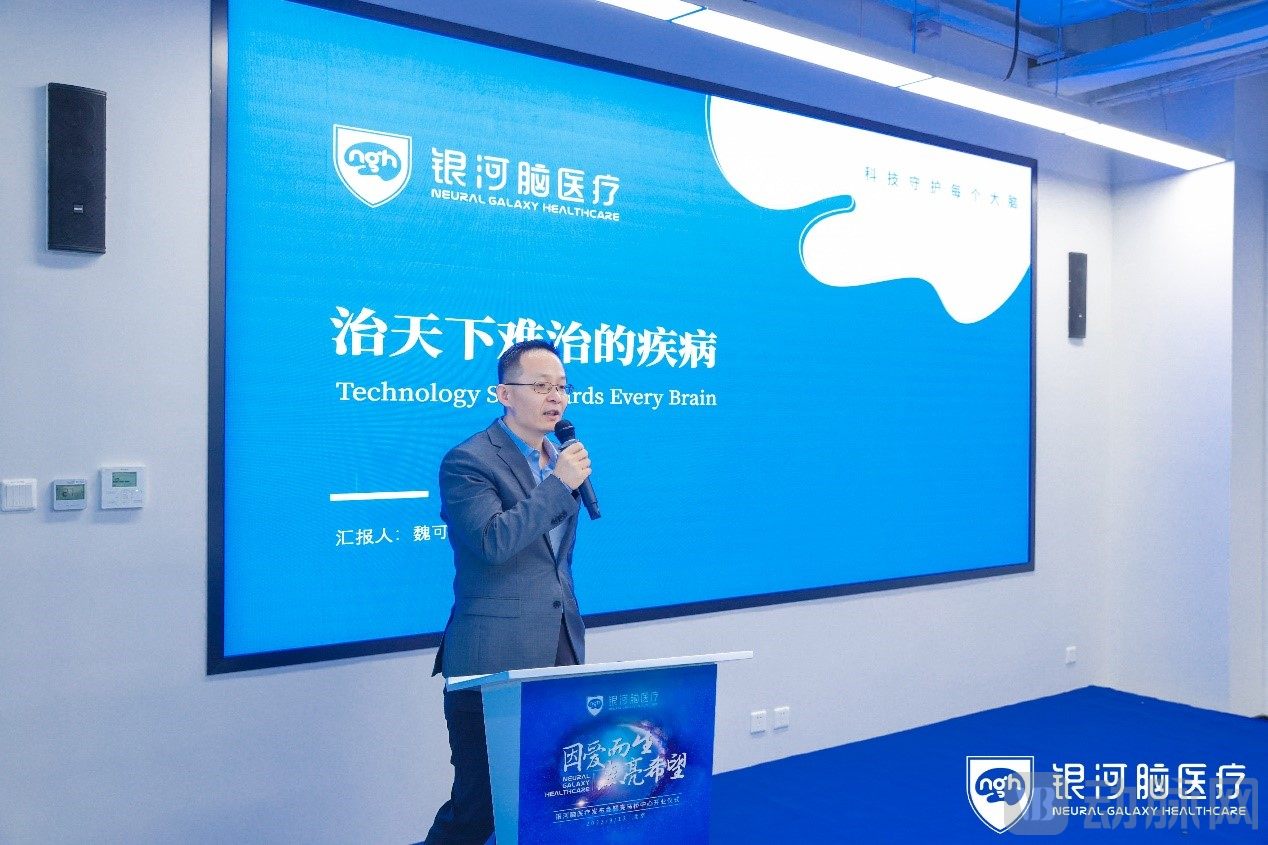
Wei Kecheng, Chairman of Galaxy Brain Medical, Interprets Strategy and Planning | Image Source: Provided by the Interviewee
“The China Brain Project” has identified brain disorders such as autism, psychological disorders, depression, Alzheimer’s disease, and Parkinson’s disease as priority targets for breakthroughs. In recent years, with advancing research in brain science, our understanding of the brain continues to expand, offering new approaches for the precise implementation of clinical treatments.
Wei Kecheng, Chairman of Galaxy Brain Medical, stated, “Most major brain disorders, such as autism, depression, and Alzheimer’s disease, originate from pathological changes in brain functional networks. However, there is a global lack of effective treatments, primarily because limitations in our understanding of the brain severely hinder insights into the mechanisms underlying these disorders, let alone the development of effective therapies. Leveraging our proprietary pBFS® individual brain functional parcellation technology, we have achieved a functional-level understanding of the mechanisms behind various major brain disorders and have demonstrated promising clinical therapeutic outcomes.”
Specifically, the pBFS® individual brain functional parcellation technology leverages functional magnetic resonance imaging (fMRI) to scan whole-brain signals and, through engineering and mathematical computations, generates a brain functional atlas comprising over 200 functional regions. This enables precise analysis of each individual’s unique brain function. Building upon pBFS® technology, POINT Therapy® further develops personalized intervention strategies for various major brain disorders. By employing a three-step process of “reading, interpreting, and writing,” it pinpoints areas of functional impairment and precisely repairs abnormal brain functions in patients. Its advantages lie in its breakthrough nature, non-invasiveness, individualized precision, and rapid onset of action.
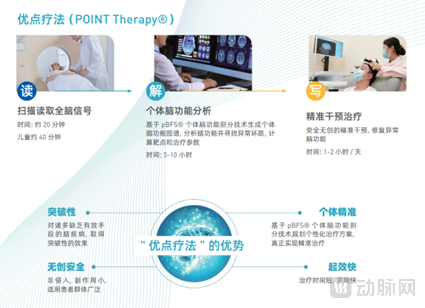
POINT Therapy®: Three Steps of Reading, Interpreting, and Writing | Image Source: Provided by the Interviewee
The Outline of the Strategic Plan for Expanding Domestic Demand (2022–2035) proposes to “support social forces in providing multi-level and diversified medical services” and to “actively develop personalized healthcare services.” Driven by the healthcare needs of patients with brain disorders, Galaxy Brain Medical was founded with the original intention of deeply exploring the development of personalized healthcare services. Building on breakthroughs in brain science research, Galaxy Brain Medical relies on a “merit-based therapy-centered, patient-centric” medical system to provide personalized treatment services for patients with brain disorders.
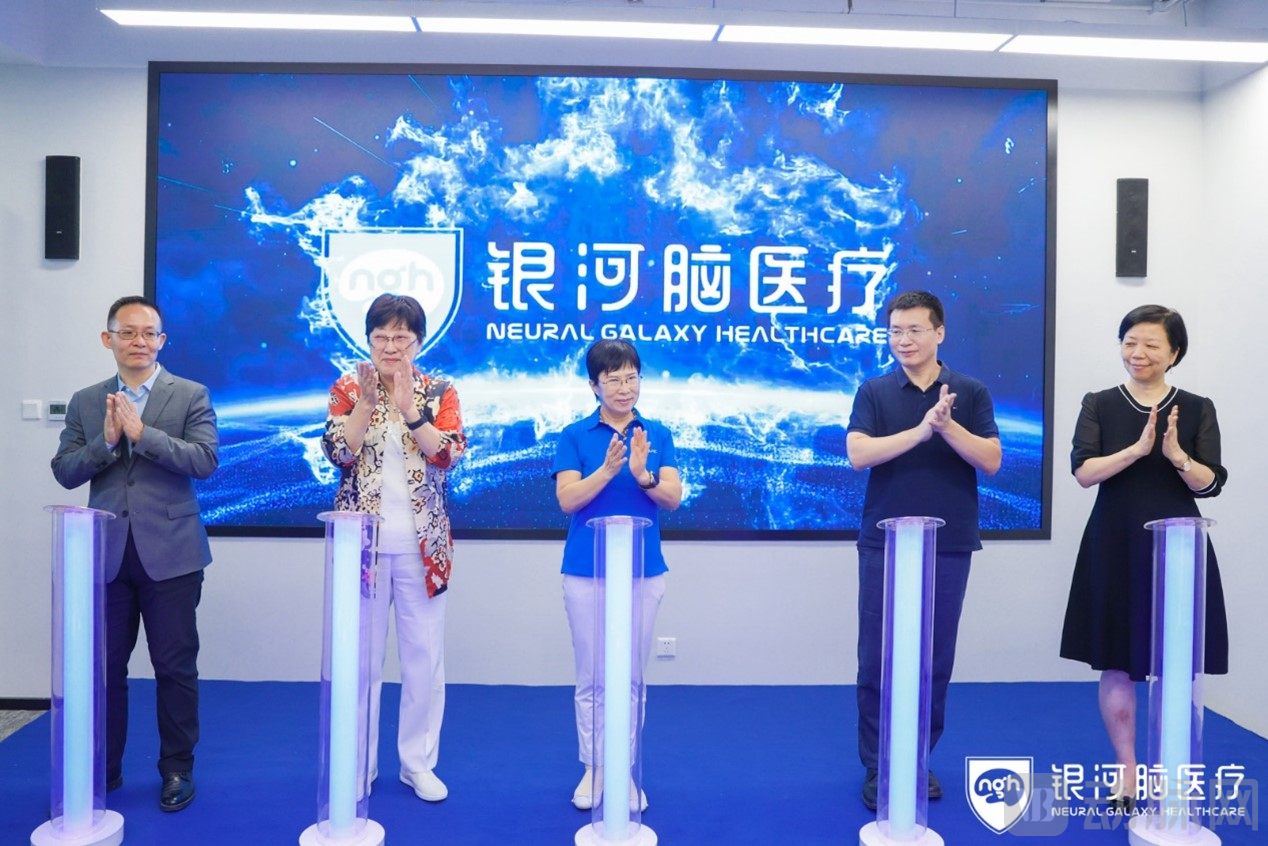
Galaxy Brain Medical Launch Ceremony (Guests, from left: Wei Kecheng, Chairman of Galaxy Brain Medical; Professor Ling Feng, Chief Expert in Neurosurgery at Xuanwu Hospital of Capital Medical University, Deputy Director of the China International Neuroscience Institute, Chairman of the China Disabled Persons’ Rehabilitation Association, and Chairman of the Beijing Lingfeng Public Welfare Foundation; Hou Yulan, Chairman of the Beijing Disabled Persons’ Welfare Foundation; Professor Liu Hesheng, Peking-Tsinghua Center for Life Sciences, Academy for Advanced Interdisciplinary Studies, Peking University; Liu Qianye, Founder of Bencao Capital) Photo credit: Provided by the interviewee
At the conference, Fan Zitian, CEO of Galaxy Brain Medical, provided a detailed introduction to the company’s medical and service systems. He stated, “Our multidisciplinary team (MDT), centered on Advantage Therapy, will tailor and implement personalized treatment and rehabilitation intervention plans for patients. By integrating offline clinical centers with online consultation services, we aim to meet the needs of both adult and pediatric patients, delivering high-quality medical care.”
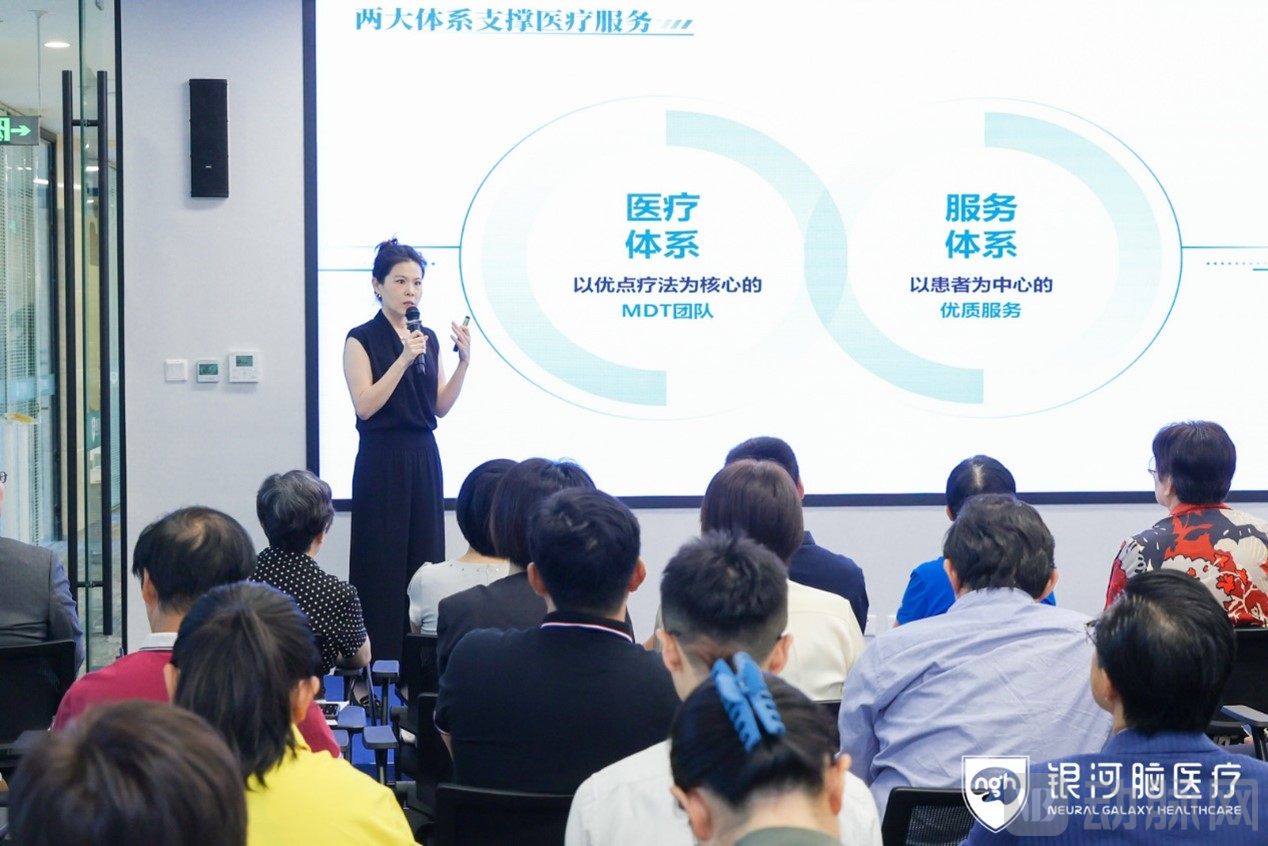
Fan Zitian, CEO of Galaxy Brain Medical, Introduces the Galaxy Brain Medical System. Image source: Provided by the interviewee.
Regarding the future of Galaxy Brain Medical, Wei Kecheng, Chairman of Galaxy Brain Medical, stated, “We will actively explore technological innovation, continuously empower medical services, and ignite hope for 1 billion brain disease patients worldwide.”
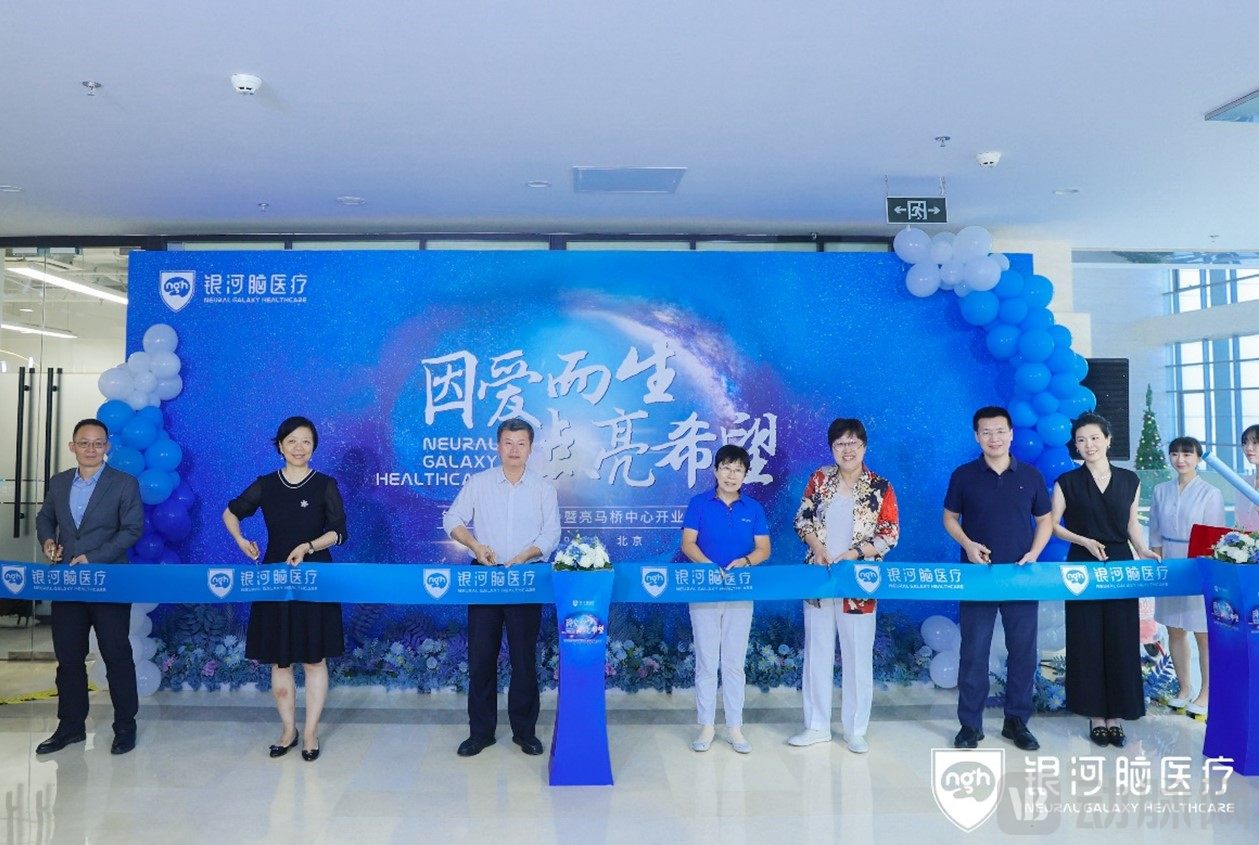
Ribbon-Cutting Ceremony for the Opening of Galaxy Brain Medical’s Liangmaqiao Center (Guests, from left: Wei Kecheng, Chairman of Galaxy Brain Medical; Liu Qianye, Founder of Bencao Capital; Zhou Yuanxiang, Deputy Dean of Tsinghua Straits Research Institute; Hou Yulan, Chairman of the Beijing Disabled Persons’ Welfare Foundation; Professor Ling Feng, Chief Expert in Neurosurgery at Xuanwu Hospital of Capital Medical University, Deputy Director of the China International Neuroscience Institute, Chairman of the China Association of Rehabilitation for Disabled Persons, and Chairman of the Beijing Lingfeng Public Welfare Foundation; Professor Liu Hesheng from the Peking University Biomedical Frontier Innovation Center; Fan Zitain, CEO of Galaxy Brain Medical) Image source: Provided by the interviewee
From the perspective of Galaxy Brain Medical, collaborating with various sectors of society to leverage respective strengths across different fields creates a synergistic effect, thereby better serving patients. This July, Galaxy Brain Medical, together with the China Association of Rehabilitation for Disabled Persons and the Beijing Lingfeng Public Welfare Foundation, jointly launched the “Star River Initiative”—a funding program for brain function testing in autism—with the aim of helping more “children from the stars” through this inclusive approach.
At the conference, the “Demonstration Base of the Brain Disease Research Center of Tsinghua Strait Institute,” jointly established by GalaxyBrain Medical and Tsinghua Strait Institute, was officially unveiled. Zhou Yuanxiang, Vice President of Tsinghua Strait Institute, stated, “A major application of brain science is to serve the ‘Healthy China’ initiative. Maintaining healthy brain development and cognitive development is a critical societal issue. We look forward to collaborating with frontier institutions in the diagnosis and treatment of brain diseases, such as GalaxyBrain Medical, to explore pathways to recovery for more Chinese patients with brain disorders.”
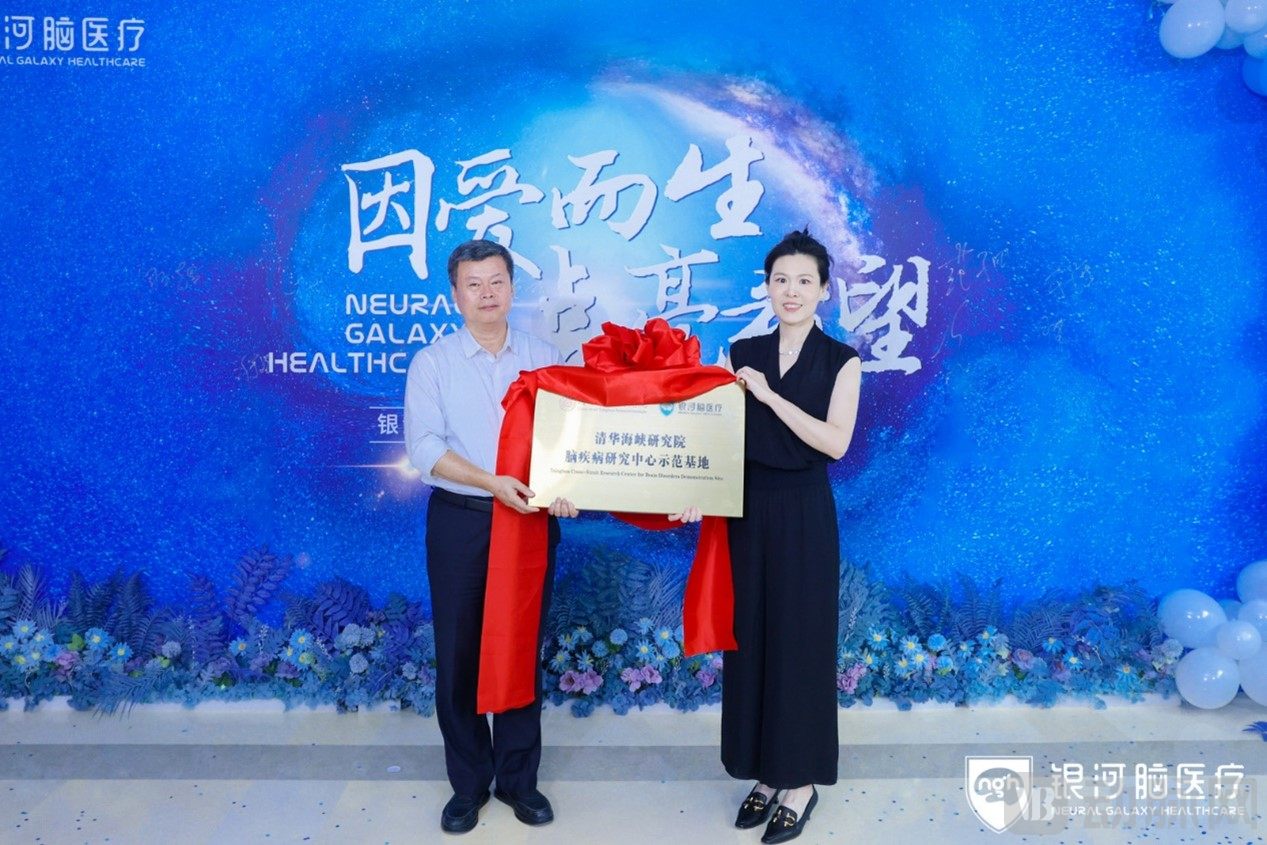
Tsinghua Strait Research Institute’s Center for Brain Disease Research Demonstration Base Officially Unveiled | Image source: Provided by the interviewee
Driven by compassion and igniting hope, Galaxy Brain Medical will actively explore cutting-edge technologies and innovative therapies to enhance the diagnosis and treatment of brain disorders, meet patients’ diverse healthcare needs, and bring hope for a cure to brain disease patients worldwide.