

Boson Medical Secures Approval for China's Longest 3D Electronic Laparoscope, Expands into Bariatric and Robotic Surgery Applications
GLP-1-based weight-loss drugs have undoubtedly emerged as one of the most dynamic and rapidly growing segments in the healthcare market over the past two years. In 2022, Novo Nordisk’s semaglutide achieved sales of $10.9 billion, driven by a surge in its application for weight management. Alongside the rising prominence of the GLP-1 sector, the concept of “weight loss” has also gained significant traction, drawing attention to the substantial demand for weight reduction among the global obese population. According to the World Obesity Atlas 2023, more than half of the world’s population is projected to be overweight or obese by 2035.
For years, bariatric surgery has been regarded as a safe and effective approach to treating obesity and related metabolic disorders. The rise of GLP-1 receptor agonists has posed certain challenges to bariatric surgery: if weight loss can be achieved through injections, why undergo surgery? In reality, GLP-1 pharmacotherapy and bariatric surgery are not mutually exclusive alternatives. GLP-1 medications offer additional options for obese patients with a BMI around 38 who are not suitable candidates for surgical intervention due to their health conditions, whereas bariatric surgery provides a safer and more rapid treatment solution for individuals with super obesity (BMI > 50) or those who have responded poorly to pharmacological therapy. Meanwhile, standards for the clinical use of GLP-1 agents still require further refinement, and the European Medicines Agency has issued warnings about potential thyroid cancer risks. In contrast, advances in laparoscopic techniques have made bariatric surgery even safer and minimally invasive.
Driven by the clinical demand for bariatric surgery, domestic medical device companies are continuously iterating and upgrading related instruments. In late August, Bosheng Medical’s 500mm 3D electronic laparoscope received approval from the National Medical Products Administration (NMPA).This product is the first 3D electronic laparoscope in China with a working length of 500 mm. Its innovative design addresses long-standing clinical challenges, enabling access to anatomical sites that are difficult to reach with conventional laparoscopes. It is suitable for bariatric surgery in super-obese patients with a BMI > 50 and can also be used in robotic-assisted surgeries to facilitate flexible manipulation of robotic arms.Meanwhile, this product “inherits” the advantages of Bosheng Medical’s 3D electronic laparoscope series, providing physicians with stereoscopic three-dimensional imagery and enhanced depth perception. Its proprietary adaptive stereoscopy technology ensures that surgeons remain within a comfortable 3D viewing zone, thereby reducing dizziness and fatigue.
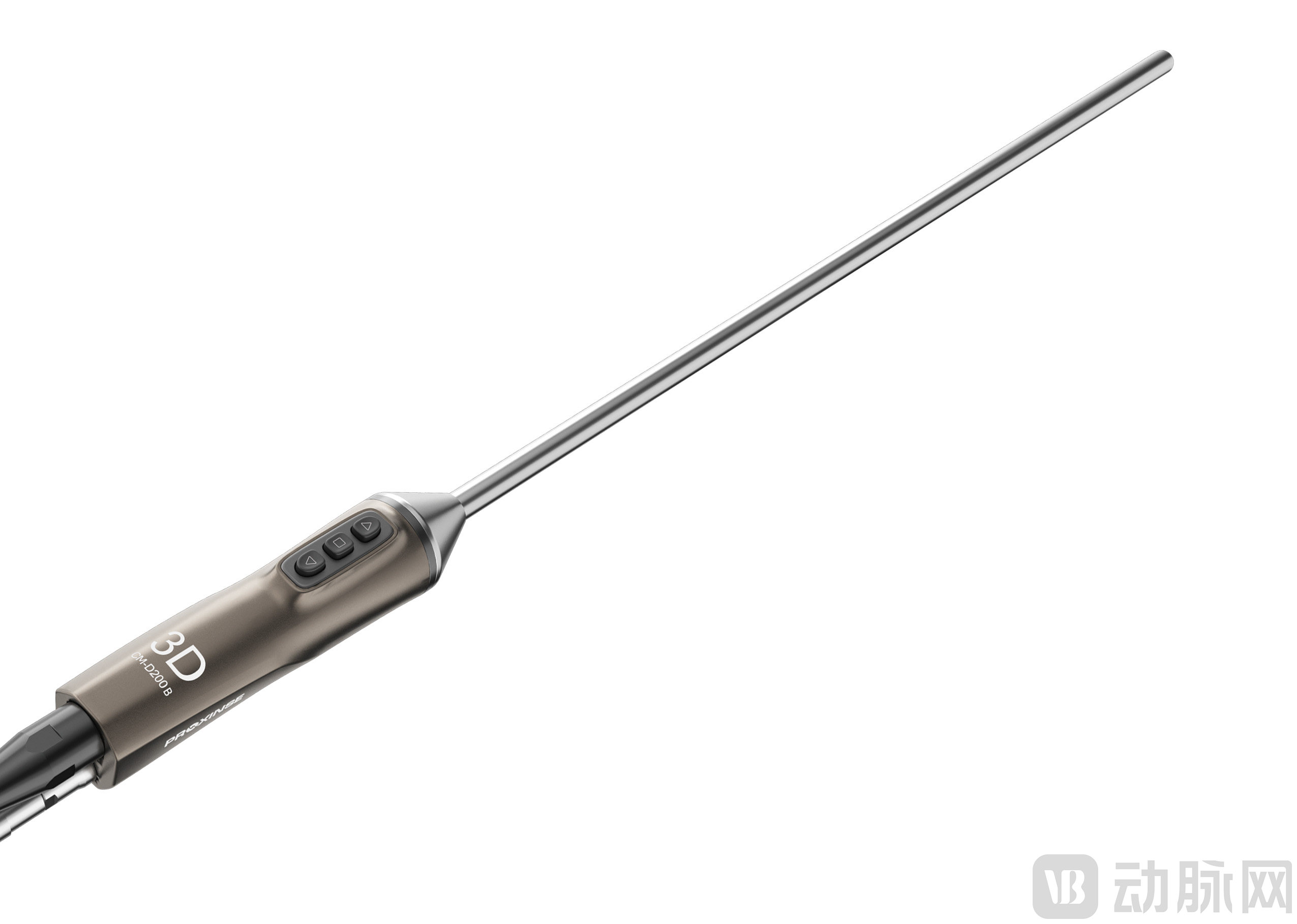
With the improvement of people's living standards and a dietary trend toward high fat and high salt intake, the number of obese patients in China has increased. According to data from the Report on the Nutritional Status and Chronic Diseases of Chinese Residents (2020), more than half of Chinese adults are currently overweight (24 ≤ BMI < 28) or obese (BMI ≥ 28). In August, the report Prevalence of Obesity and Related Complications in China: A Cross-Sectional Real-World Study of 15.8 Million Adults was released, showing that among 15.8 million adult participants, 34.8% were overweight and 14.1% were obese.
Interventions and treatments for patients with obesity include lifestyle and psychological interventions, pharmacotherapy, bariatric surgery, among whichBariatric surgery is the optimal approach for rapid, effective, and sustained weight loss and the treatment of obesity-related metabolic disorders.According to the "Multidisciplinary Consensus on Clinical Diagnosis and Treatment of Obesity (2021 Edition)," the percentage of excess weight loss after bariatric surgery can exceed 70%, and the remission rates for obesity-related conditions such as diabetes, hypertension, and sleep apnea syndrome are all ≥80%. Furthermore, bariatric surgery is a crucial intervention for controlling hypertension and improving cardiovascular prognosis.
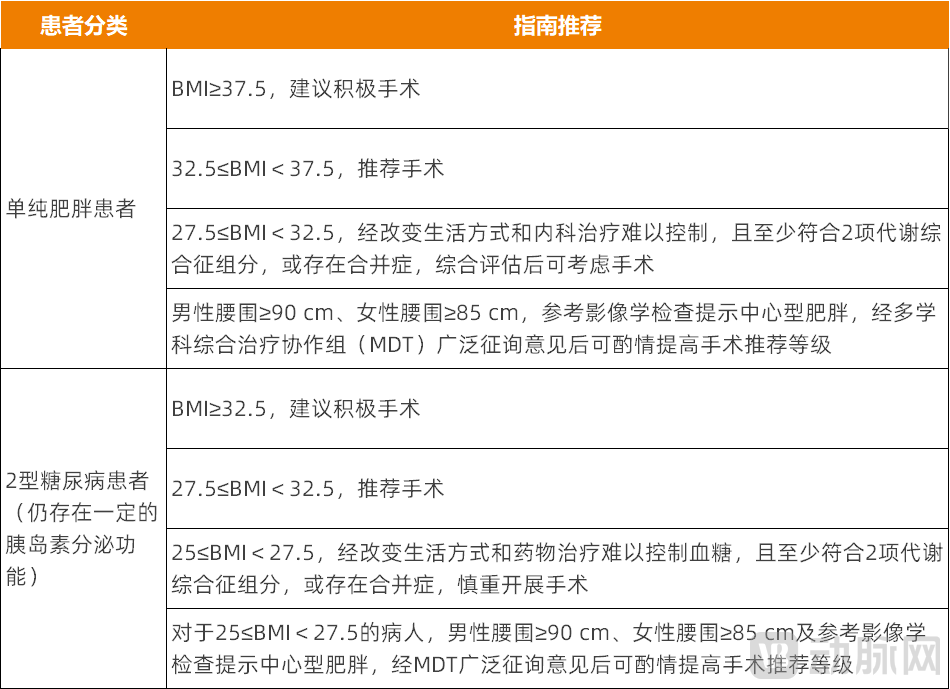
Indications for Bariatric Surgery
According to the "Chinese Database of Obesity and Metabolic Surgery: 2022 Annual Report,"A total of 27,001 bariatric surgery procedures were performed in mainland China in 2022., representing a 17% increase from 23,040 cases in 2021.Among them, there were 26,474 cases of laparoscopic surgery, accounting for 98% of the total surgical volume.. The application of laparoscopy has enabled bariatric surgery to become minimally invasive, significantly improving its safety and efficacy.
Despite the aggressive market entry of GLP-1 weight-loss drugs, which may slow the growth of bariatric surgery to some extent, the volume of such procedures will continue to rise. This is primarily due to two factors: First, the number of obese patients in China is steadily increasing, resulting in a large patient base with a currently low treatment rate. The number of obese individuals in China far exceeds that in the United States, where over 300,000 bariatric surgeries are performed annually; thus, there is significant room for growth in the number of bariatric procedures in China. Second, GLP-1 medications primarily achieve weight loss by suppressing appetite. For super-obese patients with a BMI > 50, these drugs are unlikely to yield significant short-term results and carry a risk of weight regain. Such patients often suffer from metabolic disorders, which can be fundamentally addressed through sleeve gastrectomy.
According to Bosheng Medical: “Among patients undergoing bariatric surgery in China, a subset comprises super-obese individuals with a BMI > 50.”These patients have a thick layer of abdominal fat. To achieve adequate visualization with standard-length laparoscopes, surgeons must insert the instruments with considerable force, sometimes even requiring the laparoscope handle to be inserted into the abdominal cavity. This not only prolongs operative time but also compromises safety.“For these patients, dedicated endoscopes with extended working lengths need to be developed to ensure the safety and efficacy of bariatric surgery.”
In addition to bariatric surgery, robotic surgery also imposes requirements on the working length of laparoscopic instruments.The endoscopic instruments used by surgical robots are smaller and longer than traditional instruments., thereby enabling the robot to perform precise operations with a larger range of motion. As the clinical application of laparoscopic surgical robots gradually expands, Frost & Sullivan predicts that the number of robot-assisted laparoscopic surgeries in China will reach 680,000 cases in 2026, making the development of long-shaft laparoscopes an important direction.
As early as 2021, Bosheng Medical’s series of 3D electronic laparoscopes received regulatory approval, gaining widespread clinical recognition for their high resolution and excellent adaptive stereoscopic vision. During product promotion, Bosheng Medical continuously incorporated clinical feedback, noting that “many experts encountered issues with insufficient laparoscope length when performing bariatric surgery on super-obese patients.” Seizing the demand for long-shaft laparoscopes in bariatric and robotic surgeries, Bosheng Medical chose to develop a 3D electronic laparoscope with a working length exceeding 500 mm.
Previously, there were no 3D electronic laparoscopes with a length of 500 mm on the Chinese market, as this product presents significant technical barriers. In addition to the basic technical barriers associated with 3D electronic laparoscopes, the challenges specific to long-length laparoscopes are mainly reflected in two aspects: first,Signal Integrity, the longer the endoscope, the more prone the electrical signals are to attenuation during transmission. In response to this, Bosheng Medical has optimized its signal conversion and transmission technologies; secondly,Process, as the endoscope lengthens, issues such as weight and heat generation must be taken into account. In response, Bosheng Medical has optimized its product manufacturing processes to create laparoscopes that are lighter and offer superior temperature control.
In the field of 3D laparoscopy, Bosheng Medical has adopted the electronic endoscope technology pathway. Bosheng Medical stated: “The advantages of traditional 2D optical endoscopes include their ability to withstand high-temperature and high-pressure sterilization, the rotatability of the distal tip during procedures, and a wider surgical field of view. However, they also present drawbacks such as susceptibility to damage and vignetting (dark corners) around the periphery. Moreover, in 3D endoscopy, the advantages of optical systems are diminished. For instance, 3D endoscopes require two lenses, making it difficult to achieve synchronized rotation. Additionally, 3D optical endoscopes demand high assembly precision. The manufacturing process for bayonet-style (detachable) designs is relatively complex, whereas integrating the components into a single-unit product would compromise the advantage of high-temperature and high-pressure sterilization.”
The advantages of electronic endoscopes lie in their high image resolution, strong illumination brightness, and long service life. Bosheng MedicalThe endoscope’s distal tip employs dual 1080P CMOS image sensors, leveraging the principle of stereoscopic imaging based on human binocular disparity to impart authentic depth perception to the images.. Meanwhile, the company’s 3D electronic laparoscope products are distinct from existing products on the market,By employing a unique 3D calibration algorithm and stereoscopic adaptive technology, the system provides real-time monitoring feedback on tissue interaction and dynamically adjusts endoscopic imaging to align with the human eye’s 3D comfort zone, thereby reducing operator dizziness and visual fatigue.. Mainstream 3D endoscopy products require manual adjustment of the field of view by physicians, and the 3D effect is also affected when the lens zooms.
Compared with conventional 2D laparoscopy,Bosheng Medical’s 3D electronic laparoscope provides stereoscopic, lifelike imaging that accurately visualizes human blood vessels, nerves, and tissues. Its lightweight, non-heating handle enables more precise surgical manipulation, shortens the learning curve, and enhances both surgical safety and prognostic outcomes.. Meanwhile, it shortens surgical duration, which not only alleviates surgeon fatigue but also reduces patient blood loss and tissue trauma; from a hospital operational perspective, it further enhances operating room efficiency. In addition, the 500 mm 3D electronic laparoscope can meet more diverse clinical needs.
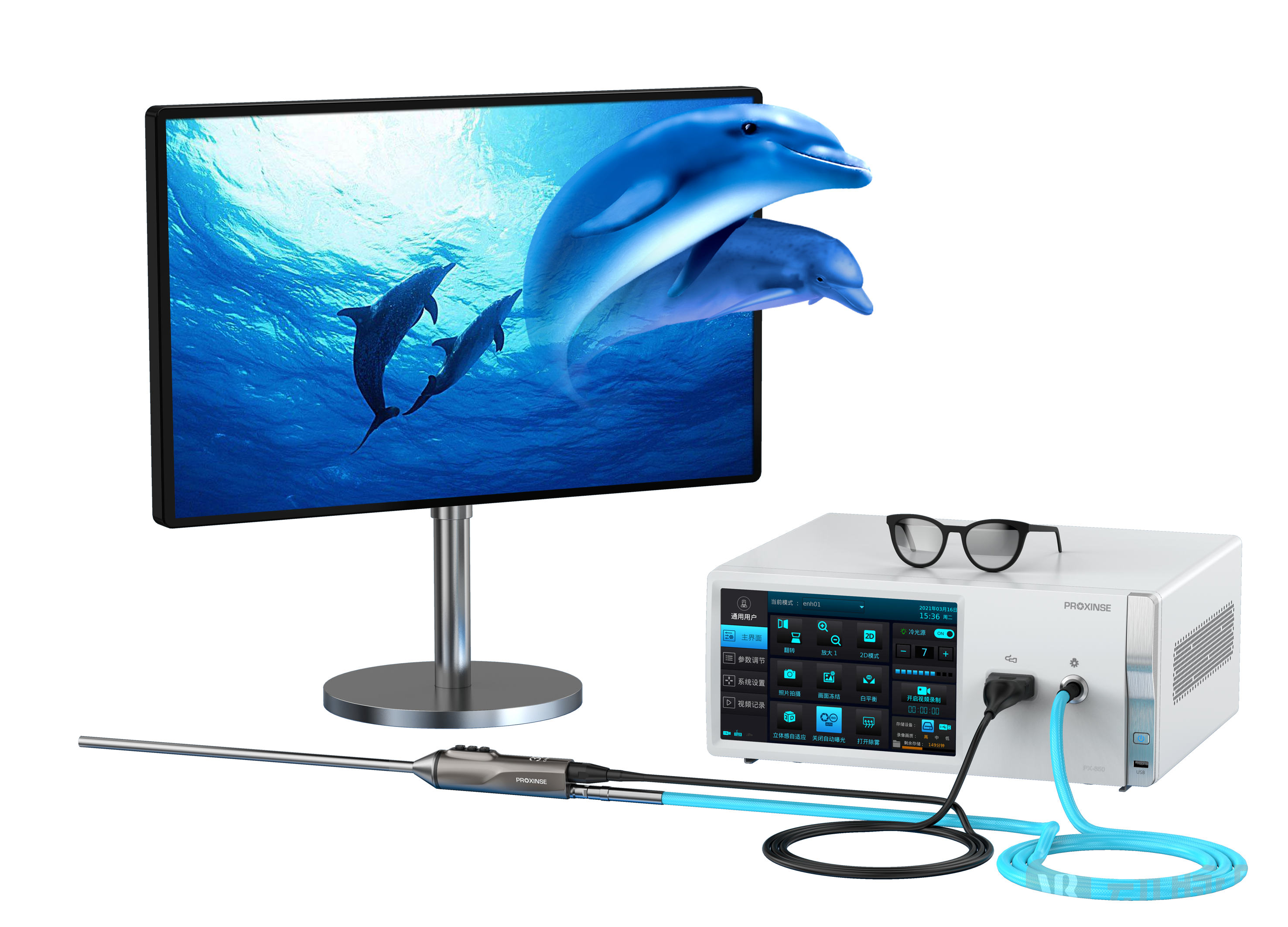
As the first 500mm-long 3D electronic laparoscope in China, Bosheng Medical’s product demonstrated excellent safety and efficacy through continuous testing and animal experiments, thereby obtaining approval from the National Medical Products Administration.
As of now,Bosheng Medical's 3D electronic laparoscopes in multiple specifications have been trialed in nearly 500 hospitals across China., clinical experts have expressed high recognition of the product's performance and safety, particularly its adaptive stereoscopic function, which enables comfortable operation under a 3D field of view. This is a key highlight that distinguishes this laparoscopic product from similar products on the market.
Bosheng Medical stated: “Many surgeons focus on the precision of laparoscopic procedures and the reduction of operative time, which are precisely the advantages of our 3D electronic laparoscope. One surgeon mentioned that laparoscopic liver tumor resection previously took approximately five hours, but with Bosheng’s laparoscope, it now takes just over three hours.” Furthermore, Bosheng Medical’s 3D electronic laparoscope demonstrates excellent stability, performing flawlessly without any issues during a multi-tumor resection surgery lasting more than seven hours.
Following the approval of this new model of 3D electronic laparoscope,Pilot trials and product promotion will be conducted at weight management centers across provinces and cities in China., with the potential to achieve rapid volume growth by leveraging the company’s existing market channels. Meanwhile,Shenzhen Bosheng Medical Technology Co., Ltd. is also actively establishing collaborations with surgical robot manufacturers., products can be custom-developed to meet the requirements of robotic surgery. In addition,In addition to human medical applications such as bariatric surgery and robotic surgery, this product can also be used in veterinary medicine, such as for the treatment of racehorses.。
The successful launch of the 500mm-long 3D electronic laparoscope, a first in China, further demonstrates Shenzhen Bosheng Medical Technology Co., Ltd.’s in-house R&D capabilities. The company has accumulated profound expertise in foundational endoscopy technologies and adheres to an innovation model integrating medical practice with engineering, continuously expanding its product portfolio in response to clinical needs. Currently, the company’s 4K endoscopes, 3D electronic endoscopes, and endoscopy console systems (compatible with handles for 4K, 3D, and other types of endoscopes) have all received regulatory approval, and it is actively developing additional innovative endoscopic products.
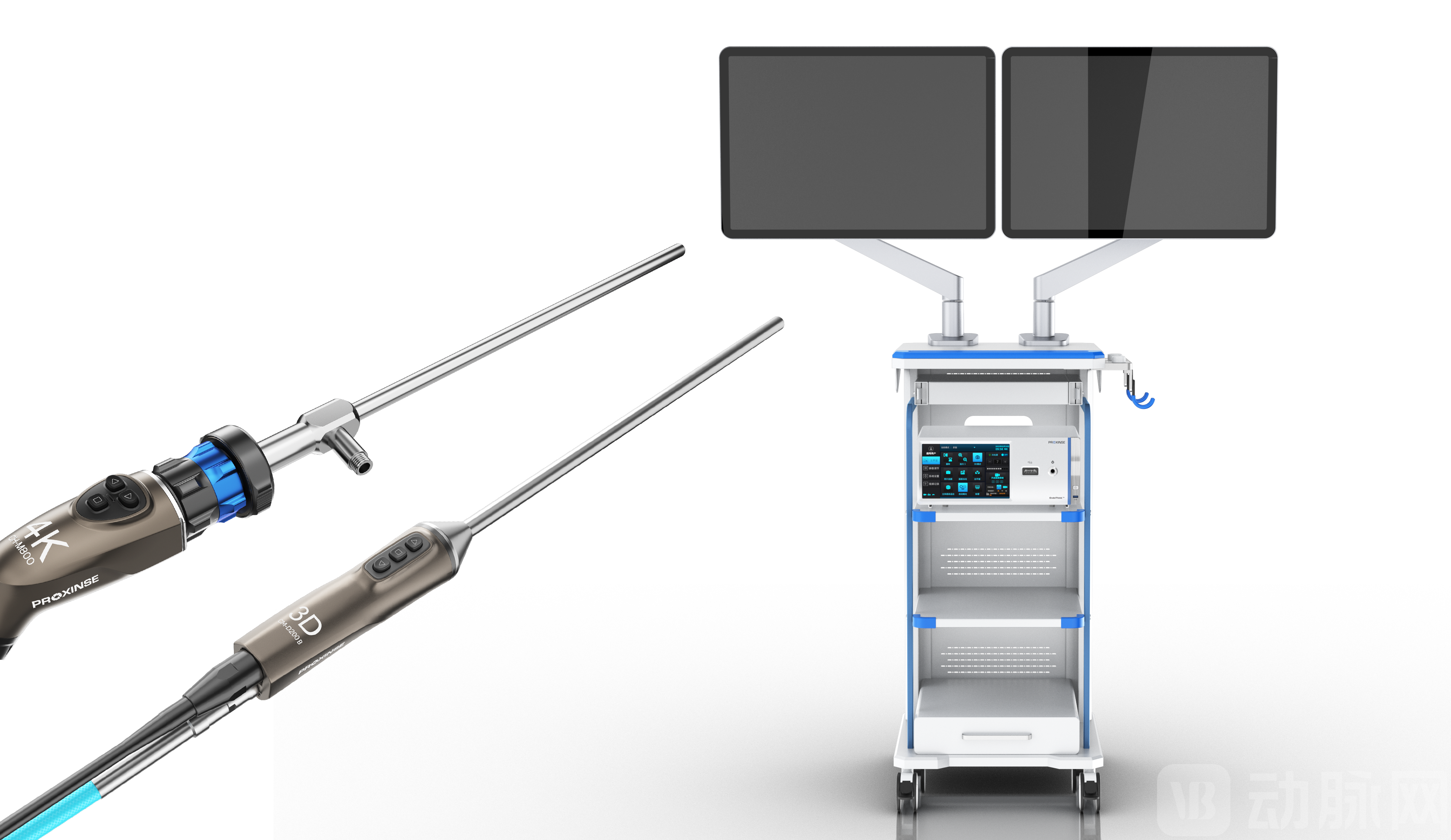
Bosheng Medical stated, “In China, there are virtually no barriers in terms of hardware; competition lies more in soft power. Bosheng Medical regards innovation as its core competency and is committed to staying ahead of the curve. We first launched a 500mm 3D electronic laparoscope, accumulating relevant foundational technologies, which will enable us to introduce longer laparoscopes tailored to diverse clinical needs in the future. Our goal is to run while others walk, and sprint while others jog.”
Reference: “Multidisciplinary Consensus on Clinical Diagnosis and Treatment of Obesity (2021 Edition)”
《Guidelines for Surgical Treatment of Obesity and Type 2 Diabetes in China (2019 Edition)》