

Yiwei Medical Secures China's First NMPA Class III Certification for AI-Powered Alzheimer’s Disease Early Diagnostic Software

Dr. Brain
Developer of AI-Powered Diagnostic Platform for Brain Science
The World’s First AI Medical Software for Early Diagnosis of Alzheimer’s Disease Approved with Class III Certification
According to information from the official website of China’s National Medical Products Administration (NMPA), “Dr. Brain,” the world’s first magnetic resonance imaging (MRI) software dedicated to auxiliary assessment of Alzheimer’s disease (AD) and developed by Dr. Brain (Yiwei) Medical, has officially received NMPA Class III medical device registration approval. This is the first artificial intelligence (AI) software product approved globally for auxiliary assessment in AD diagnosis and treatment, as well as China’s first Class III certification for AD-related software. This milestone marks the entry of AI technology in brain structure analysis into a phase of substantive clinical implementation, underscoring that Dr. Brain’s AI technologies are among the most advanced worldwide.
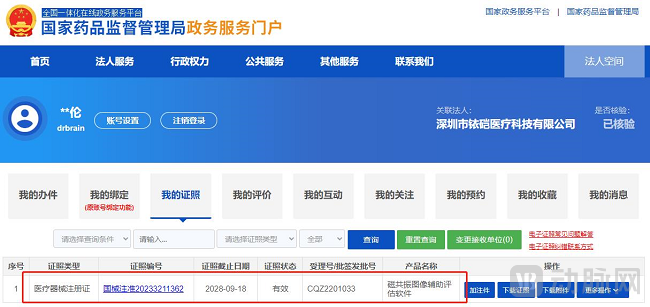
The clinical trials for this Alzheimer’s disease (AD) product were conducted at top-tier tertiary hospitals across China, led by the team of President Lu Jie from Xuanwu Hospital, Capital Medical University, with participation from the team of Director Liu Jun from the Second Xiangya Hospital, Central South University, and the team of Director Yang Yunjun from the First Affiliated Hospital of Wenzhou Medical University. Following rigorous, professional, and scientifically sound clinical validation, the AI software demonstrated both sensitivity and specificity exceeding 90% in independent diagnosis. This represents a significant advantage over the diagnostic performance of general physicians, effectively assisting clinicians in enhancing their diagnostic capabilities. With clinical performance reaching a world-leading level, the product is well-suited for auxiliary diagnosis of AD, particularly early-stage AD, marking a milestone achievement in the field.

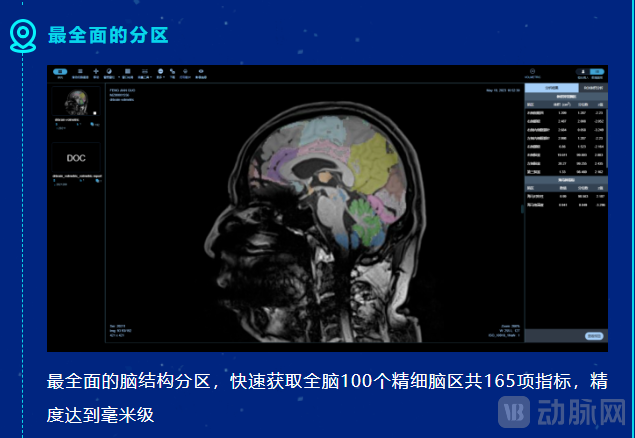
Building upon guidelines, consensus statements, standards, and protocols such as the IWG-1 (2007), NIA-AA (2011), the 2018 Chinese Guidelines for the Diagnosis of Dementia and Cognitive Disorders, the Framework for Alzheimer’s Disease Screening and Diagnosis Applicable to the Chinese Population (2019), and the Chinese Expert Consensus on Standardized MRI Examination for Alzheimer’s Disease (2019), this product incorporates innovations in artificial intelligence (AI) medical technology. The 2018 Chinese Guidelines for the Diagnosis of Dementia and Cognitive Disorders highlight that neuroimaging is a crucial tool for excluding other treatable forms of dementia and aiding in the diagnosis and differential diagnosis of various dementias. Structural magnetic resonance imaging (MRI) primarily serves to rule out treatable conditions, such as brain tumors and normal pressure hydrocephalus, and subsequently reveals AD-specific structural changes. Changes in medial temporal lobe structures, particularly in the hippocampus and entorhinal cortex, represent the most classic findings in structural MRI research related to AD.This product leverages clinical brain structural MRI data to provide clear visualization of anatomical brain structures with high resolution, enabling distinct differentiation between gray and white matter. It clearly depicts widened and deepened sulci and enlarged ventricles in patients with dementia, and allows for linear, area, and volumetric measurements of intracranial structures such as the hippocampus and amygdala. Furthermore, the interpretation of structural brain imaging results relies on overall changes rather than alterations in individual brain regions; potential changes in other areas of the brain should not be overlooked. The deep learning methods employed in this product achieve excellent sensitivity and specificity because they incorporate not only morphological biomarkers, such as volume and shape, but also features including voxels, regional associations, and texture. This holistic assessment approach facilitates early screening and detection of AD. This constitutes the core clinical value that enabled Dr. Brain to obtain China’s first Class III medical device certification for AI-assisted MRI-based evaluation software specifically targeting Alzheimer’s disease.
Current Status of AD Diagnosis and Treatment
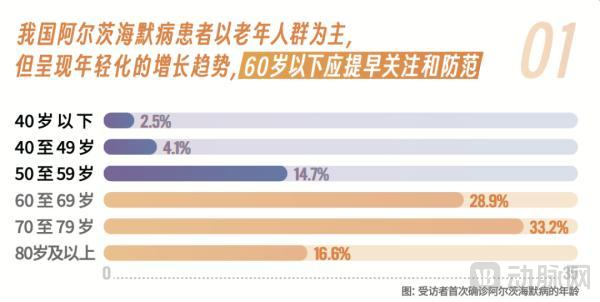
Data indicate that among individuals newly diagnosed with Alzheimer’s disease, those aged 60 to 79 years account for the largest proportion, at 62.1%. Notably, patients under the age of 60 constituted 21.3% of cases in this survey, a figure substantially higher than the 5–10% reported internationally for early-onset Alzheimer’s disease. This suggests an increasing trend toward younger onset of Alzheimer’s disease in China. As these affected individuals are still of working age, this issue warrants heightened attention from society as a whole, with strengthened health education for the general population and enhanced efforts in disease prevention, early screening, and diagnosis.
Chen Zhu, Vice Chairperson of the Standing Committee of the 13th National People’s Congress, President of the Red Cross Society of China, and Academician of the Chinese Academy of Sciences, delivered a keynote address at the 2023 China Brain Health Conference. In his report, Academician Chen pointed out that China had 10 million patients with Alzheimer’s disease (AD), with an annual economic burden of RMB 1.6 trillion. Based on the latest demographic data and the incidence rate of Alzheimer’s disease, the China Health Alliance Institute for Healthy Aging calculated that the current number of AD patients in China has exceeded 20 million, reaching over 23 million. Assuming constant price levels, the annual economic burden of AD exceeds RMB 3.2 trillion, amounting to RMB 3.68 trillion. The large number of Alzheimer’s patients, the severe harm caused by the disease, and the heavy economic burden necessitate attention from all sectors of society and prioritized solutions.
The Key to Cracking Alzheimer’s Disease Lies in Early Detection, Early Diagnosis, and Early Treatment
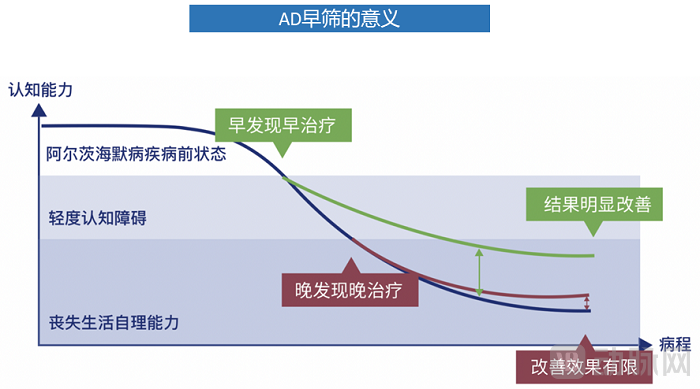
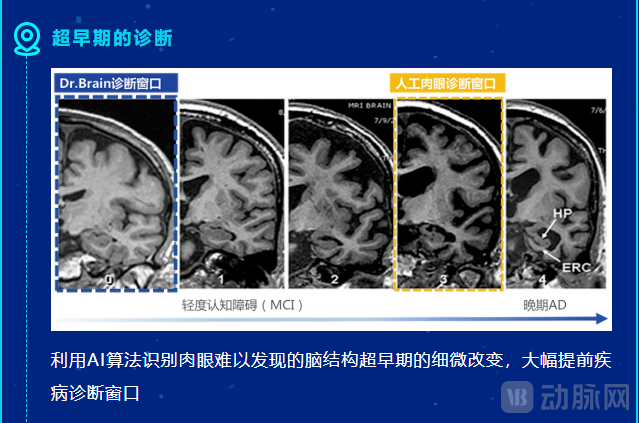
Regarding the treatment of Alzheimer’s disease (AD), internationally approved AD medications have demonstrated significant efficacy in slowing disease progression primarily in patients with early-stage AD, while offering minimal therapeutic benefit for those with advanced-stage disease, even when diagnosed. The "Chinese Expert Consensus on Clinical Trials of Innovative Drugs for Alzheimer’s Disease" emphasizes that efforts should focus on early detection and prevention; however, the current clinical reality is characterized by low diagnosis rates and high rates of missed diagnoses. Therefore, early screening and diagnosis are crucial for delaying the progression of AD. Magnetic Resonance Imaging (MRI) is the preferred imaging modality for the clinical diagnosis of AD. Nevertheless, most clinicians traditionally believe that structural brain abnormalities associated with AD manifest at a relatively late stage. With the aid of AI algorithms, physicians can now capture macroscopic and microscopic, as well as concrete and abstract, structural brain features in high-dimensional space. This technology assists clinicians in leveraging MRI structural imaging to accurately diagnose AD-related structural brain abnormalities at an early stage. Consequently, the application of artificial intelligence in imaging-based diagnosis and disease screening has become a global trend and focal point in the medical device industry in recent years. In particular, within the field of neurological disorders, it holds the potential to reshape future diagnostic and therapeutic pathways for AD.
The State Prioritizes Alzheimer’s Disease Prevention and Control, Rolling Out a Series of Policies and Measures
To prevent and mitigate the onset of dementia in the elderly and to promote healthy aging in China, the state has introduced a series of policies and measures. The General Office of the National Health Commission recently issued the "Notice on Launching the Action for Prevention and Treatment of Dementia in the Elderly (2023–2025)," deciding to organize and implement this action nationwide from 2023 to 2025. Local health administrative departments have attached great importance to this initiative, incorporating it as a key component of the Healthy China strategy and integrating it into local development plans for promoting healthy aging to coordinate resources and ensure effective implementation. To strengthen specialized capacity building for cognitive disorders, solidify the talent foundation in this specialty, and achieve a closed-loop medical service system for the prevention and treatment of cognitive disorders, the Capacity Building and Continuing Education Center of the National Health Commission released the "Implementation Plan for Specialized Capacity Building Projects for Cognitive Disorders." This has simultaneously promoted the research, development, and manufacturing of products involving digital therapeutics and artificial intelligence technologies in the diagnosis and treatment of Alzheimer’s disease (AD). The "14th Five-Year Plan for National Medical Security" explicitly supports the vigorous development of new models such as "Internet + Healthcare," ushering in broad prospects for growth in the medical artificial intelligence industry.
Dr. Brain Focuses on Cutting-Edge Medical Technologies to Address Gaps in Early Diagnosis of Alzheimer’s Disease
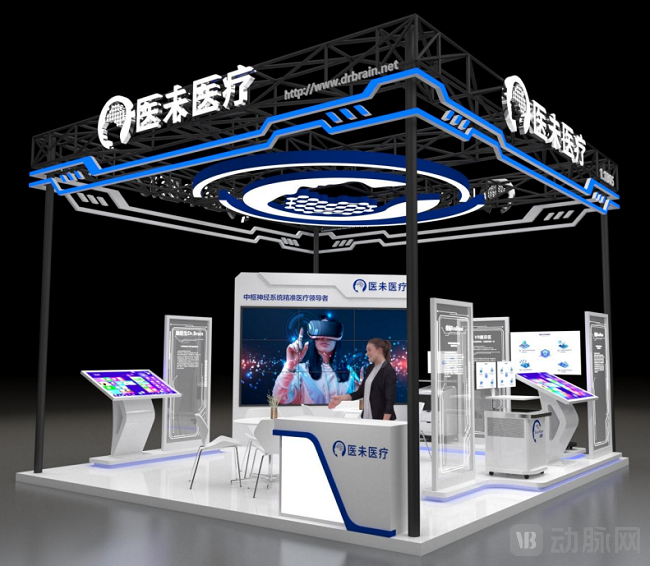
As a leader in precision medicine for central nervous system disorders, Dr. Brain actively responds to national policies by consistently addressing the needs of clinical imaging diagnosis. By integrating cutting-edge scientific and technological innovations and focusing on advanced diagnostic technologies, the company has developed the world’s first AI-based medical software for the early diagnosis of Alzheimer’s disease (AD)—Dr. Brain Doctor. This innovation breaks through the limitations of current clinical AD diagnosis, resolves issues of missed and misdiagnoses in imaging interpretation, and enables early screening, diagnosis, intervention, and treatment of cognitive impairment disorders. In doing so, Dr. Brain meets the future development requirements of China’s AI-enabled imaging diagnostics sector and contributes to the implementation of the Healthy China strategy.
Dr. Brain Doctor
AI Diagnostic Analysis Platform for Central Nervous System MRI
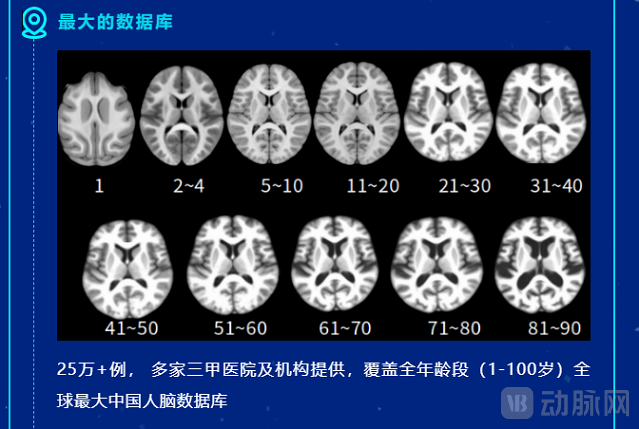
An AI-powered diagnostic analysis platform dedicated to central nervous system disorders, built upon Dr. Brain’s proprietary whole-brain structural imaging database covering the entire Chinese population across all age groups. By integrating cutting-edge core technologies such as big data analytics and artificial intelligence, the platform rapidly and accurately assesses whole-brain structural changes, white matter lesions, cerebral microbleeds, and cerebral blood flow. It provides quantitative, intuitive results to assist clinicians in making ultra-early precise diagnoses and predicting disease progression.
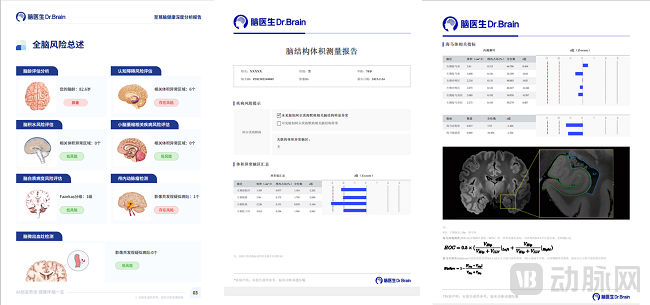
Quantitative and Intuitive Report
Dr. Brain’s products have been deployed at medical institutions such as Beijing Hospital, Shenzhen Kangning Hospital, and First Health. Their clinical application and market development will facilitate early screening and intervention for individuals with cognitive impairments in China, particularly those with Alzheimer’s disease, thereby slowing the progression of neural damage and improving patients’ quality of life. Furthermore, early screening for Alzheimer’s disease can help reduce societal healthcare costs and family caregiving expenses, alleviating the economic burden on both families and society.
A Long Road Ahead, A Promising Future

Wang Silun, founder of Dr. Brain, stated: “This NMPA Class III certification for the world’s first AI-assisted MRI diagnostic system for Alzheimer’s disease embodies the persistence and efforts of countless individuals. For Dr. Brain, it represents both national recognition and a mandate for continued excellence. While the Class III certification marks only the starting point for the commercialization of medical AI, the road ahead remains long. The essential value of medical AI lies in addressing clinical needs. How we center our future strategies on these clinical needs and leverage AI technology to empower healthcare has always been our foothold in the industry and remains the core mission we must steadfastly uphold.”
Looking ahead, Dr. Brain will continue to leverage its technological strengths, continuously optimize product functionalities, and enhance the clinical value of its offerings. By enabling more precise, intelligent, and safe medical practices, we aim to benefit a greater number of Alzheimer’s disease patients, allowing them to enjoy the conveniences brought by technology. We are committed to writing a new chapter in the development of AI for medical imaging and building a solid foundation for safeguarding brain health among the Chinese population.