

Ventus Therapeutics: Pioneering Protein Structure-Driven Drug Discovery with a $700M Partnership from Novo Nordisk

Ventus Therapeutics
Developer of Novel Small Molecule Drugs
In late 2022, Ventus Therapeutics announced that it had entered into a global exclusive licensing agreement with Novo Nordisk. Under this agreement, Novo Nordisk will obtain the development and commercialization rights to Ventus’s proprietary peripheral NOD-like receptor thermal protein domain-associated protein 3 (NLRP3) inhibitor. Novo Nordisk will make an upfront payment of $70 million to Ventus and provide research and development funding. Ventus may also receive additional milestone payments totaling up to $633 million.
However, the potential $700 million payment is limited to the global exclusive license for the candidate drug VENT-01. Ventus retains the development rights to its other NLRP3 inhibitor programs and additional small-molecule projects targeting other potential targets.
In August this year, Ventus launched the Phase I clinical trial of VENT-02, a novel oral brain-penetrant NLRP3 inhibitor. In the same month, Ventus was named to Fierce Biotech’s 2023 Fierce 15 list.
How Can a Biotech Identify and Screen for Unique, Highly Potent Small-Molecule Inhibitors Targeting “Undruggable” Proteins? Leveraging expertise in structural biology and protein science, combined with proprietary computational chemistry tools, Ventus has established its drug discovery platform, ReSOLVETM, to discover novel compounds and screen for first-in-class or best-in-class small-molecule therapeutics within designated pharmacological categories.
The primary secret to Ventus’s success in translating proteomic information into drug development lies in establishing high-quality structural information for protein targets.
Proteins are nanomaterials that adopt multiple conformations and undergo dynamic changes. Research by Ventus Therapeutics suggests that each conformational change alters the contours of known protein cavities (also referred to as binding pockets on the protein surface) or generates new ones. Leveraging its accumulated expertise in molecular dynamics and structural biology, the ReSOLVE™ platform can characterize the shape, polarity, and potential druggability of protein cavities at an unprecedented high resolution.
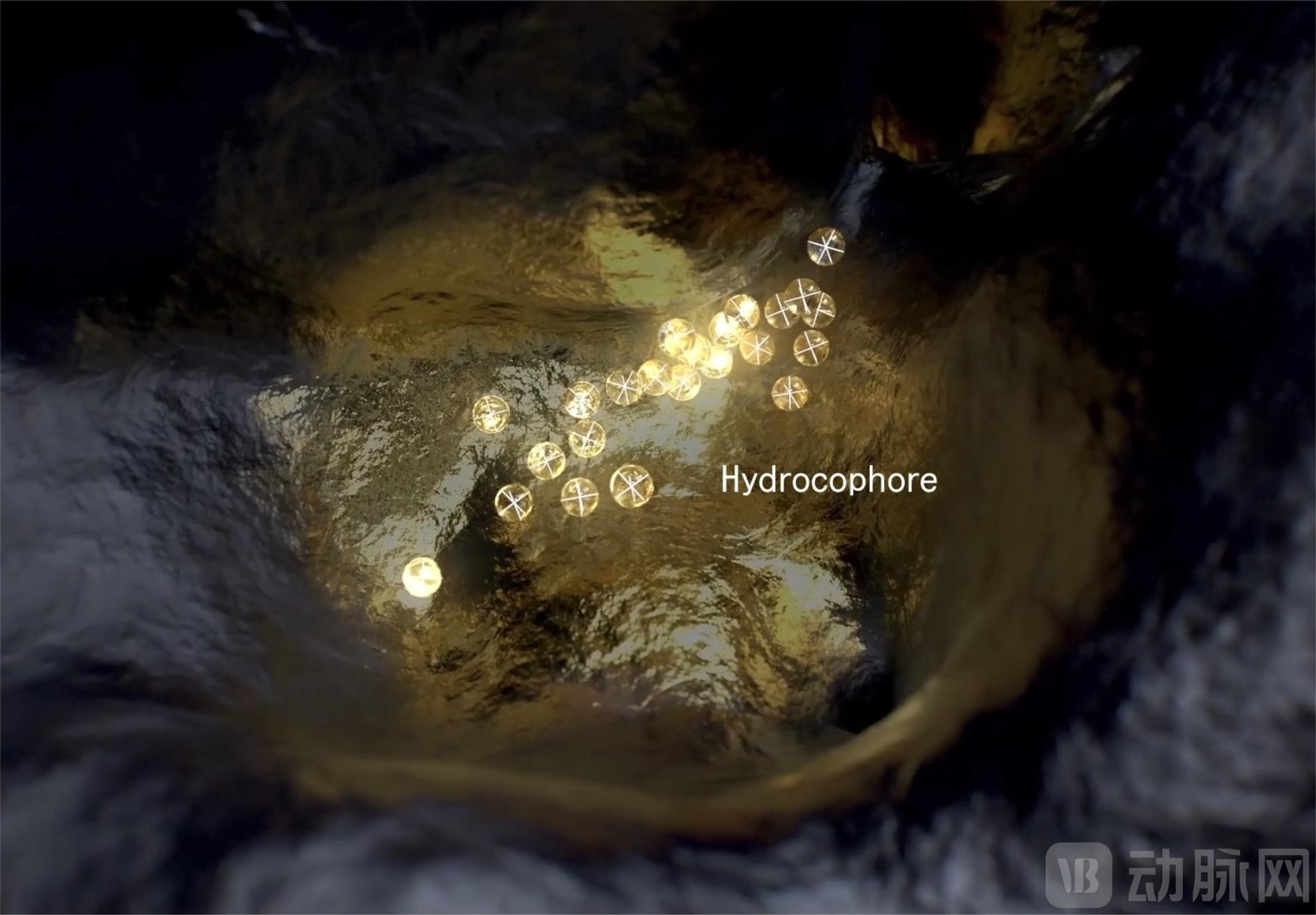
Effective Binding of Small-Molecule Compounds to Protein Surface Binding Pockets (Protein Cavities) / All images below are sourced from the company’s official website
Meanwhile, based on ultra-high-resolution structural information of protein surface binding pockets, ReSOLVETMThe platform leverages a dynamic solvation structure to generate virtual small-molecule templates, known as "Hydrocophores."MC”. Small molecules with binding potential to surface pockets of proteins can effectively “replace” HydrocophoreMC, integrated into computational virtual screening to identify potential active compounds.
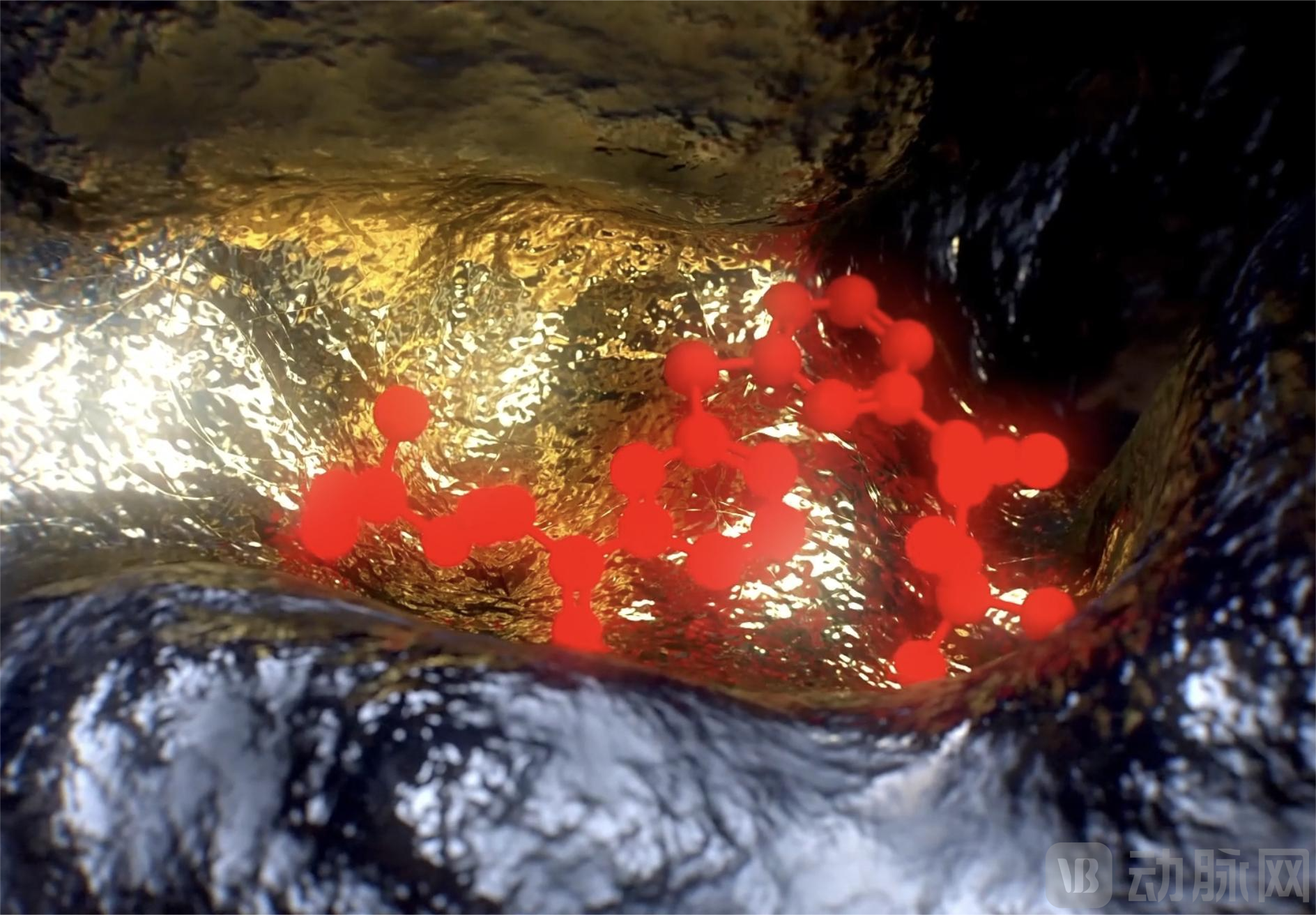
High-Resolution Generated HydrocophoreMCSimulated Small Molecule Model
Based on ReSOLVETMplatform, Ventus can efficiently screen billions of compounds in libraries to identify those that fit the HydrocophoreMCpotential targets for validation in wet-lab experiments. This screening yields far fewer candidates than traditional methods, while offering a higher success rate and reducing both time and validation costs.
Since 2020, Ventus has entered the drug screening and validation phase, and has currently announced three candidate drug pipelines in two therapeutic areas.
cGAS (cyclic GMP-AMP synthase) is a DNA sensor of the innate immune system, specifically a pattern recognition receptor (PRR). Aberrant activation of cGAS triggers a signaling cascade that affects cGAMP synthesis. cGAMP binds to STING (stimulator of interferon genes), thereby inducing the expression of pro-inflammatory genes and ultimately activating the type I interferon and NF-κB pathways, which contribute to various inflammatory diseases, tissue damage, neuroimmune disorders, and neurodegenerative diseases.
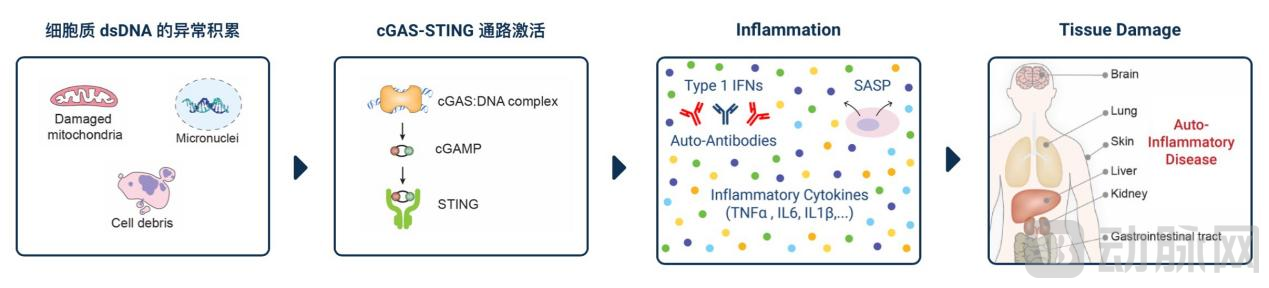
Aberrant Activation of the cGAS Pathway
Type I interferonopathies are a class of hereditary autoinflammatory diseases, mostly caused by mutations in genes involved in nucleic acid sensing and metabolism, such as Aicardi-Goutières syndrome (the first identified monogenic interferonopathy), chilblain lupus, and systemic lupus erythematosus. Due to the similarities in pathophysiological manifestations between these hereditary conditions and idiopathic complex diseases such as systemic lupus erythematosus, cutaneous lupus erythematosus, systemic sclerosis, and dermatomyositis, cGAS inhibitors also hold potential therapeutic value.
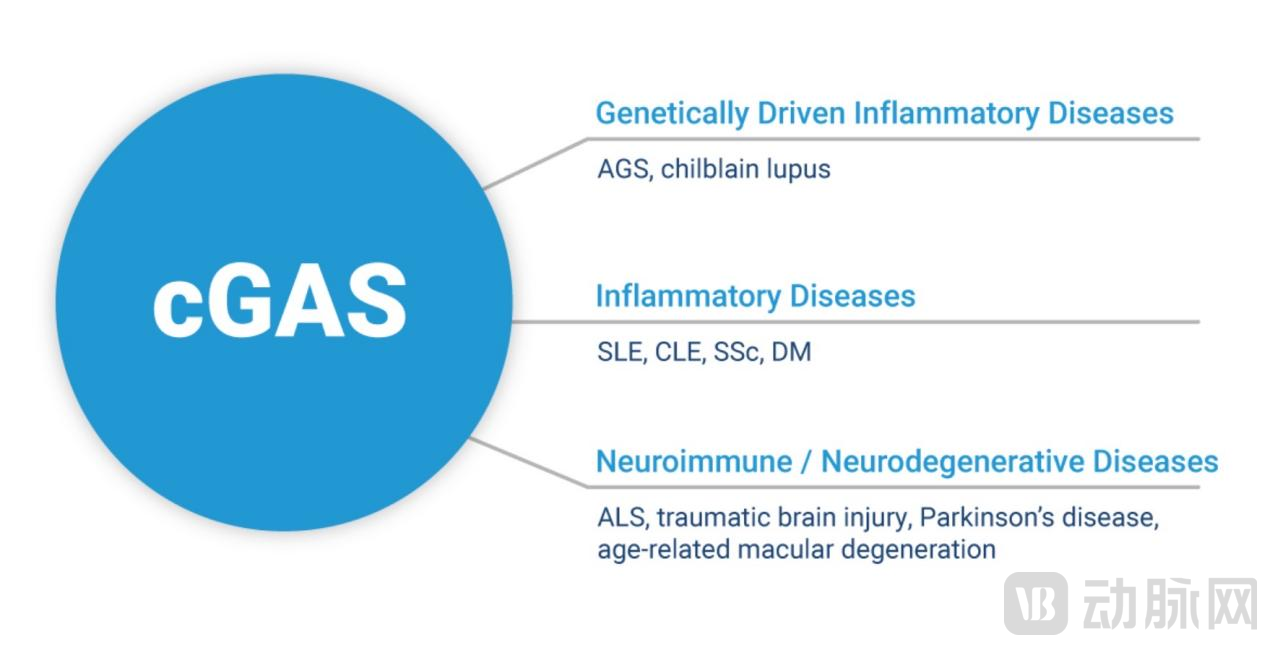 Disease Types Affected by cGAS
In 2021, anifrolumab, a targeted anti-type I interferon agent, was approved for marketing in the United States and Japan. Anifrolumab has validated the efficacy of suppressing interferon responses in the treatment of systemic lupus erythematosus (SLE). However, its limitation lies in the broad suppression of all type I interferon responses, failing to achieve precise targeting of the cGAS pathway. Furthermore, inflammatory responses induced by the cGAS pathway may also occur through non-interferon-mediated mechanisms.
Leveraging ReSOLVETMOn the platform, Ventus discovered multiple conformations of cGAS, among which some protein surface binding pockets were significantly larger than those observed in previous experiments. Through HydrocophoreMC, Ventus identified novel active sites, screened for small molecules with high potency and ideal pharmacological properties, and developed a portfolio of four potential cGAS inhibitor pipelines.
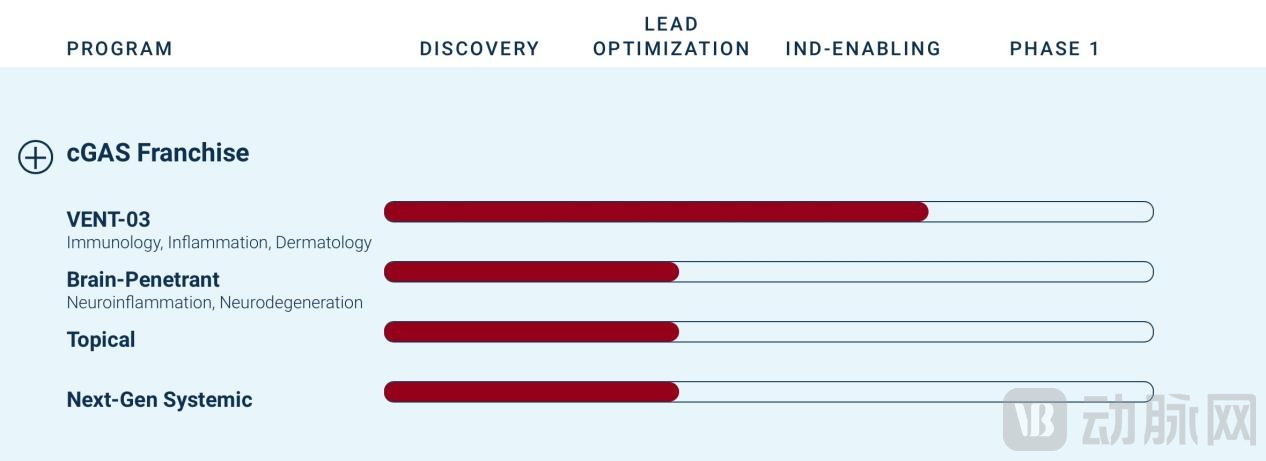 Ventus has one cGAS inhibitor candidate and three potential pipeline assets.
In the disclosure made this April, the cGAS inhibitor combination demonstrated its ability to modulate key endpoints in models of lupus, cutaneous inflammation, and chronic kidney disease. It potently suppressed systemic inflammation and prevented photosensitivity in murine autoinflammatory models, highlighting its therapeutic potential for rheumatic and autoimmune diseases such as systemic lupus erythematosus. Ventus Therapeutics anticipates that VENT-03 will become the first cGAS inhibitor to enter clinical development and has announced its IND-enabling development plan.
NLRP3 (NOD-like receptor protein 3) is a member of the inflammasome receptor protein family and serves as a key regulator of innate immune responses in systemic and neuroinflammation. Its aberrant activation is associated with systemic diseases, including fibrosis, dermatological conditions, rheumatic diseases, and neurological disorders, such as atherosclerosis, Alzheimer's disease, inflammatory bowel disease, and non-alcoholic steatohepatitis.
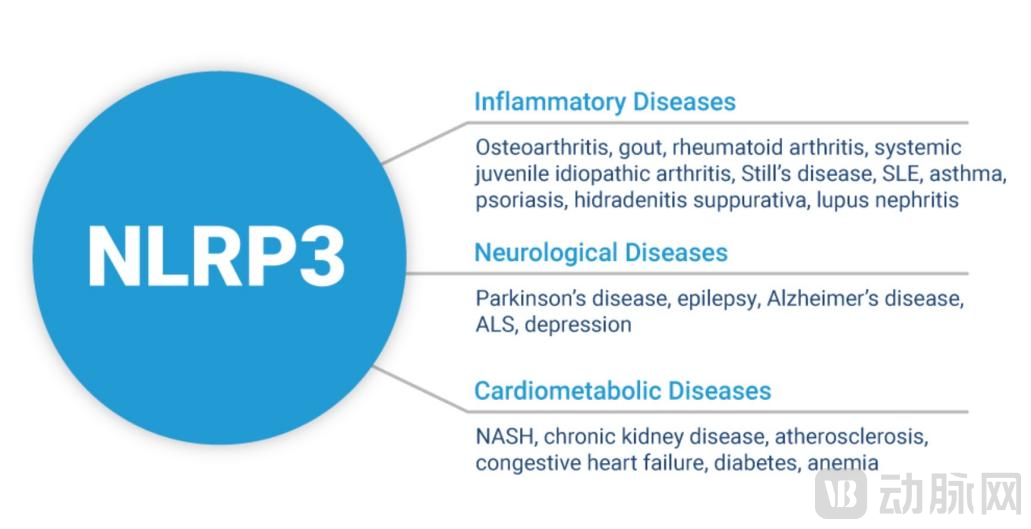 Disease Types Affected by NLRP3
NLRP3 is activated by a wide range of diverse markers of tissue damage, such as abnormal protein aggregation and lipid accumulation. Upon aberrant activation, NLRP3 assembles into a highly organized inflammasome complex, which activates IL-1β, IL-18, and GSDMD, thereby triggering downstream inflammatory responses and pyroptosis.
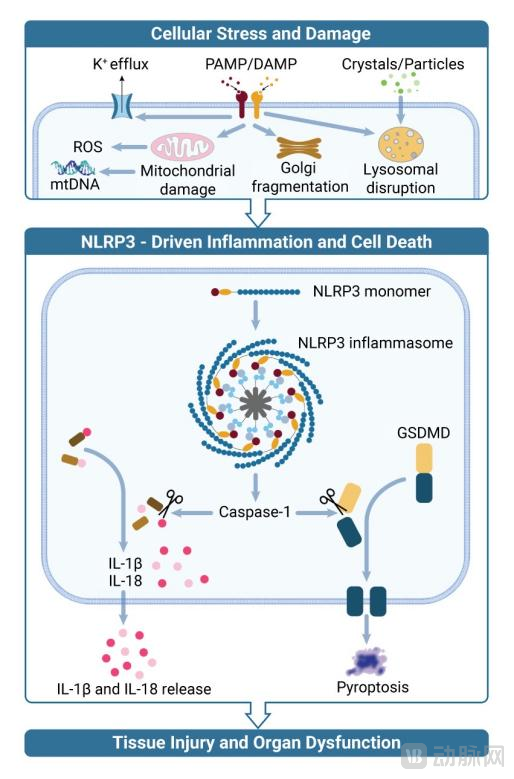
Activation of the NLRP3 Pathway Takes Effect
Various anti-IL-1β therapies, represented by canakinumab, have confirmed the role of the NLRP3 pathway in disease; however, these therapies block the entire IL-1β pathway, which may lead to potential side effects. In contrast, NLRP3 inhibitors selectively block only the disease-relevant pathways, thereby inhibiting IL-18 activation and the inflammatory consequences of pyroptosis.
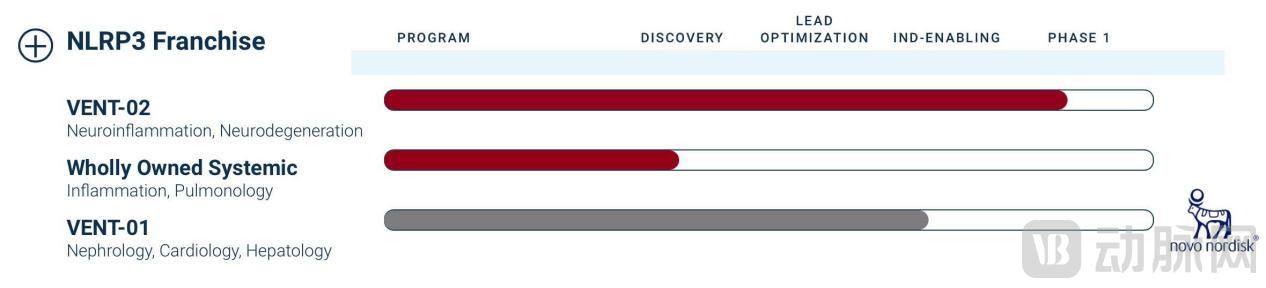
There are two candidate NLRP3 inhibitor drugs and one undisclosed pipeline.
In August, the oral, brain-penetrant NLRP3 inhibitor VENT-02 initiated a Phase I clinical trial to evaluate its pharmacodynamics, safety, and tolerability across single and multiple ascending dose ranges. During the preceding IND-enabling studies, VENT-02 demonstrated an excellent safety profile and dose-dependent reductions in markers of neuroinflammation, such as IL-1β, IL-6, and TNF-α.
Meanwhile, the global exclusive licensing rights to VENT-01, another oral systemic NLRP3 inhibitor, were sold to Novo Nordisk in September 2022. The potential therapeutic areas for VENT-01 include non-alcoholic steatohepatitis, chronic kidney disease, and other cardiometabolic disorders.
As of press time, Ventus has completed three rounds of financing, totaling $300 million. Existing investors Versant Ventures and GV participated in all three rounds, and most investors from the Series B round also participated in the Series C round. The high stability of its investor base reflects Ventus’s steady progress in platform development and preclinical drug efficacy.
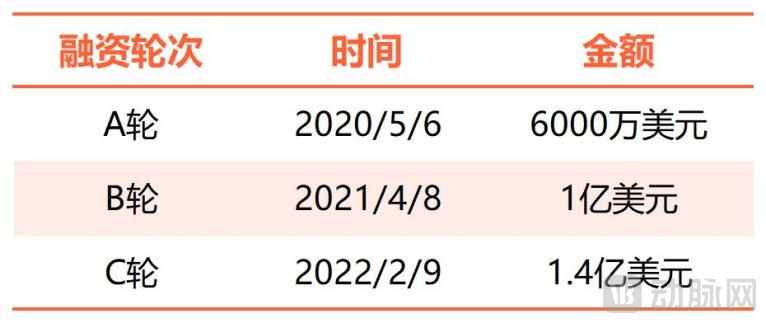
Ventus Financing Overview / Chart by VCBeat
Beyond financing, Ventus has also garnered support from national agencies and foundations for its drug development programs targeting “BIC” and “FIC.”
In May 2022, the cGAS inhibitor project was awarded the Lupus Research Program Idea Award by the U.S. Department of Defense (DoD), providing funding to investigate the role of cGAS in lupus and the therapeutic potential of its inhibitors. In April 2023, Ventus Therapeutics received another grant of $150,000 from The Michael J. Fox Foundation for Parkinson’s Research (MJFF) to support the development of an NLRP3 PET tracer. MJFF is a foundation dedicated to advancing Parkinson’s disease research. The funded NLRP3 PET tracer project stems from Ventus’ portfolio of selective, brain-penetrant NLRP3 inhibitors, facilitating the identification of NLRP3—a core driver of neuroinflammation and a pathological hallmark of Parkinson’s disease.
Driven by both capital support and institutional foundations, Ventus rapidly evolved from a “Life Science Rising Star to Watch in 2020” into a “Biotech Dark Horse Company in 2023.” Following its platform-building phase, Ventus launched three drug development candidates and multiple preclinical pipelines within the one-year period from 2022 to 2023, swiftly advancing them into clinical stages.
In an interview, Dr. Marcelo Bigal, President and CEO, shared his insights on R&D productivity and efficiency: “Currently, drug development suffers from low efficiency, but industry practitioners are striving to improve it. Three forces are driving R&D productivity. The primary task, which Ventus is addressing, is how to identify high-quality targets, key proteins, and important receptors, while advancing R&D technologies. The second force stems from the regulatory and reimbursement landscape. During the COVID crisis, the efficiency of drug approvals accelerated significantly. This efficient regulatory approach holds considerable value even in non-crisis situations. For payers, greater emphasis should be placed on therapeutic opportunities arising from innovation. The third force lies in the ‘development’ aspect of R&D—namely, creative, fully innovative approaches that break away from conventional logic, such as the water-cluster models developed by Ventus.”
Under the leadership of Dr. Marcelo Bigal, Ventus is simultaneously advancing in these three areas to strengthen its corporate foundation. The first priority is the operational development of its proprietary drug discovery platform, ReSOLVE.TM, while actively seeking support and establishing collaborations with institutions and foundations. Finally, it will continue to strengthen its R&D innovation efforts, constantly optimize the number of evaluation targets for ReSOLVETM, and focus on new drug pipelines and development.
In contrast to the global trend of pharmaceutical R&D companies reducing their holdings of hard assets, Ventus opened a new 13,000-square-foot facility in Boston in September 2022, tripling its U.S. laboratory space and co-locating its teams in medicinal chemistry, computational chemistry, drug metabolism and pharmacokinetics (DMPK), and disease biology. According to Ventus’s announcement, this new facility strategically expands its workforce and R&D capabilities as the first phase of its global expansion plan. The second phase of expansion is expected to commence in 2023, including the opening of a new 23,000-square-foot facility in the Montreal area of Canada.
With substantial cash inflows and strategic investments in hard assets, Ventus appears to be following the “cash-burn expansion” path taken by biotech companies five years ago; nevertheless, its pioneering work in proteomics-based drug development and the strength of its team cannot be overlooked.
The founding team and advisory board comprise a distinguished group of leading scientists in the fields of structural biology and immunology, who have elucidated the protein structures of dozens of innate immune system targets. Dr. Hao Wu, Co-founder of Ventus Therapeutics, leveraged cryo-electron microscopy and protein engineering techniques to resolve the structure of the NLRP3 inflammasome, while also achieving the expression, purification, and stabilization of proteins for drug screening purposes. She is a Professor in the Department of Biological Chemistry and Molecular Pharmacology at Harvard Medical School and a member of the U.S. National Academy of Sciences, having previously served as a professor at Weill Cornell Medicine. A pioneer in structural immunology, she is dedicated to elucidating the molecular mechanisms of immune receptor signaling.
 Ventus Co-founders and Advisory Team
With a $300 million heavy bet, multiple rounds of investor follow-on funding, recognition as a top tech company in 2023, and continuous development of hard assets, Ventus Therapeutics’ aggressive expansion in the biotech sector signals the dawn of the era of proteomics-driven drug development.
Globally, Frontier Medicines in San Francisco, USA, and CrystalGenomics in South Korea have already entered the stage of proteomics-based drug discovery and development. Multinational pharmaceutical companies such as AstraZeneca, Daiichi Sankyo, and AbbVie have also entered the field through strategic partnerships and pipeline collaborations. It is foreseeable that when the first drug with targets and structures identified through proteomics screening reaches the market, proteomics-driven drug development will enter a period of explosive growth, and VCBeat will continue to monitor this trend closely.