

Fifth Symposium on Advancing Translational Technology for Bioactive Peptides: Computational Biology and Deep Data Empower Innovation in Active Ingredient Discovery
September 28, the 5th Symposium on Translational Frontiers in Bioactive Peptide Technology, hosted by the Center for Innovation and R&D in Aging Science at Zhejiang Tsinghua Yangtze Delta Region Institute(Symposium for Advancing Translational Technology for Bioactive Peptides, abbreviated as ATBP)Held at the Tsinghua Lecture Hall of the Yangtze Delta Region Institute of Tsinghua University in Zhejiang.
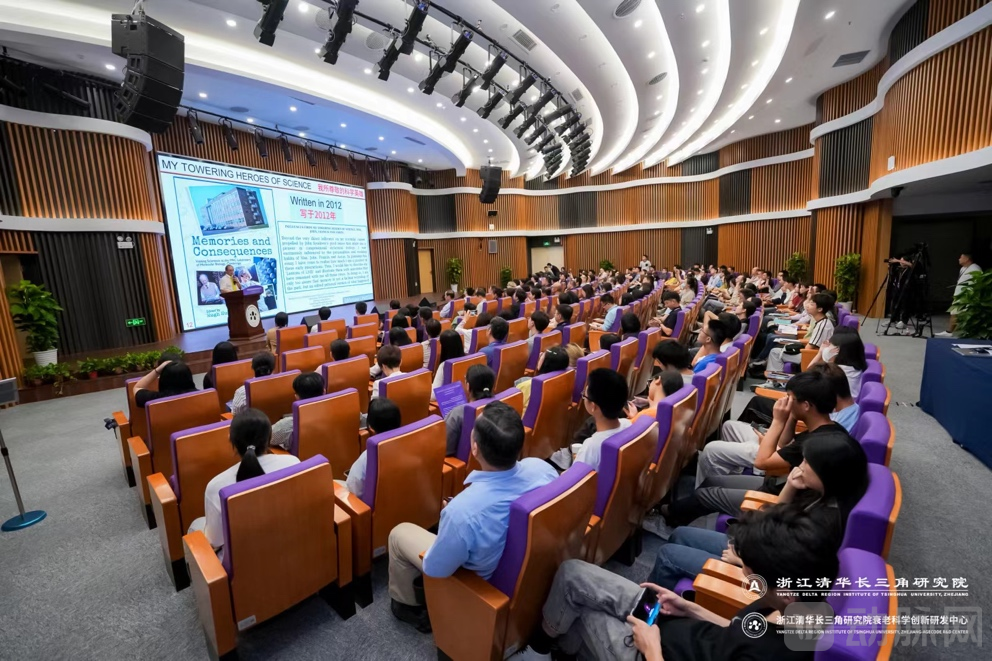
Conference Venue
ATBP is a professional academic conference dedicated to bioactive peptides in the health consumer goods sector. The conference aims to foster scientific, technological, and industrial innovation in the field of bioactive peptides among top global scientists and industry experts, drive the development of the bioactive peptide biotechnology industry, and advance the internationalization of the health consumer goods industry.
The Aging Science Innovation R&D Center (ACRDC) of the Yangtze Delta Region Institute of Tsinghua University leverages its accumulated technical advantages in computational biology and bioinformatics to establish an integrated industry-academia-research system for raw materials in the daily chemical industry, spanning from basic scientific research to technological processes, products, and industrial applications. This initiative promotes the industrialization of basic research achievements and achieves an organic integration of science and technology with the economy.
Following the release of Kepler-90i last year®️Following the Active Ingredient Discovery Platform, this conferenceFocusing on the Application of Intelligent Deep Data Transformation, Officially Launching the I.P.A.D. Intelligent Deep Database for Bioactive Peptides(Intelligent Protein Target and Peptide Agecode Database), which organically integrates in-depth bioinformatics data with computational biology to accelerate the continuous innovation of active peptide ingredients and precision skincare solutions.
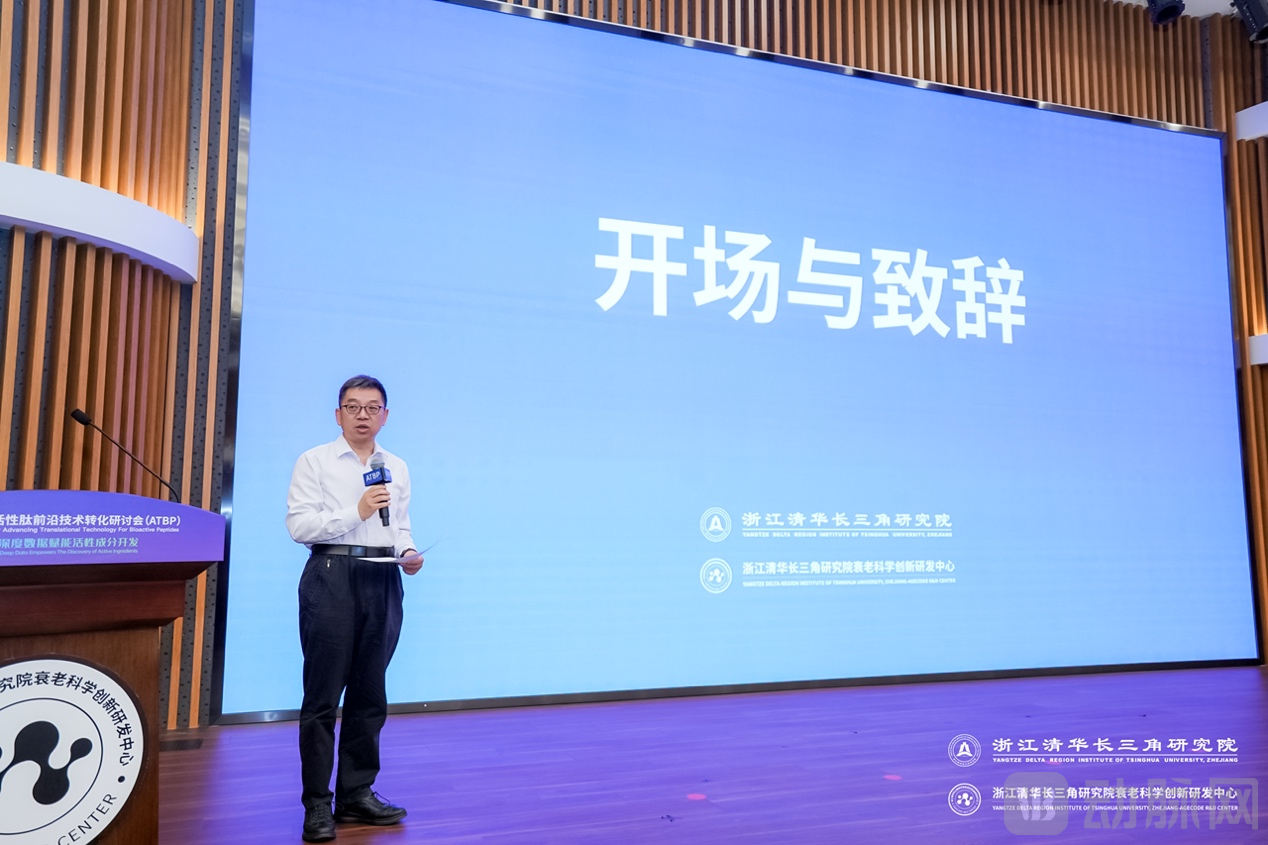
Huang Kaisheng, Party Secretary and President of the Yangtze Delta Region Institute of Tsinghua University in Zhejiang, delivered the opening remarks.
Huang Kaisheng, Party Secretary and President of the Yangtze Delta Region Institute of Tsinghua University; Michael Levitt, computational biologist and 2013 Nobel Laureate; Carlo V. Cannistraci, Professor specializing in artificial intelligence at Tsinghua University; Dr. Jin Xin, Deputy Dean of the BGI Research Institute; Professor He Congfen from the Department of Cosmetics at Beijing Technology and Business University; as well as top experts and scientific teams from domestic and international life sciences and frontier science fields, product development heads from internationally renowned cosmetics companies, and formulators, were invited to attend the conference in person.
This conference was supported and co-organized by the Yangtze Delta Region Institute of Tsinghua University, Zhejiang; the Cosmetic Discipline Construction and Innovation Development Committee of the China Daily Chemical Industry Association; CBE China Beauty Expo; the Jiaxing Association for Science and Technology; and the Administrative Committee of Jiaxing Nanhu High-Tech Industrial Development Zone.
Since ChatGPT sparked a surge in A.I. applications, 2023 will become a historic year, marking the rise and widespread adoption of artificial intelligence (AI). In this year, A.I. has not only achieved breakthrough progress in various fields such as the digital economy, society, and culture, but also begun to play an increasingly important role in the daily chemical and beauty care industry.
During the “Research and Trends” session, Michael Levitt, a professor at Stanford University and 2013 Nobel Laureate, delivered a keynote address titled “The Advanced Deep Learning Progress.” He discussed the transformative impact of the rapid advancements in artificial intelligence (AI) in recent years and systematically shared his insights on AI-driven computational biology, particularly its applications in protein and peptide molecular design, as well as the new opportunities it presents for the healthcare and consumer goods industries.
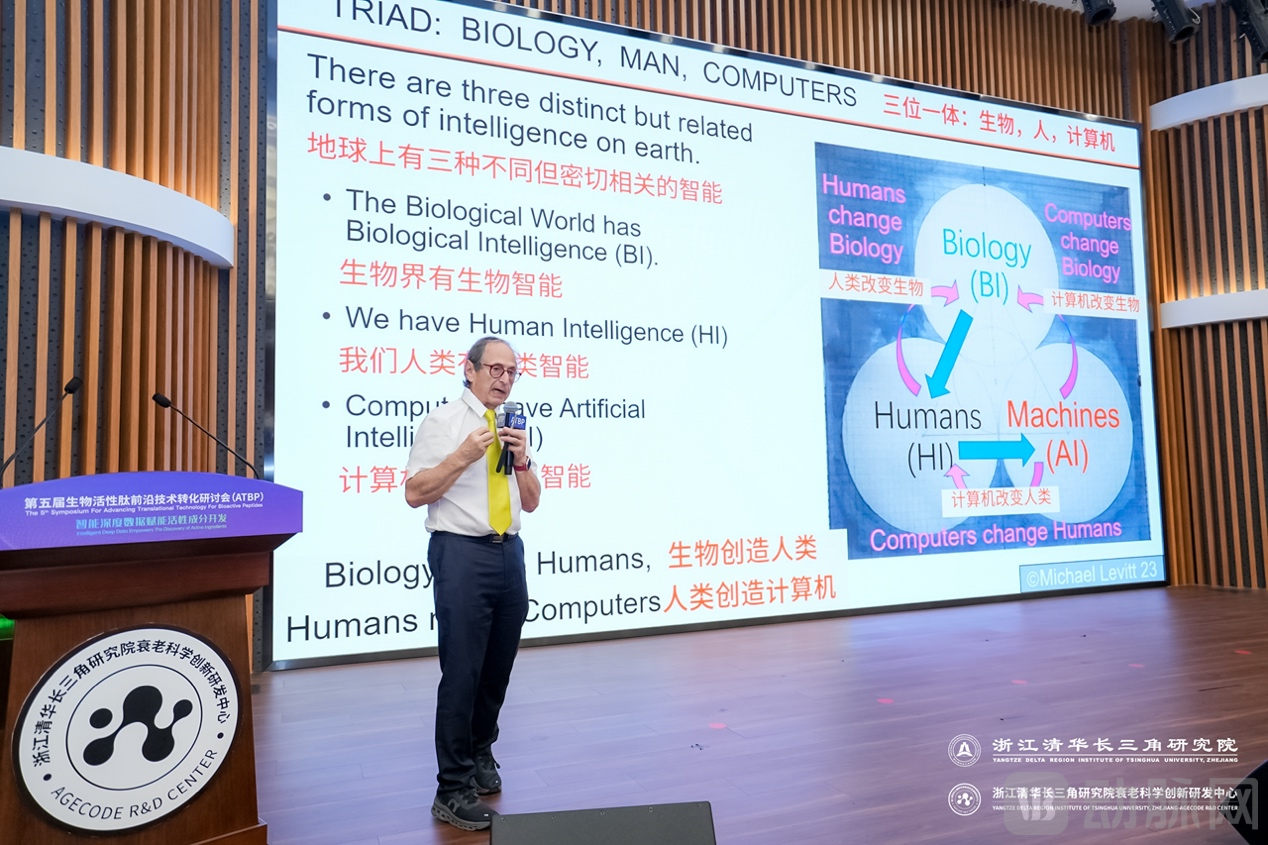
Keynote Address by Professor Michael Levitt, 2013 Nobel Laureate and Chief Scientific Advisor of ACRDC
At the conference, Professor Carlo V. Cannistraci, Director of the Center for Complex Network Intelligence at the Tsinghua University Laboratory for Brain and Intelligence, systematically presented a novel artificial intelligence algorithm—Network Shape Intelligence (NSI)—for efficiently predicting protein-peptide target interactions. NSI outperforms AlphaFold2 across multiple technical metrics and holds promise for translational applications in the development of innovative peptide ingredients for the daily chemical industry.
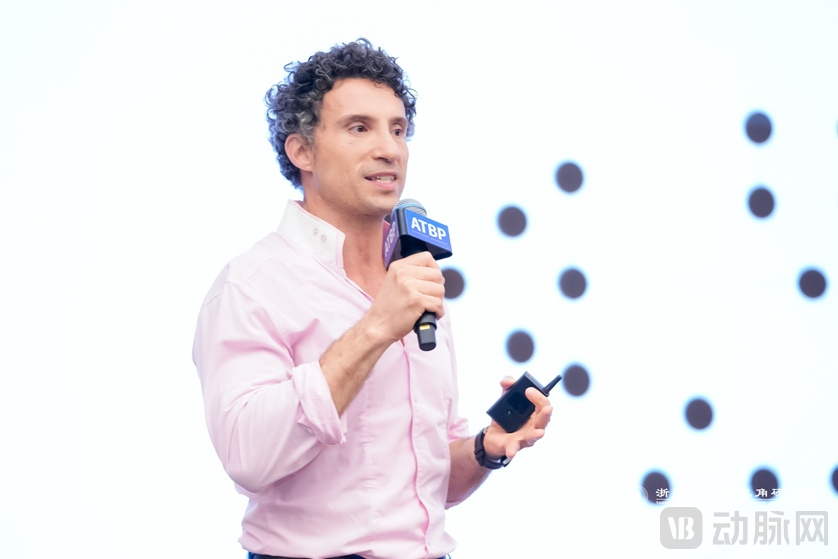
Professor Carlo V. Cannistraci, Director of the Center for Complex Network Intelligence, Tsinghua Laboratory of Brain and Intelligence
Cutting-edge computational technologies rely heavily on high-quality foundational data. Dr. Jin Xin, Deputy Director of the BGI-Shenzhen Institute of Life Sciences, and Professor He Congfen from the Department of Cosmetics at Beijing Technology and Business University, respectively presented reports and interpreted data mining findings on the genomic data of the Chinese skin microbiome and big data in skin lipidomics. They emphasized the critical importance of accumulating high-quality biological data resources in dermatological science for achieving truly personalized skincare.
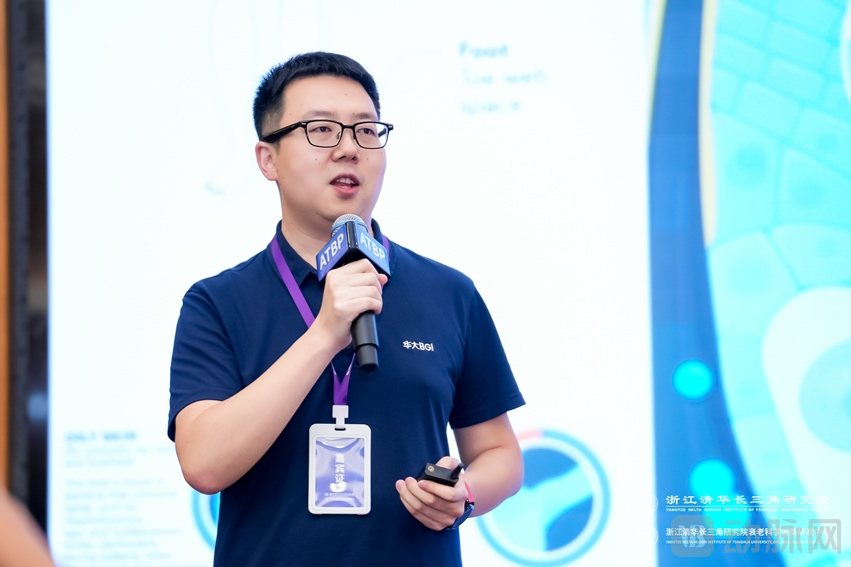
Dr. Xin Jin, Deputy Director of BGI Research
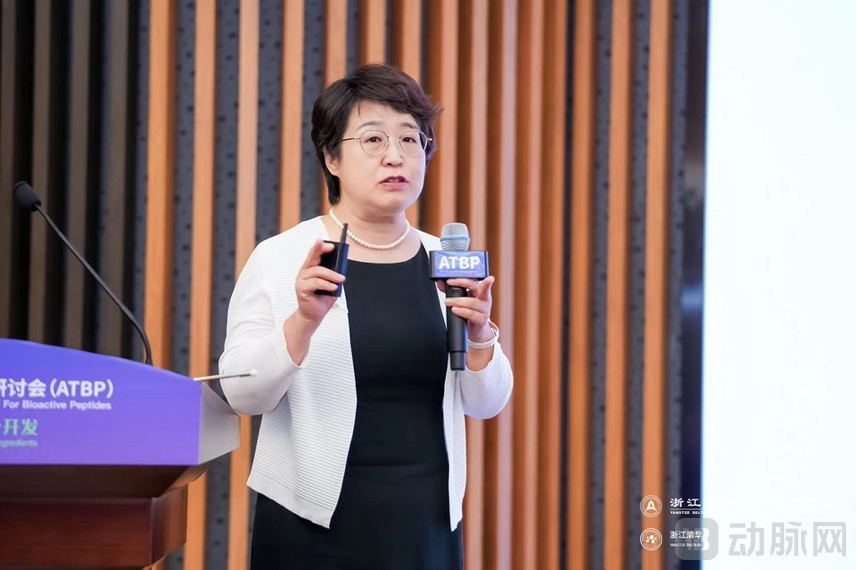
Professor He Congfen, Department of Cosmetics, Beijing Technology and Business University
In the Development and Application session of this conference, Dr. Li Xuhui, Director of the Science and Technology Innovation Department at the Yangtze Delta Region Institute of Tsinghua University and Director of the Center for Innovative Research and Development in Aging Science at the same institute, officially launched the ACRDC Active Peptide Intelligent Deep Database (I.P.A.D.) and shared application cases as well as future development goals.
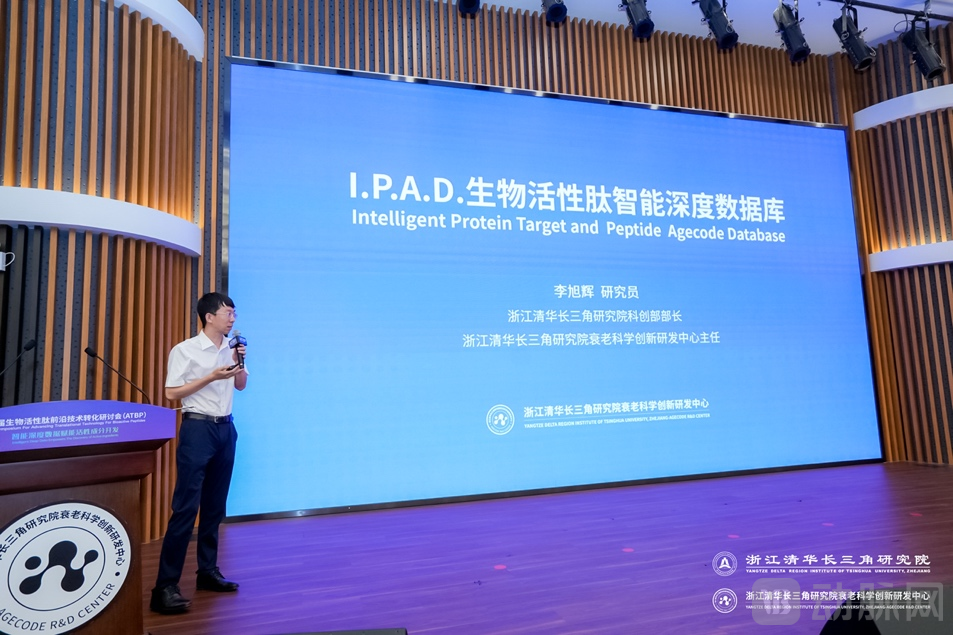
Researcher Li Xuhui Releases I.P.A.D. Intelligent In-Depth Database of Bioactive Peptides
It is reported that there are challenges regarding the lack of systematic research and accumulation on the mechanisms and targets underlying current cosmetic efficacy claims, as well as the insufficient systematic exploration of active peptide resources among numerous natural ingredients.
The newly released I.P.A.D. Active Peptide Intelligent Deep Database contains high-quality datasets of skin problem targets and naturally sourced bioactive peptides systematically accumulated by ACRDC over the past five years, and through KEPLER 90i®️The Computational Biology Platform has established an intelligent system for in-depth analysis and correlation prediction of target datasets and natural bioactive peptide datasets.
On one hand, it provides precise target-based references for efficacy claims of cosmetic products and ingredients; on the other hand, it offers foundational scientific prediction and design support for the development of innovative active peptide ingredients and functional cosmetics.
In the report, Researcher Li Xuhui pointed out that the I.P.A.D. Bioactive Peptide Intelligent Deep Database is dedicated to addressing the challenge of ambiguous evidence regarding the biological mechanisms underlying cosmetic efficacy claims under current new regulations. It fully explores the application potential of bioactive ingredients from natural resources in daily chemical scenarios, providing data-driven support for the high-quality development of China’s cosmetics industry and the accelerated implementation of policies promoting personalized skincare.
Leveraging the data resources of the I.P.A.D. Intelligent Deep Database for Bioactive Peptides, Dr. Li Junxiang, Deputy Director of the Aging Science Innovation R&D Center at the Yangtze Delta Region Institute of Tsinghua University, presented two representative achievements in the research and translational development of innovative bioactive peptide ingredients by ACRDC this year.
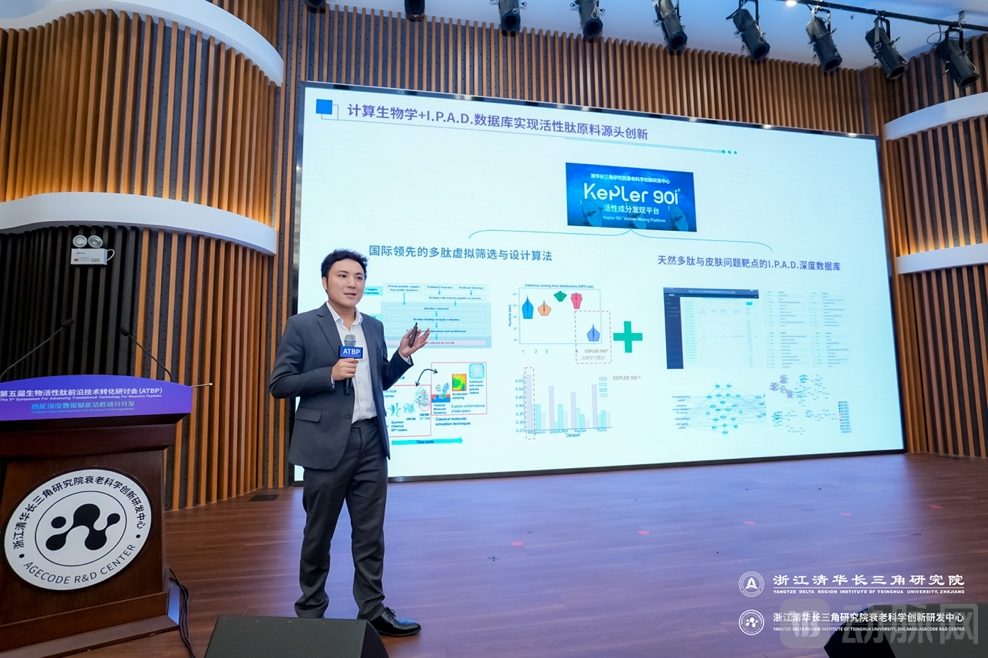
Dr. Li Junxiang Releases Innovative Active Peptide Ingredients Based on the Application and Translation of the I.P.A.D. Deep Database
Among these, cIY-8, a targeted cyclic peptide against HMGB1—a frontier target in inflammaging—is the first cyclic peptide molecule in the daily cosmetics industry to directly target inflammatory aging. Addressing the challenge of inflammatory aging, the ACRDC team identified HMGB1 as the core target through in-depth data mining using the I.P.A.D. database and designed high-potency cyclic peptide molecules via computational biology.
In another case, leveraging the I.P.A.D. deep database, a novel human-like defensin peptide, IK16, was developed through virtual screening and rational engineering of natural protein peptides associated with the skin barrier. Building on a strong safety profile, IK16 demonstrates broad-spectrum and highly efficient antibacterial activity, showing significant potential for preventing skin damage caused by microbial infections.Strength.
Over the past year, ACRDC has consistently delivered technological value across multiple dimensions of industry, academia, and research, leveraging its innovative capabilities in computational biology.
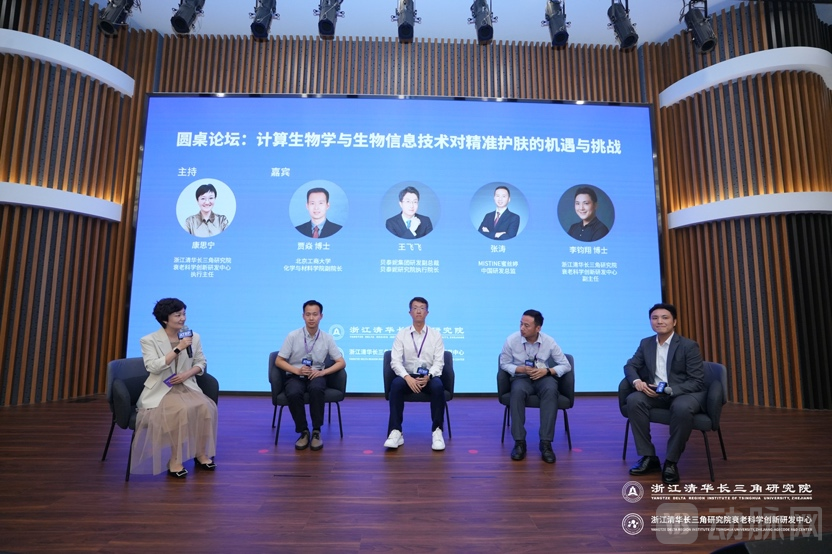
Roundtable Forum: Opportunities and Challenges of Computational Biology and Bioinformatics in Precision Skincare
During the roundtable session, themed “Opportunities and Challenges of Computational Biology and Bioinformatics in Precision Skincare,” Dean Jia Yan of Beijing Technology and Business University reviewed the establishment of the graduate student practice base jointly developed by the Department of Cosmetics and ACRDC in recent years, as well as their collaborative achievements in translating scientific research into practical applications.
Mr. Wang Feifei, Vice President of Botanee Group and Executive Dean of the Botanee Research Institute, and Mr. Zhang Tao, R&D Director of MISTINE China, respectively shared their co-creation achievements with ACRDC over the past year in the development of innovative ingredients based on computational biology, as well as the progress in product translation. They emphasized the importance of deep integration and alignment between collaborative research and the brand’s technological positioning.
To implement the national requirements for comprehensively advancing innovation-driven reforms and accelerate the deep integration of industry, academia, and research, Li Xuhui, Minister of the Science and Technology Innovation Department at Zhejiang Tsinghua Yangtze Delta Region Institute, launched the “Sci-Tech Innovation Integration for Cultivating Industrial Innovation Talents” project at this ATBP conference.
Minister Li Xuhui proposed that the Yangtze River Delta Institute would join forces with specialized academic institutions and enterprises in the fields of life, health, and cosmetics to integrate intellectual and technological resources as well as industrial strengths. Together, they would establish a College for Integration of Science and Technology Innovation, develop collaborative curricula, cultivate innovative talent for the industry, create internship and practice bases, and comprehensively build a high-quality service platform for industry-academia-research collaboration.
Concurrently with this year’s ATBP conference, the symbiosis-themed exhibition “Together Now” was held outside the venue. The exhibition aims to unravel the mysteries of life, deepen our understanding of its essence, and rejuvenate the power of life. Diverse advancements in biotechnology have driven the rapid development and iteration of the beauty industry in recent years.
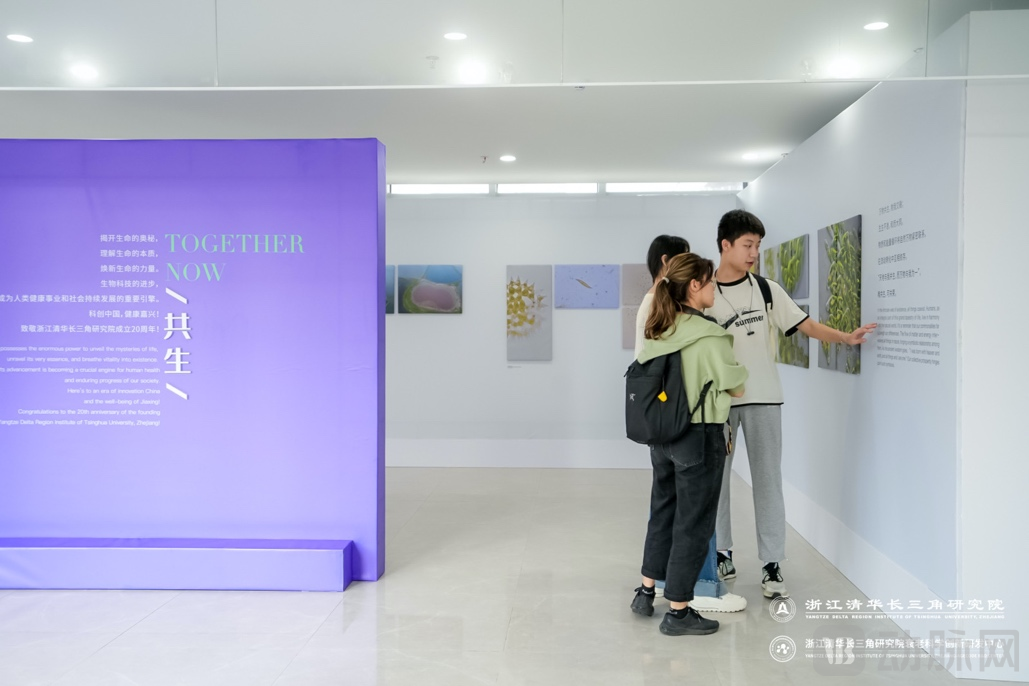
Together Now: Symbiosis Themed Exhibition
Just as organisms in nature can coexist harmoniously and sustainably, only through the deep integration of industry, academia, and research, along with close collaboration and symbiotic development among various research institutes and technology brands, can we seize new opportunities in the future functional cosmetics industry.