

Fosotech Secures Internet Hospital License to Complete Spinal Health Ecosystem
Less than four months after its “3D Spinal Measurement Device” received FDA clearance, Fusote, a medical device company specializing in scoliosis, has achieved another breakthrough—successfully obtaining qualifications for an internet hospital (Tianjin Xiaoshu General Outpatient Department Internet Hospital)!
It is reported that the Tianjin Xiaoshu Comprehensive Outpatient Department’s Internet Hospital currently offers clinical services across six specialties: Internal Medicine, Surgery, Pediatrics, Ophthalmology, Emergency Medicine, and Traditional Chinese Medicine. The platform provides daily health consultation and follow-up visit services for patients with scoliosis. Furthermore, online clinical services will also encompass scoliosis assessment, interpretation of pathological results, formulation of exercise plans, AI-guided therapeutic exercises, and dissemination of professional health education.
This means that Fusote has established the capability to seamlessly integrate B2B and B2C channels, bridging hospitals and home care, thereby providing comprehensive spinal health management services for children and adolescents. In the future, the company will leverage its internet hospital platform to fill the gap in specialized spinal care within the “Internet + Healthcare” sector, offering professional diagnostic and therapeutic services for patients with scoliosis. This initiative aims to facilitate early detection and intervention of spinal issues, effectively reducing the need for surgical interventions and minimizing the risk of complications.
Since 2015, more than one hundred policies related to internet hospitals have been issued at both the national and local levels, promoting the development of internet hospitals from multiple dimensions. To date, the construction of internet hospitals in China has basically matured. According to the 52nd Statistical Report on Internet Development in China, as of June 2023, the number of internet medical service users in China reached 364 million, an increase of 1.62 million compared to December 2022, accounting for 33.8% of the total internet population.
Nowadays, internet healthcare is no longer about starting with online consultations and gradually expanding to other service links or extending offline. Instead, enterprises with existing physical operations are leveraging internet hospitals as a pathway for digital transformation and upgrading. This requires companies to have a clearer understanding of their objectives for obtaining licenses and their operational planning.
Fusote is a prime example, being the first enterprise in China to establish a specialized internet hospital for spinal screening (the Internet Hospital of Tianjin Xiaoshu Comprehensive Outpatient Department). The company’s strategic layout offers valuable insights for others to learn from.Prior to obtaining the license for an internet hospital, the company had already formulated a comprehensive commercialization strategy and gradually implemented it through practical execution.
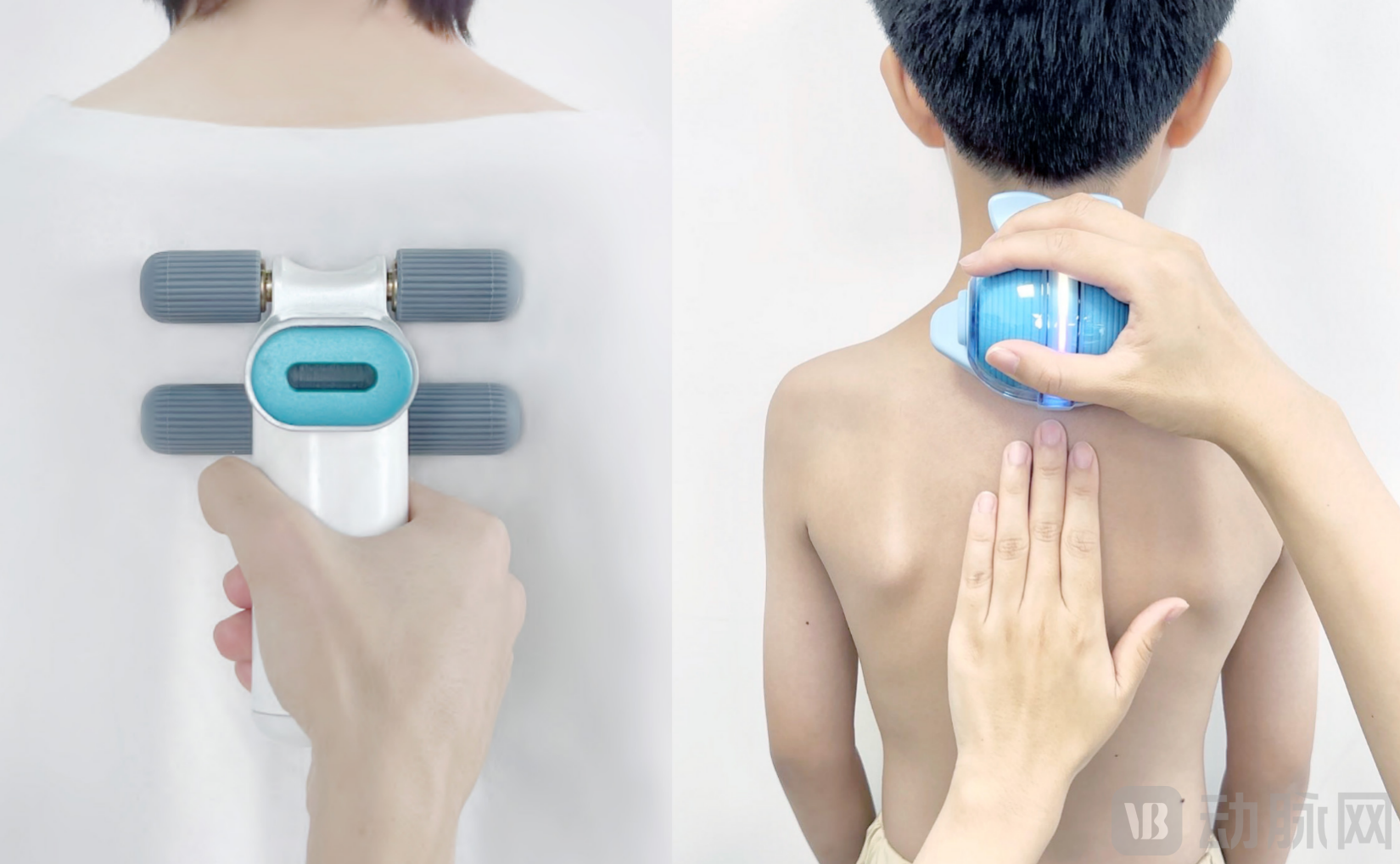
Fusote leverages innovative medical devices as its core foundation, having successively developed the world’s first radiation-free device for direct measurement of spinal Cobb angles—the “3D Spinal Measurement System”—and the “Xiao Shu Tongxue Spinal Monitor,” which address spinal assessment needs in hospital and home settings, respectively. Built upon these medical device products, the company aims to resolve key pain points in current scoliosis screening practices.
Further develop a series of intelligent braces that enable data interaction with the spinal data acquisition and analysis system, automatically generating and adjusting optimized scoliosis correction plans. This approach overcomes the limitations of traditional brace products in diagnosis and treatment, provides an effective therapeutic pathway for scoliosis patients, and leverages these brace products to offer stronger commercial development support for the enterprise.
It is worth noting that the “Xiao Shu Classmate Spinal Monitor,” developed by the company for consumer-end users, is supported by a dedicated app-based spinal monitoring platform. Within just one minute, users can measure spinal health indicators using the monitor and view detailed reports through the app. With the recent launch of the Tianjin Xiao Shu Comprehensive Outpatient Clinic’s Internet Hospital, users can now voluntarily share their test data with hospital or platform experts to obtain professional analysis and recommendations.
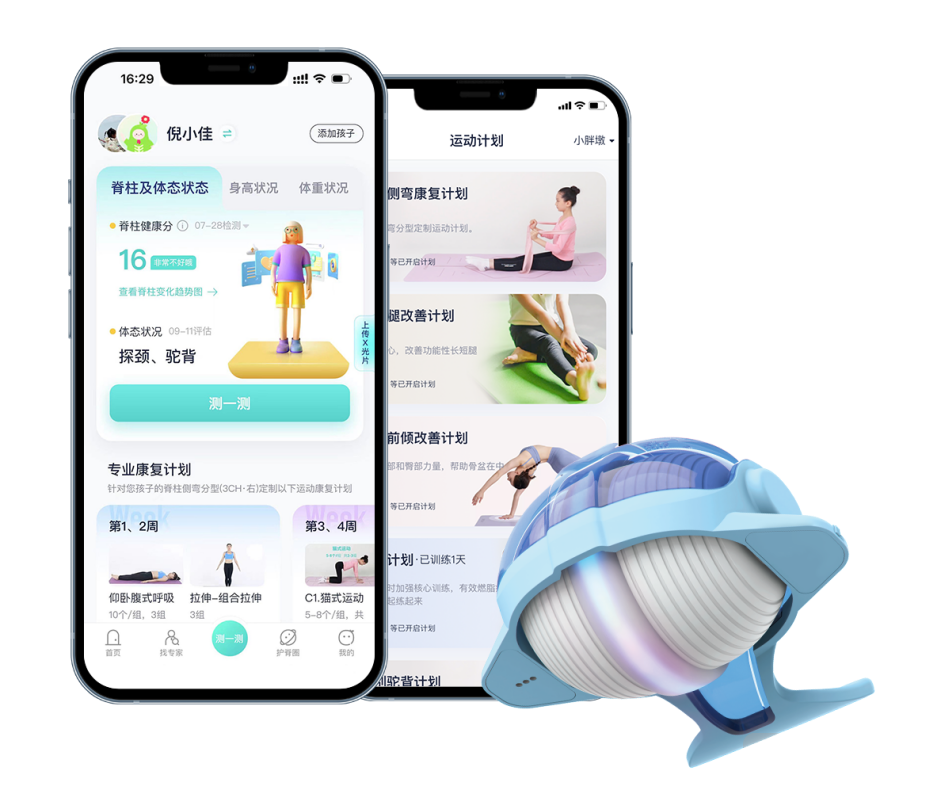
The approval of the internet hospital license is like the final piece of Fusote's business puzzle, linking the company’s full-chain services for scoliosis screening, diagnosis, and treatment., and Fusote will therebyAchieving seamless integration between B2B and B2C sectors, as well as between hospitals and households.Provides comprehensive spinal health management services for children and adolescents.
The deep integration of big data from specialized internet hospitals with the insurance industry will help transform traditional actuarial models for health insurance and the entire business value chain. This shift will make coverage accessible to many patients previously deemed uninsurable, enabling a true closed-loop system encompassing healthcare, pharmaceuticals, disease management, and insurance. Building on the patient community established by “Xiao Shu,” Fusote will further seek collaborations with pharmaceutical companies and insurers to provide end-to-end services for users. This strategy lays a crucial foundation for expanding consumer-facing (C-end) channels and achieving rapid, scaled commercial operations in the future.
It is reported that the “Xiaoshu Tongxue Spinal Monitor” has already launched sales to individual consumers. In response to broad market demand, Fusote’s smart version of the Beibeijia posture corrector and spine-protecting backpacks are expected to go on sale by the end of October. Leveraging its diverse product pipeline, the company has now established a multi-channel, multi-scenario, three-dimensional new retail sales model.

In just two years since its establishment, Fusote has filed 28 patent applications, including 8 invention patents, 2 integrated circuit layout designs, and 3 utility model patents. The company has been recognized as a National High-Tech Enterprise, obtained Class II Medical Device Registration Certificates, EU CE certification, FDA approval, and an Internet Hospital License, and has passed the novelty search conducted by the Chinese Academy of Sciences to receive non-radiation testing certification. It is precisely through this series of technological innovations and explorations that Fusote has built an integrated service chain covering education, screening, diagnosis and treatment, rehabilitation, and monitoring.

However, the company has not rested on its laurels. Fusuote continues to refine the details of its integrated service chain, providing innovative and efficient solutions for the spinal field. Recognizing rehabilitation as a critical component of this service chain, it has establishedMetaverse Motion-Sensing Interactive Community for Scoliosis Training Exercises, integrating the three elements of metaverse virtual communities, character development, and rehabilitation training,Addressing the issue of low patient compliance in traditional rehabilitation training.
According to "Progress in Epidemiological Research on Adolescent Scoliosis," gymnastic therapy is the most convenient, economical, safe, and painless treatment for scoliosis. Corrective gymnastics also holds certain significance for improving health, enhancing physical fitness, promoting normal development, establishing proper posture, and improving cardiopulmonary function. Other authors have developed various types of gymnastic exercises based on the principles of spinal biomechanics and the types of curvature. They treated 76 primary and secondary school students with Cobb angles greater than 10°, and follow-up examinations after six months showed that 80% were cured, 16% showed improvement, achieving a total effective rate of 95%.
To further support the rehabilitation of patients with scoliosis, Fusote has independently developed skeletal capture technology that uses cameras or depth-sensing devices to track key skeletal landmarks, enabling real-time monitoring and analysis of human movement. Additionally, it reduces user operational costs by allowing patients to access metaverse-based training simply by scanning with a smartphone. No sensors are required during training; patients can progress through levels by performing the correct movements as guided by the system.
It is reported that this version includes 30 training exercises, five interactive games, and one warm-up game. Users can capture their skeletal movements via smartphone cameras or VR devices to assess the similarity between their own movements and those of virtual avatars, receiving corresponding scores. Additionally, the game incorporates other motion-sensing mini-games and warm-up activities to deliver a superior interactive gaming experience. Meanwhile, Fusuote will prioritize the development of community features and patient engagement mechanisms in its next phase, aiming to further improve patients’ adherence to rehabilitation protocols.
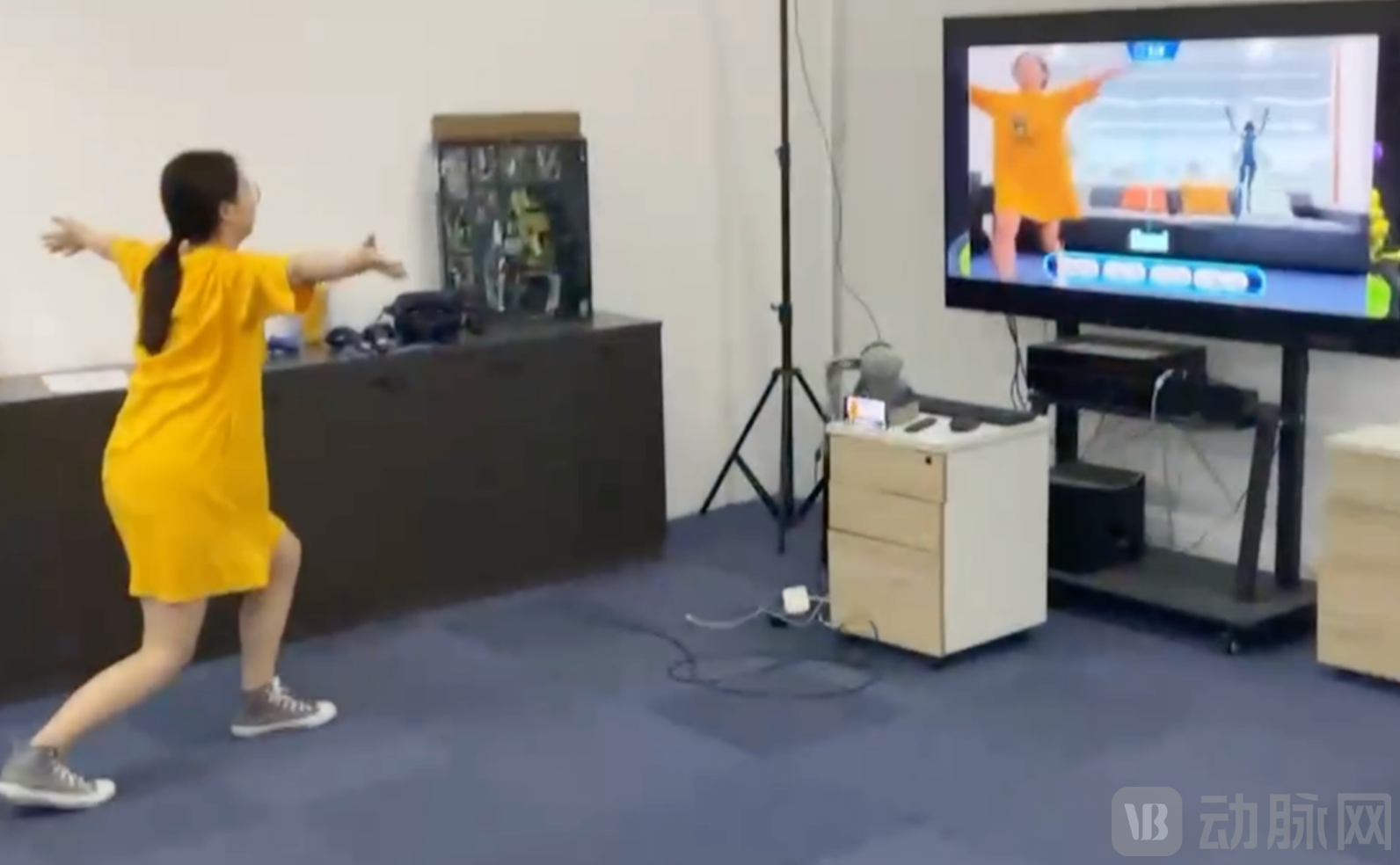
This community integrates collaborative operations across three platforms: mobile, VR, and AR. Currently, version 1.0 primarily focuses on the development of interactive rehabilitation exercises and has reached a stage ready for deployment, with an expected launch in December this year.
To date, the development of internet hospitals in China has reached a mature stage. According to the 52nd Statistical Report on China’s Internet Development, as of June 2023, the number of users of online medical services in China reached 364 million, an increase of 1.62 million from December 2022, accounting for 33.8% of the total internet population.
The specialized internet hospital model emphasizes vertical coverage and deep expertise in specific medical specialties. With substantial and sustained demand for diagnosis and treatment, along with tangible therapeutic outcomes, it holds greater development potential. Leveraging specialty-specific advantages, this model can extend diagnostic and therapeutic services into the post-consultation phase, assisting physicians in effective chronic disease management. It addresses pain points in scoliosis screening, as well asIt is of great significance to fully integrate the entire process of prevention, diagnosis and treatment, and rehabilitation for specific diseases. Among these, the development model of spinal surgery departments aligns naturally with specialized internet hospitals.
First, as a disabling deformity commonly occurring in children and adolescents, scoliosis has long affected the physical health and quality of life of young people in China. According to statistics from the National Health Commission, the number of primary and secondary school students with scoliosis in China has exceeded 5 million, with an annual increase of approximately 300,000 cases, making it the third major “killer” affecting the health of Chinese children and adolescents, following obesity and myopia.It has a large patient population.
Although early detection and treatment of scoliosis can prevent severe progression of the deformity, early-stage spinal curvature is often subtle and less likely to attract attention. The establishment of specialized internet hospitals, supported by innovative medical devices, can facilitate early screening, diagnosis, and treatment for numerous pediatric patients.

Secondly, since 2021, the state has successively promulgated policies such as the “Proposal on Promptly Carrying Out Prevention and Control of Scoliosis in Children and Adolescents” and the “Proposal on Paying Attention to Spinal Health in Adolescents and Improving the Health Level of Adolescents in China,” to promote screening for spinal diseases., market demand and development trends are significant.
Finally, the screening, diagnosis, and treatment of scoliosis face significant challenges, including limited public awareness, difficulties in aggregating screening data, insufficient resources and equipment at the primary care level, and a scarcity of specialized departments. Relying solely on departmental diagnoses and isolated screening efforts makes it difficult to achieve systematic, large-scale scoliosis screening or to integrate the entire continuum of prevention, diagnosis, treatment, and rehabilitation. By establishing a specialized internet hospital for spinal health, these pain points can be addressed while consolidating specialized spinal resources. This approach enables physicians to reach a broader patient population and provides both scoliosis patients and doctors with a professional platform for specialized diagnosis and treatment, as well as tools for chronic disease management. Furthermore, leveraging big data from this specialized internet hospital facilitates the precise allocation of resources, helping to extend high-quality medical services to grassroots levels.
Unlike most internet hospital enterprises, Fusote began with innovative medical devices, targeting critical pain points to first build an integrated service chain covering education, screening, diagnosis and treatment, rehabilitation, and monitoring. By leveraging these innovative devices as its foundation, the company established multiple product pipelines to secure sustainable revenue streams. It subsequently established the Tianjin Xiaoshu General Outpatient Department Internet Hospital as a complementary platform, enabling seamless connectivity between B-end and C-end users, as well as between hospitals and homes, thereby integrating the entire workflow for scoliosis screening, diagnosis, and treatment.
Today, Fusote continues to refine the details of its integrated service chain. Building on the “3D Spinal Measurement System” and the “Xiaoshu Classmate Spinal Monitor,” it is establishing a metaverse-based somatosensory interactive community, developing skeletal motion capture technology, and innovating products for scoliosis treatment, thereby providing innovative, efficient, and comprehensive solutions for spinal health. As the closed-loop system encompassing screening, diagnosis, and treatment becomes more robust, and with domestic and international product certifications and an internet hospital license secured, Fusote’s commercialization process is set to accelerate.
References:
1. “Research Progress on the Epidemiology of Adolescent Scoliosis”
2. “White Paper on Specialized Internet Hospitals”