

Synaffix Secures $740M ADC Deal with SOTIO, Marking Sixth Licensing Agreement of the Year
Synaffix
ADC Drug Developer

Sotio Biotech
Developer of Tumor Immunotherapy
On October 16, Synaffix, a Dutch biotechnology company focused on developing antibody-drug conjugates (ADCs) with best-in-class therapeutic indices, announced that it had entered into a licensing agreement with SOTIO Biotech, a clinical-stage immuno-oncology company under PPF Group.
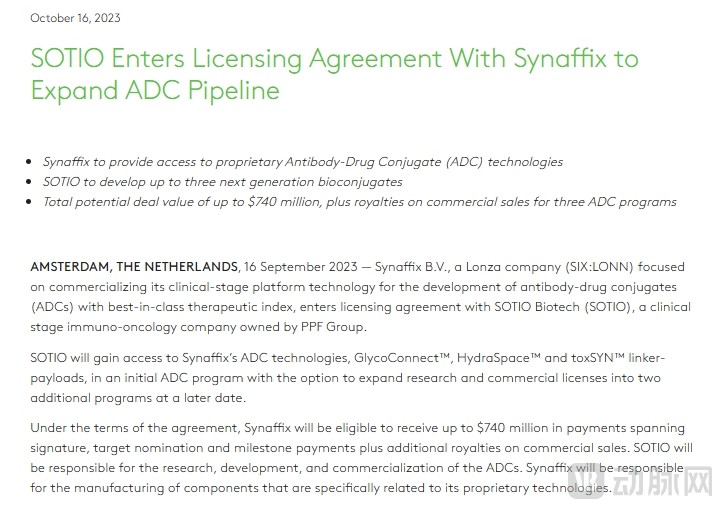
Under the agreement, SOTIO will obtain ADC technologies from Synaffix for an initial ADC program, including Glyconnect™, HydraSpace™, and toxSYN™ linker-payloads, with the option to extend research and commercial licenses to two additional programs thereafter.
Under the agreement, SOTIO will leverage Synaffix’s ADC technology platform to develop novel ADC therapeutics. SOTIO will receive a total of $740 million in upfront and milestone payments, plus additional sales royalties.
The transaction with SOTIO is its sixth deal announcement this year.
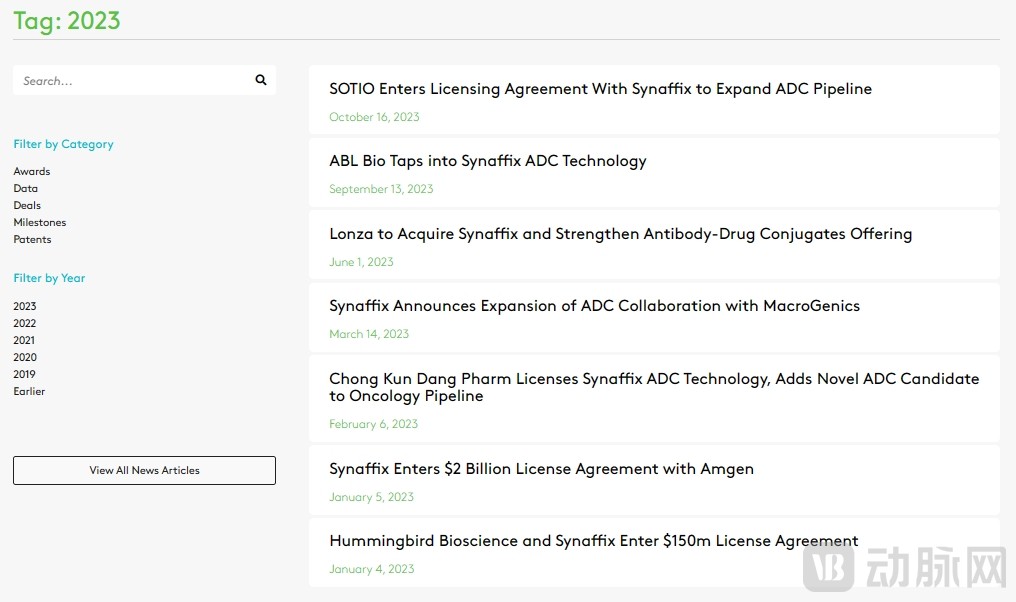
At the start of this year, on January 4, Singapore-based Hummingbird Bioscience and Synaffix entered into a new licensing agreement for their next-generation antibody-drug conjugate (ADC) program, which could generate up to $150 million for Synaffix. On January 5, Synaffix further announced a collaboration agreement with Amgen valued at up to $2 billion.
In June 2023, Swiss CDMO giant Lonza announced the acquisition of Synaffix. The transaction includes an initial financial consideration of €100 million in cash and additional performance-based consideration of up to €60 million. Post-acquisition, the company will continue to operate under the Synaffix name and further expand its operations in Oss, the Netherlands, to support continued innovation and growth.
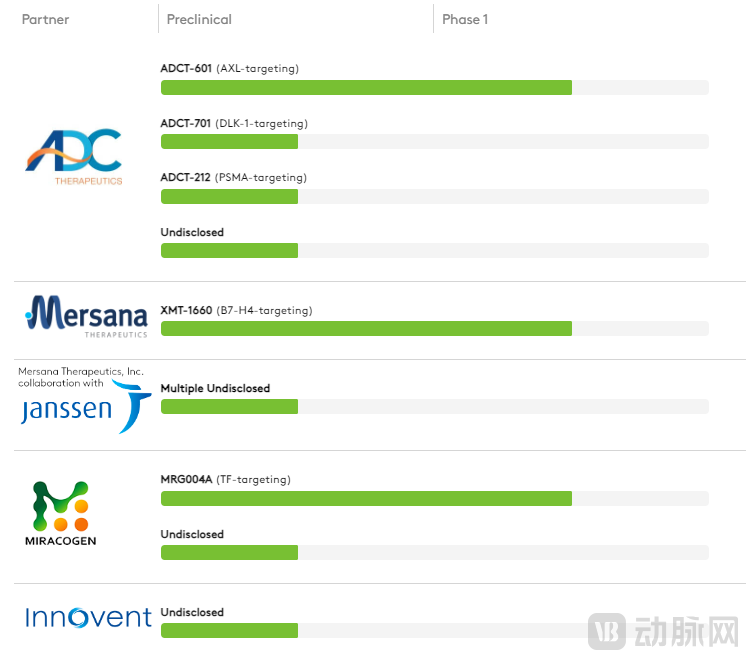
To date, Synaffix has secured at least 15 licensing deals. According to its official website, the company has three Phase I assets and 16 preclinical programs, with partners including ambitious companies in the ADC field such as ADC Therapeutics, Mersana, Janssen, Innovent Biologics, Shanghai Meiyake Biopharmaceutical, and Miracogen.
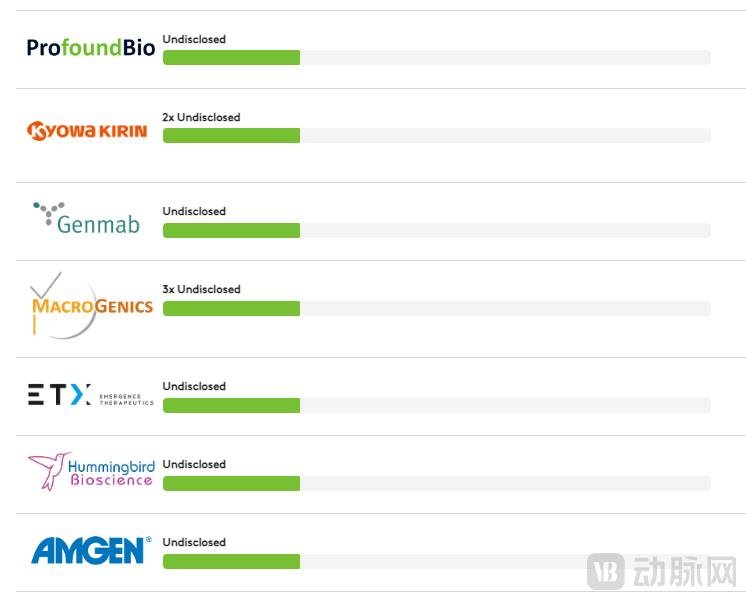
All of the above collaborations are made possible by the company’s three core technology platforms: Glyconnect™, HydraSpace™, and toxSYN™ linker-payloads.
1GlycoConnect™: Enzymatic Remodeling for Site-Specific Conjugation
As the core of ADC products and Synaffix’s core patented technology, this conjugation technology enables site-specific conjugation by leveraging natural glycan sites. Natural glycans are retained at similar positions on all antibodies. The GlycoConnect™ technology combines the inherent efficiency of enzymes with the unique specificity of metal-free click chemistry to replace natural antibody glycans with drug payloads. It is important to emphasize that this technology does not require modification of the antibody sequence, allowing any antibody to be converted into a stably conjugated ADC within just a few days.
Studies have confirmed that the GlycoConnect™ technology, currently applied in clinical stages, achieves a conjugation efficiency of over 75% and does not require recombinant DNA technology assistance, significantly enhancing the efficiency of large-scale manufacturing. Furthermore, the drug-to-antibody ratio can be easily controlled; by introducing “functional handles,” this technology enables customization to meet varying requirements such as DAR1, DAR2, or DAR4.
2HydraSpace™: Payload Enhancement Technology
HydraSpace™ enhances ADC stability, increases payload solubility, and improves the efficiency and speed of conjugation. Meanwhile, its branching capability enables higher drug loading and the development of ADCs with dual mechanisms of action. Together with GlycoConnect™ technology, it forms the technological foundation for ADC drugs, differentiating their efficacy from other ADCs while delivering best-in-class therapeutic outcomes and tolerability.
3toxSYN™: Validated Payload
This technology represents Synaffix’s new high-potency cytotoxic ADC payload platform. With this expansion, Synaffix has become a one-stop supplier for the technologies required to rapidly convert antibodies into proprietary ADC products. The ToxSYN™ platform comprises four high-potency payloads that, when combined with components of the company’s GlycoConnect™ and HydraSpace™ technologies, offer diverse mechanisms of action and viable commercialization pathways.
SOTIO Biotech is an innovative biotechnology company based in the Czech Republic, focused on the development of novel therapeutics such as antibody-drug conjugates (ADCs), cytokines, and cell therapies, with its lead pipeline candidate being a Claudin18.2 ADC.
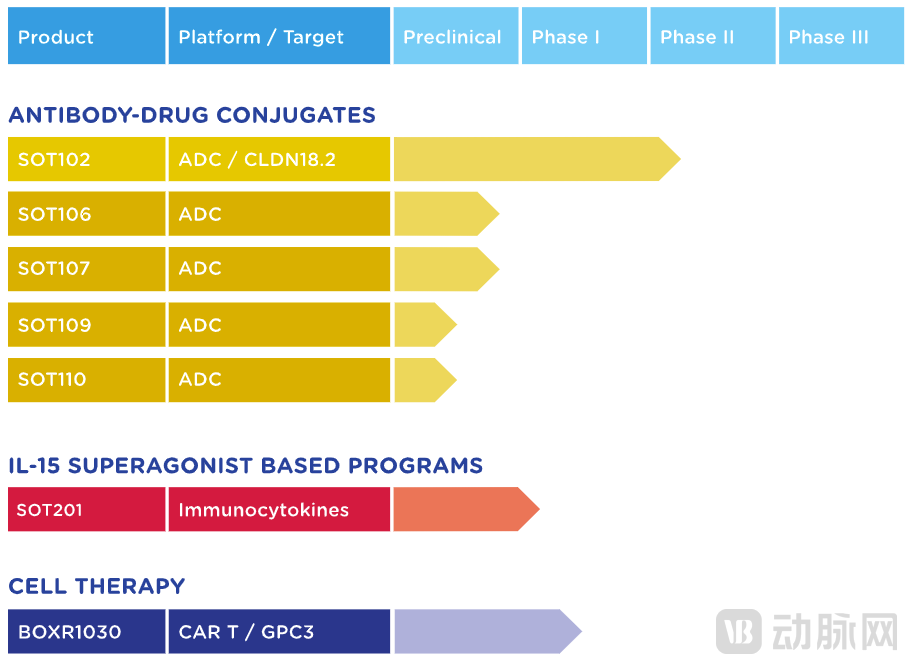
SOTIO’s product pipeline includes next-generation PD-1-blocking cytokines, a proprietary technology designed to enhance the efficacy of CAR-T therapies, and a new generation of potent and stable antibody-drug conjugates (ADCs). The company currently has seven candidates in its development pipeline, three of which have entered clinical trials.
SOTIO has been active in external collaborations, having established commercial partnerships for its product pipeline with companies such as LegoChem Biosciences and Unum Therapeutics. However, the current collaboration with Synaffix marks a rare instance of SOTIO partnering on a technology platform.
As a company that has allocated over 70% of its R&D pipeline to the ADC field, possessing a leading technology platform is a crucial guarantee for achieving sustainable innovation and advancing commercial monetization. SOTIO, which focuses on tumor immunotherapy, has made a significant investment in an ADC technology platform. This move indicates that the company highly recognizes the potential stability and efficacy of ADC drugs and is well-prepared for continued in-depth development in this area.
In recent years, antibody-drug conjugates (ADCs) have emerged as a key frontier in innovative drug development, attracting intense competition and strategic investment from numerous pharmaceutical companies and CDMOs.
According to Frost & Sullivan’s analysis, the global market size for antibody-drug conjugates (ADCs) grew rapidly from USD 1.6 billion in 2017 to nearly USD 7 billion in 2022, representing a compound annual growth rate (CAGR) of 33.2%. The market is projected to continue its rapid expansion at a CAGR of 31.2% from 2021 to 2030. In China, the domestic ADC drug market began to grow in 2020 following the National Medical Products Administration’s approval of the first ADC drug, Kadcyla. It is expected to expand at a CAGR of 79.4% from 2021 onward, reaching RMB 68.9 billion by 2030.
Currently, 15 antibody-drug conjugate (ADC) drugs have been approved for marketing worldwide, with indications covering lymphoma, leukemia, breast cancer, multiple myeloma, head and neck cancer, urothelial carcinoma, and other diseases. Among these, HER2-targeted agents rank first with three products; CD22-targeted agents rank second with two products; and ten other targets, including CD33, CD30, CD79B, and Nectin-4, each have one approved product. In terms of payload selection, there are six drugs utilizing MMAE/MMAF, two each using camptothecin analogs, calicheamicins, and maytansinoids, and one using pyrrolobenzodiazepine (PBD) dimers.
To date, five antibody-drug conjugate (ADC) drugs have been approved for marketing in China: Roche’s trastuzumab emtansine, Takeda’s brentuximab vedotin, Pfizer’s inotuzumab ozogamicin, RemeGen’s disitamab vedotin, and CStone Pharmaceuticals’ sacituzumab govitecan (which has been returned by CStone to Gilead). Among these, disitamab vedotin is the only commercially available domestically produced ADC drug, with sales revenue of $13 million in 2021 and an estimated $70 million in 2022. In addition to RemeGen, other Chinese pharmaceutical companies with ADC pipelines under development include Hengrui Medicine, Kelun-Biotech, Zhejiang Medicine, Lepu Biopharma, and CSPC Pharmaceutical Group.
Recent financing and transaction news indicates that the antibody-drug conjugate (ADC) sector remains highly active. Over the past two to three years, numerous ADC-focused startups, including Zymeworks, Kelun-Biotech, and Duality Biologics, have secured hundreds of millions in funding. These funds will drive clinical trials and commercialization of their late-stage products. Meanwhile, pharmaceutical giants such as Pfizer and Merck & Co. have chosen to acquire core ADC technology platforms through multi-billion-dollar mergers, acquisitions, and licensing deals. It is evident that ample financing support from capital markets, combined with strategic deployments by industry leaders, is jointly propelling the continued rapid development of this emerging therapeutic field.
“As the pie grows larger,” the differentiation and advancement of technology platforms become increasingly important. The future development trends in the ADC field include developing antibodies with more diverse targets and higher specificity, designing novel linkers with enhanced stability, and achieving high efficacy and low drug resistance through combination therapies involving ADC drugs.
Target selection, tumor heterogeneity, linker design, drug resistance in tumor cells, the influence of the tumor microenvironment, and payload targeting are among the technical challenges currently encountered in the rapid development of antibody-drug conjugate (ADC) therapies.
Therefore, the expansion of commercial collaborations in the ADC field from pipeline transactions to technology licensing may represent a significant trend conducive to the robust development of the industry.