

China's Medical Imaging Innovation Power Showcased at the 2023 Future Medical Imaging Innovation Forum
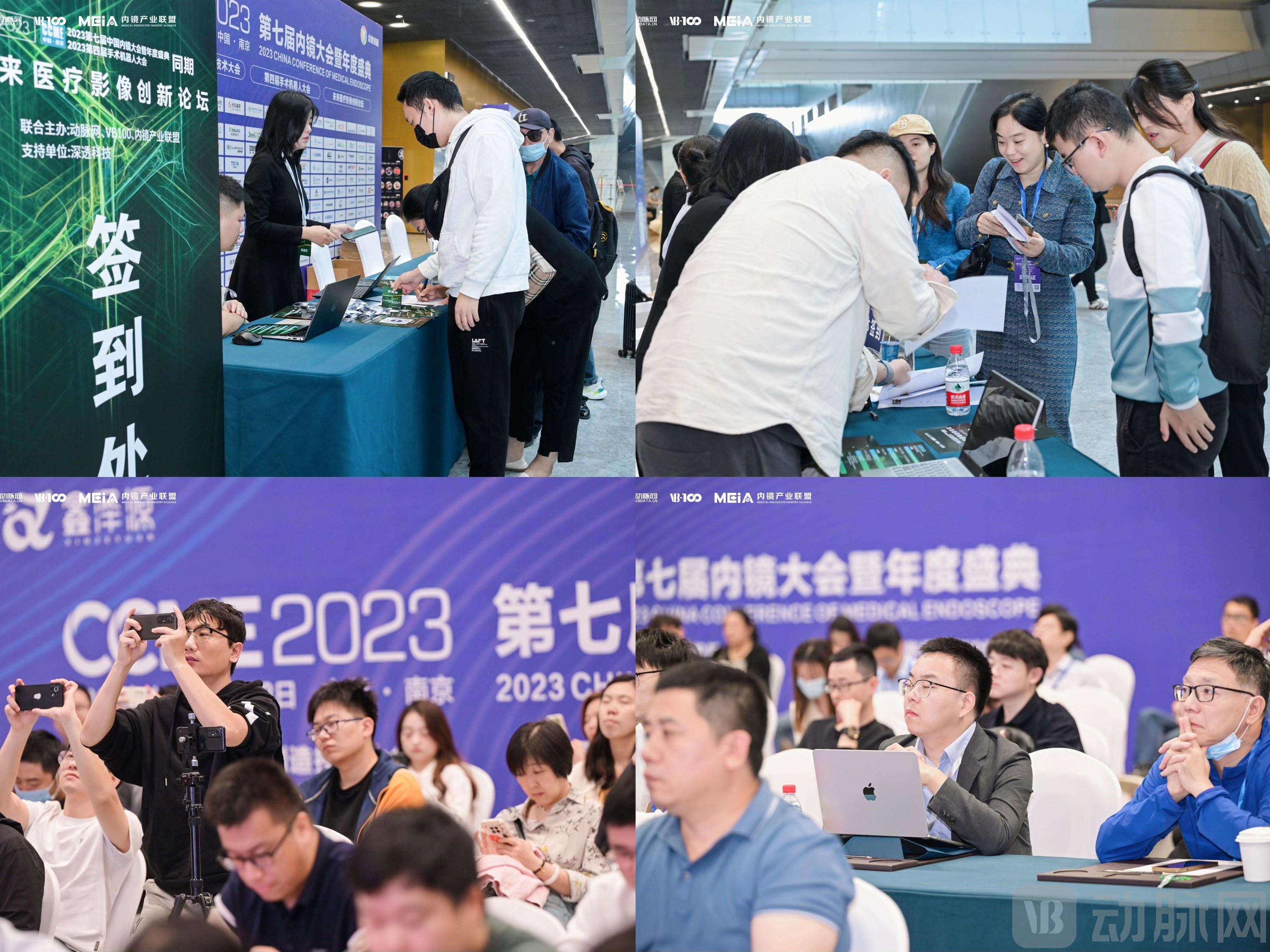
In recent years, the localization of medical imaging in China has accelerated. Driven by continuous national policy support and the broader context of high-quality development in the domestic healthcare sector, Chinese medical imaging enterprises have boldly broken through barriers and pursued constant innovation. They are continuously advancing the localization and high-quality development of China’s medical imaging industry with greater speed, stronger momentum, fresh perspectives, and higher-dimensional strategies.On October 18, 2023, the 2023 Future Medical Imaging Innovation Forum, co-hosted by VCBeat, VB100, and the Endoscopy Industry Alliance, and supported by Deepwise Technology, concluded successfully at the Yangtze River International Conference Center in Nanjing. The forum brought together research experts and outstanding entrepreneurs from China’s medical imaging field to discuss pathways for innovation and strategies for integration. It aimed to identify replicable models and approaches for industrial convergence and innovative development, thereby providing broader perspectives and expanded opportunities for the industry’s upgrading and high-quality growth.
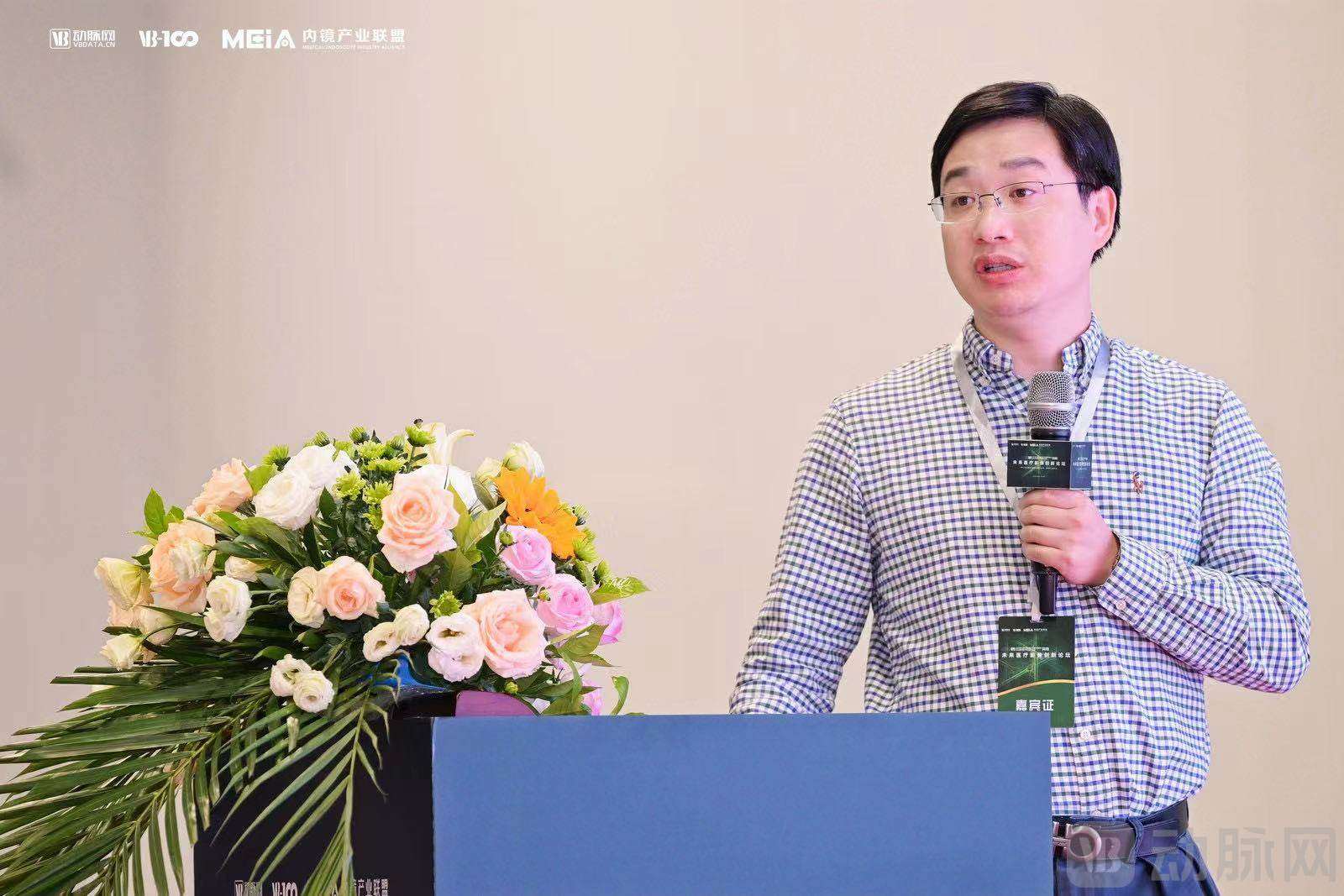 Wu Jian, Deputy Director of the National Institute of Health and Medical Big Data at Zhejiang University and Director of the Ruiyi Artificial Intelligence Research Center at Zhejiang University
Presenting on the Topic of “Research on Medical Image Segmentation Methods under Data Constraints”
Wu Jian, Deputy Director of the National Institute for Health and Medical Big Data at Zhejiang University and Director of the ZJU Ruiyi Artificial Intelligence Research CenterAround“Research on Medical Image Segmentation Methods under Data Constraints”He shared his team’s latest research findings. He argued that the development of medical CT image segmentation has been constrained by three factors: class imbalance in datasets, low discriminability, and limited annotation resources. To address these three major challenges, Director Wu Jian’s team achieved three technological breakthroughs: First, they proposed a segmentation network based on dual-scale learning and selective transfer learning to augment and balance datasets. Second, they developed a deep self-paced active learning-based segmentation framework to enable efficient utilization of annotations. Third, they established a multi-phase segmentation and multi-modal fusion classification model to improve classification performance for cases with low discriminability, while employing a fully 3D cascaded segmentation model to enhance segmentation accuracy for cases with low discriminability.
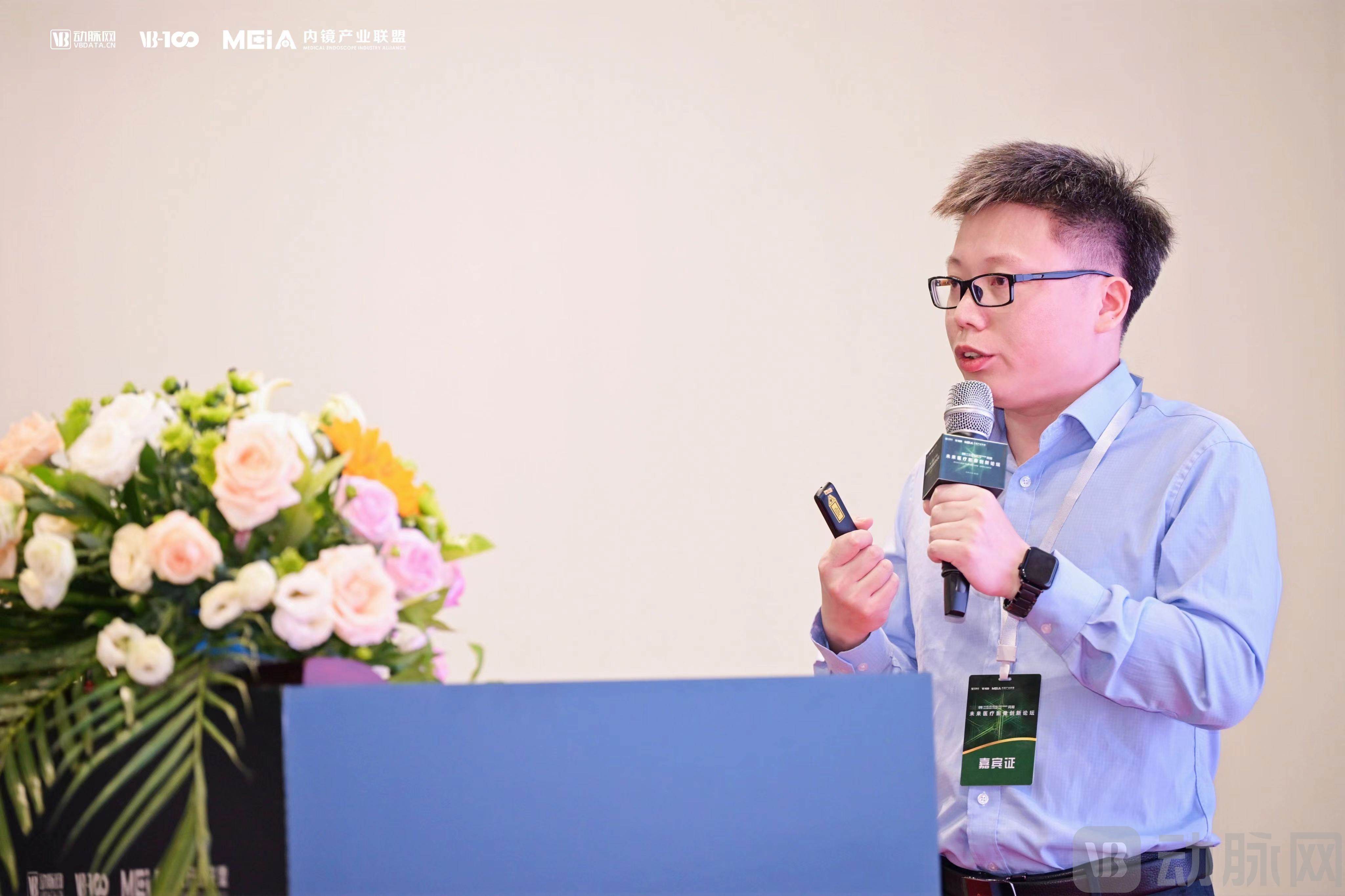
Xiang Lei, CTO of Deepwise Technology China, Shares “Generative AI Fully Accelerates Image Acquisition and Optimizes Imaging Workflows”
Xiang Lei, CTO of Deepwise Technology China, presented on “Generative AI Comprehensively Accelerates Image Acquisition and Optimizes Imaging Workflows”delivered an insightful presentation on the topic. Using real-world cases from Shentou Technology, he addressed innovative efforts to leverage generative AI to optimize medical imaging examinations and enhance efficiency at the source. He believes thatThe most critical aspect of applying generative AI is to first identify genuine, clinically valuable problems that need to be solved., thereby, Shentou Technology leverages generative AI models to utilize multimodal information from medical imaging, while also generating high-quality training data pairs to train more robust AI models. This approach addresses the clinical pain points of patients, hospitals, and downstream service providers, enabling faster, safer, and smarter medical imaging examinations.
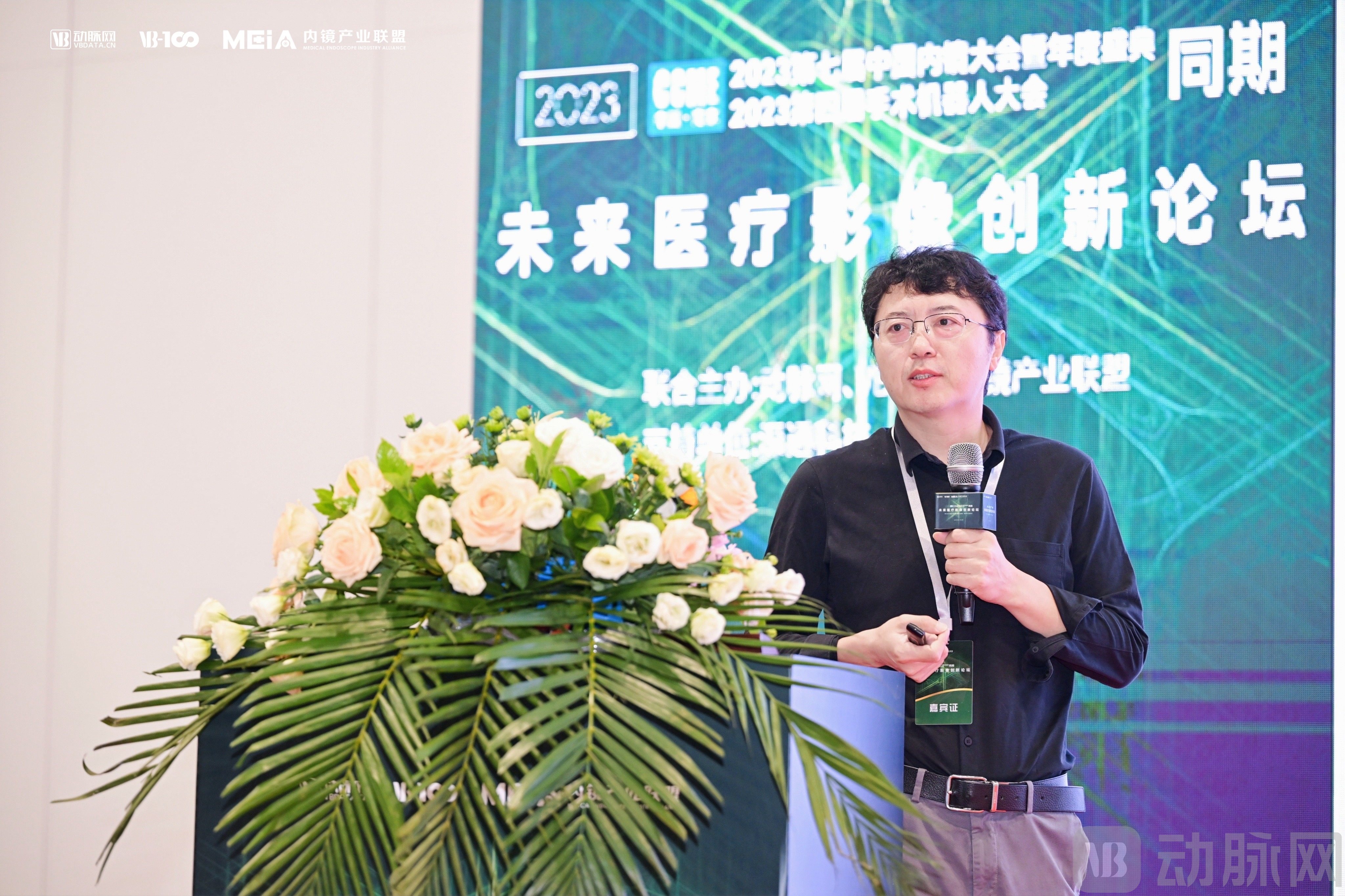
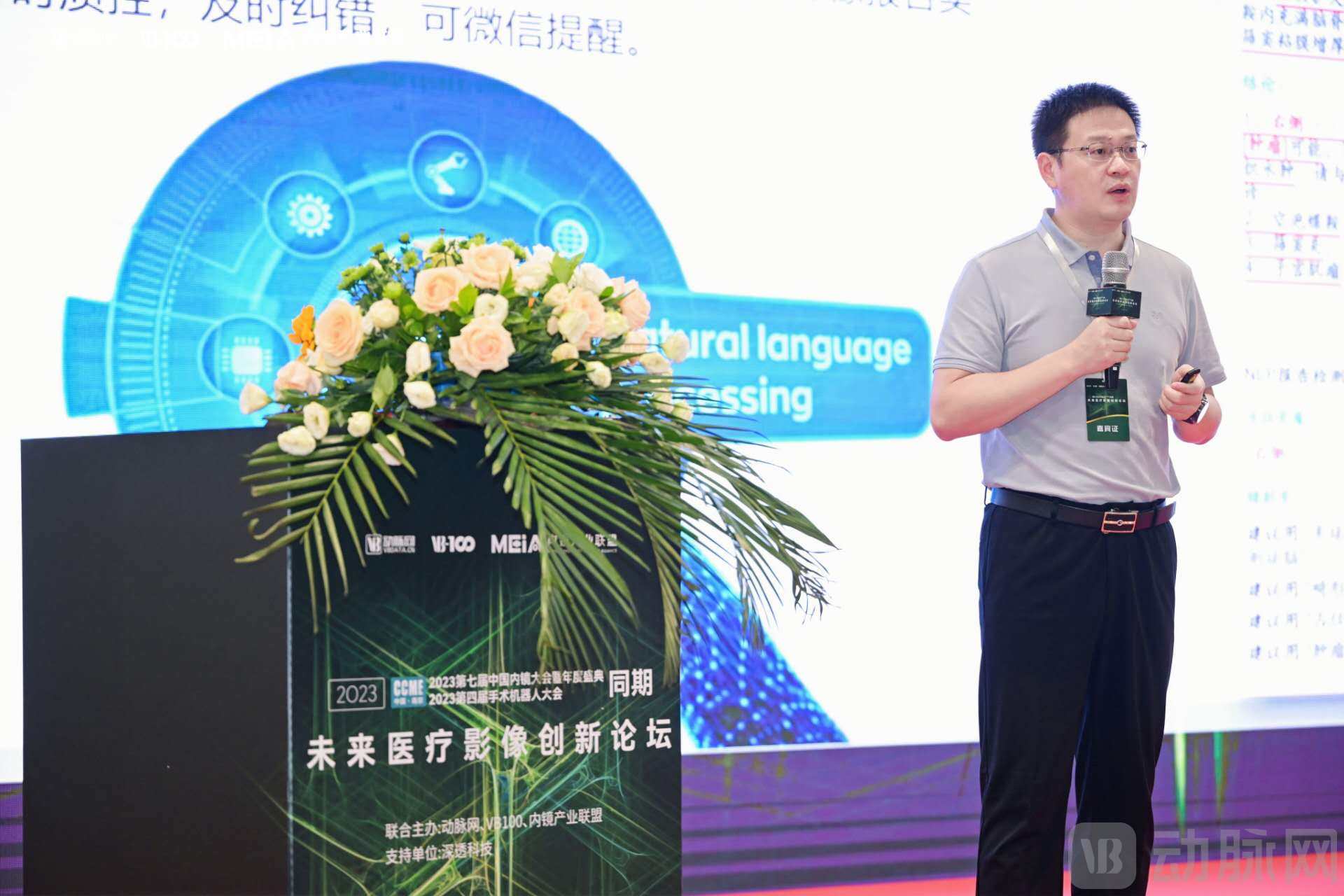
Li Yiming, Co-founder and CTO of Deepwise Medical, Shares “Preliminary Applications and Practices of Large Language Models in Healthcare”
In recent years, the rapid emergence of large models has laid the foundation for a new generation of artificial intelligence technologies. The advent of GPT-4 has ushered in the AI 2.0 era, and Deepwise Medical has made significant efforts and reflections in the development of medical large models.Li Yiming, Co-founder and CTO of Deepwise Medical, delivered an insightful presentation titled “Preliminary Applications and Practices of Large Language Models in Healthcare.”Keynote Address. He shared Deepwise Medical’s innovative research, development, and applications in two areas: automated image interpretation based on large imaging models, and multimodal diagnostic models built on the Transformer architecture. Furthermore, he proposed an AI-driven diagnostic model leveraging multimodal medical data to assist healthcare professionals in making effective clinical decisions.
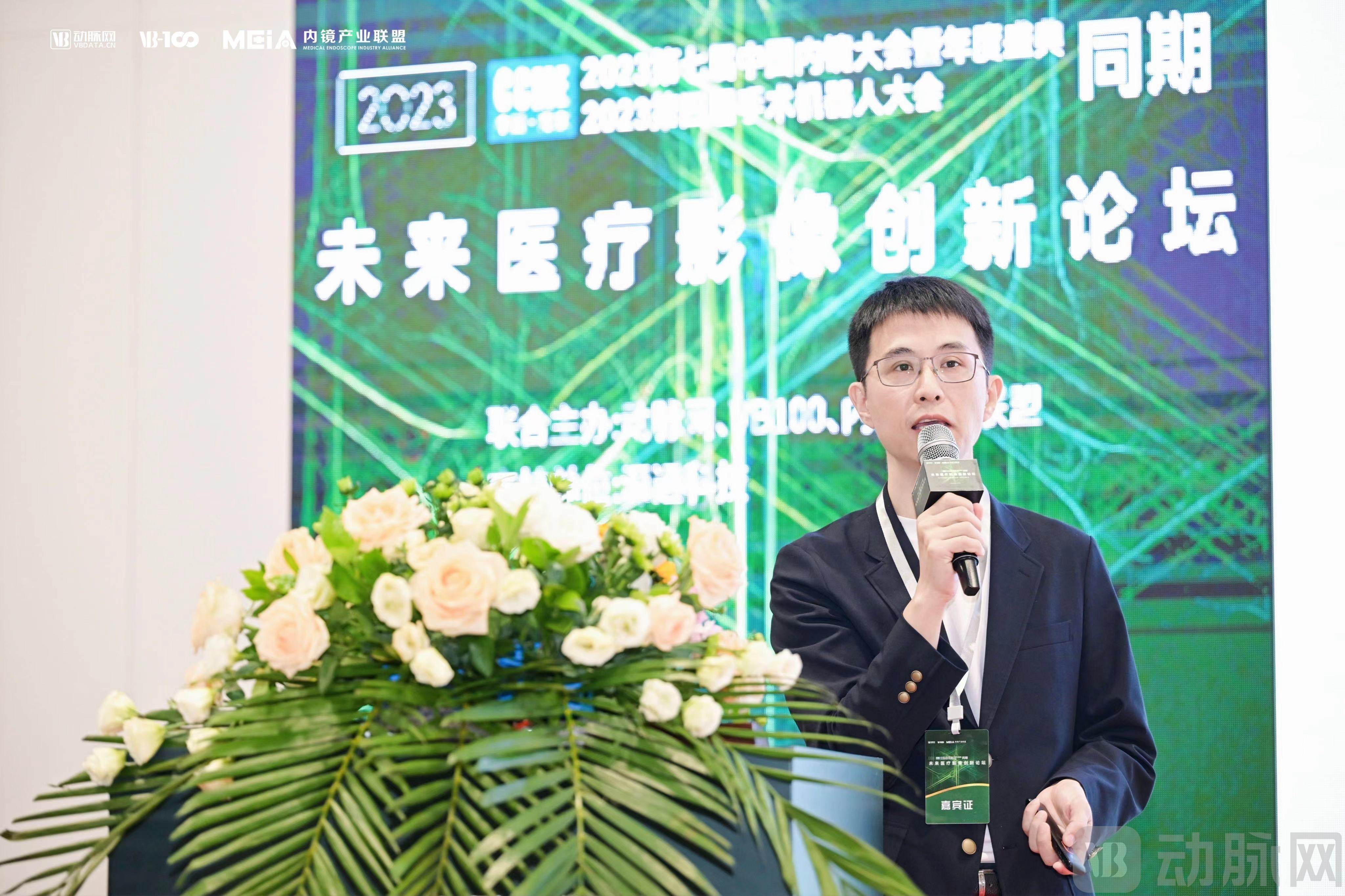
Wang Dong, Vice President of R&D at Fosun Xingmai, Shares “Immersive Exploration of AI-ROSE Intraoperative Pathology”
Wang Dong, Vice President of R&D at Fosun Xingmai, shared insights on Fosun Xingmai’s “AI-ROSE: Immersive Exploration of Intraoperative Pathology”AI-ROSE is an innovative technology for rapid intraoperative pathological evaluation, providing a full-stack hardware and software solution for rapid digital pathology diagnosis during interventional procedures. By leveraging AI-driven technologies such as automatic focus scanning, virtual staining, automated cellular analysis, and real-time automatic field-of-view positioning, it delivers an immersive rapid diagnostic experience for intraoperative pathology. This technology reduces the turnaround time for intraoperative pathological evaluation from over 72 hours to under 5 minutes, with a comprehensive accuracy rate exceeding 98%. It effectively addresses key challenges in intraoperative pathology, including the high difficulty of rapid evaluation, excessively long diagnostic workflows, and low standardization.
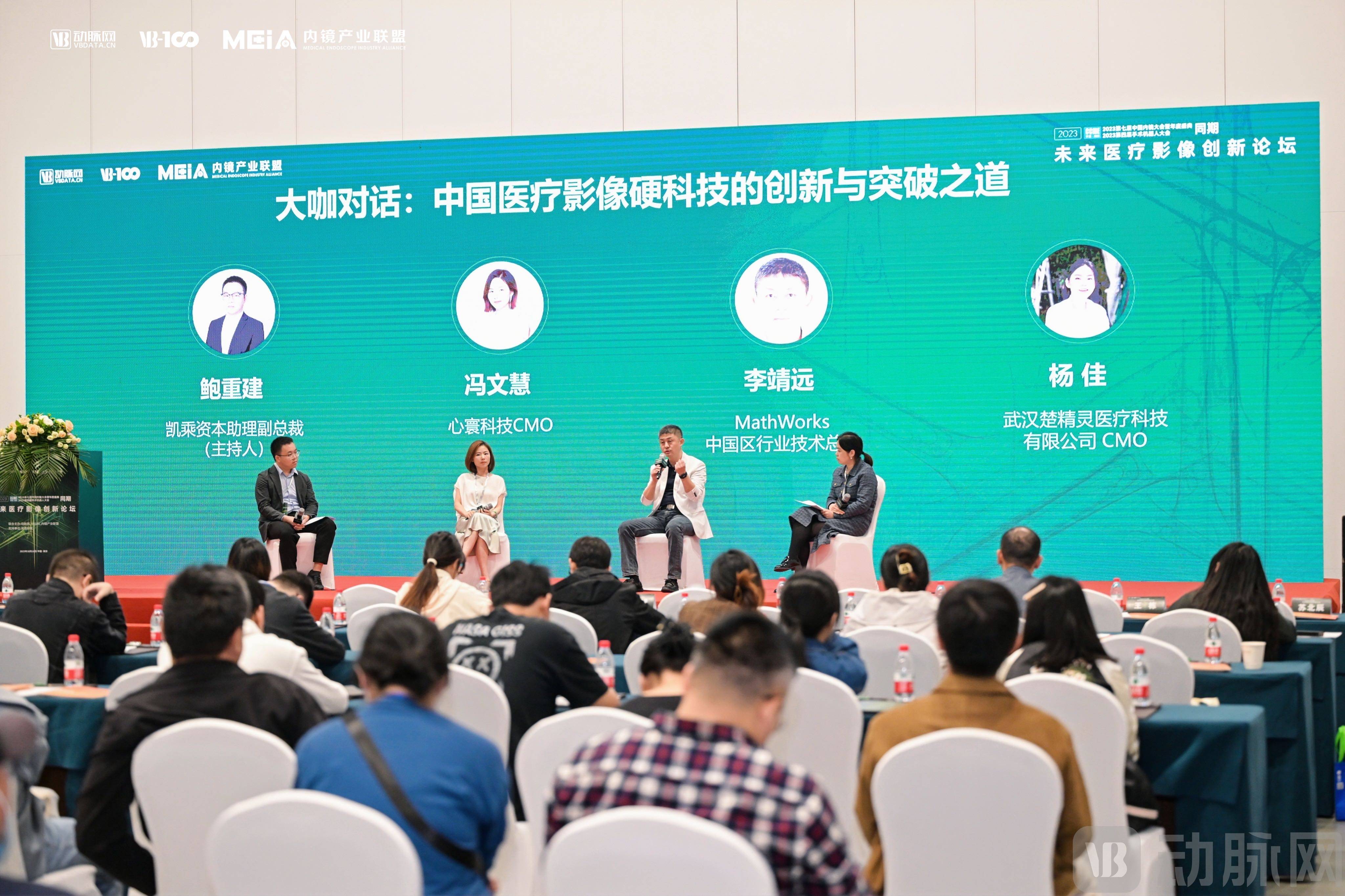
Li Jingyuan, Industry Technical Director for China at MathWorks; Yang Jia, CMO of Chujingling Medical; Feng Wenhui, CMO of XinHuan Technology; and Bao Chongjian, Assistant Vice President at Kaicheng Capital, engaged in a dialogue on “The Path to Innovation and Breakthroughs in China’s Hard-Tech Medical Imaging Sector.”
Innovative Dialogue Session, inBao Chongjian, Assistant Vice President of Kaicheng CapitalUnder the moderation of, the panelists engaged in a brilliant dialogue on “The Path to Innovation and Breakthroughs in China’s Hard-Tech Medical Imaging.”Director of Industry Technology, MathWorks ChinaLi JingyuanIt is believed that the "hard technology" of medical imaging must meet at least four criteria: 1) key components, including sensors and optical devices; 2) high computing power to support advanced image processing and artificial intelligence algorithms; 3) precise clinical applicability; and 4) ease of application. From a software perspective, the large-scale commercial deployment of medical AI requires addressing issues related to interpretability and reliability.。Yang Jia, CMO of Chujingling MedicalShe shared the journey of Chujingling’s AI-powered endoscopy product, EndoGenie, in obtaining China’s first Class III medical device certification for quality control and assisted diagnosis. She stated that only through extensive clinical adoption and continuous product iteration and upgrades based on clinical feedback could the product be closely aligned with clinical practice. Furthermore, by leveraging external high-performance computing power and innovative algorithms, the company can better address clinical pain points, achieve technological breakthroughs, and ultimately benefit more patients.Feng Wenhui, CMO of XinHuan TechnologyShe stated that AI applications in the ultrasound sector must closely align with national policy requirements during future commercial deployment, although industry standards and regulations are currently lacking. Furthermore, a shift in mindset among both physicians and patients is essential for successful commercialization. Looking ahead to opportunities for innovation, she remarked, “Precision, efficiency, and segmentation within clinical application areas will undoubtedly define the future trends of ultrasound technology. In the field of intracardiac intervention, intracardiac echocardiography (ICE) integrated with AI-powered automatic recognition technology will serve as a highly effective intelligent tool for enhancing medical efficiency.”
Dr. Huang Jiaxiang, Director of the Medical Imaging Big Data Research Base under the Chinese Health Information Association and CEO of Wanliyun, Shares Insights on “The Iterative Rhythm of Medical Imaging Business and Big Data”
Dr. Huang Jiaxiang, Director of the Medical Imaging Big Data Research Base of the Chinese Health Information Association and CEO of Wanliyun, Focuses on "The Iteration Rhythm of Medical Imaging Business and Big Data"Presentation Topic. He provided a macro-level overview of the definition and characteristics of China’s imaging big data. Dr. Huang stated, “Business operations and data mutually reinforce each other through iterative cycles; only by ensuring that all business processes are digitized and all data assets are leveraged for business value can a virtuous cycle be established.” During the session, he used detailed data and specific case studies to illustrate the concrete value of imaging data application development in four areas: AI-assisted diagnosis, report error correction, cloud film expansion, and quality control management. Finally, he remarked, “Relevant enterprises must not only accurately understand the direction of policy guidance but also delve into the operational front lines to gain a deep understanding of the practical business operations and underlying needs of hospitals and physicians. Let smart imaging benefit millions of households.”
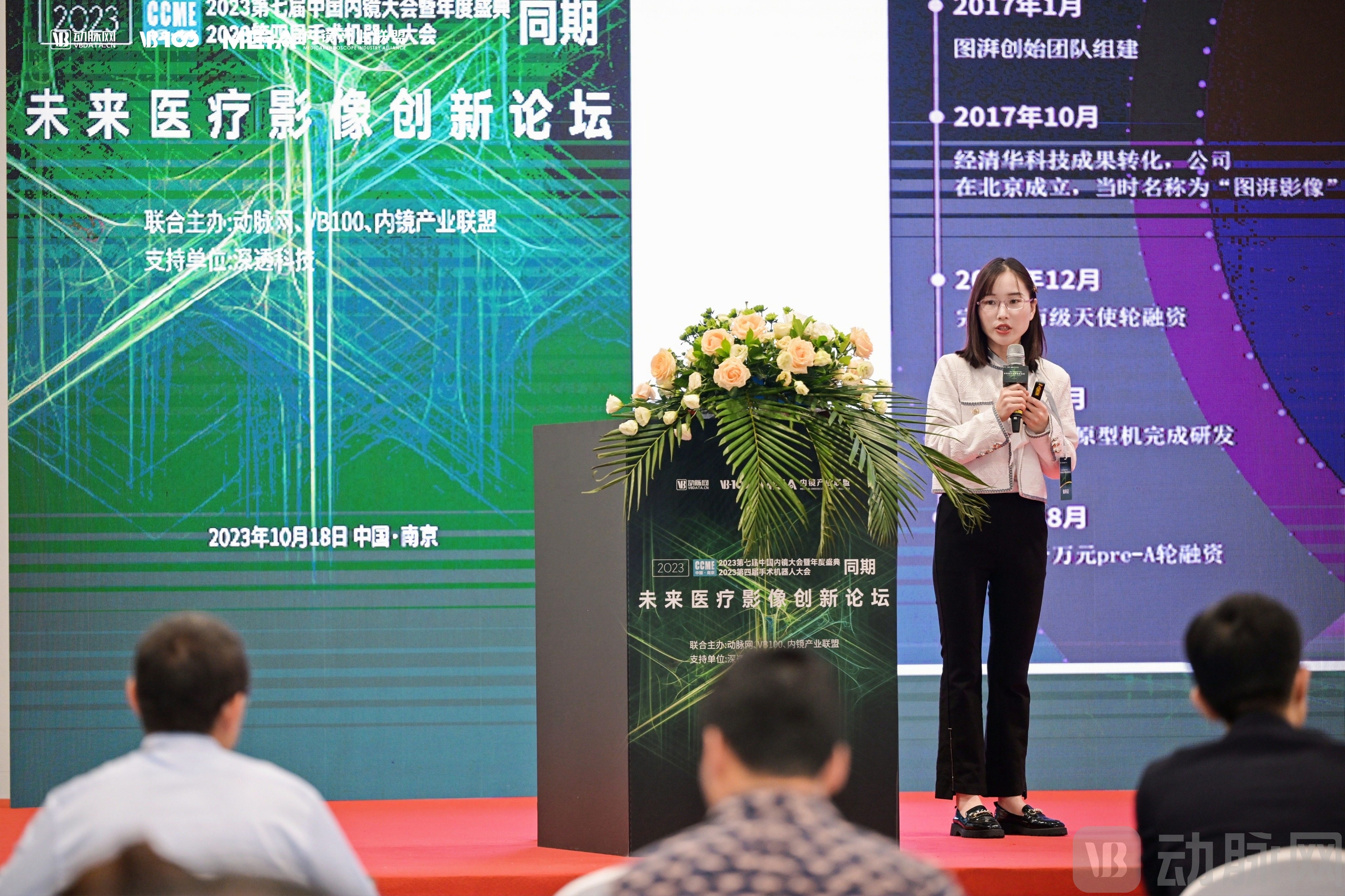 Sun Tianzi, Clinical Director at Topcon Medical, Delivers a Presentation on “Smart Imaging Empowering Independent Innovation in High-End Domestic Ophthalmic Equipment”
Subsequently,Sun Tianzi, Clinical Director at Topcon Medical Systems, delivered a presentation titled “Smart Imaging Empowering Independent Innovation in High-End Domestic Ophthalmic Equipment”Thematic Sharing. She introduced how, amid the surging demand for ophthalmic diagnosis and treatment in China, Topvue Medical has achieved independent innovation by seamlessly integrating smart imaging with domestically produced high-end ophthalmic equipment, such as OCT systems and surgical microscopes. This integration has established a smart ophthalmology ecosystem that enables real-time data interoperability—allowing access to real-time data and examination results without leaving the consultation room or operating theater—while balancing convenience and security in data retrieval, and facilitating data import into surgical microscopes.
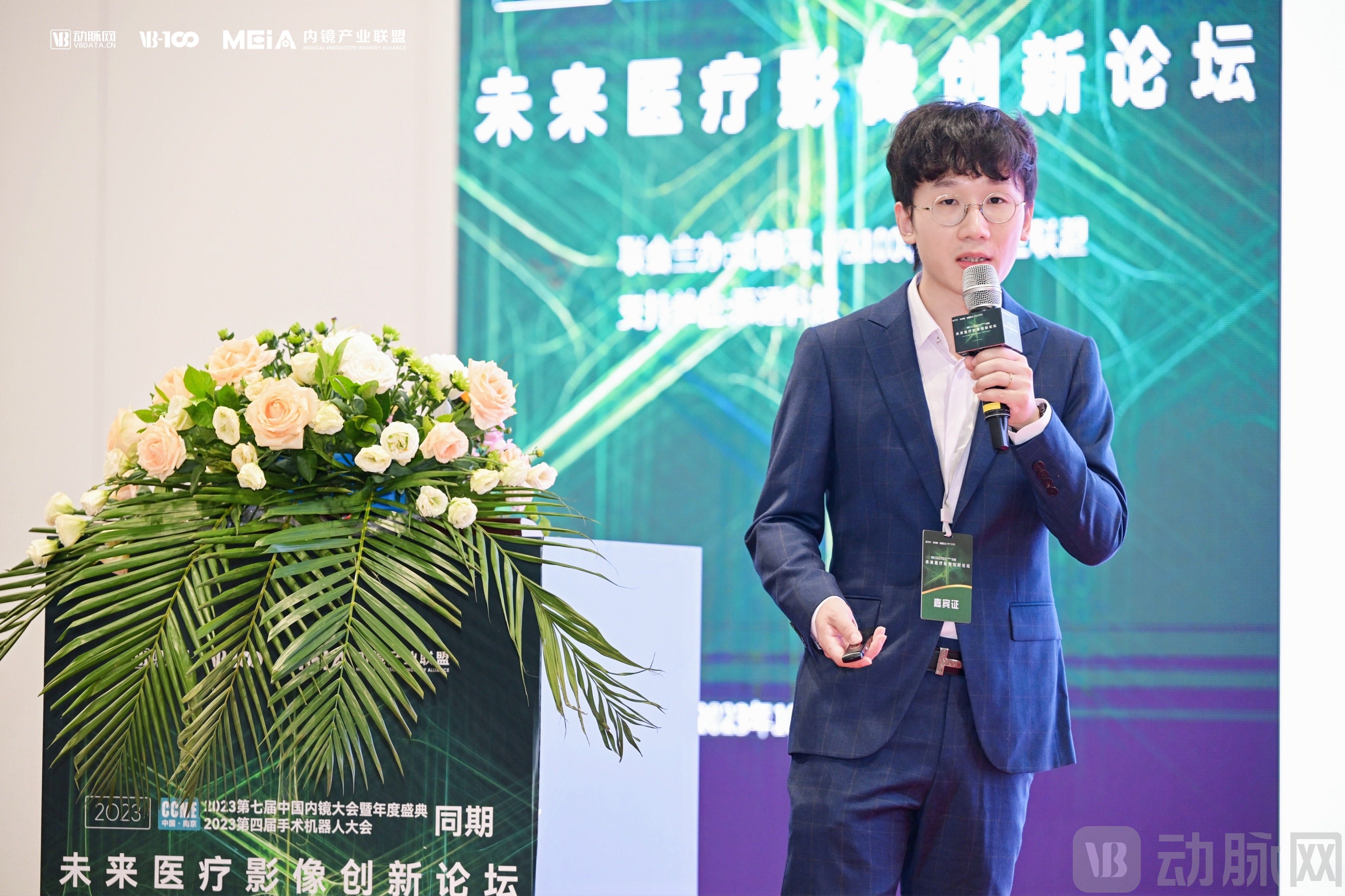
Su Beichen, COO of VoxelTech, Delivers Keynote on “Innovative Integration of Frontier Technologies and Medical Imaging”
Su Beichen, COO of Tisu Technology, subsequently shared his presentation titled “Innovative Integration of Frontier Technologies and Medical Imaging.”Keynote Address. He argued that while existing technological advancements can meet the sensitivity and specificity requirements for fundus imaging, relying solely on an algorithm is far from sufficient for deployment at the primary care level. Beyond the algorithm, it is essential to explore various strategies for integrating into the healthcare system and strengthening primary health services. He introduced Voxel Technology’s intelligent fundus camera platform, which features convenient data acquisition and patient management, flexible and configurable workflows, comprehensive reporting, and visualized data middle-platform displays. This application model is readily acceptable in primary care settings where ophthalmologists are scarce.
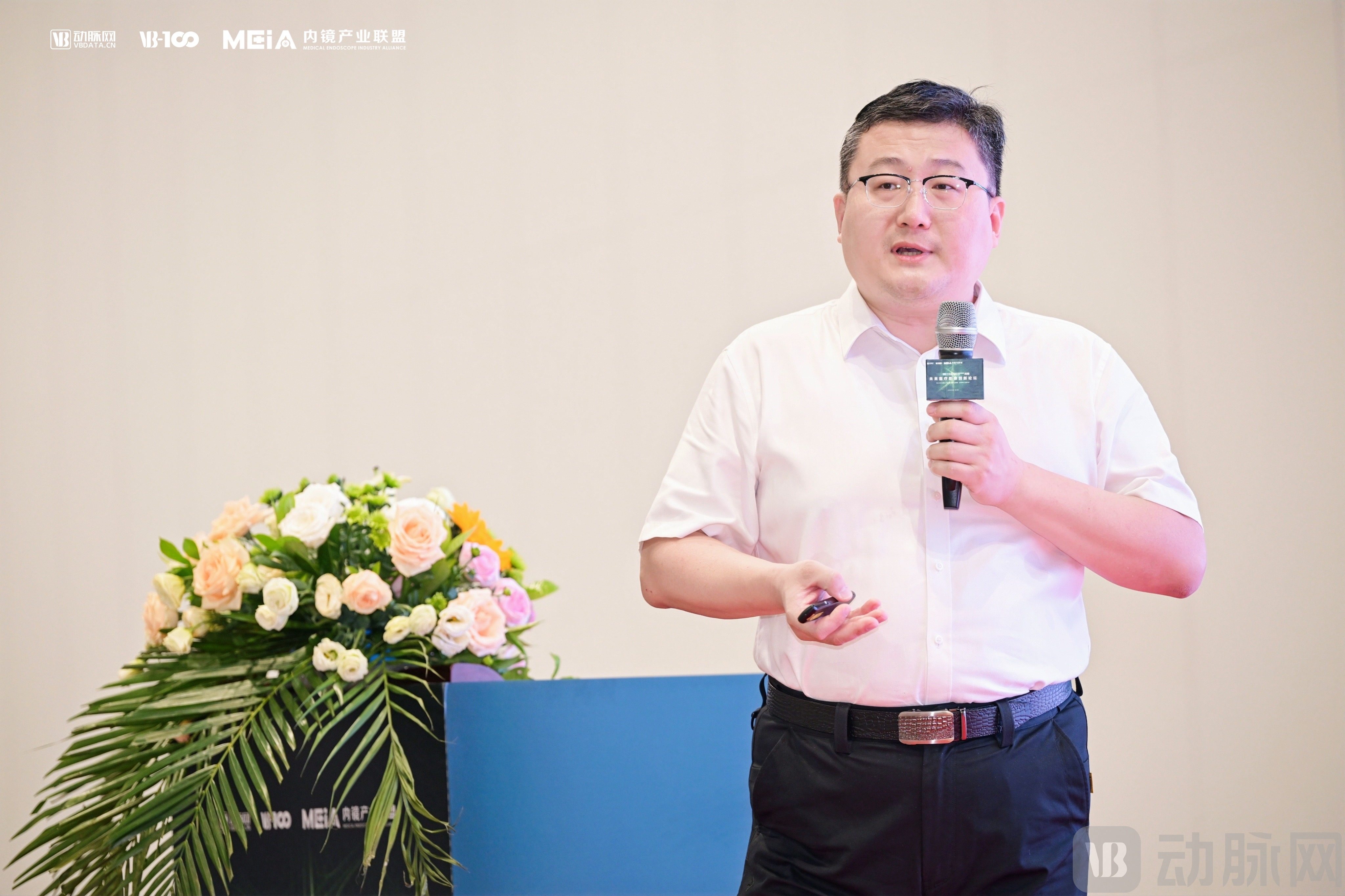
Hisense Medical Deputy General Manager Chen Yongjian Shares “International Layout and Development of Medical Displays”
As a provider of medical imaging equipment and smart healthcare solutions, Hisense Medical has long been committed to promoting the international expansion of medical imaging enterprises. In response to"International Layout and Development of Medical Displays," Chen Yongjian, Deputy General Manager of Hisense MedicalHisense Medical’s own international development has provided a practical pathway and model for medical imaging companies to expand overseas and advance their globalization efforts. He introduced that Hisense Medical’s overseas expansion is built on its comprehensive mastery of core technologies in medical displays, which have reached an internationally leading level, and leverages the global channel layout of the Hisense Group for rapid promotion. The company chooses to collaborate with renowned local hospitals to penetrate markets. In terms of regional selection, after establishing a foothold in developing countries, Hisense Medical is now entering the more demanding markets of developed nations.
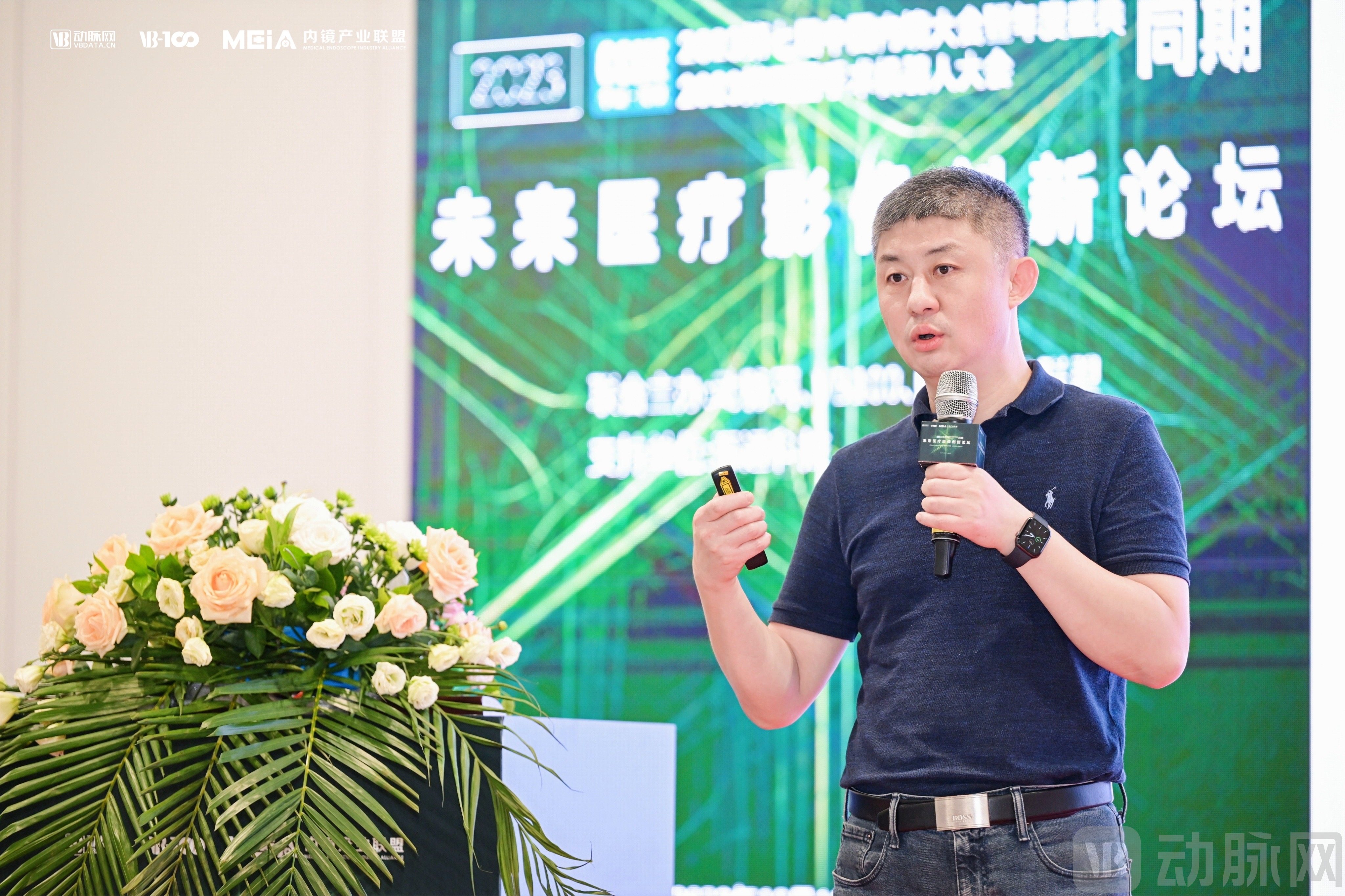
Li Jingyuan, Industry Technical Director for Greater China at MathWorks, Delivers a Keynote Presentation Titled “MATLAB Empowering the R&D of Advanced Medical Imaging Equipment: From Design to Implementation”
As one of the three major mathematical software packages, MATLAB is second to none in numerical computation among scientific and technological application software in the field of mathematics.Li Jingyuan, Industry Technical Director for Greater China at MathWorks, presented “MATLAB Empowering the R&D of Advanced Medical Imaging Equipment: From Design to Implementation”In his presentation, he shared how MATLAB provides a comprehensive toolchain and workflow for the medical imaging industry, integrating image acquisition, image enhancement, AI algorithms, code generation, rapid prototyping, and product deployment, thereby offering robust support for applications in the medical imaging field. He stated, “This integrated, end-to-end toolchain is delivered to end-users through low-code interfaces such as toolboxes and apps. It helps healthcare professionals establish standardized and regulated development processes, significantly reducing coding and debugging efforts while ensuring the reliability of software algorithms, and enabling companies to achieve efficient and convenient product design.”
The 2023 Future Medical Imaging Innovation Forum has successfully concluded. Drawing on corporate innovation practices and cutting-edge research findings, the participants shared insights and explored pathways for the innovative and integrated development of China’s medical imaging industry. Through the synergy of innovative energy and intellectual exchange, they identified new growth drivers and momentum to advance the sector’s innovation and integration.
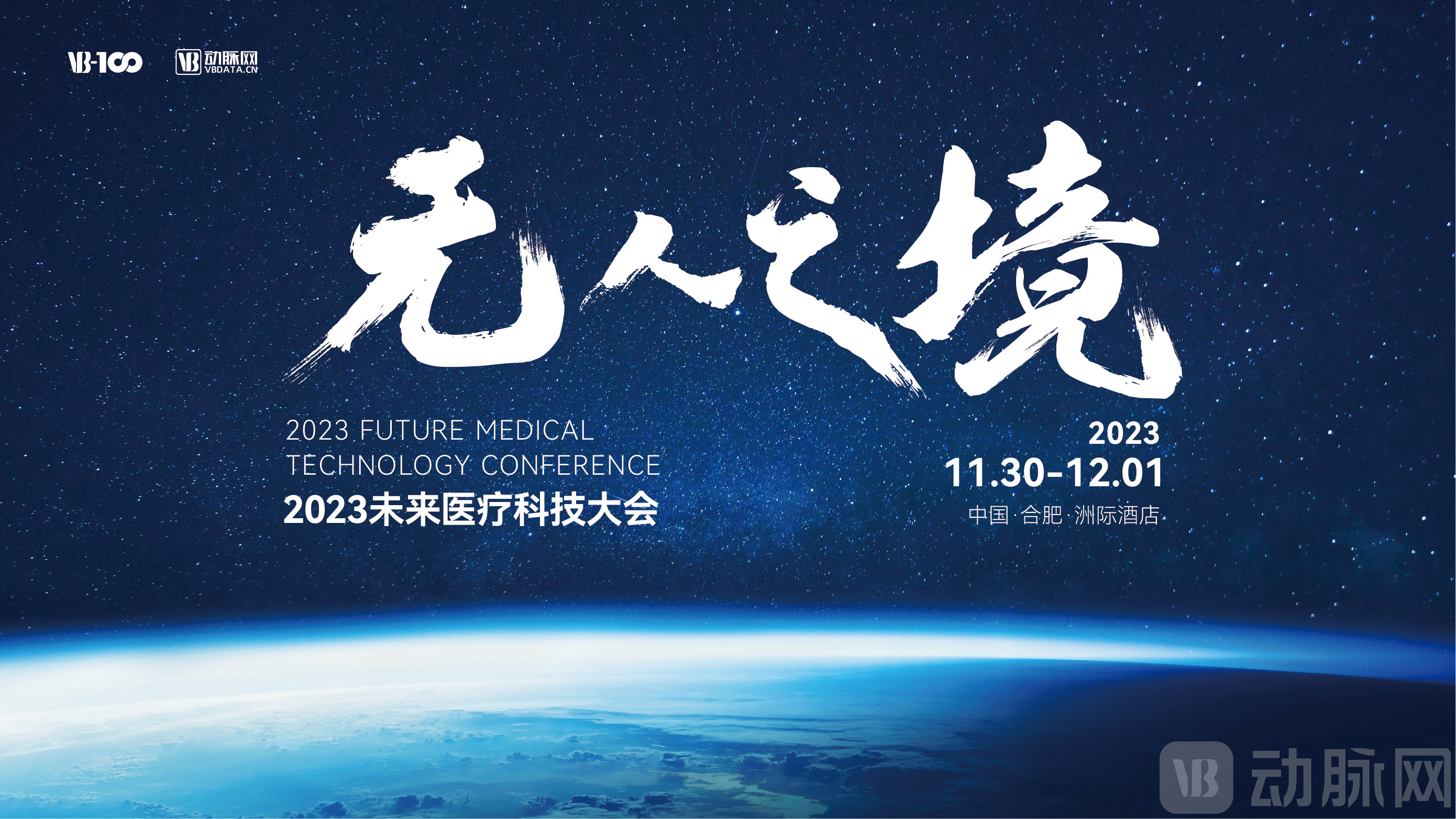
About the 2023 Future Medical Technology Conference
From November 30 to December 1, 2023, the 2023 Future Medical Technology Conference will be held in Hefei.The conference will systematically review the 30 most noteworthy frontier technologies in the life and health sector, inviting research scholars aligned with these technological trends to share insights on emerging technical directions. It aims to create a technological feast featuring the release of cutting-edge technologies, the exhibition of innovative tech products, and ecosystem collaboration among medical technology enterprises. Having been successfully held for three consecutive years, this year’s conference is expected to attract over 100 influential figures in technology, 100 tech companies, and 800 professional attendees.
Scan the QR code to register
