

Forum on Building a High-Quality Industrial Ecosystem and Ensuring Safe, Sustainable Development of the Global Healthcare Industry Concludes Successfully
On October 29, the Second Annual Conference of the Boao Forum for Asia Global Economic Development and Security Forum kicked off in Changsha under the theme “Global Development, Shared Security.” During the conference, multiple dialogues, sub-forums, and roundtable meetings were held concurrently.Among them, the “Global Healthcare Industry Safety and Sustainable Development Forum,” hosted by Gaze Health Investment, was also successfully held on the afternoon of the 29th.
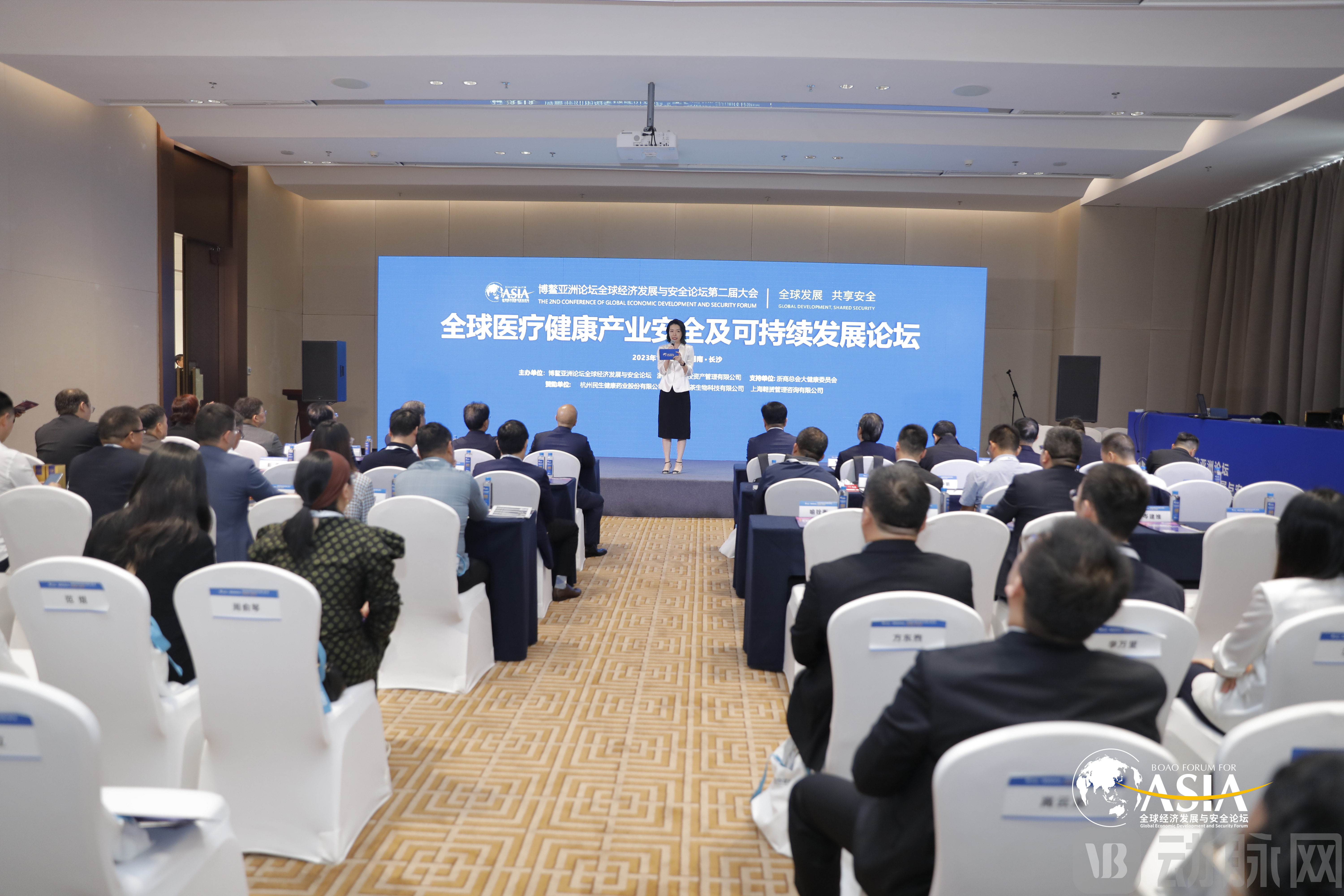
Global Forum on Safety and Sustainable Development in the Healthcare Industry
Theme: “Openness, Cooperation, and Sharing: Jointly Building a High-Quality Global Healthcare Industry System”Bringing together more than 30 distinguished guests from government, industry, academia, clinical practice, and research, the forum will feature sharing of cutting-edge research, practical case studies, and innovative insights. Leveraging the pioneering strength of China’s healthcare industry, participants will jointly explore viable pathways for global healthcare innovation and development, and promote the upgrading and high-quality development of China’s healthcare industry.
The Global Healthcare Industry Safety and Sustainable Development Forum was first initiated byLu Chuyang, Executive Deputy Director of the Organizing Committee of the Boao Forum for Economic SecurityDelivering the Welcome Address. In his remarks, Lu Chuyang expressed support for this conference and looked forward to the forum providing a platform for exchange and innovation to foster cooperation and development in the global healthcare industry.
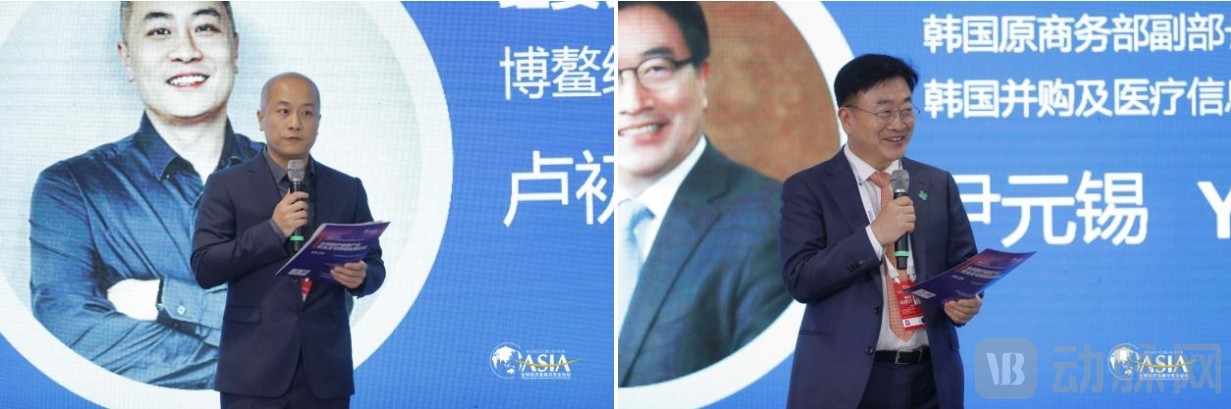
Left: Lu Chuyang, Executive Deputy Director of the Organizing Committee of the Boao Jing'an Forum
Right: Yoon Won-seok, Former Vice Minister of the Ministry of Commerce, Industry and Energy of South Korea; President of the Korea M&A and Healthcare Informatics Association
The conference also invitedYoon Won-seok, Former Vice Minister of the Ministry of Commerce, Industry and Energy of South Korea, and President of the Korea M&A and Healthcare Informatics AssociationAddress. Yoon Won-seok stated that China’s vast market potential and diverse application scenarios hold strong appeal for global medical and pharmaceutical enterprises, expressing his hope to contribute to the exchange and cooperation between the healthcare industries of South Korea and China.
The forum also prominently invited two industry experts to deliver speeches centered on the innovative development of domestic products, sharing their in-depth insights and reflections on cutting-edge theories and technologies with attendees.
First, Academician Xu Zongben of the Chinese Academy of Sciences delivered a presentation titled “Research and Development of Distributed CT.”Academician Xu Zongben believes that mathematics is the foundation of natural sciences as well as of major technological innovation and development. To support the national tiered diagnosis and treatment system and alleviate the difficulties and high costs associated with accessing medical care, Academician Xu Zongben’s team has overcome critical bottlenecks in CT technology, proposed new mathematical principles and models for low-dose CT imaging, and developed a new generation of CT systems—the Distributed Low-Dose CT.
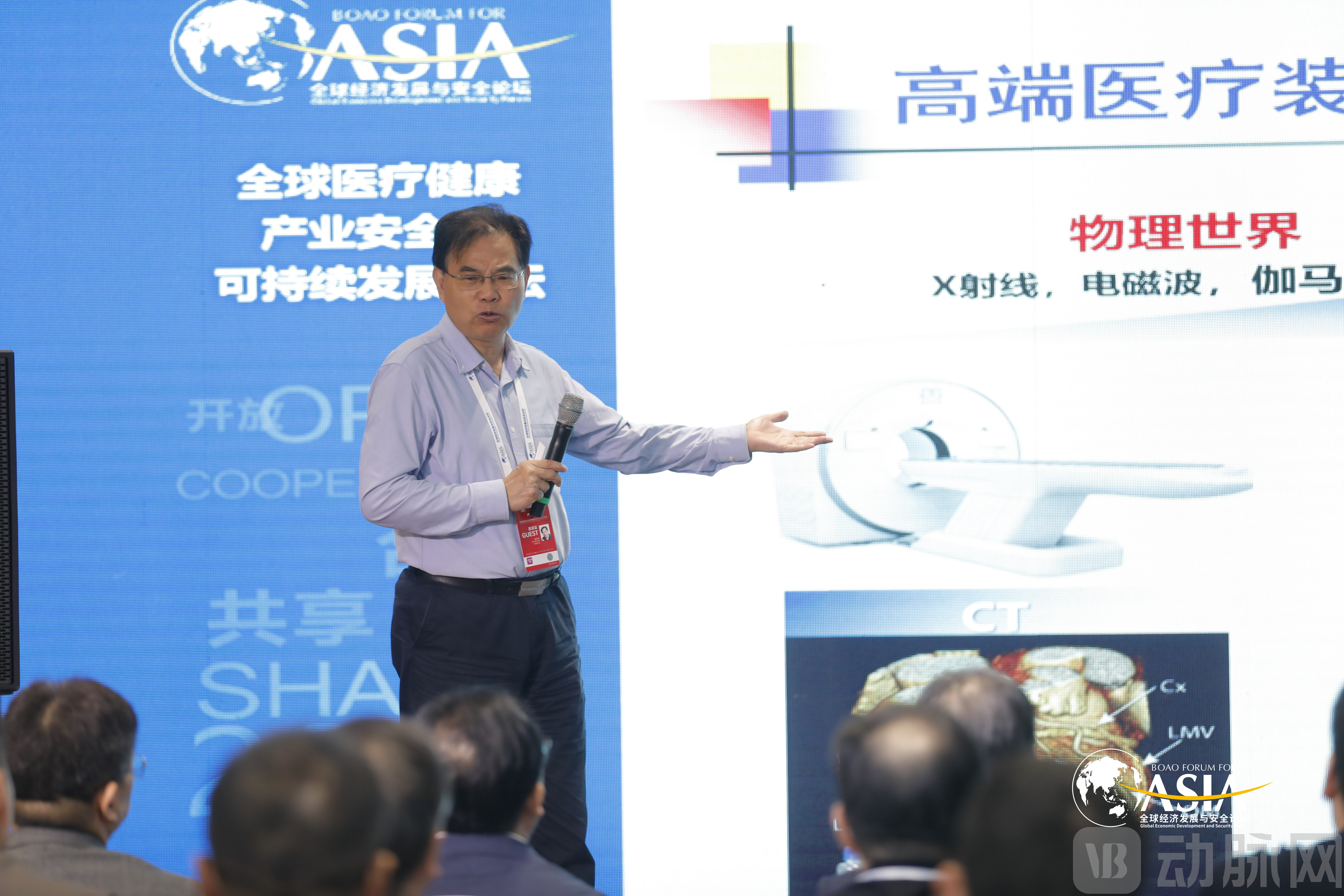
Academician of the Chinese Academy of Sciences, Xu Zongben
Academician Xu Zongben proposed the use of distributed micro-dose CT as a “disease screening” device, combined with AI-based “cloud image interpretation,” to address the challenges of limited CT access in rural and grassroots areas and to mitigate concerns regarding radiation exposure from CT imaging. Furthermore, leveraging this forum, Academician Xu issued an initiative to board members, supervisors, senior executives of leading domestic and international enterprises, and senior experts in related fields, calling for consensus-building and deepened multilateral cooperation focused on innovative Chinese-made products.
Dr. Zou Hequn, Tenured Professor at the School of Medicine, The Chinese University of Hong Kong, Shenzhen, delivered a speech titled “AI-Based Diagnostic and Therapeutic Technologies Using Biosensors Are the Fundamental Mission for the Development of the Medical and Health Industry.”Professor He Zhiqun proposed the concept of “Integrative Medicine,” which aims to coordinate the relationship between traditional medicine and modern medicine.
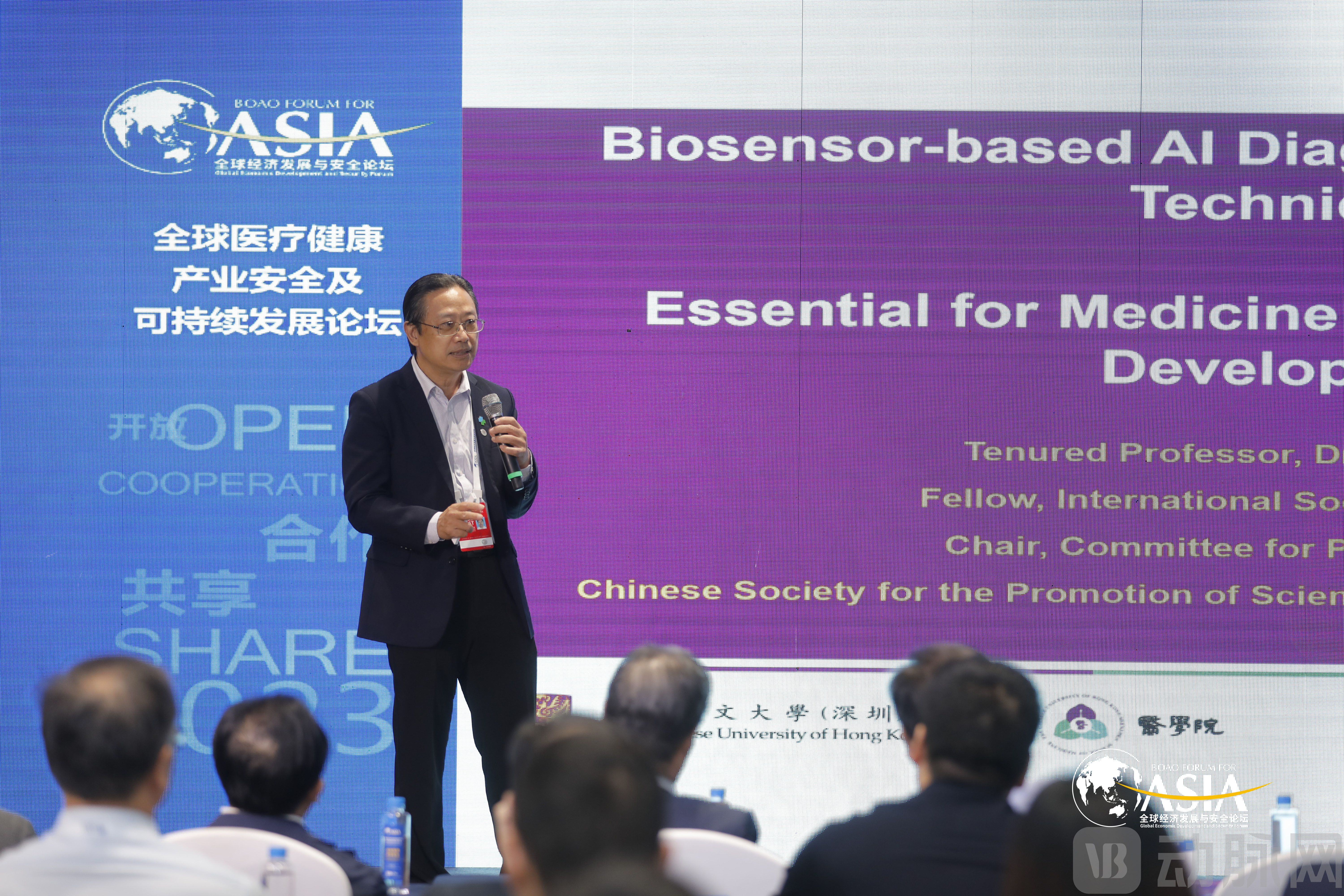
Zou Hequn, Tenured Professor at the School of Medicine, The Chinese University of Hong Kong, Shenzhen
The application of artificial intelligence technology is an inevitable path for the development of modern smart healthcare. Professor Hequn Zou, citing the CIF chronic disease biosensor for precision medicine as an example, aims to establish a closed-loop solution that integrates early screening, risk assessment, and intervention for diabetes and its complications. This approach leverages biosensors based on nanotechnology and imaging biomarkers to provide more accurate and effective disease prediction and early diagnosis for each individual. It not only helps alleviate the current shortage of medical resources but also enhances diagnostic and treatment standards while improving patient experience.
The forum also hosted the launch ceremony of the International Cooperation Alliance for the Medical and Health Industry, a platform initiated by Gaze Health Investment and jointly established with domestic and international enterprises in the medical and health sector, research institutions, industry associations, and other stakeholders.
The Alliance Launch Ceremony InvitedZhu Fujiang, Chairman of Minsheng Pharmaceutical Holdings and Chairman of the Big Health Committee of the Zhejiang Entrepreneurs Association; Yoon Won-seok, former Vice Minister of the Ministry of Commerce of South Korea and President of the Korea M&A and Healthcare Informatization Association; Peng Min, Deputy Secretary of the Party Committee of Baoshihua Medical Health Investment Holding Group Co., Ltd.; Ma Jianjian, President of Innovation Medical; Peng Tao, Executive Director of WeDoctor Investment; Fang Nanping, Chairman of Anglikang Pharmaceutical; Zeng Jianhui, Chairman of Zhizhong Technology; and Ge Xiangliang, General Manager of Gaze Health InvestmentServed as the representative at the launch ceremony.
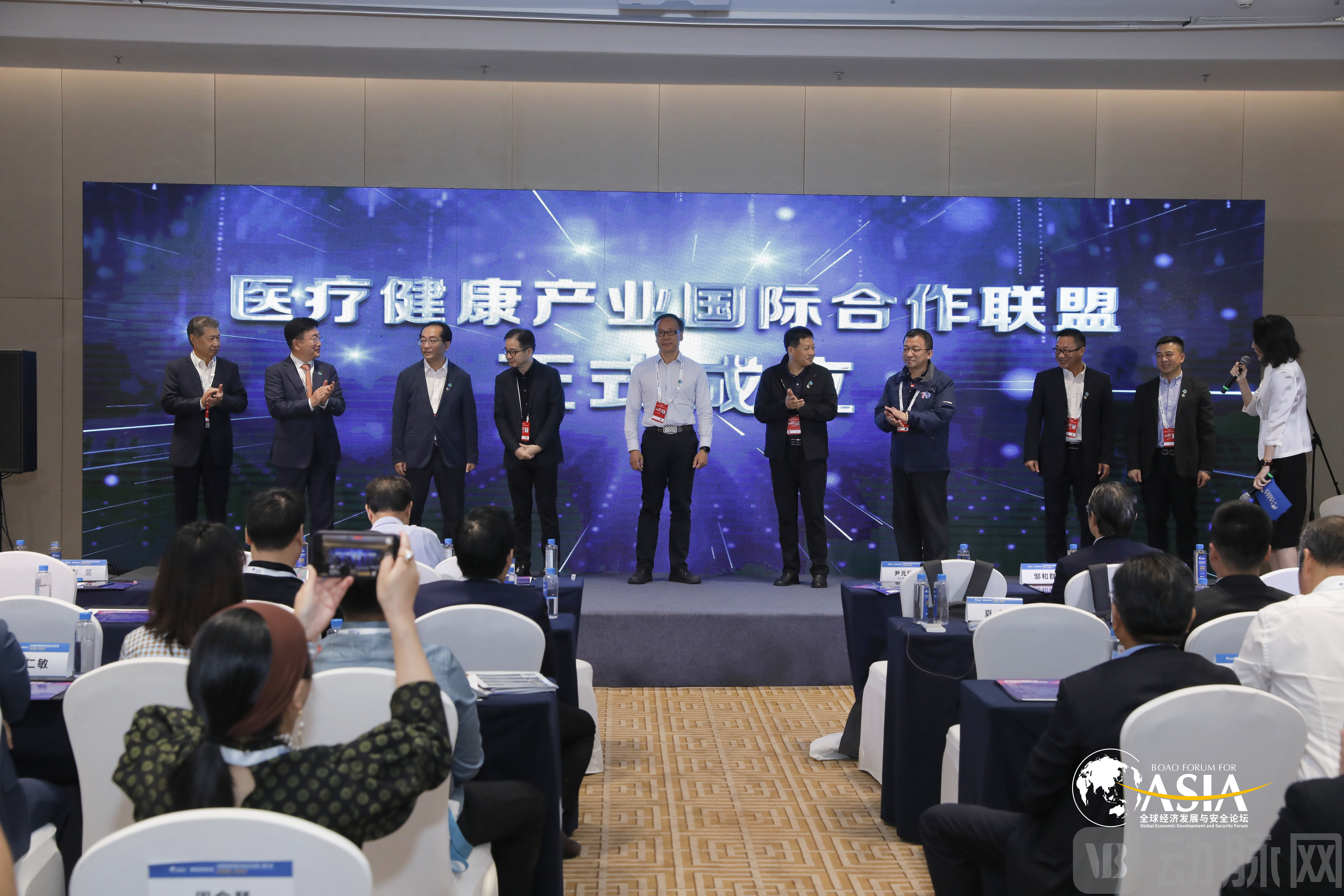
Inauguration Ceremony for the Establishment of the International Cooperation Alliance for the Healthcare Industry
It is reported that the International Cooperation Alliance for the Healthcare IndustryGuided by the principles of “policy communication, resource integration, industrial upgrading, and win-win cooperation,” driven by the mission to “serve national strategies, serve industry enterprises, and serve public welfare,” and upholding the values of “openness, innovation, collaboration, and mutual benefit,” we are committed to promoting international cooperation and innovative development in China’s healthcare industry.
In the future, the International Cooperation Alliance for the Healthcare Industry will promote industrial cooperation and development through various means, including establishing exchange platforms, launching collaborative projects, developing industrial parks, and facilitating talent cultivation.
In recent years, China’s healthcare industry has made remarkable progress and is playing an increasingly important role in global healthcare trade. Cutting-edge technological innovations and outstanding enterprises continue to emerge in fields such as pharmaceuticals, medical devices, and the broader life sciences sector.
For enterprises, international expansion can unlock growth potential and mitigate the risks associated with reliance on a single market. However, amid the current complex and volatile global landscape, ensuring a safe and sustainable “go global” strategy remains a significant challenge.In response, a roundtable discussion themed “How to Build an International Mega-Market for the Healthcare Industry, Achieve Collective Resilience, and Realize Win-Win Cooperation” was held at the forum.
This session is conducted byLin Wanjun, Senior Expert in Healthcare and Pharmaceuticals, China General Consulting Investment Co., Ltd.Moderator. Dr. Lin Wanjun initiated a dialogue on topics such as “How to choose the right path for global expansion? How to accelerate product localization? How can investment institutions support companies expanding overseas? And how do foreign enterprises view the global expansion of Chinese medical and pharmaceutical companies?”
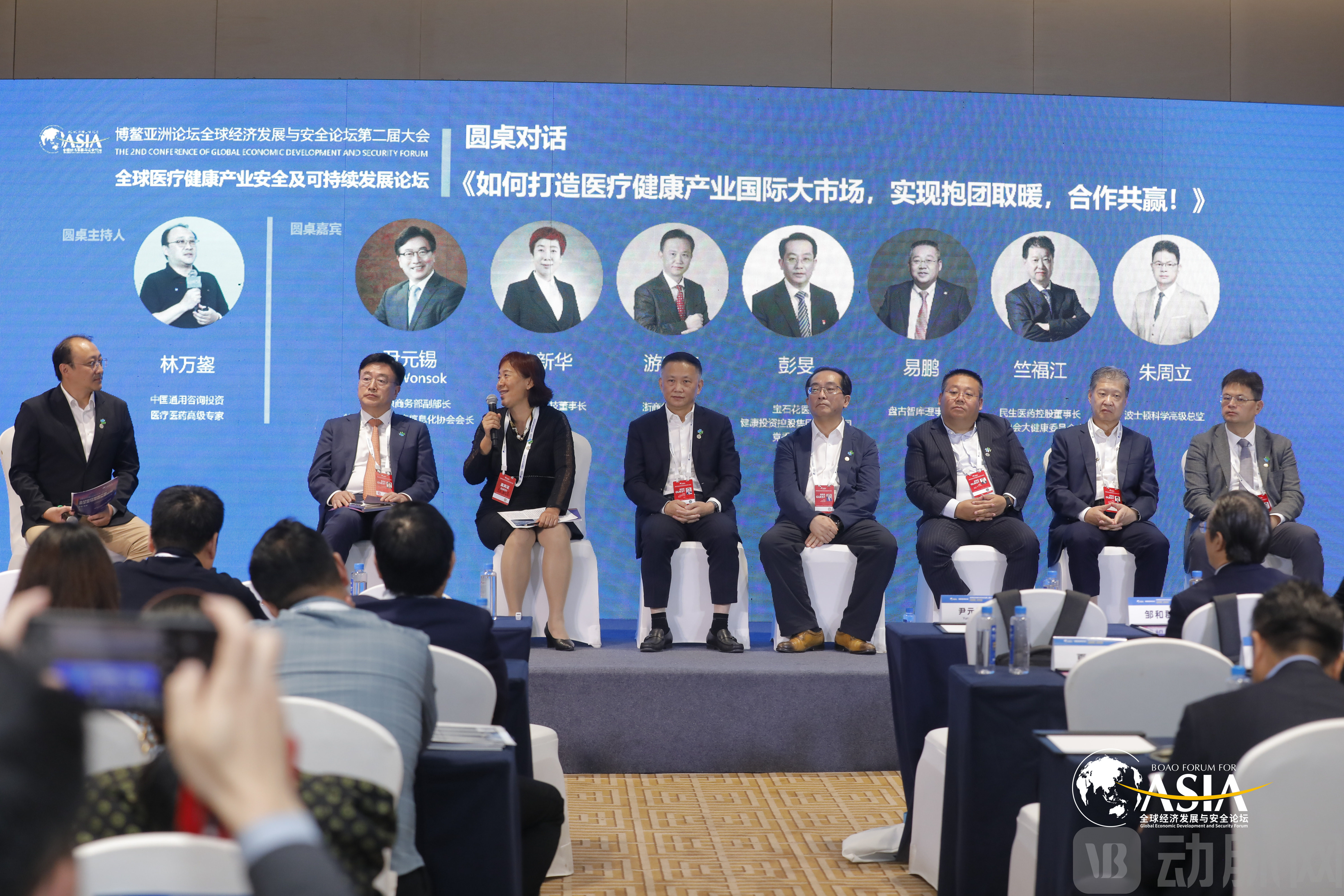
Roundtable Discussion (from left to right: Lin Wanjun | Senior Expert in Healthcare and Pharmaceuticals, China General Consulting Investment Co., Ltd.; Yin Yuanxi | Former Vice Minister of the Ministry of Commerce of South Korea, President of the Korea M&A and Healthcare Informatics Association; Chen Xinhua | Chairman, Hangzhou Ruidi Biotechnology Co., Ltd.; You Xiangdong | President, Zheshang Venture Capital Co., Ltd., Executive Chairman of the Greater Health Committee of the Zhejiang Entrepreneurs Association; Yi Peng | Chairman, Pangu Think Tank; Zhu Fujiang | Chairman, Hangzhou Minsheng Pharmaceutical Holding Group Co., Ltd., Vice President of the Zhejiang Entrepreneurs Association, Chairman of the Greater Health Committee of the Zhejiang Entrepreneurs Association; Peng Min | Deputy Secretary of the Party Committee, Baoshihua Healthcare Investment Holding Group Co., Ltd.; Zhu Zhouli | Senior Director, Boston Scientific)
Opportunities and Challenges Facing Chinese Enterprises Going Global Amidst the Trend of Globalization, Zhu Fujiang pointed out that going global is an inevitable trend for the development of Chinese enterprises. The first and greatest challenge to be faced is the sharp rise in geopolitical conflict risks; against the backdrop of significant uncertainty in the external environment, companies must determine how to conduct overseas operations. The second challenge lies in policy changes. Before expanding overseas, Chinese enterprises should strengthen the collection of policy information and strategic planning, formulate scientific and reasonable overseas development strategies and plans, and adjust their strategies in a timely manner in response to policy and market changes.
How Do Multinational Corporations View the Challenges Faced by Chinese Companies in Their Global Expansion?Zhouli ZhuMeeting the market access requirements of different countries has become the first major hurdle for Chinese companies expanding overseas. Among these, the registration requirements of the European Union and the U.S. FDA are the highest and most stringent, making them typically the first destination for Chinese enterprises going global. Taking Boston Scientific as an example, it holds registration capabilities in over 100 countries worldwide; therefore, Boston Scientific also distributes technological products from Chinese companies, helping innovative Chinese technologies reach international markets.
How Policies Drive Innovation in Chinese Enterprises and Facilitate International Integration, Yi PengIt is believed that, first and foremost, the systematic coordination of policy formulation across various government departments should be strengthened. Enterprises should also enhance their capacity to align with and comprehend policies, for instance, by establishing dedicated departments to study government policies. These departments would help interpret government documents such as laws, regulations, and industry standards; capture the latest industry developments; analyze and assess the impact of policies on the industry and enterprises; and provide strategic recommendations for corporate development.
The Role of Core Central State-Owned Enterprises in the Wave of Chinese Medical and Pharmaceutical Global Expansion, Peng MinIt was pointed out that “going global” aligns with the national grand strategy of the Belt and Road Initiative. As a central state-owned medical group, it must first assume this political responsibility by projecting confidence and determination in the strategy and showcasing China’s healthcare capabilities abroad. In advancing this strategic deployment, central state-owned enterprises also need to engage in discussions on development and foster collaborative partnerships with various stakeholders across China’s healthcare industry.
Capital as the Primary Driving Force of the Healthcare Industry, How to Help Enterprises Go Global? You XiangdongIt points out that the transformation of medical scientific and technological achievements is characterized by high risk, substantial investment, and long payback periods. Capital cannot guarantee returns at the early stage, nor is it willing to bear the costs. Therefore, although international cooperation is becoming increasingly strained, health remains a common aspiration for all humanity. Chinese healthcare enterprises should still strengthen the introduction of overseas resources and engage in collaborative R&D to gain recognition from the capital market. It is foreseeable that future international cooperation in the global healthcare industry will be promising.
Accurate Identification of Clinical Scenarios in the Process of Medical-Engineering Translation, Chen XinhuaThe key lies in distinguishing between “innovation” and “pseudo-innovation,” with the criterion for such differentiation being whether the solution can address unmet clinical needs. Physicians are the most authoritative voices on this matter. Therefore, Chen Xinhua believes that physicians should lead the research and development process in medical-engineering translation, and that the resulting technological products must ultimately be validated in clinical settings to confirm their innovativeness and practicality.
How Can China, South Korea, and Other Asian Countries Establish Globalized and Cross-Regional Cooperation?Yuanxi Yinstated that new technologies bring new opportunities and will also generate new commercial value. In addition to strengthening international R&D collaboration, it is essential to establish broader and more comprehensive partnerships. South Korea’s manufacturing capabilities are among the world’s best, and it holds a leading advantage in the CDMO and CRO sectors of the healthcare industry. Leveraging the geographical proximity between China and South Korea, Chinese innovative technologies can expand overseas through South Korea’s third-party professional service providers.
Following the roundtable discussion, the forum featured a dedicated Q&A session with the audience. The seven panelists shared their unique insights and in-depth reflections on questions raised by attendees, including “how to align medical economy development with policy trends,” “the combined strategy of healthcare services and pharmaceutical companies for global expansion,” and “the roles and transitions of entrepreneurs and clinical experts,” as well as other hot topics in the industry. Their contributions helped participants gain a better understanding of global industry dynamics and provided valuable guidance for corporate development and transformation.
China’s healthcare industry has developed into a large-scale, well-structured, and technologically advanced industrial system. However, the world is undergoing profound changes unseen in a century. Against the backdrop of domestic innovation and international collaboration—key themes of our time—both the shifting demands during societal transition and the disruptive impact of digitalization and smart technologies on the sector signal that the next decade will bring greater challenges and more opportunities for the healthcare industry.
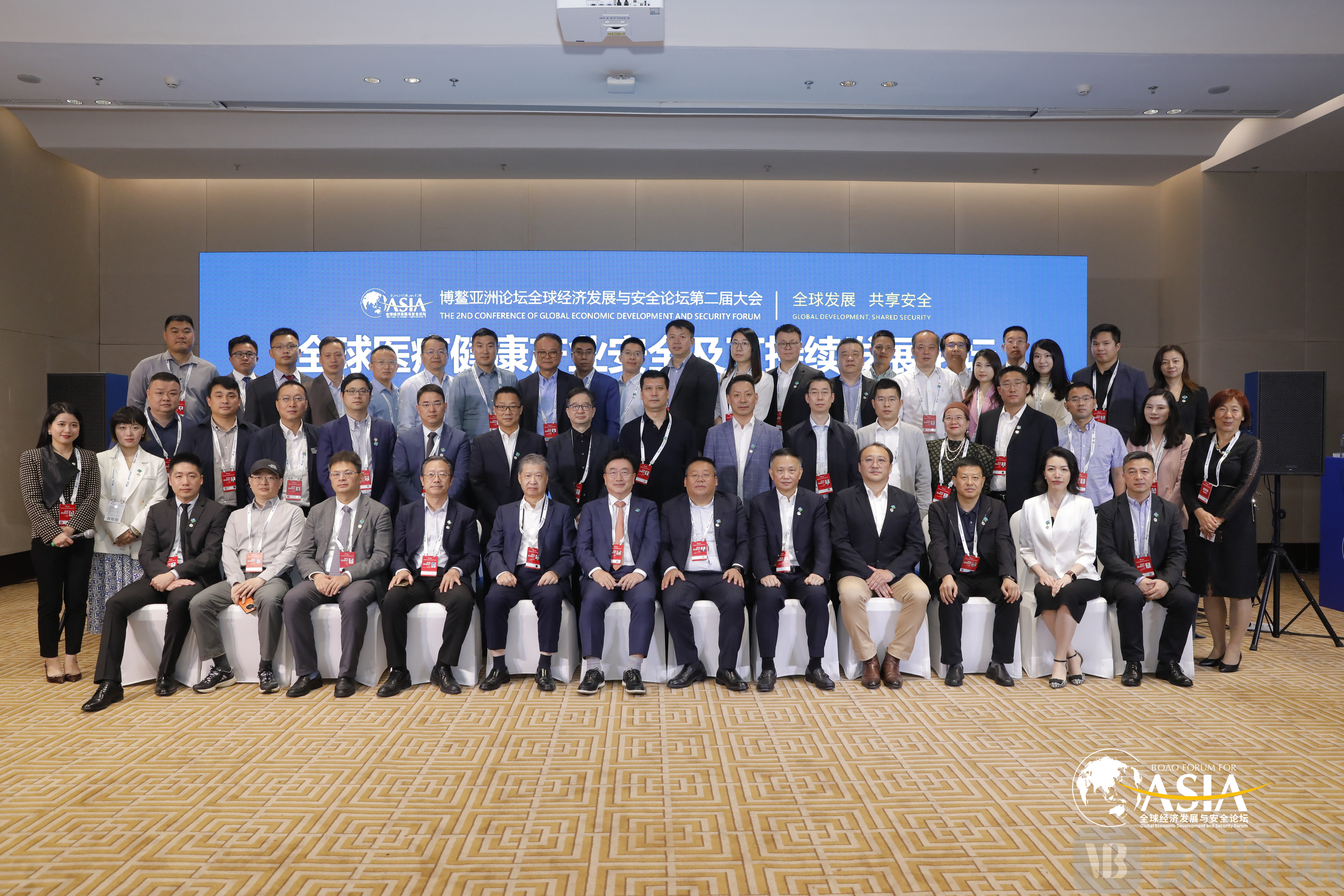
Group Photo of Attendees
“Those who share the same aspirations are not separated by mountains or seas.”In the face of the “great changes” unfolding subtly yet profoundly, governments, enterprises, and market participants must stay attuned to the pulse of the times and continuously iterate and surpass themselves. Among these forces, the International Cooperation Alliance for the Medical and Health Industry, guided by the principles of “policy communication, resource integration, industrial upgrading, and win-win cooperation,” will support the safe, sustainable, and innovative development of the medical and health industry through various means, including building exchange platforms, launching cooperative projects, establishing industrial parks, and promoting talent development. In doing so, it aims to unlock greater possibilities for the industry, society, and humanity as a whole.