

Palleon Pharmaceuticals: Pioneering Glyco-Immune Checkpoint Inhibitors to Transform Cancer Therapy
Palleon Pharmaceuticals
Developer of Immune Modulatory Drugs
Over the past decade, immunotherapy has revolutionized cancer treatment. Cancer immunotherapy via immune checkpoint blockade (ICB), including antibodies targeting cytotoxic T-lymphocyte-associated protein 4 (CTLA-4) and PD-(L)1, has significantly improved prognoses for cancer patients.
However, even PD-1 inhibitors, hailed as “miracle drugs,” do not achieve a 100% response rate in patients. Relevant data indicate that the objective response rate to PD-1 monotherapy is only 10%–20%, whereas combination therapy with other agents can increase the efficacy rate to over 60%. Therefore, there is an urgent need to identify novel development strategies that more effectively engage anti-tumor immune responses, thereby expanding the population of patients who benefit from treatment.
In search of a breakthrough, some scientists have focused on sugar molecules on the surface of cancer cells—sialoglycans (sialic acids).Sialylated glycans are a specialized class of glycans that can be recognized by a range of surface proteins, which are primarily expressed on innate immune cells and also on activated T cells at tumor sites.
From the team of Professor Heinz Lubli at the Department of Biomedicine, University of Basel, Switzerland, andCarolyn Bertozzi, Professor at Stanford University and 2022 Nobel Laureate in ChemistryStudies by et al. have found that cancer cells can evade immune cell attack by binding sialylated glycans on their surface to immunosuppressive receptors.This study demonstrates the efficacy and feasibility of therapeutic desialylation in antitumor therapy and highlights its potential for combination with classic immune checkpoint inhibitors.
To further advance the development and application of glycoimmunotherapy, Professor Carolyn Bertozzi co-founded Palleon Pharmaceuticals in 2015 with Jim Broderick and Paul Crocker. The company focuses on drug development targeting the glycoimmune checkpoint axis (Siglec–sialoglycan) as its primary mechanism, primarily for cancer treatment and other therapeutic areas, including infectious diseases, neurodegeneration, inflammation, and fibrosis.
Three Companies Achieve Over 2 Billion in Sales; Fourth Venture Co-Founded with Nobel Laureate in Chemistry
In 2015, Jim Broderick, the first entrepreneur-in-residence at SR One (formerly the venture capital arm of GSK), sought opportunities to launch his fourth company. For the preceding 14 years, Broderick had served as a partner at Morgenthaler Ventures, focusing on investments in biotechnology and medical devices.
Since 2004, Broderick has been dissatisfied with merely serving as an investor in the industry, and subsequently joined the boards of directors of OncoMed and Spine Wave. In 2006, Broderick co-founded the biotechnology company Promedior, which was dedicated to developing therapeutics for idiopathic pulmonary fibrosis, and was later acquired by Roche for an upfront cash payment of $390 million. In 2007, Broderick founded SetPoint Medical to develop implantable neurostimulation devices for the treatment of inflammatory diseases. Subsequently, Broderick co-founded the biopharmaceutical company Ra Pharma, which went public on the NASDAQ in 2016 and was acquired by UCB for $2.1 billion in 2019.
For his fourth venture, Broderick turned his attention to the field of innate immunity—specifically, sialylated glycans present on innate immune cells and activated T cells at tumor sites. This led Broderick to collaborate with Professor Carolyn Bertozzi, a renowned expert in sialylated glycans and cancer therapy. Notably, Bertozzi’s research built upon the early cell culture experiments conducted by another scientist, Paul Crocker.
After in-depth discussions, Broderick, Carolyn, and Paul decided to co-found Palleon in 2015. In an interview with foreign media, Broderick also revealed a minor episode from that collaboration: at the time, glycobiology was complex and its prospects were unclear, which deeply concerned Carolyn. However, Broderick told her, “I firmly believe that glycobiology holds tremendous opportunities in the field of cancer, and I have already abandoned the advancement of other projects for this purpose.”
Exploring New Mechanisms in Cancer Therapy: The Glyco-Immune Checkpoint Axis
In late 2022, research on glycoimmunology by Professor Carolyn Bertozzi and the team of Professor Heinz Lubli from the Department of Biomedicine at the University of Basel, Switzerland, was published in Science Translational Medicine. This study also demonstrated the feasibility of the technological approach that Palleon Pharmaceuticals has adhered to for many years.
In the tumor microenvironment, tumor sialylation contributes to the establishment of an immunosuppressive environment and inhibits anti-tumor immune responses by engaging immunomodulatory immunoglobulin-like lectins (Siglec receptors) expressed on tumor-infiltrating immune cells.PalleonAdoptedGlyco-Immune Checkpoint Axis——Sialic Acid Glycan-Siglec AxisIt is a novel immune checkpoint that can serve as a target to drive innate and adaptive anti-tumor immunity.
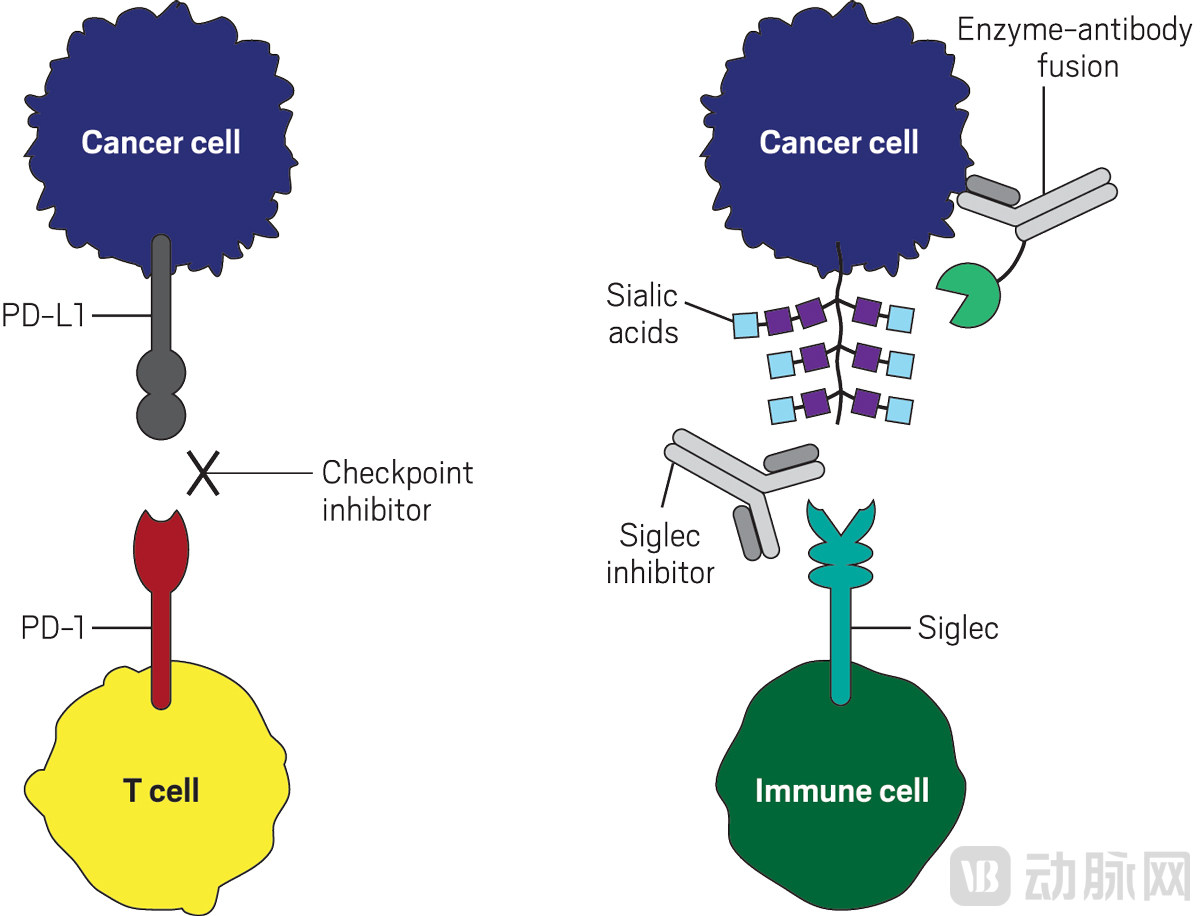
Humans express at least 14 distinct Siglecs, each with different preferred sialylated glycan ligands. These receptors exhibit broad expression patterns in the immune system in response to sialylated glycans of diverse structures; however, the precise mechanisms remain unclear, and the immunosuppression they mediate in cancer cannot be addressed by conventional approaches.
To address this issue, Palleon, which focuses on drug development targeting the sialoglycan-Siglec axis as its primary mechanism, has developed the EAGLE and HYDRA platforms.
EAGLE Platform
The EAGLE platform primarily develops engineered human sialidases, which remove sialic acids from the surfaces of tumor and immune cells via enzymatic reactions, thereby reversing sialic acid-induced immunosuppression and enhancing anti-tumor immunity.
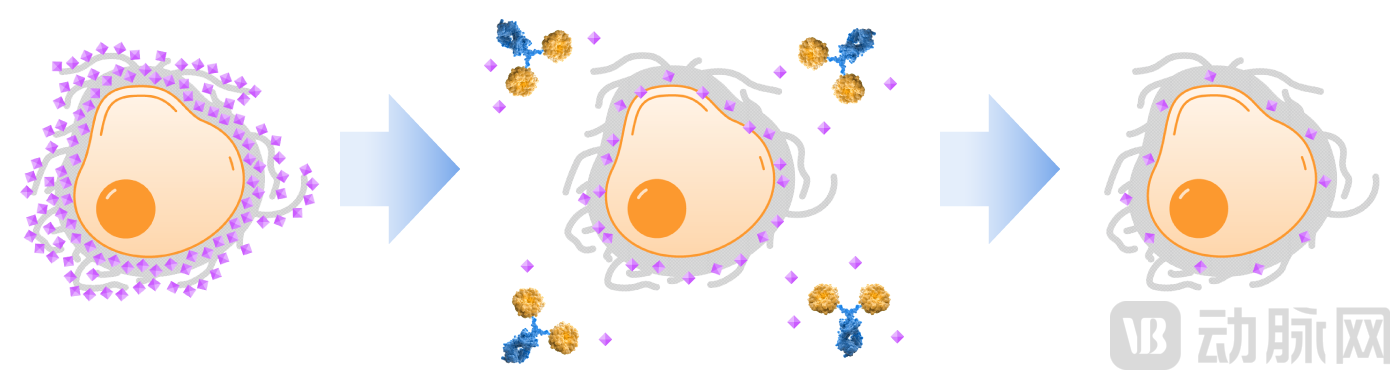 Tumor Desialylation Process. Image source: Palleon official website
According to Palleon, the mechanism of action of EAGLE technology is designed to target both innate and adaptive immunity. In vivo studies have demonstrated that EAGLE technology can reduce sialic acid levels on the surface of tumor cells. Furthermore, multiple EAGLE agents have achieved complete tumor regression as monotherapy in preclinical tumor models.
HYDRA Platform
The HYDRA platform is a translational research technology based on immunohistochemistry that identifies sialylated glycan signatures on the surface of patient-specific tumors. It quantifies the density of immunosuppressive sialylated glycans in cancer patient samples for clinical development and pharmacodynamic activity assessment, thereby addressing the challenge of detecting cell-surface glycan patterns caused by the heterogeneity and complexity of sialylated glycans.
Currently, the HYDRA platform is primarily used to prioritize indications, develop future clinical patient enrichment strategies, and guide the optimal dosing of candidate therapeutic agents.
Multiple Candidate Pipelines, Partnering with Domestic Pharmaceutical Companies
In 2006, Dr. Peng Li, who holds a Ph.D. in Biochemistry and Molecular Biology from the University of California, Davis, joined Palleon Pharmaceuticals as CEO. Previously, Dr. Li spent over 15 years at MedImmune and AstraZeneca, where he led drug discovery programs and multiple cross-functional project teams. Additionally, Dr. Li has published more than 30 papers and holds 20 patents.
After joining Palleon, Dr. Li Peng led the development and invention of the EAGLE and HYDRA technology platforms and directed early-stage research and development efforts, including pharmacology, toxicology, and CMC. Evidence indicates that dysregulation of sialoglycans is also associated with various inflammatory diseases, including rheumatoid arthritis, idiopathic pulmonary fibrosis, and autoimmune vasculitis. Currently, Palleon’s pipeline primarily focuses on oncology and inflammatory diseases.
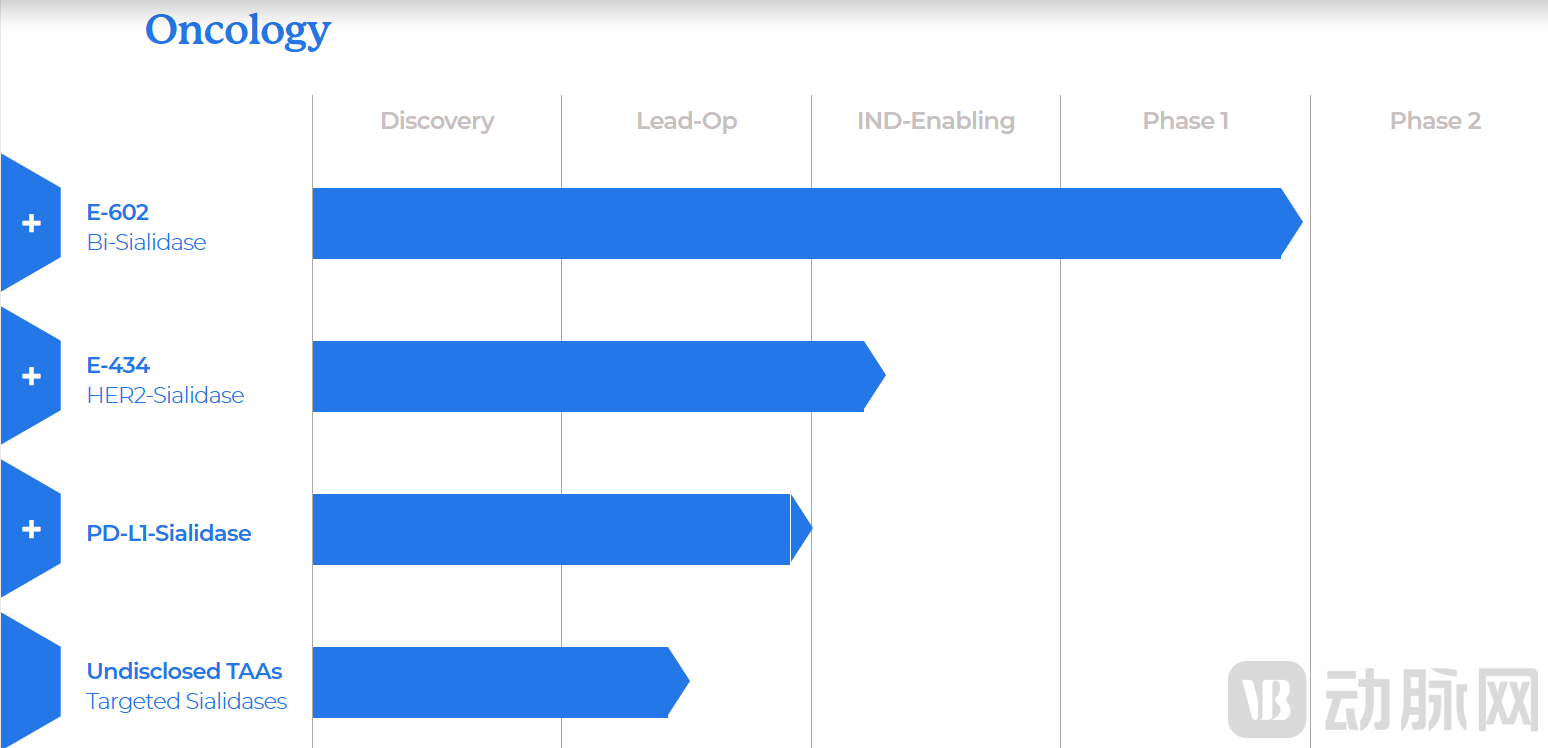 Cancer Candidate Pipeline Image source:PalleonOfficial Website
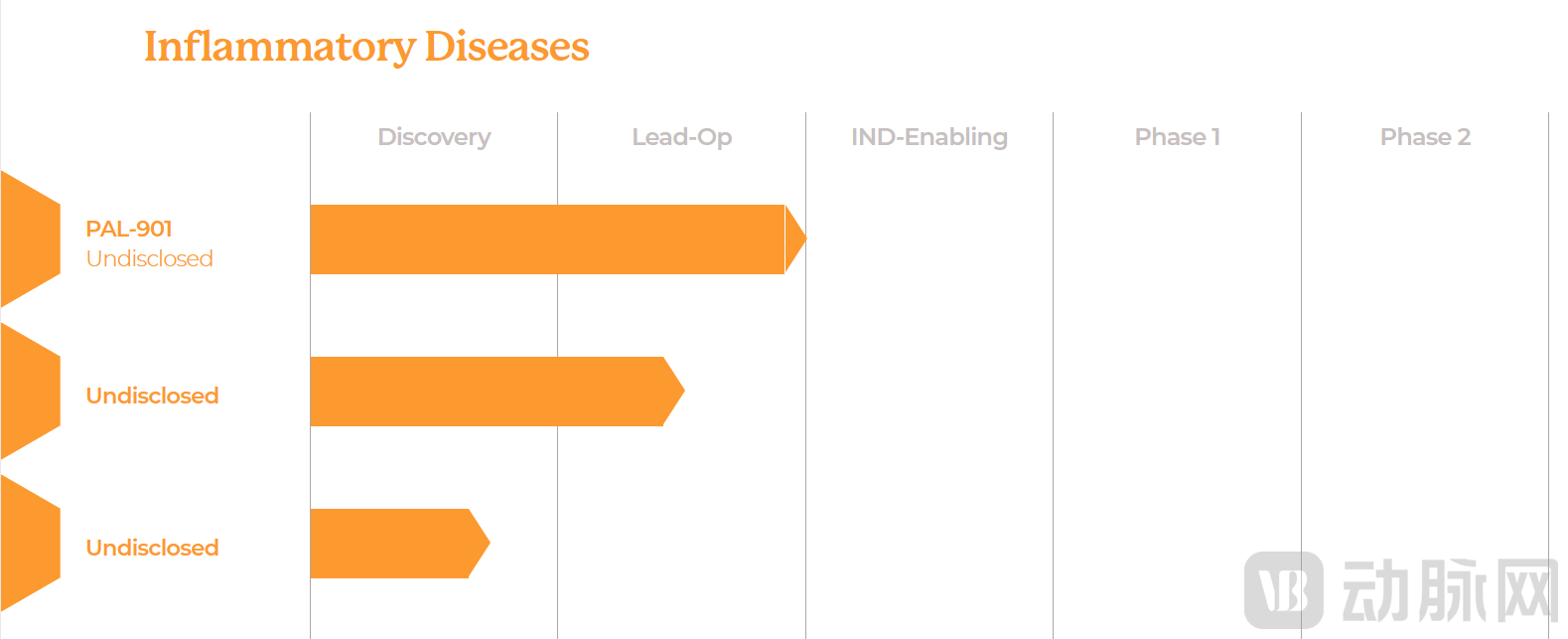 Inflammatory Disease Candidate Pipeline. Image source: Palleon official website
The following introduces several of Palleon’s key pipeline candidates.
E-602
E-602 is a potential first-in-class sialidase fusion protein developed by Palleon based on the EAGLE technology platform. It fuses sialidase (Neu2) with the Fc fragment of a human antibody, and can restore anti-cancer immunity by degrading immunosuppressive sialoglycans on the surface of tumor and immune cells.
Preclinical studies have demonstrated that E-602 removes sialic acid from T cells and tumor cells, restoring innate and adaptive anti-tumor immune responses, while exhibiting superior anti-tumor activity as a monotherapy in multiple murine tumor models.
Phase I clinical data showed that a 32-day repeat-dose GLP toxicity study of E-602 in non-human primates (NHPs) demonstrated good tolerability, with the no-observed-adverse-effect level (NOAEL) determined to be 100 mg/kg. Results from the Phase I trial of E-602 validated its mechanism of action as a glyco-immune checkpoint inhibitor, demonstrating dose-dependent reduction of sialic acid modifications on peripheral immune cells and activation of circulating immune cells. Currently, the Phase I/II clinical trial of E-602 was launched this June and will evaluate patients with advanced cancer.
E-434
E-434, a HER2-sialidase, is also derived from Palleon’s EAGLE technology platform. HER2-sialidase targets tumors expressing HER2 (low or high expression) to enhance desialylation of tumor cells. These molecules retain the anti-tumor activity of their HER2 targeting moiety.
In June 2022, Palleon Pharmaceuticals entered into a strategic collaboration with Henlius to jointly develop HER2-sialidase conjugates. Palleon will lead early-stage research on two product candidates, while both parties will jointly oversee preclinical and global clinical development and share the associated costs. Henlius will hold exclusive licenses for the two products in China (including Hong Kong, Macau, and Taiwan), while Palleon will retain rights in all other global territories. For the second product candidate developed under the collaboration, Henlius will grant Palleon an exclusive license in Palleon’s territories based on its antibody technology, and will be entitled to sales royalties from Palleon’s territories under this license. Palleon will receive an upfront payment, as well as up to $196.5 million in R&D and commercialization milestone payments, and will also be eligible for sales royalties from Henlius’s territories.
PD-L1-Sialidase
PD-L1-sialidase is also a novel glyco-immuno-oncology therapeutic agent from Palleon’s EAGLE platform. PD-L1-sialidase is designed to target tumor and immune cells expressing PD-L1, thereby enhancing desialylation of both tumor and immune cells. These molecules also block the PD-1/PD-L1 interaction.
In the CT26-hPD-L1 transgenic syngeneic mouse tumor model, PD-L1-sialidase more efficiently removed sialic acid from the surface of PD-L1-expressing immune cells and tumor cells, demonstrating superior antitumor activity compared to its parental sialidase or anti-PD-L1 monoclonal antibody.
Palleon, a pioneer in glyco-immunotherapy, began advancing collaborations and engagements with domestic pharmaceutical companies after Li Peng assumed the role of CEO. In addition to entering into a strategic partnership with Henlius Biotech, Palleon has collaborated with WuXi Biologics since 2018 to jointly advance the development of its innovative biologics pipeline, including its core candidate E-602.
Siglecs and their ligands represent Palleon Pharmaceuticals’ core technological platform, whereas other companies focusing on Siglecs are primarily targeting inhibitory receptors. Currently, the upregulation of Siglec-9 ligands has been confirmed in human colorectal cancer, prostate cancer, breast cancer, and non-small cell lung cancer. Companies such as Innate Pharma and Alector have joined the immuno-oncology trend, conducting research on multiple Siglec receptors.
At the inaugural conference themed around “Glycoscience,” launched by the American Association for Cancer Research (AACR) in 2018, Joseph Contessa, a radiation oncologist at Yale University, stated, “Since tumors rely on glycoproteins for survival and growth, thenJust like the widely used chemotherapy and proteasome inhibitors,“Drugs that prevent sugar from adhering to proteins will inevitably combat cancer.”