

Liyin Biotech Secures Tens of Millions in Pre-A+ Funding, Breaks Through Ultra-Stable Triple-Helix Collagen Protein Production

G&G Capital
Healthcare Industry Financial Advisory Firm
VCBeat has learned that Shenzhen Renying Biotechnology Co., Ltd. (“Renying Biotech”), a global leader in protein engineering and synthetic biology, recently completed a Pre-A+ financing round worth tens of millions of yuan. The round was led by Haneng Venture Capital, with G&G Capital serving as the exclusive financial advisor for this and subsequent financing rounds. Following the completion of this funding, Renying Biotech will continue to increase its investments in manufacturing, new pipeline R&D, and product promotion, leveraging its strengths in structural biology to further advance the development of synthetic biology.

According to Frost & Sullivan data, the market size of recombinant collagen increased from RMB 1.5 billion in 2017 to RMB 10.8 billion in 2021, and is projected to reach RMB 108.3 billion by 2027, with an expected CAGR of 42.4% from 2022 to 2027. This growth rate surpasses the 25.3% CAGR for animal-derived collagen, indicating that recombinant collagen will become the mainstream in the future collagen market. In the past two years, multiple companies have gone public on various capital market segments, such as the A-share market, Hong Kong Stock Exchange, and Beijing Stock Exchange. Additionally, many companies in the primary market have successively secured substantial financing rounds, signaling that this sector has entered a phase of rapid growth.
Collagen meets the aesthetic demands for anti-aging, skin whitening, and tissue regeneration through both dermal filler and skin booster applications. Based on raw material sources, collagen is categorized into animal-derived collagen and recombinant collagen. The latter offers superior safety profiles, characterized by low immunogenicity, low cytotoxicity, and excellent processability. Furthermore, recombinant collagen is primarily produced via fermentation and purification using Escherichia coli or Pichia pastoris expression systems. Compared to traditional extraction from animal connective tissues, recombinant collagen presents significantly greater potential in terms of raw material sourcing and production efficiency.
Currently, how to enable recombinant collagen to form a triple-helix structure has become the focus of attention in the industry. Natural collagen possesses a complete triple-helix structure and thus exhibits well-defined biological activity. This is manifested by its ability to be recognized by molecules such as integrins, discoidin domain receptors, and glycoproteins on the surface of tissue cells through charged residues within the relatively stable conformation of its triple-helix region. In this way, it promotes cell adhesion, transmits cellular signals, and regulates cell growth, thereby achieving functions such as promoting tissue reconstruction and wound healing, modulating the immune system, and hemostasis.
The synthesis of triple-helical collagen in the human body is a complex process involving multiple reactions, such as hydroxylation and glycosylation, and requiring the participation of various enzymes. This complexity explains why it is difficult for synthetically produced collagen to form a triple-helix structure. Proline and lysine residues on the α-peptide chains are catalyzed by hydroxylases to form hydroxyproline and hydroxylysine, respectively. The hydroxyl groups on hydroxyproline subsequently participate in the formation of hydrogen bonds between peptide chains, which is crucial for the stability of the collagen triple-helix structure. Therefore, achieving proper hydroxylation is a key step in the synthesis of collagen with a triple-helix structure.
Meanwhile, the full-lifecycle stability of the product must also be considered during the collagen modification and design process. For instance, given that the denaturation temperature of collagen is 40°C, cold-chain transportation at 2–8°C is required throughout the entire production and sales process. Improper storage can lead to protein degradation during the shelf life, significantly increasing the costs and risks associated with product development and delivery.
Therefore, the team at Shenzhen Renying Biotechnology Co., Ltd. believes that only manufacturers capable of producing collagen products with a triple-helix structure—while balancing mass production capacity, manufacturing costs, and product stability—can effectively meet broad market demand and achieve differentiated success in fierce market competition.
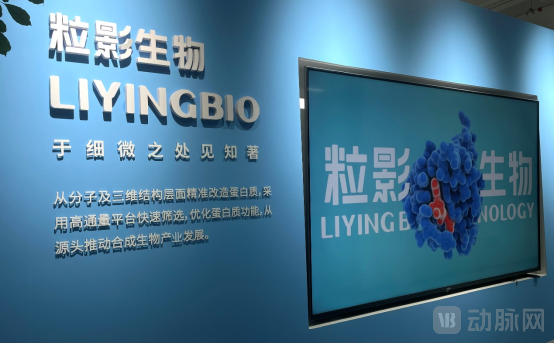
Shenzhen Renying Biotechnology, located in the Synthetic Biology Industrial Park in Guangming District, Shenzhen, currently employs nearly 60 staff members. The company boasts a 1,000-square-meter R&D center and a 3,000-square-meter pilot-scale R&D base. Within just a year and a half of its establishment, Renying Biotechnology has rapidly gained recognition from the market and the industry, receiving certifications as a synthetic biology enterprise, inclusion in the registry of technology-based small and medium-sized enterprises, and honors such as “Emerging Enterprise in Synthetic Biology.” Furthermore, the company’s products have obtained EU CE certification. Recently, Renying Biotechnology jointly established China’s first Natural Sugar Substitute Research Center with the State Key Laboratory of Biocatalysis and Enzyme Engineering at Hubei University, and set up a joint postdoctoral training base with the Affiliated Hospital of Guangdong Medical University.
Dr. Ying Zhang, FounderPreviously a Senior Fellow at the Francis Crick Institute in the UK, a postdoctoral researcher at the UK National Institute for Medical Research, and a PhD graduate from the UCL Cancer Institute, he studied under Sir John Skehel and Dr. Steve Gamblin, Fellows of the Royal Society. During this period, he elucidated the structures of more than ten proteins and assisted multinational pharmaceutical companies in developing precision protein-based therapeutics. He was recruited back to China as a Category B talent under Shenzhen’s “Peacock Plan” for high-level overseas professionals and has published research on structural biology of proteins in prestigious journals such as Science and Nature. Other team members hail from renowned institutions and industry leaders, including Imperial College London, the Shenzhen Institutes of Advanced Technology of the Chinese Academy of Sciences, BGI Genomics, and WuXi AppTec. The team commands a complete technical workflow for state-of-the-art protein performance optimization and design, possesses mature capabilities in technology translation and expansion of application scenarios, and has extensive experience in cloning, expressing, and purifying multi-subunit heterologous protein complexes in both prokaryotic and eukaryotic systems, along with in-depth investigations into their structural, biochemical, and biophysical properties.
The company has established five comprehensive technology platforms for protein engineering, including:
AI-Assisted Protein Design Platform Based on Structural Biology Know-How:It can effectively enhance protein prediction and engineering capabilities, yielding results that more closely resemble the structure and function of native proteins;
High-Throughput Structural Biology Platform:The founder established the world’s earliest high-throughput screening platform at the Oxford Institute. Building on this foundation, Renying has increased the screening speed by tenfold, making it the fastest known method for high-throughput purification and screening.
High-Performance B Cell Antibody Discovery Platform:It offers advantages such as short screening cycles, high throughput, strong diversity, and no species restrictions;
Production-Side Strain Engineering Platform:Based on previous production requirements, directional modifications were made to the strain, such as integrating the cold-adapted chaperone proteins GroEL and GroES from the psychrophilic bacterium *Spirulina antarctica* into *E. coli* competent cells, enabling efficient assistance in recombinant protein folding under low-temperature conditions, thereby increasing protein solubility and yield;
Protein Raw Material Pairing Screening and Validation Platform:Advantages include complex protein raw materials with high R&D scarcity, experimental validation via high-throughput technology platforms, iterative optimization of proteins, and deep customization for application scenarios.
Leveraging the molecular mechanism underlying collagen triple-helix formation, the company has addressed key technical challenges in the industry. Within less than six months, it has successfully achieved the expression and purification of various types of triple-helix collagen in multiple expression systems, including Escherichia coli, yeast, and mammalian cells. Notably, it can maintain the stability of the triple-helix structure at high temperatures, marking an industry first. Furthermore, Renying’s triple-helix collagen exhibits potent cell migration-promoting activity, enabling anti-aging, skin-whitening, and anti-wrinkle effects.
Renying Biotechnology has facilitated the development of over 50 types of high-difficulty protein raw materials, with cumulative orders exceeding RMB 10 million, thereby driving technological breakthroughs and industrialization in recombinant protein products. Meanwhile, Renying’s platform technology is applicable to scenarios such as daily chemicals and medical aesthetics, synthetic biology, enzyme engineering, in vitro diagnostic reagents, vaccine sequence design, and protein macromolecule drugs. The company has established strategic collaborations with nearly twenty downstream industry partners and channel distributors.
Shenzhen Renying Biotechnology Co., Ltd. will uphold the principles of green, efficient, and sustainable development, continuously prioritizing product selection and market scale, building competitive advantages such as technological barriers around high-value-added products, and promoting the sustained and healthy development of the industry.
For this round of investment,Wang Wei, Partner at Hannon Capital“It stated: ‘By engineering the life-sustaining production activities of cells, synthetic biology empowers R&D and manufacturing in sectors such as medical aesthetics, pharmaceuticals, food, bulk commodities, and daily chemicals through green and efficient methods, holding significant importance for the global transition toward sustainability and low-carbon development. The Renying team combines top-tier scientific research expertise with strong industrial backgrounds, dedicated to integrating cutting-edge AI algorithms with outstanding overseas bioengineering experience. This approach aims to comprehensively enhance quality and efficiency across all stages, including protein design, cell engineering, separation and purification, and mass-production management. We remain firmly optimistic about the future of synthetic biology and believe that Shenzhen Renying Biotechnology Co., Ltd. will become a core force in the industry, driving its development by leveraging its unique product selection insights, profound technological accumulation, and extensive industrial resources.’”
About Hanneng Venture Capital
Centered on AI- and “digital-intelligence”-driven technological innovation, we are strategically positioning ourselves in high-growth, long-duration sectors and emerging markets with immense potential, seeking out exceptional entrepreneurial teams with a strong startup spirit and execution capabilities. We focus on investment opportunities in frontier technology sectors such as the AI industry chain, the digital economy, advanced intelligent manufacturing, and carbon peaking and carbon neutrality, leveraging capital to empower leaders in the new economy who possess core competitive advantages in technological innovation.