

Hexanyx Health Sets New Benchmark in Digital Cervical Therapy with AI-Driven Innovation in Motion Rehabilitation
In the work of promoting national physical health, both “physical exercise” and “medical care” are indispensable.
Following the explicit call in State Council Document No. 46 to “vigorously develop sports medicine and rehabilitation medicine,” the integration of sports and medicine has been elevated to a key national development priority.
Not only have official agencies, represented by the General Administration of Sport and the Ministry of Health, successively implemented relevant policies emphasizing “Grand Health, Grand Sports, and Grand Healthcare” to support the development of “sports-medicine integration.” Moreover, with the rise of digital technologies, policies have further clarified the development direction of “accelerating digital transformation and building digital sports,” thereby further boosting the development of smart sports across China.
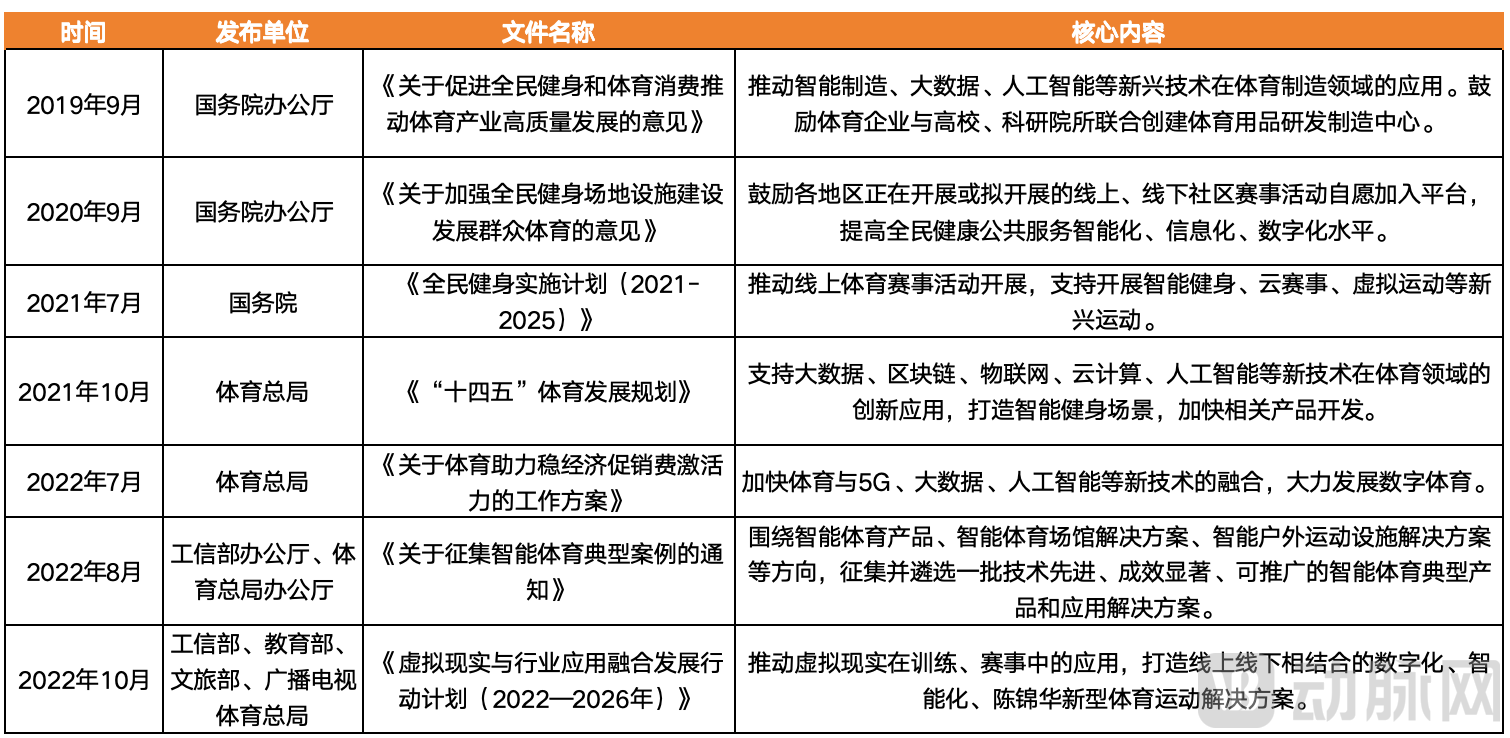
Policy Measures Lead the Development of Smart Sports in China
Driven by multiple factors, including the implementation of favorable policies, the rise of digital technologies, the intensifying aging trend, and evolving health concepts alongside improved living standards, the sports rehabilitation industry has continued to develop positively. According to Frost & Sullivan’s estimates, the market size of sports rehabilitation medical devices reached RMB 45.03 billion in 2021, representing a year-on-year growth of 17.6%. If policy support for the development of the sports rehabilitation medical sector continues, it is projected to generate an incremental market of RMB 102.63 billion for the rehabilitation medical device industry by 2025, highlighting the substantial potential of this market.
It is precisely against this backdrop of development that numerous players have emerged in the industry, including Hexagonal Salamander (Shanghai) Health Technology Co., Ltd. (hereinafter referred to as “Hexagonal Salamander Health”), which was established just last year.
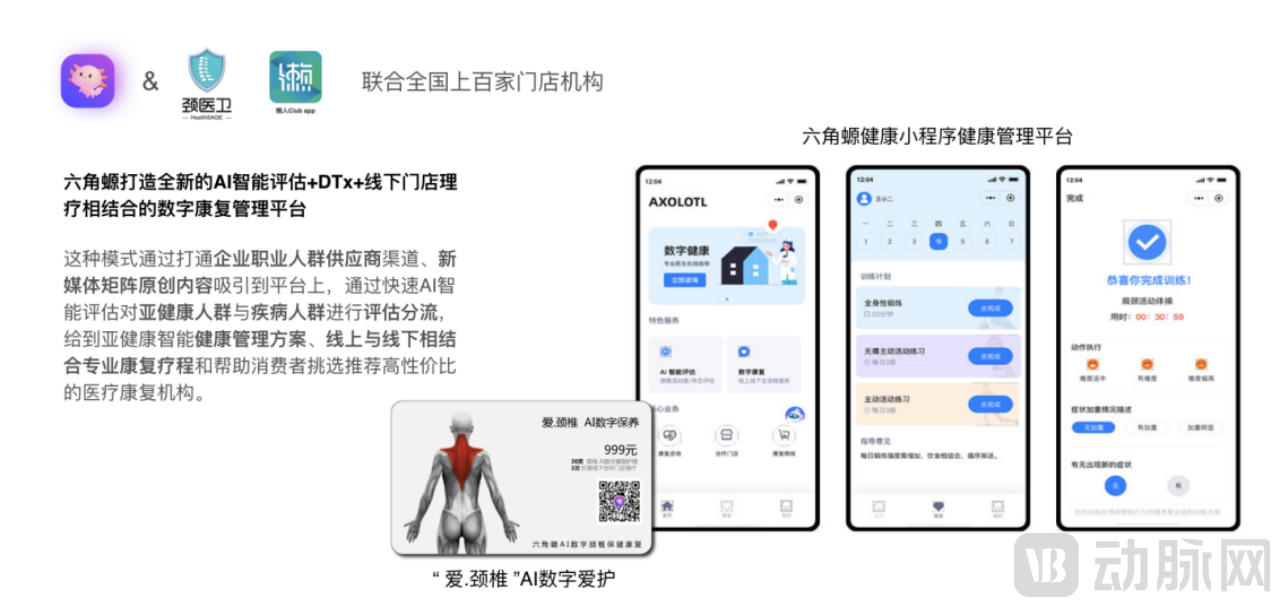
Hexa-Salamander Health is the first enterprise in China to independently develop, with 100% in-house R&D, a high-precision AI motion analysis system, intelligent wearable sensors, and a digital therapeutic (DTx) rehabilitation system. The company is dedicated to empowering rehabilitation and sports institutions with AI-driven digital technologies, helping them enhance their core competitiveness, drive innovation, and improve customer service quality. Its goal is to create a novel digital sports rehabilitation management platform that integrates online and offline services, combining AI-powered intelligent assessment, DTx, and physical rehabilitation institutions.
The core members of the team are primarily graduates from prestigious universities both in China and abroad, including Tsinghua University, the Chinese Academy of Sciences, Tongji University, and Rutgers University in the United States. They have all held key positions at leading industry players such as Huawei, Alibaba, and Tongji Hospital. Furthermore, the founding team of Hexiaoyuan Health has a proven track record of successful ventures in the fields of digital health and digital sports, accumulating extensive practical experience. It is a multidisciplinary team with a composite talent structure integrating medicine, engineering, and sports science.
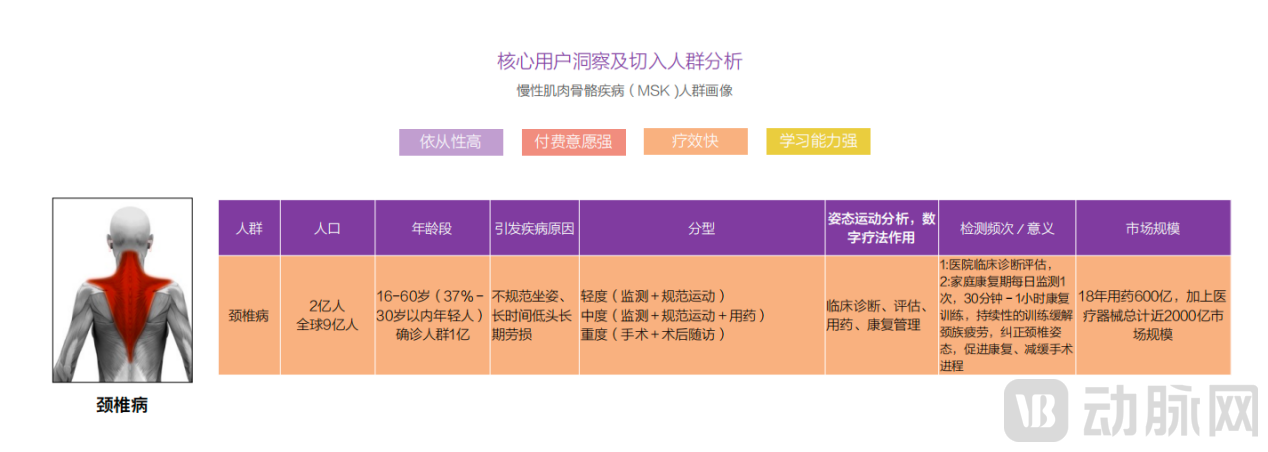
It is precisely for this reason that the Hexa-Salamander Health team possesses keen market insights. From its inception, the company chose to enter the sector of chronic musculoskeletal diseases—a track characterized by a large patient population, high compliance, strong willingness to pay, and rapid therapeutic efficacy.
The founding team has accumulated multiple invention patents and utility model patents for the company through years of R&D in digital sports and digital health, and has mastered a series of R&D achievements, including AI-based 3D motion capture analysis technology, intelligent wearable technology, and intelligent medical rehabilitation modeling technology.
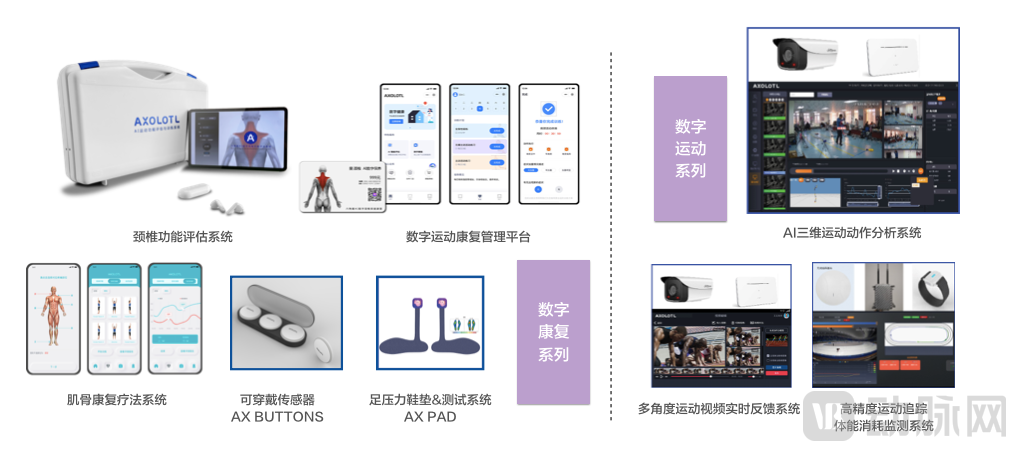
Based on its R&D achievements, Liujiaoyan Health has developed a series of digital rehabilitation and digital exercise products targeting cervical spine disorders. The company plans to leverage its core technologies to gradually expand the application of its solutions to other chronic musculoskeletal conditions, including osteoarthritis, knee pain, hip disorders, lower back pain, and elbow pain.
It is reported that the founding team of Liujiaoyuan Health has been collaborating with sports teams, institutes of sports science, medical institutions, and other relevant organizations since 2018. The team has undertaken multiple scientific and technological support services for the General Administration of Sport of China, serving national teams as well as provincial, municipal, and university sports teams.
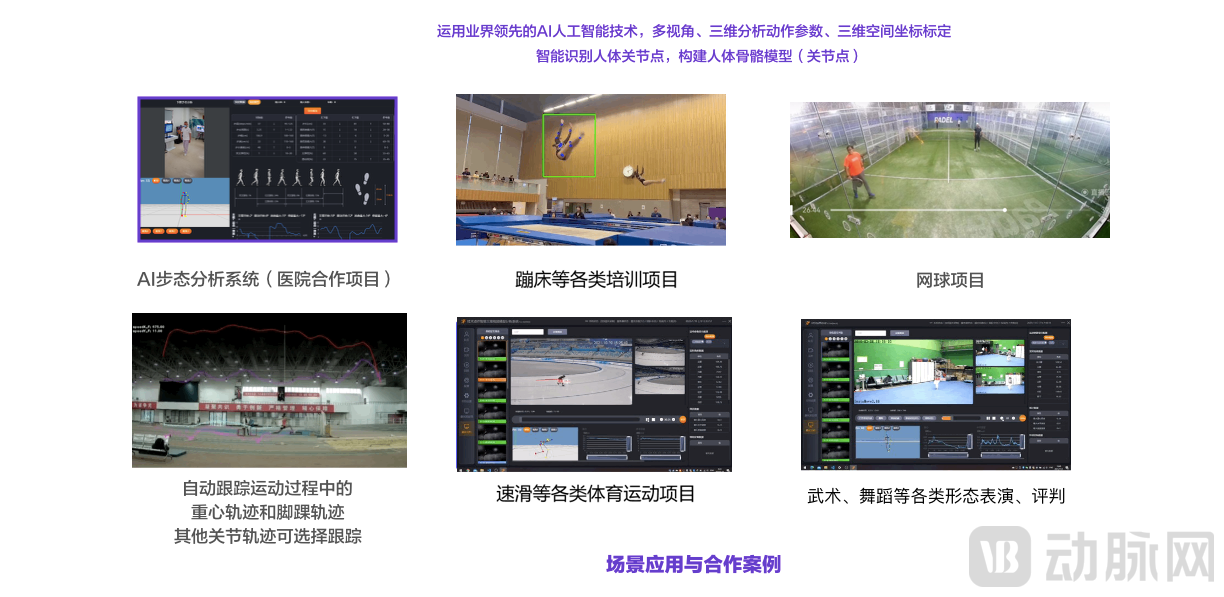
In this process, the company has accumulated a dataset comprising millions of human movement records, as well as AI vision technologies primarily focused on motion and rehabilitation action capture and analysis. Based on this algorithmic model, the solution developed by Hexiaoyuan Health can achieve recognition of more than 25 human joint keypoints.
Meanwhile, the company’s self-developed AI markerless intelligent 3D motion capture and analysis system leverages industry-leading technologies to achieve multi-view 3D spatial calibration, intelligent recognition of human joint keypoints, and 3D analysis of motion parameters, boasting a wide range of application scenarios and collaborative case studies.
In the application of digital rehabilitation system software technologies, AI-IMU technology integrates artificial intelligence deep learning algorithms and advanced filtering algorithms to precisely monitor dynamic movements and generate linear data with an accuracy of ±1°. The intelligent matching technology for rehabilitation exercise libraries leverages a self-developed repository of rehabilitation exercises tailored to different disease classifications based on evidence-based medicine. Combined with AI neural network algorithms, it enables personalized matching of rehabilitation exercises, assisting rehabilitation physicians in more effectively supervising and managing patients remotely. The functional assessment combination system, developed through extensive experimentation by integrating domestic and international clinical literature with the medical team’s clinical experience, innovatively incorporates a visual-assisted navigation subsystem and customized movement standards. By utilizing intelligent algorithms to analyze dynamic data, it helps rehabilitation physicians obtain more professional data assessment reports.
In terms of hardware, the company’s independently developed wearable sensor devices are compact, highly accurate, and ultra-low-power, enabling integration into wearable equipment for dynamic monitoring of the head, neck, and musculoskeletal regions.
Leveraging these core technologies, HexaHealth has partnered with expert teams from renowned Grade-A tertiary hospitals to develop its flagship product—the Medical-Grade AI Wearable Dynamic Cervical Function Monitoring System.
Leveraging AI-driven signal processing technology, this system fits motion data points to medical models and, grounded in muscle physiology, enables cervical spine prevention and dynamic rehabilitation monitoring. Current methods for measuring cervical range of motion—such as visual estimation, tape measurement, goniometry, and X-ray—each have inherent limitations. This system addresses these shortcomings in terms of precision, measurement methodology, and data modeling. Expert panel evaluations have demonstrated that the system can be applied more efficiently and accurately to the assessment, diagnosis, and treatment of cervical spine-related disorders. Its primary applications include dynamic cervical assessment, aiding in the differential diagnosis of cervicogenic headache, classifying different types of neck pain, postoperative rehabilitation, and sports rehabilitation therapy with outcome evaluation.
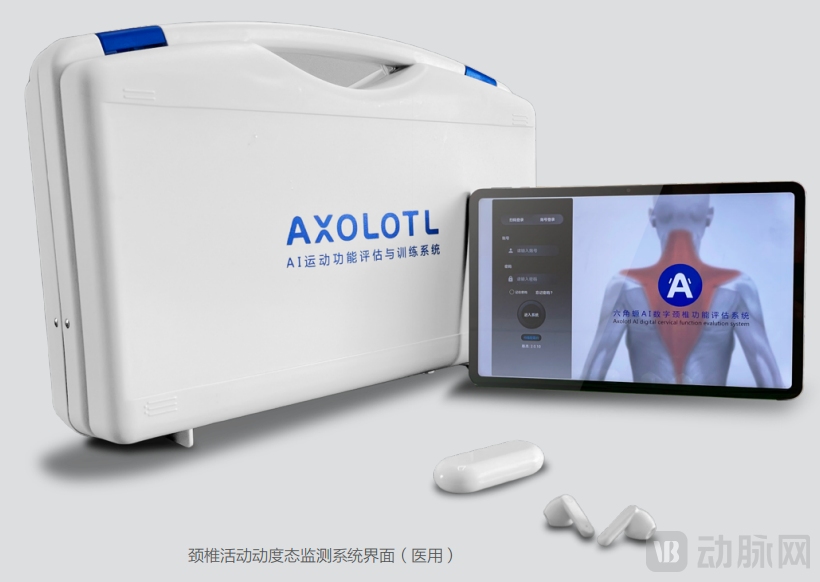
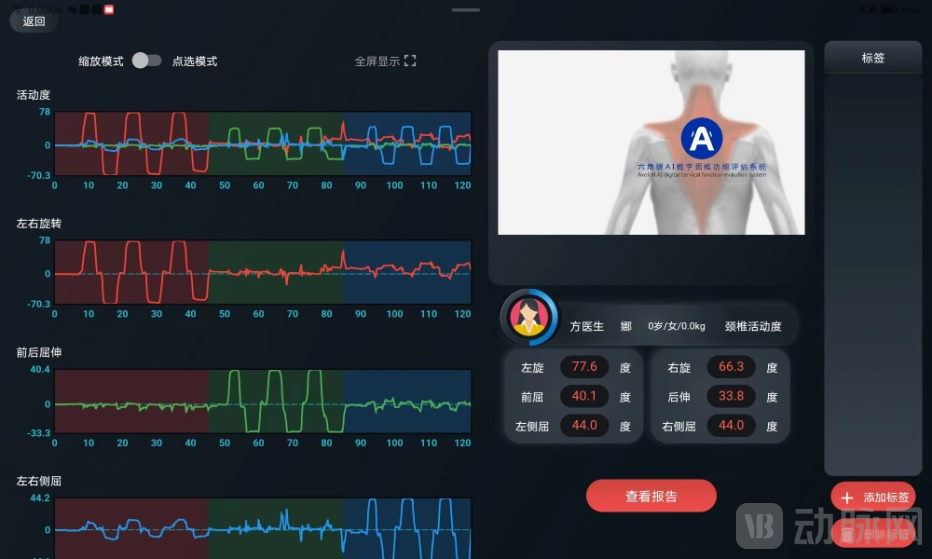
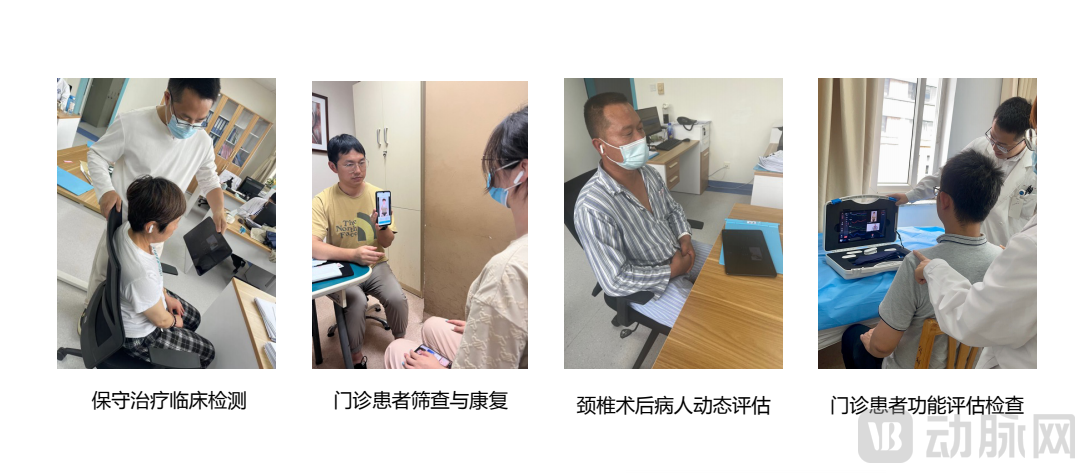
Notably, the company’s core product, the AI Digital Rehabilitation Therapy System, has released its Version 2.0 and entered outpatient departments of renowned Grade A tertiary hospitals in China. The company has also established strategic partnerships with several leading domestic specialized rehabilitation chains. By integrating online and offline services, it provides precise, cost-effective rehabilitation solutions tailored to individuals with suboptimal health or diseases. During rehabilitation, users wear sensors and utilize computer vision-enabled devices to monitor their movements and receive real-time guidance.
“Given the domestic landscape, it is quite challenging to cultivate consumer awareness and habits by relying solely on digital therapeutics, while depending exclusively on offline rehabilitation incurs high costs. Moreover, traditional rehabilitation chain institutions in China are in urgent need of digital transformation. Therefore, we must integrate digital therapeutics with offline treatment, providing digital rehabilitation services as a supplement to the numerous rehabilitation chains in the country. In this way, the combination of online and offline solutions can achieve a mutually reinforcing effect,” said Wang Tianxing, founder of Hexiaoyuan.
Based on the above considerations, Hexagonal Salamander Health has created a closed-loop product ecosystem for digital screening, assessment, and treatment of cervical spondylosis.
Specifically, the company leverages its digital rehabilitation product suite to assist physicians in diagnosis, optimizes patient treatment plans through its independently developed digital medical assessment model system, and ultimately applies its digital prescription solutions, AI vision-assisted wearable sensors, offline rehabilitation services, and physical agent devices to patients via an integrated online-offline model. This approach further empowers B-end institutions such as chain rehabilitation clinics and pharmacies, achieving commercial integration through a combination of online rehabilitation and offline physical therapy.
Sports rehabilitation medicine is a sector with immense potential demand.
From the demand side, the need for sports rehabilitation medical services is becoming increasingly diversified. According to data from the National Fitness Plan (2021–2025) issued by the State Council, the rate of sports injuries among individuals who exercise regularly exceeds 85%. Based on this projection, the number of people suffering from sports injuries is theoretically expected to reach as high as 458 million by 2025, indicating a substantial potential market for rigid rehabilitation demand.
From the supply side, public data indicate that there are currently approximately 36,000 qualified rehabilitation therapists in China, with a therapist density of only 0.026%, revealing a significant shortage. This supply-demand gap will continue to drive industry growth. With the rapid development of the internet, online sports rehabilitation platforms such as Liujiaoyuan Health are increasingly needed to support and advance the industry.
We believe that with OpenAI’s breakthroughs in open AI applications and the maturation of Apple’s Vision Pro augmented reality interactive hardware, human motion capture technology will see broader market opportunities. Meanwhile, Hexagon Health’s solutions will rapidly expand to cover a wide range of chronic musculoskeletal disorders.