

ZEISS and Shanghai Health Cloud Officially Launch Remote Interconnected Patient-Physician Management Platform
On November 7, 2023, at the 6th China International Import Expo, ZEISS partnered with Shanghai Health Cloud to officially launch the Remote Interconnectivity Project for Doctor-Patient Management. This initiative aims to promote the decentralization of high-quality medical resources through an innovative model of digital remote interconnectivity, strengthen remote assistance relationships to enhance primary care diagnostic and treatment capabilities, optimize patient healthcare experiences, provide efficient, high-quality, and convenient ophthalmic diagnostic and treatment services, and thereby advance the “Healthy China” initiative.
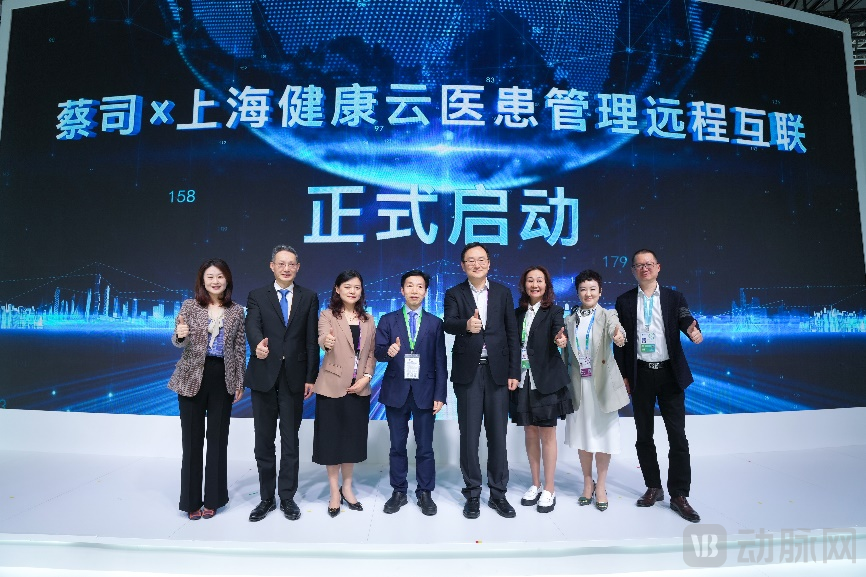 ZEISS × Shanghai Health Cloud: Launch of Remote Interconnectivity for Doctor-Patient Management
The “14th Five-Year Plan for National Eye Health in China (2021–2025)” points out that focusing on key populations and major eye diseases, and continuously promoting effective vision screening and fundus screening, is particularly important. In the prevention and control of eye diseases, China faces insufficient total ophthalmic medical resources and uneven distribution. It is urgent to fully leverage digital technologies to break through temporal and spatial constraints, expand the coverage and accessibility of high-quality medical services, and achieve resource coordination and vertical integration between different levels of healthcare institutions.
Zhou Xingtao, President of the Eye, Ear, Nose, and Throat Hospital of Fudan University, stated, “Strategically advancing informatization and accelerating digital transformation are imperative responses to the increasingly complex and diverse demands for medical services. Promoting the clinical application of digital technologies not only enhances hospital management efficiency and unlocks the academic value of vast data resources but also facilitates high-level hospitals in driving the development of primary care institutions, thereby extending high-quality medical services to the grassroots level and better meeting the public’s urgent need for premium healthcare.”
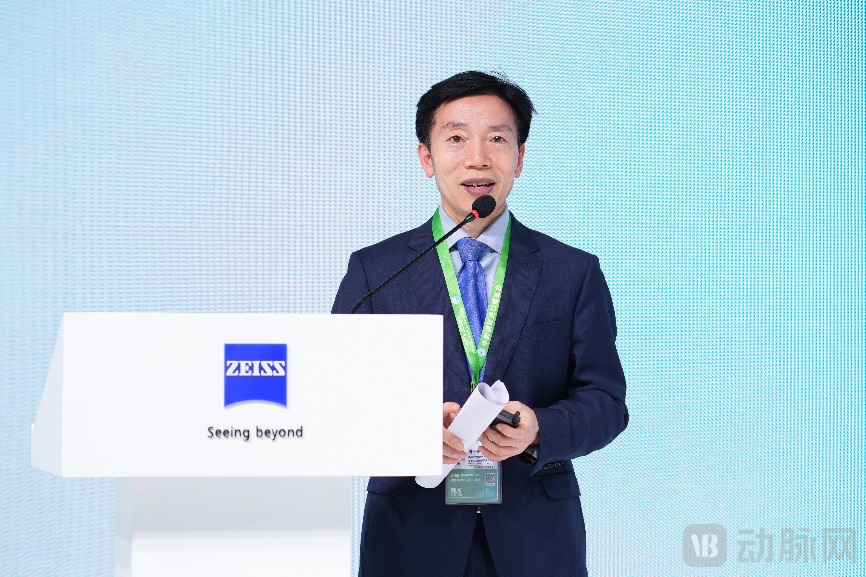 Address by Zhou Xingtao, Dean of the Eye, Ear, Nose and Throat Hospital Affiliated to Fudan University
Maximilian Foerst, President and Chief Executive Officer of ZEISS Greater China, stated, “Adhering to a localization strategy is the foundation for ZEISS’s development and win-win cooperation in China. Leveraging deep insights into the Chinese market, ZEISS continues to harness its century-long heritage of innovation, actively collaborates with local partners to explore the application of digital technologies in ophthalmology, and refines its full-lifecycle eye health solutions, thereby supporting the high-quality development of China’s ophthalmology sector.”
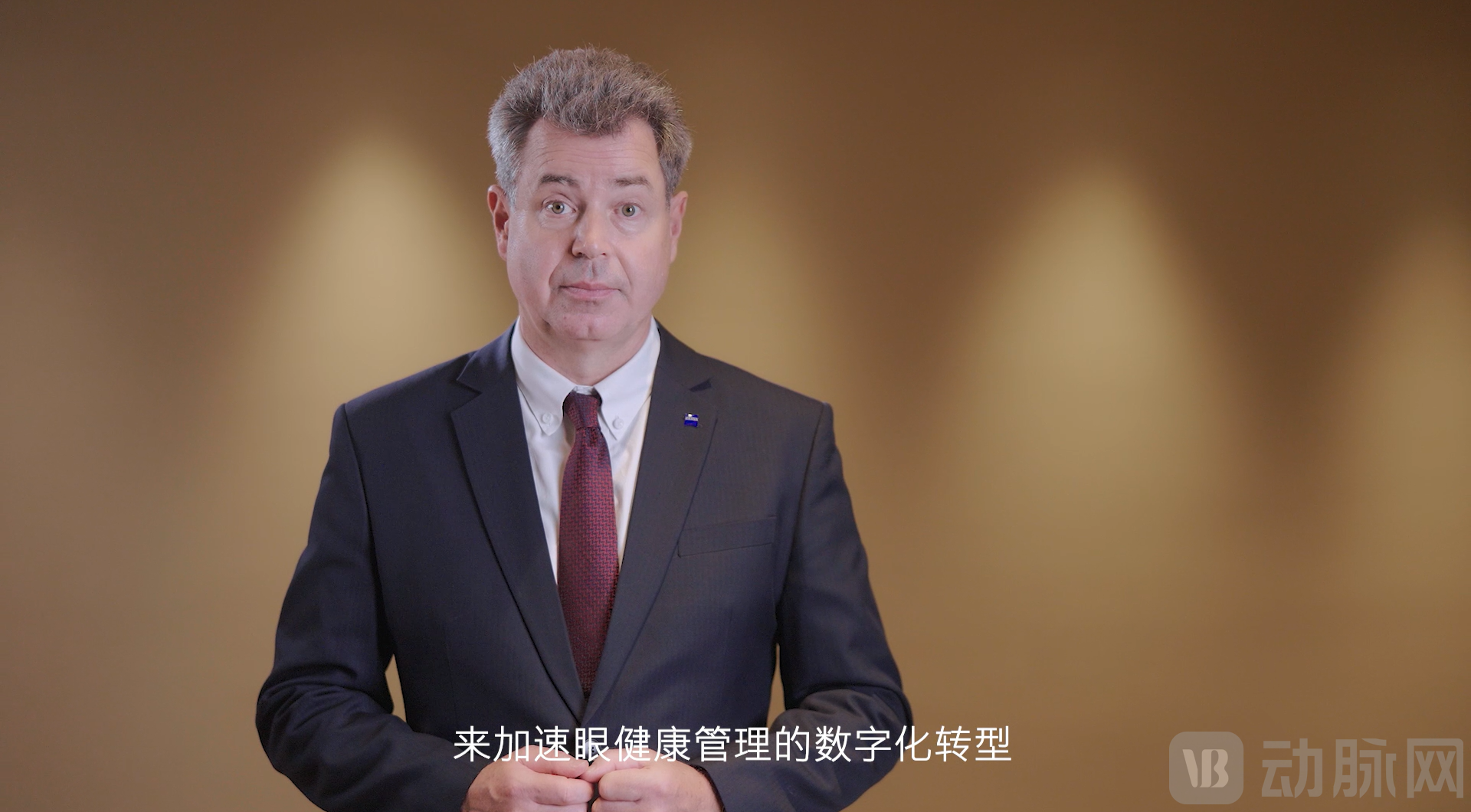 Address by Maximilian Foerst, President and Chief Executive Officer of ZEISS Greater China
Regular check-ups, precise diagnosis, and scientific treatment are key to effective eye health management across all age groups. For the precise prevention and control of myopia in adolescents and children, it is essential to shift the focus upstream by implementing early monitoring, early warning, and early intervention. For middle-aged and elderly individuals, regular fundus examinations not only facilitate the early detection of common eye diseases such as cataracts and age-related macular degeneration but also serve as an “alarm system” for systemic conditions like diabetes and kidney disease in their early stages.
To address the eye health management needs of populations across different age groups, Zeiss has engaged deeply in frontline efforts for the prevention and control of eye diseases. By focusing on solution innovation, enhancing public awareness, and collaborating with local partners for co-creation, Zeiss aims to improve the supply capacity of ophthalmic medical services through digital technologies. Recently, Zeiss launched a myopia management platform that leverages the dual advantages of visualization and digitization to support in-hospital digital management and assist physicians in making precise diagnoses. Such digital products are key drivers in facilitating the implementation of remote interconnectivity. Building on this foundation, Zeiss has partnered with Health Cloud to establish remote interconnectivity for doctor-patient management. By connecting in-hospital and out-of-hospital settings and breaking down data barriers between different products and devices, this collaboration accelerates data integration and value extraction. Examples include promoting the widespread adoption and long-term management of digital refractive development records, gaining insights into the trends of eye diseases, and enabling early intervention, thereby further unleashing innovative value.
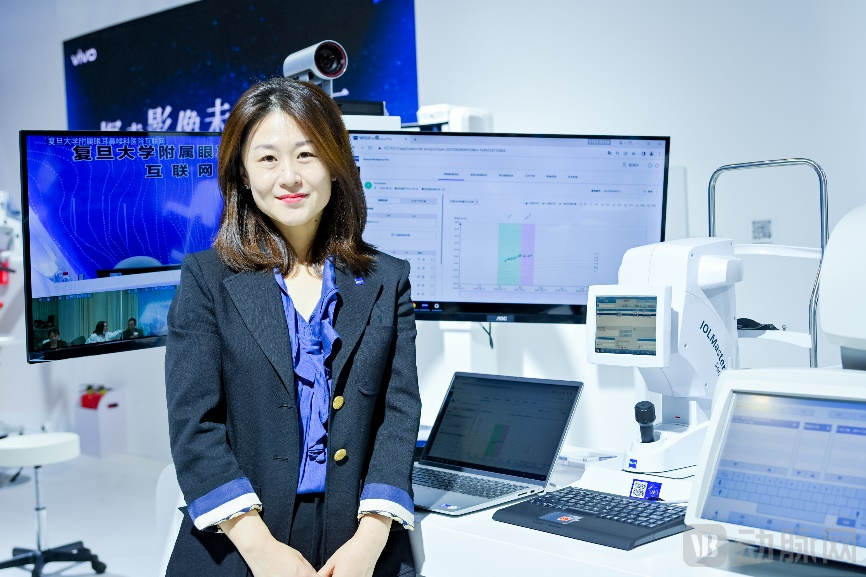 Wang Wei, Head of Zeiss Myopia Control Program
Wang Wei, Head of the ZEISS Myopia Management Program, stated, “Digital innovation in the healthcare sector can continuously enhance clinical efficiency and diagnostic and treatment standards, enabling deep integration between online and offline medical services. Beyond clinical care, ZEISS also applies digital technologies to public science education, creating digital myopia management tools such as the ‘ZEISS Myopia Control Vision Care Hub.’ By linking professional institutions, families, and society, we are actively exploring new paradigms for science popularization and education, thereby helping to improve the national population’s eye health literacy.”
Guided by its localization strategy, ZEISS has consistently maintained an open stance and actively pursued collaborations with local enterprises. In this initiative, ZEISS partners with Shanghai Health Cloud to explore the application of “Internet + Healthcare” in ophthalmic diagnosis and treatment, fully integrating ZEISS’s digital capabilities with the public service advantages of Shanghai Health Cloud, thereby paving a new path for enhancing the quality and efficiency of primary care services.
It is reported that, under the guidance of the Eye & ENT Hospital of Fudan University, the Yangtze River Delta (Shanghai) Smart Internet Hospital, as one of the first pilot hospitals for this project, has completed its trial phase. Inter-hospital collaboration and communication—including examination reports, patient conditions, consultation opinions, and treatment plans—can now be conducted online. This enables primary care hospitals to receive timely guidance from tertiary hospitals, while tertiary hospitals enhance their leadership and outreach capabilities through remote empowerment, thereby optimizing the allocation of high-quality medical resources and delivering tangible benefits to patients. Through remote connectivity, ZEISS, in collaboration with multiple stakeholders, has pioneered a new internet hospital model featuring “initial diagnosis at primary care institutions, online consultations, two-way referrals, and community-based follow-up.” This model is expected to expand further into more primary healthcare institutions in the future, assisting in the construction of a more tightly integrated primary healthcare service network.
Looking ahead, ZEISS will continue to leverage its innovation strengths and collaborate with partners across the ecosystem to build a “patient-centric” eye health service ecosystem. By harnessing digitalization to inject new momentum into the high-quality development of the ophthalmology industry, ZEISS aims to continuously improve eye health outcomes for the entire population across all stages of life.