

Nvelop Therapeutics Files for IPO Following $100M Seed Round, the Largest in Healthcare This Year

F-Prime Capital
Healthcare Venture Capital Firms

Atlas Venture
Early-Stage Venture Capital Firms
5AM Ventures
Venture Capital Firm

Newpath Partners
Biotechnology Investment Firm

Nvelop Therapeutics
Gene Editing Technology Researcher
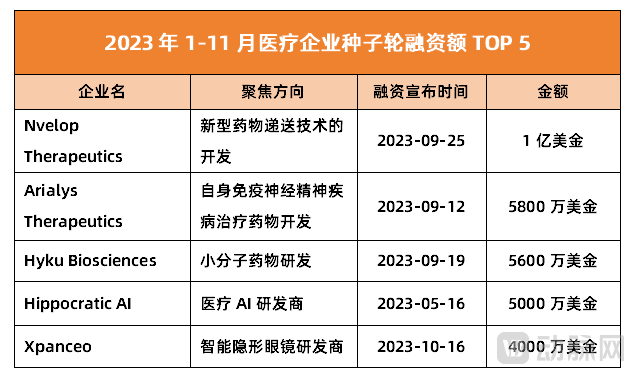
Recently, news of a $100 million seed financing round has dominated industry headlines, marking the largest seed investment in the healthcare sector this year to date.
As is well known,In the venture capital industry, the seed round is the first significant funding a startup receives., as projects at this stage are often in their early infancy, the average financing amount typically ranges from hundreds of thousands to several million US dollars,Few companies can secure tens of millions, or even hundreds of millions, of U.S. dollars.
“If a newly launched project can secure hundreds of millions in large-scale financing, it is generally because the founding team behind it is exceptionally strong and the project is focused on a major hot trend; both factors are often indispensable,” industry investor Gong Mo told VCBeat.
(Data source: VCBeat Orange Database)
Nvelop Therapeutics Secures $100 Million in Seed Funding, having been established just one year ago. The founder behind this enterprise is David Liu, a Harvard University professor and a pioneer in gene editing. In addition to being a leading academic figure, he possesses extensive entrepreneurial experience, having led or participated in the founding of several well-known companies, including Prime Medicine, Editas Medicine, Chroma Medicine, and Exo Therapeutics. Among these, Prime Medicine and Editas Medicine have successfully completed their initial public offerings (IPOs).
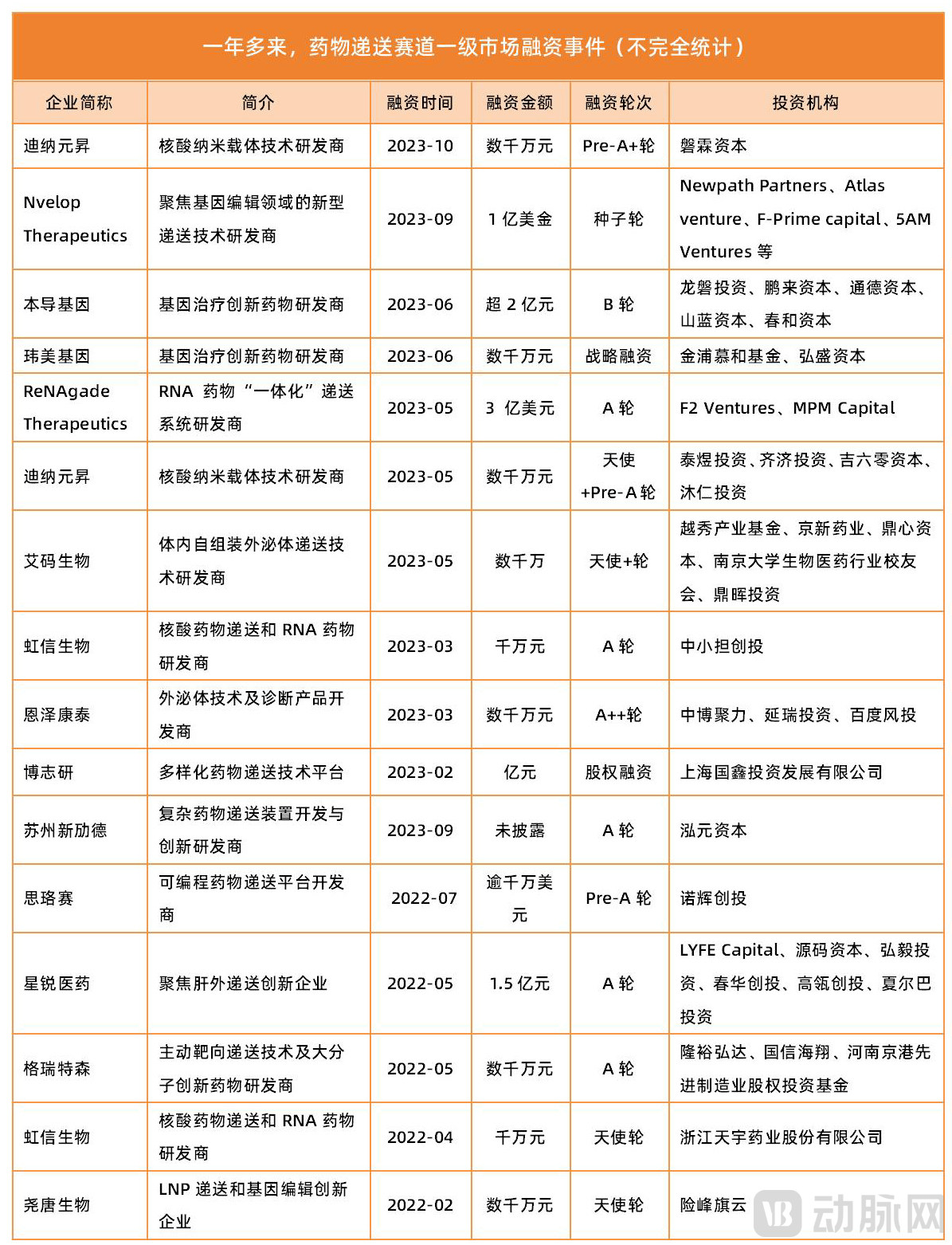
In terms of business direction, Nvelop Therapeutics primarily focuses on the development of novel delivery technologies, a field that is currently a major hotspot in the healthcare industry. According to the VCBeat Orange Database,Over the past year and more, there have been over 10 financing events in the drug delivery sector, with total funding exceeding RMB 3 billion.Its backers include Hillhouse Capital, MPM Capital, Panlin Capital, Taiyu Investment, Sherpa Capital, Xianfeng Qiyun, Source Code Capital, and other well-known institutions.
(Data source: Artery Orange Database)
Amid Frequent Financing Rounds, What New Story Is the Drug Delivery Sector Telling?
In the field of pharmaceutical R&D, drug delivery is widely regarded by the industry as the primary battleground for next-generation technologies.
“Drug delivery is critically important in clinical practice. First, it influences the ultimate efficacy of a drug; second, it is a key determinant of success or failure in drug development,” Gong Mo, an industry investor, told VCBeat.Drug delivery systems often carry the four core functions of “drug targeting,” “controlled drug release,” “enhanced drug absorption,” and “improved drug properties,” holding significant value in the industry chain.
It is precisely for this reason that drug delivery has garnered widespread attention across the industry. Positioned in this high-profile sector and bolstered by its founders’ extensive backgrounds, Nvelop Therapeutics emerged with a star-studded profile: the company aims to unlock the greater potential of gene therapy by entering the field of delivery technologies.
It is important to note that in the field of gene editing, due to the unique properties of cell membranes and the complexity of therapeutic genetic materials, gene-editing drugs are unstable within the human body. Consequently, if a drug mistakenly targets an off-target site, it can easily cause severe adverse effects in patients. Therefore,How to deliver gene-editing drugs to the appropriate locations has always been one of the industry’s most pressing concerns.
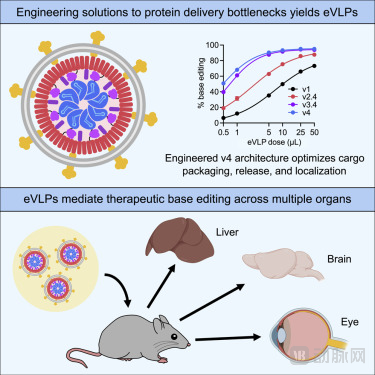
In this field, David Liu, founder of Nvelop Therapeutics, has conducted years of research. In January 2022, he and his collaborators published a paper titled “Engineered virus-like particles for efficient in vivo delivery of therapeutic proteins” in the journal Cell. The paper notes that current clinical applications primarily rely on two types of delivery vectors: viral vectors (such as lentiviruses and adeno-associated viruses [AAV]) and non-viral vectors (such as lipid nanoparticles [LNPs]). However, these vectors still have significant limitations. For example, AAVs have a limited packaging capacity, accommodating only up to 5 kb of DNA.
In response, Liu Ruqian and his team developed engineered virus-like particles (eVLPs)., enabling efficient delivery of gene-editing tools into cells within animal bodies. eVLPs boast several notable advantages; for instance, the paper reports that base editing delivered via eVLPs effectively edited 63% of hepatocytes in mice, successfully reducing serum PCSK9 levels by 78%.
Furthermore, after assessing off-target effects at both the DNA and RNA levels for in vitro and in vivo gene editing delivered by eVLPs, the research team detected no off-target activity in either case. This represents a significant advantage over delivery using AAV vectors or plasmid vectors.
(Schematic diagram of the eVLP solution. Image source: Cell)
Nvelop Therapeutics is a company founded precisely on the basis of the aforementioned research, andA $100 million investment is sufficient to demonstrate institutional investors' recognition of the application potential of eVLP.
In terms of team composition, in addition to Feng Zhang, Harvard Professor J. Keith Joung serves as a co-founder; he is also a co-founder of the gene-editing companies Editas Medicine, Beam Therapeutics, and Pairwise Plants. Dr. Jeffrey Hrkach serves as Chief Technology Officer (CTO), having previously led delivery research at the biopharmaceutical companies Moderna and Frequency Therapeutics. Evidently, the endorsement by this star-studded management team is the key reason behind Nvelop Therapeutics’ rapid rise.
According to LinkedIn, Nvelop Therapeutics is continuously expanding its workforce and has already recruited dozens of employees. These hires primarily come from various specialized fields, including vaccines, cell therapy, and gene therapy, endowing the team with a multidisciplinary and composite industrial background.
In summary, it is preciselyOperating in the Drug Delivery Sector、Possessing Cutting-Edge Delivery SolutionsandStar Founding Team LineupThe convergence of these three key factors enabled Nvelop Therapeutics to secure a $100 million seed financing round just over a year after its establishment.
Over the past year and more, investment firms have poured over RMB 3 billion into the field, igniting a new wave of financing in the drug delivery sector.
“Whether it’s gene therapy, small-molecule drugs, or large-molecule drugs, they all rely on delivery technologies,” said industry investor Gong Mo. From ex vivo microneedle injection for delivering small-molecule chemical agents to in vivo delivery of large-molecule drugs encapsulated in lipid nanoparticles (LNPs), delivery systems are ubiquitous.
However, investing in the drug delivery sector is by no means easy. “Investing in this space requires clarifying a series of key questions. Each carrier technology has its own characteristics; so what attributes should an ideal delivery carrier possess? And how can one assess their respective commercialization prospects?” In Gong Mo’s view,Drug delivery systems must be evaluated on two fundamental aspects: first, from technical and clinical perspectives, whether they exhibit excellent drug loading capacity, targeted delivery capability, and safety; second, from a manufacturing perspective, whether they can be scaled up for large-scale production.
Therefore, it is of great significance to accurately assess technological trends and commercial value.
In terms of technological trends, broadly speaking,Drug delivery systems can be classified into two major categories: in vitro delivery and in vivo delivery.Among these, ex vivo delivery includes microneedles, patches, and the like. Currently, the primary market is relatively more focused on in vivo delivery.
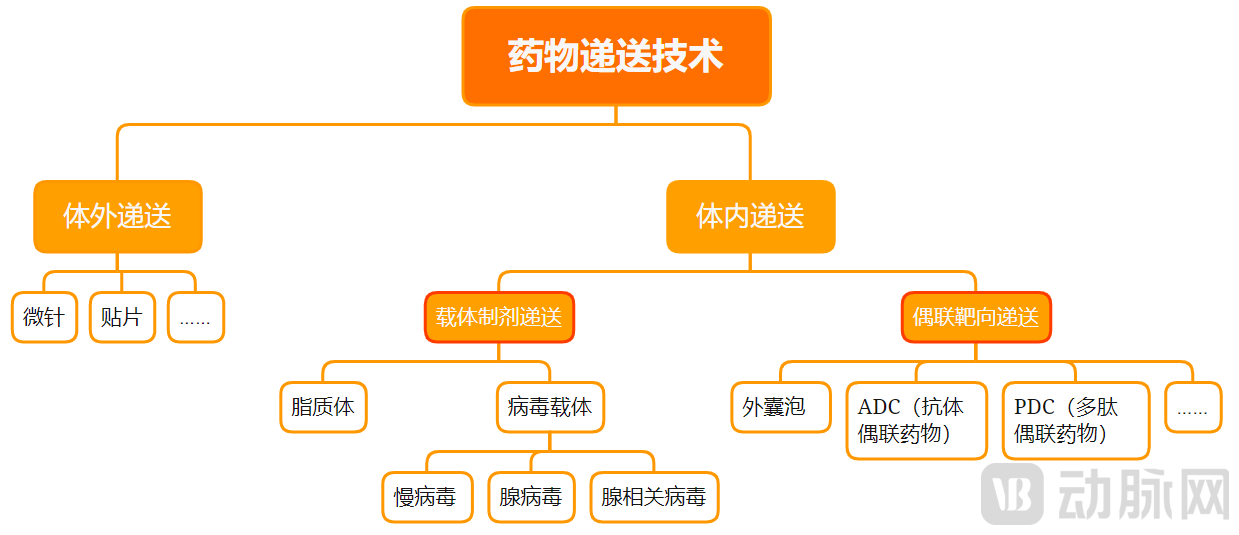
(Classification of Drug Delivery Technologies; Chart by VCBeat)
In vivo delivery can be further subdivided into two main categories: carrier-based formulation delivery and conjugate-targeted delivery. Carrier-based formulation delivery refers to drug delivery systems that require encapsulation within an independent carrier, whereas conjugate-targeted delivery involves chemically linking targeting molecules to drug molecules to create innovative therapeutics.
“Different delivery technologies often have drugs that are best suited for them."Industry investor Gong Mo stated that the application of technology must be aligned with clinical scenarios."
It is precisely on this basis that the field of in vivo delivery is experiencing a “flourishing diversity,” with both new and existing vectors finding their respective niches.
Specifically,Currently, the mainstream delivery vectors in the field of carrier-based formulation delivery include lipid nanoparticles (LNPs), viral vectors, and extracellular vesicles (EVs).
As a universal nanocarrier platform,LiposomesThey can transport hydrophobic or hydrophilic molecules, including small molecules, proteins, and nucleic acids. Currently, liposomal formulations have been approved for use in delivering drugs and vaccines for anticancer, anti-inflammatory, antibiotic, antifungal, anesthetic, as well as other pharmacological and gene therapies.
In addition, lipid nanoparticles (LNPs) have garnered increasing attention for mRNA vaccine delivery in recent years. This is because LNPs are spherical vesicles that can encapsulate mRNA, thereby protecting it from nuclease degradation. Furthermore, their structural similarity to cell membranes facilitates fusion with recipient cells, resulting in high transfection efficiency.
Companies that completed their Series A financing in March this yearHongxin Biologicsas an example, it has deeply cultivated the field of lipid nanoparticle (LNP) delivery, filed dozens of invention patents, including multiple PCT and European and U.S. invention patents, and possesses a fully independent intellectual property rights-owned library of ionizable amino lipids. For the core ionizable amino lipids, Hongxin Biologics has completed global patent layout, laying the foundation for the development of its mRNA innovative drug pipeline and out-licensing collaborative development.
Another example is the company that secured $300 million in Series A financing this May.ReNAgade Therapeutics. The company has integrated delivery technologies, including novel lipid nanoparticles (LNPs), into its all-RNA platform to enable RNA drug delivery to previously inaccessible tissues and cells in the body, thereby addressing a major limitation of RNA therapeutics. According to STAT, ReNAgade Therapeutics’ pipeline has completed in vitro and mouse studies, and multiple non-human primate preclinical studies are underway.
Viral VectorIt is one of the earliest developed biologic drug delivery technologies and has become a topic of intense discussion amid the rapid rise of the cell and gene therapy industry.
Currently, the three most closely watched areas are lentivirus (LV), adenovirus (ADV), and adeno-associated virus (AAV). Among these, lentivirus (LV) is the most mature viral vector platform, playing a pivotal role in immune cell therapies such as CAR-T therapy. Adenovirus (ADV) is primarily used in vaccine development, while adeno-associated virus (AAV) is more widely applied in clinical in vivo and ex vivo gene therapies.
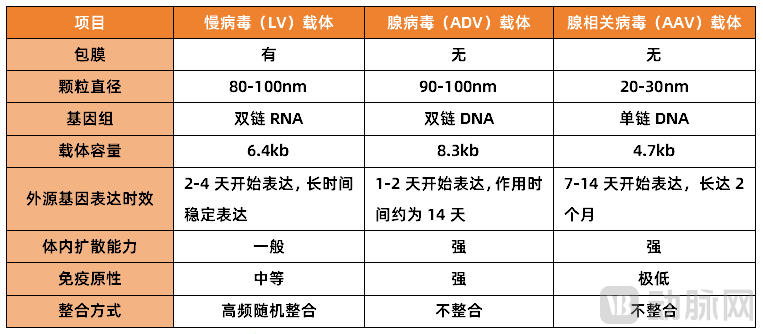
(Comparison of Characteristics of Three Common Viral Vectors, Graphic by VCBeat)
Currently, numerous enterprises in China have established a presence in the field of viral vectors, with rapid development across various segments. For instance, the research, design, and manufacturing of lentiviral vectors (LV) have formed a well-defined system of Standard Operating Procedures (SOPs). This standardization has extended outward, facilitating the rapid emergence of the cell therapy CDMO industry, which presents significant opportunities.
In this direction, multiple companies have secured financing. For example, [Company Name], which completed a Series B financing round of over RMB 200 million in June this year,BenDao GeneticsThe company has established its own next-generation lentiviral vector platform (BDlenti). Centered on this core delivery technology platform, Bendao Gene has developed multiple first-in-class product pipelines, initiated several first-in-human clinical studies, and engaged in collaborative R&D with renowned international pharmaceutical companies to develop novel therapies for major neurological disorders.
which secured tens of millions of yuan in financing in the same monthWeimei GeneticsIt has established a comprehensive platform for adeno-associated virus (AAV) engineering—AAVMeta. Reportedly, the company’s first novel ophthalmic AAV vector has successfully achieved commercial translation, and drugs utilizing this vector have entered clinical trials. Meanwhile, Weimei Gene has also successfully developed novel AAV vectors for various tissue types, including the cochlea, lungs, nervous system, and muscles, and has implemented an extensive patent layout in the field of gene therapy both domestically and internationally.
Extracellular Vesicles (EVs)As a natural carrier of biological macromolecules, it can deliver these molecules from one cell to another, much like delivering packages, thereby facilitating intercellular communication.
As drug delivery vehicles, extracellular vesicles (EVs) offer significant advantages, including high drug-loading capacity, favorable tissue penetration and blood-brain barrier permeability, and ease of surface modification. Based on differences in size, biogenesis, and biological properties, EVs are classified into various subtypes, such as exosomes, microparticles/microvesicles, tumor-derived vesicles, and apoptotic bodies.
For instance, the company that secured tens of millions of yuan in its A++ round of financing this MarchEnze Kangtai, the company leverages its core intellectual property-based engineered exosome platform, Echosome®, to support the R&D of innovative exosome therapeutics. It has established a 3,000-square-meter GMP pilot-scale workshop for exosomes and developed mature exosome production processes and quality characterization systems, offering services such as engineered exosome vector design and development, as well as CDMO services for engineered exosomes.
Another example is the company that completed a Pre-A financing round of over $10 million in July 2022,SiluSai, it has conducted innovative R&D on exosome drug-loading technology and independently developed a programmable drug delivery system—TAXYTM. Furthermore, the company has developed ExoPack, an exosome drug-loading system that enables efficient and selective encapsulation of protein or nucleic acid therapeutics either within the interior or on the surface of exosomes.
RevisitConjugated Targeted Delivery。From the perspective of conjugation technology, there are mainly two types: random conjugation and site-specific conjugation. Both utilize a linker to connect the drug with a molecule capable of targeted delivery, thereby forming a conjugated drug with targeted delivery functionality. However, site-specific conjugation technology yields products with higher homogeneity and can reduce toxicity and instability caused by impurities.
In this direction, common examples include ADCs (Antibody-Drug Conjugates) and PDCs (Peptide-Drug Conjugates), with others primarily comprising ABCs (Antibody-Biopolymer Conjugates), ACCs (Antibody-Cell Conjugates), AOCs (Antibody-Oligonucleotide Conjugates), FDCs (Fragment-Drug Conjugates), ISACs (Immune-Stimulating Antibody Conjugates), and VDCs (Virus-like Drug Conjugates).
Among these, antibody-drug conjugates (ADCs) are currently receiving the most attention. At the 2023 European Society for Medical Oncology (ESMO) Congress held in Madrid, Spain, from October 20 to 24, ADCs became a hot topic of discussion within the industry. On the 20th,Merck & Co. and Daiichi Sankyo Reach $4 Billion Deal on Three ADCsMerck & Co. made an upfront payment of $750 million for one of the drugs, R-DXd. In the future, Merck is expected to pay an additional $16.5 billion in commercialization milestone payments, bringing the total potential value of the collaboration to as high as $22 billion. This sufficiently demonstrates that antibody-drug conjugate (ADC) targeted delivery holds significant potential for commercial partnerships.
It is evident that, regardless of the chosen drug delivery route, the core objective is to facilitate the successful application of drugs in disease treatment, enhance their clinical efficacy, and reduce toxicity. Only such drug delivery systems are considered valuable and recognized by investors.
Since the inception of modern pharmaceutical R&D, research on drug delivery systems has remained a consistent and prominent focus. Particularly in recent years,With the rise of biologics, the industry’s demand for drug delivery technologies is also increasing.
In this context, several investors told VCBeat that the potential market for drug delivery vectors continues to look promising, benefiting from the rapid development of new technologies such as gene therapy and RNA therapy. This trend will also propel industry participants into the spotlight in the primary market and enable them to craft more compelling narratives in the secondary market.
“The vector itself is not necessarily just a delivery tool; it can also become, or give rise to, an innovative therapy. This is precisely the appeal of vector platforms. Moreover, beyond being a hub technology for novel therapies, vector technology offers significant flexibility in its business model. The companies we invest in no longer pin all their hopes on the success or failure of a single target; instead, they can forge diverse, multi-faceted collaborations, rapidly and continuously advancing therapies across different disease areas into clinical trials,” Song Haolin, Partner at Proxima Ventures, previously told VCBeat.
Behind the rapid growth, the industry still faces numerous challenges.For instance, exosome purification is quite complex, and the yield of exosomes released by mammalian cells is relatively low. Therefore, how to obtain high-yield, pure exosomes is a key challenge that market entrants must overcome.
For another example, the contract development and manufacturing (CDMO) industry for adeno-associated virus (AAV) is still in its nascent stage, with no clear consensus within the sector. Therefore, optimizing Good Manufacturing Practice (GMP) production of AAV vectors remains a key focus for many gene therapy companies.
Of course, challenges present opportunities. As industry participants overcome one challenge after another, more efficient and sophisticated delivery systems will inevitably emerge, thereby driving the high-quality development of biopharmaceuticals.
Amid the industry’s surging tides, a wave of leading enterprises in China’s drug delivery sector is poised to emerge in the coming period.
References:
1:Engineered virus-like particles for efficient in vivo delivery of therapeutic proteins. 《Cell》
Official Website: https://www.cell.com/cell/fulltext/S0092-8674(21)01484-7
2: "Merck (MRK.US) and Daiichi Sankyo Partner to Develop Three ADCs" Zhitong Finance